By Ximena Flamenco | Project Officer
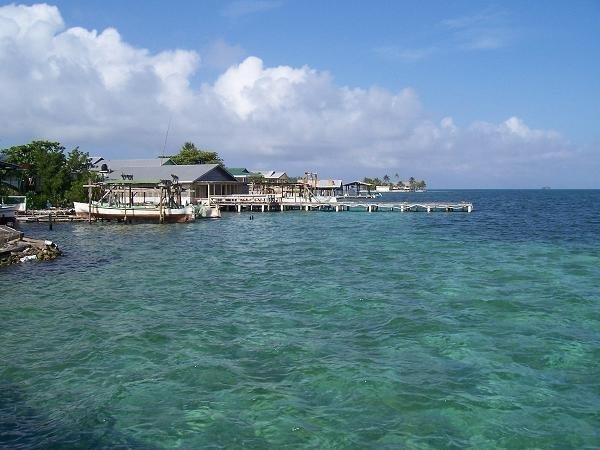
As promised, we are back on the coasts of Belize and Honduras, in the Belize Barrier Reef and offshore atolls, and in northwestern Honduras and adjacent deep waters. Following MarAlliance’s, an organization that explores, enables and inspires conservation actions, hard work with the project “Identifying spawning aggregations of economically important deep-sea fish species in Belize and Honduras.”
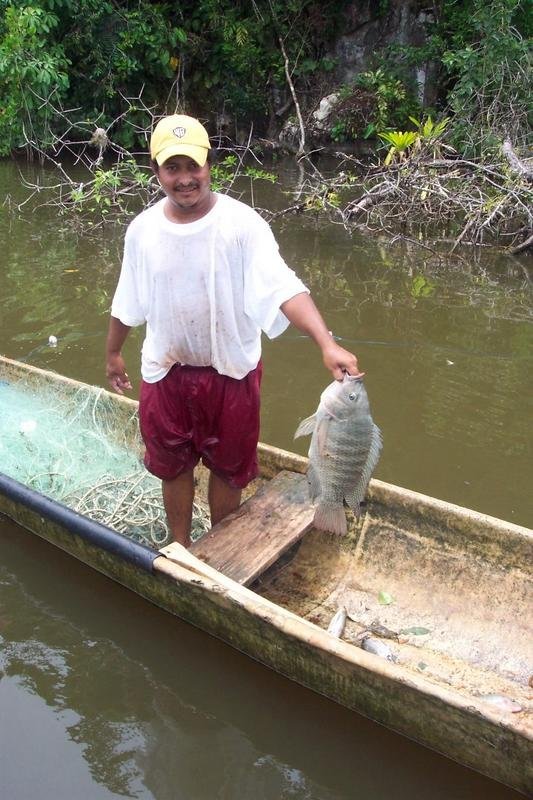
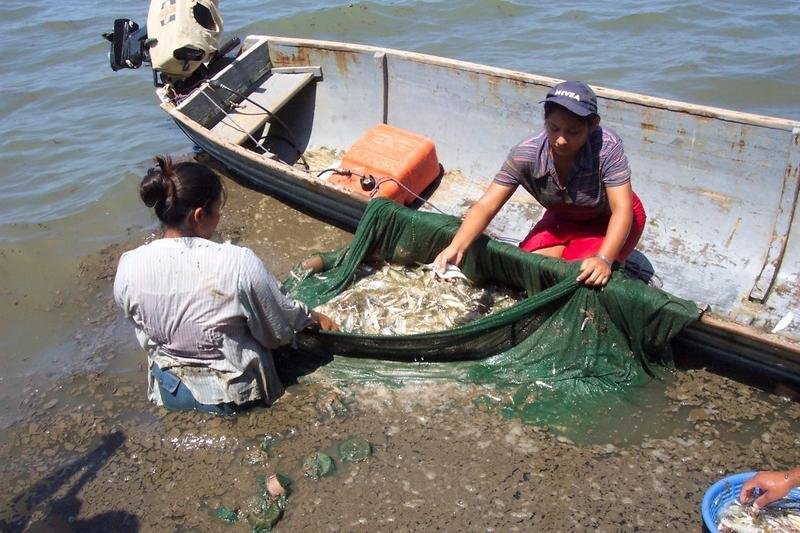
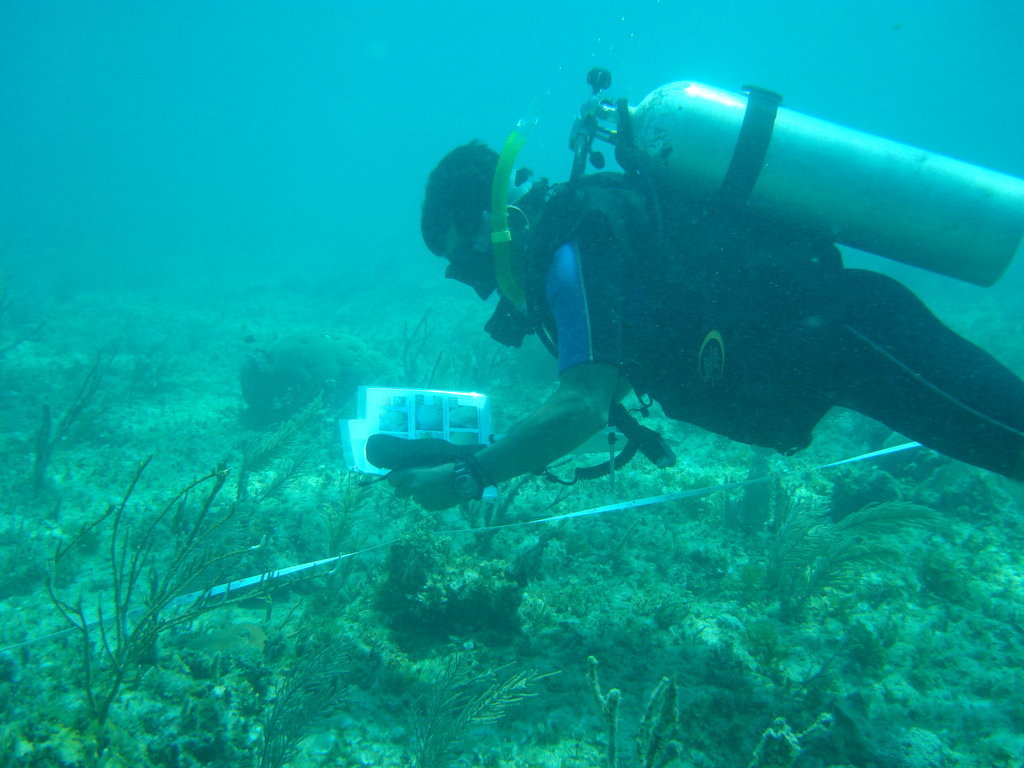
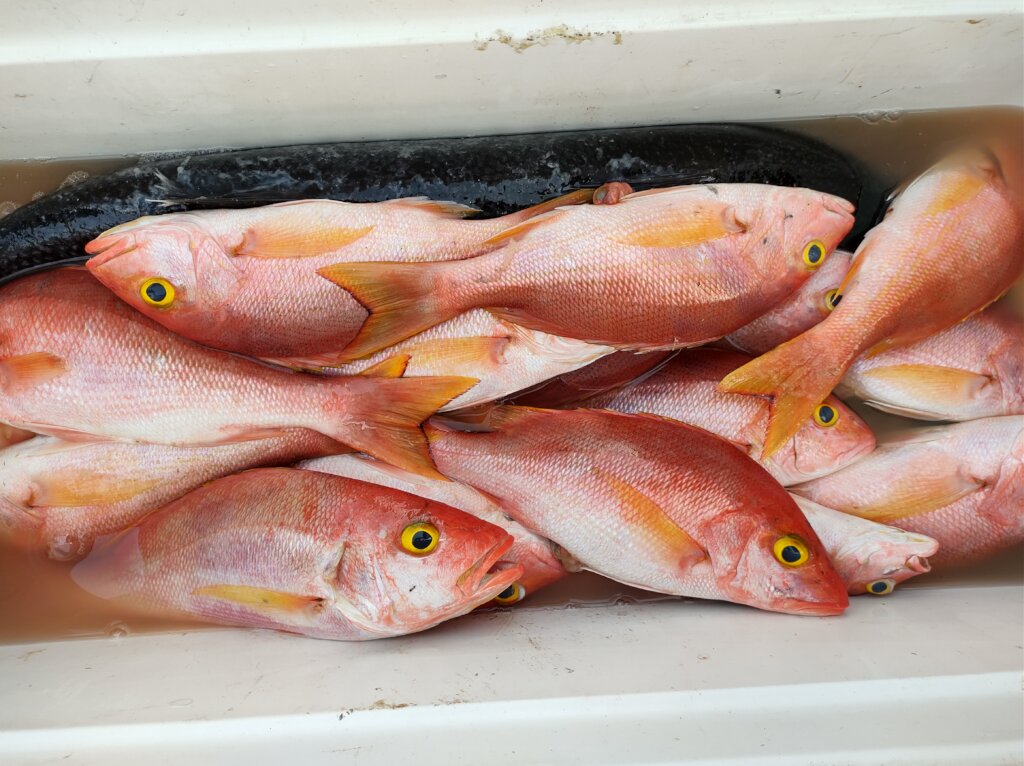
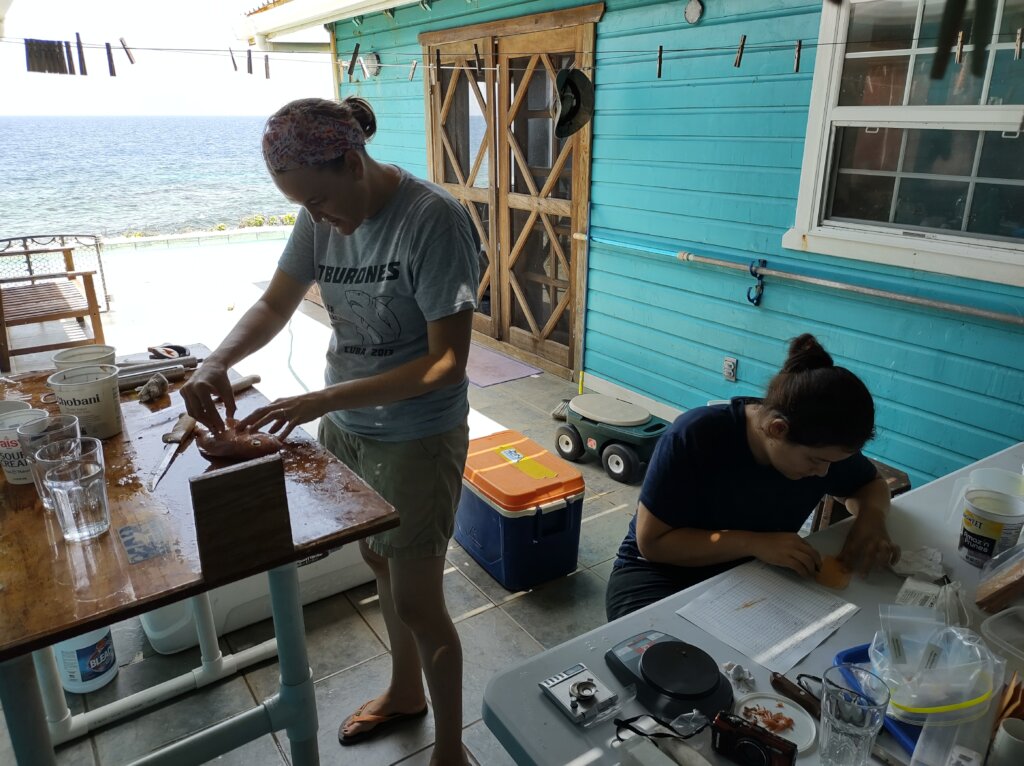
With the goal of extending ongoing research in the region focusing on the reproductive activity of deep-sea groupers and snappers to identify potential spawning aggregations in Belize and Honduras, MarAlliance set out to research the deep sea with the participation of fishers from both countries. Monitoring was carried out through scientific vertical longlines and deep-sea cameras, and fish samples were used for life history, reproductive status, and for genetic analysis.
After training fishers from both countries in deep-sea monitoring techniques, a total of 213 snappers and groupers were sampled for reproductive status, of which only 11 individuals were observed in spawning or recently spawned conditions at five sites: two sites in Honduras (east and west of Cayos Cochinos), and three in Belize (Southwater Caye Marine Reserve, Glover’s Reef Atoll, and at a deep bank between Glover’s Reef Atoll and Lighthouse Reef Atoll). A total of 738 tissue samples were collected from snappers and are being analysed; identifying snappers DNA and having a database will help determine whether the deep-sea snappers are a single stock in the region or have smaller, more regional populations, which will help in understanding the genetic diversity of the species and how vulnerable they are to local overfishing.
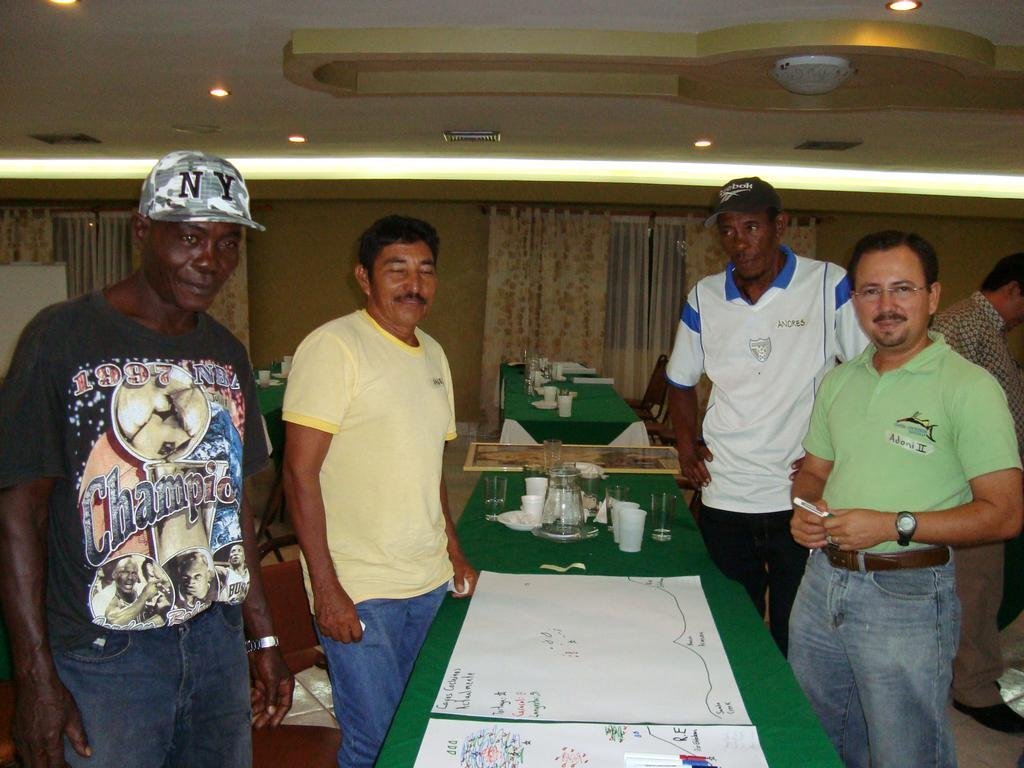
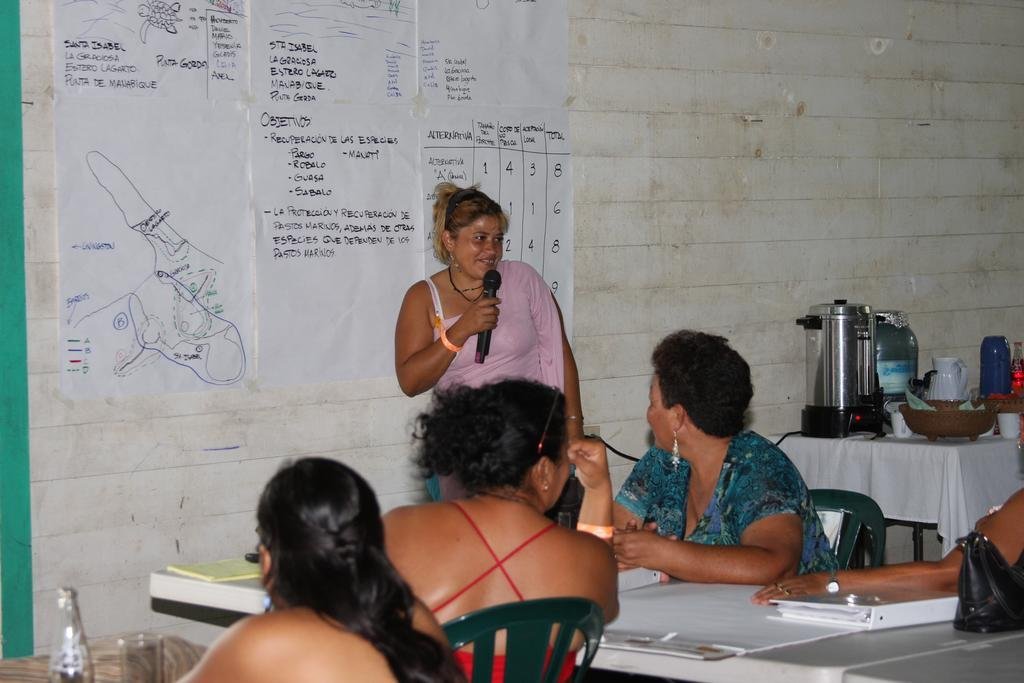
Combining data from previous work, MarAlliance found that most snappers and groupers spawn in the fall months (August-November), with the exception of the silk snappers, which were observed actively spawning in the spring and summer (March – July). Although spawning individuals were observed, no evidence of aggregations could be confirmed. All the results and information gathered were shared at seven stakeholder meetings with fishers, managers, co-managers, and conservation groups to receive feedback and understand the implications these results have on the deep-sea fishery.
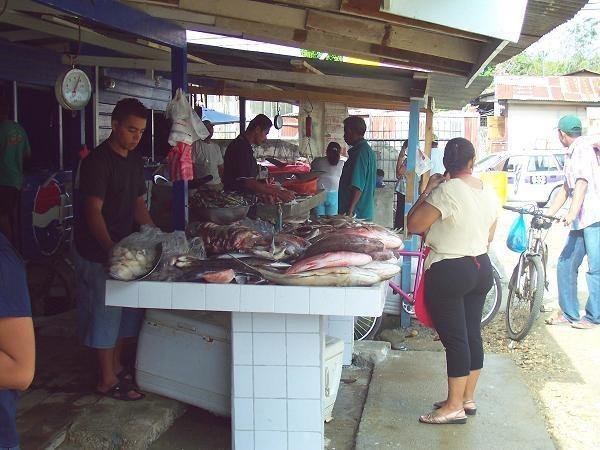
Knowledge of this information is vital for the management of the deep-sea fishery, which is expanding rapidly in Belize and is well established in parts of Honduras. Understanding these species spawning patterns will help managers and co-managers of marine protected areas understand how to develop their surveillance programs as well as how to manage this resource.
Thanks to your help, we will continue supporting MarAlliance in their work to understand and identify spawning aggregations of these economically important deep-sea species, so stay tuned, a new phase of this project is being implemented.
Thank you
The MAR Fund Team.
Project reports on GlobalGiving are posted directly to globalgiving.org by Project Leaders as they are completed, generally every 3-4 months. To protect the integrity of these documents, GlobalGiving does not alter them; therefore you may find some language or formatting issues.
If you donate to this project or have donated to this project, you can receive an email when this project posts a report. You can also subscribe for reports without donating.



Support this important cause by creating a personalized fundraising page.
Start a Fundraiser