By Ximena Flamenco | Project Officer
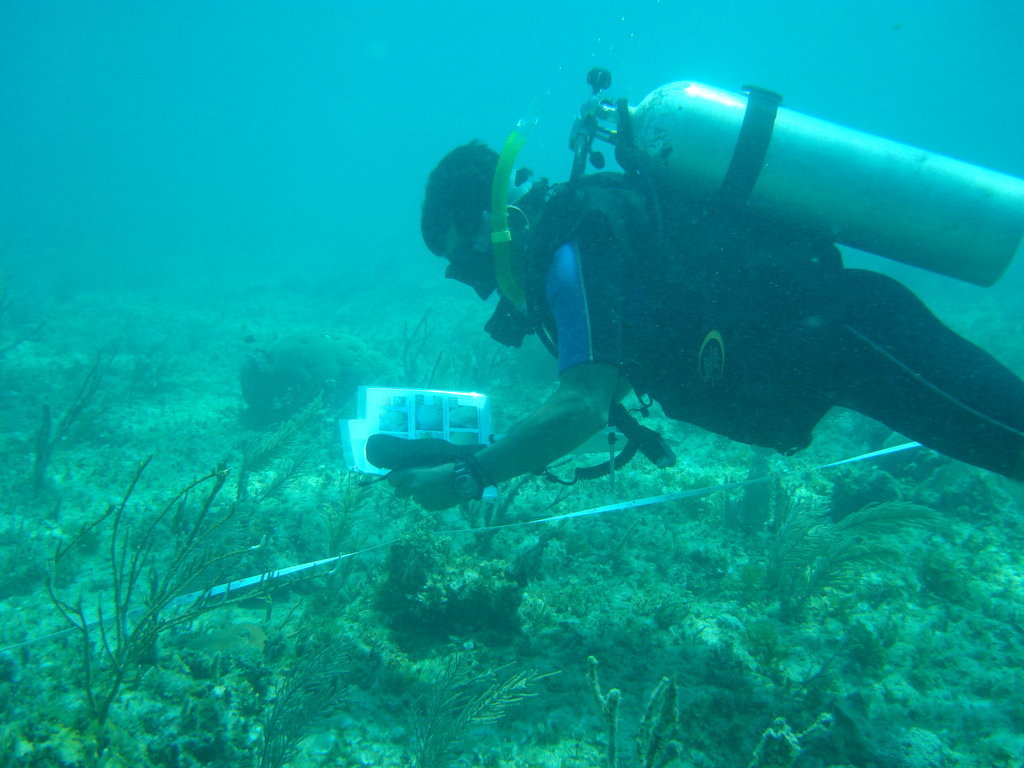
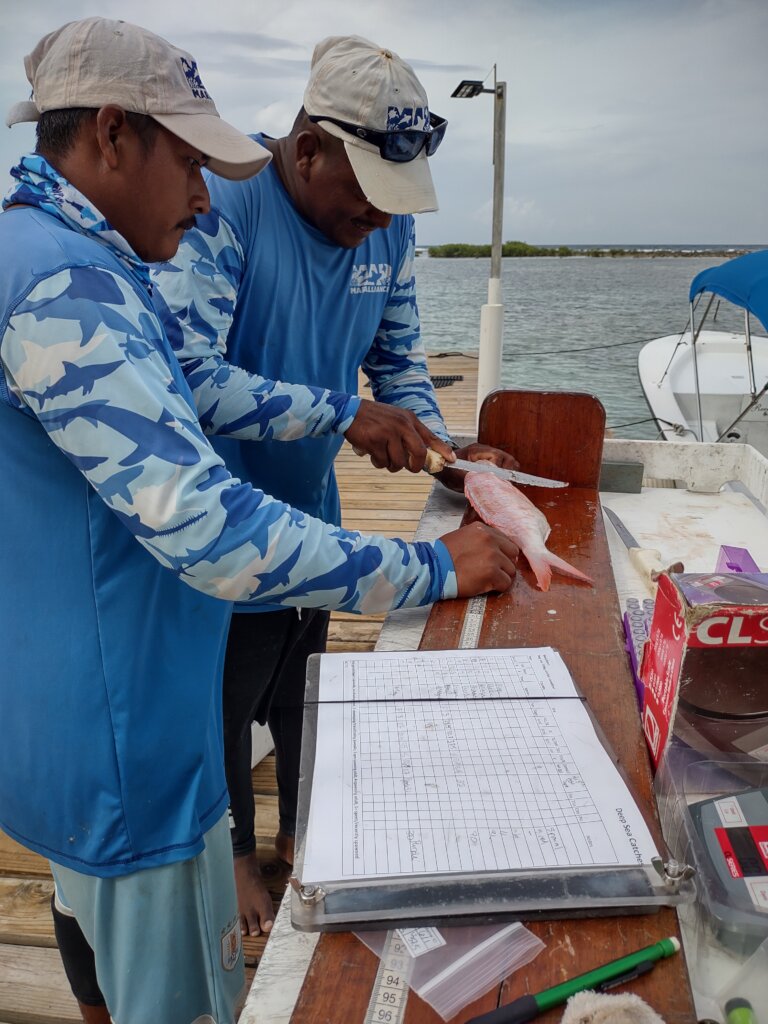
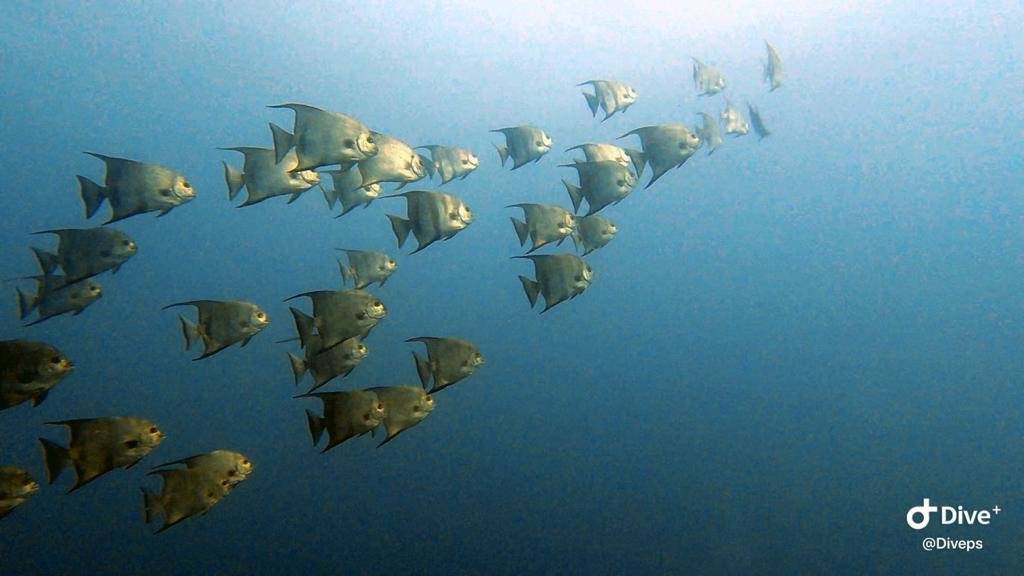
Our commitment to marine conservation doesn’t stop at the shoreline. Building on our support we continue to work collaboratively with regional partners to protect critical marine species and habitats. MarAlliance, an organization that explores, enables, and inspires conservation actions, is at the forefront of regional efforts to ensure the sustainability of deep-sea snapper and grouper populations through strategic research and conservation planning. Deep-sea snappers and groupers grow slowly and mature late compared to their shallow counterparts. Because of their depth preferences, spawning activity cannot be easily identified for these vulnerable species. MarAlliance is looking to close this gap in knowledge by using fishery-independent (standardized scientific surveys) and –dependent capture methods (data and/or samples collected), along with novel camera installments, to continue building upon previous work to identify potential spawning aggregations of deep-sea snappers and groupers in the Mesoamerican Reef (MAR).
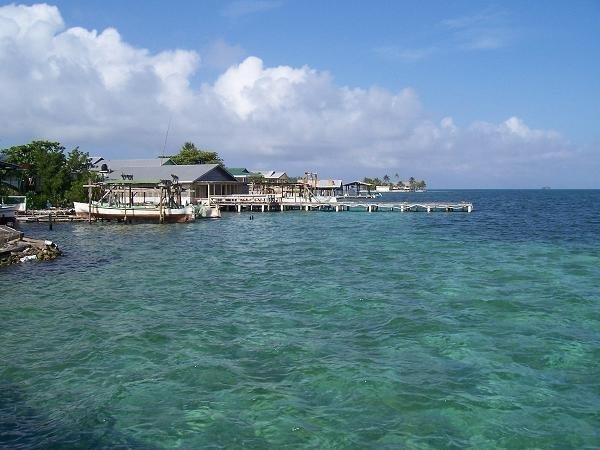
MarAlliance’s work spans the Belize Barrier Reef and its offshore atolls—including Southwater Caye and Gladden Spit Silk Cayes Marine Reserve—as well as northwestern Honduras and the Bay Islands, encompassing key zones such as the Sandy Bay West End Special Marine Conservation Zone, Omoa, and the Cayos Cochinos Marine Natural Monument. By combining technology and scientific research, MarAlliance aimed to identify and monitor sites where spawning aggregations of deep-sea fishes occur, along with the timing of these events and protect these vital aggregation areas.
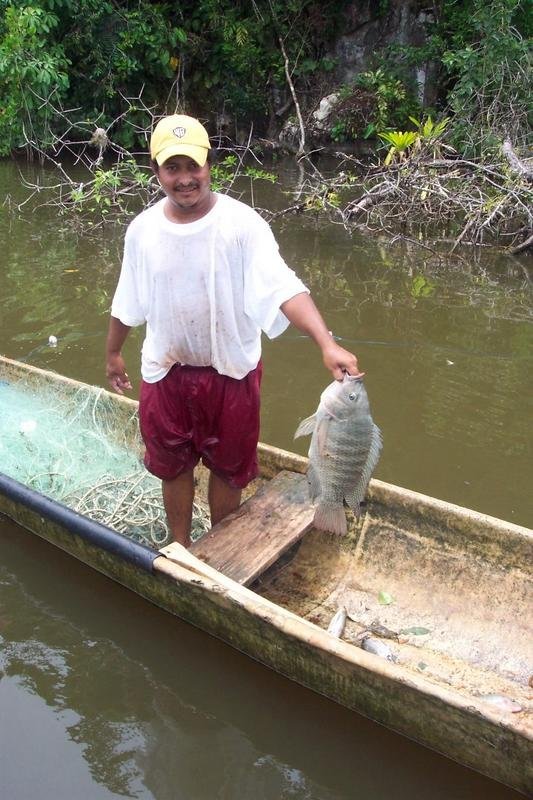
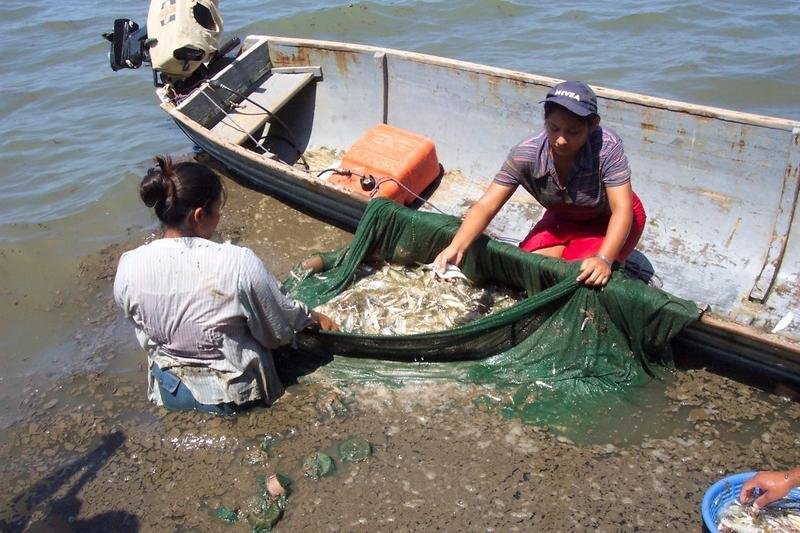
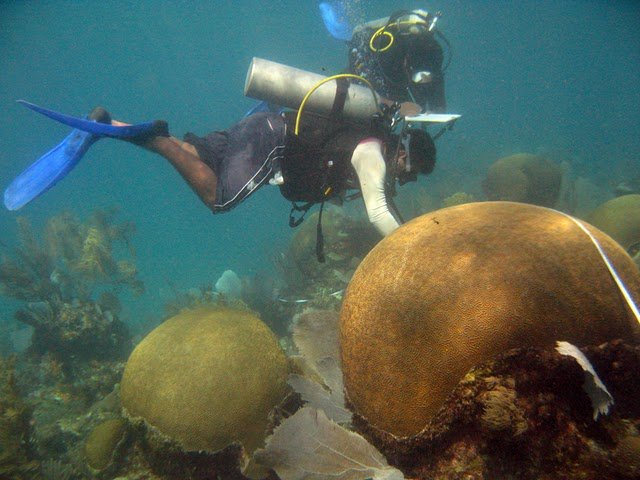
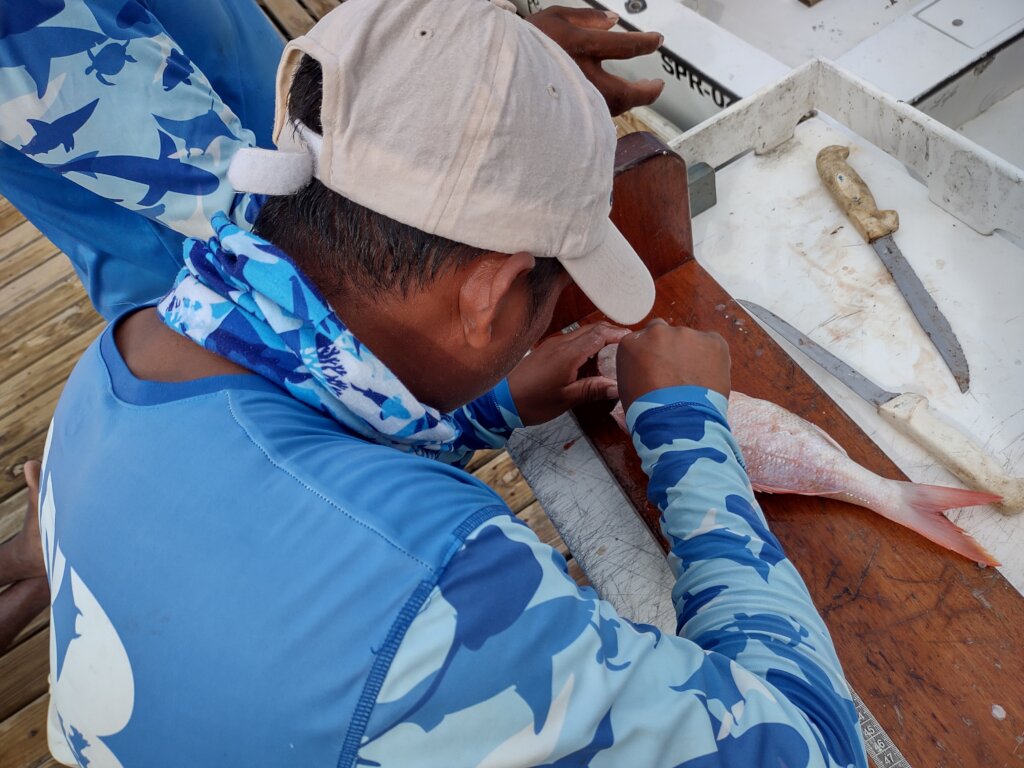
Through this support MarAlliance, through the instalment of 99 vertical longline sets, was able to capture 73 deep-sea snappers from six species of which only one queen snapper, male, was observed to be in spawning conditions. Also, they set 14 baited remote underwater video (BRUV) (3 in Belize and 11 in Honduras) of which 10 had hydrophone attached; 14 hours of recording were obtained. Even though spawning activity was not detected, they were able to quantify benthic habitat and create baseline soundscapes. After training nine fishers (nine male and one female) from both countries in deep-sea monitoring techniques, a total of 52fish from two species (28 silk snapper from Belize and 15 blackfin and 9 silk snappers from Honduras) were sampled by fishers for genetic and life history studies to supplement the fisher-independent samples (longline sets). With this genetic study it was determined that these species have a long life-span and that through the otoliths (calcium carbonate structure in the inner ear) analysis the fish age can be measured easily.
The results achieved through this support gave MarAlliance the opportunity to provide recommendations in the management of these species. Combining data from previous work and after analysis, MarAlliance was also able to identify that a protected season for deepwater snapper and grouper species in the region would be most effective from August-November. Leaving a broader closed season would be the most protective.
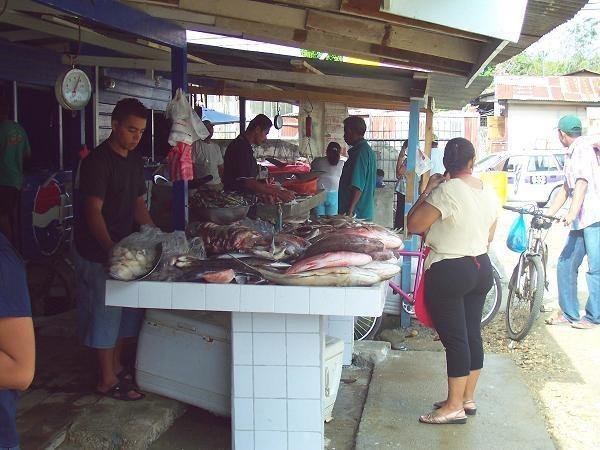
Knowledge of this information is vital for the management of the deep-sea fishery. Together with MarAlliance and local stakeholders, we continue working to ensure that these important fish populations can thrive for generations to come.
Thank you for your support in our work in understanding and identifying spawning aggregations of these economically important deep-sea species.
The MAR Fund Team
Project reports on GlobalGiving are posted directly to globalgiving.org by Project Leaders as they are completed, generally every 3-4 months. To protect the integrity of these documents, GlobalGiving does not alter them; therefore you may find some language or formatting issues.
If you donate to this project or have donated to this project, you can receive an email when this project posts a report. You can also subscribe for reports without donating.



Support this important cause by creating a personalized fundraising page.
Start a Fundraiser