By Janine Hansen | Project Leader
This report is a bit longer than what I usually write, but it will be worth the read, till the end. You will be inspired and feel proud that your support contributed to the news headline in a respected newspaper, in South Africa.
The employment rate of blind and visually impaired people in the open labour market in South Africa, is less than 2%. That is one reason why the Mobile Career Café (MCC) jumped at the opportunity to facilitate two, 3-day career and work readiness training sessions at 2 schools for the blind and visually impaired in the Eastern Cape, in 2024. Earlier this year, I shared some feedback on the first MCC at Khanyisa school for the blind. In this report, I want to focus on the impact of the MCC by looking back at what happened to some learners and their potential career development, because of the MCC.
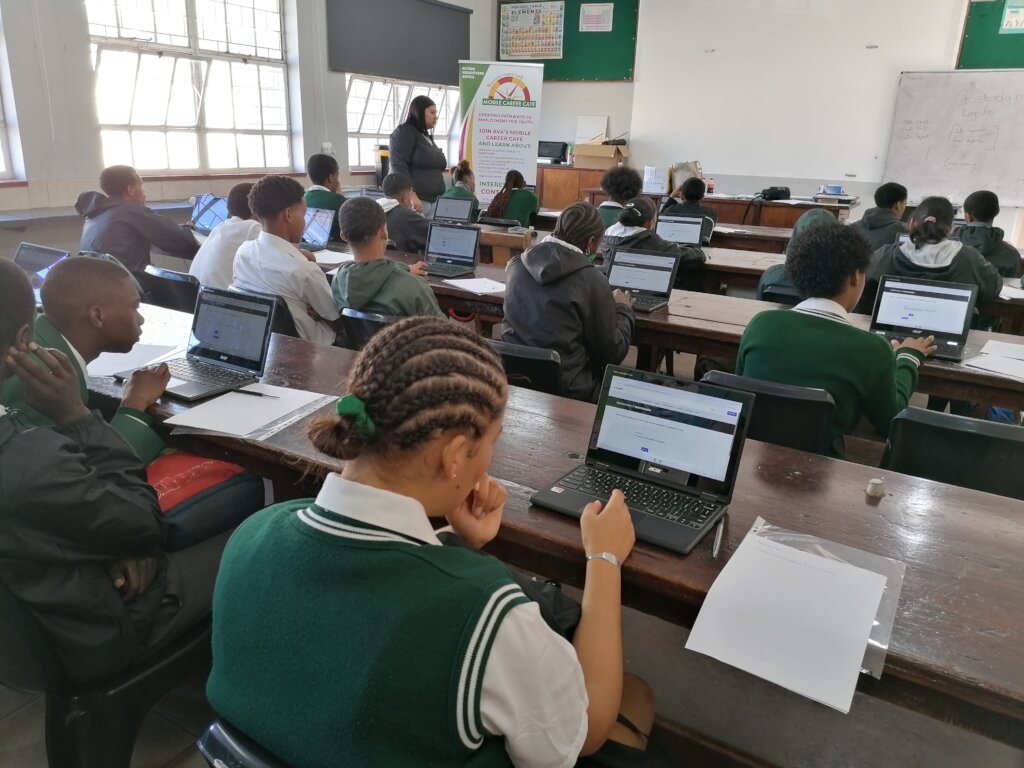
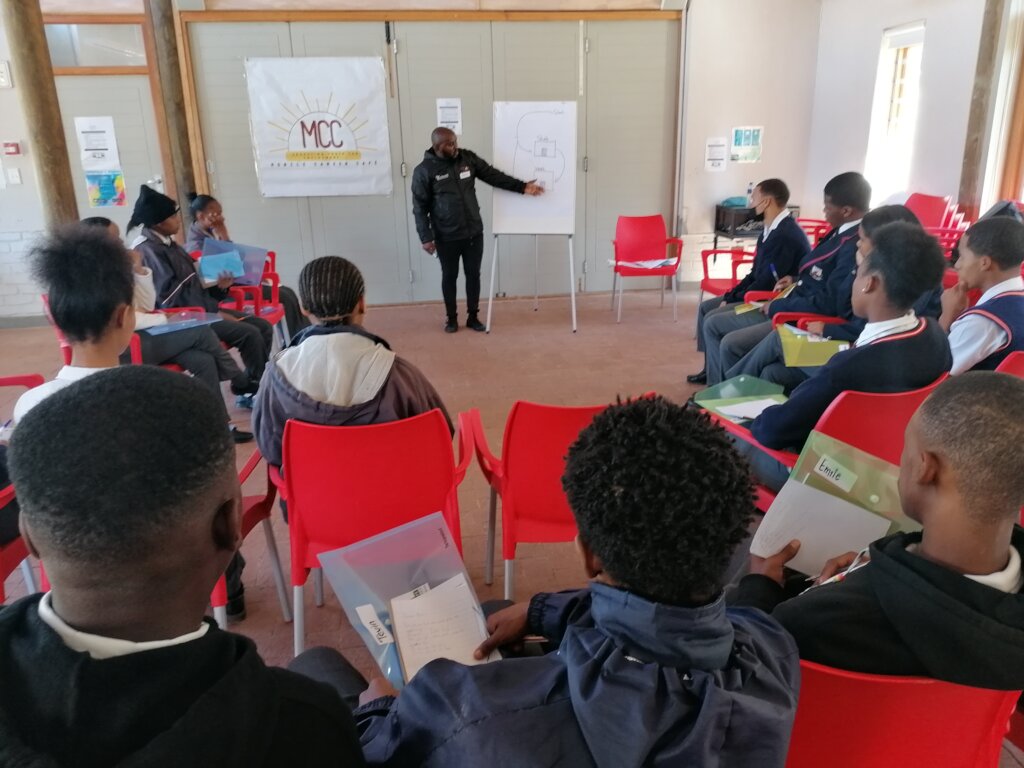
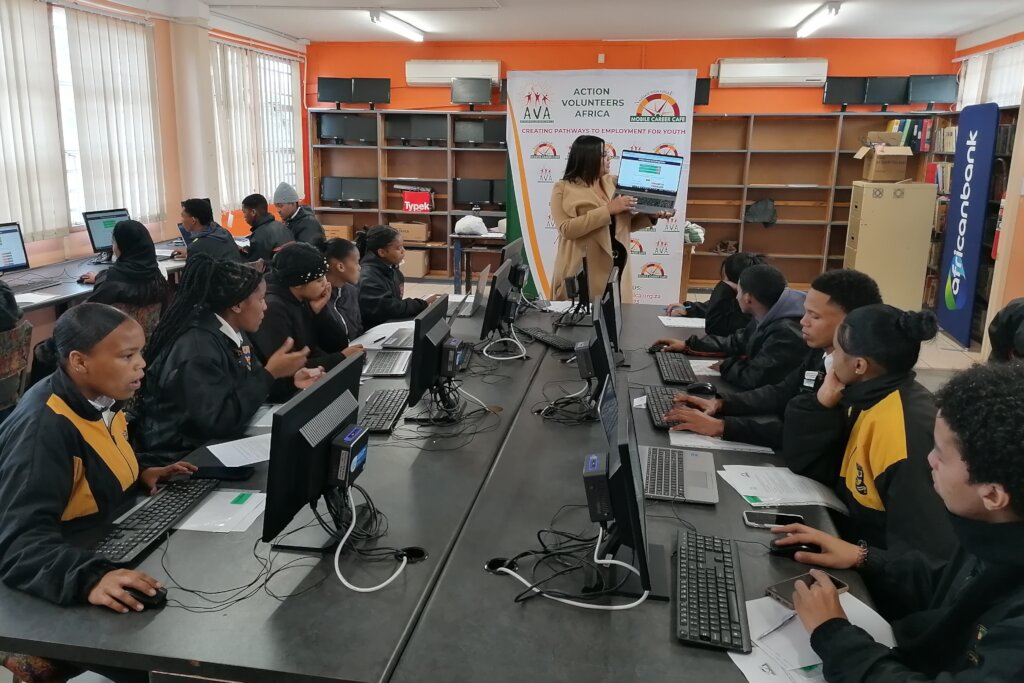
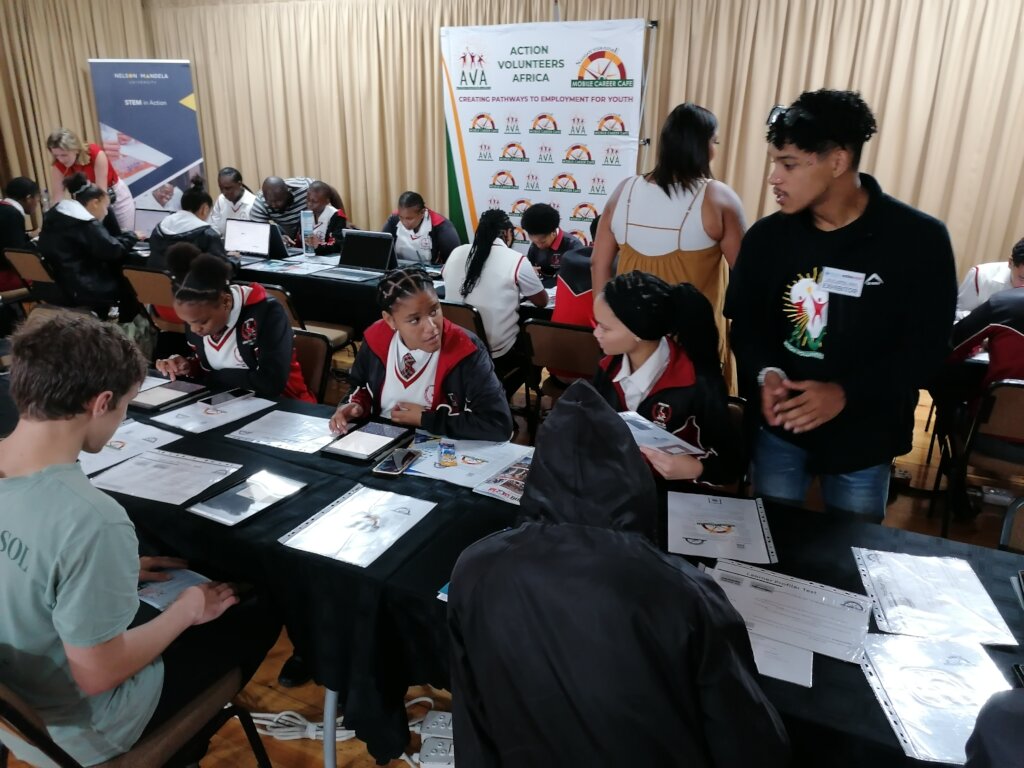
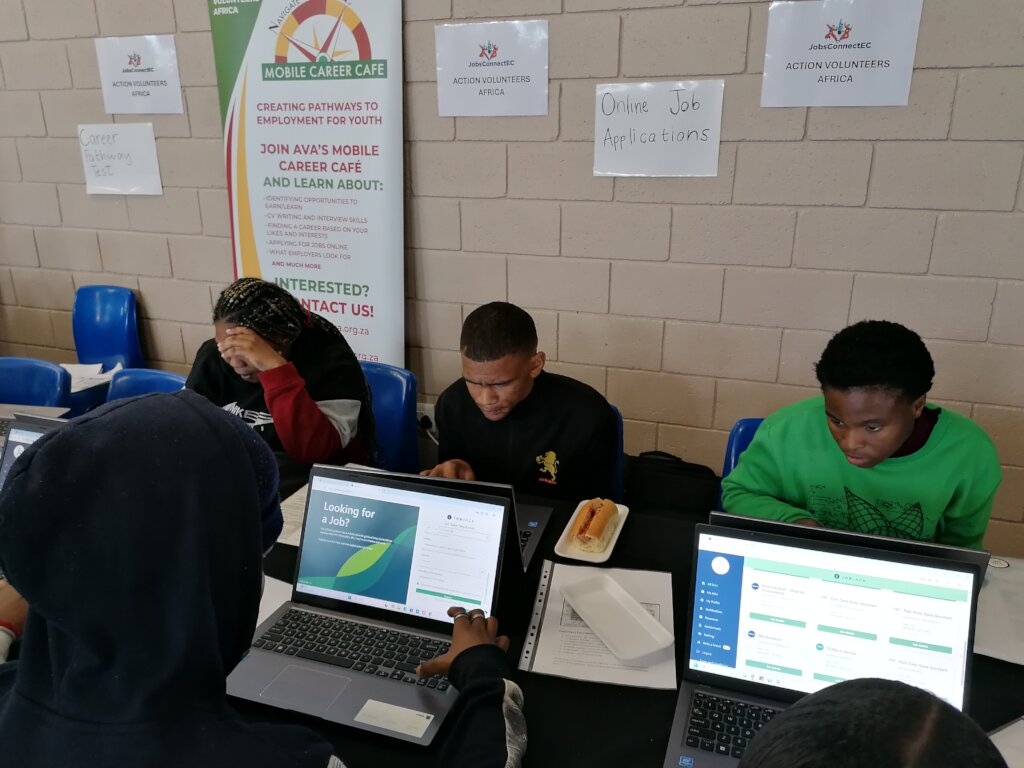
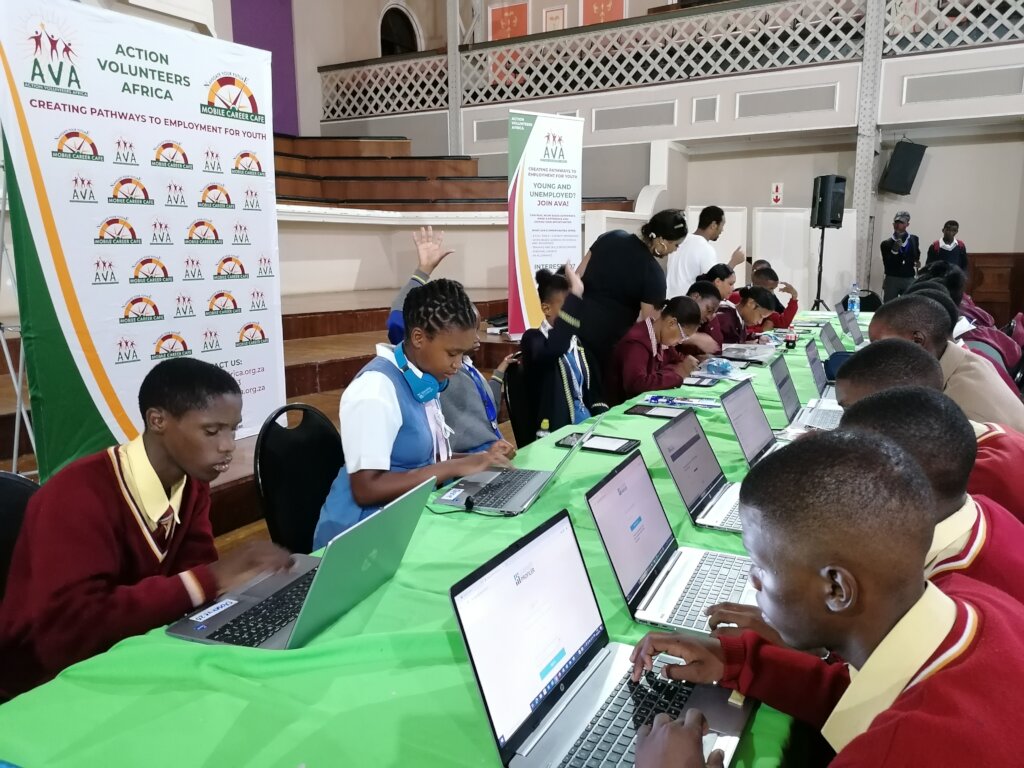
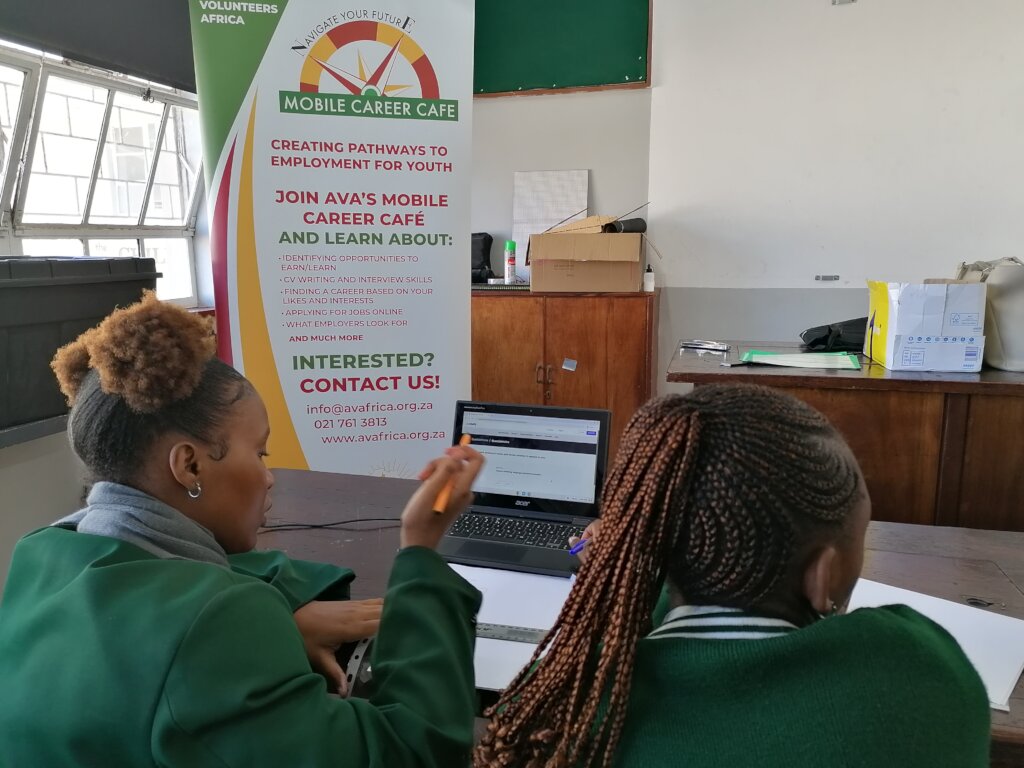
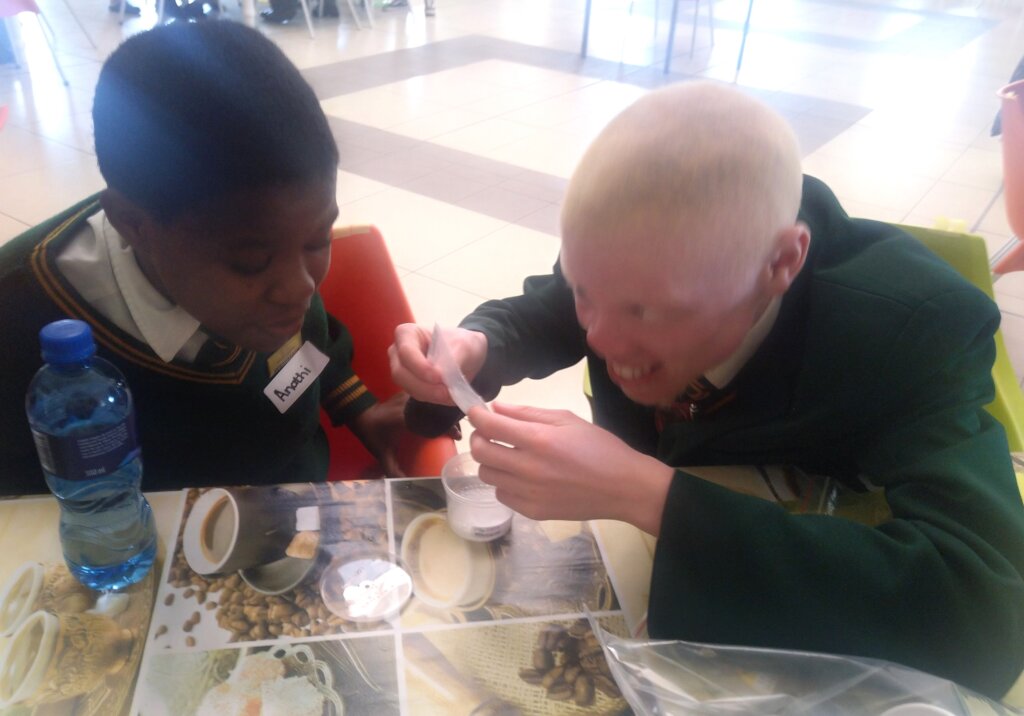
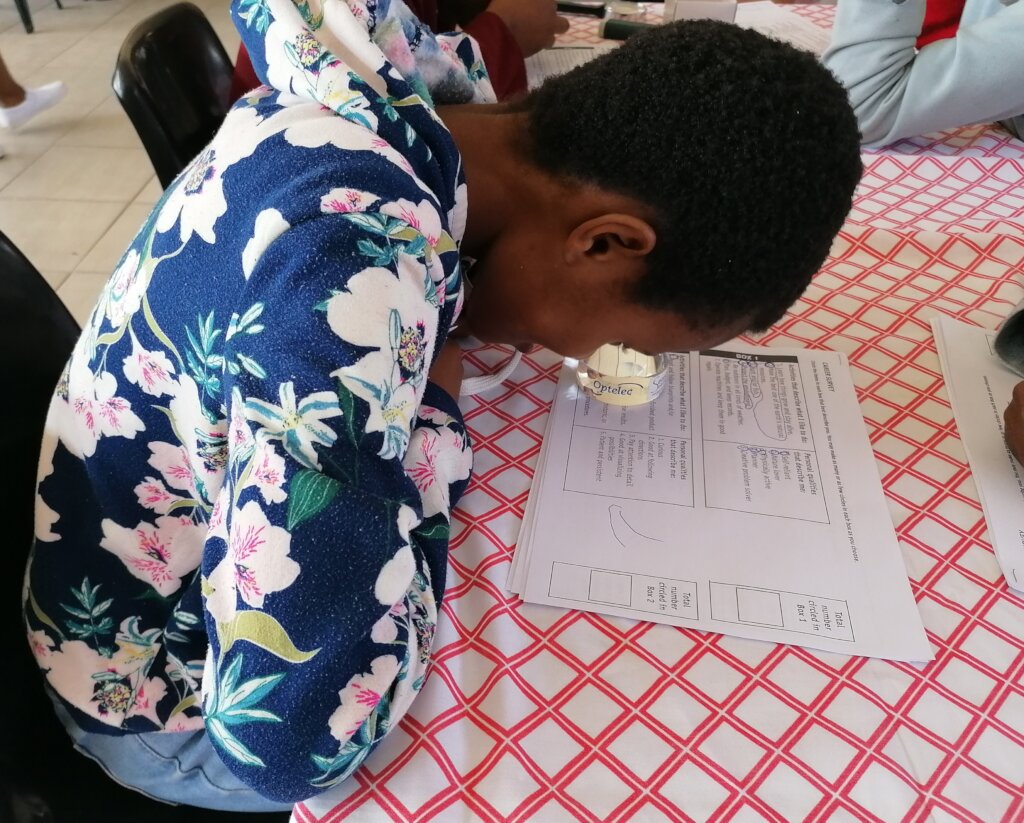
We had the usual – career profiler test, career development, being resourceful, CV writing, etc. - on the menu, but also the unusual, specially tailored workshops, for this unusual group. Inspirational speakers, all blind or visually impaired and working in the open labour market shared their stories and gave advice on how to overcome the challenges and navigate the road blocks visually impaired people face in the work place. To expose the learners to think out of the box, the Experiment with science workshop was all about fun science activities, and they even got to make their own ice cream.
I want to share two remarkable stories with you. The first is from a learner at one of the schools, who completed the career profiler test at the MCC in February. His results indicated that a career in Information Technology (IT) was strongly linked to his interests and skills. In June, 4 months after the MCC, a follow-up MCC session was held and we asked the learner to reflect on how the MCC in Feb, influenced his future career plans. This was his response: “Cuwan (the partially sighted person who shared his career advice and life story with the youth at the MCC in February) saying ‘it’s not easy, but it is possible’ stuck with me. I really found a passion for IT since the MCC and have applied to do a course at Nelson Mandela University. I was accepted”.
This is the first learner from that school who will be going on to study IT at the local university and it will pave the way for more learners to explore ways to enter mainstream employment. It is a very significant outcome, considering that 99% of the learners from the said school, do not pursue tertiary education at the end of their schooling and most end up receiving a government grant to sustain themselves.
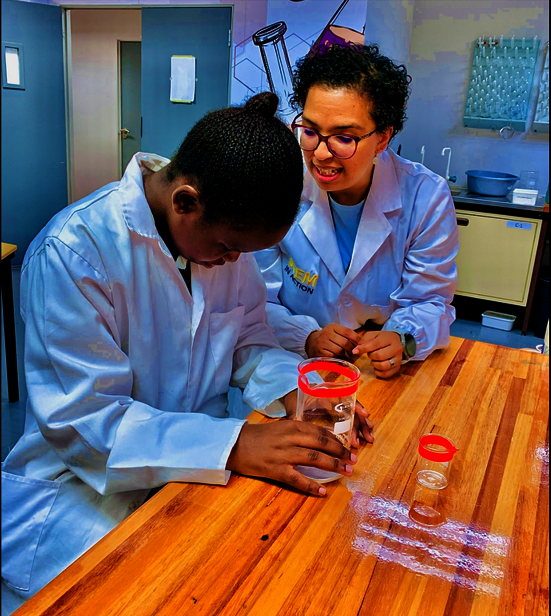
The second story is one I could not have anticipated in my wildest dreams. It relates to the decision to facilitate a 2 hour workshop on Experiment with Science where the learners did various activities that demonstrated different aspects of science, and how scientific discoveries change our every day lives. AVA arranged for the MCC participants to go to a laboratory of an organisation that provides STEM (Science, Technology, Engineering and Maths) training. However, some key stakeholders were highly critical about introducing the learners to the science experiments as the school does not offer any science subjects, and they saw no purpose in such a session. I advocated strongly for the learners to be exposed to basic science experiments, because, “when the mind is stretched by new experiences, it can never return to its former dimensions”. It is exactly why the MCC exists. So, a compromise was reached and the Grade 7 to 9s from Khanyisa school would go to the laboratory. Fortunately, one of the MCC supporters, who is also a science teacher, generously volunteered her time to facilitate the Experiment with Science workshop to the MCC participants (Grade 10 - 12) that did not go to the lab. The learners LOVED the science experiments and one commented that it was the highlight of the MCC for her, because “people discriminate against us and don’t believe we can do science”.
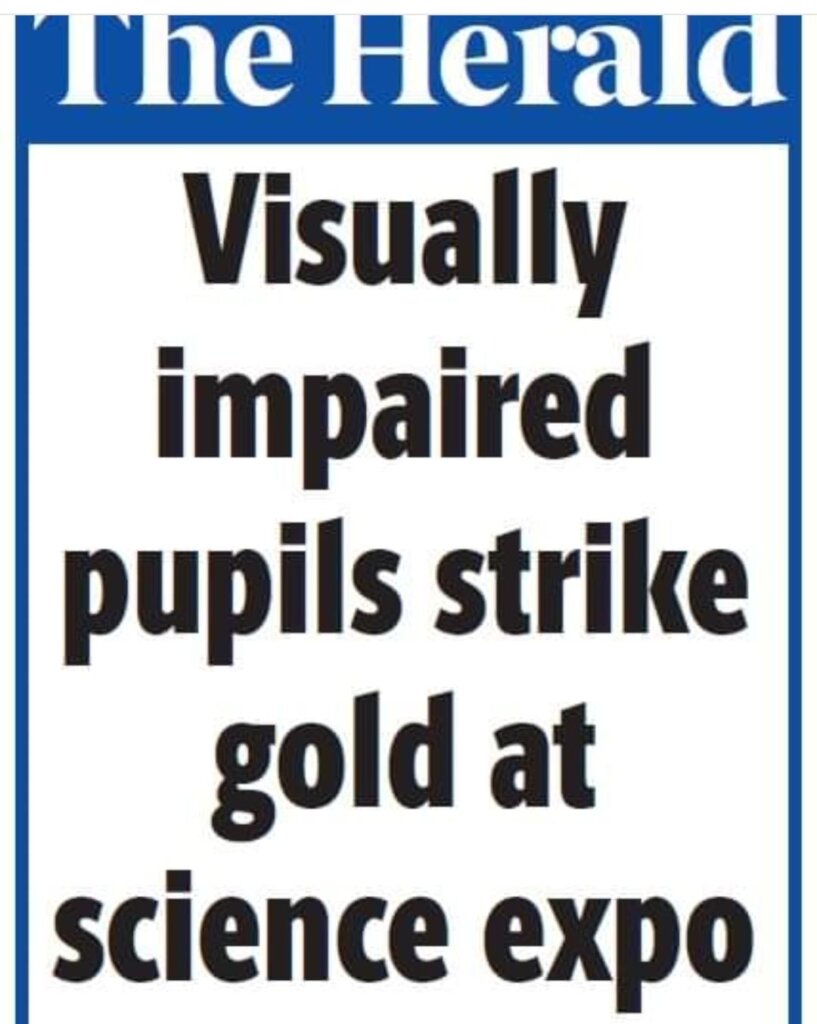
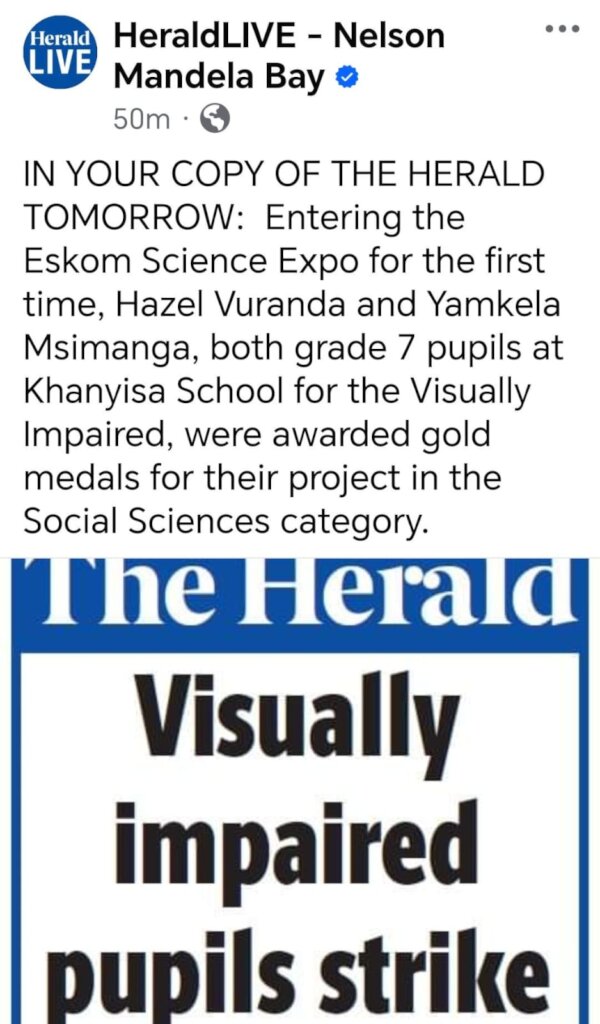
Based on the success of the MCC at Khanyisa school, the team was invited to visit another school for the blind - Efata - in a more rural community. There was a request from the organiser to not include the experiment with science workshop, even though the response from the participants were overwhelmingly positive. Then, the almost impossible, happened. A week before the MCC at Efata, the same organiser made a 180 degree change in her opinion, and the reason for the drastic change was that headline in one of the main local newspapers - “Visually impaired pupils strike gold at science expo”.
WOW, WOW, WOW!!!
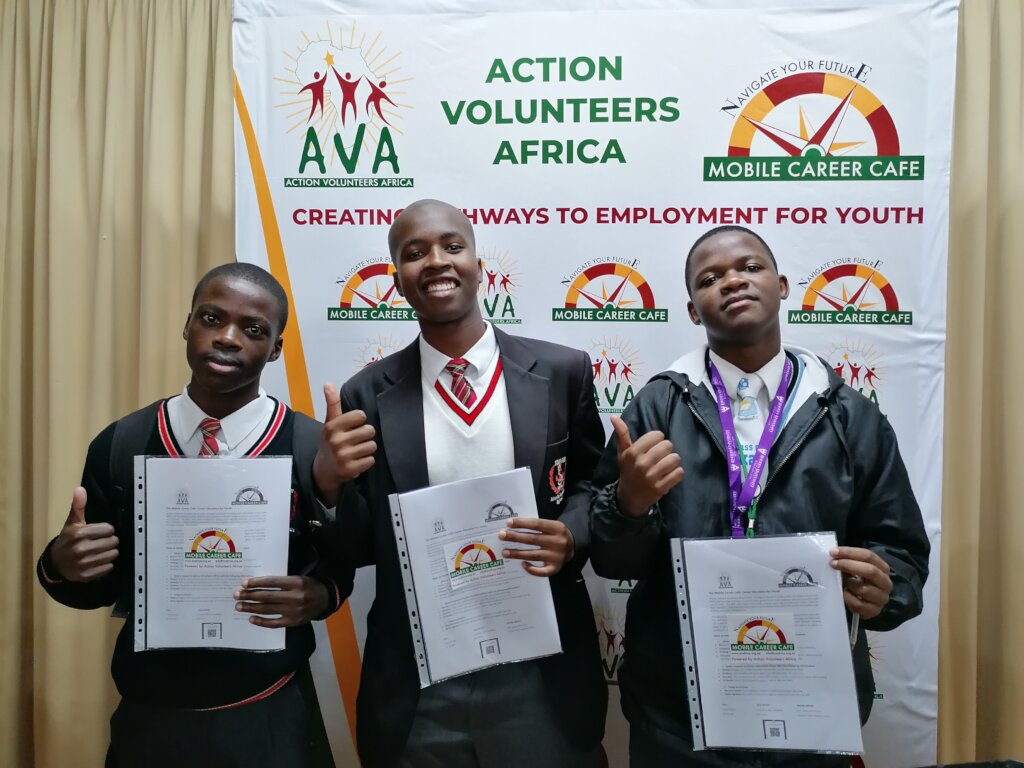
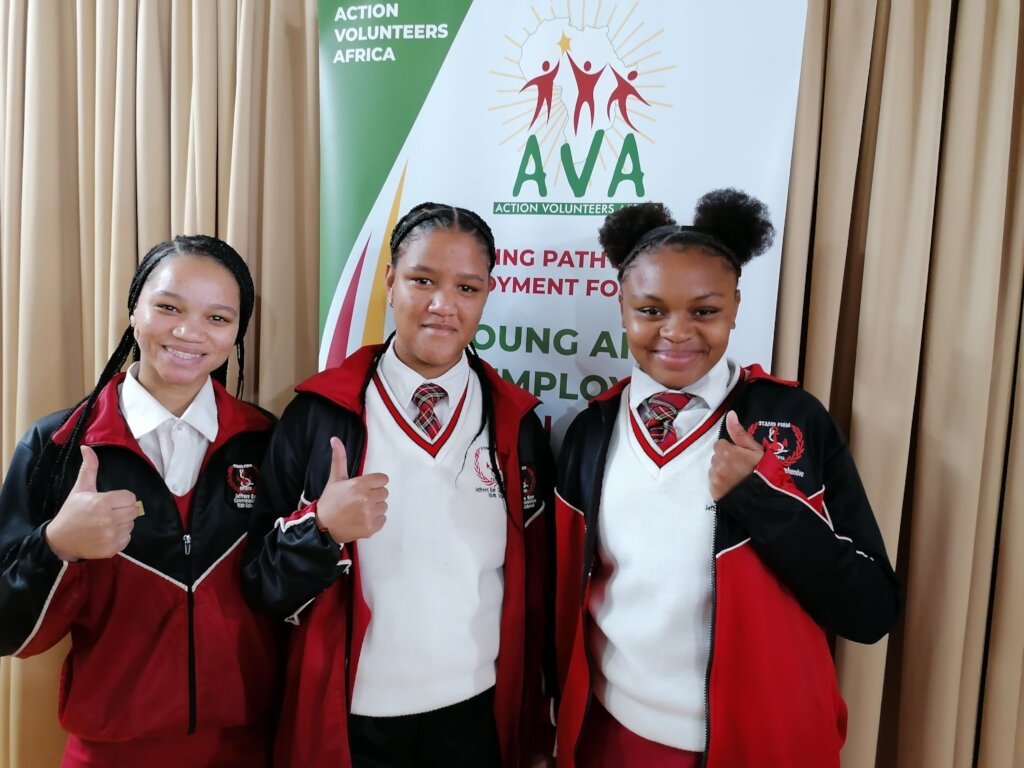
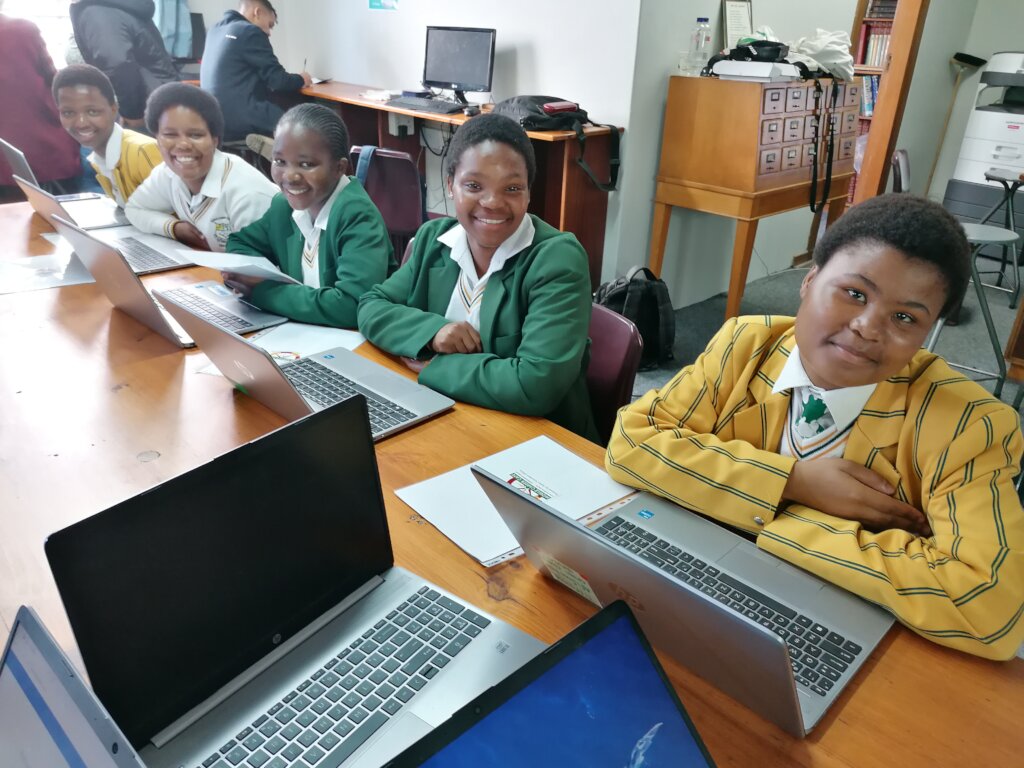
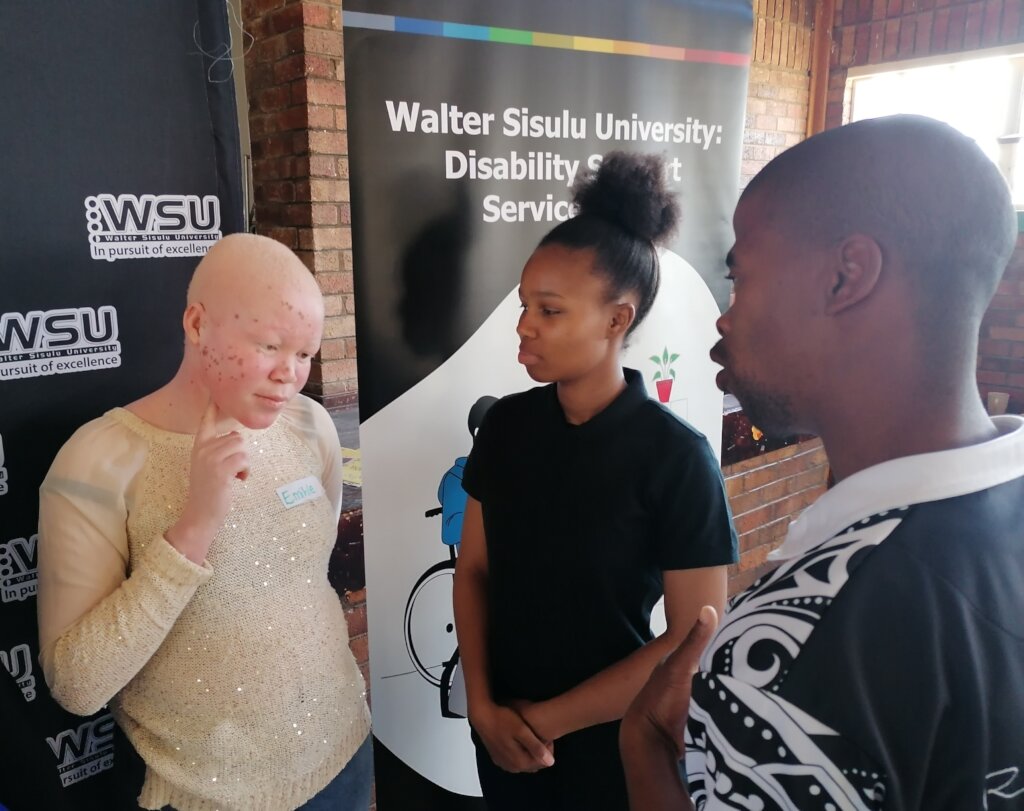
The images and the short video attached to this report will show part of the story. The outcomes achieved with the MCC is nothing short of remarkable. If you also feel inspired by the MCC, please help us to continue influencing the future trajectories of young people, especially those at risk of being excluded from mainstream employment.
You can support the MCC again, by donating on GivingTuesday, a global day of giving celebrated on 3 December 2024. On that day only, GlobalGiving will top-up all donations received. We only need US $1500 to reach our target of $10 000!
Thank you so much for your support. If you can, kindly consider a small donation on GivingTuesday this year. We still have much work ahead of us.
Regards,
Janine
Links:
Project reports on GlobalGiving are posted directly to globalgiving.org by Project Leaders as they are completed, generally every 3-4 months. To protect the integrity of these documents, GlobalGiving does not alter them; therefore you may find some language or formatting issues.
If you donate to this project or have donated to this project, you can receive an email when this project posts a report. You can also subscribe for reports without donating.



Support this important cause by creating a personalized fundraising page.
Start a Fundraiser