By Nyamtaivan Odongerel | Program Manager
Spring is always the busiest season for herders, as they urgently need additional manpower and access to veterinary services. Fortunately, Mongolian herders experienced a relatively mild spring in 2025, with warm weather and only a few days of wind and storms.
As of May 2025, 19.9 million newborn animals had been delivered out of an expected 26.4 million. These included 9.4 million lambs, 8 million kids (young goats), 887,900 foals, 71,005 baby camels, and 1.2 million calves.
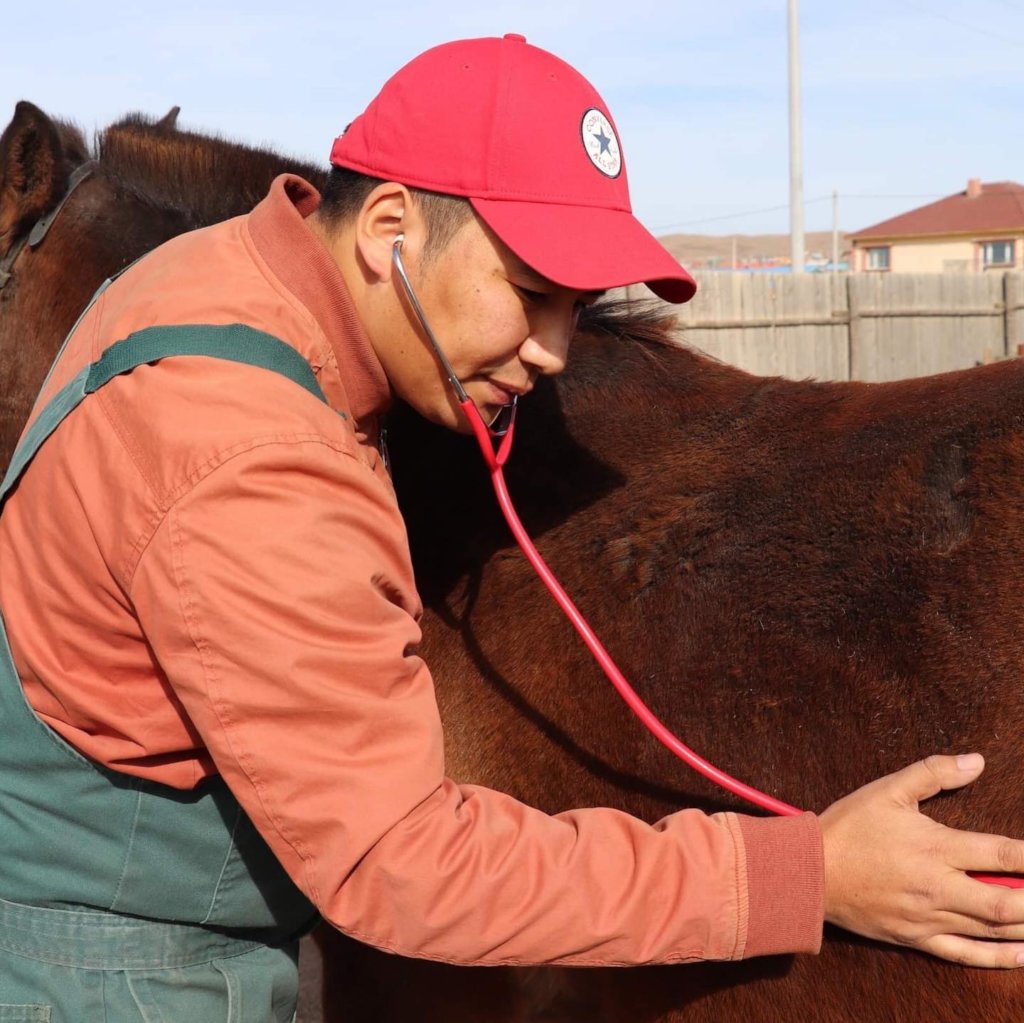
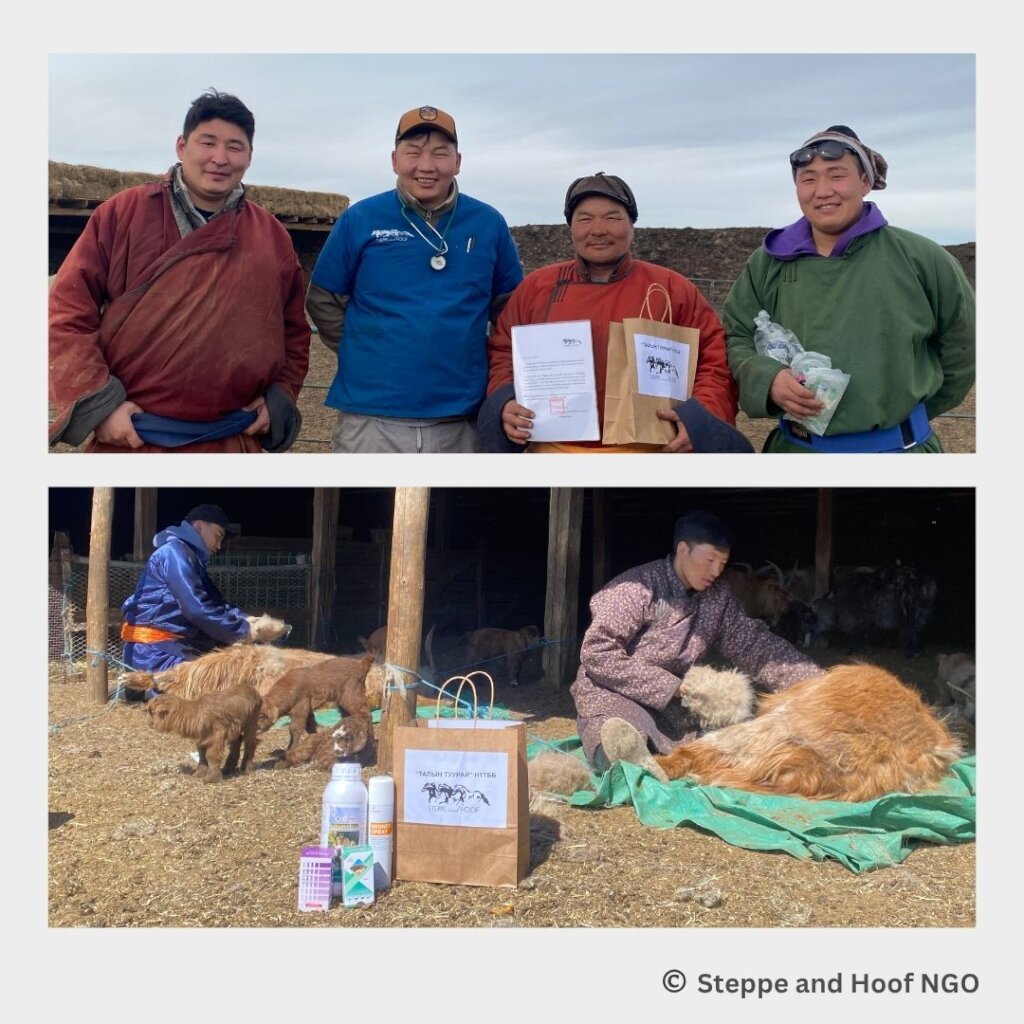
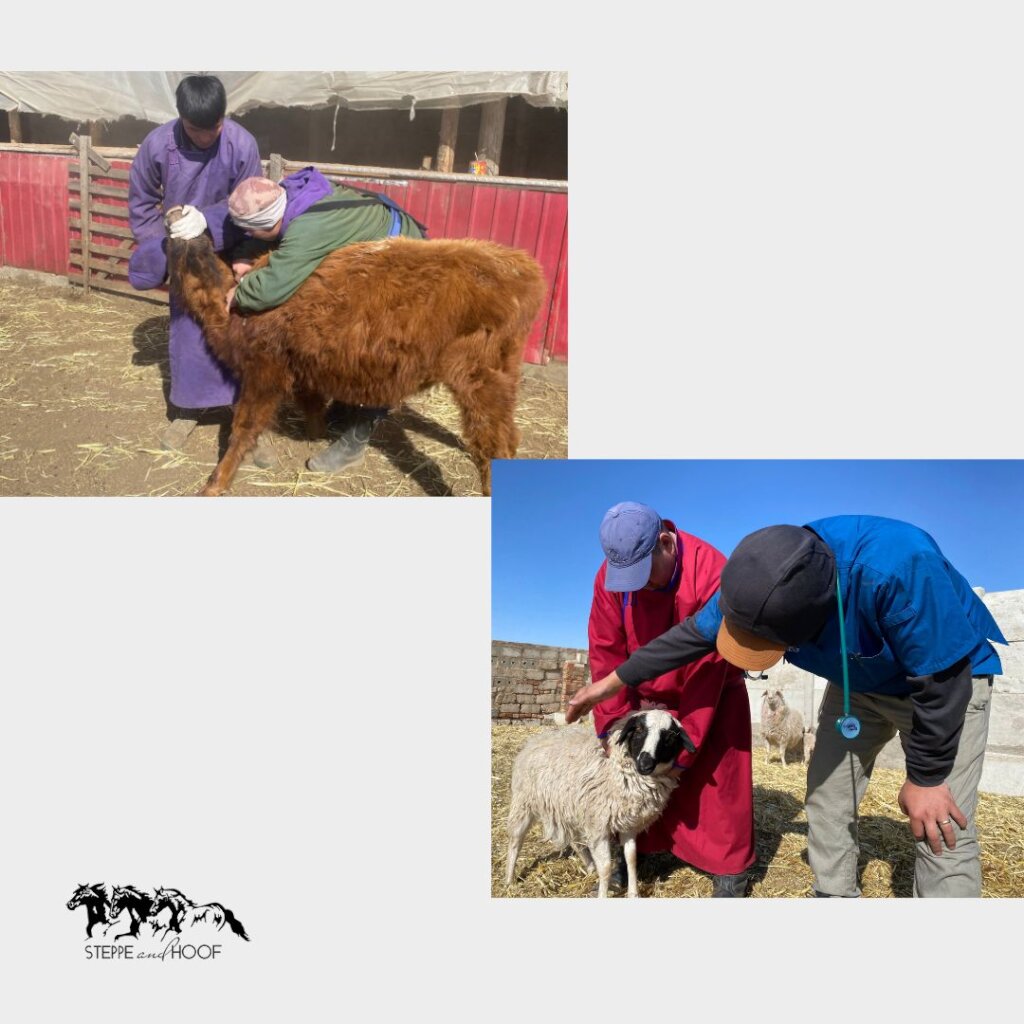
To support herders during this critical time, we dispatched a veterinary team composed of two veterinarians—Ochirbat Dashdavaa and Enkhzul Khurelbaatar—as well as senior-year veterinary students. Over a ten-day mission in Sergelen Soum, Tuv Province, the team assisted 26 herder families and provided care for approximately 2,000 animals, including many newborns.
Parasite infections have been a persistent issue for herders in the area, leading to malnutrition among parent livestock. As a result, newborn animals, particularly small ruminants, were at high risk of mortality due to insufficient colostrum intake and inadequate feeding.
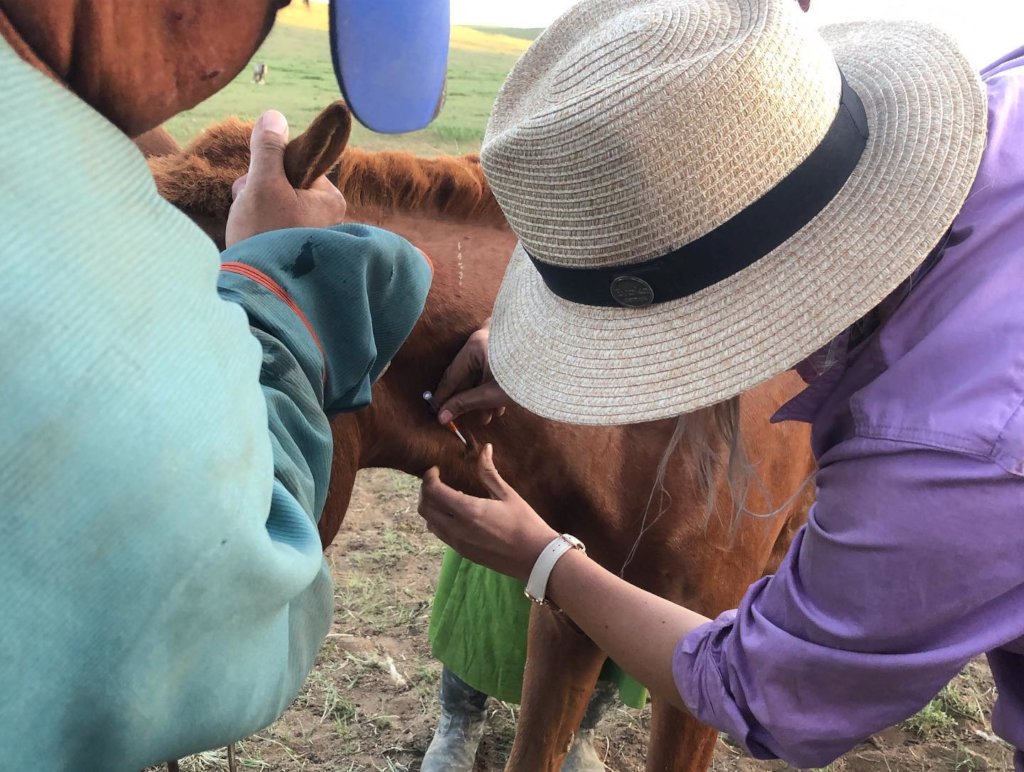
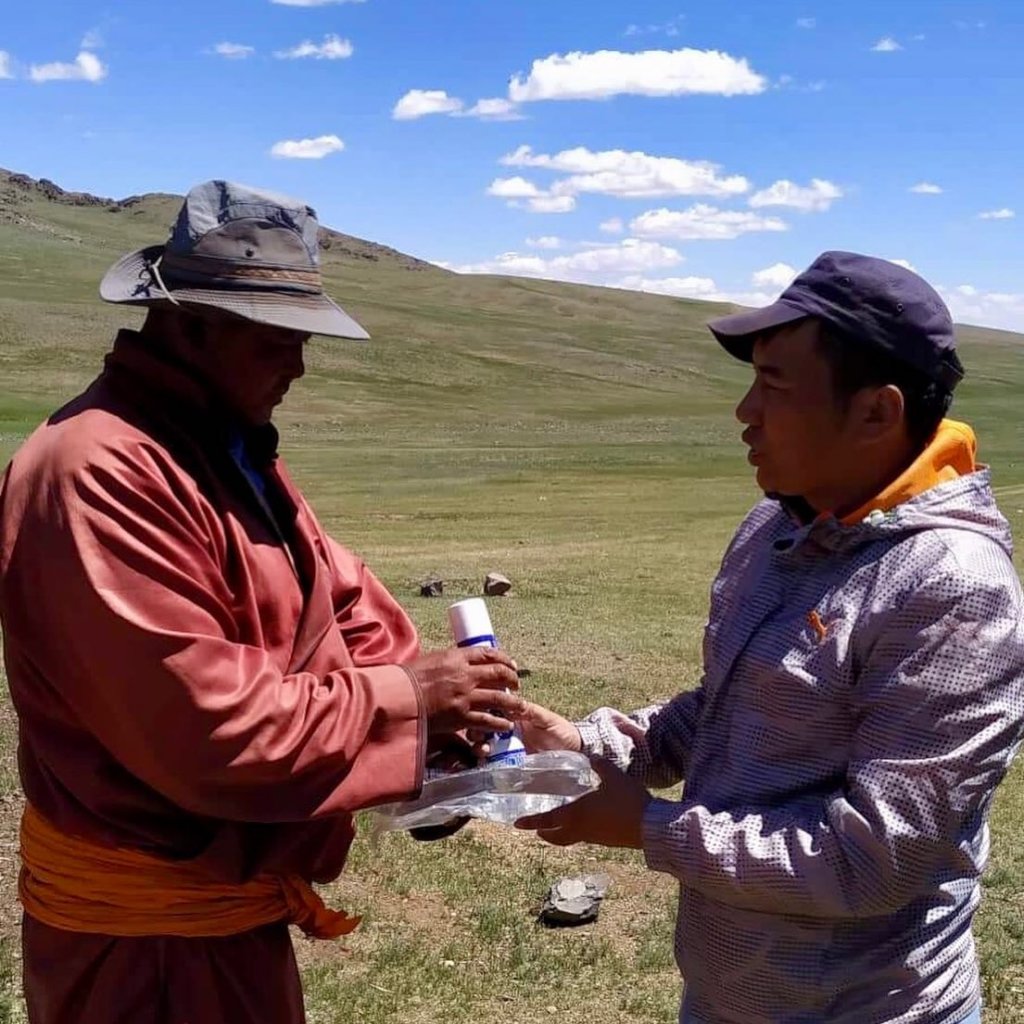
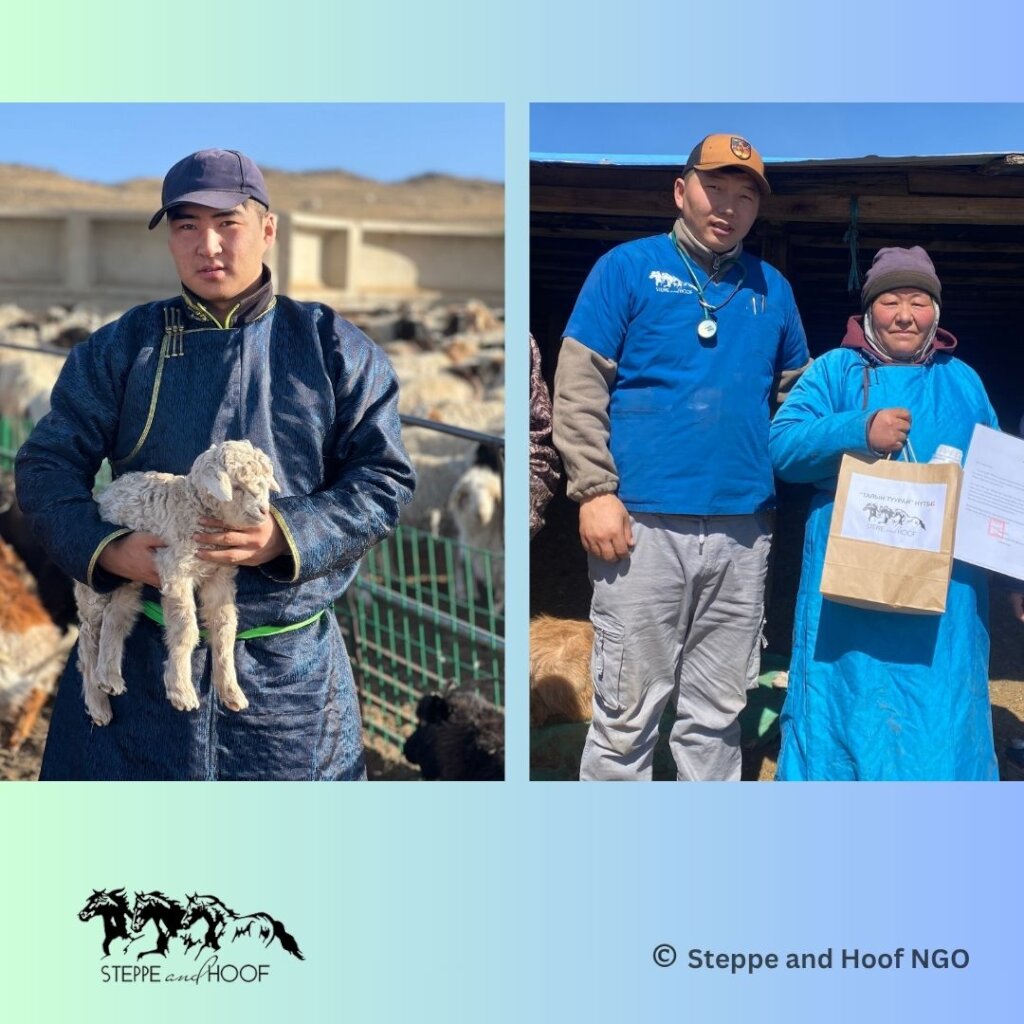
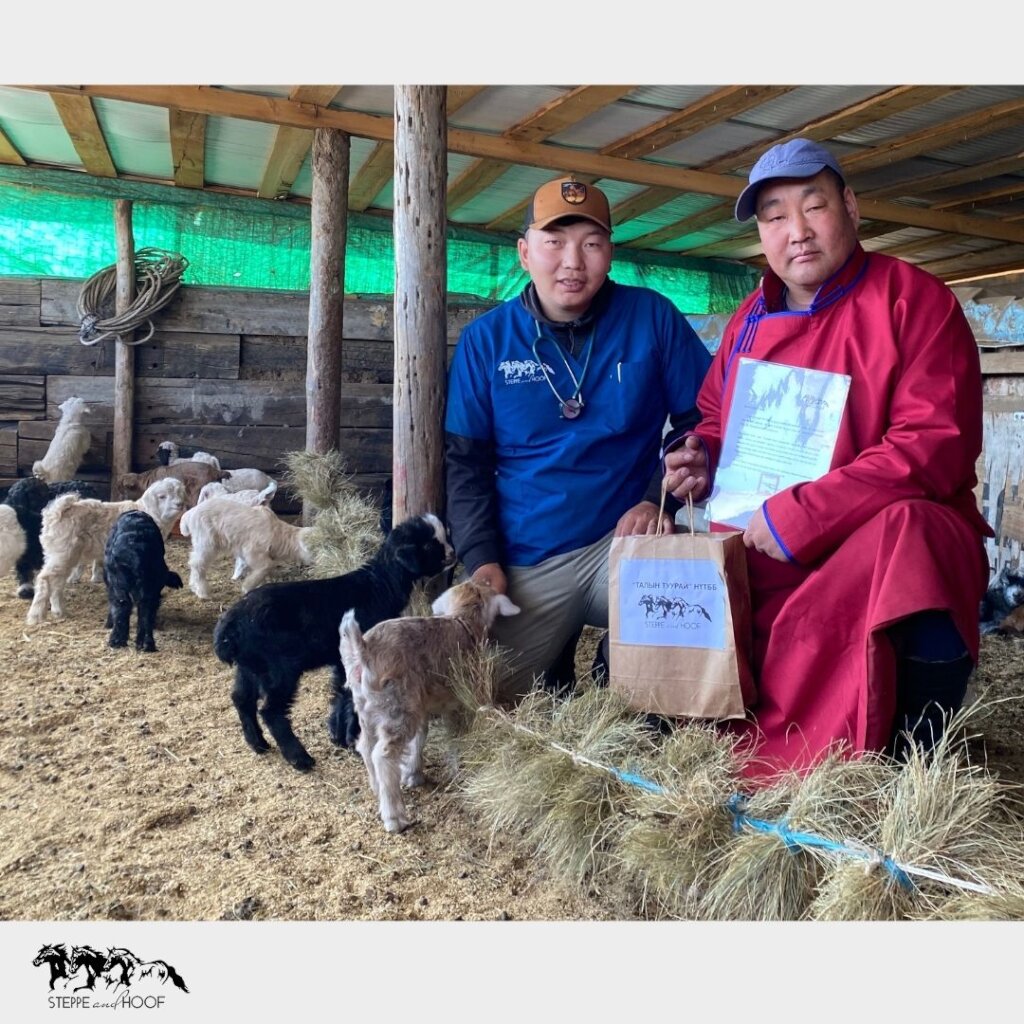
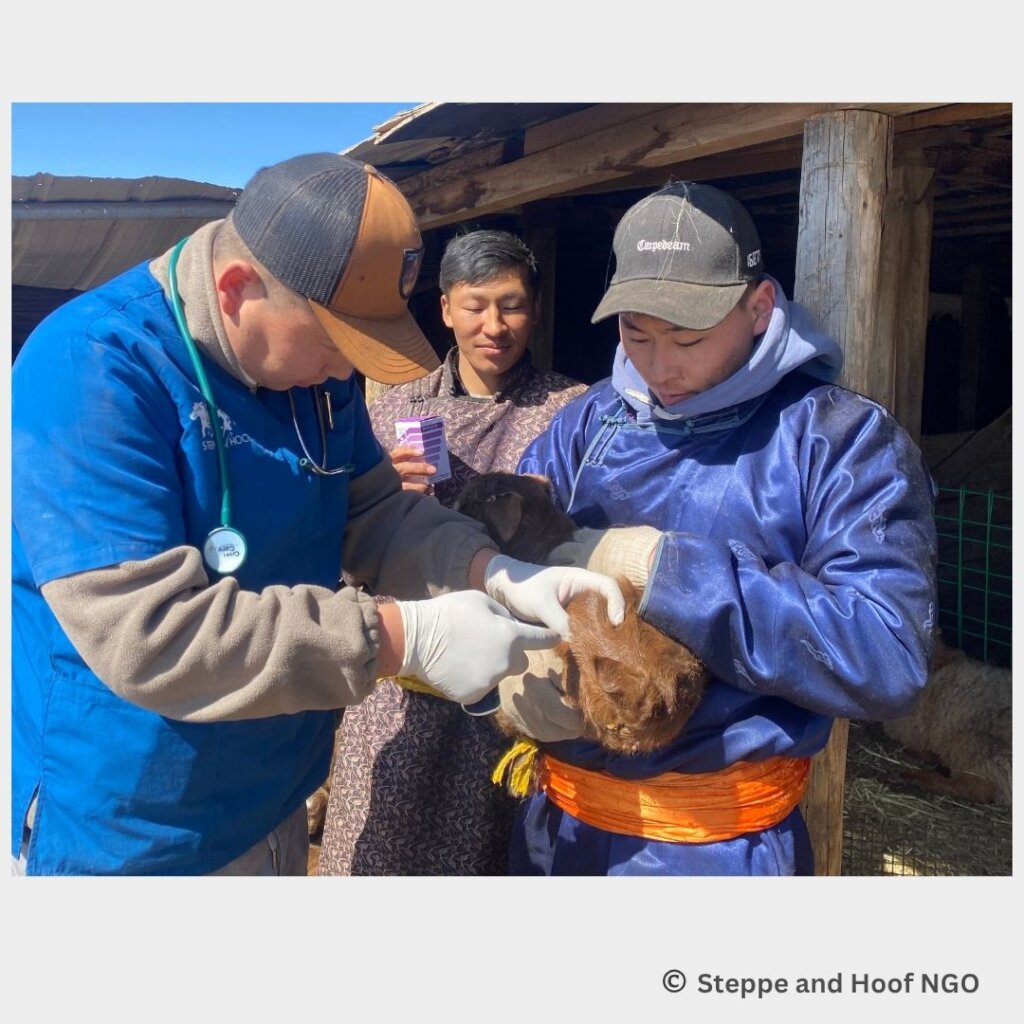
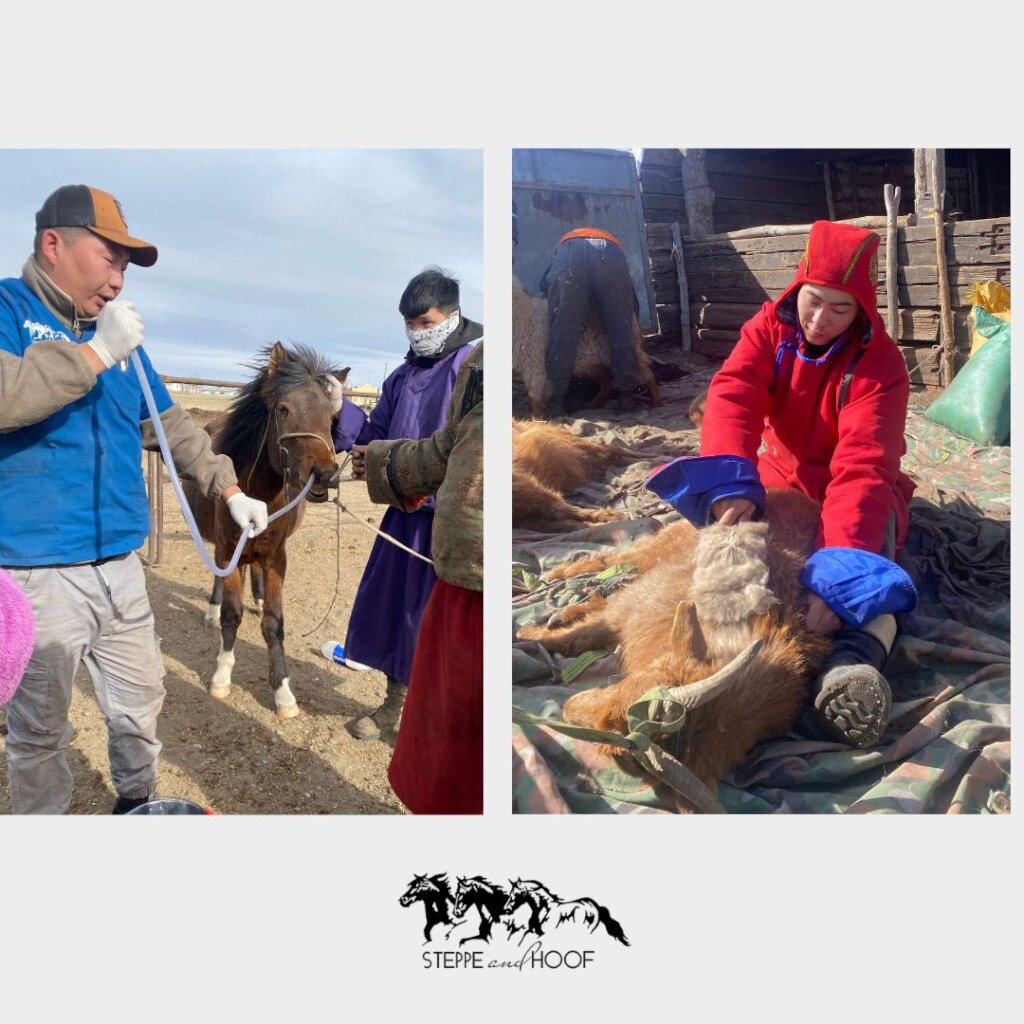
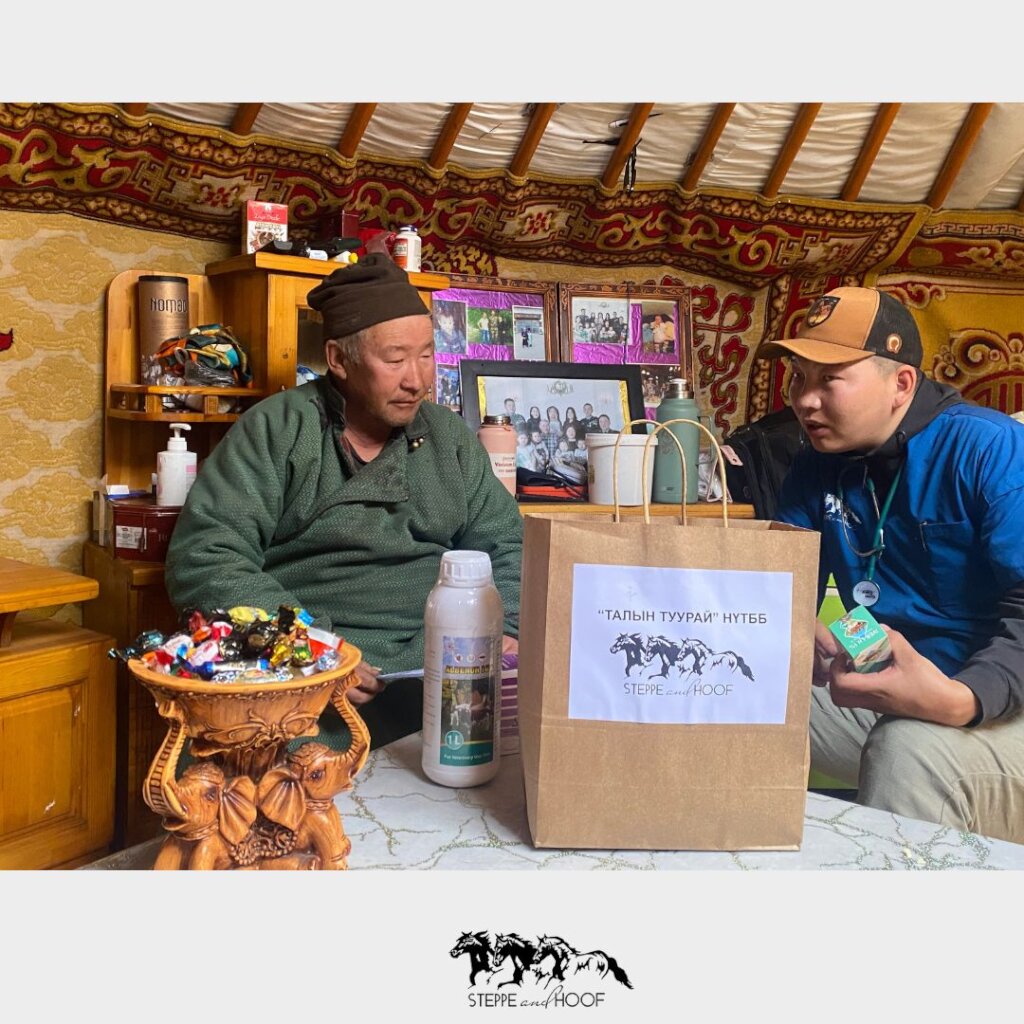
We reached herder families in three different Bags of Sergelen Soum, Tuv Province, providing free veterinary services and substantial support. Our team treated 37 sick animals, including cattle, horses, sheep, and goats from 13 different families. In addition, we administered Selenium and Vitamin E injections, along with a blend of essential vitamins and minerals, to over 1,900 weak and underweight newborn lambs and kids from 15 families. To further support their efforts, we delivered veterinary medicine packages directly to herder families at their spring pastures.
Our project team, led by veterinarians D. Ochirbat and Kh. Enkhzul, along with ten senior-year students from the School of Veterinary Medicine at the University of Agriculture and Life Sciences, successfully carried out a comprehensive veterinary outreach program in the aforementioned area. Under the supervision of professional vets, newborn and parent animals were treated with essential supplements and medical solutions, while herder families received free veterinary medicine packages accompanied by clear and appropriate usage instructions.
During the project, senior veterinary students lived with herder families, providing hands-on assistance with animal husbandry and the care of newborns. Meanwhile, our veterinarians traveled 30 to 90 kilometers daily across the Bag area to deliver vital veterinary care and treatment. Despite facing challenging weather conditions, including strong dusty winds and temperatures dropping to -26°C, the team remained committed and ensured that essential veterinary support reached those in need.
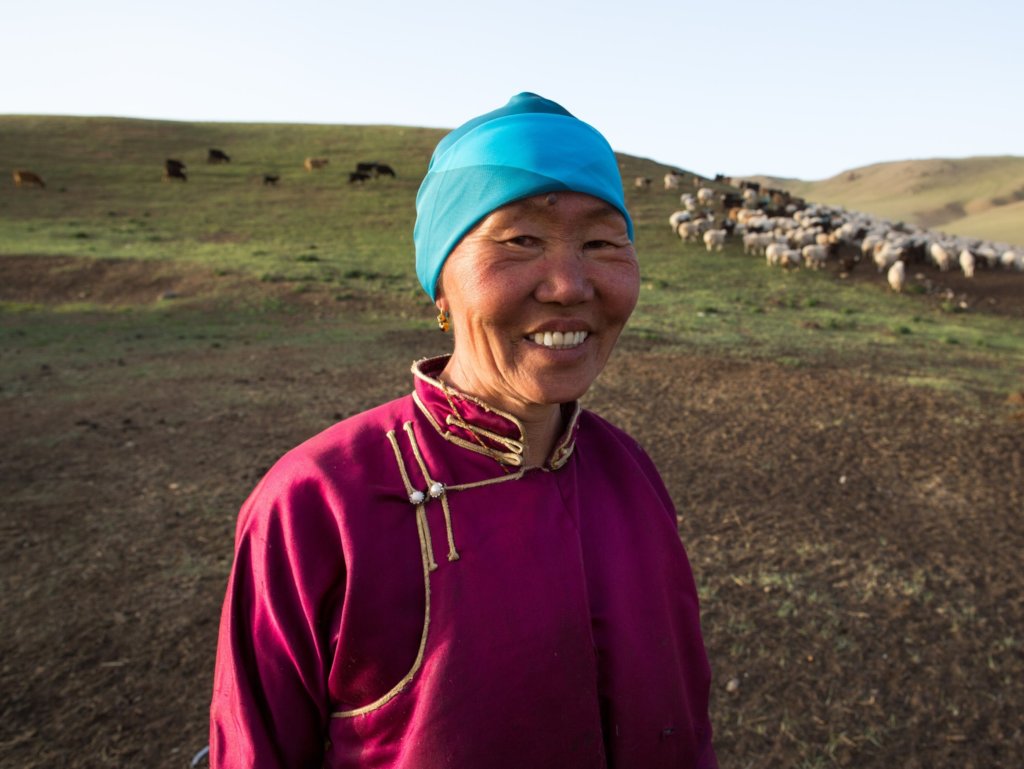
We witnessed herders moved with gratitude for the support and vital care they received. Thanks to the generous encouragement and ongoing support from our donors, we at Steppe and Hoof NGO successfully implemented the Spring Veterinary Outreach Program.
On behalf of the herder families we served, we would like to extend our deepest appreciation to our donors and the Mongol Derby Riders, whose fundraising efforts made our veterinary outreach possible.
Your contributions have had a tangible and lasting impact on both the animals and the lives of the people who care for them.
Project reports on GlobalGiving are posted directly to globalgiving.org by Project Leaders as they are completed, generally every 3-4 months. To protect the integrity of these documents, GlobalGiving does not alter them; therefore you may find some language or formatting issues.
If you donate to this project or have donated to this project, you can receive an email when this project posts a report. You can also subscribe for reports without donating.



Support this important cause by creating a personalized fundraising page.
Start a Fundraiser