By Lorena Aguirre | CHIEF PICOLOGIST
There are things that happen in South Kivu that should not happen anywhere on earth.
Women raped in front of their families. Men mutilated and left to die. Children who have seen things that no child should ever see — and who carry those images in silence because there is no one to tell. Bodies that survived what happened to them. Minds that are still trying to.
This quarter, 2,520 people came to us carrying exactly that.
What we saw
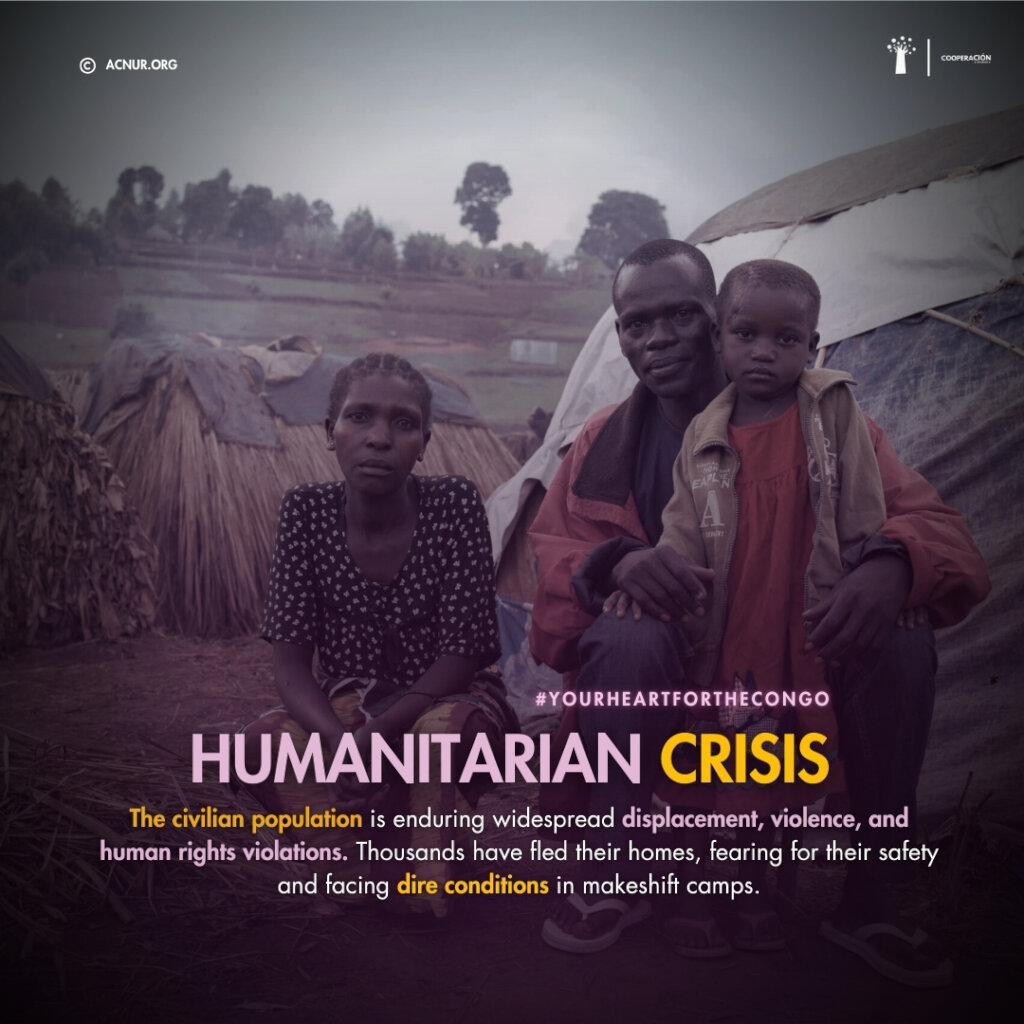
They came from Kabamba, from Kahungu, from Katana, from Lwiro, from Kavumu — villages where armed conflict is not history, it is the present. Where the threat is not something that happened once. Where people go to sleep wondering whether tonight will be the night.
They came with anxiety so severe they cannot leave their homes. With trauma responses so deep that a sudden noise, a raised voice, a hand moving too fast can send them back to a moment they are trying to escape. They came with the aftermath of sexual violence — the shame that should never be theirs, the silence that has been forced on them for too long, the bodies and the spirits that need care that no one else here is equipped to provide.
Some of them had never told anyone what happened to them. Not a family member. Not a neighbour. Not a friend. They told us.
That trust is not something we take lightly. It is the most fragile and most precious thing a human being can offer.
What we did
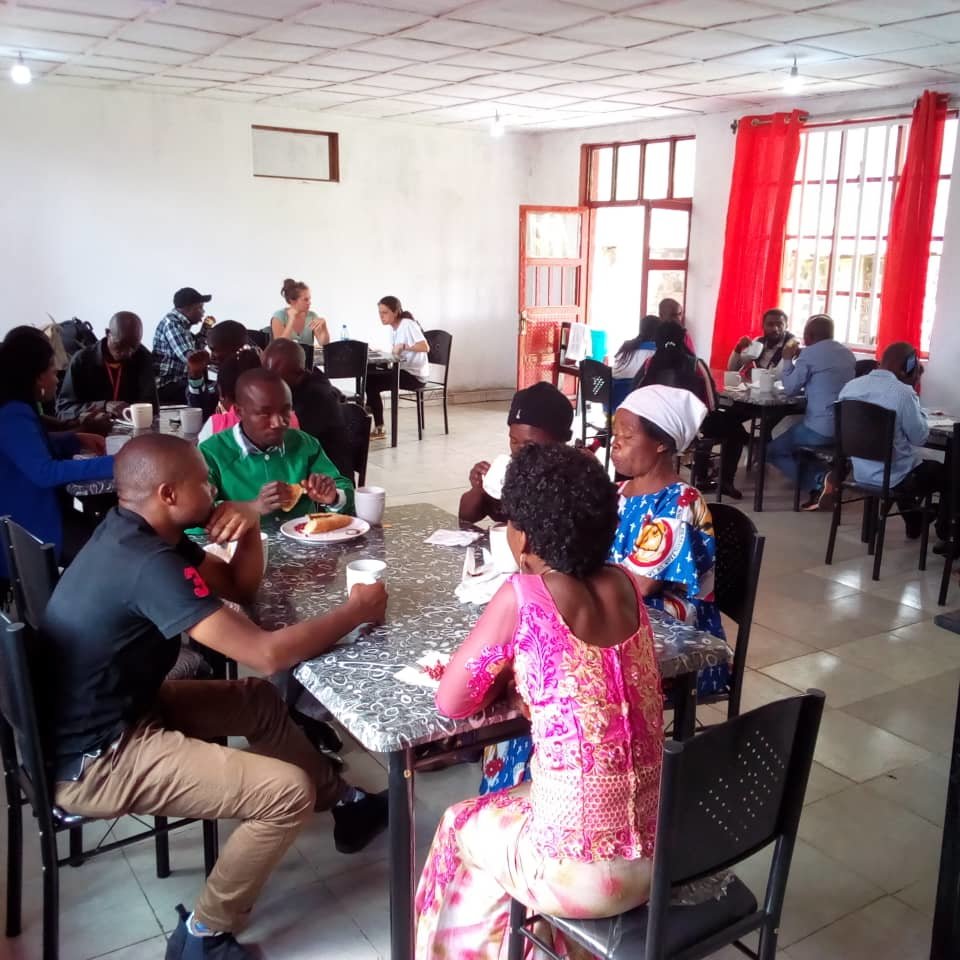
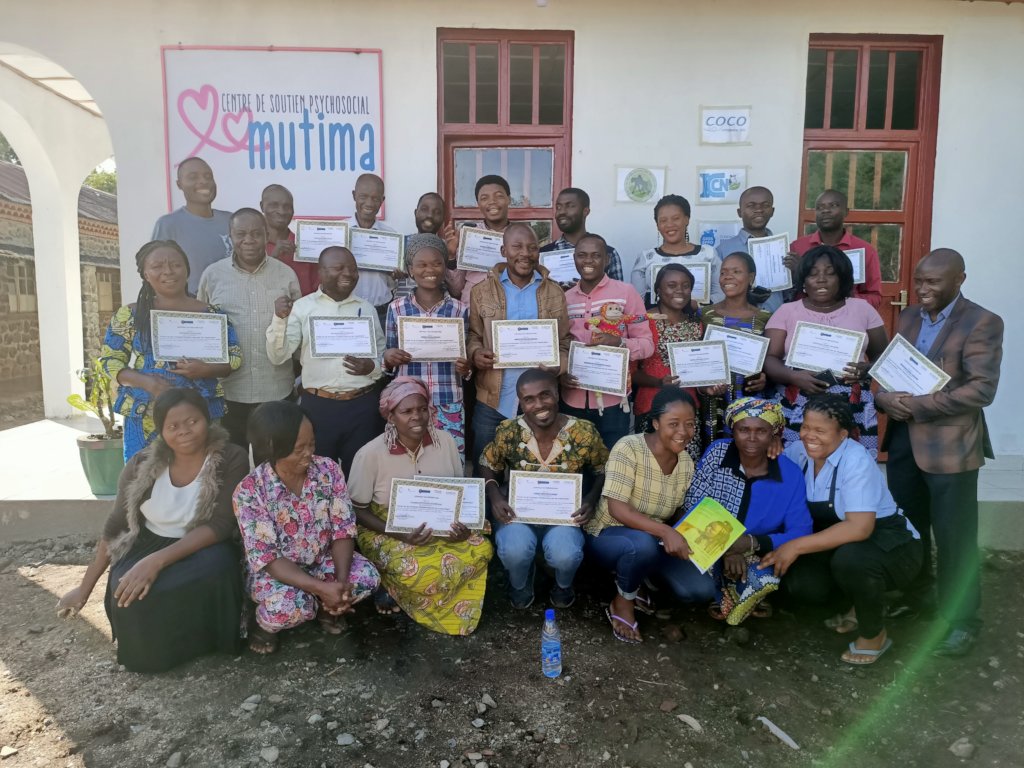
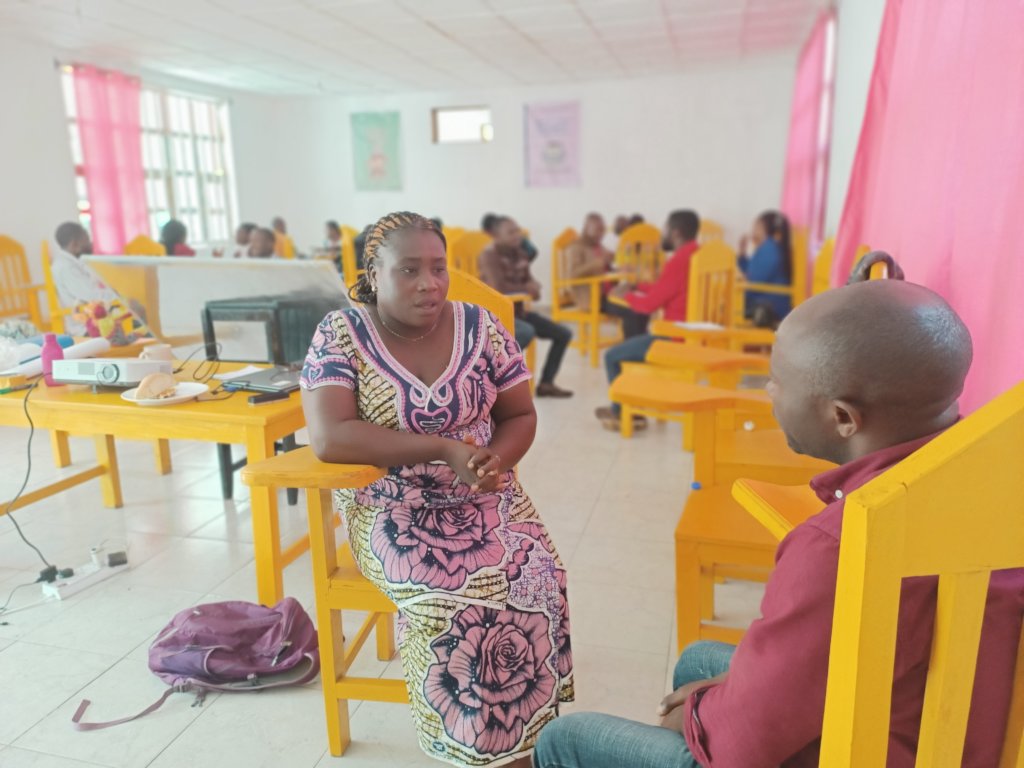
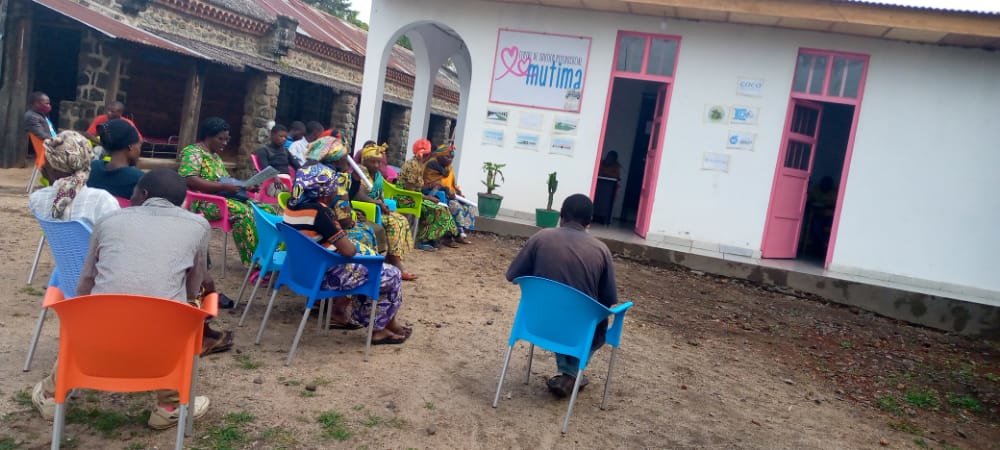
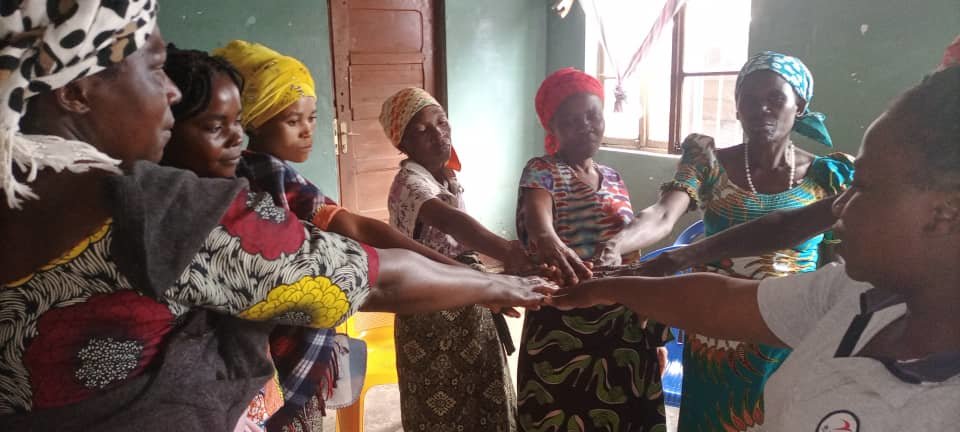
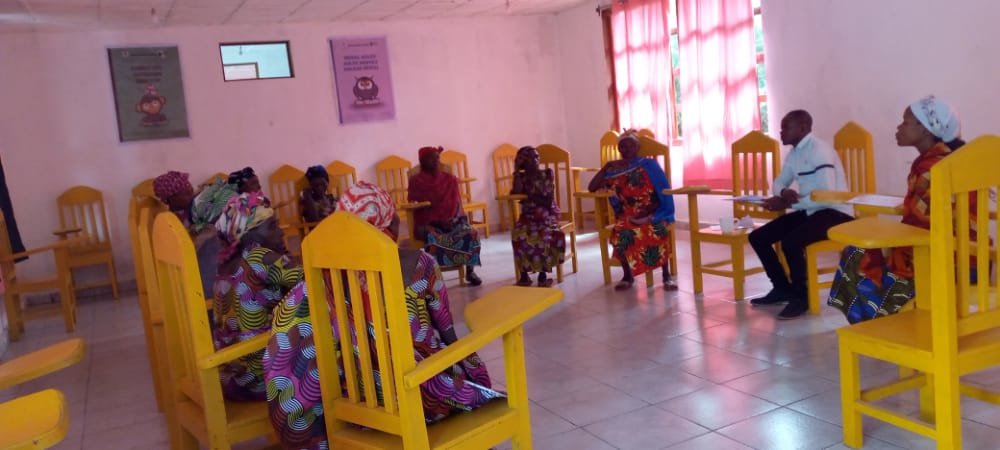
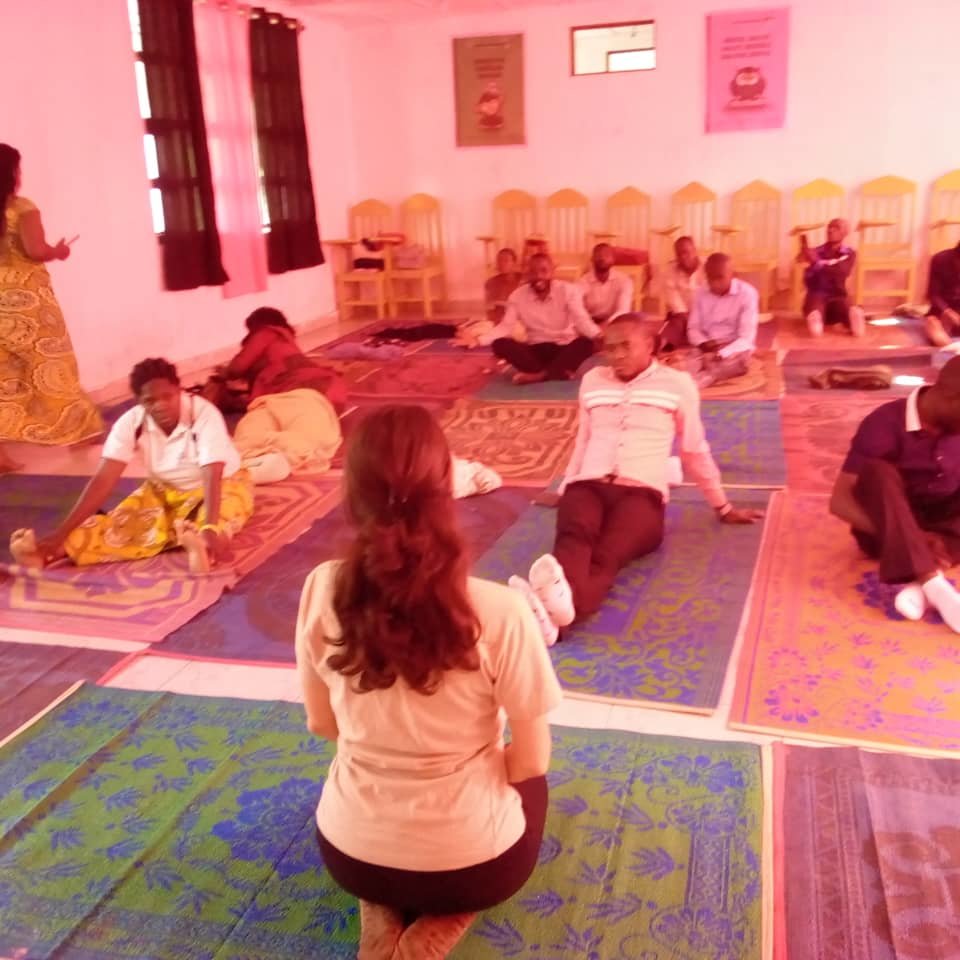
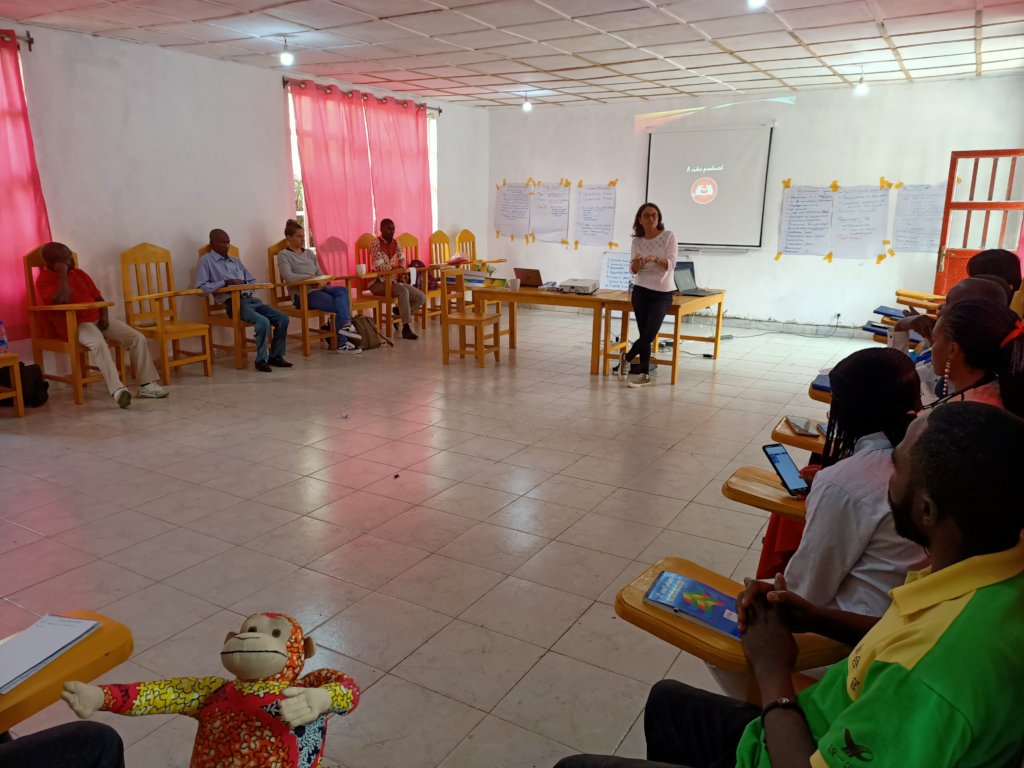
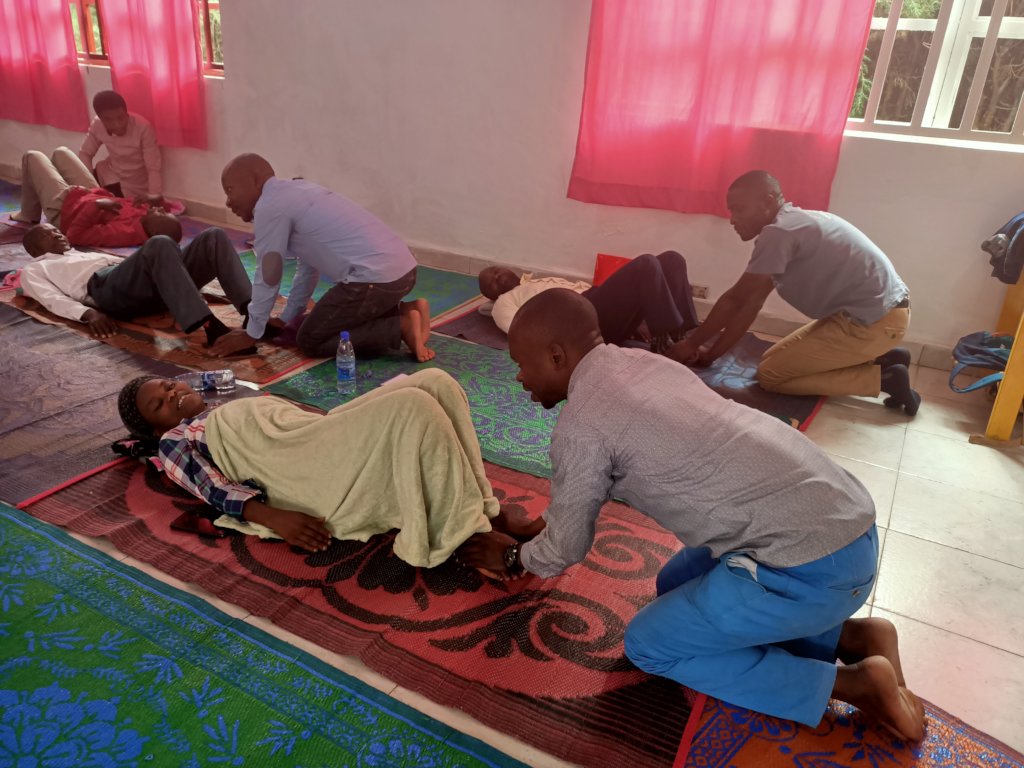
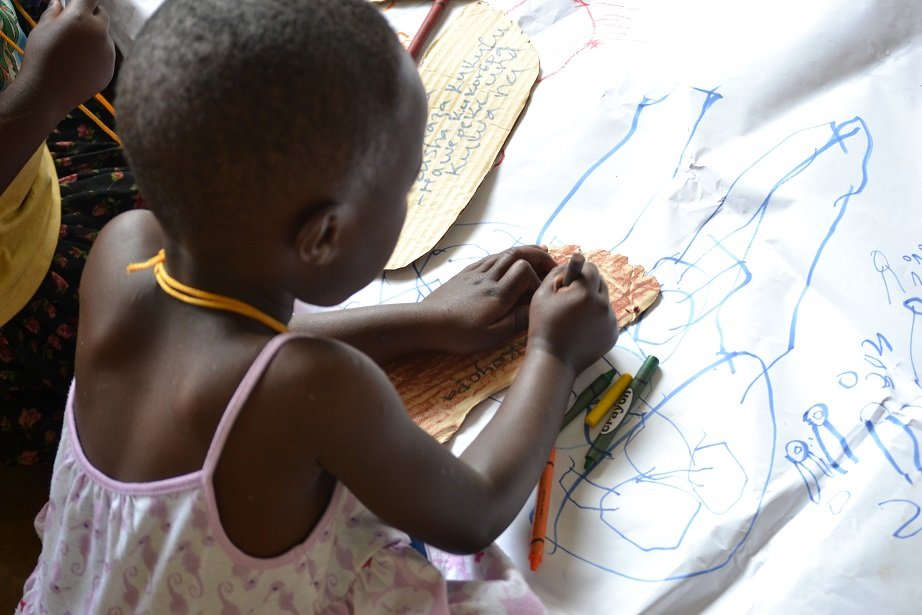
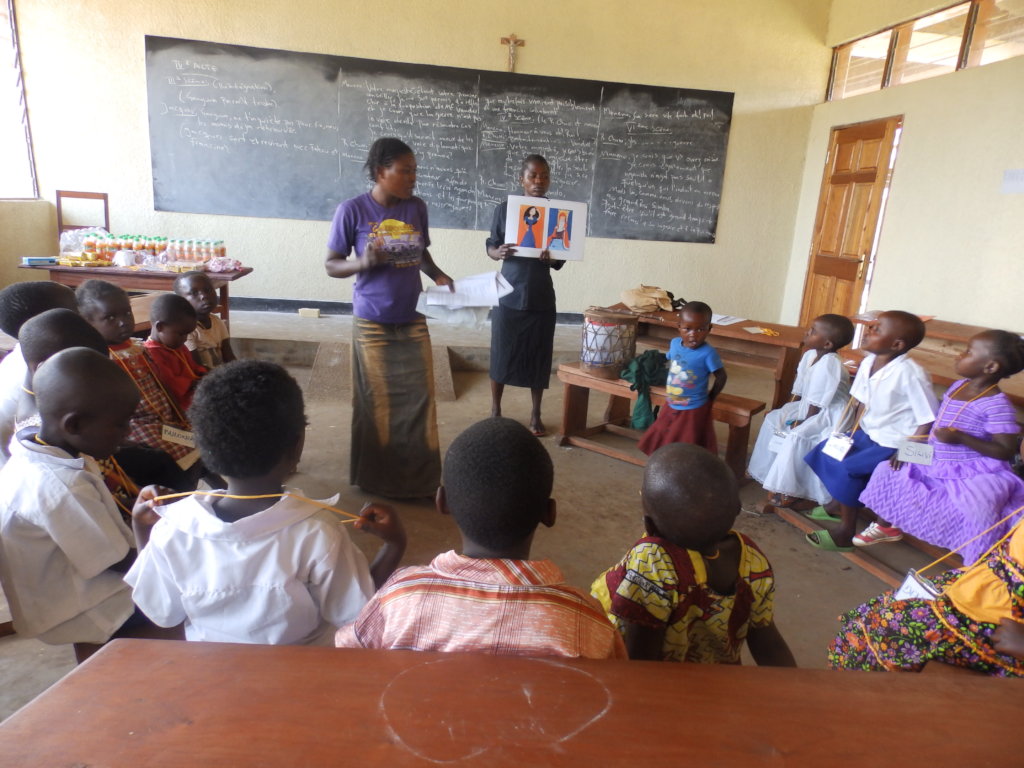
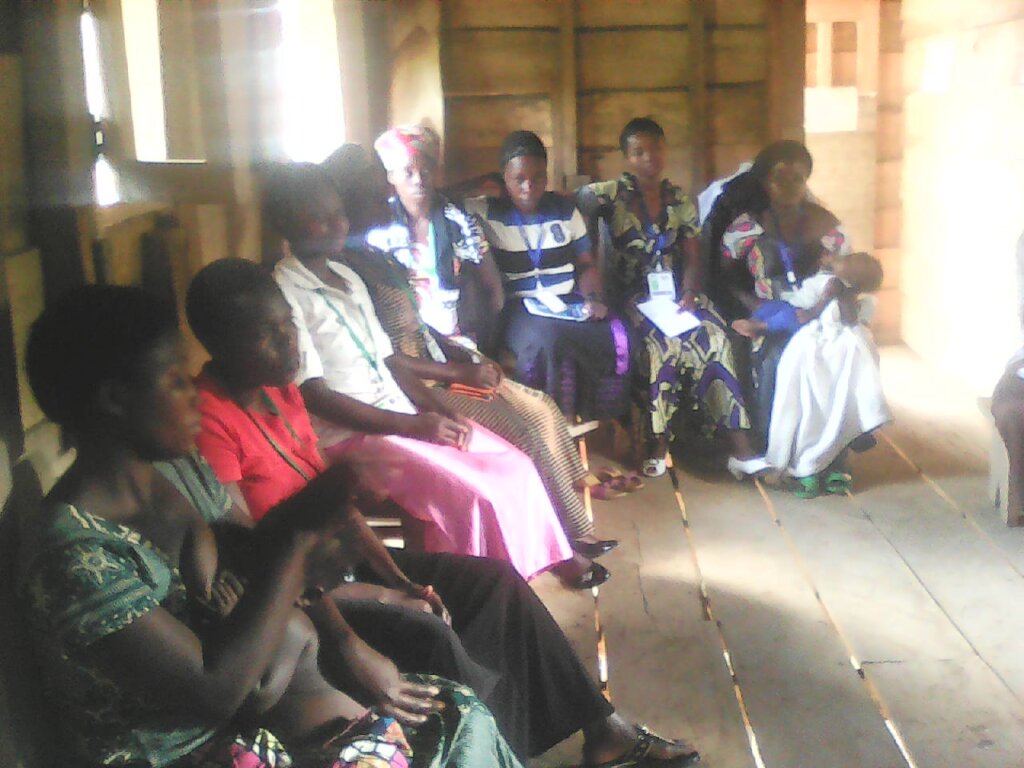
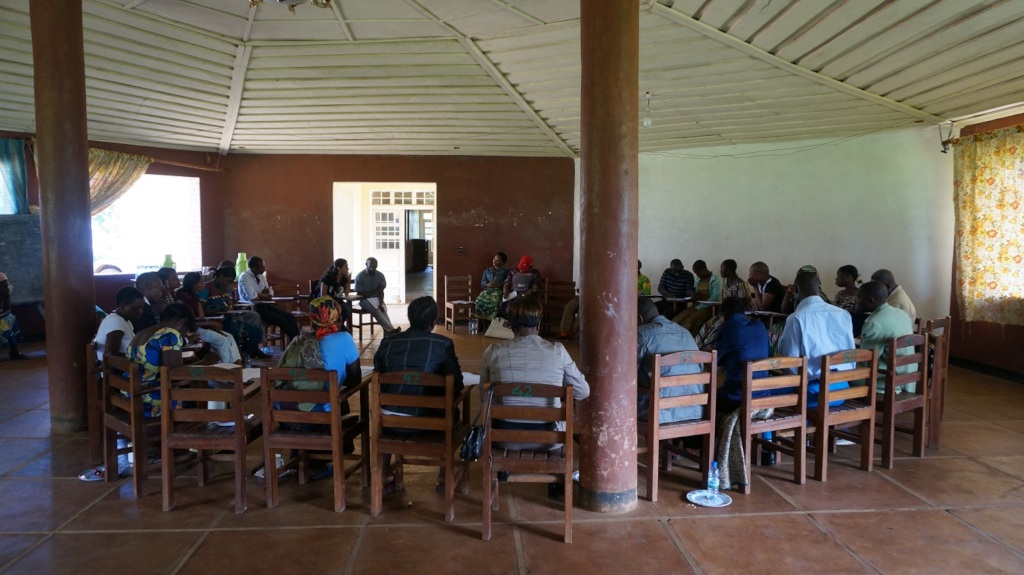
Our team of psychologists, social workers, and community health agents was there — in therapy rooms, in group sessions, in villages where reaching people means hours of travel on roads that are barely roads. We listened. We stayed present. We held space for stories that are almost too heavy to hold.
We did not fix everything. In South Kivu, there is no fixing — there is only accompanying. Walking alongside people as they try, slowly, painfully, to find their way back to something that feels like living.
But here is what we know: something changes when a person is finally heard. When someone looks at them — not with pity, not with horror — but with the steady, clear message that what happened to them matters. That they matter.
2,520 people heard that message this quarter. For many of them, it was the first time in their lives.
Why we are still here
The conflict in South Kivu shows no sign of ending. The needs we are seeing are not decreasing — they are growing. Every wave of violence sends more people through our doors carrying wounds that medicine alone cannot treat.
We are not going anywhere.
But we need your support to keep showing up. Every $15 funds one individual therapy session for someone who has been carrying their trauma alone. Every $25 brings a group of survivors together — people who thought no one understood, discovering that they are not alone.
In a place where everything has been taken, that is not a small thing.
Thank you for making it possible for us to be there.
Links:
Project reports on GlobalGiving are posted directly to globalgiving.org by Project Leaders as they are completed, generally every 3-4 months. To protect the integrity of these documents, GlobalGiving does not alter them; therefore you may find some language or formatting issues.
If you donate to this project or have donated to this project, you can receive an email when this project posts a report. You can also subscribe for reports without donating.


Support this important cause by creating a personalized fundraising page.
Start a Fundraiser