By Gil Lima | Project Manager
It could take years for some children affected by two deadly earthquakes in Nepal to emotionally recover from the disasters, fears Save the Children as aid agencies work around the clock to prepare communities for the upcoming monsoon season.
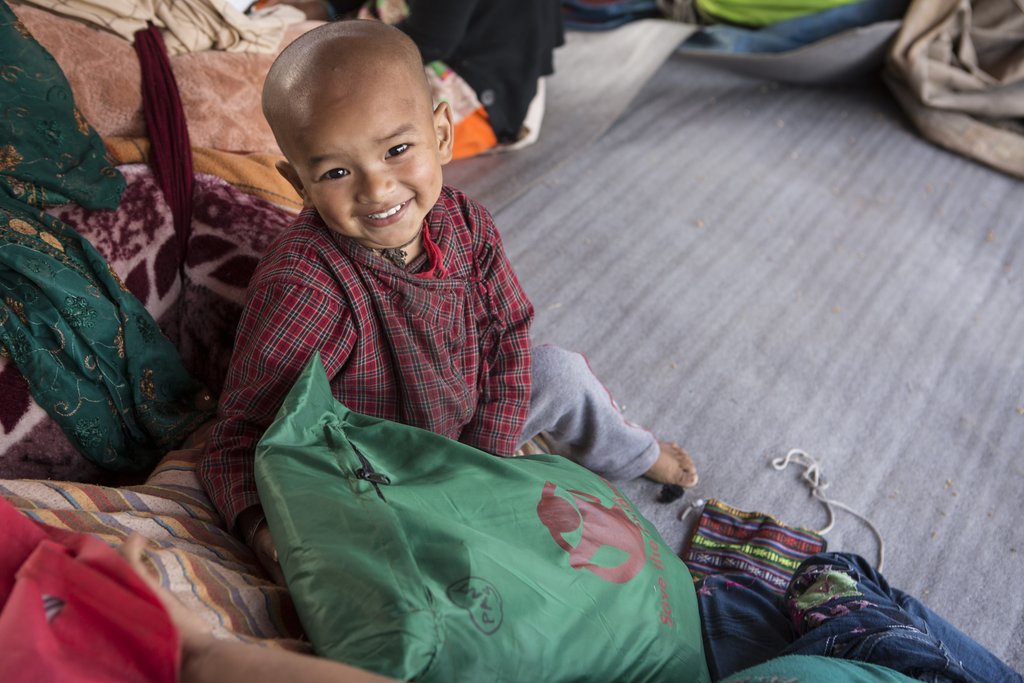
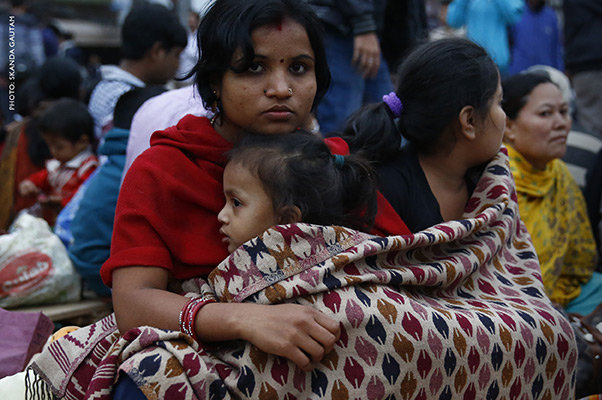
“Save the Children is extremely concerned about the emotional wellbeing of children affected by these two earthquakes, and the fear and distress they will feeling after having their lives ripped out from beneath them,” Save the Children Country Director Delilah Borja said.
“The second quake in particular has created a new level of terrifying uncertainty as those affected must now ask themselves if another deadly earthquake is coming.
“Families are opting to sleep in tents, makeshift shelters or out in the open once again rather than at home, either because their homes have been damaged or destroyed or because they are afraid of more aftershocks or another quake. In Kathmandu there are tents and tarps seemingly pitched everywhere. The golf course has become a tent city.”
The Government of Nepal is reporting that at least 65 people have died and nearly 2,000 have been injured following second quake, just two weeks after a magnitude 7.8 earthquake killed over 8,000 people.
Aid agencies like Save the Children are racing against time to reach the most vulnerable families ahead of the monsoon season, which is due to start within four to six weeks.
“Hundreds of thousands of people could still be homeless when the monsoon rains start, which has the potential to cause a new humanitarian crisis as the risk of disease and illness increases,” Ms Borja said.
“Save the Children is urgently working to distribute temporary shelter, food and water to those worst affected by the earthquakes, even via helicopter and donkey, and has already reached over 76,000 people. We need to be able to use morehelicopters, especially in remote areas, to support our relief effort.”
Save the Children has been working in Nepal since 1976, focusing on education, especially early childhood development and primary education, as well as basic health, including maternal child health and HIV and AIDS prevention and care. The aid agency runs programs in 63 districts of Nepal.
Project reports on GlobalGiving are posted directly to globalgiving.org by Project Leaders as they are completed, generally every 3-4 months. To protect the integrity of these documents, GlobalGiving does not alter them; therefore you may find some language or formatting issues.
If you donate to this project or have donated to this project, you can receive an email when this project posts a report. You can also subscribe for reports without donating.