By Iain Guest | Project Leader
This update is being sent to friends who have kindly donated to our appeals on behalf of family members of the disappeared in Nepal since 2015.
To recap:
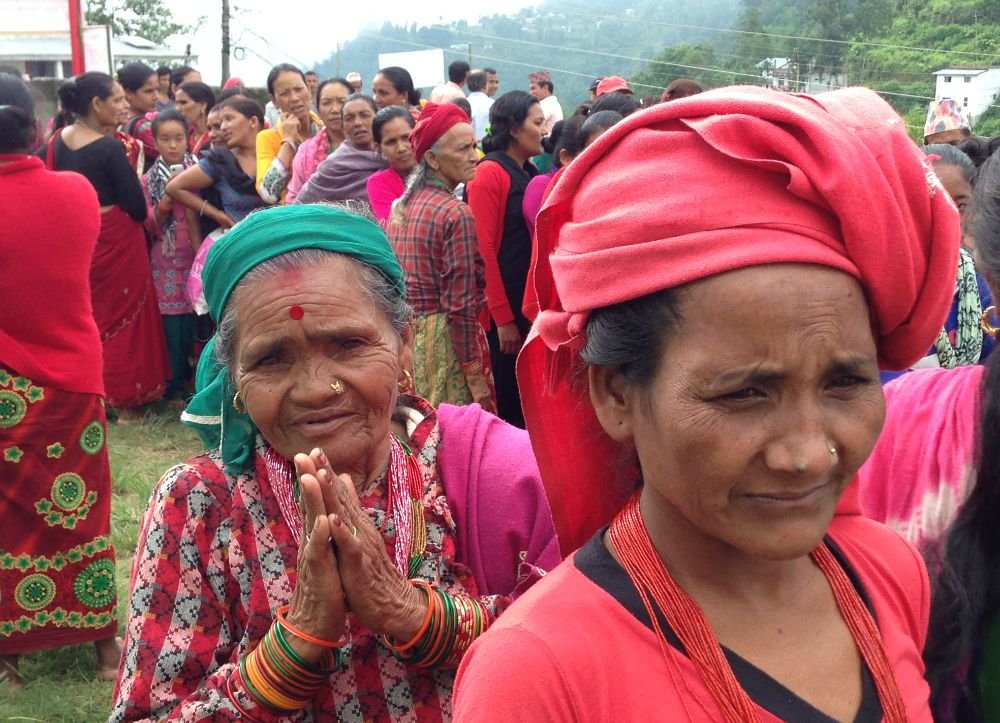
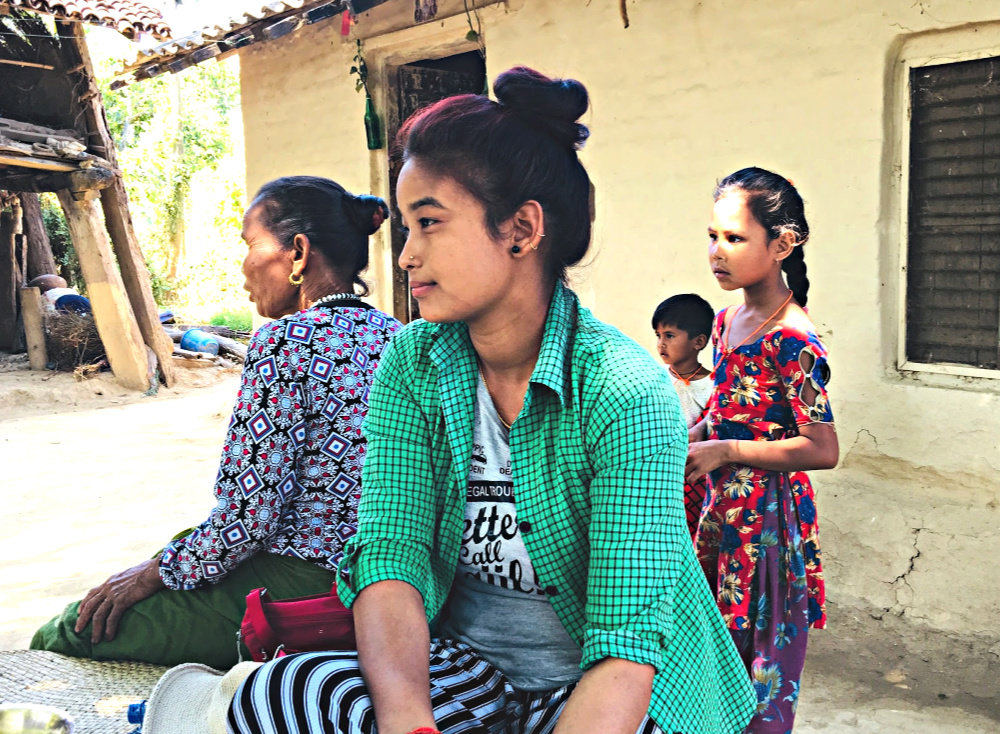
Nepalis are still struggling to recover from the wounds of a long conflict (1996-2006). The worst-affected by far are the relatives of more than 2,500 Nepalis who were seized and have never reappeared. Working through the Network of Family-members of the Disappeared (NEFAD) we have developed a close relationship with a cooperative of around 30 family members in the western district of Bardiya, which suffered more disappearances than any other district in Nepal.
So far, with your help, we have raised $15,142.66 for the Bardiya cooperative.
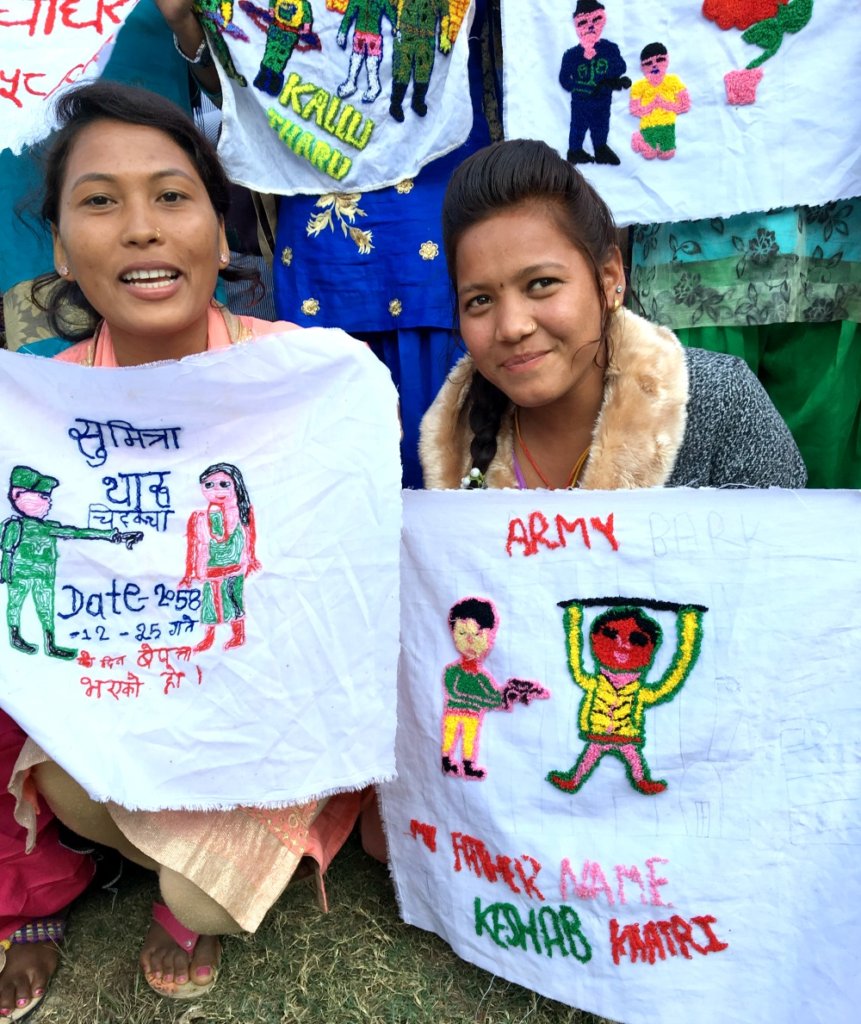
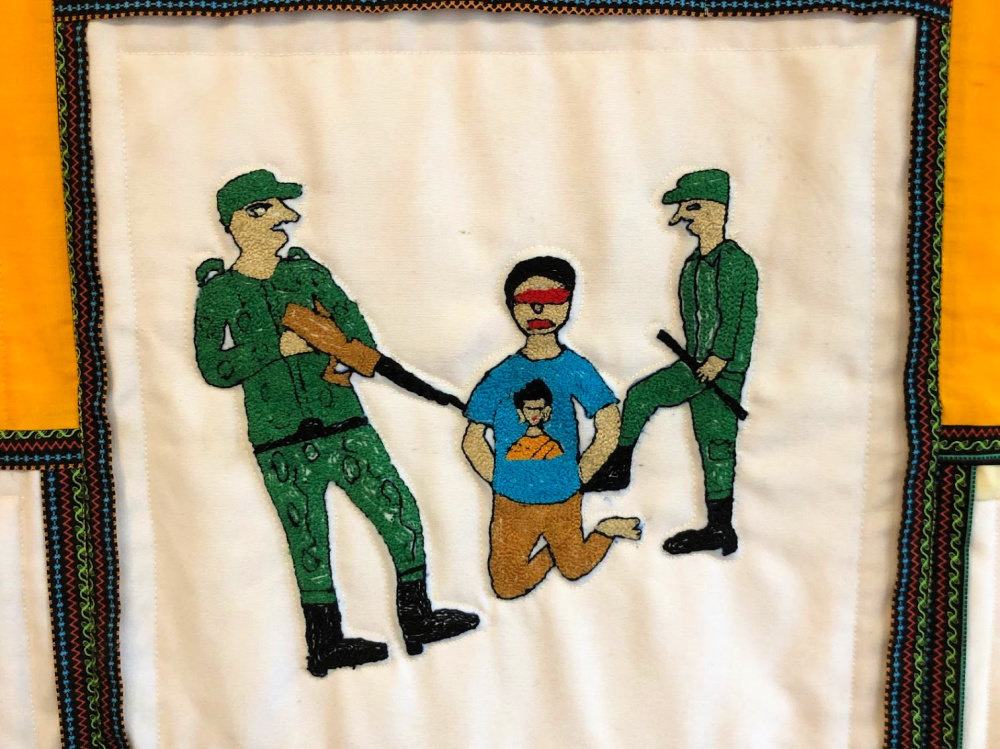
We began in 2016 by working through Peace Fellows to help the women commemorate their lost loved ones through embroidery, as we have done with many other partners in the Global South. By the end of 2018, they had produced over 40 embroidered squares.
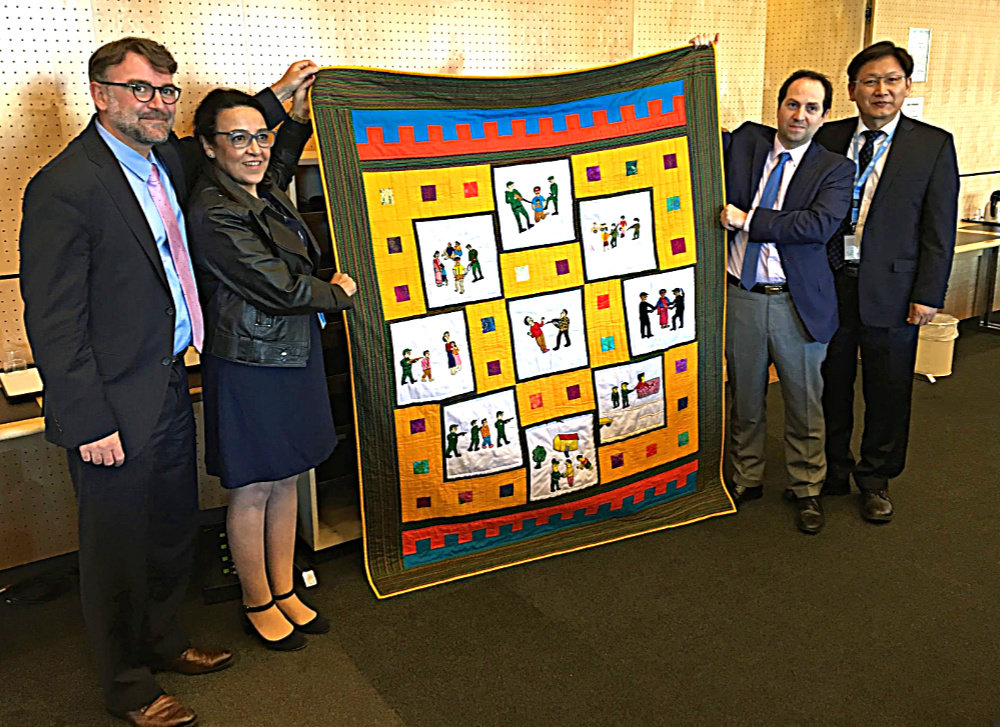
As we wrote in previous reports, we asked Bobbi, an expert quilter and member of our board of directors, to visit Nepal in April 2019 and help the cooperative members assemble two quilts. The quilts and artists are profiled on our website. You might also like this video of Bobbi’s reaction to working with these brave women.
We then turned to using the quilts to advocate for justice. Sarita, the head of the cooperative, kept one of the quilts in Nepal. Iain showed the second quilt to the United Nations Working Group on Enforced and Involuntary Disappearances in Geneva (photo). This is in line with NEFAD's strategy of persuading the UN human rights bodies to engage more actively in Nepal. We plan to deploy two experienced Peace Fellows in Nepal this coming summer to produce studies on the disappeared and reparations, which will then be submitted to the UN.
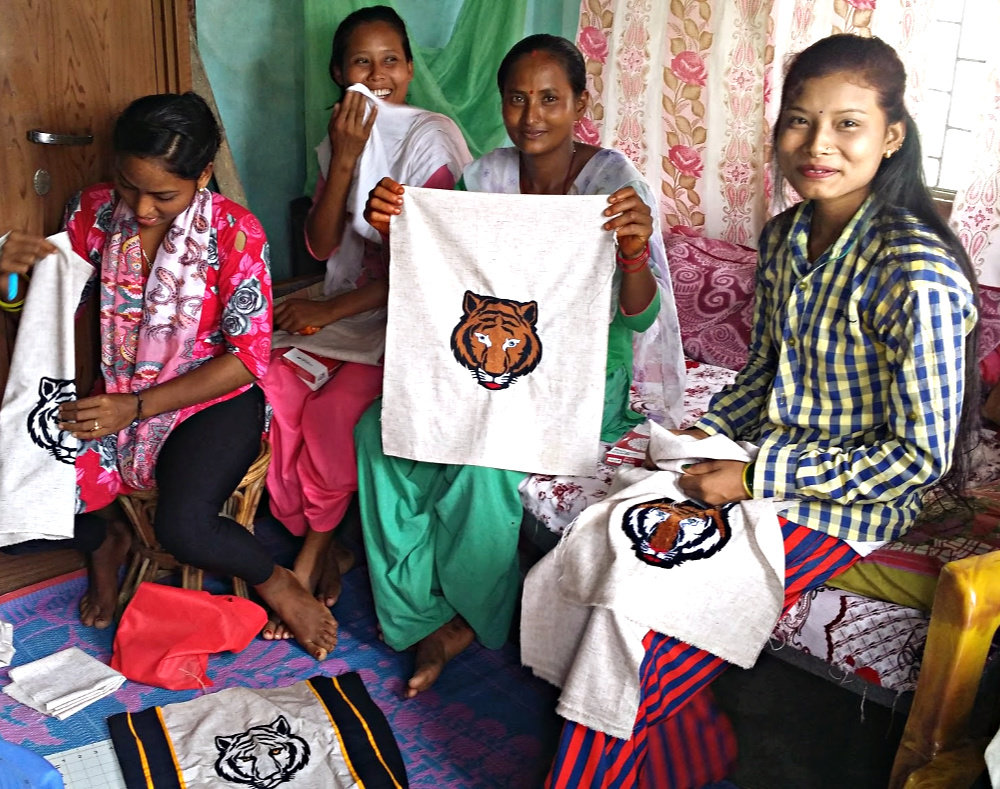
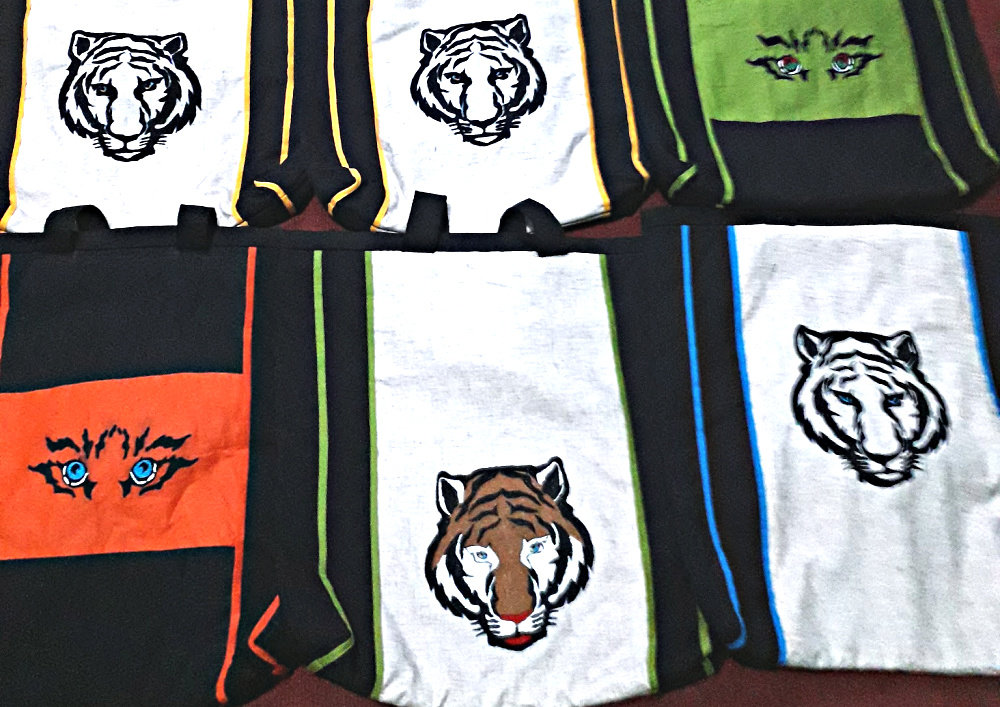
Our second approach is to move from story-telling to income-generation. During her trip to Nepal, Bobbi helped Sarita and her team to design new Tiger bags. We purchased two sewing machines and material. Kushma rented an office. Sima agreed to act as the cooperative treasurer. Kancham – one of the best artists in the cooperative (photo) – began making new designs.
As of now, the Nepali bag-makers have produced 35 bags and hope to reach 50 by the time our Peace Fellows arrive in the summer to collect the bags and assess progress. Meanwhile, our Washington team is exploring the possibility of auctioning the bags online, or selling them through retail. One way or another, the fight for transitional justice will continue – in Nepal and here in the US.
In gratitude
The AP team
Project reports on GlobalGiving are posted directly to globalgiving.org by Project Leaders as they are completed, generally every 3-4 months. To protect the integrity of these documents, GlobalGiving does not alter them; therefore you may find some language or formatting issues.
If you donate to this project or have donated to this project, you can receive an email when this project posts a report. You can also subscribe for reports without donating.