By Sonya Kahlenberg, PhD | Executive Director (Interim)
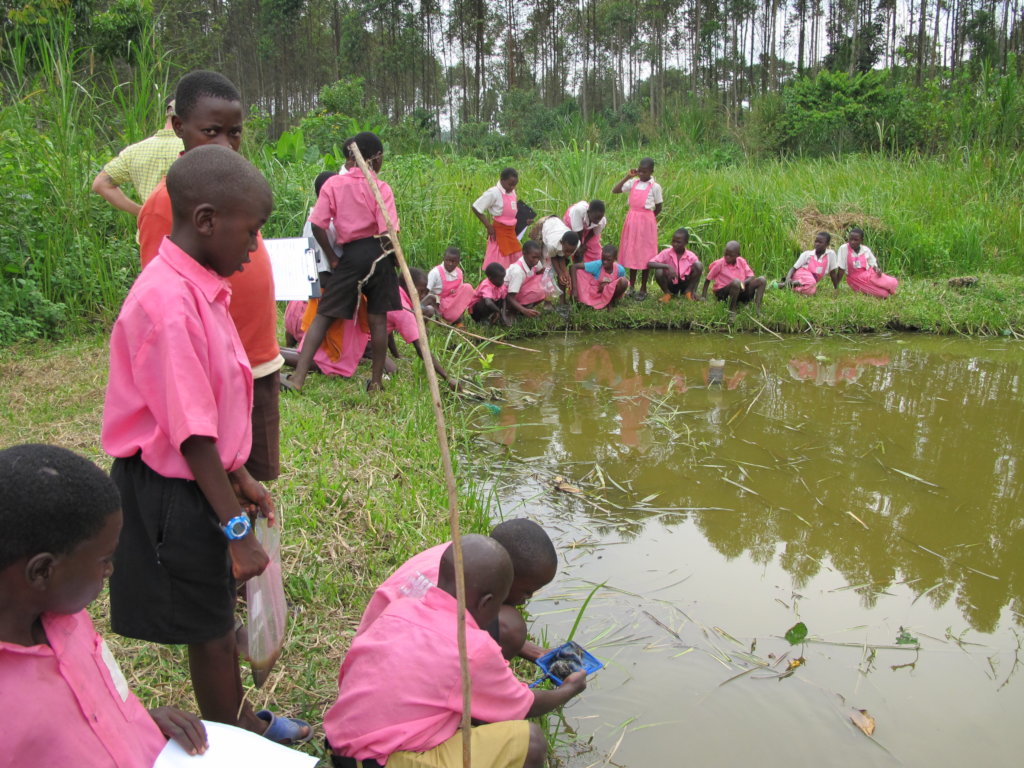
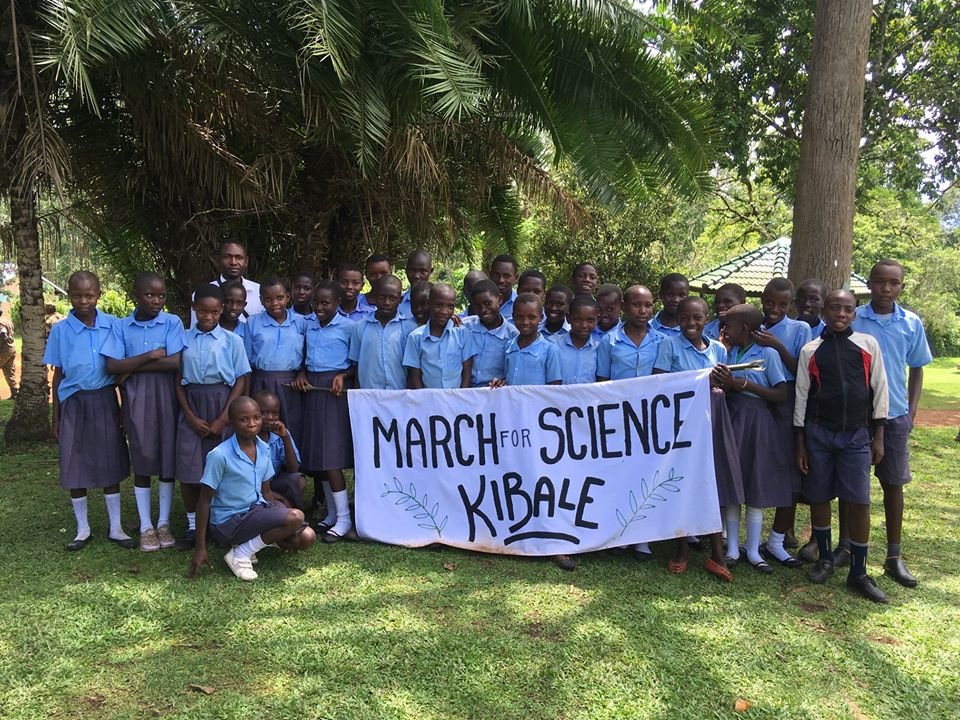
The 2023 school year began in February and, as always, we are collaborating with after-school Wildlife Clubs in each of our 16 partner primary schools. Clubs have 30-50 members, depending on the size of the school. In the past, some schools have planted gardens to grow fruit trees and crops that help feed students and teachers and also teach students about agricultural methods.
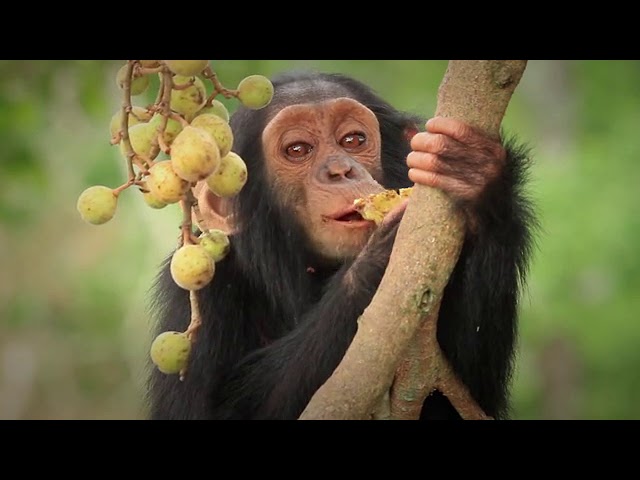
An additional gardening goal for this year has conservation implications: to start tree nurseries at each school to grow native trees that will be planted by students and community members. Wildlife Clubs are responsible for leading this effort at each of their schools. During Term 1, nursery beds were built by Club members and seeds were planted and cared for. Students were proud to achieve a relatively high germination rate (around 70%). One of the tree species they planted is Pseudospondias microcarpa, which is an important food tree for the more than 1,500 endangered chimpanzees that reside in nearby Kibale National Park. In addition to helping to grow trees important for chimpanzees, the students are also collaborating with a researcher who is studying the properties of Pseudospondias microcarpa and its importance for chimpanzees. Students are delighted to have a direct hand in science through gardening!
Project reports on GlobalGiving are posted directly to globalgiving.org by Project Leaders as they are completed, generally every 3-4 months. To protect the integrity of these documents, GlobalGiving does not alter them; therefore you may find some language or formatting issues.
If you donate to this project or have donated to this project, you can receive an email when this project posts a report. You can also subscribe for reports without donating.



Support this important cause by creating a personalized fundraising page.
Start a Fundraiser