Developing the Next Generation of Conservationists

by The Kasiisi Project
Play Video
Developing the Next Generation of Conservationists

Project Report | Jan 2, 2025
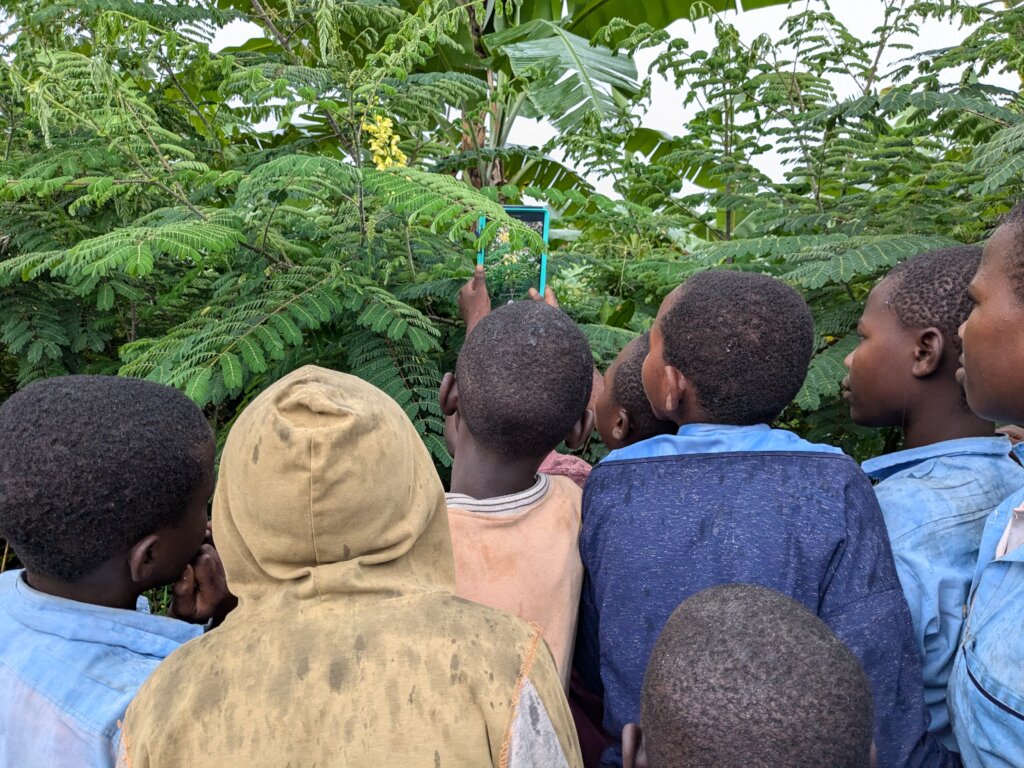
Students learn about honeybees using iNaturalist

By Sonya Kahlenberg, PhD | Executive Director

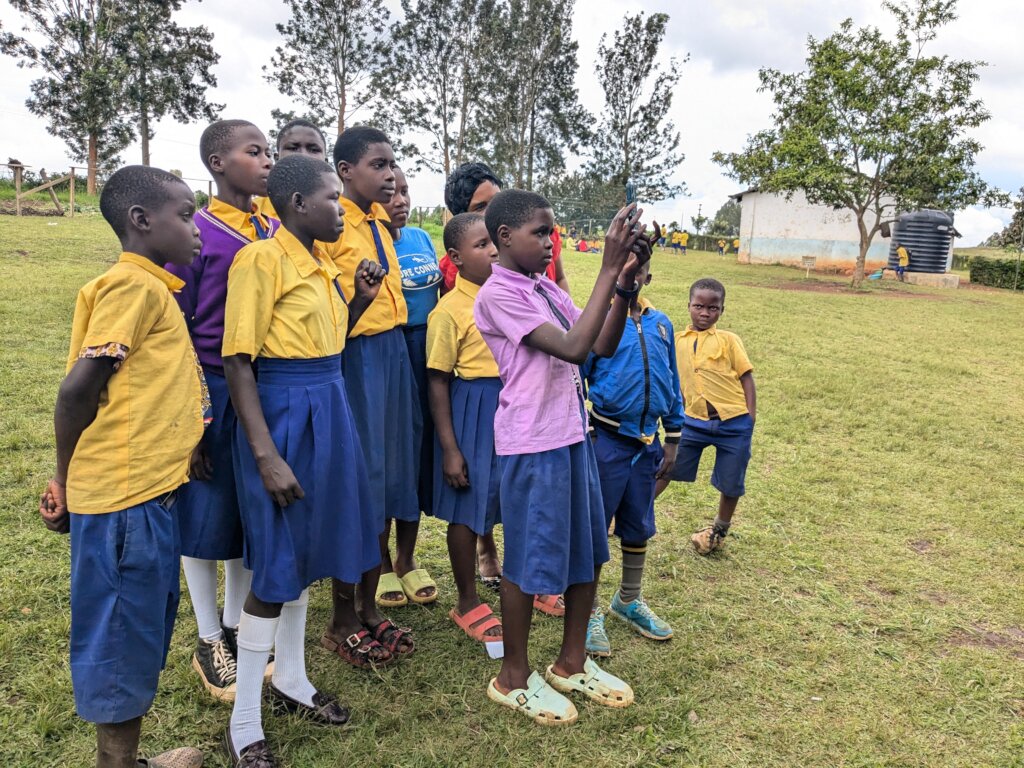
Students learn how to use iNaturalist on tablets

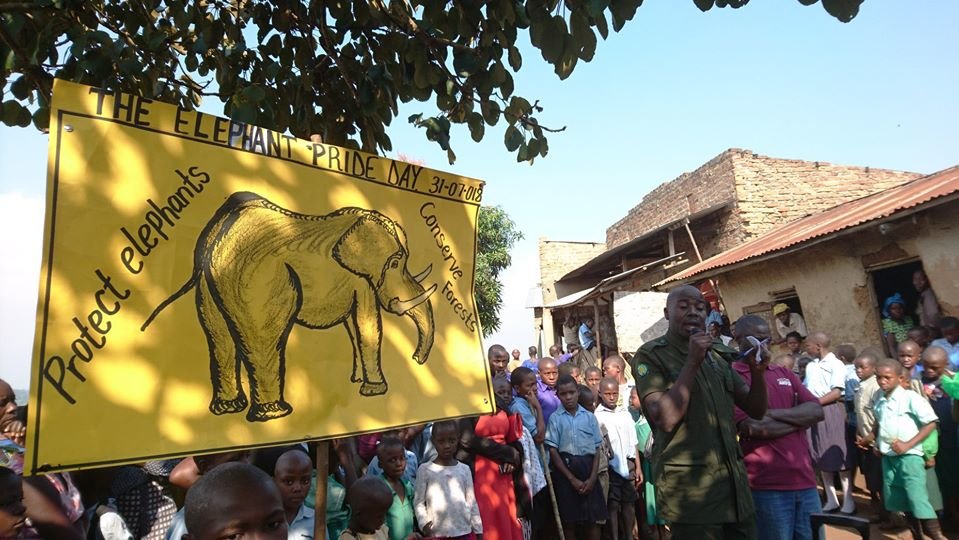
The Kasiisi Project has been studying honeybees for years to better understand their efficacy as elephant deterrents. There is a healthy population of elephants in Kibale National Park, and elephants regularly venture into forest-edge farms to feed, which can cause sigificant damage to crops and property and presents a danger for community members, as elephants can be aggressive. Elephants are known to avoid bee hives (and their associated stings), however, so beehive fences are one solution people can use to deter elephants from entering their farms. But hives must be in good health for this to work, and hive health is specifically what we have been investigating. We want to know whether local hives are healthy enough to not only deter elephants but also to bring adequate honey for beekeepers. We directly manage 57 hives on our farm and partner with beekeepers in 9 villages to monitor an additional 443 hives.  

Our Wildlife Clubs have been helping with this project and learning a lot about bees in the process! They are using the iNaturalist app to record and identify plants used by bees to help us track bee foraging activities. Students first learned how to use a tablet and the app then had fun tracking bees and taking photos of where bees were feeding. In addition, students learned about the importance of pollinators-such as bees but also bats, butterflies, and birds-to the forest and local crops.


Students take photos of plants used by bees
Students enter their data into iNaturalist
Share on Twitter Share on Facebook

About Project Reports

Project reports on GlobalGiving are posted directly to globalgiving.org by Project Leaders as they are completed, generally every 3-4 months. To protect the integrity of these documents, GlobalGiving does not alter them; therefore you may find some language or formatting issues.

If you donate to this project or have donated to this project, you can receive an email when this project posts a report. You can also subscribe for reports without donating.


Sign up for updates

Organization Information

The Kasiisi Project

Location: Grand Ledge, MI - USA
Website:
Facebook: Facebook Page
X / Twitter: Profile
Project Leader:
Sonya Kahlenberg
Yarmouth , ME United States
$3,418 raised of $20,000 goal
 
33 donations
$16,582 to go
Donate Now

Help raise money!

Support this important cause by creating a personalized fundraising page.

Start a Fundraiser

Learn more about GlobalGiving

Teenage Science Students
Vetting +
Due Diligence

Snorkeler
Our
Impact

Woman Holding a Gift Card
Give
Gift Cards

Young Girl with a Bicycle
GlobalGiving
Guarantee

Get incredible stories, promotions, and matching offers in your inbox

WARNING: Javascript is currently disabled or is not available in your browser. GlobalGiving makes extensive use of Javascript and will not function properly with Javascript disabled. Please enable Javascript and refresh this page.