By Robert Kyobe | Project Leader
Introduction
The One Million Tree Project, spearheaded by the African Soul Initiative, remains a vital component of our ongoing efforts to promote environmental conservation and sustainability. This initiative is strategically aligned with the broader objectives of the Green Community Program, which seeks to foster environmental awareness, encourage community participation, and support sustainable living through tree planting and fruit tree distribution. This report provides an update on the progress made in recent months, outlines the challenges encountered, and presents the strategies moving forward.
Project Progress
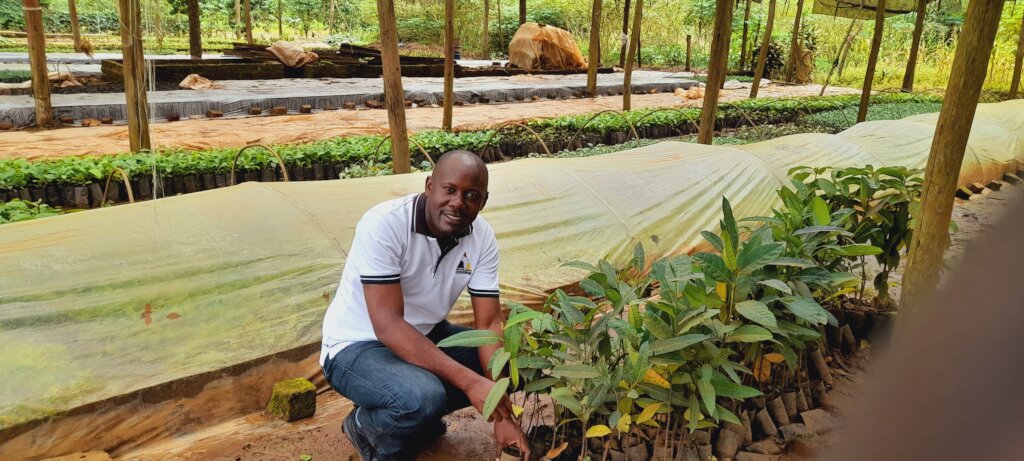
In recent months, the project has continued its efforts in seed collection, focusing on acquiring a variety of tree species suitable for reforestation and agroforestry. The team has worked tirelessly to identify and collect high-quality seeds that will thrive in the environmental conditions of Kalungu, along Masaka Road. These seeds have been tested for their viability, ensuring that only the most promising ones are selected for planting. However, the process of securing the right seeds has proven to be more challenging than anticipated, as not all collected seeds meet the required standards for growth and sustainability.
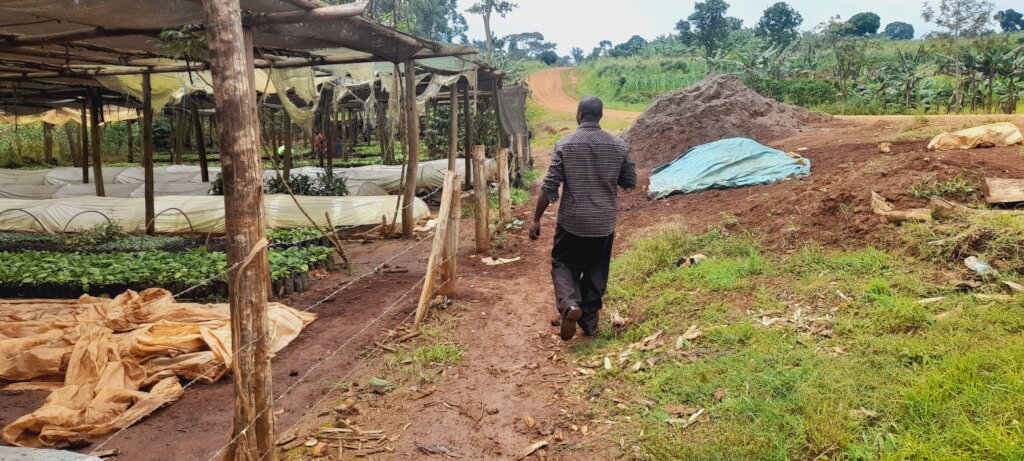
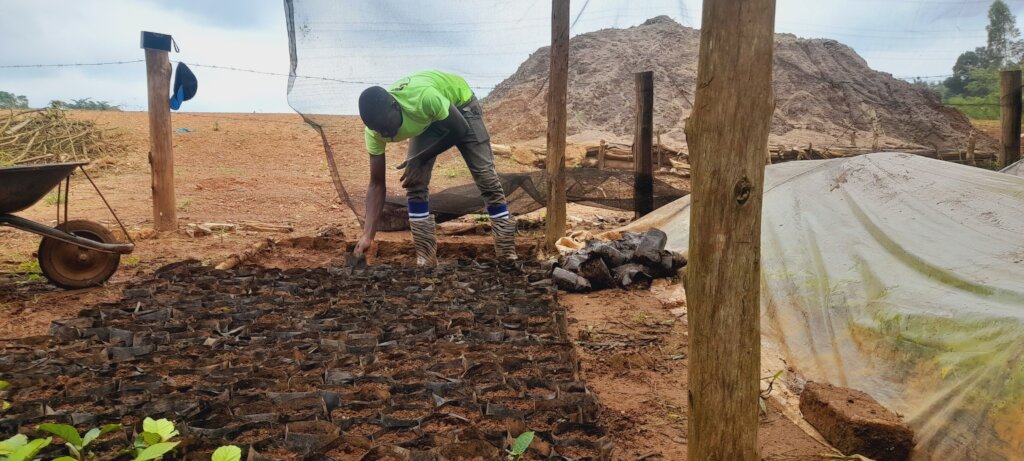
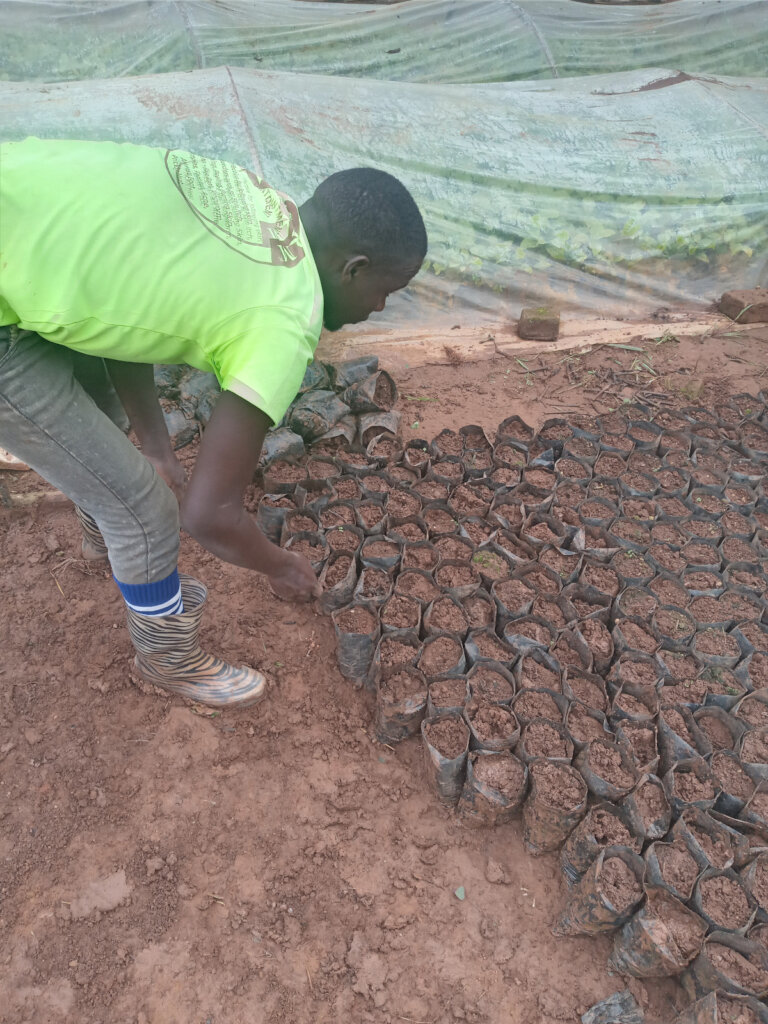
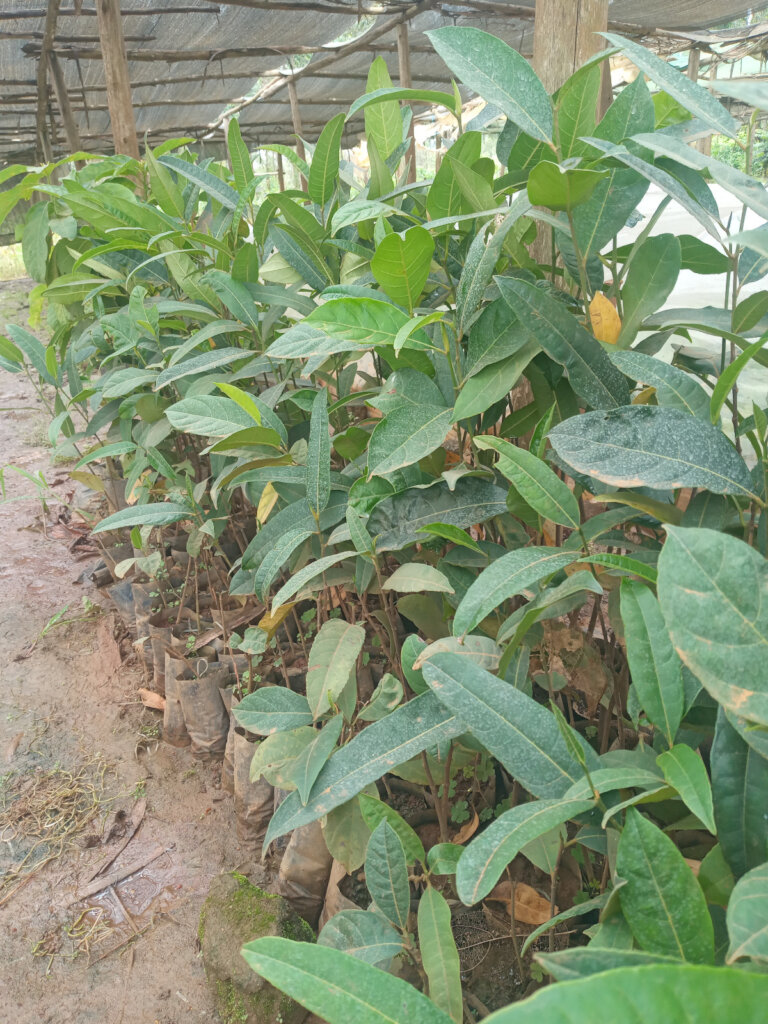
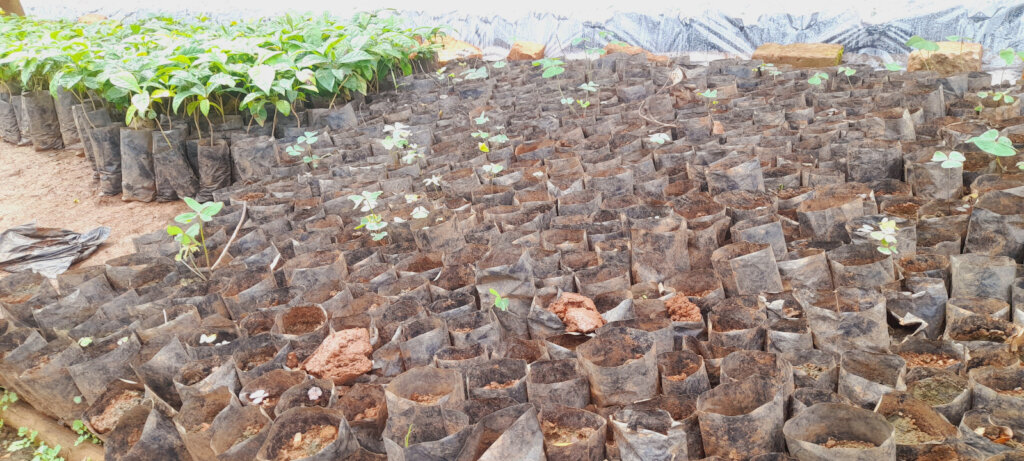
The establishment and expansion of the nursery bed in Kalungu have faced several setbacks. While initial preparations were made to increase the capacity of the nursery, progress has been slower than expected due to financial constraints. The team initially anticipated a more rapid expansion, which would allow for the accommodation of a larger number of seedlings. However, due to limited funding, the necessary infrastructure, such as shade structures and additional growing spaces, has not been fully realized. The nursery remains operational, but its ability to scale up has been hindered.
The recent weather conditions have also significantly impacted the project’s progress. January and February have been characterized by high temperatures and low humidity levels, making it increasingly difficult to maintain and nurture the tree seedlings. The prolonged dry spells have necessitated increased irrigation efforts, leading to unexpectedly high costs in maintaining the nursery. Unlike the wet season, where natural rainfall supports plant growth, the current dry conditions have placed additional pressure on resources, making it difficult to sustain the seedlings effectively. The increased demand for water has stretched the project's financial and logistical capabilities, limiting the ability to allocate funds to other critical areas such as expansion and community outreach.
Challenges Faced
One of the primary challenges encountered during this phase of the project has been the limitation of space within the nursery. The available space does not fully accommodate the project's long-term objectives, making it difficult to scale up operations efficiently. Without the necessary expansion, the project may struggle to meet its ambitious goal of growing and distributing one million trees within the expected timeframe.
Another significant challenge has been the solicitation of high-quality seeds. While efforts have been made to collect and test various tree species, ensuring the availability of the best seeds remains a complex task. The lack of readily available, resilient seed varieties that can withstand extreme weather conditions has slowed down the progress of seedling production.
Funding constraints have remained a persistent obstacle. The project relies heavily on financial support to facilitate its various activities, including nursery bed expansion, irrigation, and seed procurement. However, limited access to funding has delayed several planned developments, including the establishment of better irrigation systems and the expansion of nursery infrastructure.
Additionally, the extreme weather conditions experienced in recent months have exacerbated these challenges. The high temperatures and dry conditions have placed an enormous burden on the maintenance of the seedlings, requiring continuous irrigation. The cost of maintaining adequate water supply has escalated, making it increasingly difficult to sustain the nursery without external financial support.
Future Plans and Strategies
In response to these challenges, the project team is actively exploring various fundraising initiatives to secure additional financial support. Efforts are underway to establish partnerships with potential donors, environmental organizations, and corporate sponsors who share the vision of afforestation and sustainable environmental practices. These funding sources will be instrumental in facilitating the expansion of the nursery bed, improving irrigation systems, and acquiring high-quality seeds.
Additionally, the team is prioritizing the acquisition of resilient seed varieties that can better withstand harsh climatic conditions. By working closely with agricultural experts and researchers, the project aims to identify and introduce more sustainable tree species that can thrive despite unpredictable weather patterns.
Community engagement remains a core focus of the initiative. Plans are in place to strengthen outreach programs, involving local communities, schools, and environmental organizations in tree planting activities. These efforts will not only enhance environmental conservation but also educate and empower community members to take an active role in sustaining green spaces.
Furthermore, a phased approach to nursery expansion is being considered. Instead of an immediate large-scale expansion, the project will implement gradual upgrades based on the availability of funding and resources. This approach will ensure that progress continues while maintaining financial sustainability.
Comment from the Project Coordinator
“The One Million Tree Project is a long-term commitment to environmental restoration and sustainability. While we have faced numerous challenges, including funding constraints, extreme weather conditions, and limitations in nursery expansion, our resolve remains strong. We are continuously seeking innovative solutions to overcome these obstacles, and we believe that with the right partnerships and community involvement, we can achieve our goal. Our primary focus now is on securing more funding, improving our nursery facilities, and enhancing community participation. Every tree we plant brings us closer to a greener and healthier future.”
Conclusion
Despite the challenges faced, the One Million Tree Project continues to make progress. Seed collection efforts remain ongoing, and plans for expansion and sustainability are being actively pursued. The project team is committed to overcoming current obstacles and ensuring that the long-term objectives of the initiative are met. With increased support and collaboration, the vision of planting one million trees remains achievable. Moving forward, the focus will be on securing the necessary resources, engaging the community, and implementing sustainable strategies to ensure the project's success.
Links:
Project reports on GlobalGiving are posted directly to globalgiving.org by Project Leaders as they are completed, generally every 3-4 months. To protect the integrity of these documents, GlobalGiving does not alter them; therefore you may find some language or formatting issues.
If you donate to this project or have donated to this project, you can receive an email when this project posts a report. You can also subscribe for reports without donating.



Support this important cause by creating a personalized fundraising page.
Start a Fundraiser