Project Report
| Nov 24, 2021
Rescuing Meme
By Lucy Radford | Engagement Manager
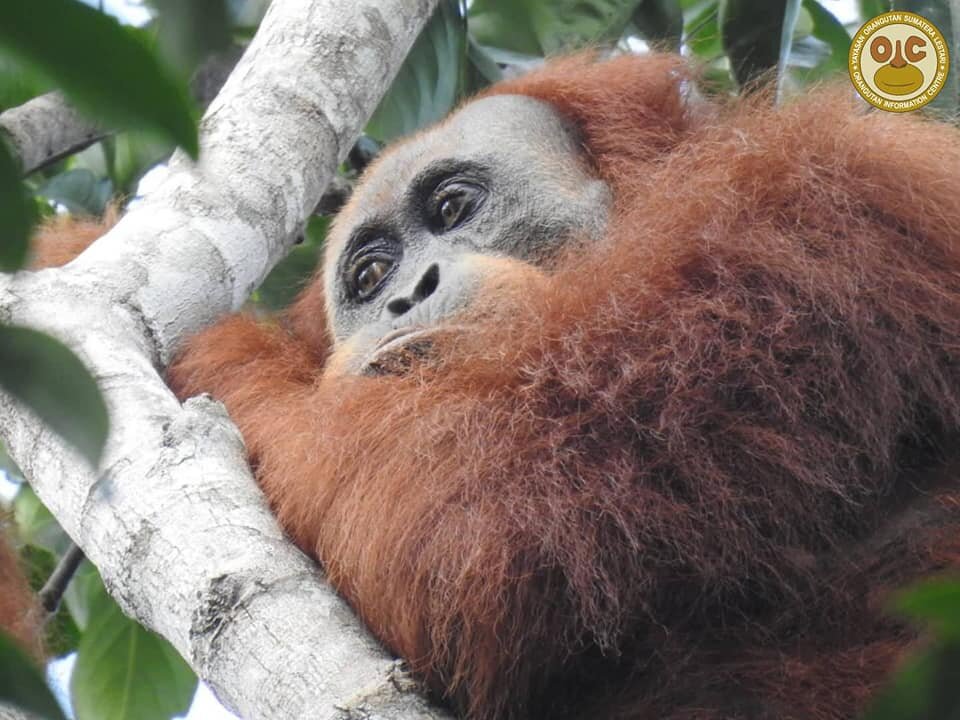
![Meme safe in her new forest home]()
Meme safe in her new forest home
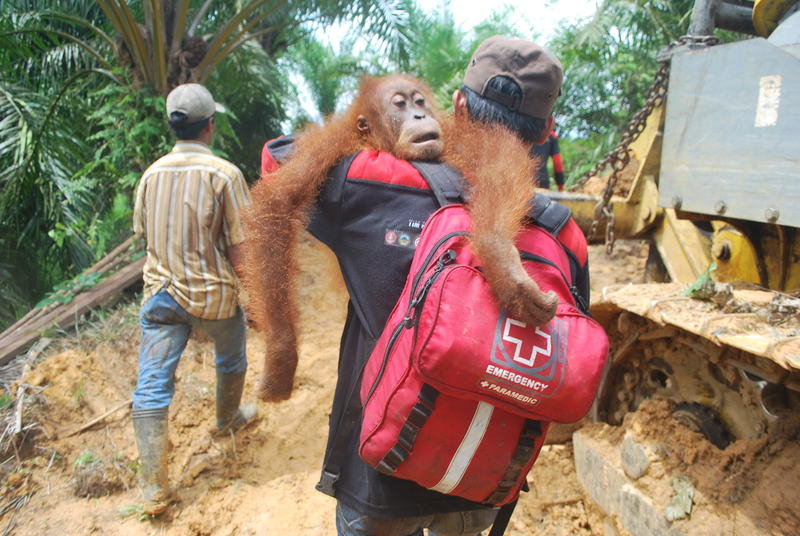
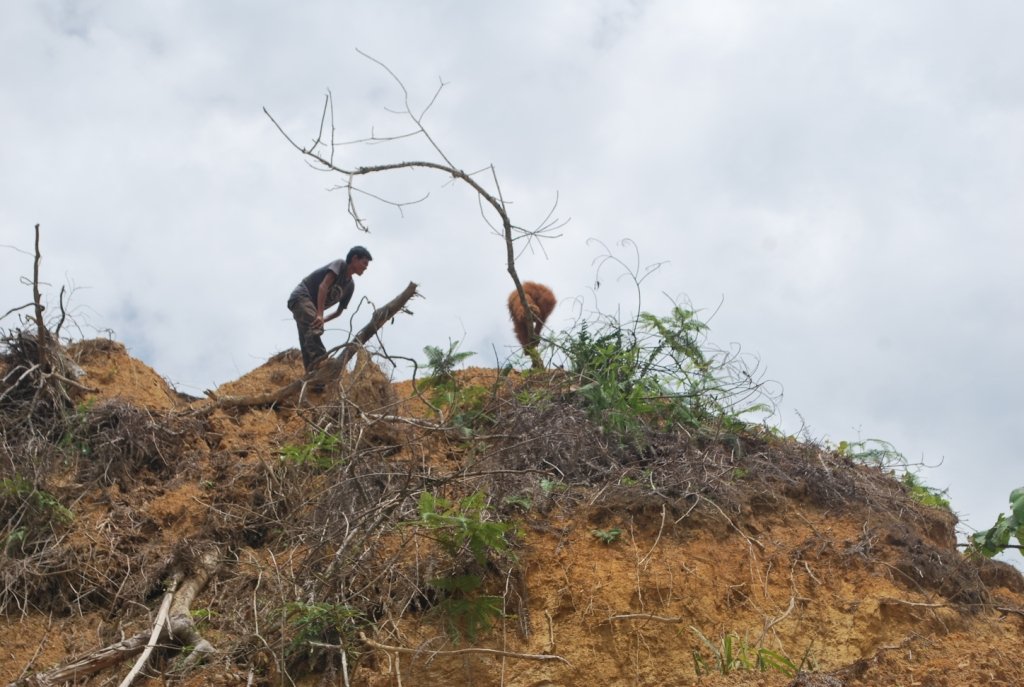
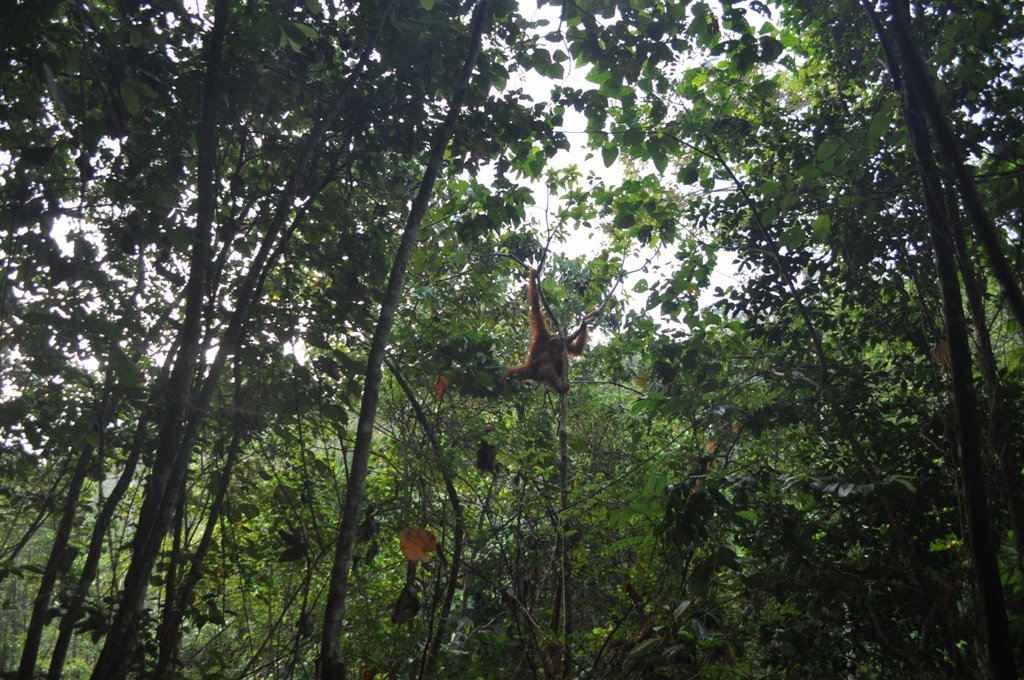
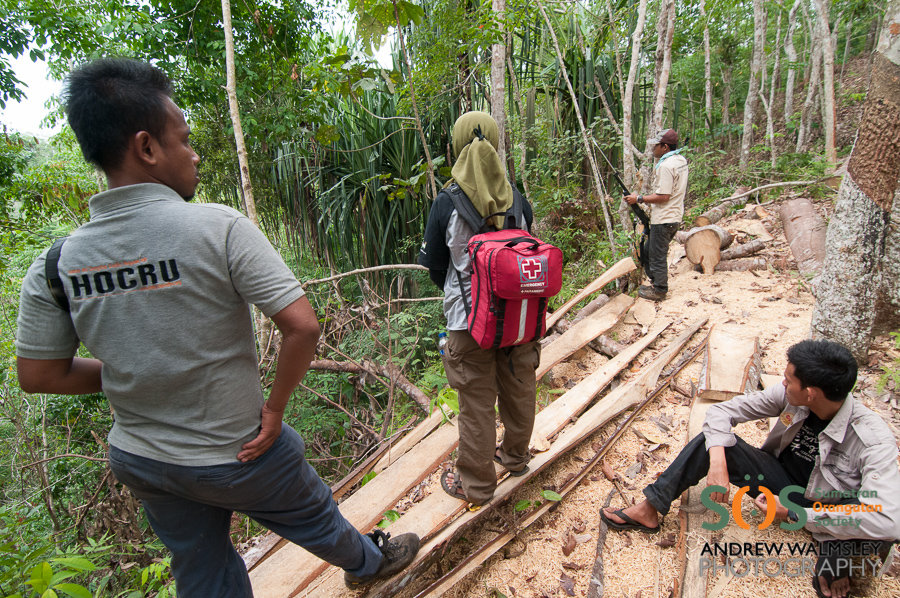
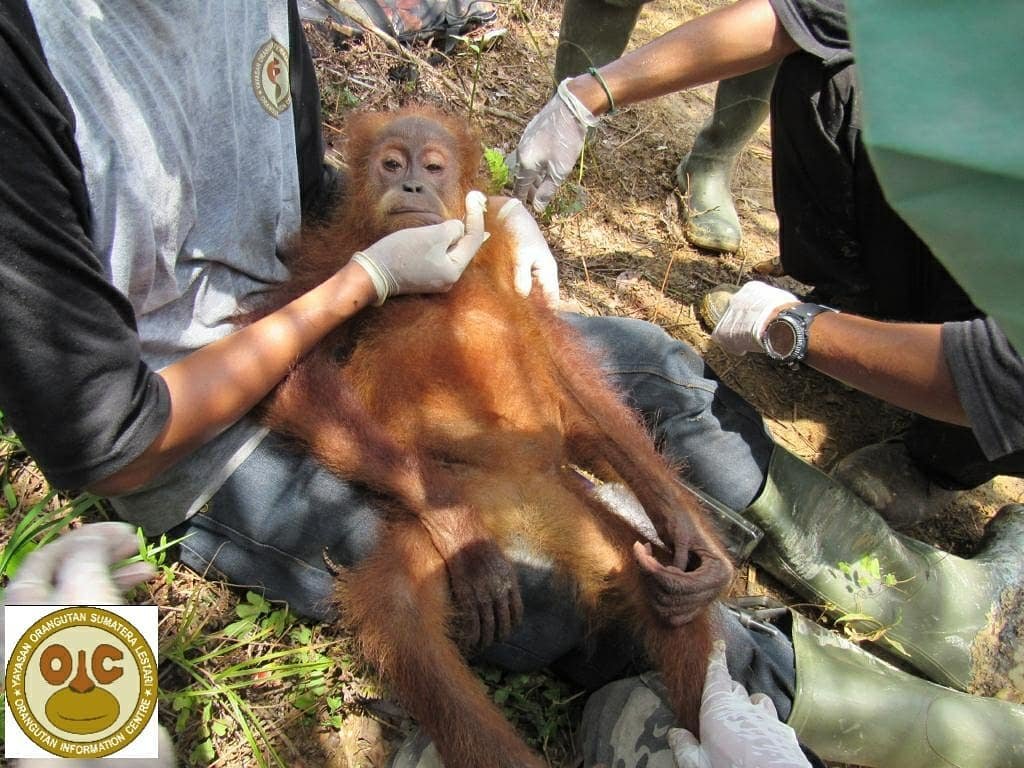
While many oil palm plantations in Sumatra are owned by large companies, there are also a large number of smaller plantations owned by community members - smallholder farmers who have a few oil palm trees to bolster their income. Recently, the orangutan rescue team were called to check on an adult female orangutan from a community plantation in South Aceh. Aged 20, the orangutan (named Meme by the team) was in good health and had no injuries, showing that she had obviously not been harmed by anyone living nearby. She was, however, a bit malnourished so it was decided that she should be relocated to Singkil Swamp Wildlife Reserve, one of the Sumatran orangutan's remaining strongholds.
The team said, "Evacuation is the last resort in the orangutan rescue effort. Rescuing orangutans to us, is an act of human responsibility towards environment and planet Earth, and bigger than any awards we could achieve. Now, Meme has returned to the wild where she belongs, thanks to the support and trust you all give to our HOCRU team.".
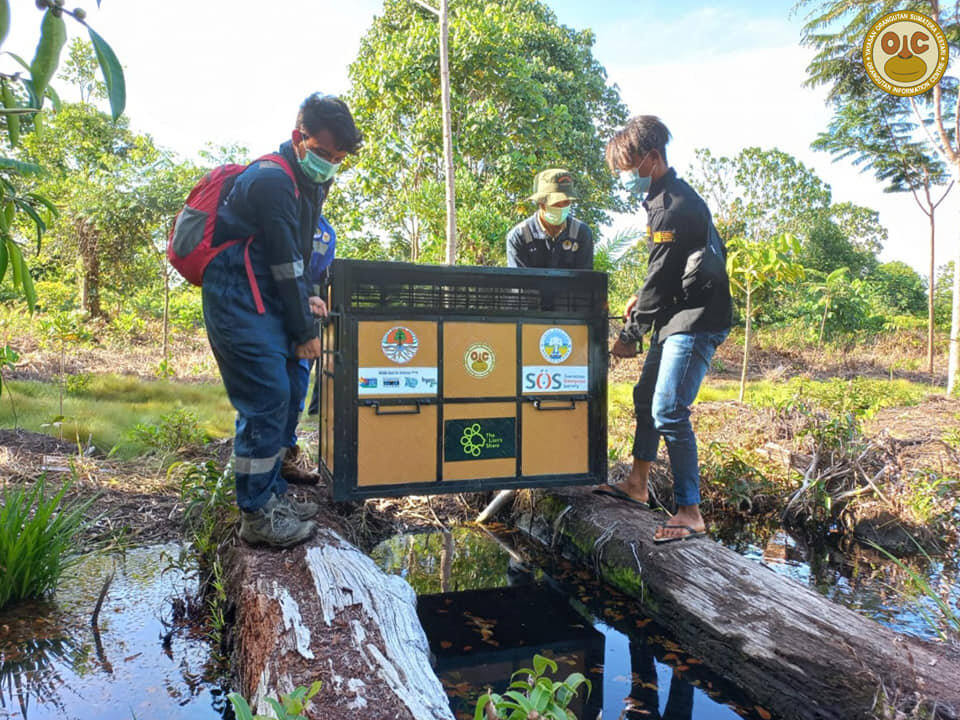
![Transporting Meme through the wildlife reserve]()
Transporting Meme through the wildlife reserve
![Share on Twitter]()
![Share on Facebook]()
Aug 3, 2021
Monitoring isolated orangutans.
By Lucy Radford | Engagement Manager
![]()
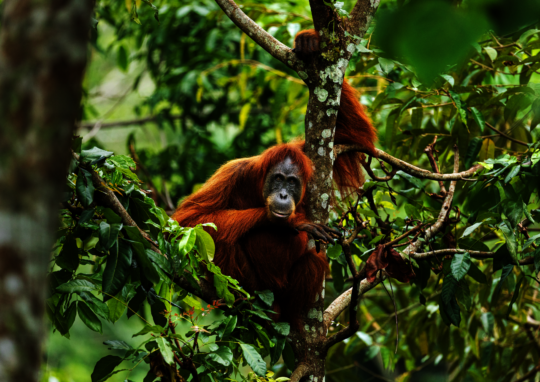
As you know, one of the ways that the orangutan rescue team helps Sumatran orangutans is by evacuating them from conflict situations. However, this is not the only method they have for overcoming human-wildlife conflict - mitigating conflict requires a set of constant and consistent activities, one of which is monitoring isolated orangutans.
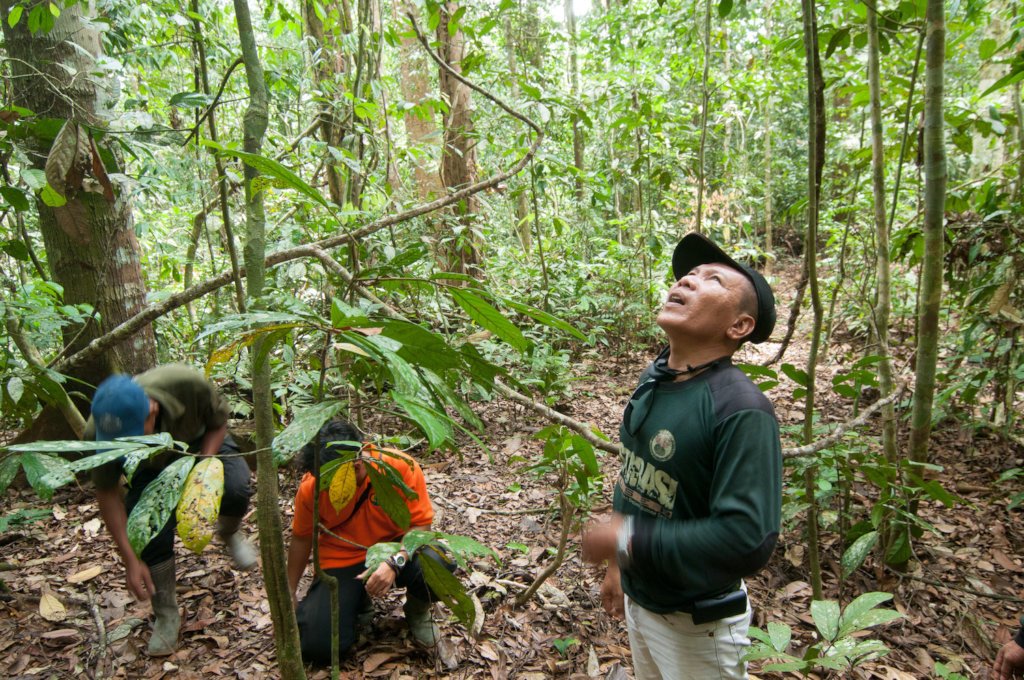
Monitoring isolated orangutans is a preventative measure to halt conflict before it begins. By gathering data about isolated orangutans spotted outside their usual forest range, the team can map out potential areas of conflict and carry out preventative actions like communicating with local people about how to protect their crops without harming the orangutans.
Orangutans themselves can be difficult to see, so the team often relies on trace findings such as half-eaten fruit, seeds and orangutan nests. To give an idea of the scale of the team's task: between February and April this year alone, they found 104 nests outside of forests across North Sumatra province - a strong indication that this work is important. Without the team's monitoring, the orangutans who built these nests might have ended up needing to be evacuated instead of being left alone to make their own way back to the forest.
Thank you for continuing to make this work possible.
![]()
![Share on Twitter]()
![Share on Facebook]()
Apr 7, 2021
Thanks to you, the rescue team has a new truck!
By Lucy Radford | Engagement Manager
![]()
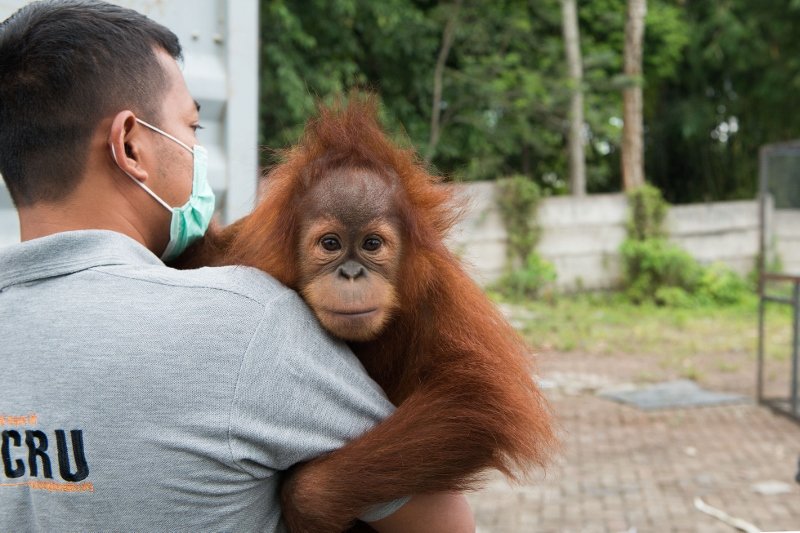
As you know, the orangutan rescue teams work on the frontline of orangutan protection in Sumatra. Responding to urgent calls around the clock, three HOCRU teams cover the Leuser and Batang Toru landscapes – evacuating Critically Endangered Sumatran orangutans and Tapanuli orangutans from dangerous situations and enabling their return to the wild.
Rescue operations usually involve driving hundreds of miles, often off-road, so it’s vital for the HOCRU teams to have four-wheel-drive trucks they can rely upon. The South Aceh team, who made headlines in 2019 when they rescued an orangutan called Hope who had been shot 74 times, were having major problems with their truck – it regularly broke down, and the expense of repairing it was a big drain on their rescue budget.
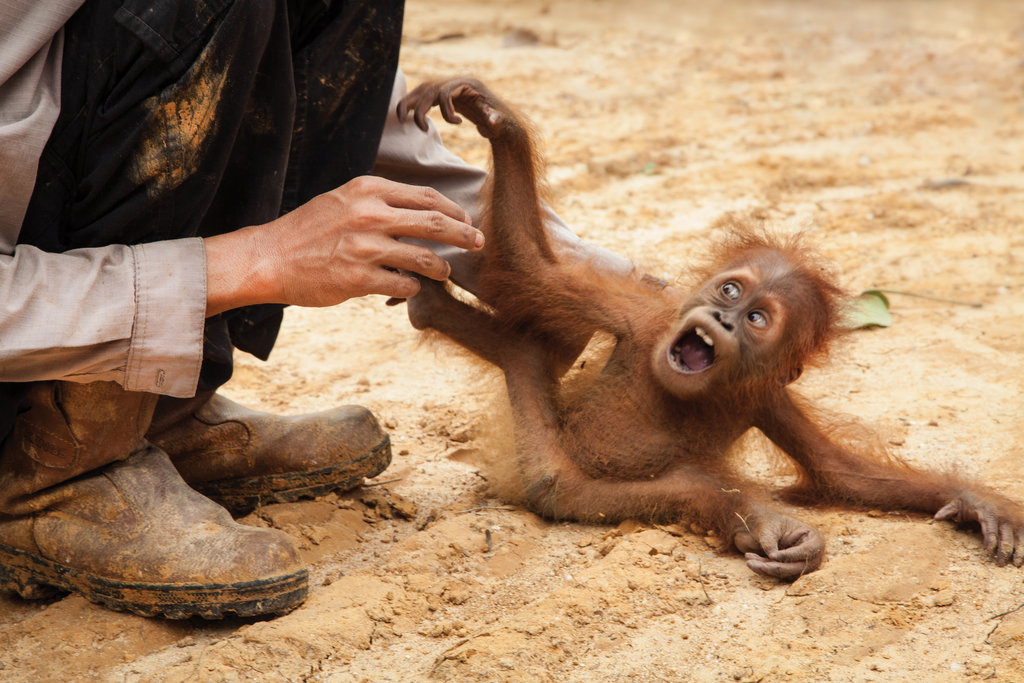
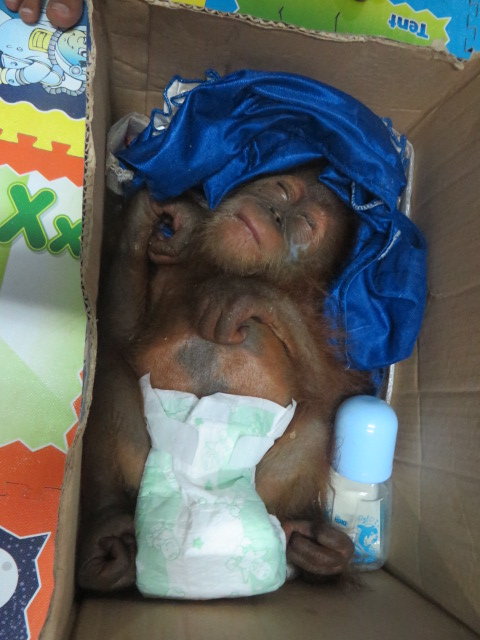
Thanks to your ongoing support and donations, we were delighted a couple of weeks ago when we were able to send funds to the team to buy a new truck. They have already rescued a baby orangutan who had been bitten by dogs, and being able to complete the rescue without worrying about the truck breaking down was a huge relief.
Thank you so much for all you do to support Sumatra's orangutans and the people who work around the clock to save them.
![Share on Twitter]()
![Share on Facebook]()