By Fabien Garnier | Conervation Programme Manager
Review of 2016
What have you helped us achieve so far?
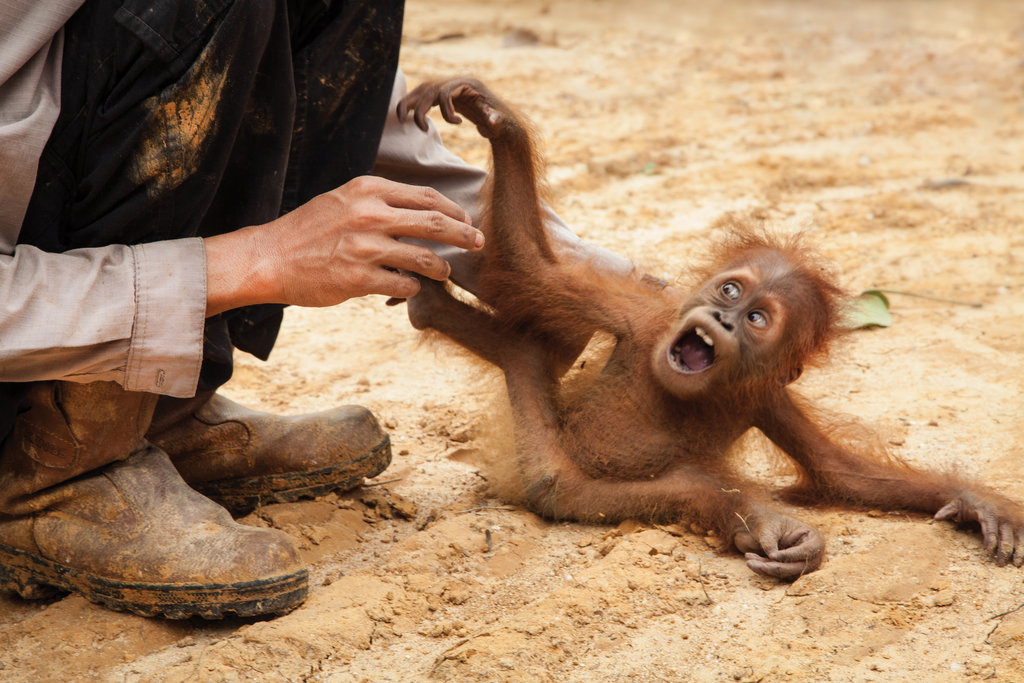
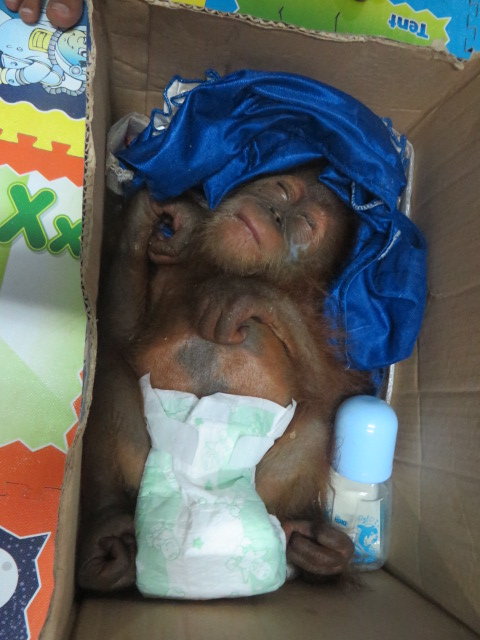
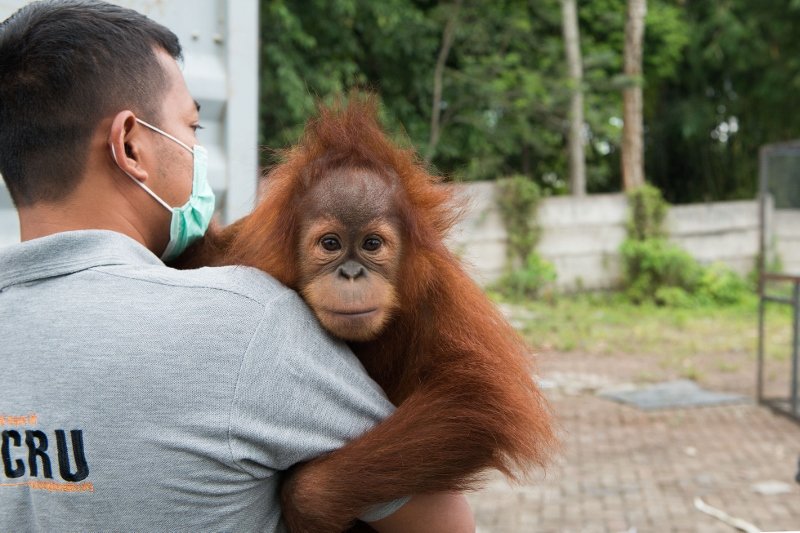
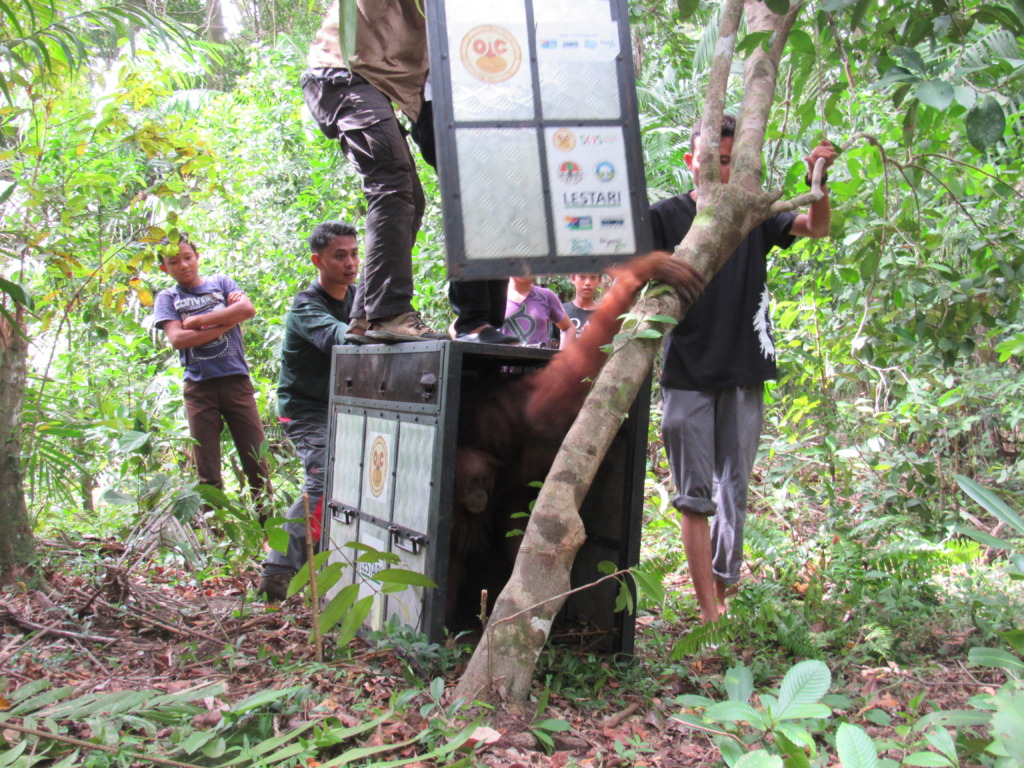
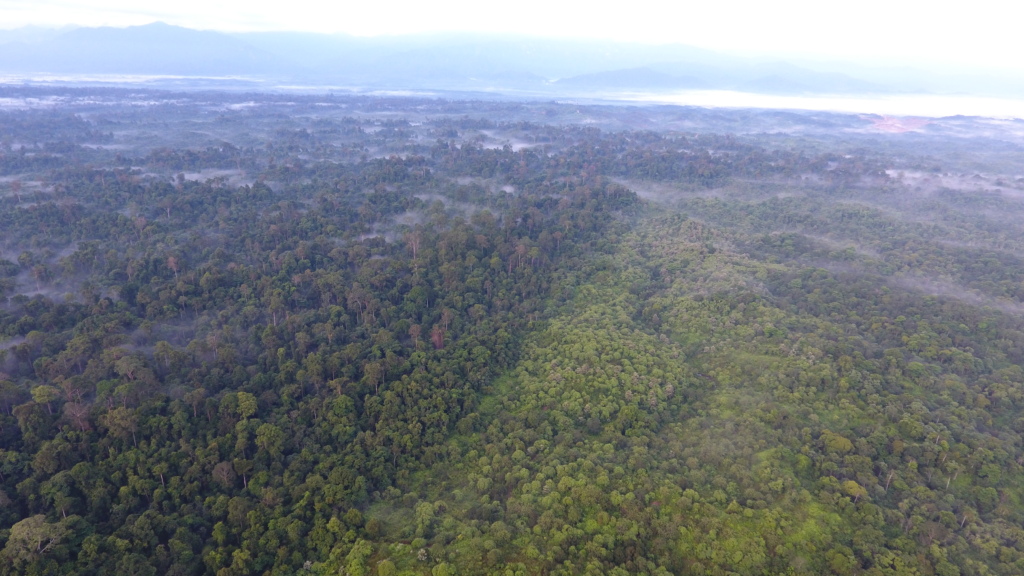
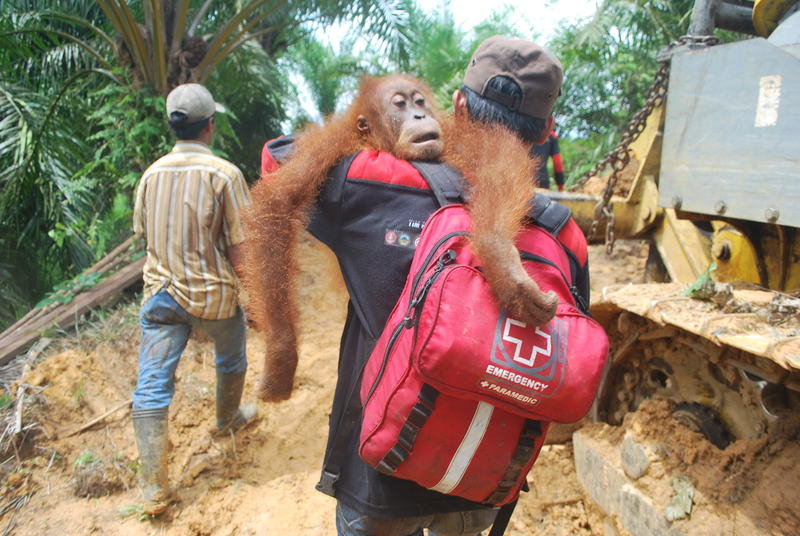
In 2016, our two HOCRU (Human Orangutan Conflict Response Unit) teams rescued 28 Sumatran Orangutans in and around the Leuser Ecosystem, located in North Sumatra and Aceh provinces of Indonesia. 16 were rescued from agriculture plantations (mostly oil palm) or very small patches of remaining forests. 12 others were confiscated from illegal wildlife trade and trafficking.
Additionally, our teams spent time traning local communities in various methods of avoiding human-orangutan conflict and visited several schools in the area to raise awareness on the important role of orangutans in re-seeding the forest.
And the first 2 months of 2017 reminded us quickly that our action on the ground is needed more than ever.
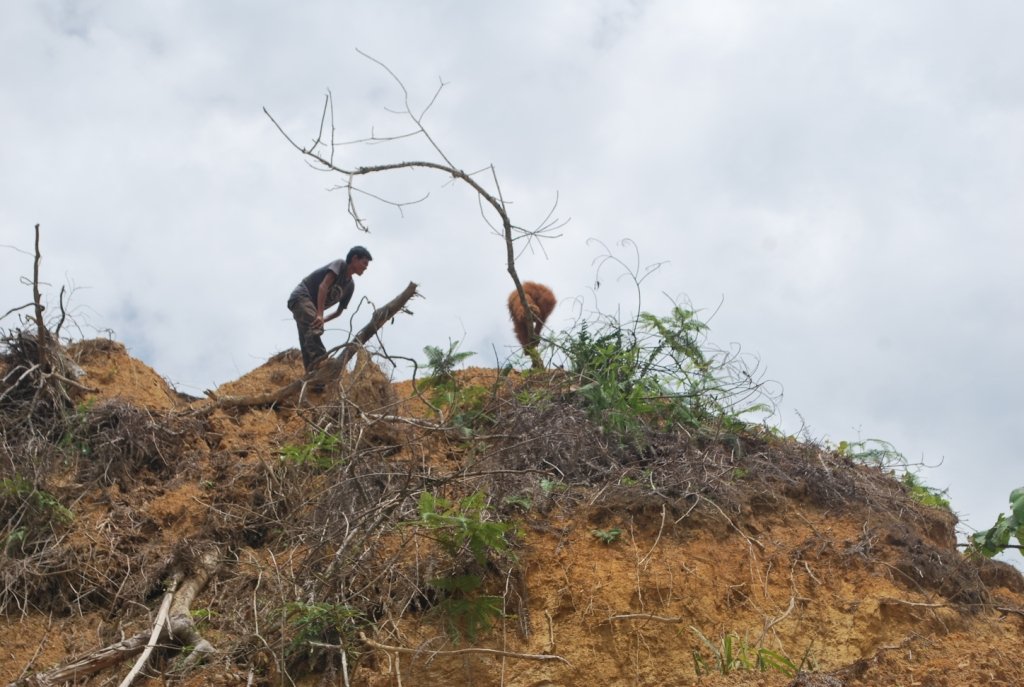
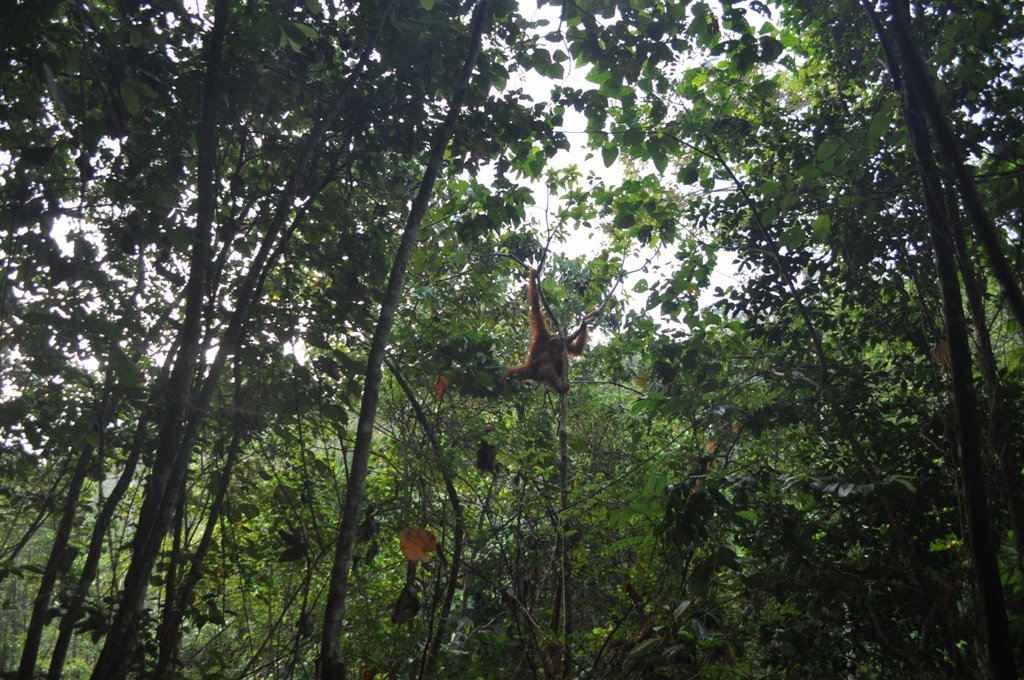
On 21 and 22 of January, one of our HOCRU teams, in collaboration with the BKSDA (Nature Conservation Agency) rescued a mother (25 years old) and her baby (1 year old) who were stranded in a tiny patch of forest lost in the middle of oil palm plantations. In such conditions, the life of the orangutans is at stake as they represent an easy prey for poachers, who usually kill the mother in order to take and sell the baby to the illegal wildlife market. Hence our team intervened quickly and released the mother and her baby in the Gunung Leuser National Park after checking their health.
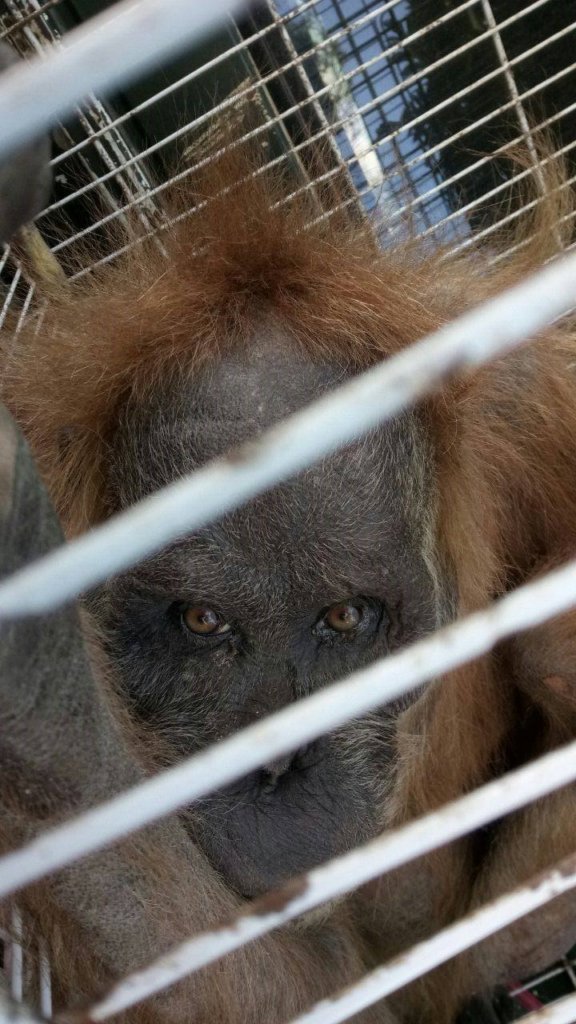
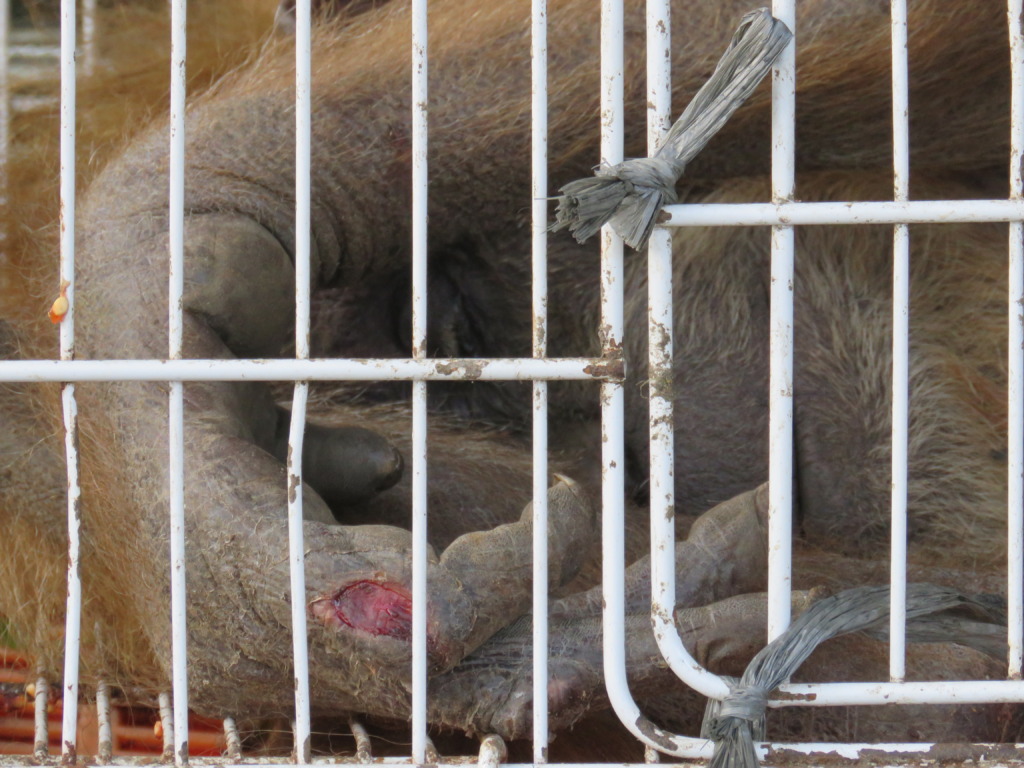
A few days later, on February 2nd, an adult female orangutan (around 25 years old) was rescued by a team composed of HOCRU, the Sumatran Orangutan Conservation Program (SOCP) and BKSDA (Nature Conservation Agency) in North Sumatra. This innocent orangutan was found with various injuries and was very weak, probably due to abuse by her “owner” to “tame” her as she was most probably recently taken from the wild. He called BKSDA after keeping the female for 1 week but didn’t disclose where and how he bought or got her. The orangutan was then transferred to SOCP quarantine near Medan to recover.
Meanwhile the Roundtable on Sustainable Palm Oil (RSPO) plans to revise its environmental standards and safeguards. We will have follow the negotiations closely and engage directly with the relevant stakeholders to push for stricter standards, controls and sanctions towards the companies who destroy orangutan habitat and threaten their survival. Increased consumer pressure from people in the west like you does pay dividends. HSBC have recently announced a more stringent “No deforestation, no peat, no exploitation” policy with regards to funding palm oil companies. This followed on from a Greenpeace report into their existing funding practices which generated considerable media coverage and consumer outrage.
2017 will be another challenging year, and SOS and its partners are ready to tackle all the issues we will encounter. Our priorities this year will be to continue rescuing all orangutans in danger or captivity, pushing for prosecution of offenders and campaigning against companies who violate environmental safeguards.
Thank you for your invaluable support of this vital work.
Fabien Garnier, Conservation Programme Manager
Sumatran Orangutan Society
info@orangutans-sos.org
PS: If you want to ensure the protection of the unique and special orangutan for the long-term, might you be able to give monthly?
Links:
Project reports on GlobalGiving are posted directly to globalgiving.org by Project Leaders as they are completed, generally every 3-4 months. To protect the integrity of these documents, GlobalGiving does not alter them; therefore you may find some language or formatting issues.
If you donate to this project or have donated to this project, you can receive an email when this project posts a report. You can also subscribe for reports without donating.