By Jane Kaye-Bailey | Founder
I have pleasure in presenting The Butterfly Tree’s latest Annual Report and Accounts for 2024-25. Please use this link to view the full report, accounts and inspiring images.
https://www.thebutterflytree.org.uk/pages/wp-content/images/The-Butterfly-Tree-Annual-Report-and-Accounts-April-2024-March-2025-compressed-2.pdf
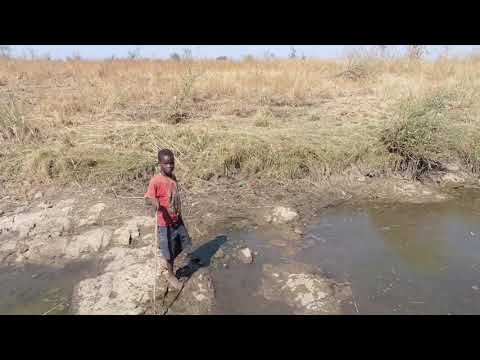
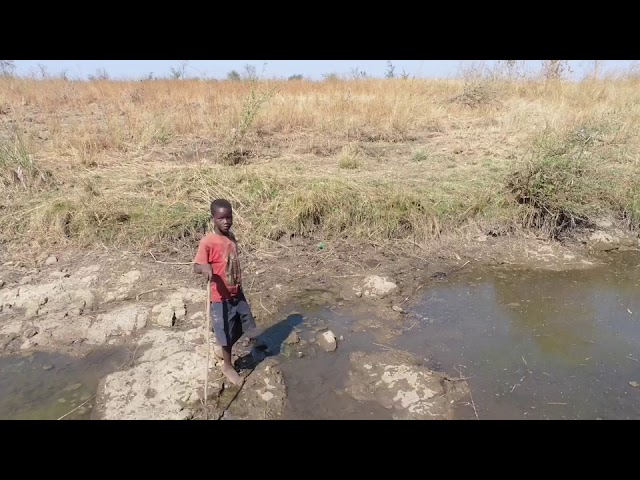
In April 2024 when I visited Zambia it was obvious that the rains which should fall between November and March had been poor. During peak growing season, no rain fell for five weeks. Crops that would normally be flourishing had perished due to the lack of rain and unusually high temperatures in February. The same month the President declared a National Disaster and State of Emergency. Between April and June rivers and streams should be full and this period is the best time to see the mighty Victoria Falls producing one of the most spectacular sites in Africa. Sadly, this was not the case. As the year progressed 2024 was deemed to be the worst drought in Zambia’s history. Scientists determined that it was due to the El Niño weather pattern.
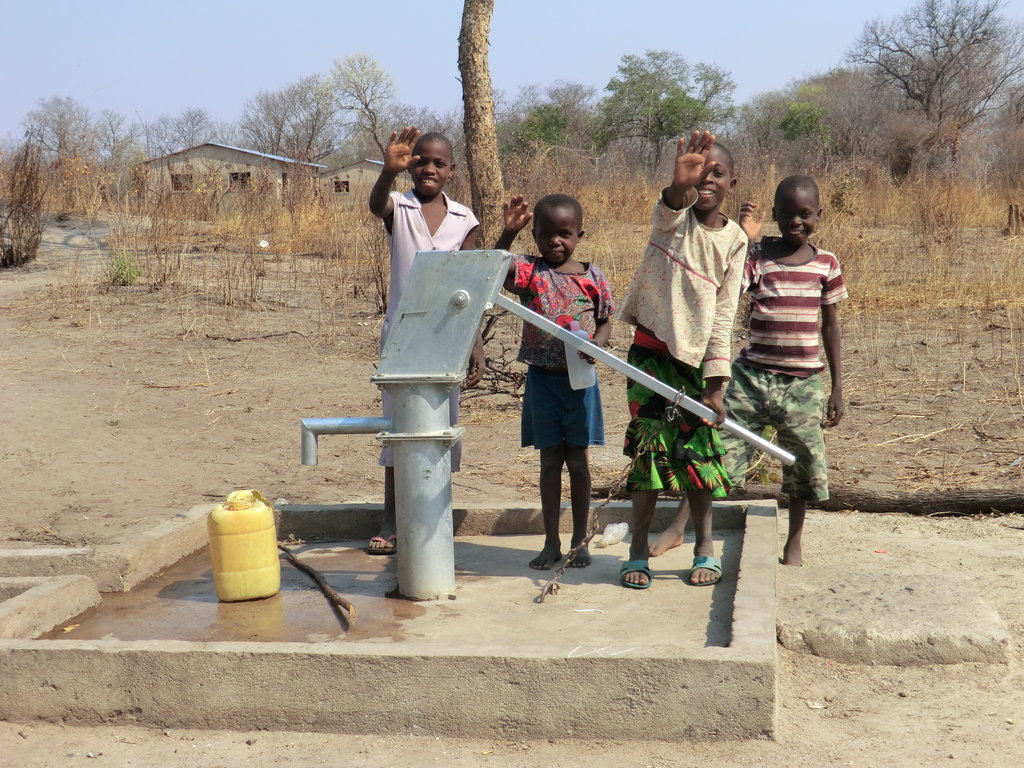
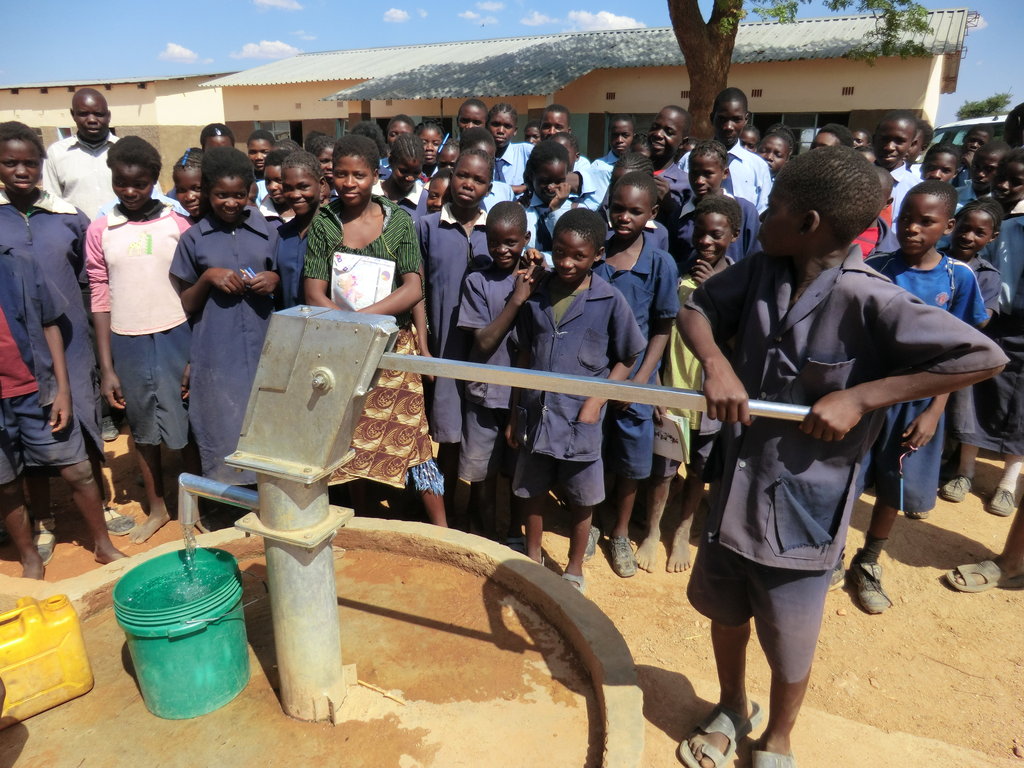
Thanks to the generosity of our donors The Butterfly Tree successfully drilled twenty-two boreholes for schools, clinics, and communities, and installed seven solar-powered water reticulation systems for food production units. Disappointingly, but hardly surprising with water table levels being so low, five attempts to drill boreholes failed. However, thousands more rural villagers and school children have access to safe drinking water, and the water systems provided irrigation for vegetables. I visited Zambia again in October and met the women’s food security groups. I was delighted to learn that our support had not only helped the women to provide food for their families but also aided vulnerable people in the communities who were suffering from hunger.
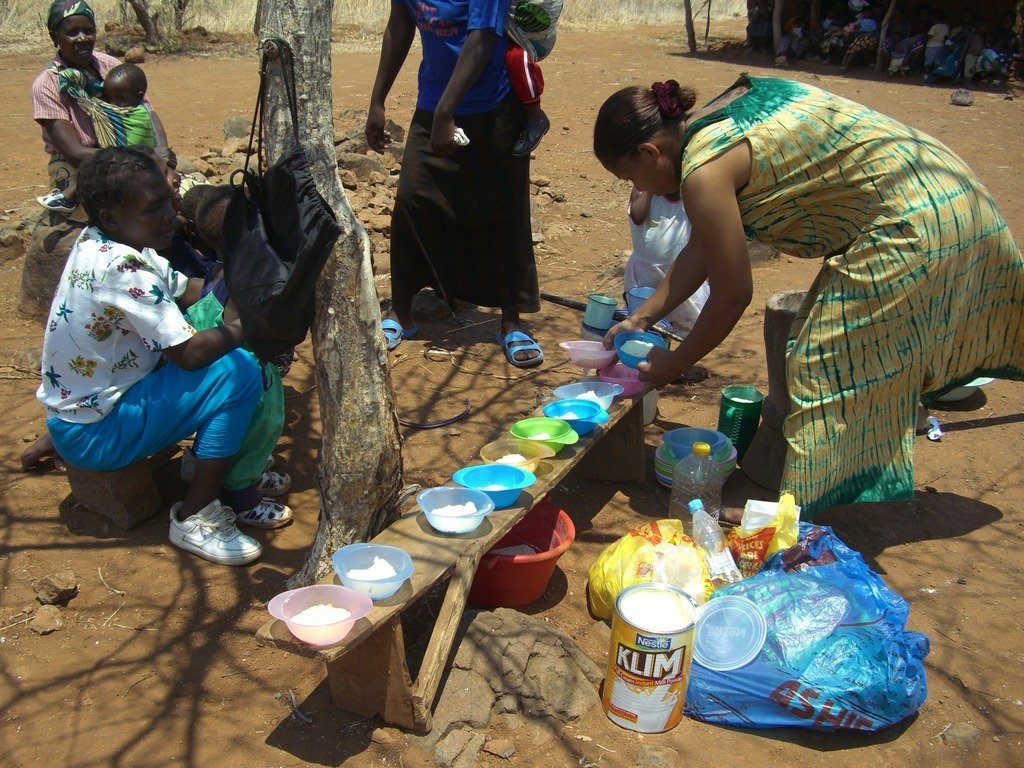
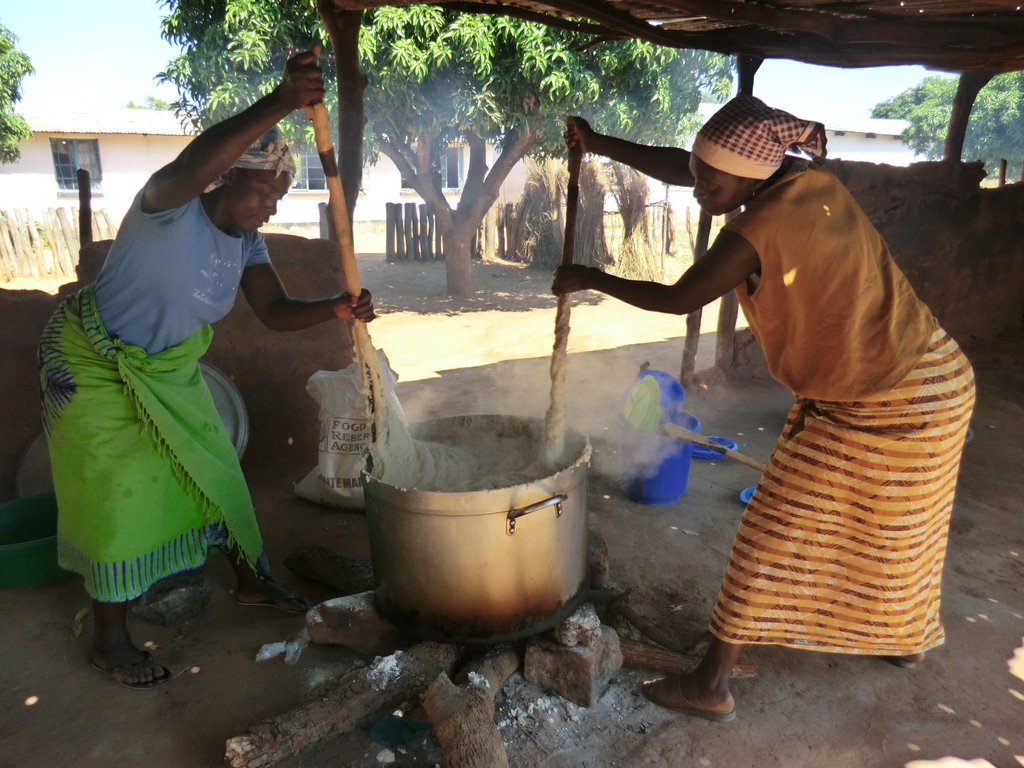
Hunger was widespread and sadly lead to malnutrition in both children and adults. Covering a wide area, we donated and distributed 25kg bags of ground maize to thousands of households in Mukuni, Musokotwane, Sekute, Nyawa and Moomba Chiefdom. Khalsa Aid, another UK charity, partnered with us to provide further support for Nyawa and Moomba. We also gave food donationsto clinics that were treating children suffering from malnutrition.
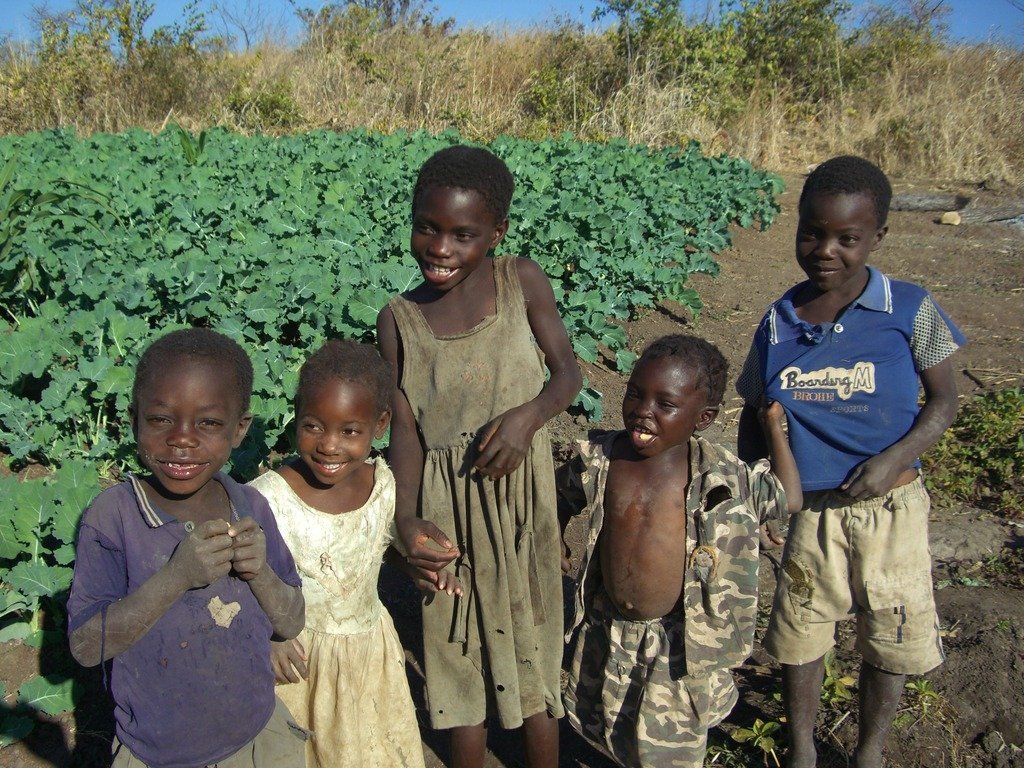
We initiated food security projects to provide income generation for young people with physical and mental health challenges as well as for women. These included chicken and goat rearing, and vegetable growing for seven communities. In addition to donating bags of ground maize we also distributed seeds and fertiliser to communities that had lost everything due to the drought. This gave them the opportunity to sow seeds prior to the start of the rainy season in November.
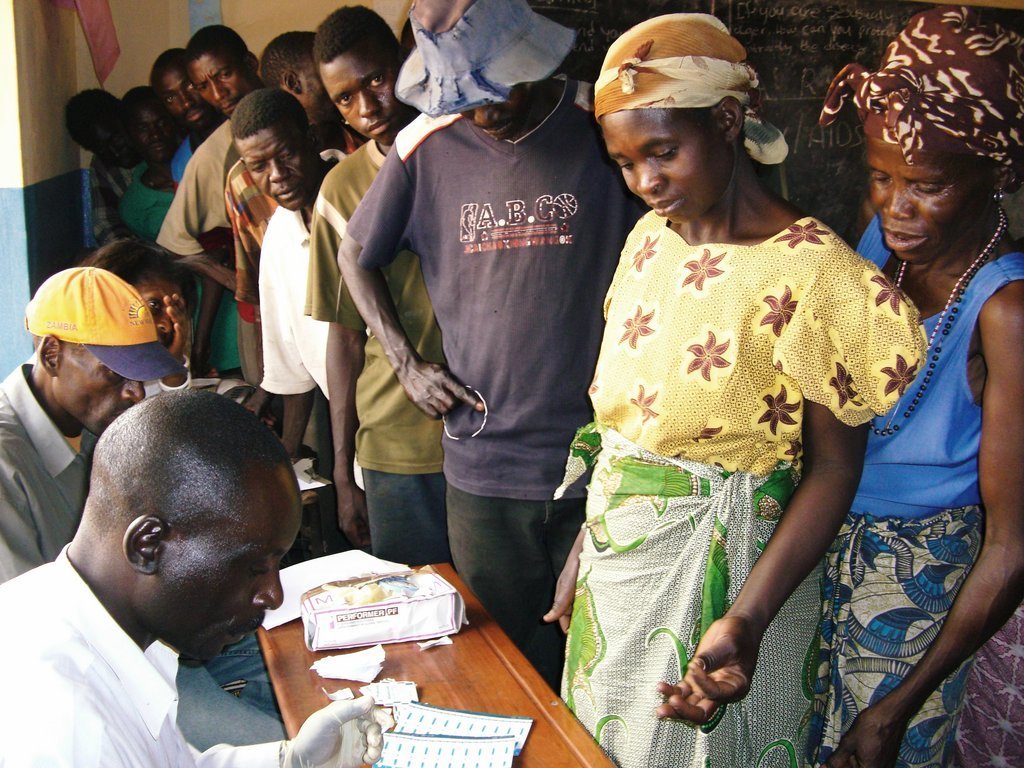
On the health front we received a substantial grant for malaria prevention in March 2025. We would target Mulobezi District in Western Province. After conducting research, we learnt that in 2024 the Mulobezi District Health Office recorded 850 cases of malaria per 1,000 people. The funding has helped to expand our ‘Mosquito Nets for Schools’ programme whereby school children and teachers in selected areas of Mulobezi will each receive a mosquito net. We also added an additional facility at Simonga Rural Health Centre, which is being used for vaccinating children, family planning and HIV testing. Other clinicsreceived medicalsupplies and equipment.
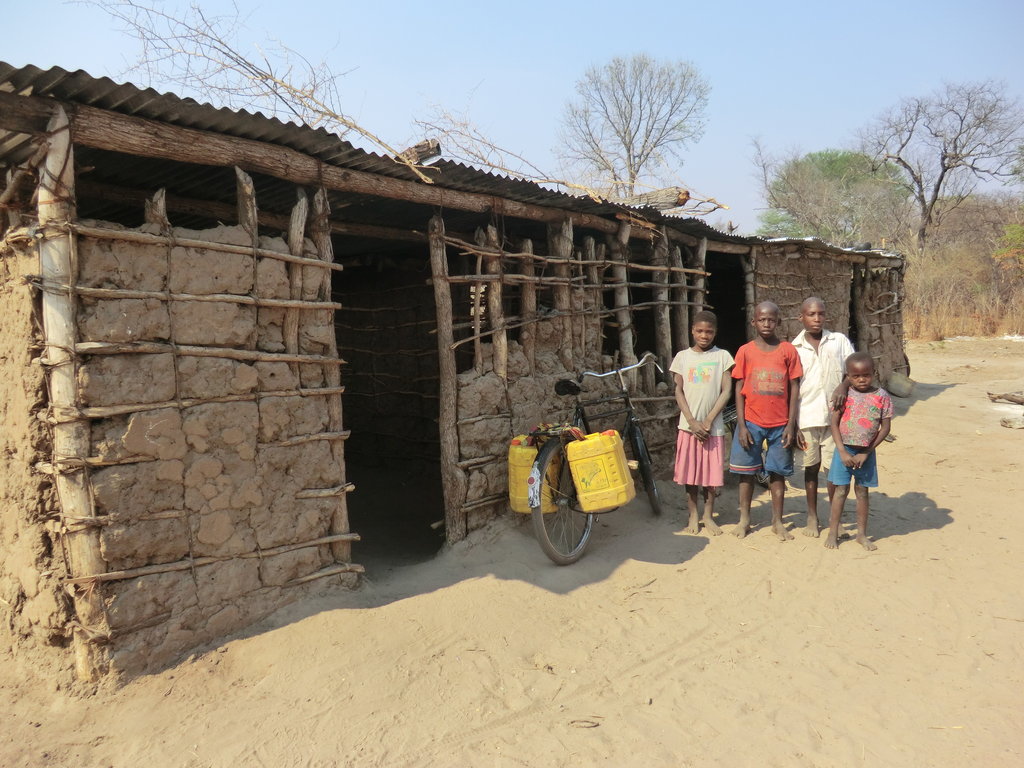
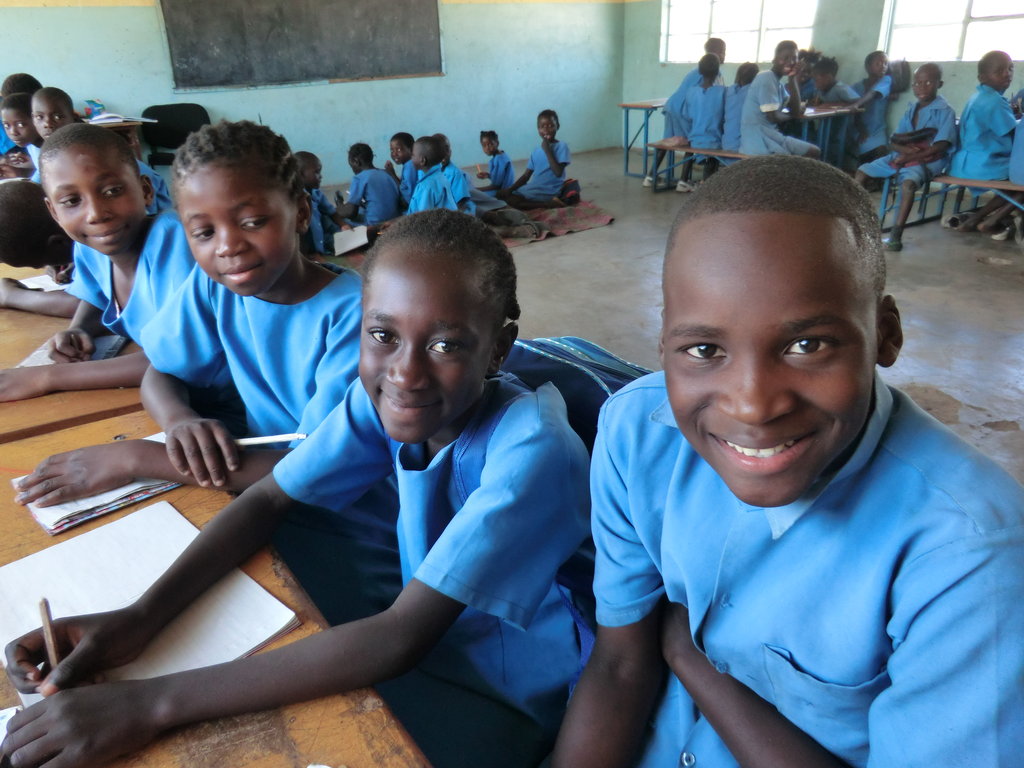
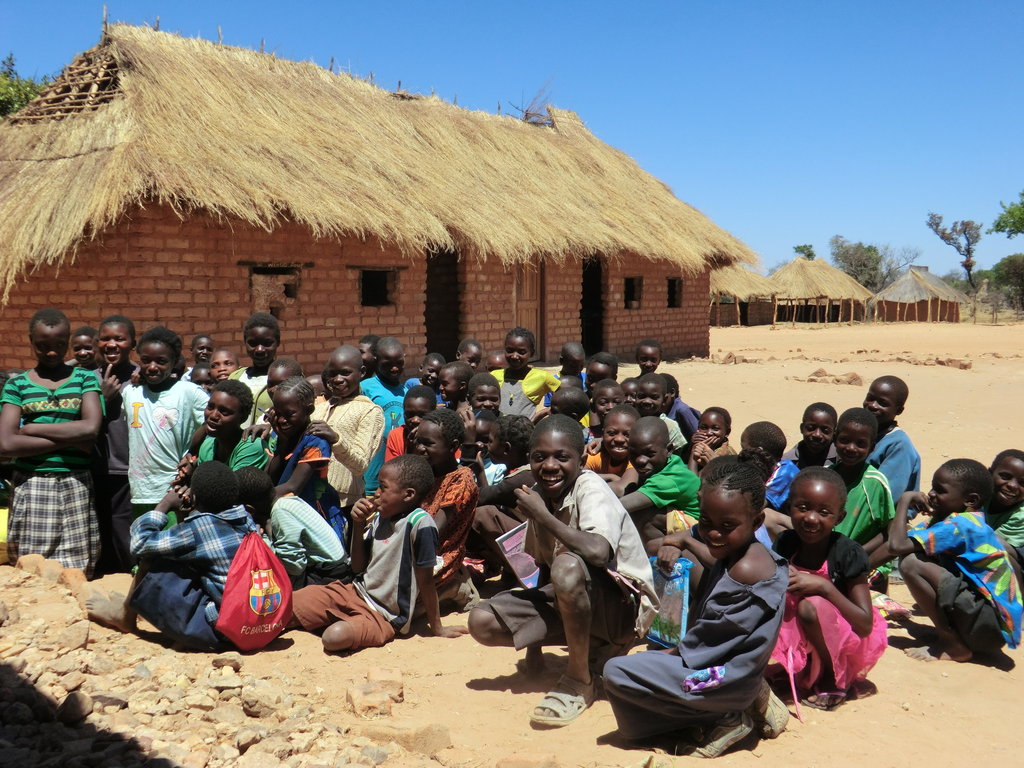
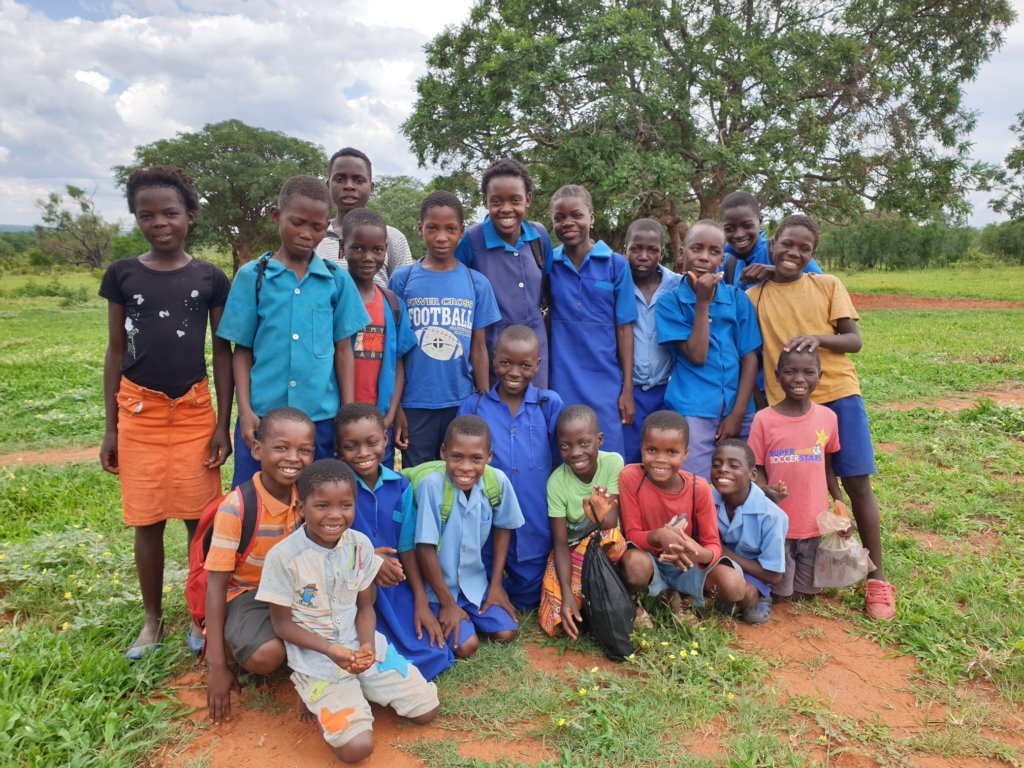
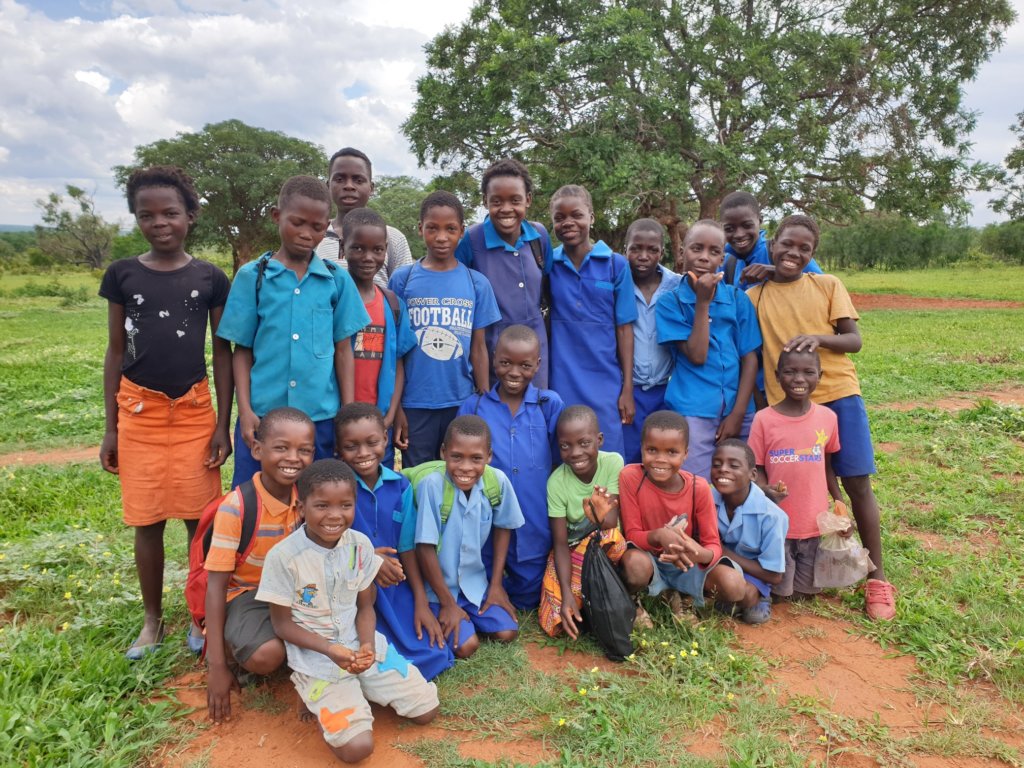
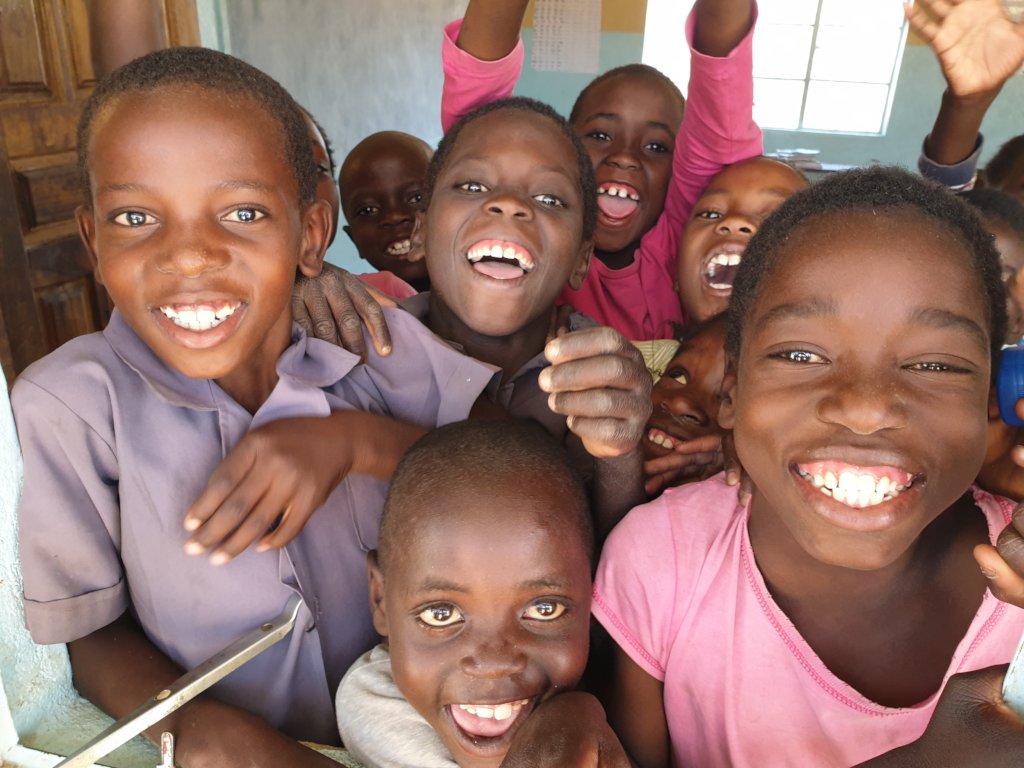
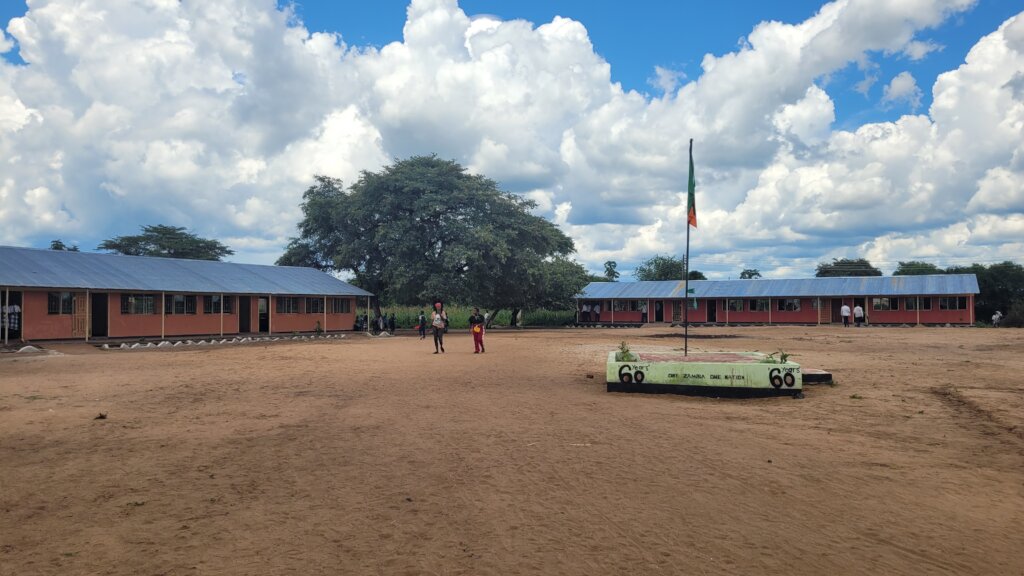
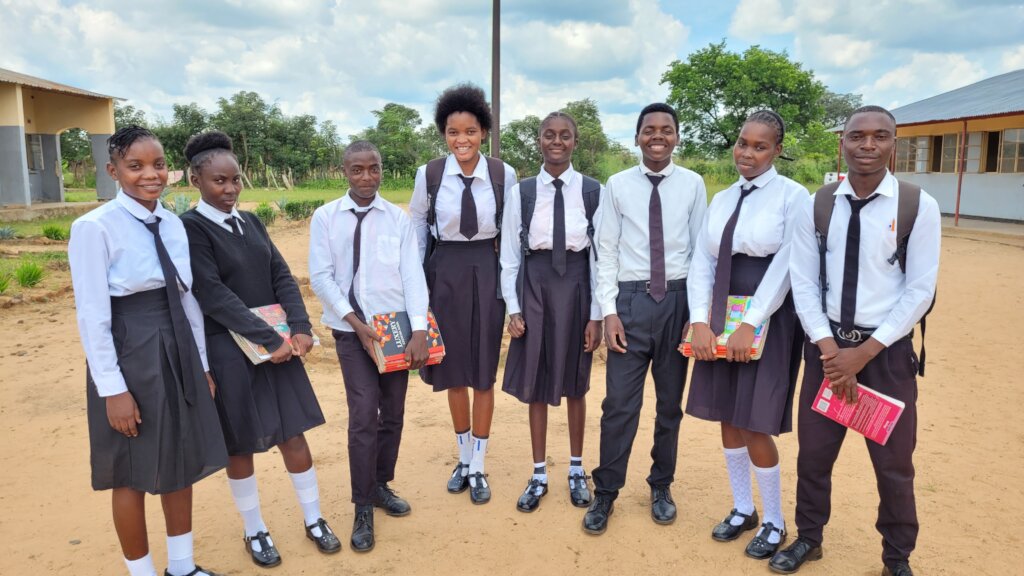
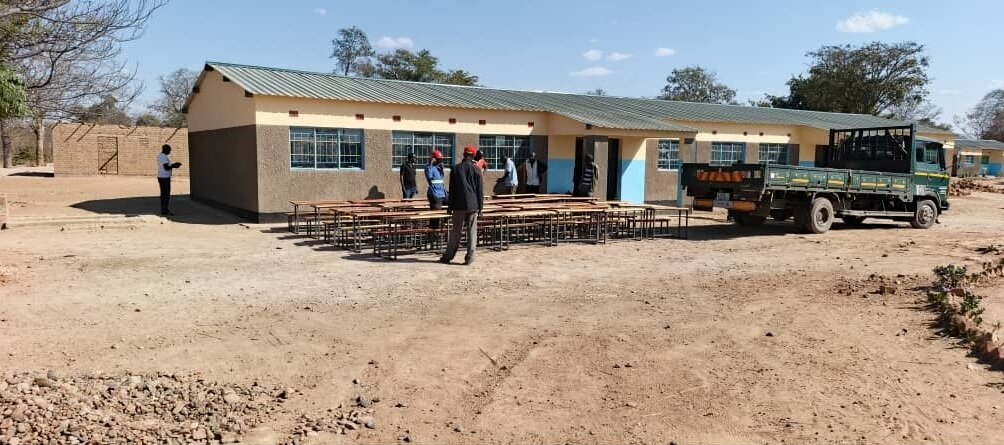
Our education projects included the development of three schools, two of them in Kalomo District for the first time. A 1x2 classroom block was constructed for Simukumbwa community school, which I visited in March after a tiring seven-hour, each-way, drive in the same day. The second school at Namachele, with a bigger population, received a 1x3 classroom block. After opening a new secondary school at Ngube in Kazungula District in January the pupil enrolment was overwhelming. This was due to a change in the education curriculum, which is now akin to the British system, resulting in pupils attending secondary schools from grade seven. Therefore, we will add another 1x3 classroom block and boarding house this year.
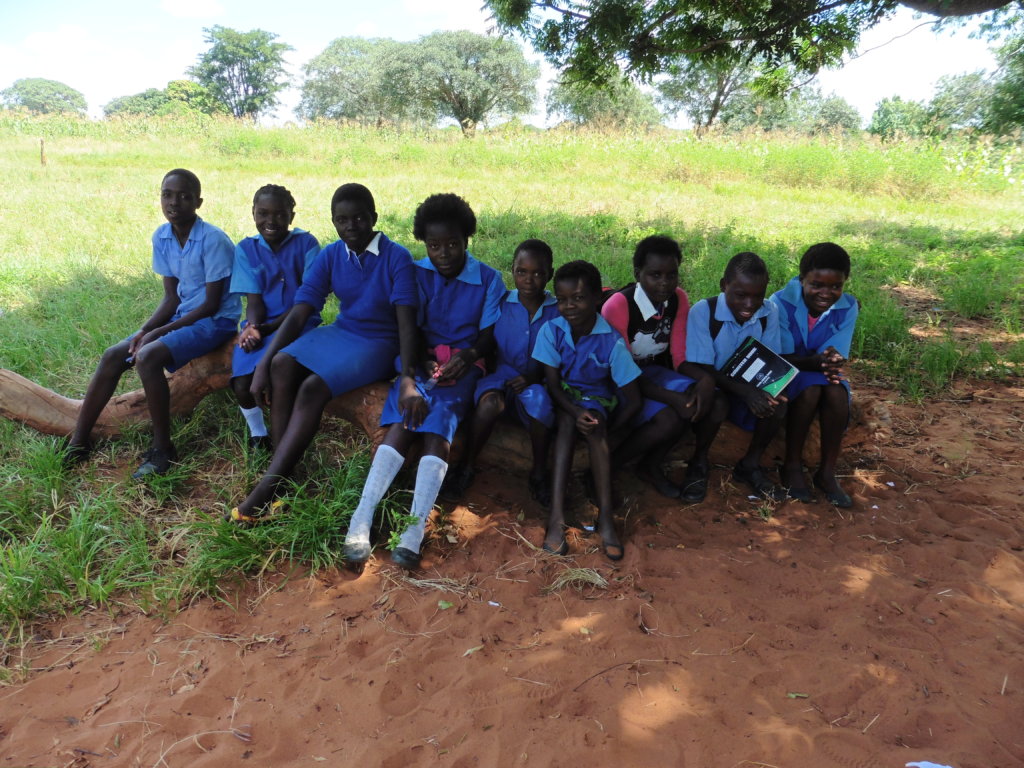
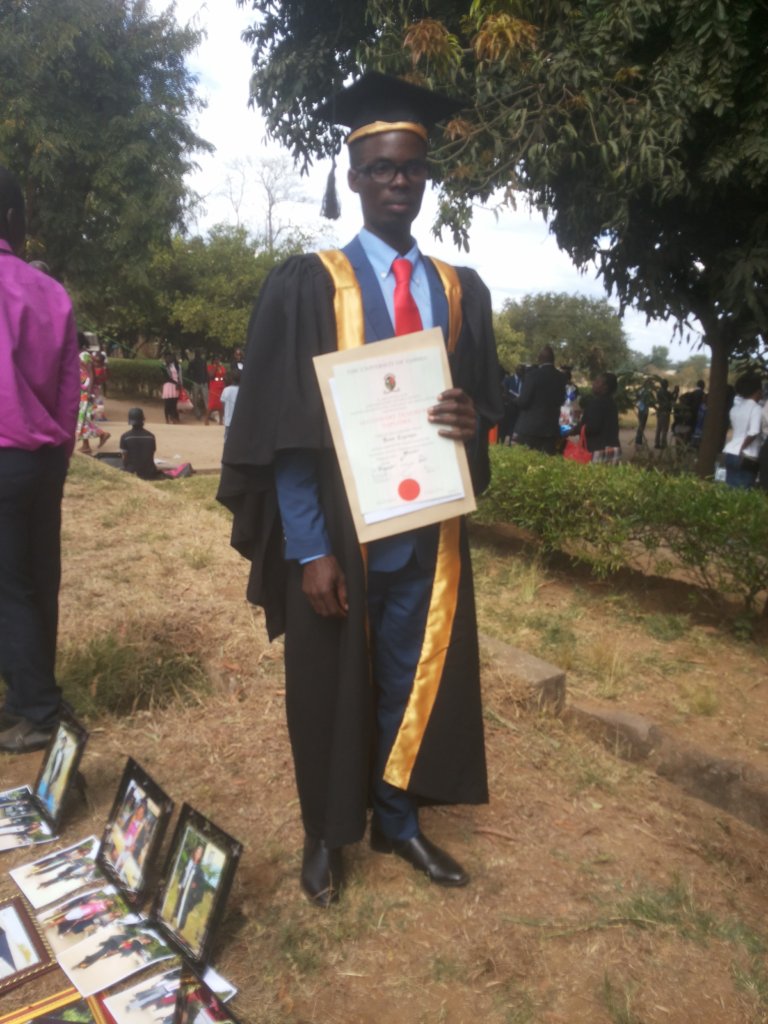
The orphan sponsorship programme continues to grow. We added Nguba to the list of schools on the programme after hearing that pupils from Singwamba primary school who past to go to a secondary school were unable to enrol due to lack of funds. We continue to sponsor students at colleges and universities. More school leavers who completed grade 12 in December are wanting to go on to further education, subject to available funds. Five university students graduated in 2025 and three gained college diplomas.
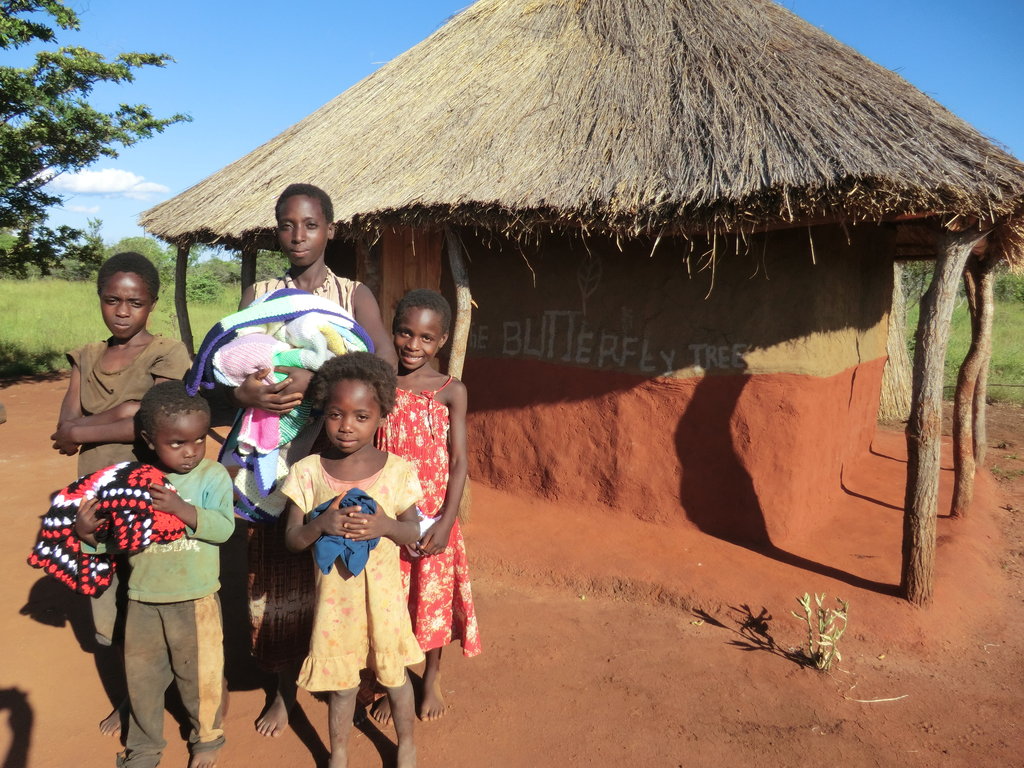
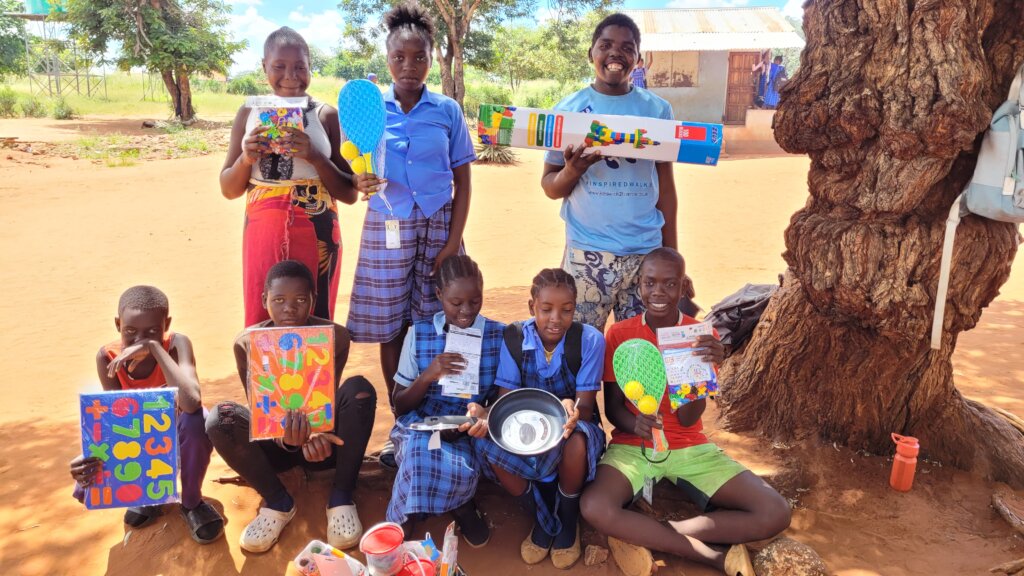
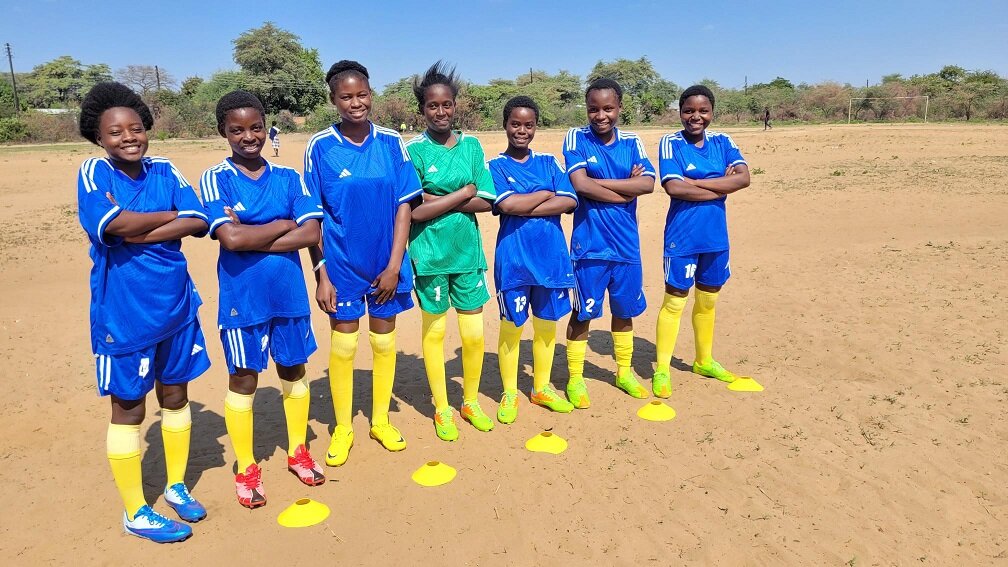
The Butterfly Tree built ten community houses for orphans, widows and vulnerable families and welcomed one international family from who donated a house and helped with the construction. Two UK volunteers, Meg and Isobel, assisted in the special education unit and sporting activities at Mukuni Primary School. We received generous donations for our sports programmes in the form of footballs and kits. We combine workshops with sport to help reduce new cases of HIV, teenage pregnancies, early marriages and drug and alcohol abuse. Our trained peer educators talk to teams at matches and tournaments.
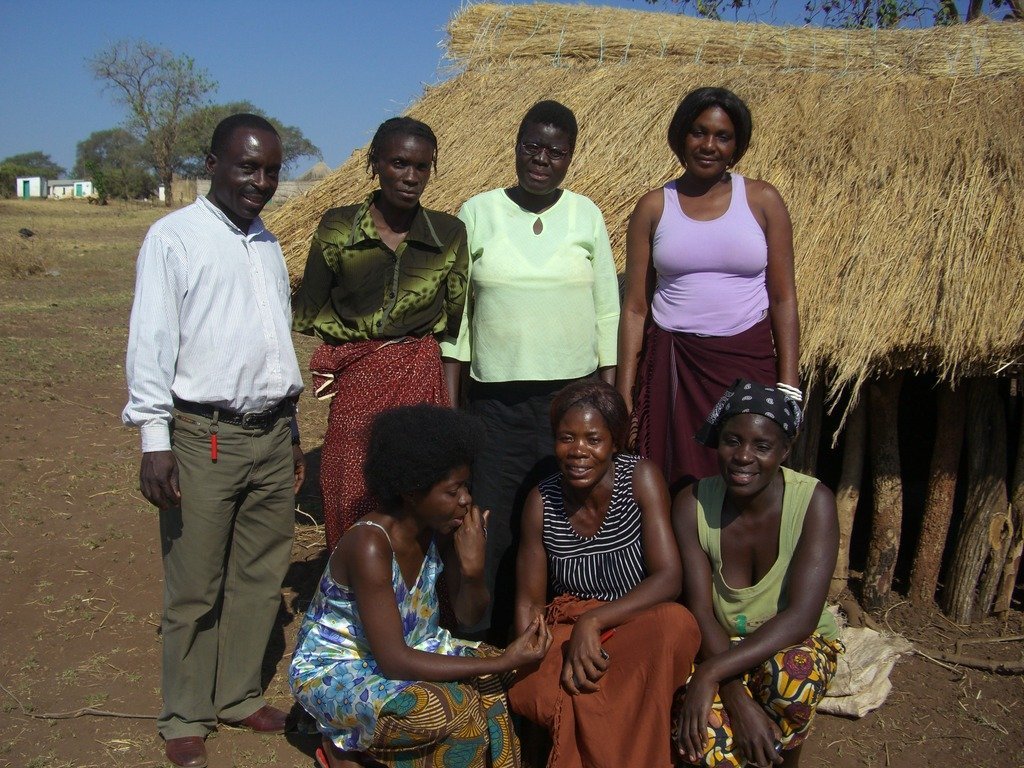
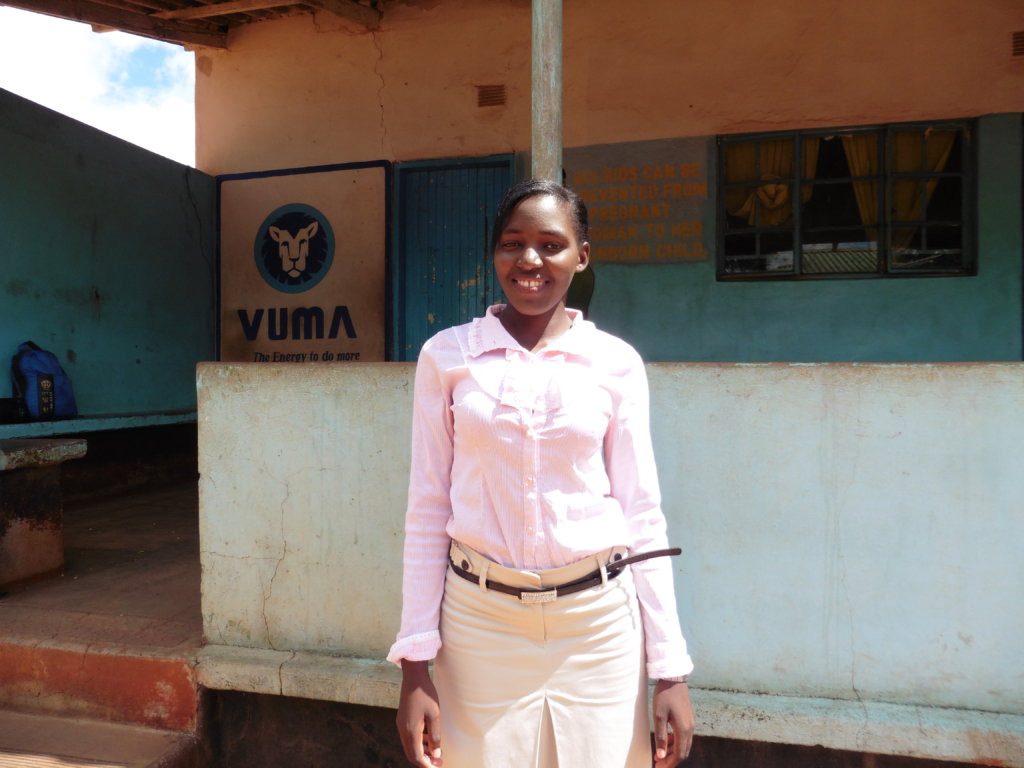
None of this could have been achieved without my fellow trustees, volunteers and of course the generosity of our donors. A special thanks to Ann, Jackie, and Victoria our UK Trustees and to David, Carolyn, Valerie, and Katie who offer their free time as volunteers, and to Frank Maiolo our US representative who has helped and supported the charity for the past fifteen years. We are fortunate to retain our Zambian Trustees, Presley Mulenga (Vice-Chairman), Stain Musungaila (secretary), Natasha Mufeya (Treasurer) and Martin Mushabati (Ground-operations manager), not forgetting Lloyd Kasela, a Head Teacher and long-standing volunteer who manages our projects in Nyawa and the new ones in Kalomo district. Natasha, who was a beneficiary of the orphan sponsorship programme manages this entire programme as well as the peer education projects. This amazing team, worked tirelessly in 2024, to distribute food and source water for numerous outreach communities, during the worst drought in Zambia’s history.
All members both in the UK and Zambia are volunteers. The UK trustees all work from home and we have the free use of an office in Livingstone thanks to one of our suppliers. As a result, every year a minimum of 96% of money raised, goes directly into our grassroot projects in Zambia. Our transportation expenses were higher than usual mainly due to the vast area we covered delivering ground maize for emergency food relief.
Links:
Project reports on GlobalGiving are posted directly to globalgiving.org by Project Leaders as they are completed, generally every 3-4 months. To protect the integrity of these documents, GlobalGiving does not alter them; therefore you may find some language or formatting issues.
If you donate to this project or have donated to this project, you can receive an email when this project posts a report. You can also subscribe for reports without donating.



Support this important cause by creating a personalized fundraising page.
Start a Fundraiser