By Jo B | Supporter Care
The last six months have been extremely challenging for our ground-based conservation partners in Zimbabwe due to the escalating costs of operations. Largely due to increases in fuel prices and the prices of commodities, including rations for the rangers. This is forcing our partners to ration fuel, which negatively impacts operations. Increased costs are also impacting upon the education program and although this has managed to continue as normal for now, it is unlikely that the full program can be sustained unless costs begin to decrease soon.
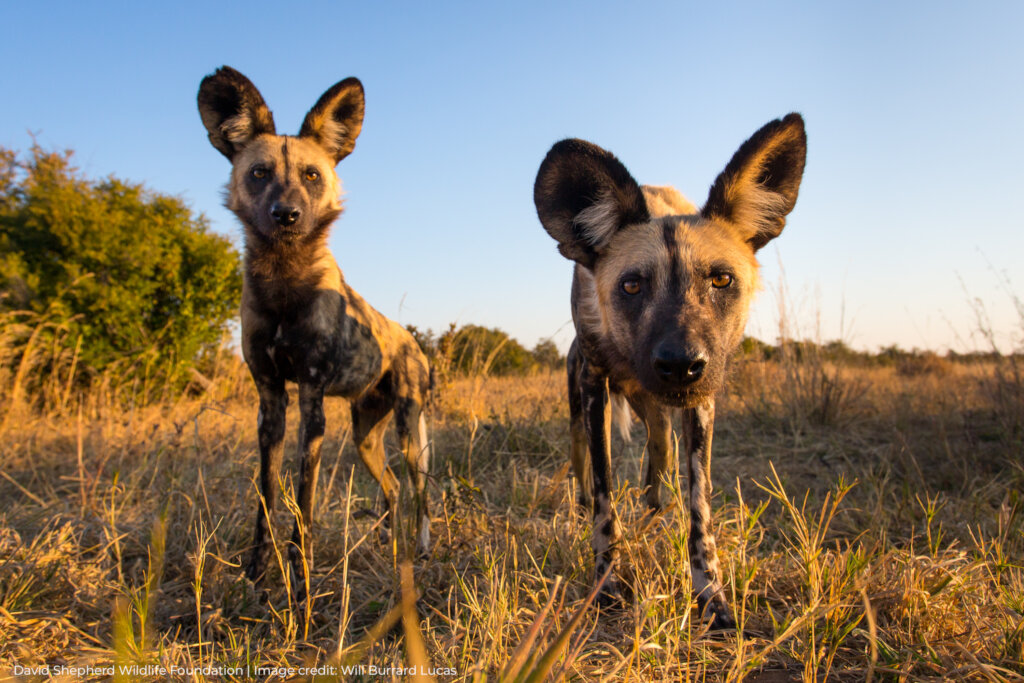
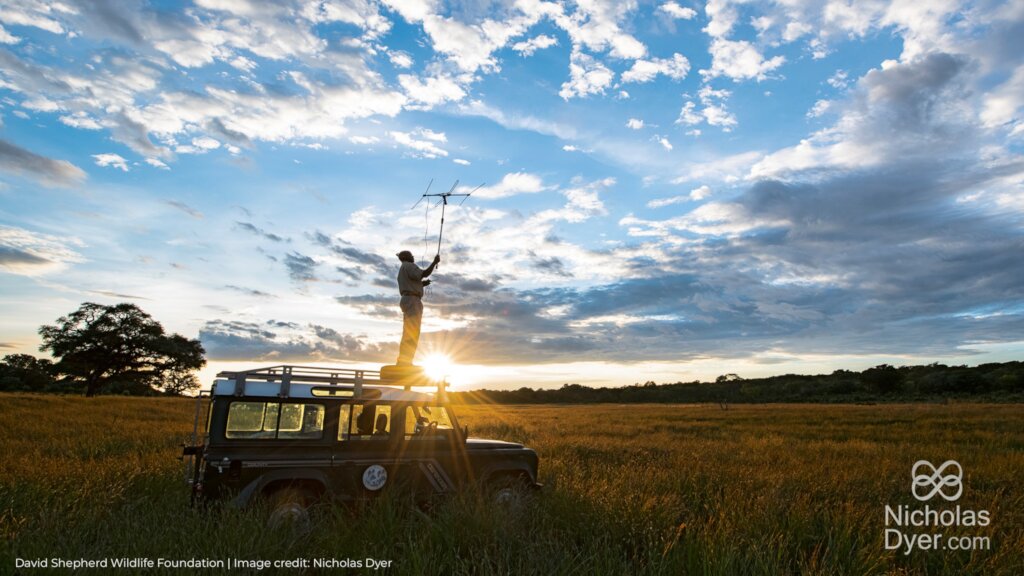
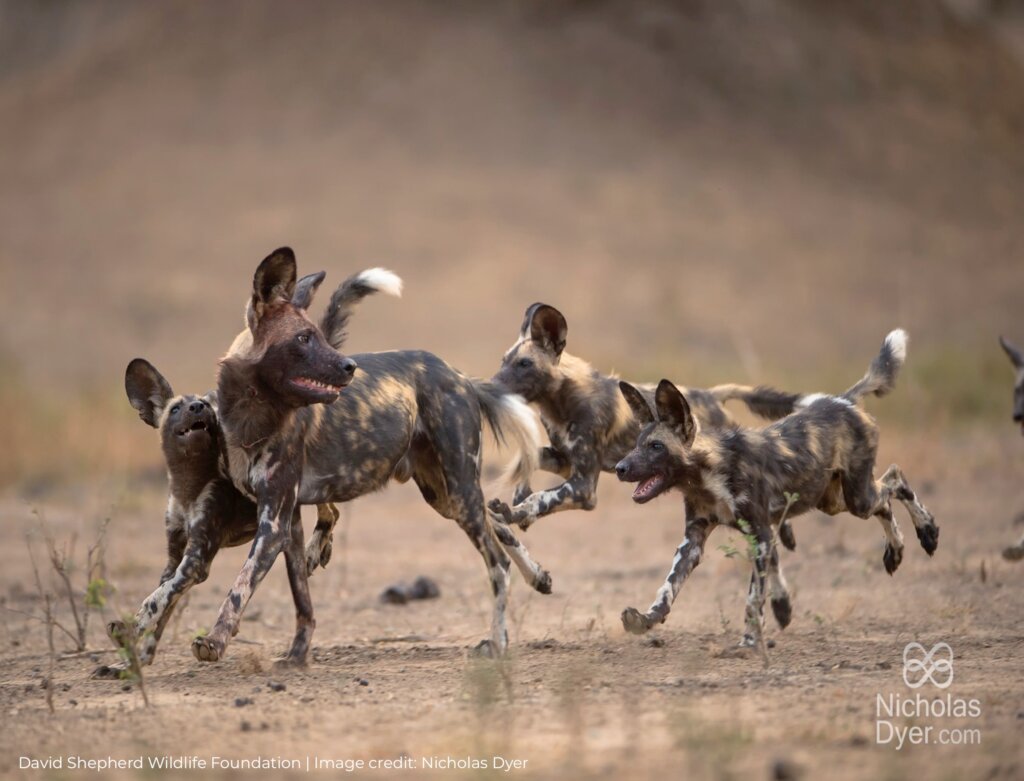
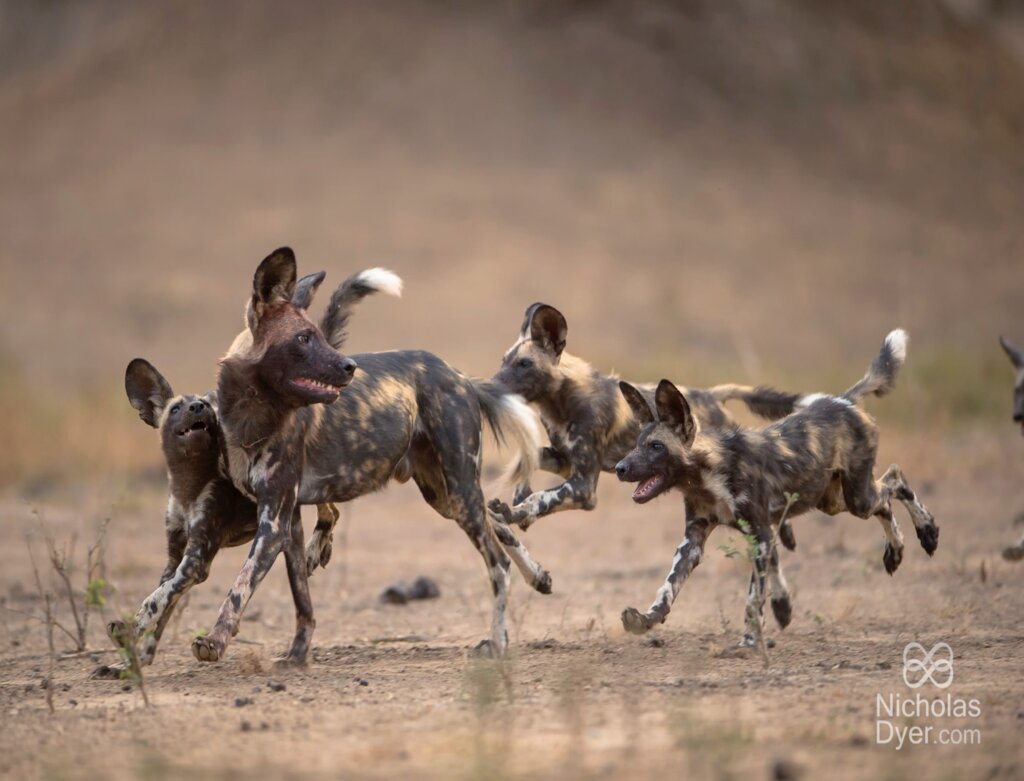
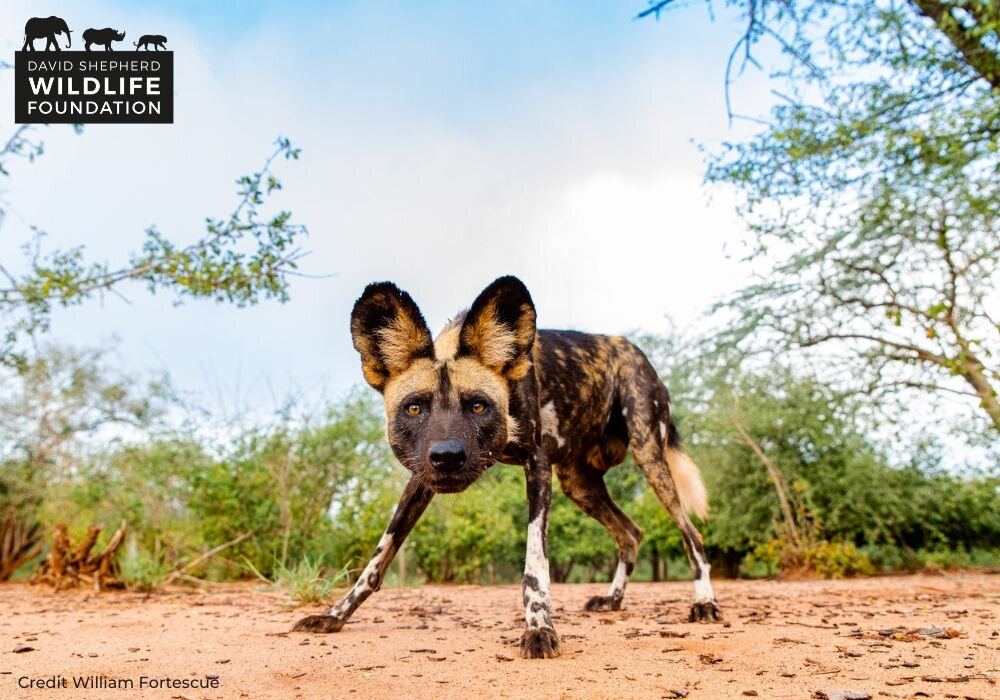
The painted dog population in Hwange National Park remains stable at around 200 individuals. Poaching trends have remained about constant in this area for the past six months. 16 rangers have been supported by DSWF in that period and they patrolled for a total of 5,464 hours covering a total of 15,446 kilometres. However, the dog population is slowly declining in the Zambezi valley and the Mana Pools National Park where our partners are seeing fewer dogs than ten years ago, potentially due to the combined pressure from lions, hyena and high levels of tourism in those areas.
Unfortunately, the greatest threat to painted dogs is humans. Because of this, we are prioritising support of work with local communities to improve awareness of the threats facing painted dogs. In the past six months our conservation partners saw an increase in painted dogs approaching nearby villages to predate on livestock. However, we were all thrilled that although the dogs did approach the village, the community were very proactive in chasing the dogs away non-violently. The village even established a WhatsApp group to alert each other of the dogs’ presence. Our partners rapid response unit were also on hand alongside a tracking team to help chase the dogs away and thus minimise losses to livestock.
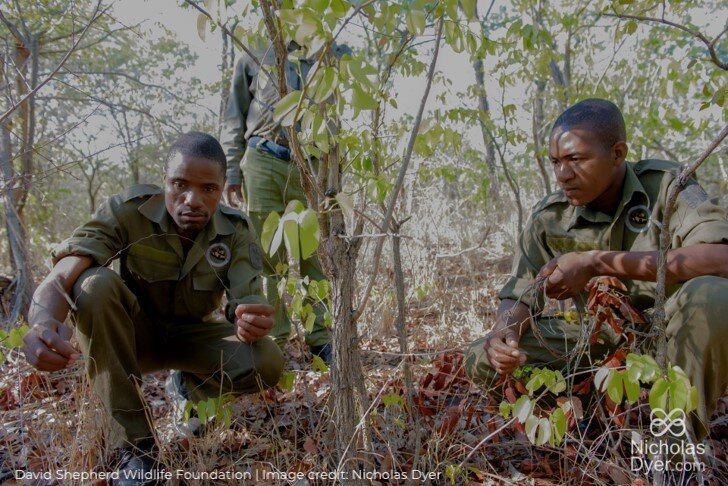
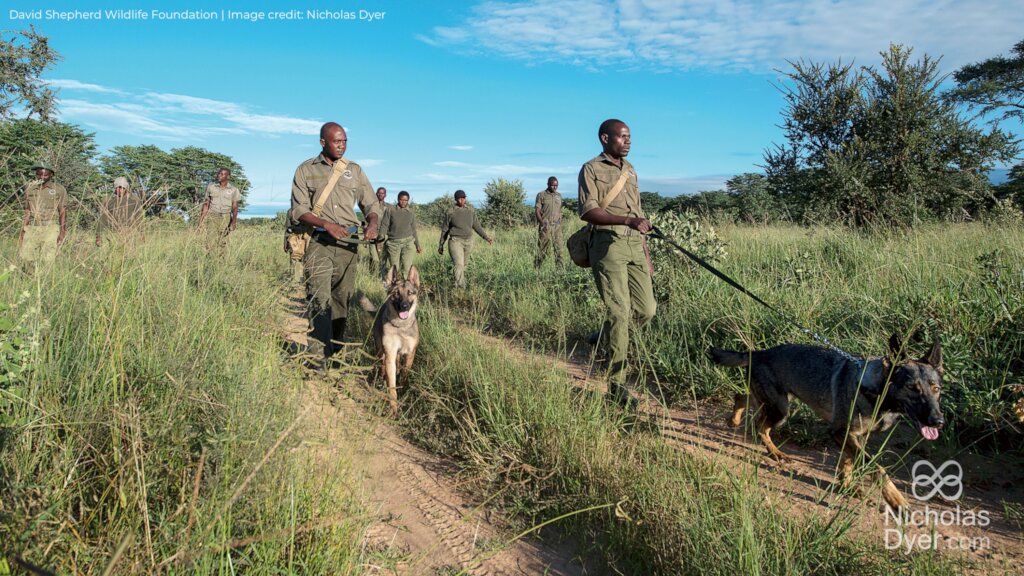
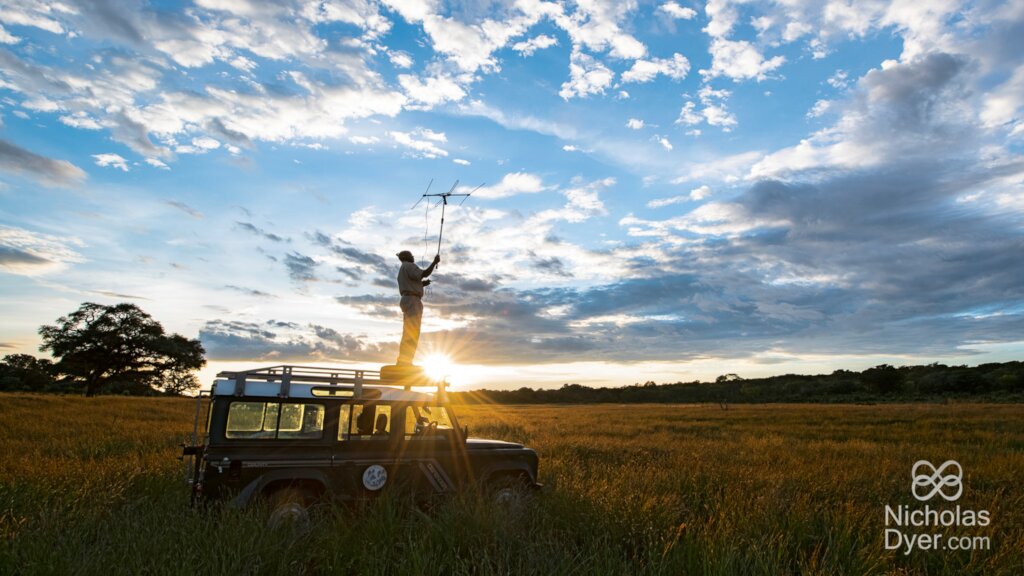
Poaching remains a constant threat to the dogs. DSWF support anti-poaching units who conduct a minimum of 40 patrols per month looking for all signs of poaching activities, snares, spoor, fires, carcasses, vehicle tracks and gunshots. The presence is deterrence to would be poachers, as they know, the chances of being spotted are real.
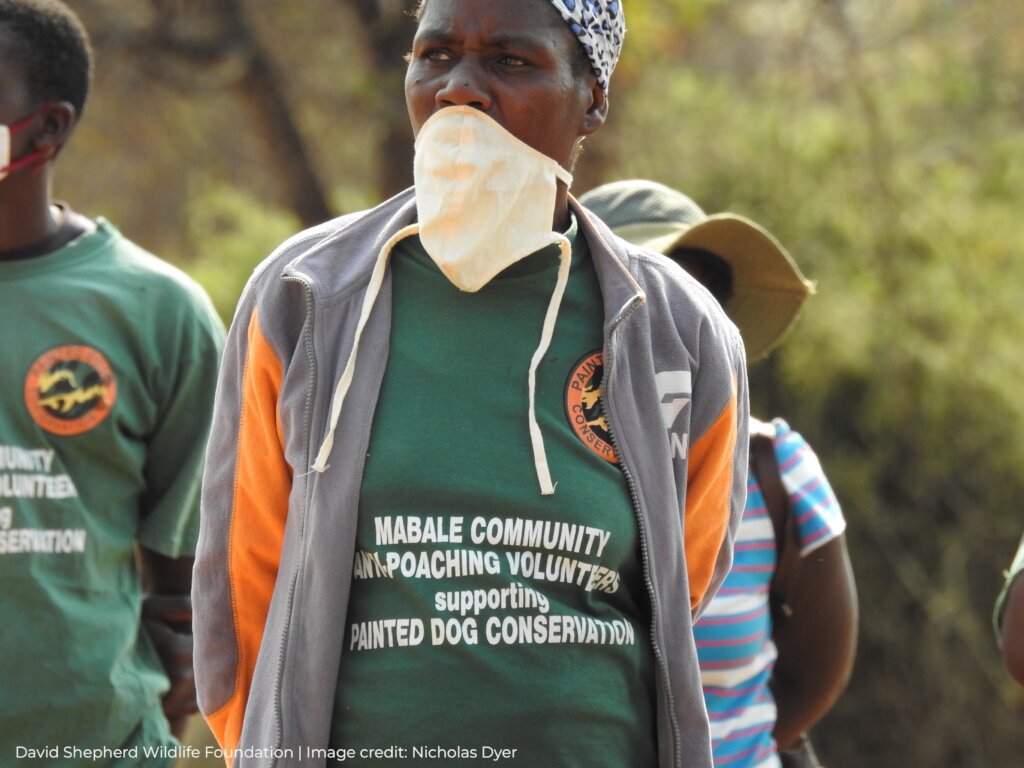
The work of the anti-poaching units has been bolstered by a beneficial and successful collaboration with several community anti-poaching units most notably the Mabale community. The relationship with this community group arose out of the need for increased anti-poaching support during the worst of the pandemic but it has continued since. The stipend the Mabale community rangers receive significantly boosts the local economy at a time when opportunities are still scarce because of the impacts of the pandemic. Having seen their success, many communities in the area are replicating the efforts of the Mabale Community and making their villages safe for livestock and wildlife, and some are also showing interest in setting up further voluntary community anti-poaching units which will continue to bolster anti-poaching efforts within the region.
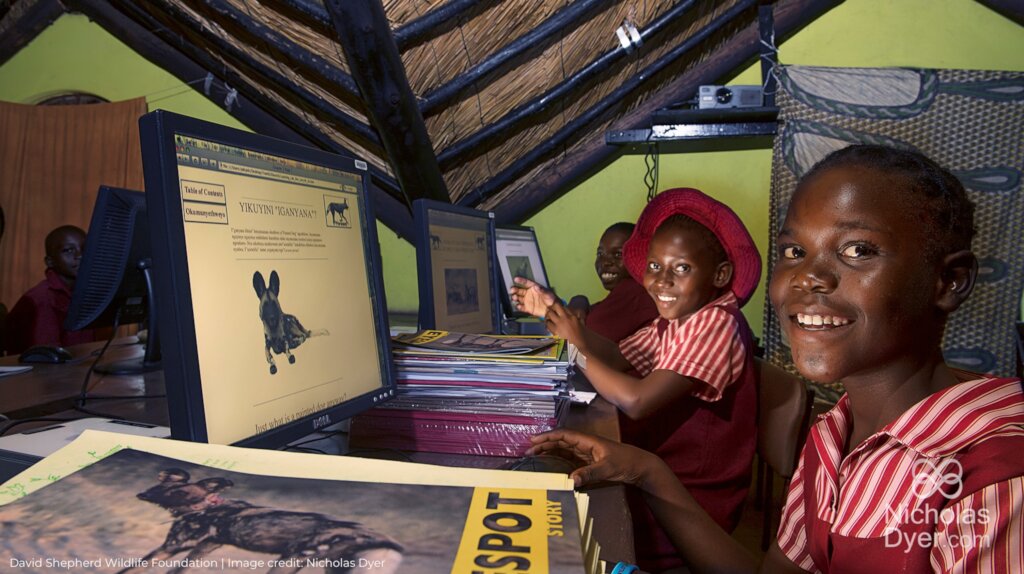
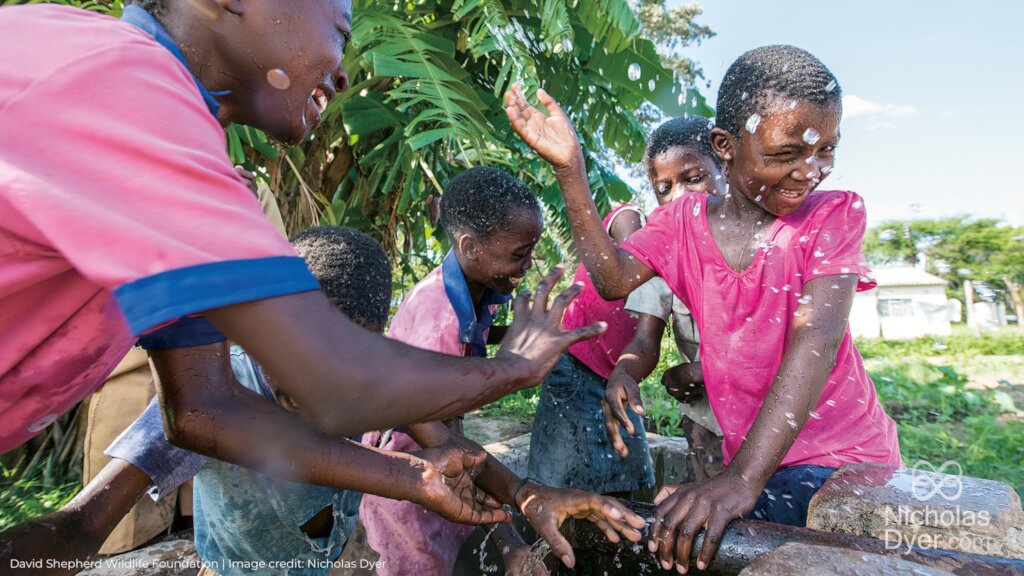
Our partners flagship education programme, the Children's Bush Camp, has run smoothly in the past six months. It continues to provide local children with educational opportunities and the chance to experience nature which they normally would never have. The program has been very successful in improving literacy amongst participating children, which has presented further opportunities to engage with them in a more sophisticated way in terms of developing their appreciation for the environment and wildlife. In addition the conservation clubs also continue to engage the kids with conservation education even after they have left the Bush Camp including through a new series of wildlife and environment quizzes and competitions that our partners have set up to further maintain the children’s interest.
Stay up to date with our work and how your generous support is making a difference, receive exciting wildlife conservation stories and hear about forthcoming campaigns, fundraising initiatives and events: Stay In Touch
Project reports on GlobalGiving are posted directly to globalgiving.org by Project Leaders as they are completed, generally every 3-4 months. To protect the integrity of these documents, GlobalGiving does not alter them; therefore you may find some language or formatting issues.
If you donate to this project or have donated to this project, you can receive an email when this project posts a report. You can also subscribe for reports without donating.



Support this important cause by creating a personalized fundraising page.
Start a Fundraiser