By Eleanor E | Individual Giving Executive
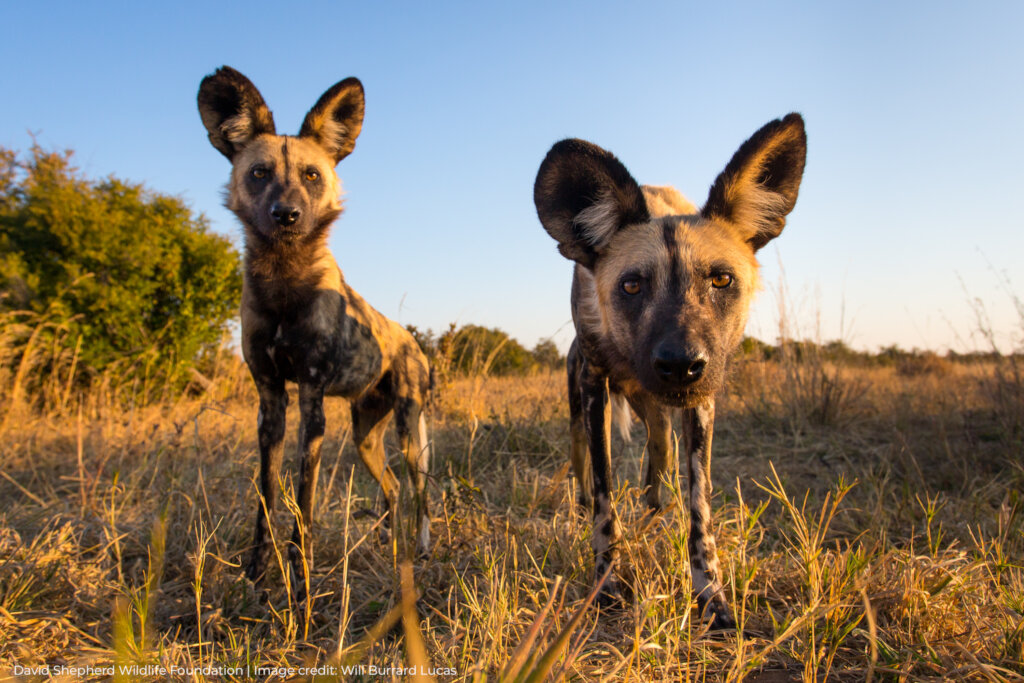
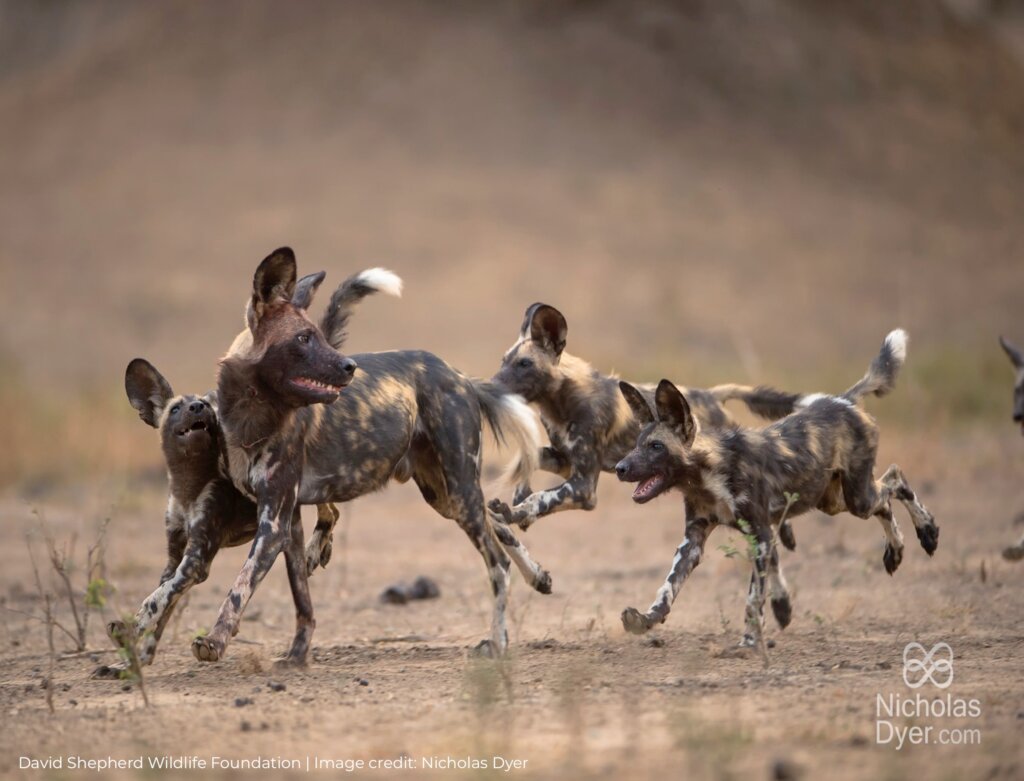
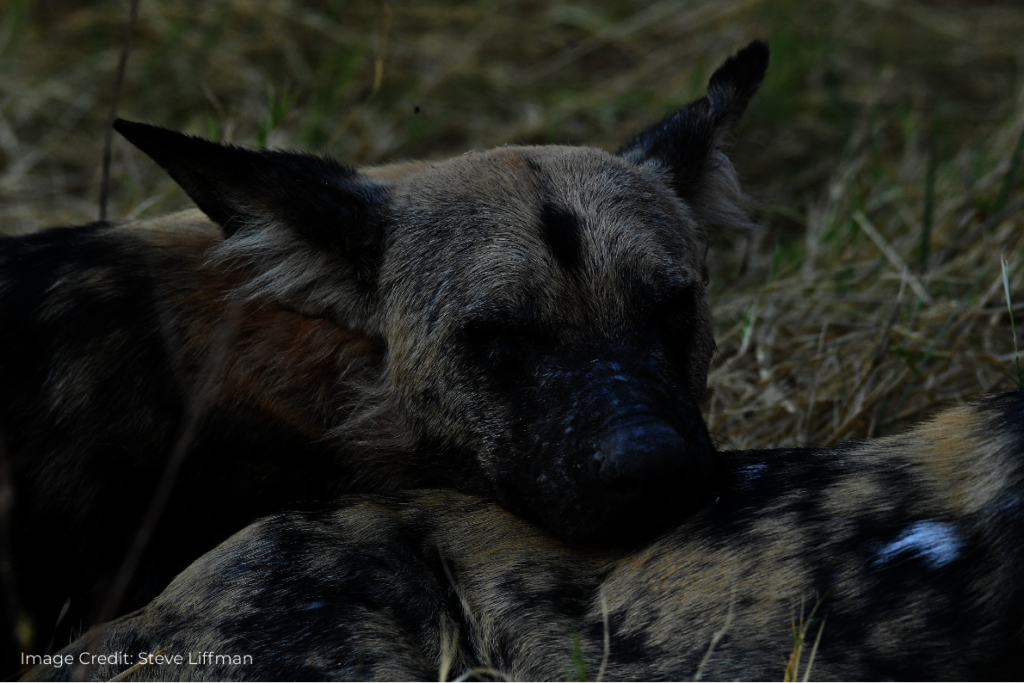
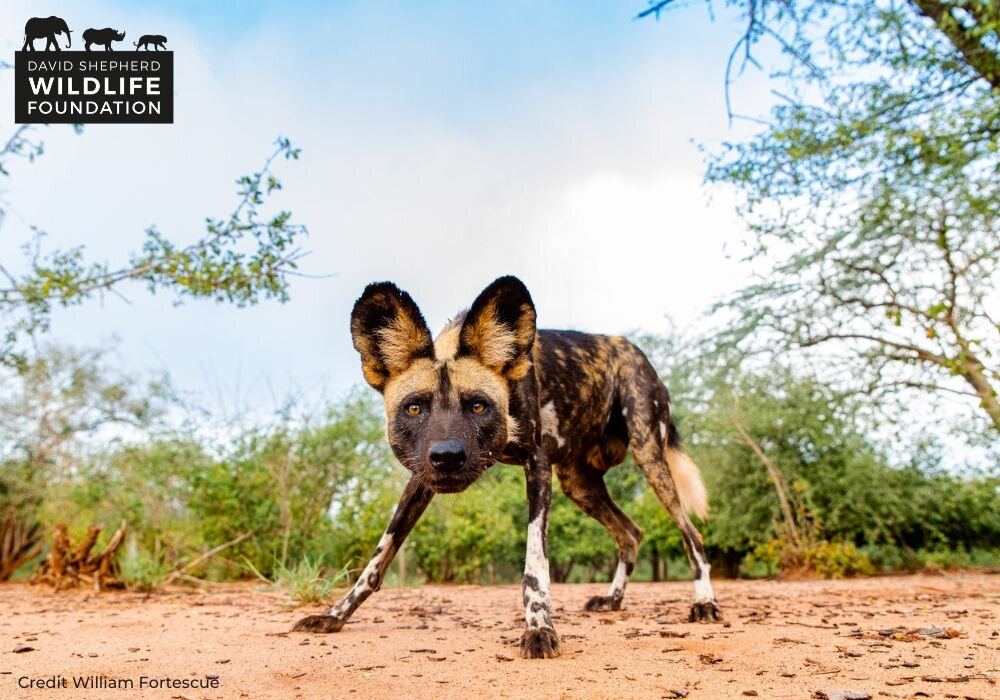
As the summer takes hold in Hwange National Park, we are delighted to share a special update on one of the most remarkable and resilient painted dog families our partners have ever worked with: The Umkhonto Pack. These spotted, big-eared wild dogs are among Africa’s most endangered carnivores, but also some of its most social, loyal, and endearing animals. With fewer than 7,000 remaining in the wild, every successful pack matters, and the Umkhonto pack has become one to watch.
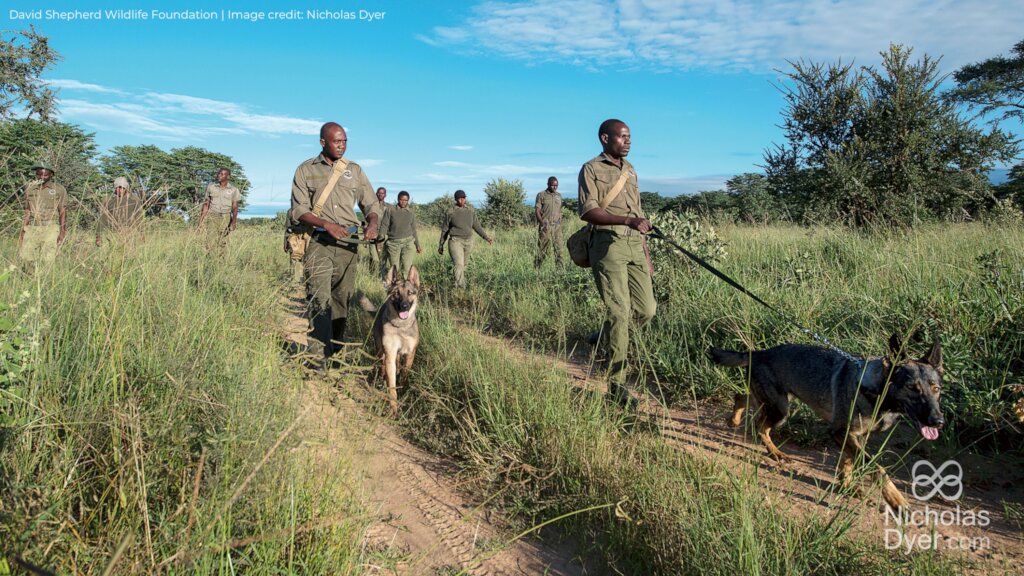
On 6 June, the pack’s alpha female made a bold decision, she chose a denning site in Gwayi, an area notorious for poaching and wire snares. While our partners had worked hard to guide the pack toward a safer spot using a gentle human-line technique (an extraordinary method involving up to 50 people walking together to steer the dogs without stress), nature had other ideas. The full moon, nearby hunting activity, and the determined instincts of a wild matriarch all played a part.
Denning is a critical time for painted dogs. For about ten weeks, pups stay hidden in the den, entirely reliant on the adults for food and protection. The alpha female chooses the site, and the whole pack pitches in. Tragically, within days of settling in Gwayi, we lost one of the young males, Nelson, just two years old, to a snare.
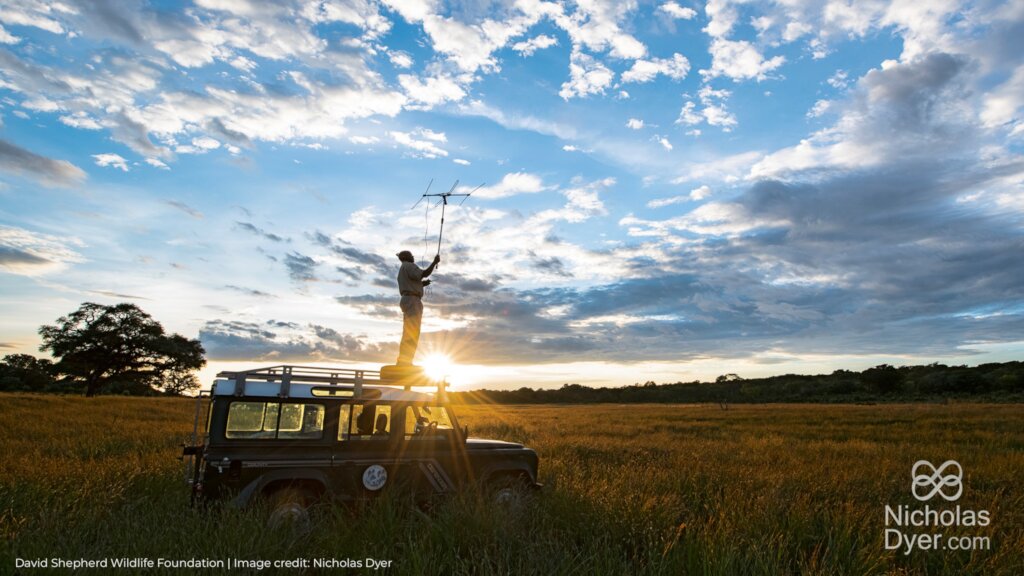
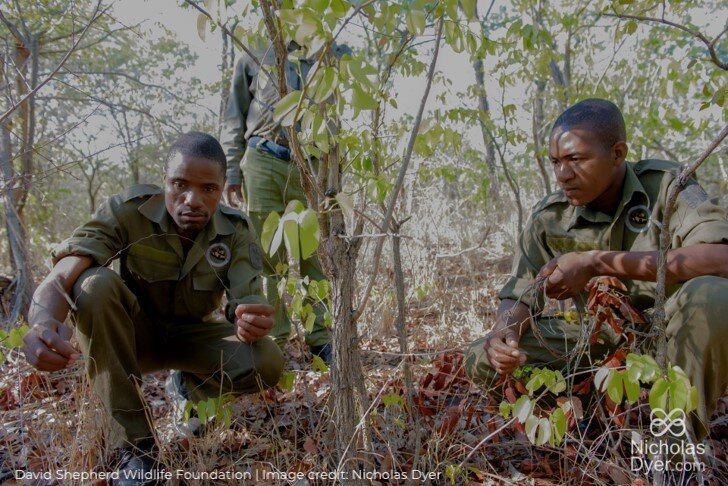
Our partners moved quickly. Five anti-poaching teams were immediately deployed on the ground in Gwayi, with strategic patrol bases in place to protect the den area. Monitoring has been ramped up, and extra support brought in to give this pack the best chance of safely raising the next generation.
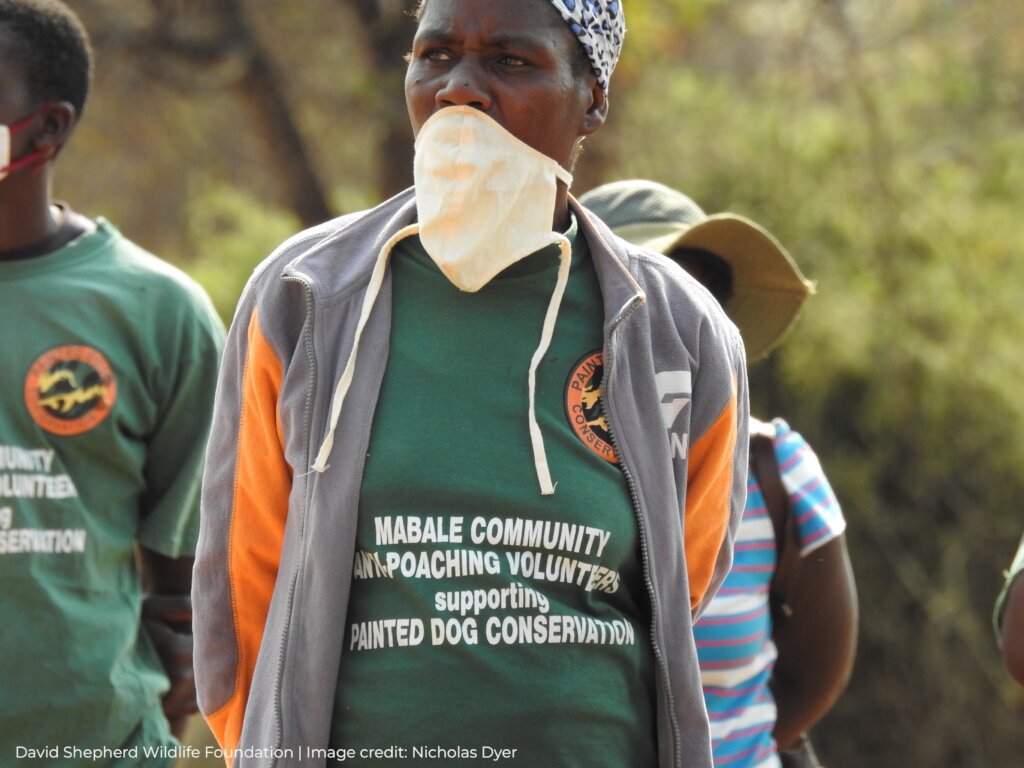
This pack’s story is one of resilience. They first appeared in late 2022 as just six dogs trying to find a foothold. Thanks to consistent monitoring, collaring, and community collaboration, they’ve grown into a thriving family of 21.
Although the risks remain high, the Umkhonto pack has something powerful on their side: people like you. Your support of painted dogs helps fund patrols, tracking collars, rapid response, and long-term support for packs like this, work that is directly saving lives.
This denning season will be hard, but it’s also a time of possibility. If the pack can hold on, we may soon be celebrating a new litter, each pup a symbol of hope for the future of the species.
Thank you for being part of this extraordinary journey. Your support means everything.
Project reports on GlobalGiving are posted directly to globalgiving.org by Project Leaders as they are completed, generally every 3-4 months. To protect the integrity of these documents, GlobalGiving does not alter them; therefore you may find some language or formatting issues.
If you donate to this project or have donated to this project, you can receive an email when this project posts a report. You can also subscribe for reports without donating.



Support this important cause by creating a personalized fundraising page.
Start a Fundraiser