By Laila Karamally | CEO, Shine Humanity/CDRS
August 6th, 2010
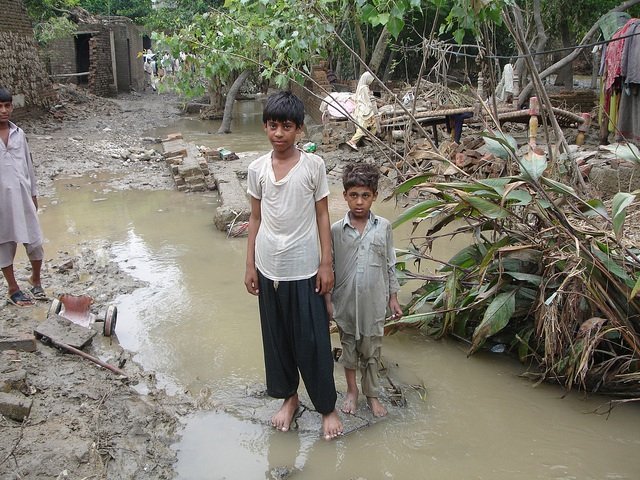
As the possibility of more rains loom and the flood waters rage southwards to Sindh province, one Pakistani villager asks BBC reporter, Lyce Doucet, “Where is the world?” The World Health Organization (WHO) expects the medical and humanitarian fall-out will only worsen over the next few days and weeks as is the nature of disasters of this nature, with large-scale displacement of people, toxic living conditions, and destruction of livelihoods. WHO also reports that of the 40 or so nonprofits on the ground currently involved in relief efforts, only six are focused on medical relief.
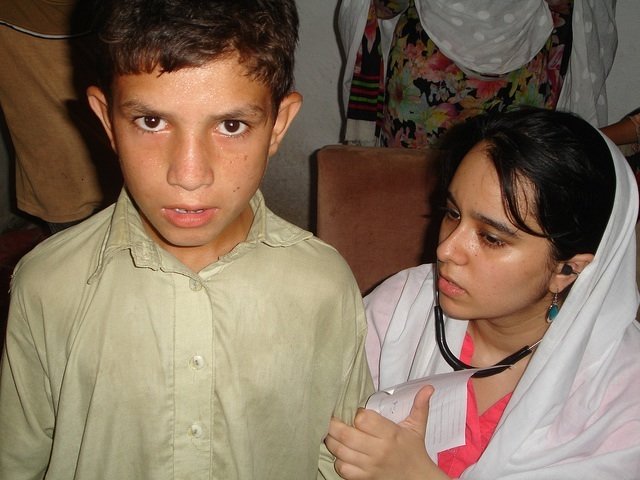
UM Healthcare Trust and CDRS are ramping up to deal with the mounting crisis.We are moving our camps around where we are needed the most. Overall, since August 1st, the joint UM Trust-CDRS mission has seen over 1,100 patients and are managing four field medical relief camps. The team consists of three doctors and four support staff. The following are a series of field updates from UM Trust Executive Director, Atif Mumtaz and field staff:
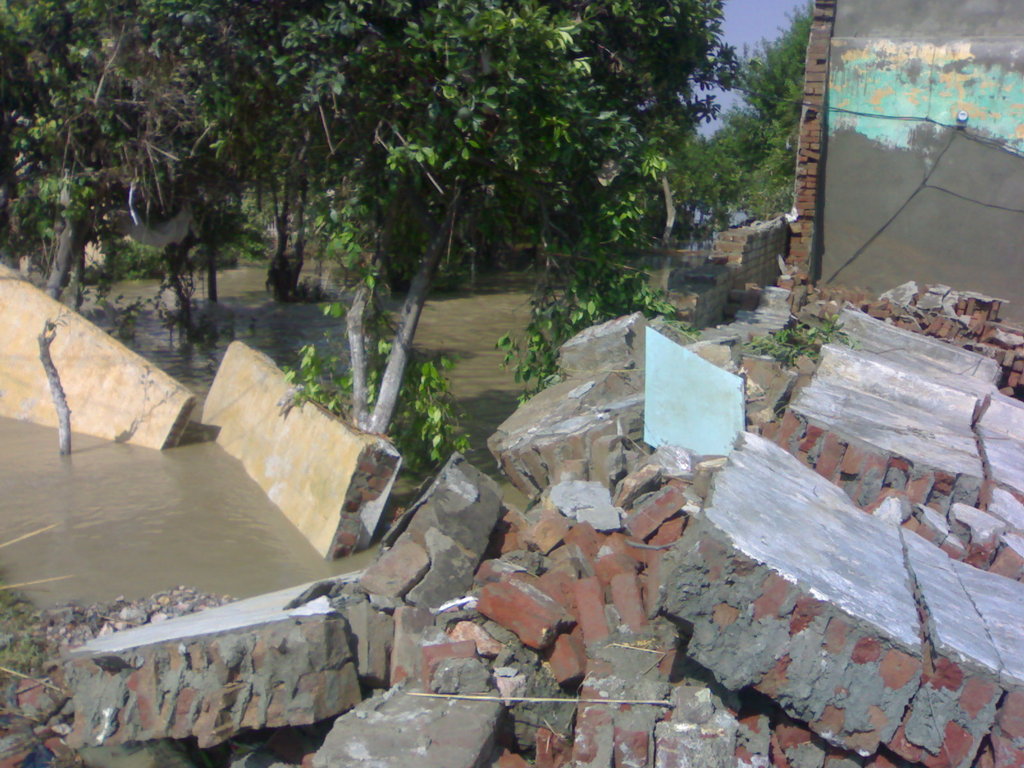
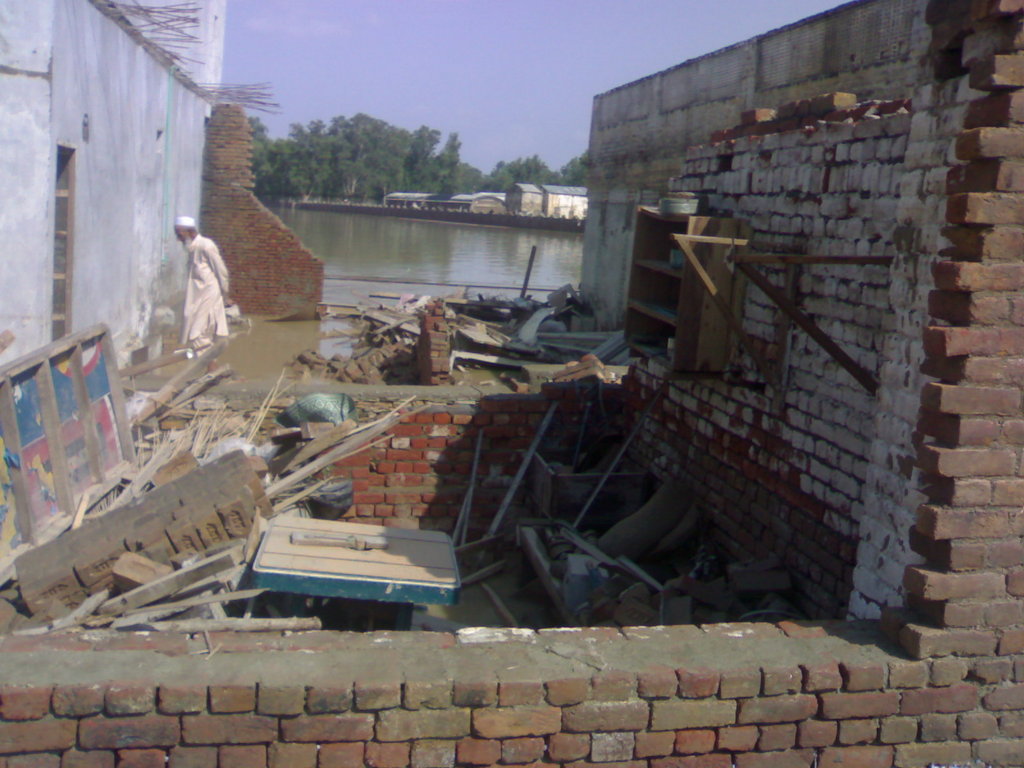
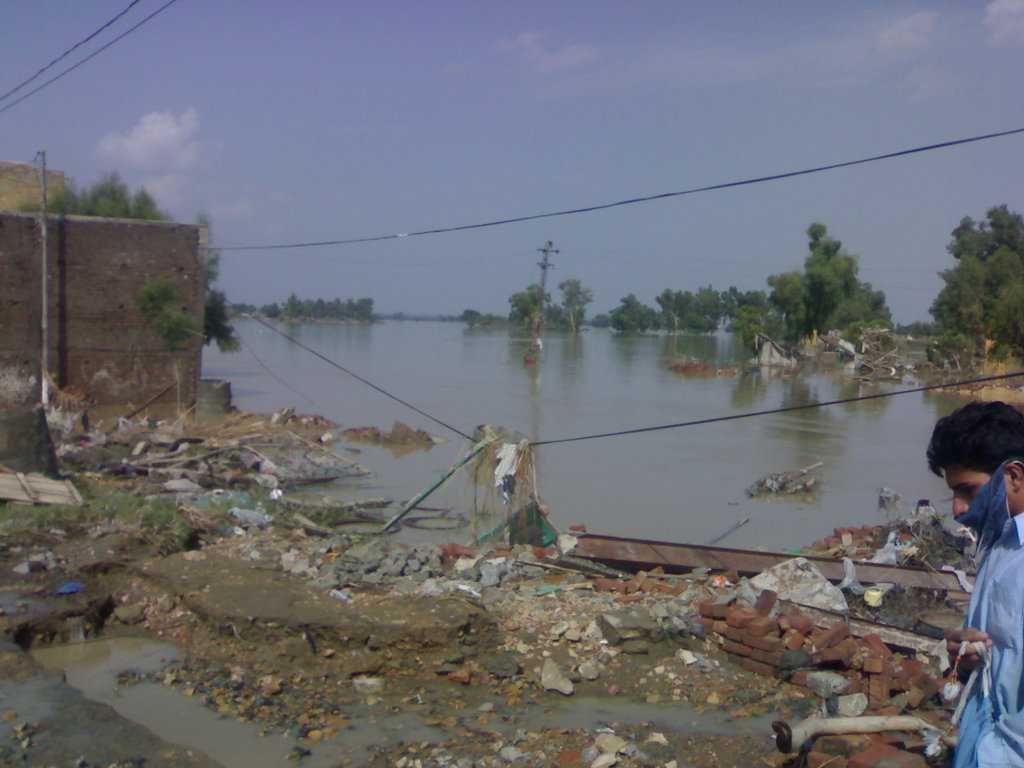
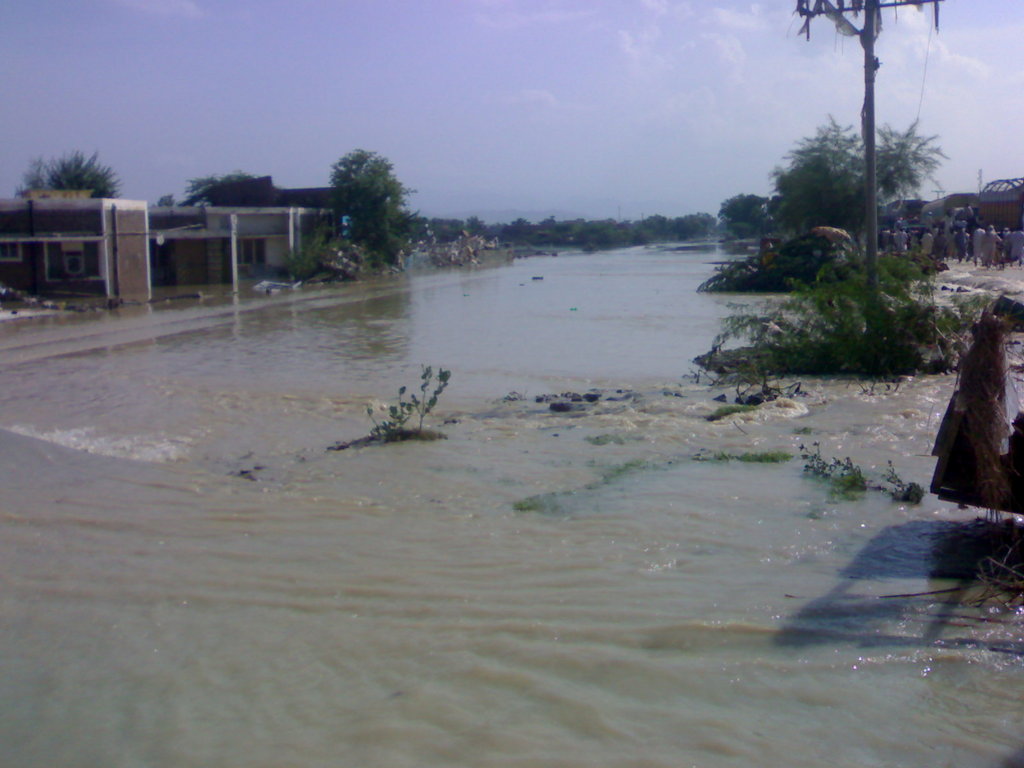
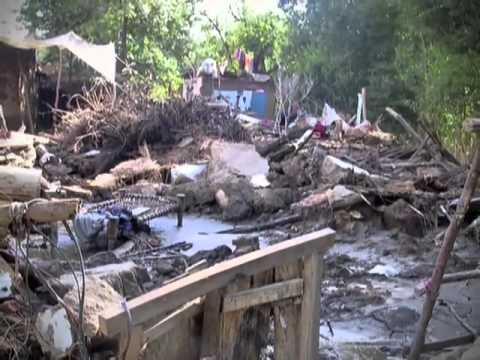
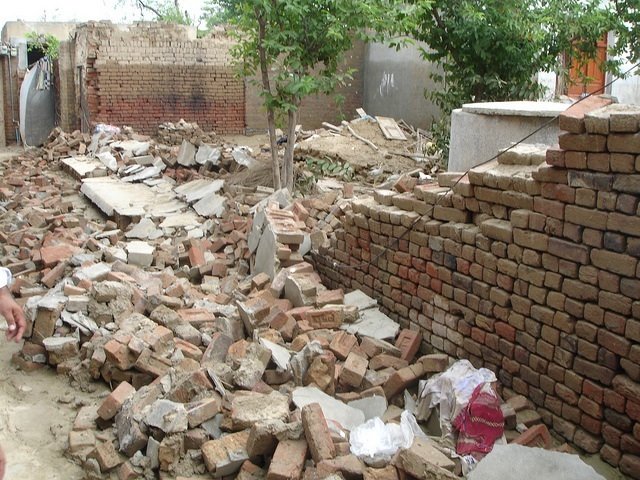
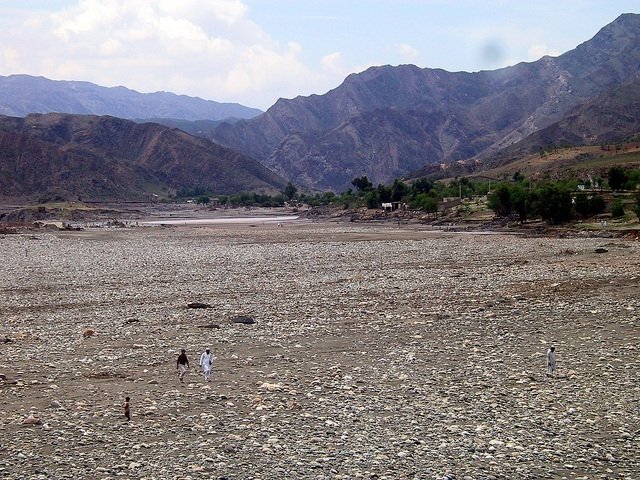
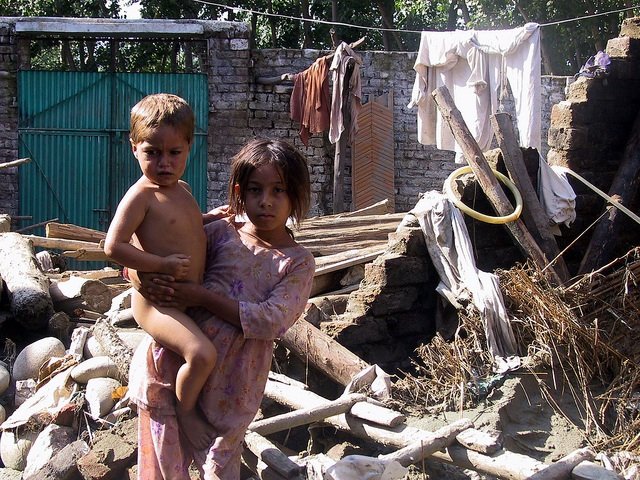
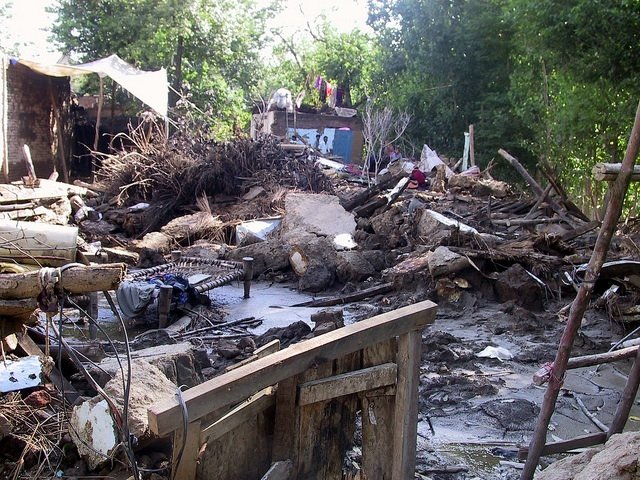
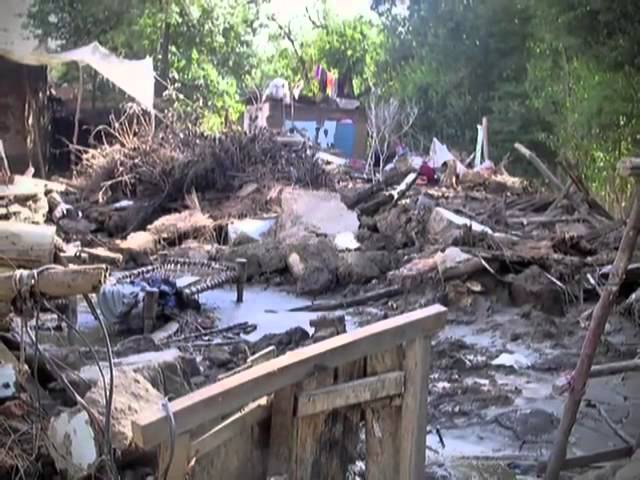
August 5th, 2010: “The devastation in Charsadda is one of the worst we have seen so far. Complete villages have been wiped out, roads, bridges and barrages have been obliterated by the fast moving flood water. Little help has reached this region and people are still suffering. The water current was so fast that it even destroyed complete barrages built on the rivers to control the flow of water. Where once brick and mortar buildings including government schools and residences of hundreds of people stood, now only the debris litters the flood land.
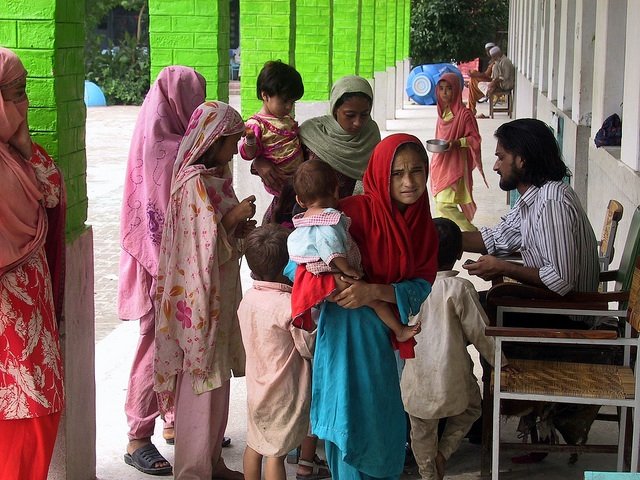
UM Trust together with CDRS set up a medical relief camp at Charsadda. The team consisted of a medical doctor (Dr. Naveed) from UM Healthcare assist by CDRS medical team that consisted of two EMTs (Emergency Medical Technicians) and one O.T. (Operating Theater) technician.Today alone a total of 113 patients were treated at the camp.The local community was extremely cooperative and had helped us setup our camp at the Tangi High School which was the main relief camp hosting over 300 people.
The conditions for the affectees is beginning to get worse. The hygienic conditions are deteriorating, and infectious diseases like scabies and water borne diseases outbreak is imminent."
August 4th, 2010: “UM Healthcare’s mobile medical relief team went to the Christ Church in Nowshera Cantt. today. Adjacent to the Christ Church lies The Christ Church Educational Centre, a building which has two schools in it. Although the refugees were staying at the educational centre, the electric supply to it had not been restored. The Principal, Mrs. Qamar Javed welcomed the team and we started operating in a side room of the church building which was more convenient for logistic reasons. The school houses about 20 families with about 85 residents. Some of the residents had gone to their respective flood devastated houses to salvage belongings since there have been news recently of looting in the abandoned houses. Thus the number of patients we saw was a bit less than we had anticipated.
There were some interesting observations. One 30 year old patient said he had never been to a doctor before, so I had to give him a full physical torule out any other pathologies and advised him to have some lab tests done. A lady suffering from epileptic seizures had not ever had any medication for her seizures, rather she had been advised by a quack to have an exorcism done. The alarming symptoms of her illness were cause of much concern to her children so I counseled the whole family together about the emergency steps to take in case of a seizure and gave them insight into the disease pathophysiology to dispel some of their notions.
After the camp Mr. Tahir Tariq gave us a visit of the Educational Complex to help us understand the living conditions of the families residing there. The school has provided them with utensils and daily rations but the families have to cook the food for themselves. The camp is hygienic, but since many of the affectees risk exposure to flood water when they return to check on their houses, they need to be vaccinated. UM Healthcare is collaborating with partners to procure sufficient vaccines for all residents."
Project reports on GlobalGiving are posted directly to globalgiving.org by Project Leaders as they are completed, generally every 3-4 months. To protect the integrity of these documents, GlobalGiving does not alter them; therefore you may find some language or formatting issues.
If you donate to this project or have donated to this project, you can receive an email when this project posts a report. You can also subscribe for reports without donating.