By Laila Karamally | Chief Executive Officer, SHINE Humanity
Introduction
Pakistan is currently the sixth most populous country in the world and projected to be the fourth such by 2050. This large population puts enormous social and economic pressure on Pakistan’s fragile infrastructure which has currently been ravaged further with the worst flooding in its history. Pakistan’s population problems are compounded by a lack of healthcare and educational facilities, two of the key determinants of human development that lead to a self-propagating cycle of ill-health, lack of education, poverty and consequent lack of development.
With a population growth of 1.7 per cent annually and the total fertility rate per woman of 4.1 in Pakistan, much attention is required for population control and thereby the maternal and child services, especially since a third of the population is under the age of 14, and infant and under five mortality continues to be high despite the reduction over the past few decades. The life-time risk of maternal death in Pakistan is one in 74 mainly because of the lack of maternal healthcare services and skilled birth attendants, cost of care and physical accessibility of these services.
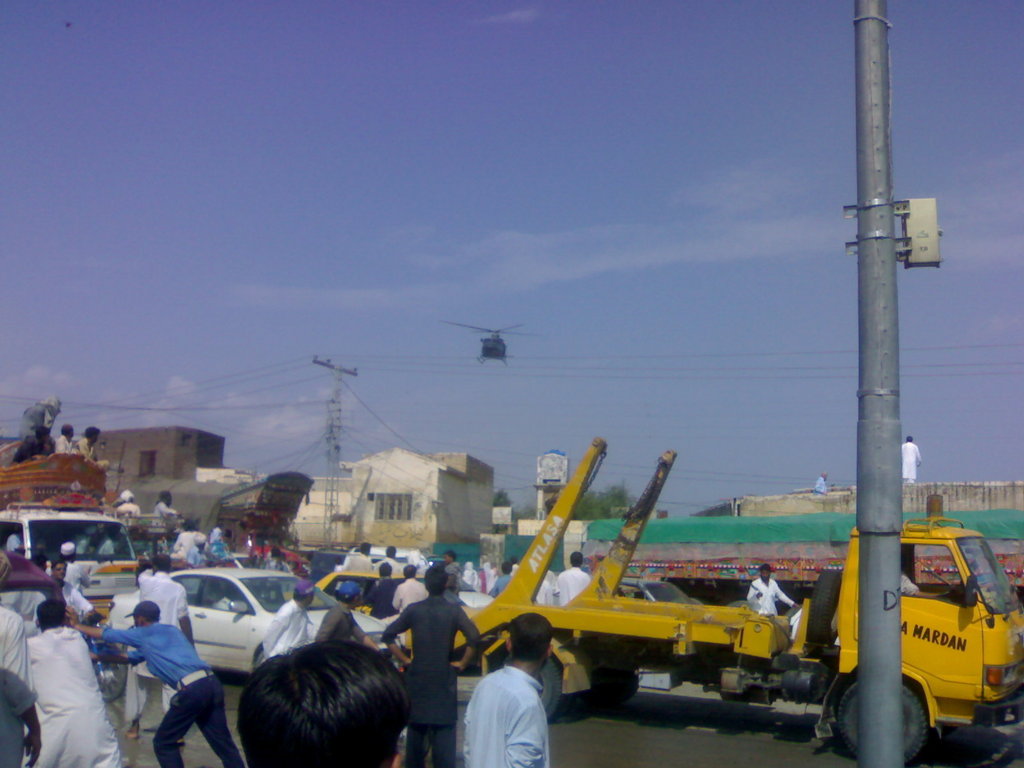
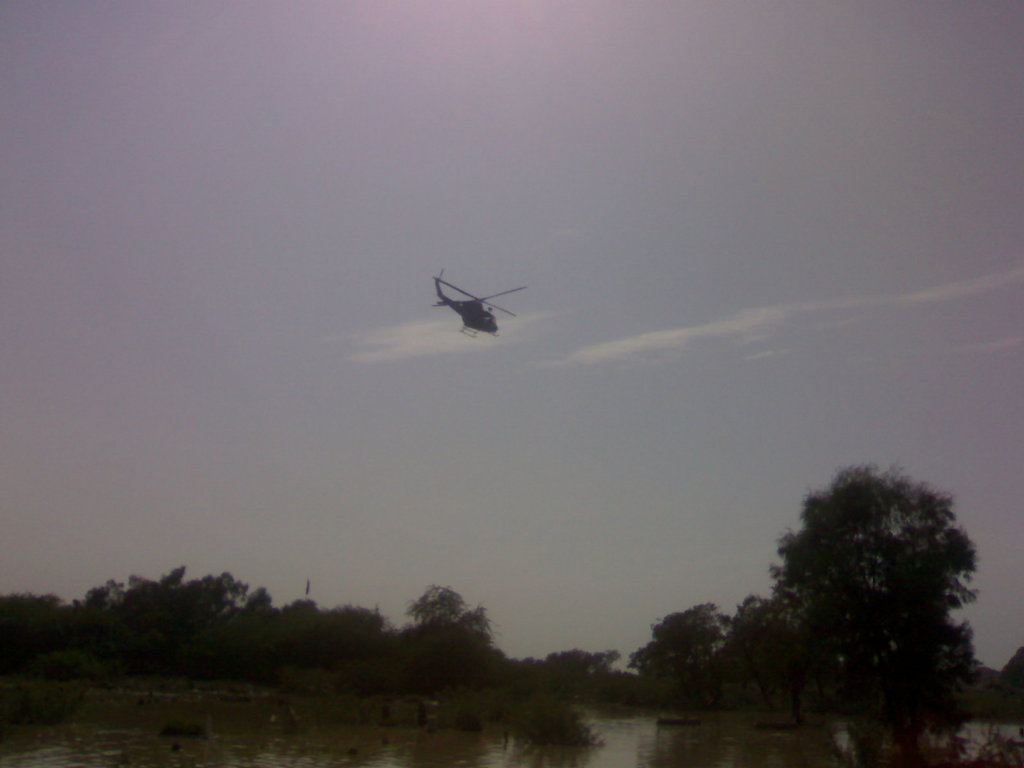
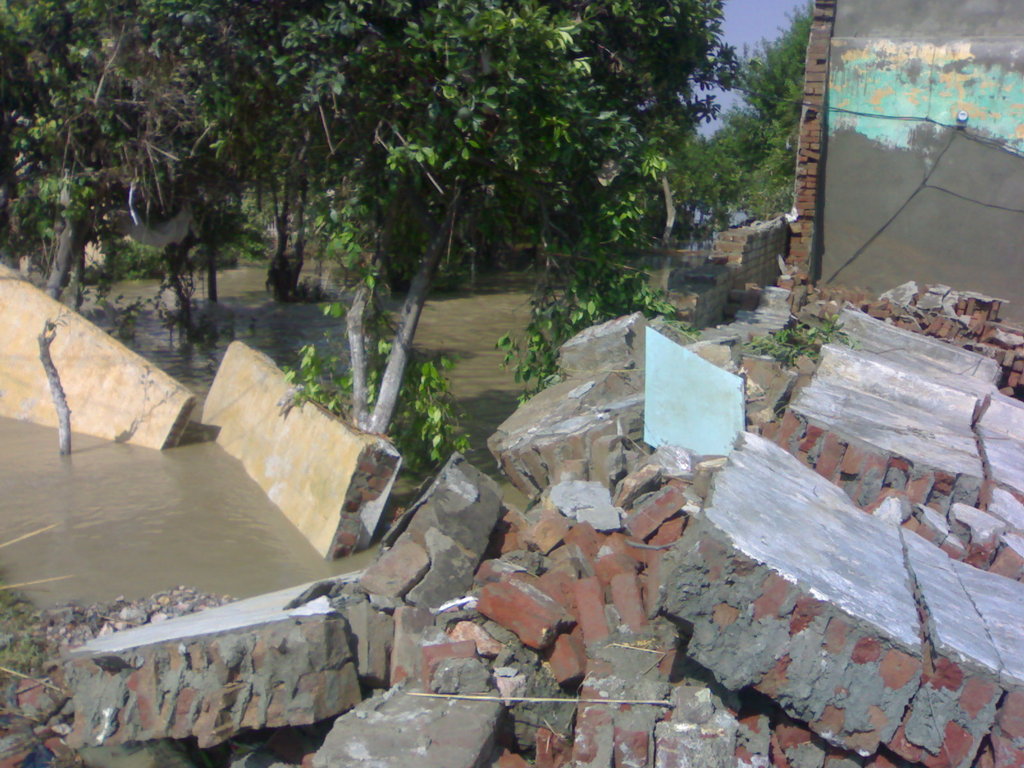
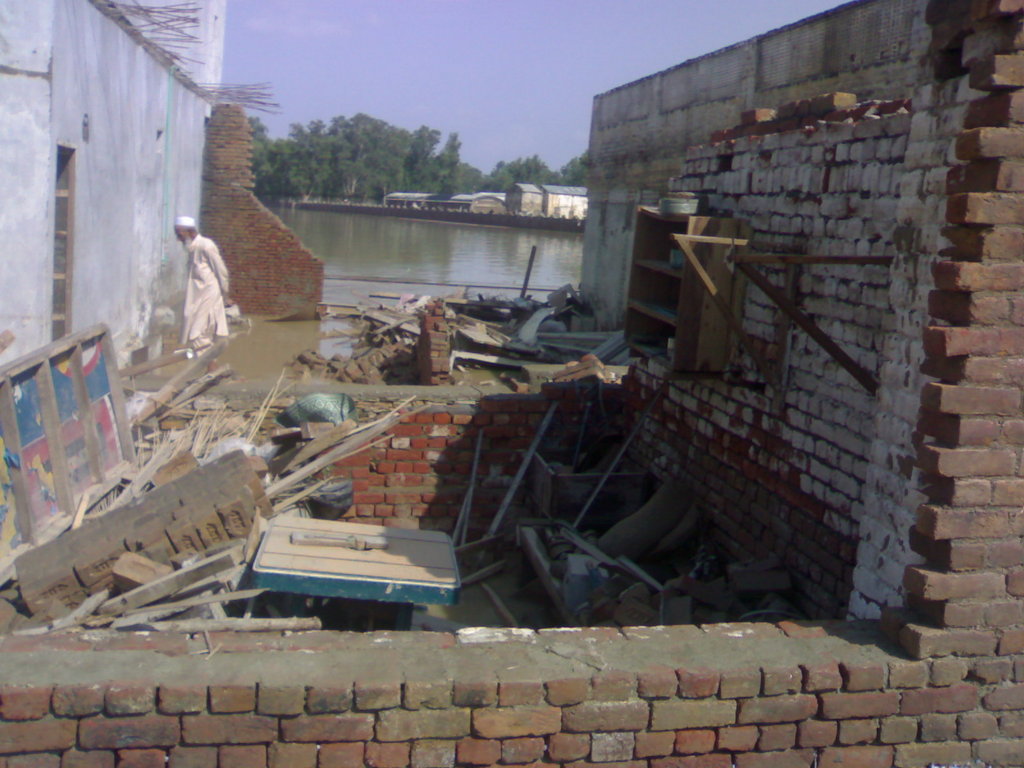
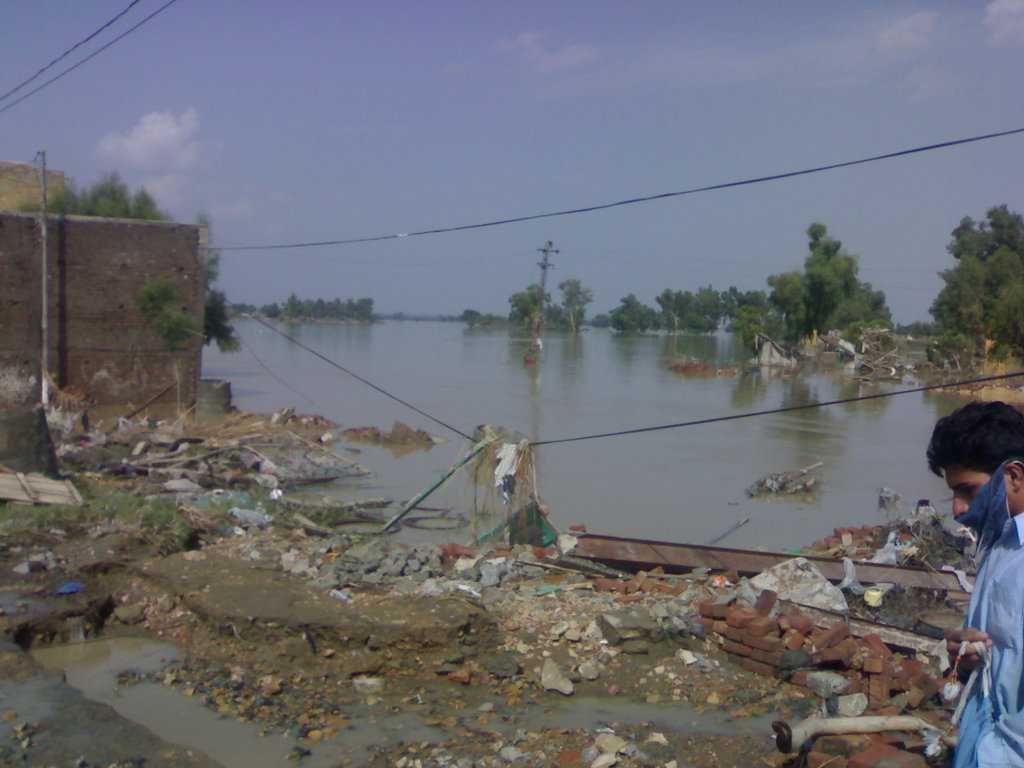
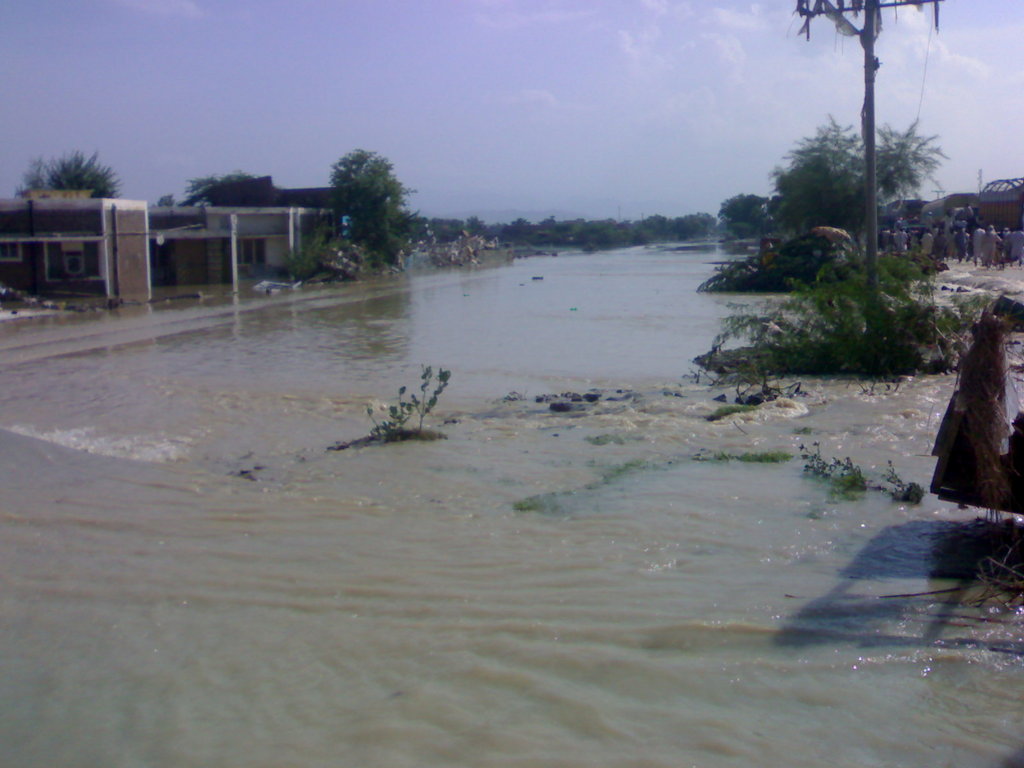
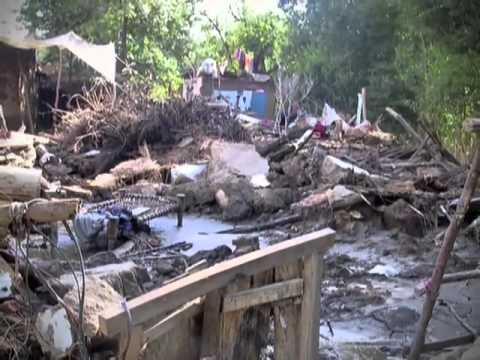
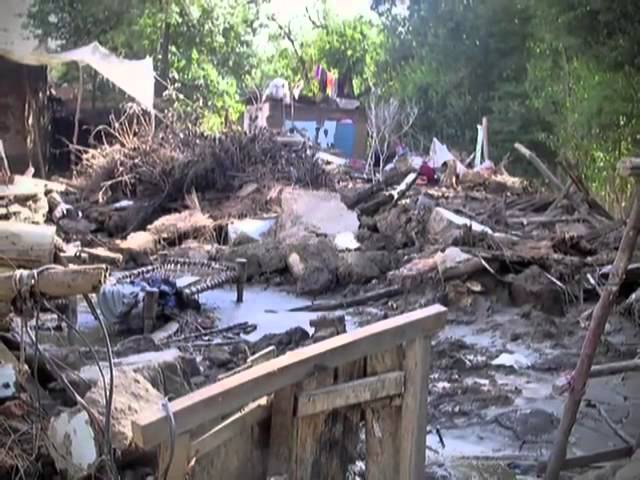
It is against this background that Pakistan was affected by the worst-ever floods the world has ever seen. Beginning August 2010, rivers swollen by record rainfalls have overflowed their banks and swept away over 1,600 lives, damaged 1.2 million homes, swept away 3.6 million hectares of crops and dislocated over 17 million people. SHINE Humanity, with the support of grassroots donors has over 50 staff and volunteers working on the ground in eight locations spread over the length and breadth of the country.
Medical Assessment of Flood-Affected Population
Preliminary analysis of the medical diagnosis data collected by the SHINE Humanity and its partner, Comprehensive Disaster Response Services (CDRS) in collaboration with SRSP and UM Trust Flood Relief Field teams from August 4th to 15th, 2010 showed 46 disease condition encountered in 3,927 cases. Ten diseases were responsible for 75.47 per cent of the cases, and these were as follows: allergic skin rash (14.6%), upper respiratory infection (13.57%), scabies (8.96%), acid peptic disease (7.43%) and muscular pain (6.85%) followed by urinary tract infection (6.16%), acute diarrhea (5.78%), general weakness (5.27%), injuries/wounds (3.62%) , and anemia (3.23%).
This, however, was an analysis from the very initial days of the flooding, reflecting to some degree, diseases that could have been prevalent in the area (e.g. acid peptic disease, anemia).
Subsequent reports gathered from IDRF-supported efforts in Charsadda, Nowshera, Khairpur, Sukkur, Kohistan, and Balochistan show 17,187 patient contacts between Aug 4th to Sep 17th, with 91 disease categories accounting for 72.04 per cent of the diseases encountered. The top ten ranked diseases were acute diarrhea (19.18%), URTI (11.16%), allergic rash (9.39%0, acid peptic disease (6.55%), scabies (5.4%), general weakness (5.32%), unexplained fever (4.82 %), muscular pain (4.10%), urinary tract infection (3.69%), and lower respiratory tract infection (2.43%0. Bloody diarrhea (1.37%), suspected malaria (1.29%) and 154 maternal and child health contacts and 31 cases of malnutrition were also dealt with.
The rise in diarrhea seen by our teams is now more in line with the World Health Organization (WHO) report dated September 10th, 2010. Our teams, however, have not yet reported a rise in bloody diarrhea/ dysentery, suspected malaria, dengue, cholera, measles, and viral hepatitis which are epidemic prone diseases under surveillance by WHO and expected to rise as is an expected rise in malnutrition and conditions related to maternal and child health.
Planned Activities
In order to deal with the current and ever-evolving disease and morbidity situation, we need to focus our finite resources to effectively and efficiently grapple with the topmost disease conditions i.e. water and food-borne diseases and infectious diseases and diseases related to nutrition and to maternal and child health, in a cost-effective and sustainable manner while maintaining the highest level of quality to which we have always been committed. In the remaining weeks of the disaster deployment, our teams will pursue the following course of action:
Enhance the provision of safe water supplies and water purification solutions
Increase the supplies of oral rehydration kits.
Increase simple hygiene techniques: washing both hands with soap and water, covering the mouth and nose while coughing and sneezing, proper garbage disposal, etc.
Prevention activities to avoid malaria and possibly dengue which are liable to increase with the stagnant pools of water. This includes education, spraying, mosquito nets, and medications.
Coordinating for the provision of specific medicines and vaccines for the commonest infections and conditions and at all camps, depending on the caseloads at each camp.
Dealing with endemic and new-onset malnutrition by increasing the supplies of nutritional supplements.
Planning and providing for the safe antenatal, natal and postnatal care of mothers and newborns.
Conclusion
Given the background laid out earlier in this proposal, as well as the on-going health challenges facing the flood-affected populations, SHINE Humanity believes Maternal Child Health (MCH) forms the single most urgent healthcare need going forward into the long-term rehabilitation phase. At present, our teams are already supporting partial and full-service mother child initiatives in the following locations: the District Hospital in Charsadda (Khyber-Pakhtunwa province), Bagh Deri (in Swat Valley, Khyber-Pakhtunwa), Jaffarabad (Balochistan) and Shikarpur (Sindh province). We hope some or all of these will evolve into long-term rehabilitation projects.
Project reports on GlobalGiving are posted directly to globalgiving.org by Project Leaders as they are completed, generally every 3-4 months. To protect the integrity of these documents, GlobalGiving does not alter them; therefore you may find some language or formatting issues.
If you donate to this project or have donated to this project, you can receive an email when this project posts a report. You can also subscribe for reports without donating.