By Wesley Samms | Grants Manager
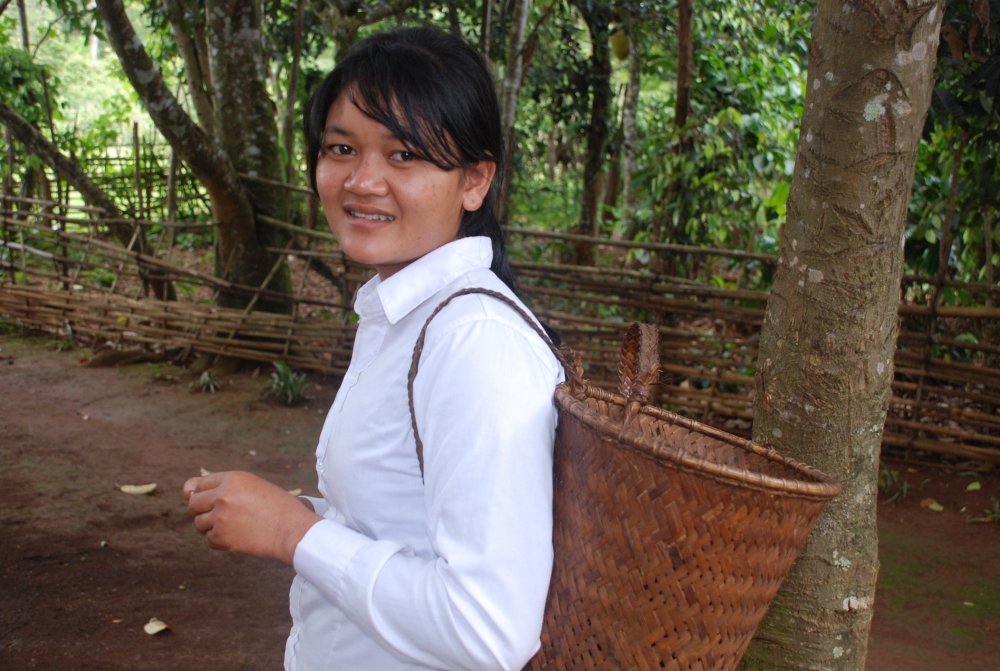
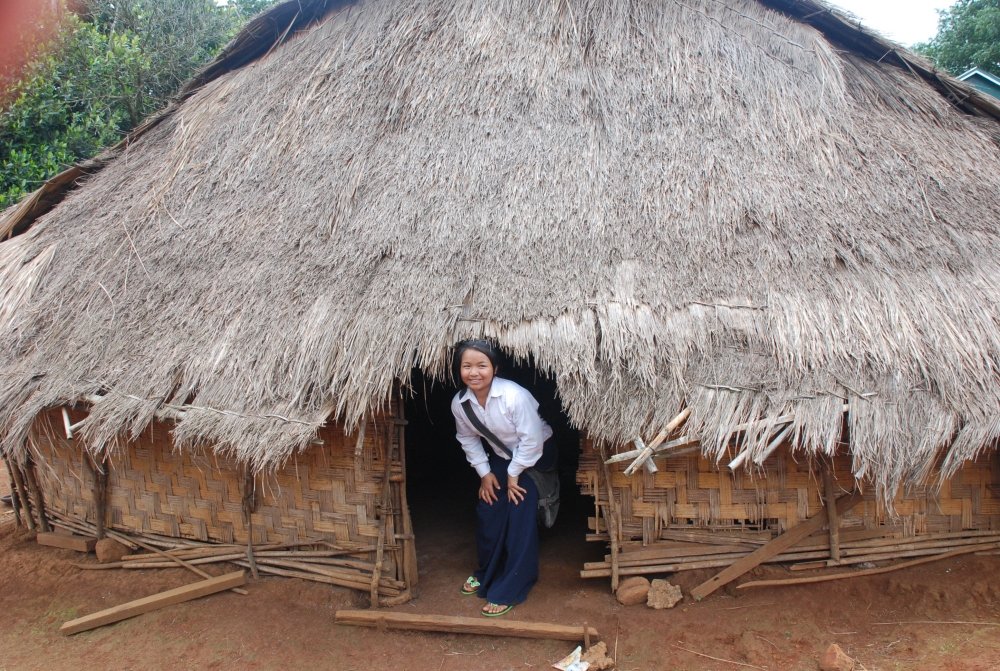
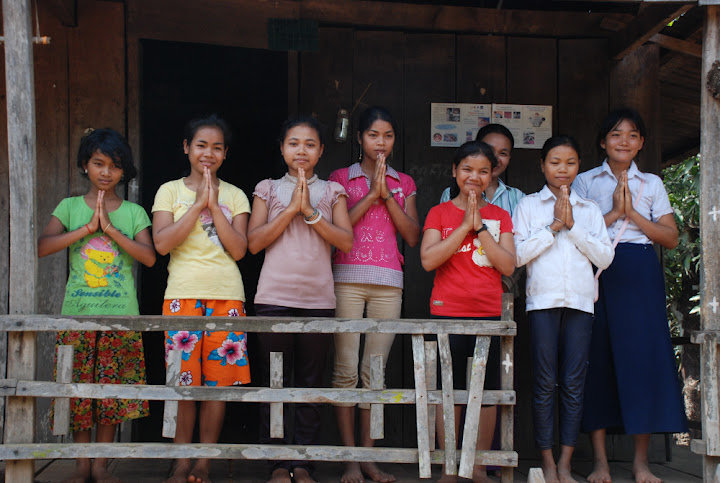
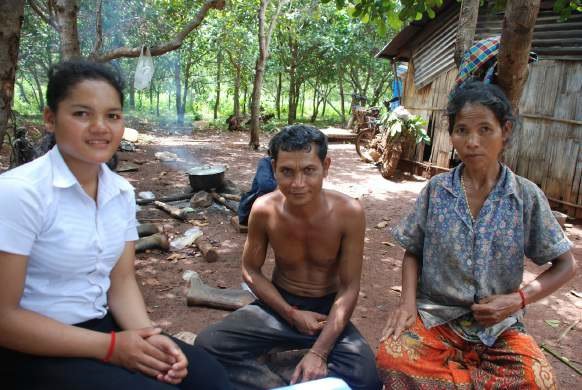
Phnong Education Initiative student Sony lives among a cluster of 8 families in a remote village of 100 people. Her family home has walls of split bamboo and a corrugated tin roof which is beginning to rust. There is no documentation by the government that the 1.5 hectares of land they utilize belong to them, instead they are entrusted with the land by the head of their village.
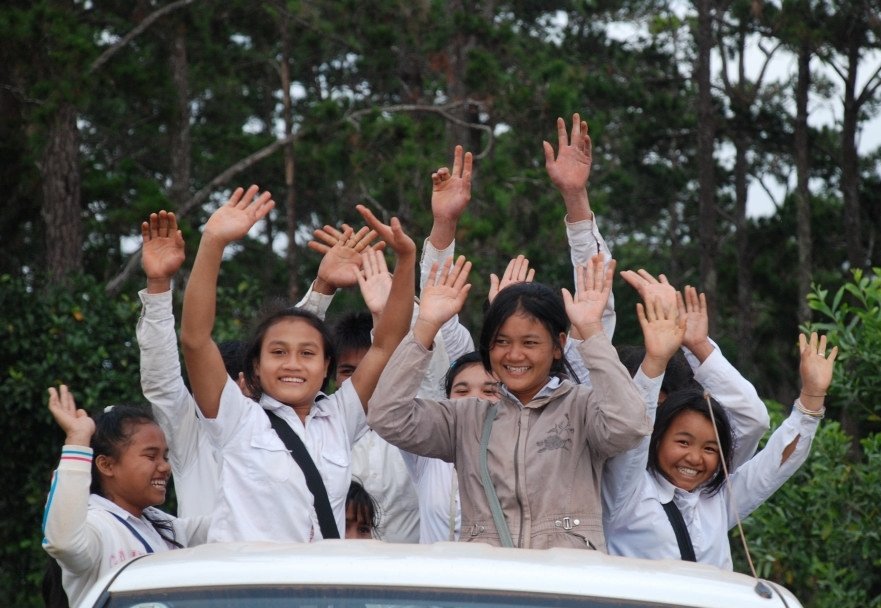
Sony explains her academic goals, “I’m now standing between 8th and 12th in my class of 53 and I want to do better! On weekdays I attend school while staying at the dormitory at Oraing under support from Lotus Outreach. I come home here on weekends and help with farm work.” She then adds, “My plan is to stay in school until I complete year 12 and then work for my community employed by an NGO.”
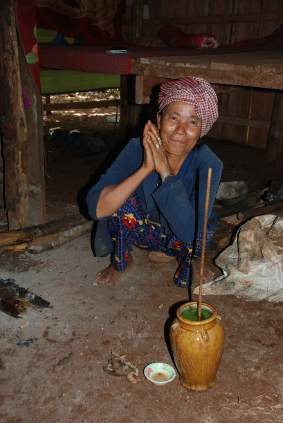
Sony has modern aspirations, but Phnong cultural conventions pervade her family’s daily life. As indigenous minorities to Cambodia, they speak the Phnong language, practice animism, and are highly superstitious. Four hours before we arrived, Sony’s older sister had given birth to a baby boy; her only medical assistance in the effort was the offering of a small hen and a vase of rice wine by a shaman midwife. Thankfully the birth took only four hours, and both mother and baby are healthy.
Living as they do, so isolated from modern Cambodian society and government, they are vulnerable to a variety of dangers. Illegal logging has plagued their ancient and sacred forests. Land-grabs by private companies have displaced many villages. The people are offered no services or representation by the Khmer government, and there are no public schools which speak Phnong.
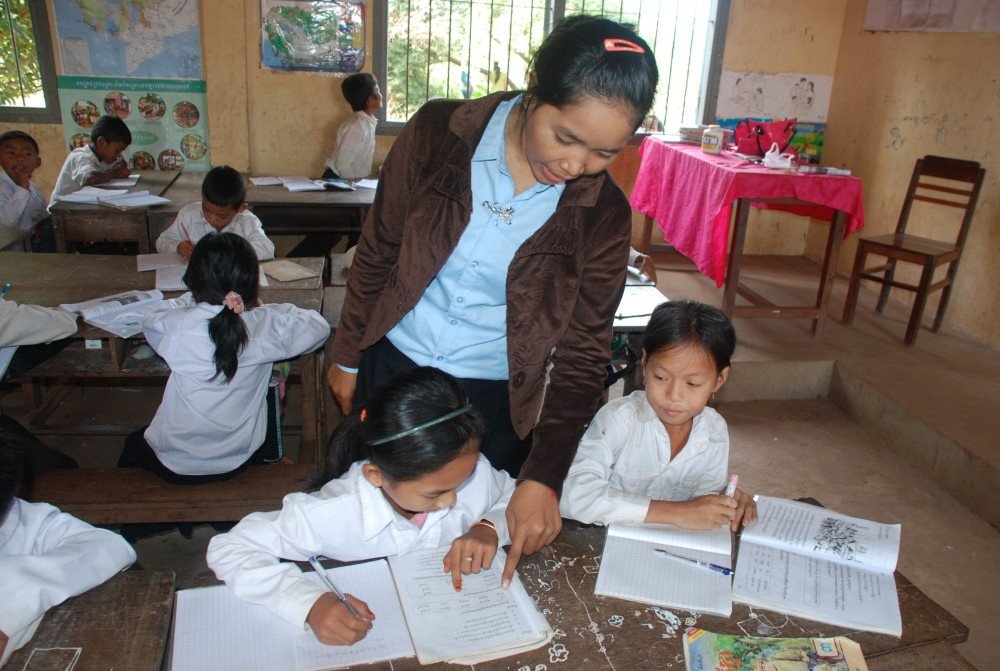
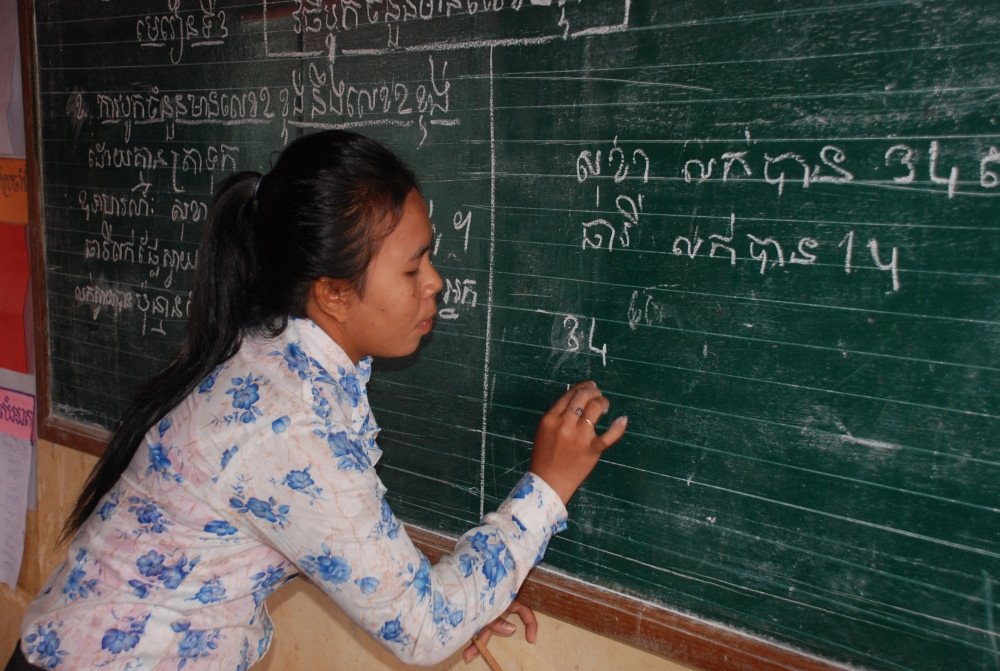
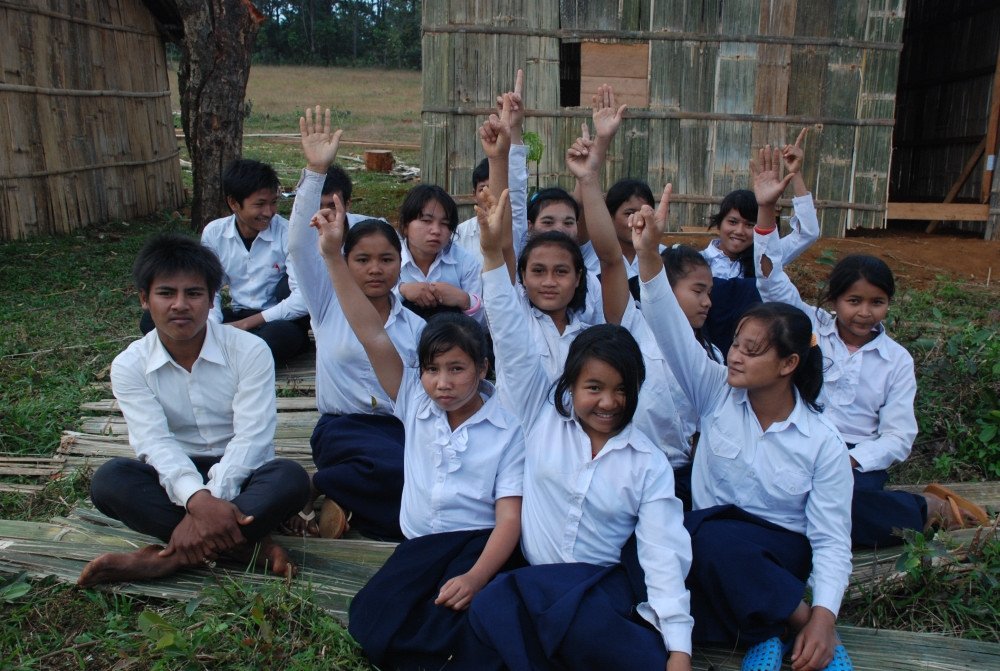
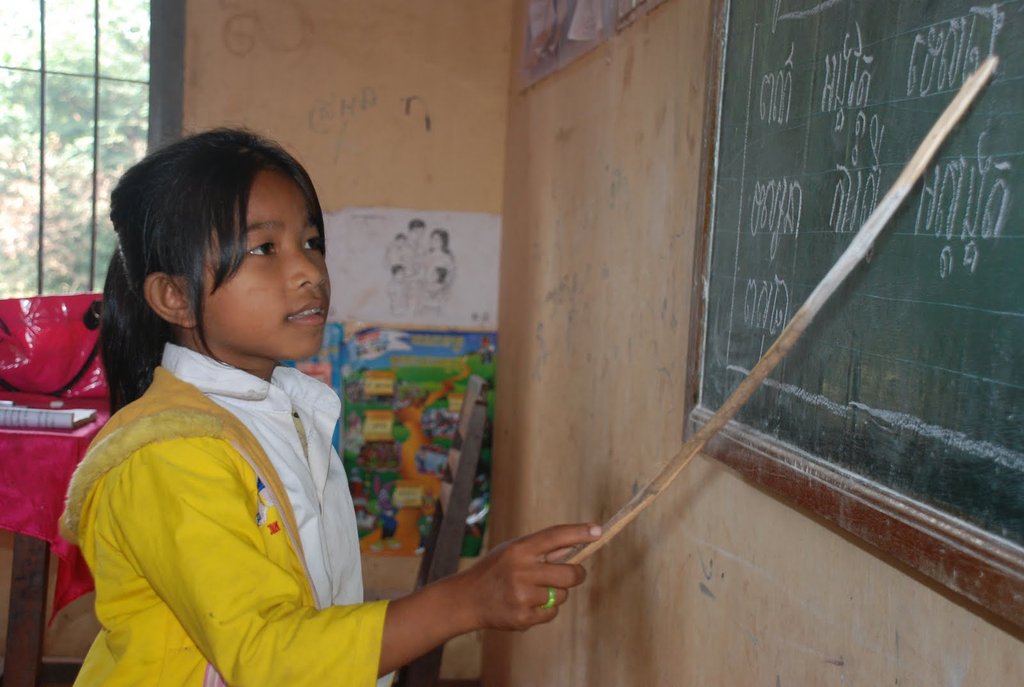
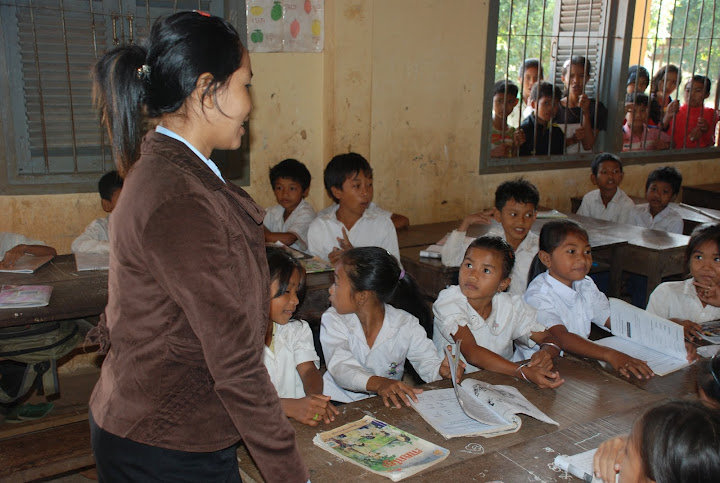
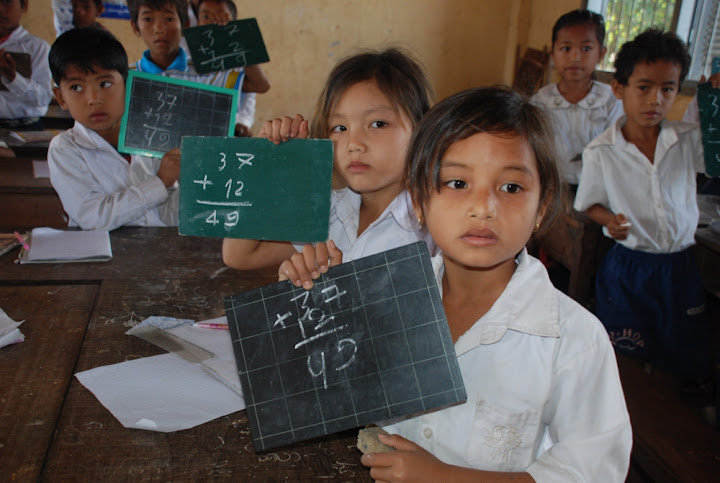
Education through the Phnong Education Initiative can help these people avoid the dangers and difficulty imposed by outside society. The program provides primary learning to them in their own native language, teaching many children to speak, read and write Khmer; they also learn basic math and history. This basic learning will prove invaluable to the program’s 31 students as they strive to move forward from a position of severe marginalization.
In addition, 20 young Phnong people are being trained to be teachers to others through the Phnong Teacher Training Center. After a two year course, the young students receive their certification by passing an exam at the Mondulkiri State Capital. They then return to their home villages and pass the gift of education on to younger generations.
Sony’s family prepares rice for us via a traditional method, steaming it inside a hollow bamboo shaft over a bed of coals. The simplicity and honesty of such an ancient method is striking, and it seems a shame that people so generous and good could be left at risk of the societal dangers impending from outside their forested village.
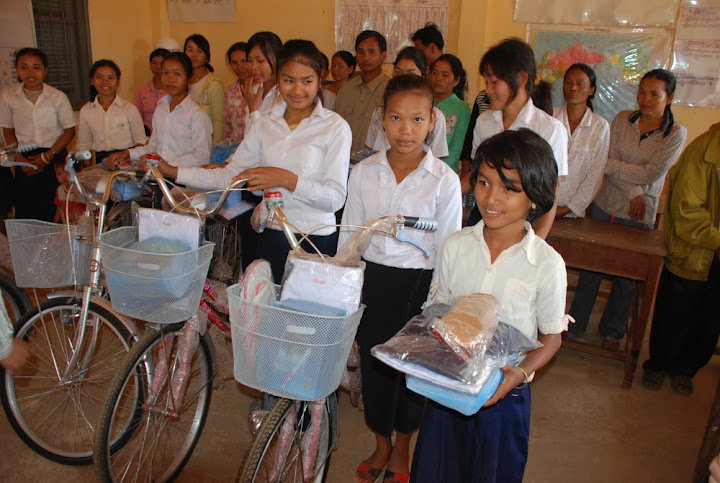
With your contribution of $20, we can provide an entire month of teacher training to an eager Phnong student. Through the power of education, Sony and her family can preserve their traditional lives while being more empowered to fight the forces of marginalization working against them.
Thank you for supporting the Phnong Education Initiative!!
Links:
Project reports on GlobalGiving are posted directly to globalgiving.org by Project Leaders as they are completed, generally every 3-4 months. To protect the integrity of these documents, GlobalGiving does not alter them; therefore you may find some language or formatting issues.
If you donate to this project or have donated to this project, you can receive an email when this project posts a report. You can also subscribe for reports without donating.