By Jenny Byrne | Fundraising & Communications Officer
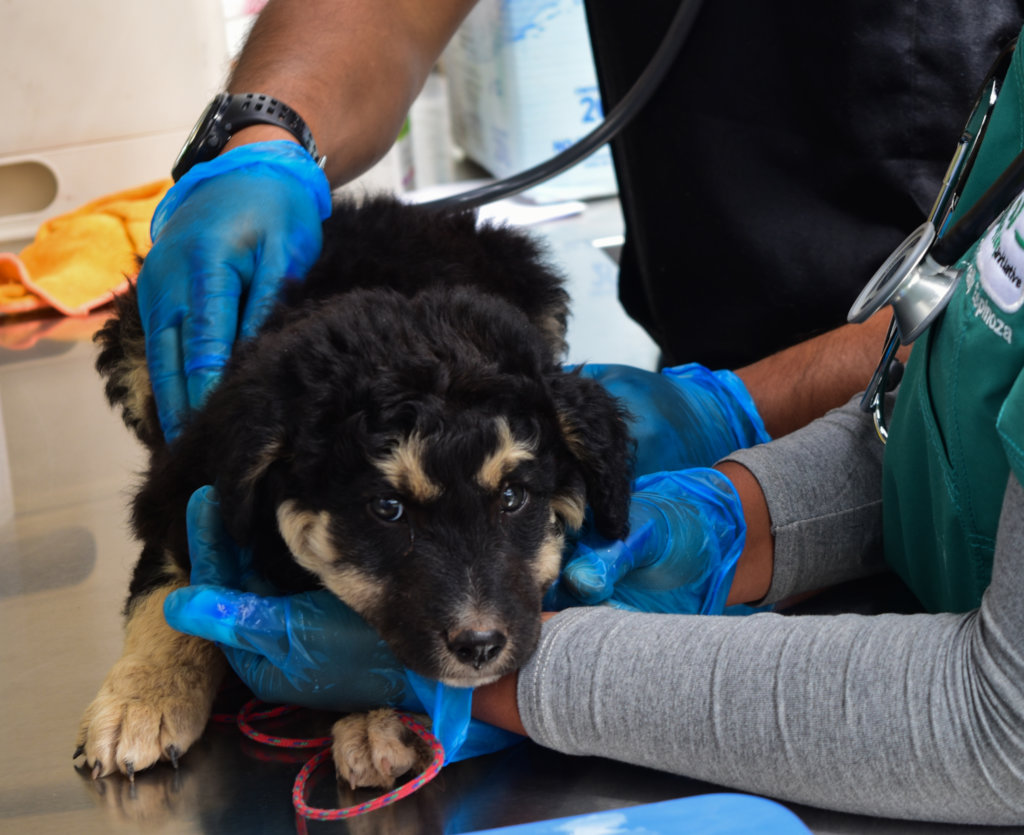
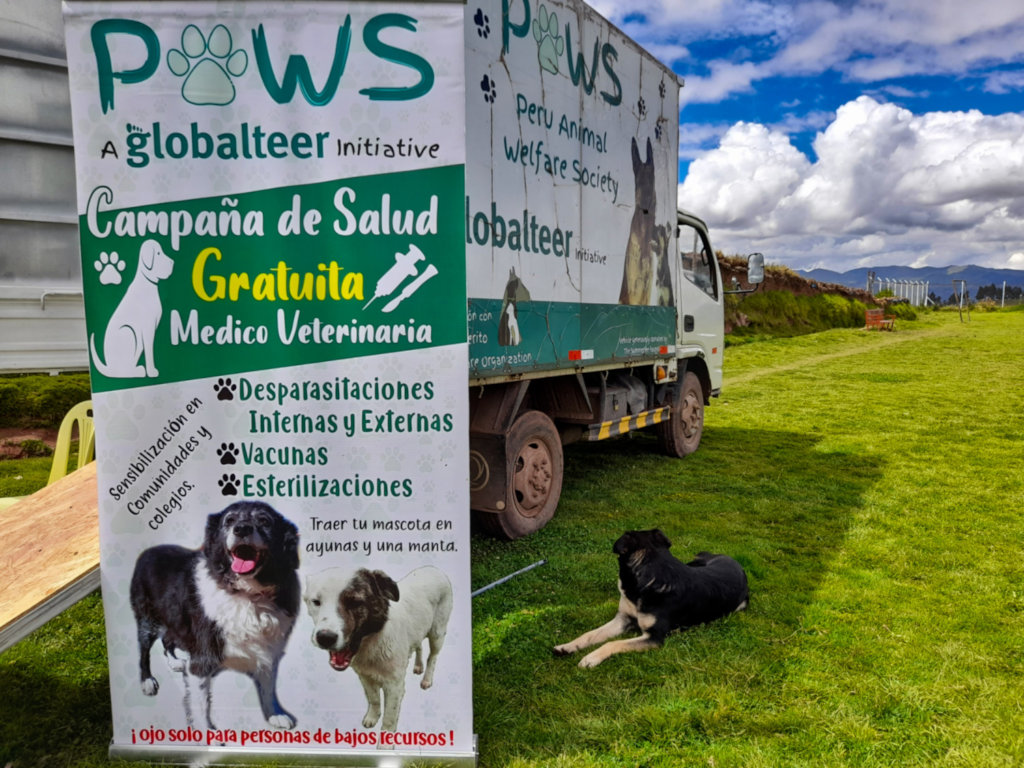
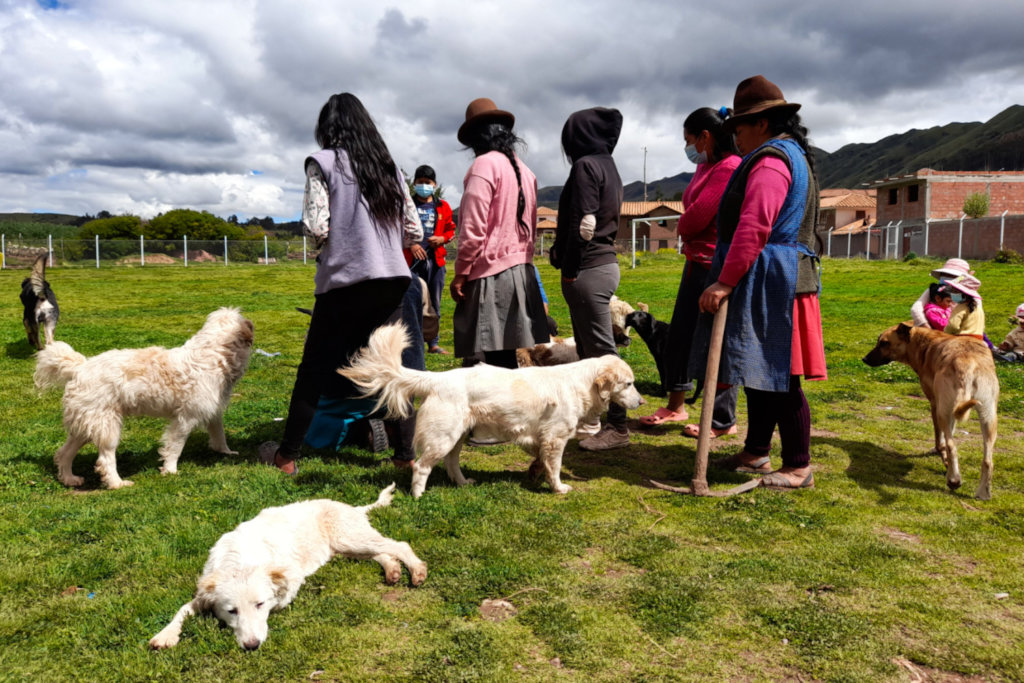
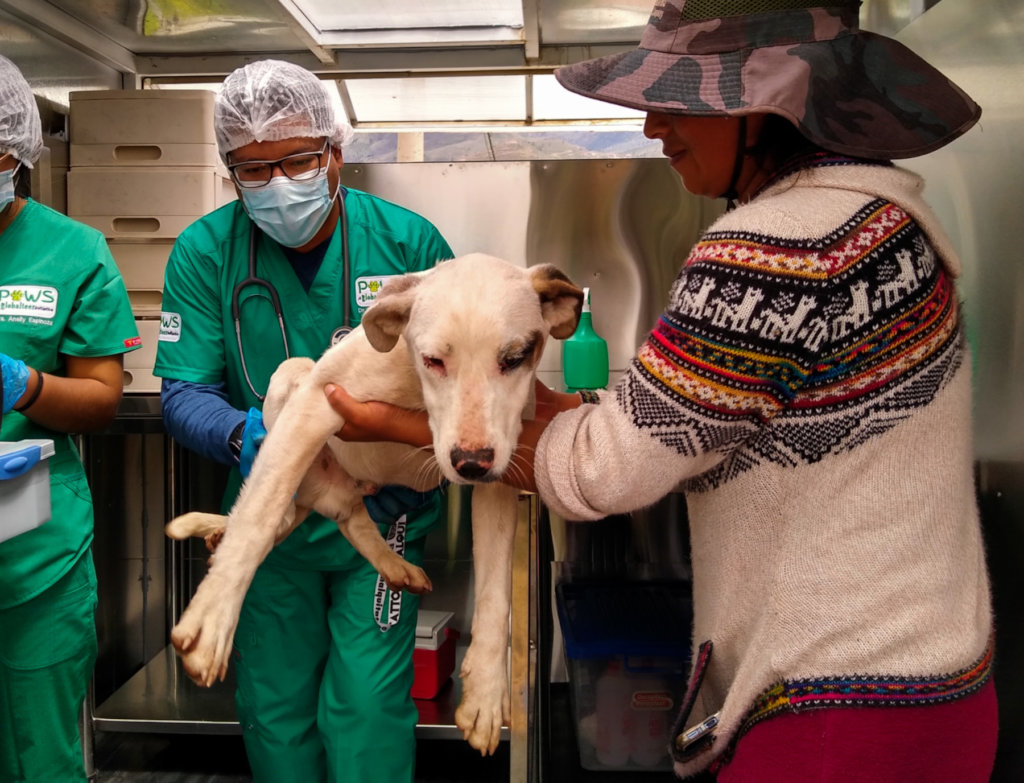
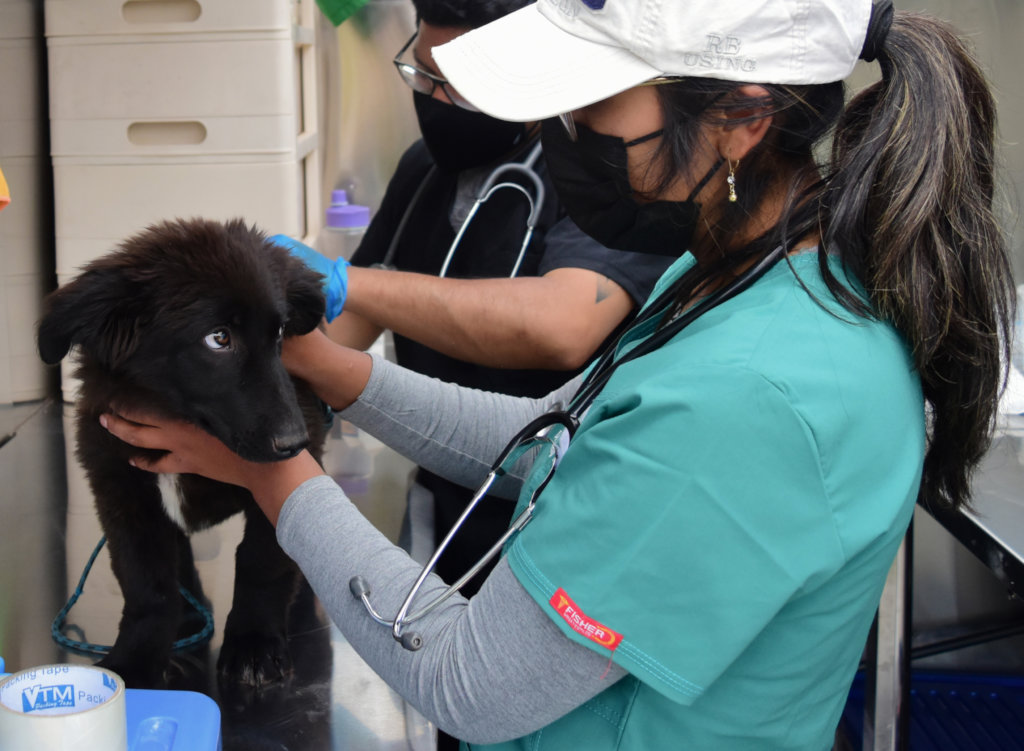
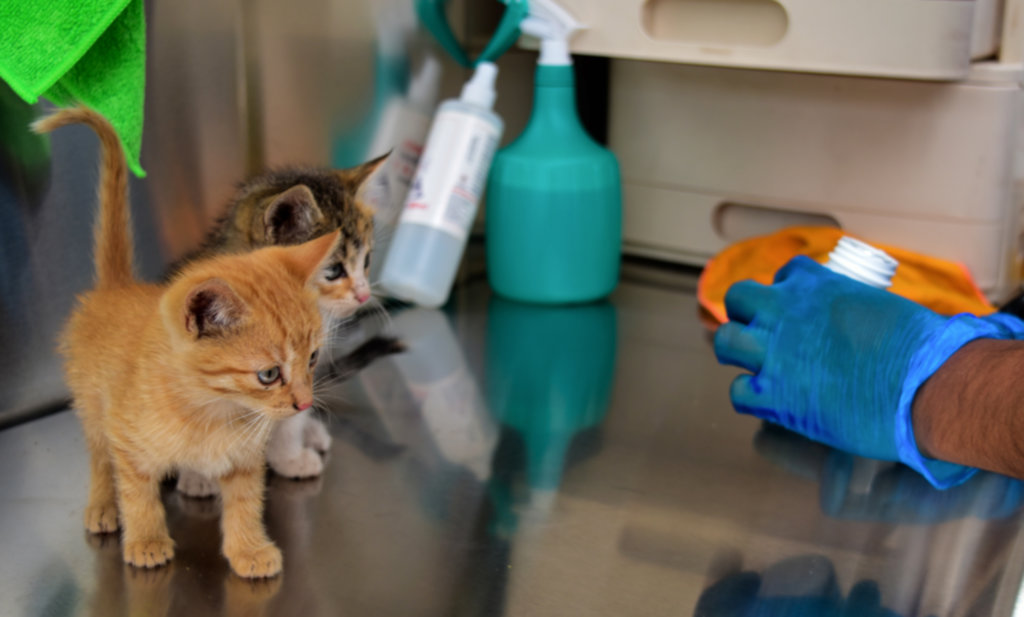
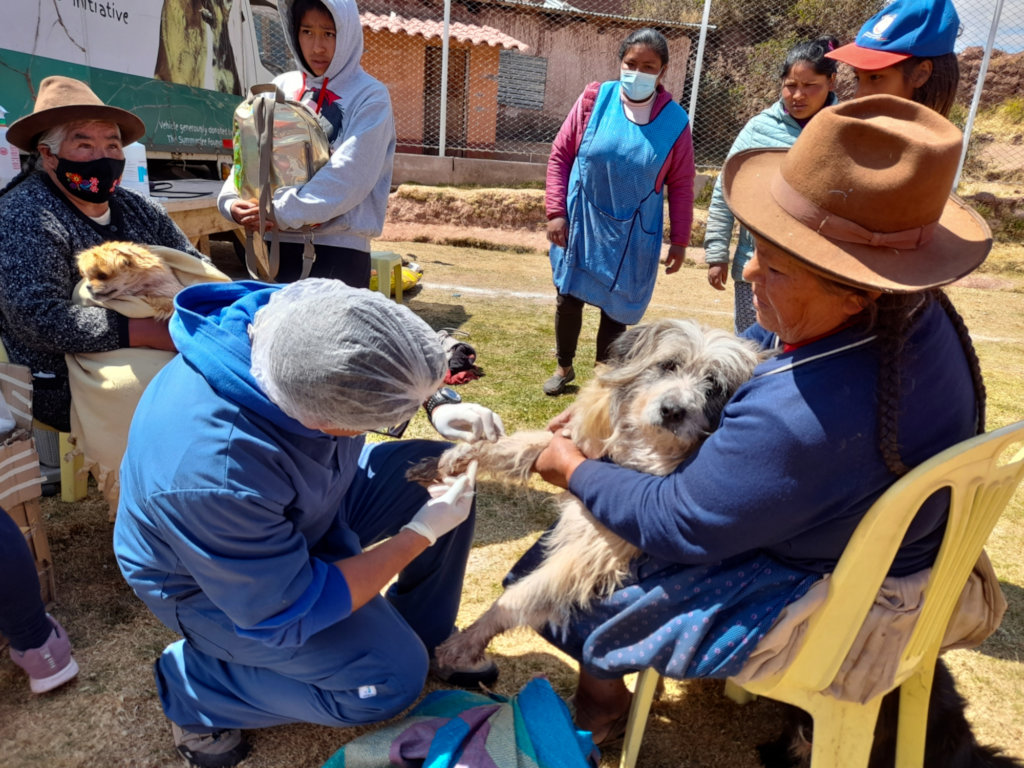
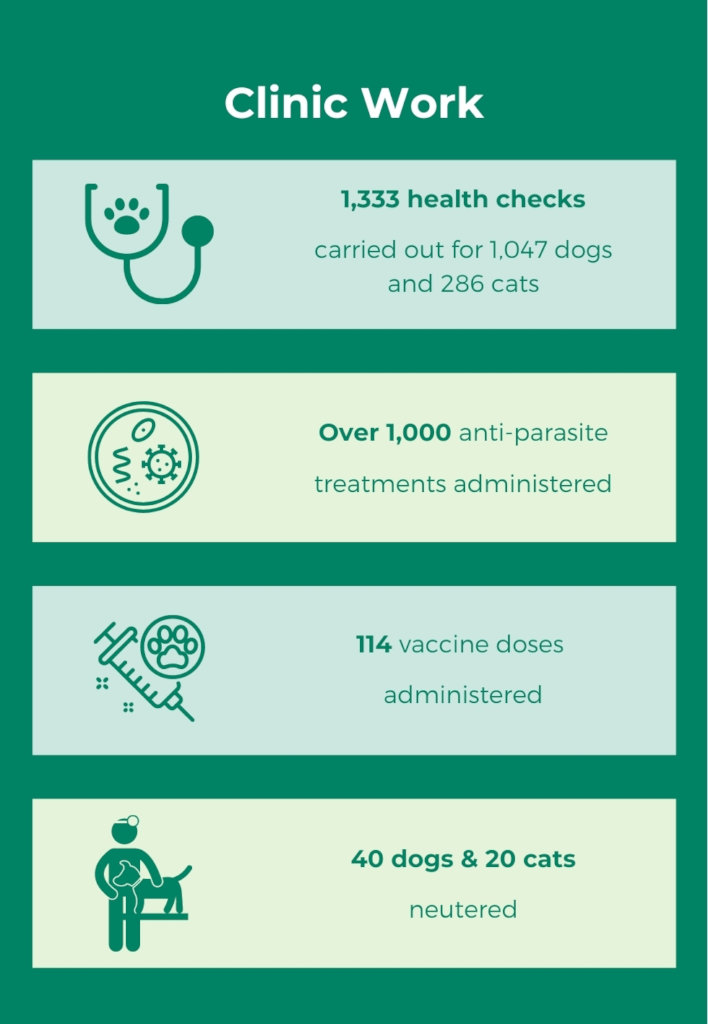
This was the second, three-month cycle for our PAWS Veterinary clinic, so we returned to all the villages we visited in the first quarter. The plan was to return to see the same animals as we saw in the first cycle, re-treat them for parasites and continue progress with neutering; as well as perhaps see a few animals we missed in the first cycle, but it wasn't as easy as we thought!
COMMUNITY SUPPORT
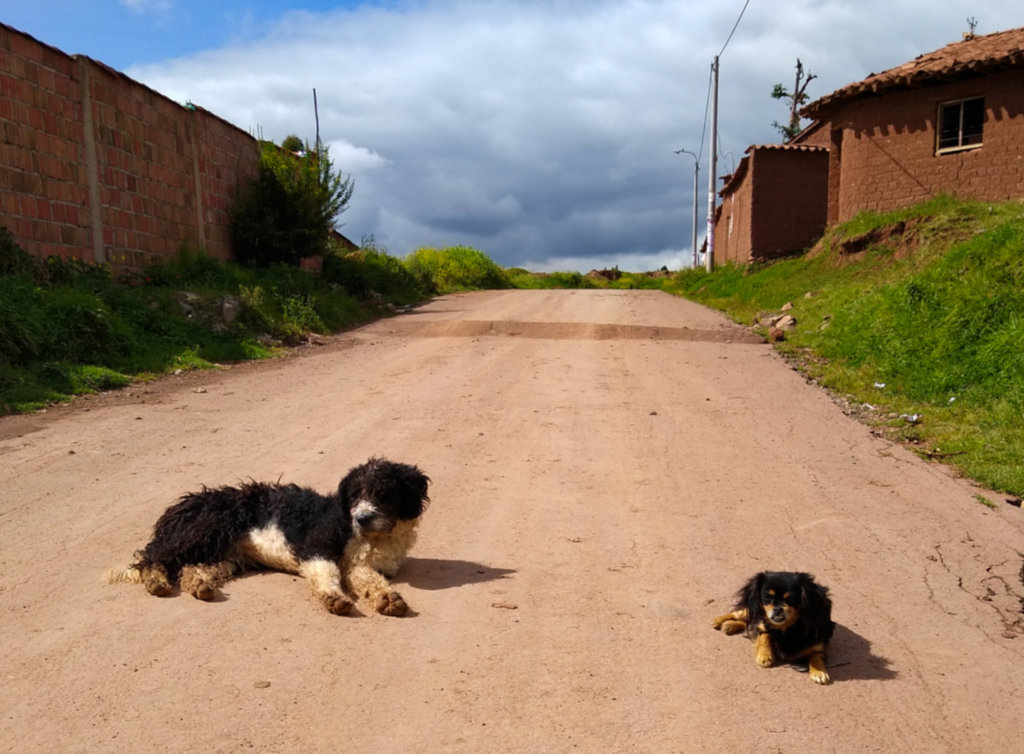
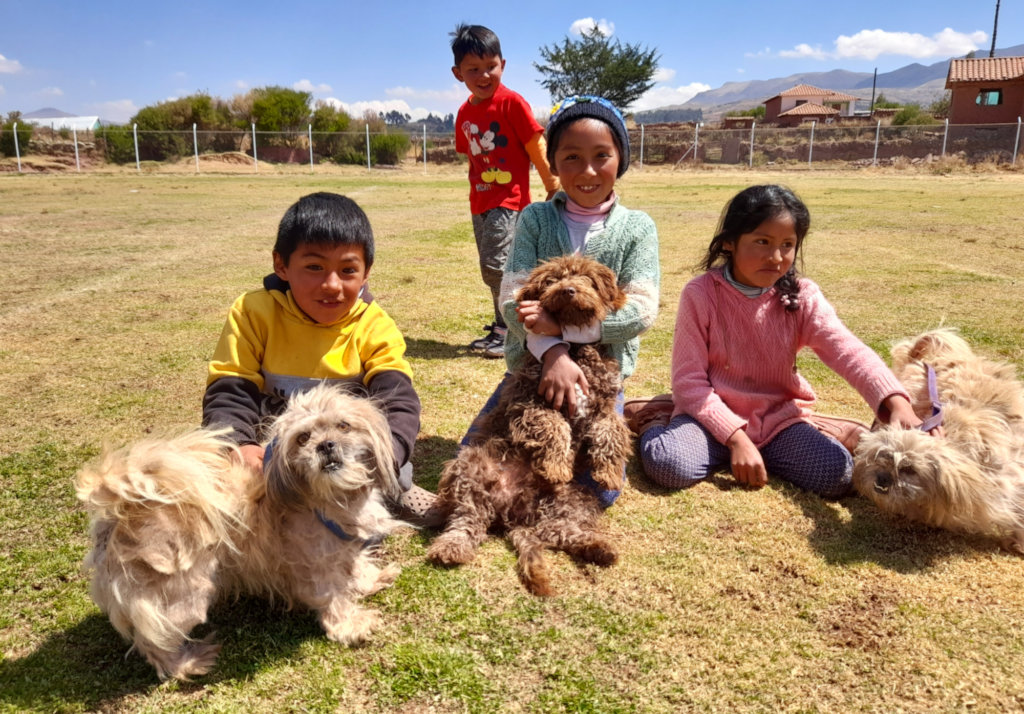
Our program continues to be very well received with people excited to get healthcare for their animals and many still interested in getting their animals neutered. The village councils in particular, continue to support our program whole-heartedly. For example, the leaders of one of our larger villages – Ccorao – have been incentivizing their community members to neuter their dogs with us: those that do, are given a free pass for a community work* day and those that don’t, have to do an extra community work day! This was not something that we asked the community leaders to do, or even had in mind as a possibility, but it does highlight how seriously many communities take our work.
* Periodically (every month or couple of weeks) residents of the villages participate in community work days – or “faenas” – tending to community crop-land, improving community infrastructure, and generally keeping the village tidy.
CHALLENGES
1) A slow down in neutering
We calculated that we could average 40 neutering surgeries per month, but we didn't quite achieve that rate this quarter. The main reason for this reduced rate is simply people not turning up, so we are working on reconfiguring our program in order to focus more on neutering and looking at ways to improve attendance at programmed surgeries. That said, we neutered 60 animals this quarter, bringing our total to 185 animals neutered in 6 months.
2) More new animals than expected
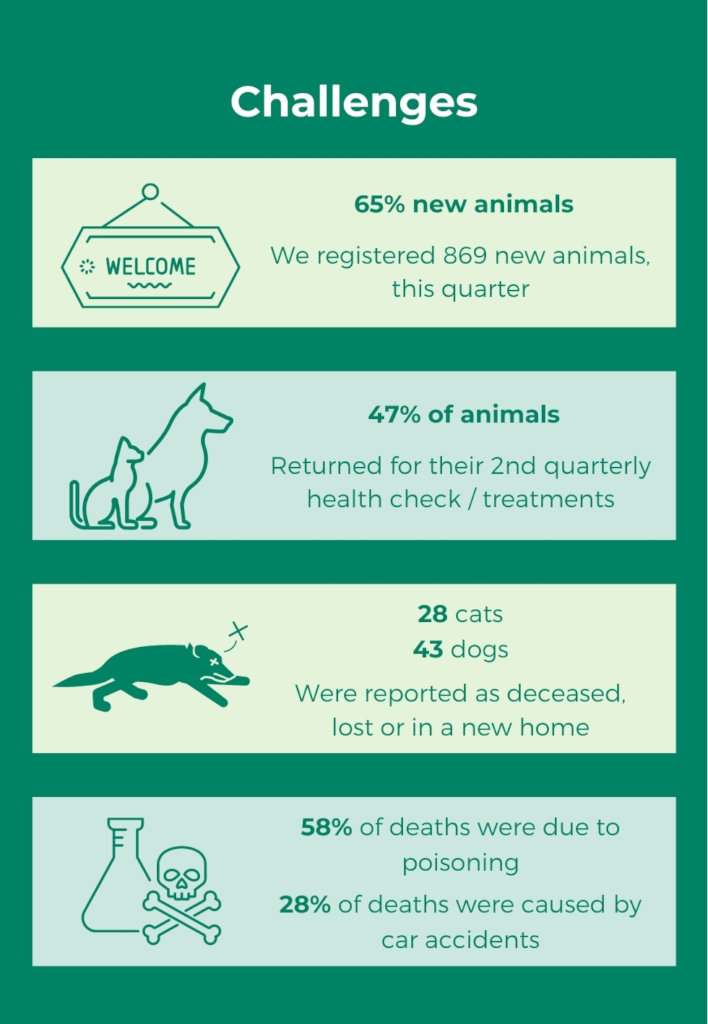
This was the first time returning to the villages for quarterly health checks. We were hoping to see as many of the animals from the first quarter as possible, but we found that only 47% of those animals came back for their second visit. We still carried out over 1,300 health checks though, registering 869 new animals.
3) Animals no longer with their owners
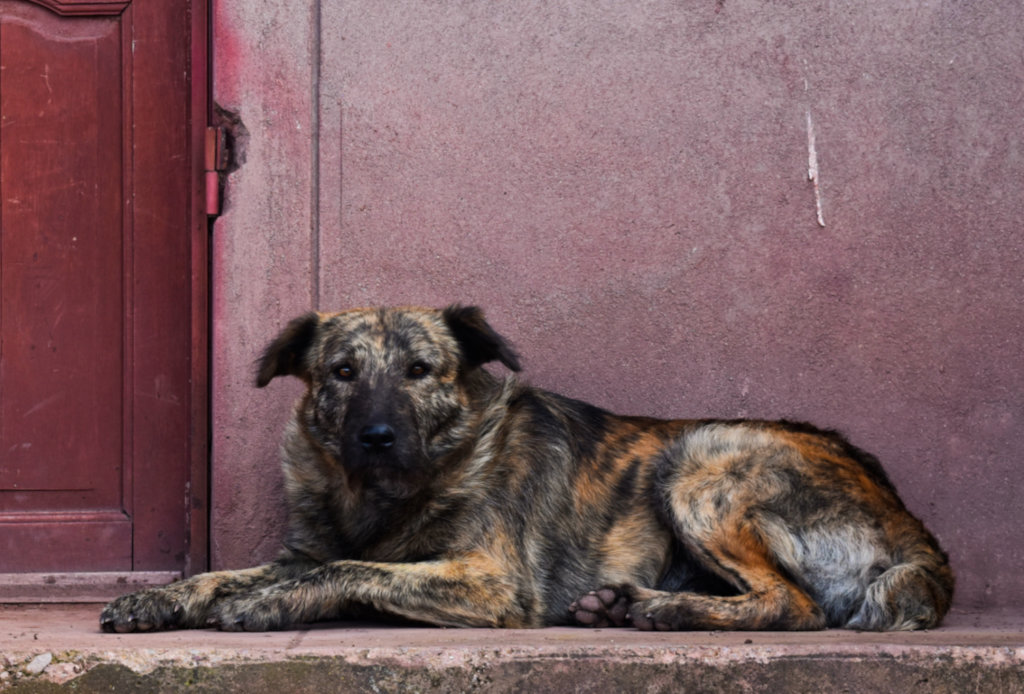
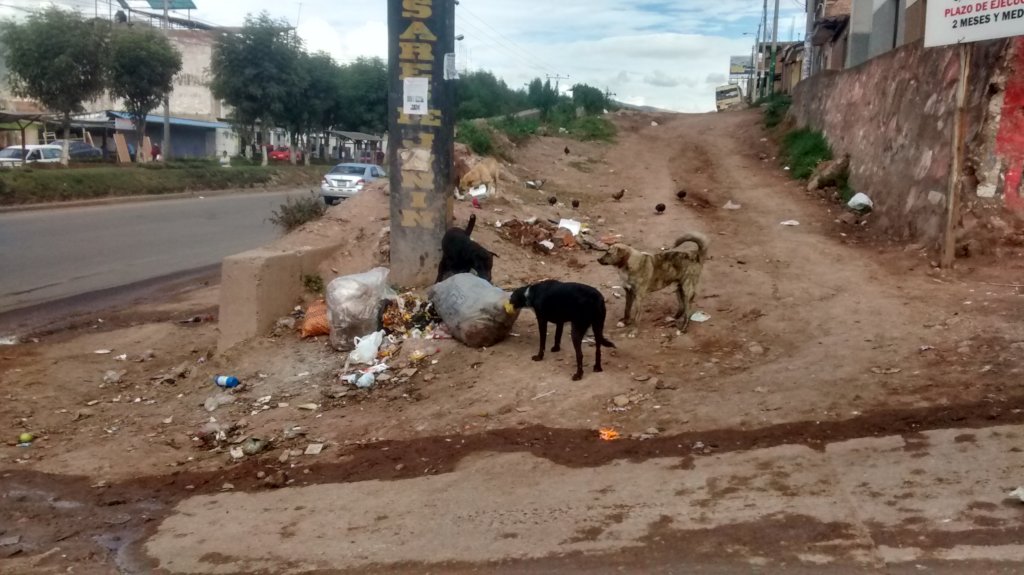
One of the reasons for animals not returning to the clinic is that they are no longer with the families. 71 animals (around 7% of the animals registered during Q1) were reported as deceased, lost, or moved to a different household. Of the 38 reported deaths, 58% were caused by poisoning and 28% by car accidents.
MOVING FORWARD
We have continued to learn a lot, from doing the work ittself and from a training course with The Dog's Trust, so we have a clear idea of what we need to do to continue increasing our impact. We plan to build on the great relationships we have formed with community leaders and use these, particularly to tackle human issues, such as poisoning. Our main goal in the medium term is to stabilise the dog and cat populations and neutering is the way that we will achieve this. However, neutering won’t work on its own: it needs to be accompanied by a change in people’s attitudes and behaviour. And that’s why the next quarter will be focused on designing a more comprehensive education programme, to make sure our project has the biggest impact possible!
Giving Tuesday is coming up on November 30th and this year, GlobalGiving is offering a $1 million incentive fund. Please share our project with anyone you think might be able to support us on that day, to help us receive a bigger share of the incentive fund!
Thanks for your continued support!
Links:
Project reports on GlobalGiving are posted directly to globalgiving.org by Project Leaders as they are completed, generally every 3-4 months. To protect the integrity of these documents, GlobalGiving does not alter them; therefore you may find some language or formatting issues.
If you donate to this project or have donated to this project, you can receive an email when this project posts a report. You can also subscribe for reports without donating.



Support this important cause by creating a personalized fundraising page.
Start a Fundraiser