By Jenny Byrne | Fundraising & Communications Officer
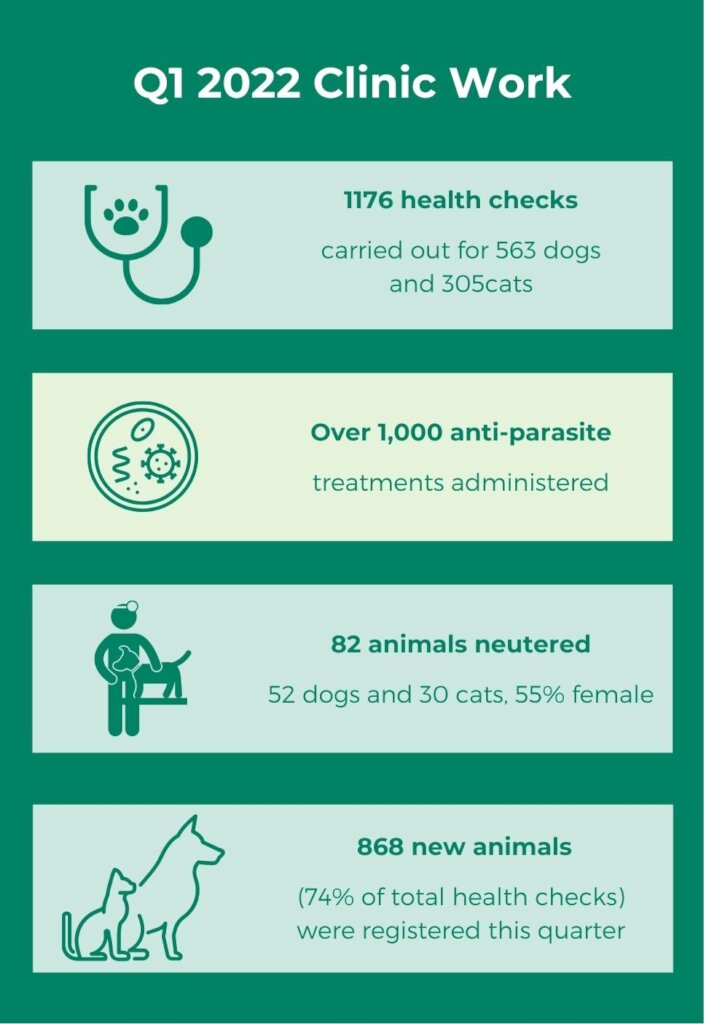
2022 First Quarter in Numbers
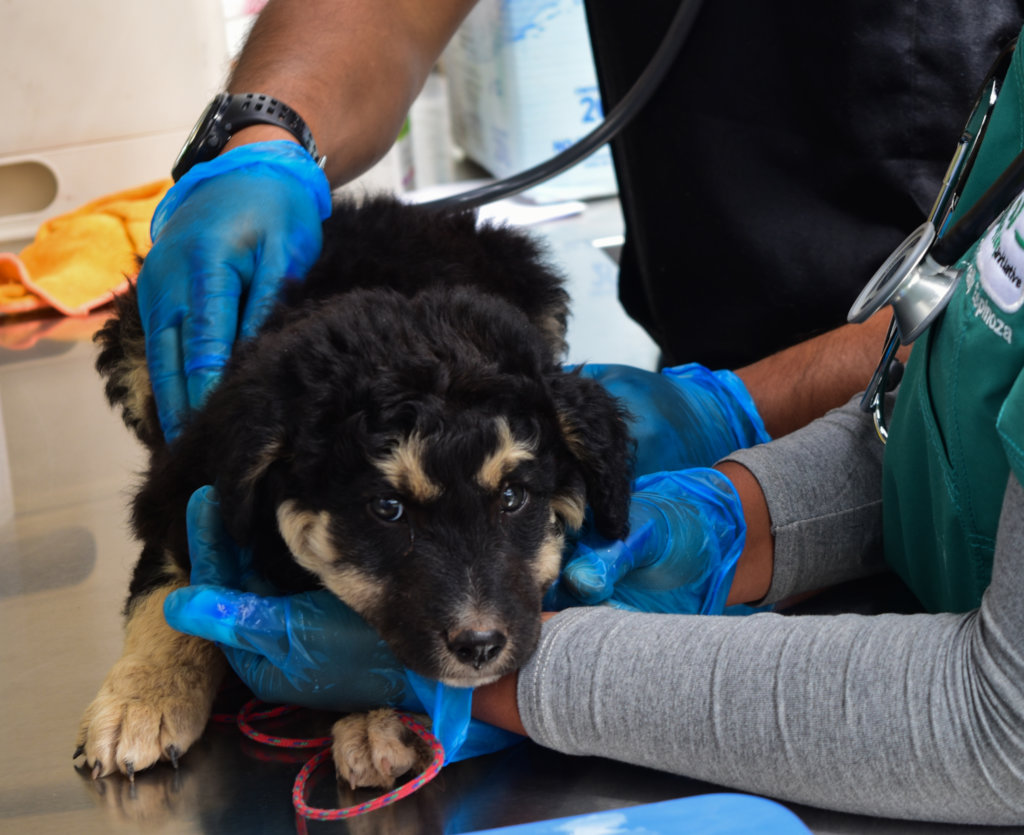
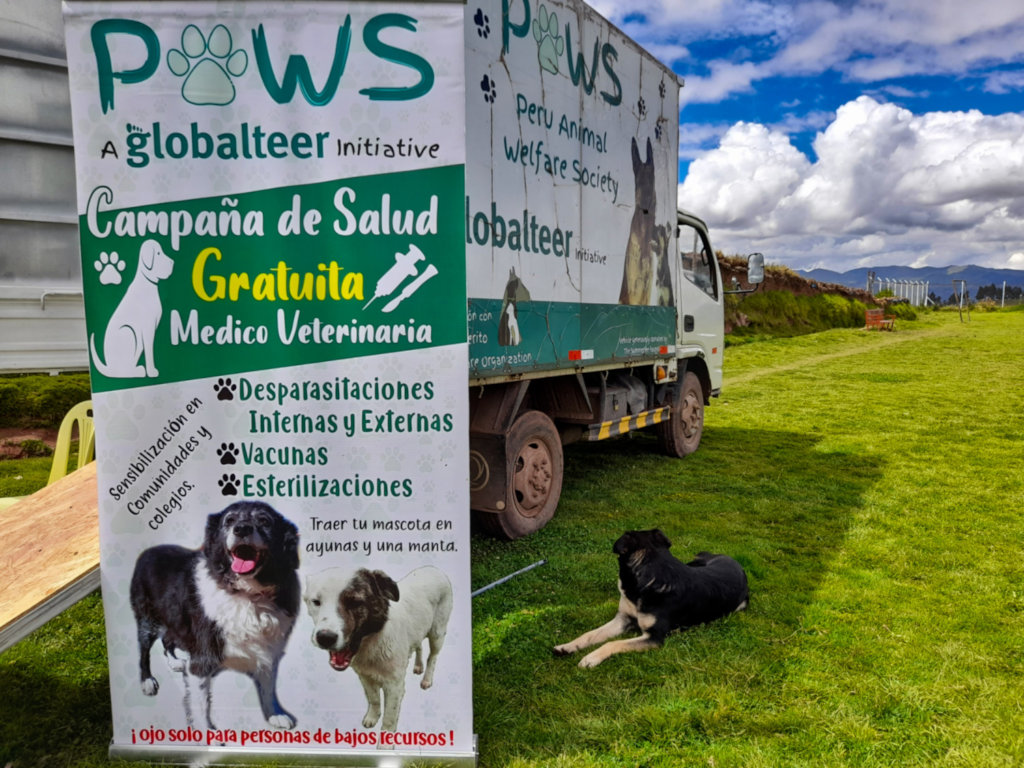
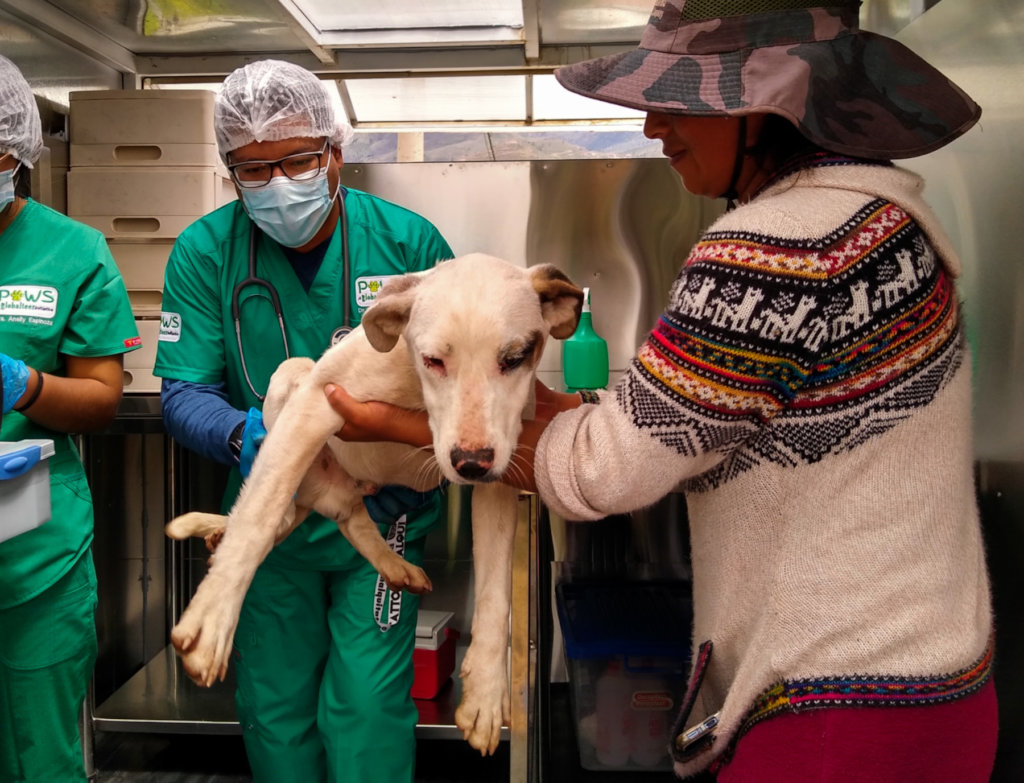
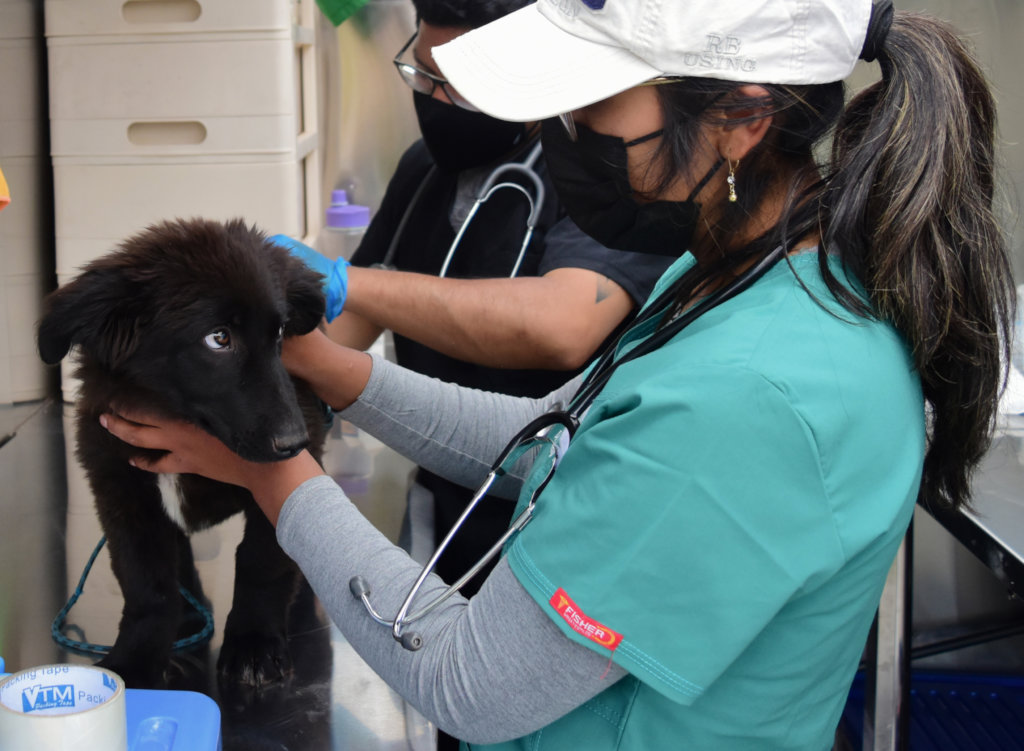
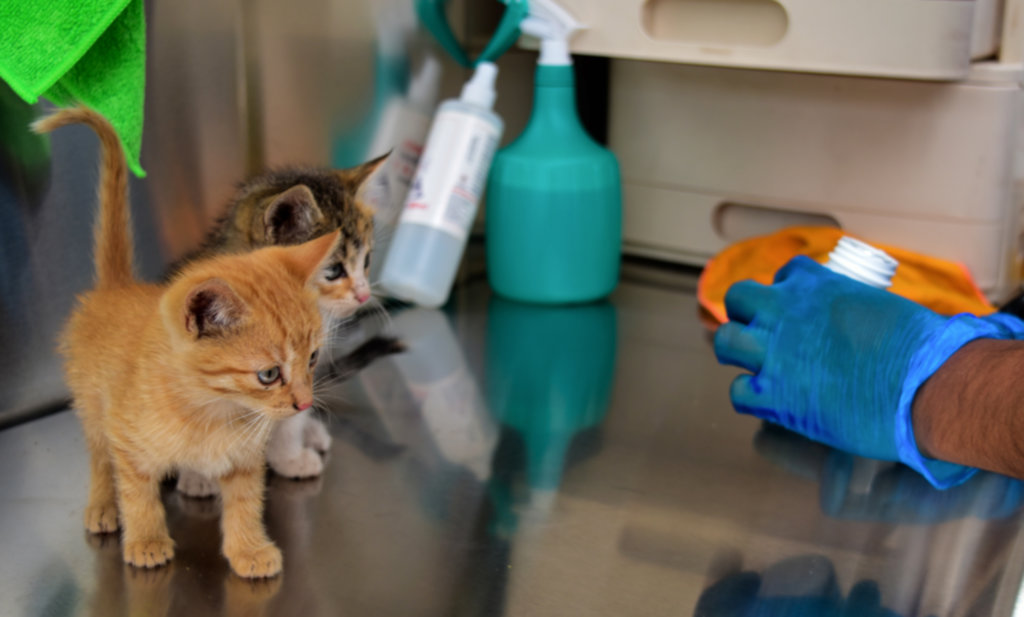
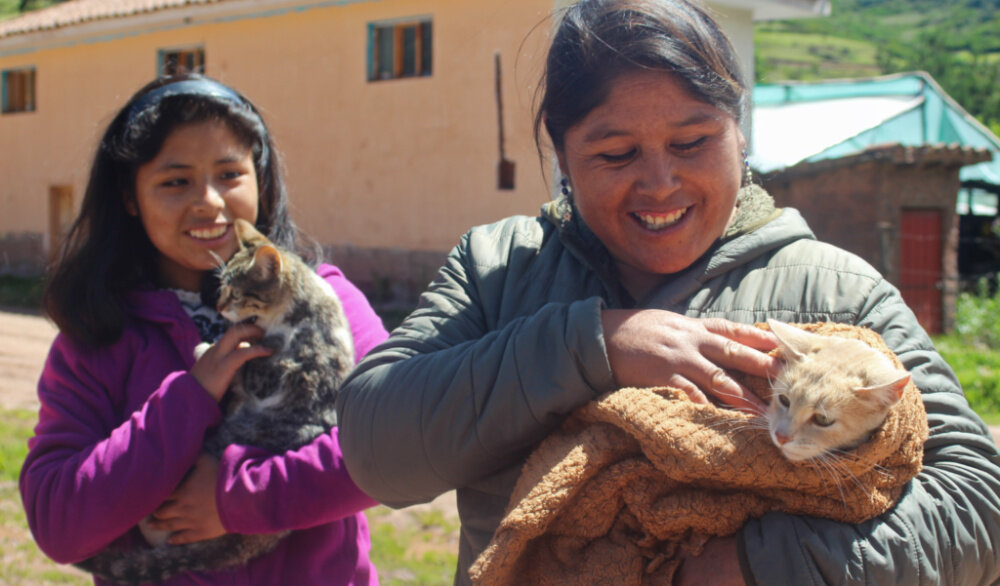
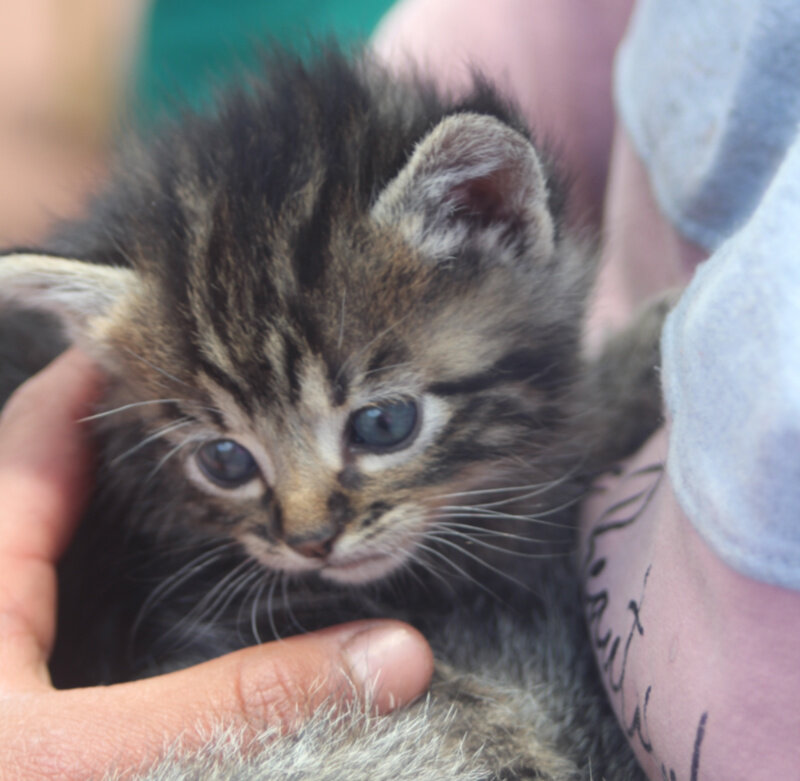
This cycle, we visited 7 new villages and 3 new dog shelters, as well as re-visiting 10 of the villages from last year. Only 26% of the health checks were for returning animals. More people seem to be willing to castrate male animals now, as 45% of the animals neutered this quarter were male. 30% of this quarter's health checks were carried out on cats, which is an increase on average of just over 21% in the last two quarters of 2021.
The Human Factor
One of the issues our team noticed this quarter is that quarterly visits are perhaps too frequent, as people feel they don’t have time to bring their animals every three months. Therefore, visits will be spaced out a little further from now on, and additional communities have been added to the schedule to fill in the gaps.
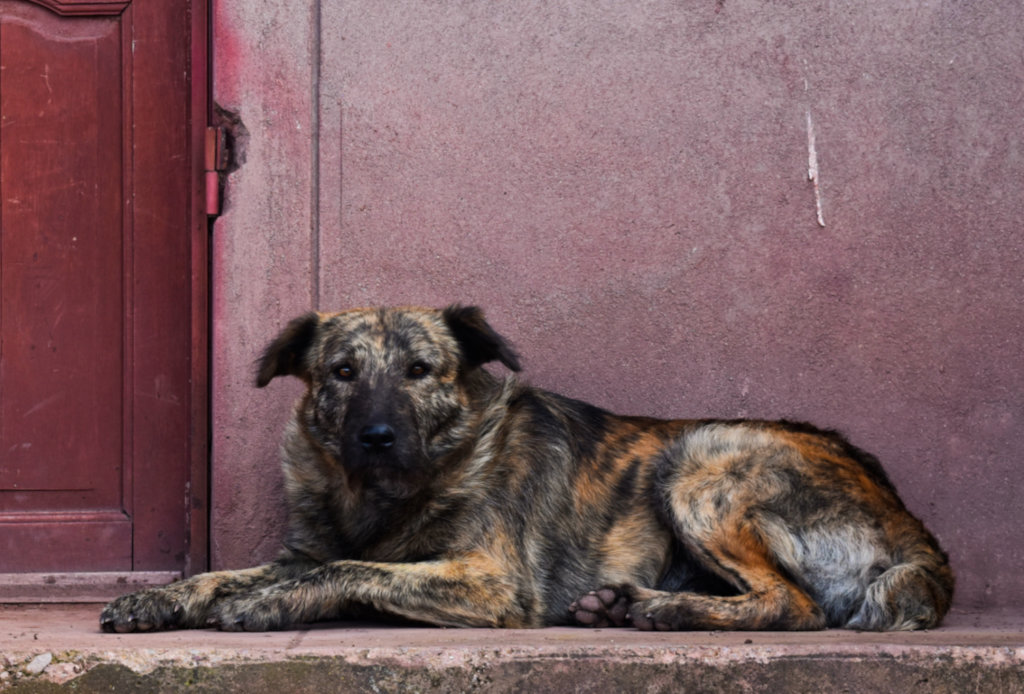
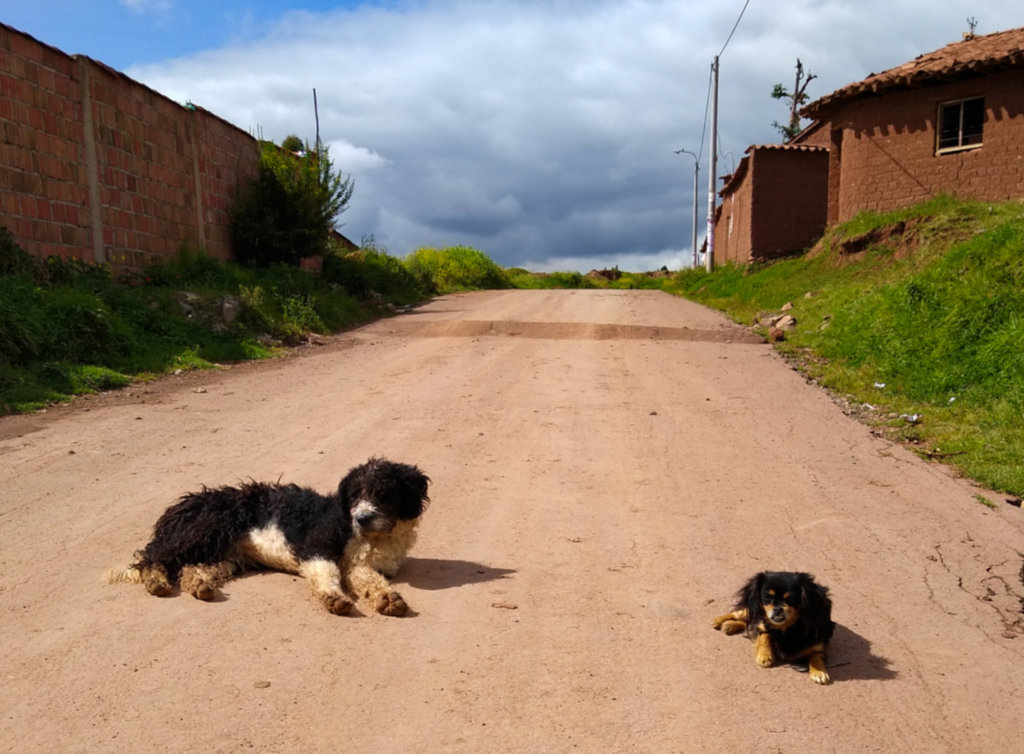
As we expanded our reach, we came across more villages where there are no dogs at all. This is a result of communities taking the dog population problem into their own hands, in the form of culling. We are helping these communities with their cats, to ensure the same thing doesn’t happen with the cat population! We are also teaching them about animal welfare and protection laws and show them that there are other, more humane ways to manage animal populations.
The good news is that we are starting to see many more communities gain awareness about better ways to live with animals and treat them better. An appreciation of animals and their needs helps us all to become better humans.
Working Together for Greater Impact
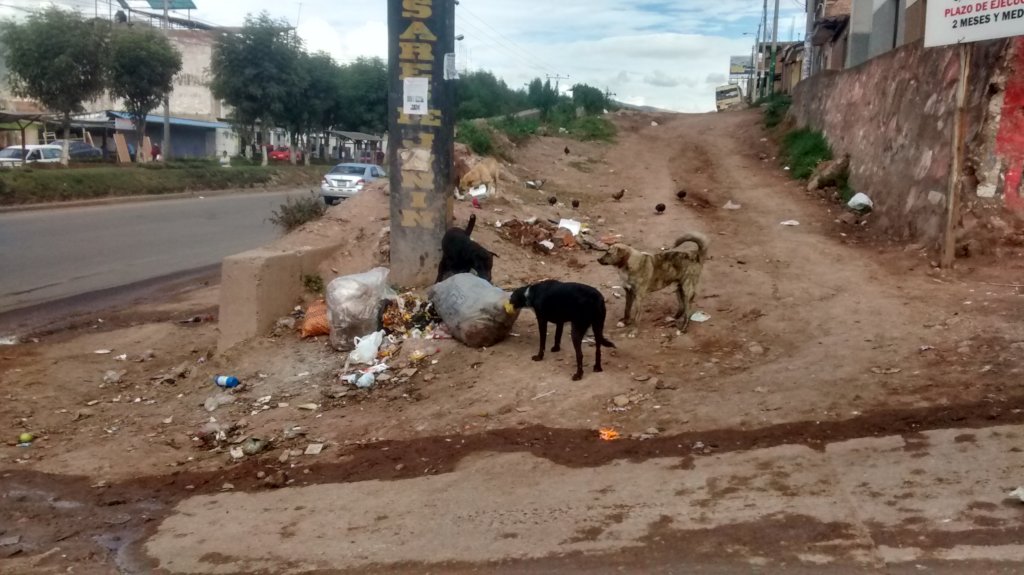
The problem of roaming animals in the Cusco region is a huge one, and our work tackles just part of it. The new year has seen new connections for PAWS, as we have started talking to and working with other animal welfare organisations around the city. This includes Asociasión de Animalistas Cusco (AAC), a group that supports animal shelters, runs neutering campaigns and helps rehome homeless animals. They have helped us find the dog trainer we are working with, as well as connecting us with three animal shelters that need our help.
Promoting Human Behaviour Change
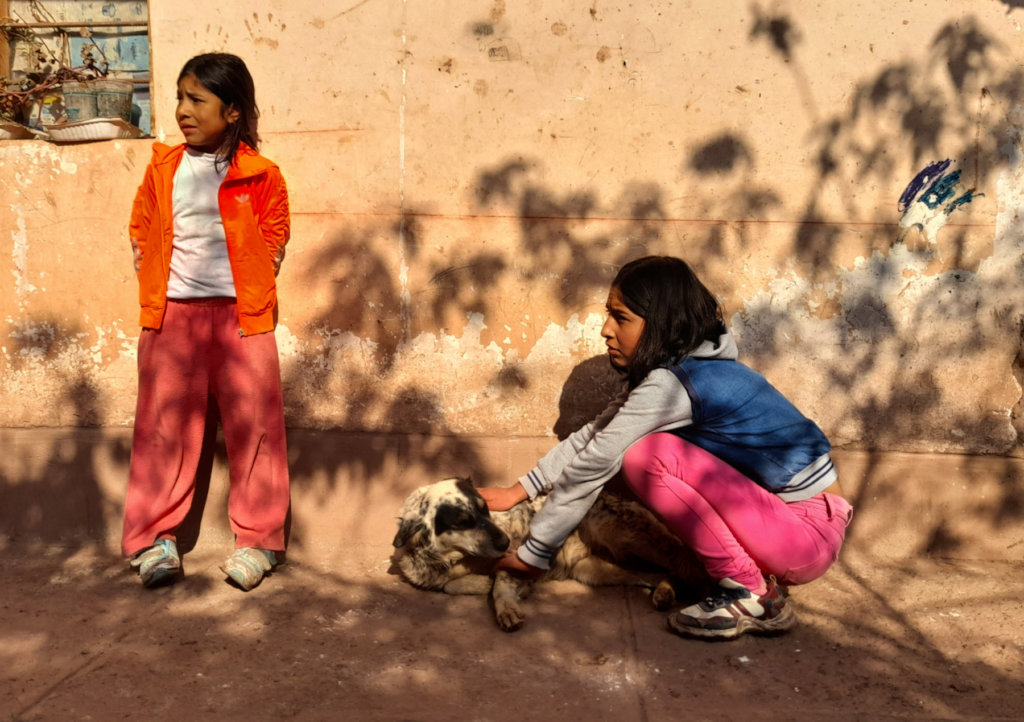
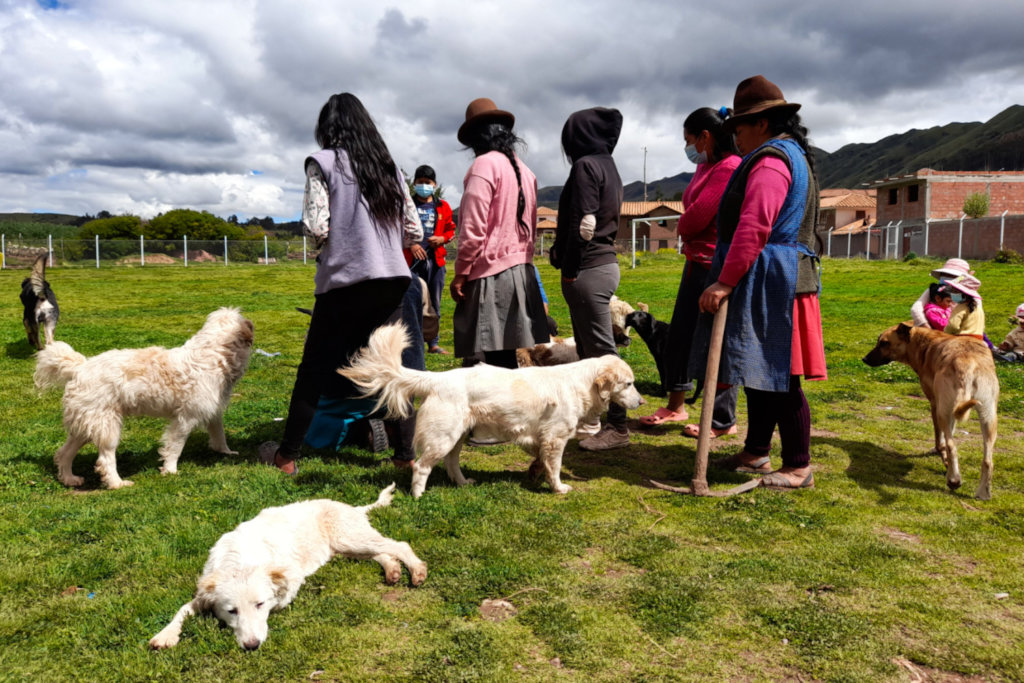
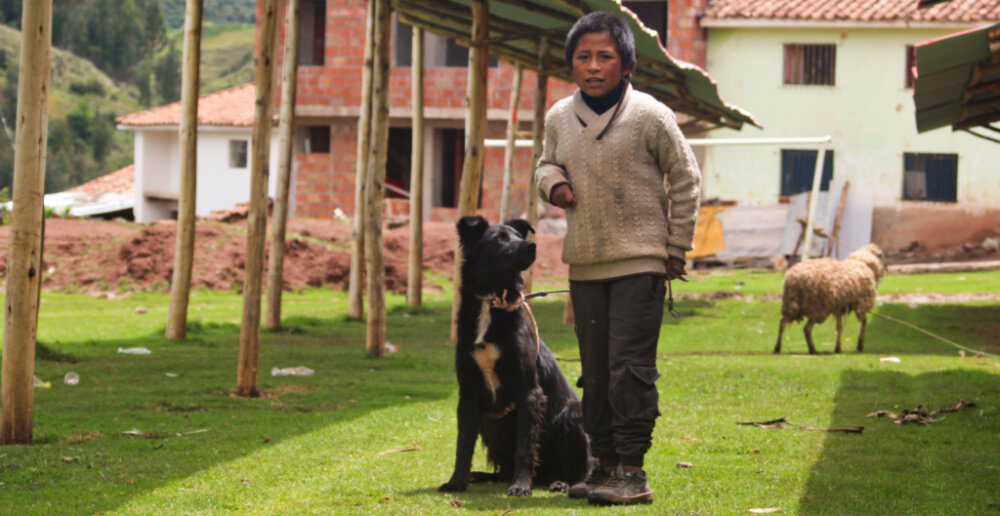
One of the big changes for this quarter is the start of the new education programme. The dog training sessions take place every week in Quillahuata with a small group of owners and their dogs. They are led by a professional dog trainer, supported by our assistant vet and current intern. The aim is to help owners see what their dogs can do and learn about animal welfare issues, such as keeping their dogs on leads as they walk around the village. It’s mostly children who come to the sessions as they are usually in charge of animal care and have more free time. We’ve had three children coming consistently with their dogs, with others dipping in and out.
We have also been working with AAC and community leaders, to start creating signage for the villages, promoting awareness of animal welfare laws. We have also distributed poisoning treatment kits in the community of Quillahuata, where we have seen the highest incidence of poisoning.
The first quarter has been a great start to the programme and we're excited to see what the rest of the year will bring! Please join us on our journey through 2022, following our progress, sharing our project, and donating whatever you can!
Thank you for your support!
Links:
Project reports on GlobalGiving are posted directly to globalgiving.org by Project Leaders as they are completed, generally every 3-4 months. To protect the integrity of these documents, GlobalGiving does not alter them; therefore you may find some language or formatting issues.
If you donate to this project or have donated to this project, you can receive an email when this project posts a report. You can also subscribe for reports without donating.



Support this important cause by creating a personalized fundraising page.
Start a Fundraiser