By Jim Elliott | Project Leader
Neutering & Healthcare
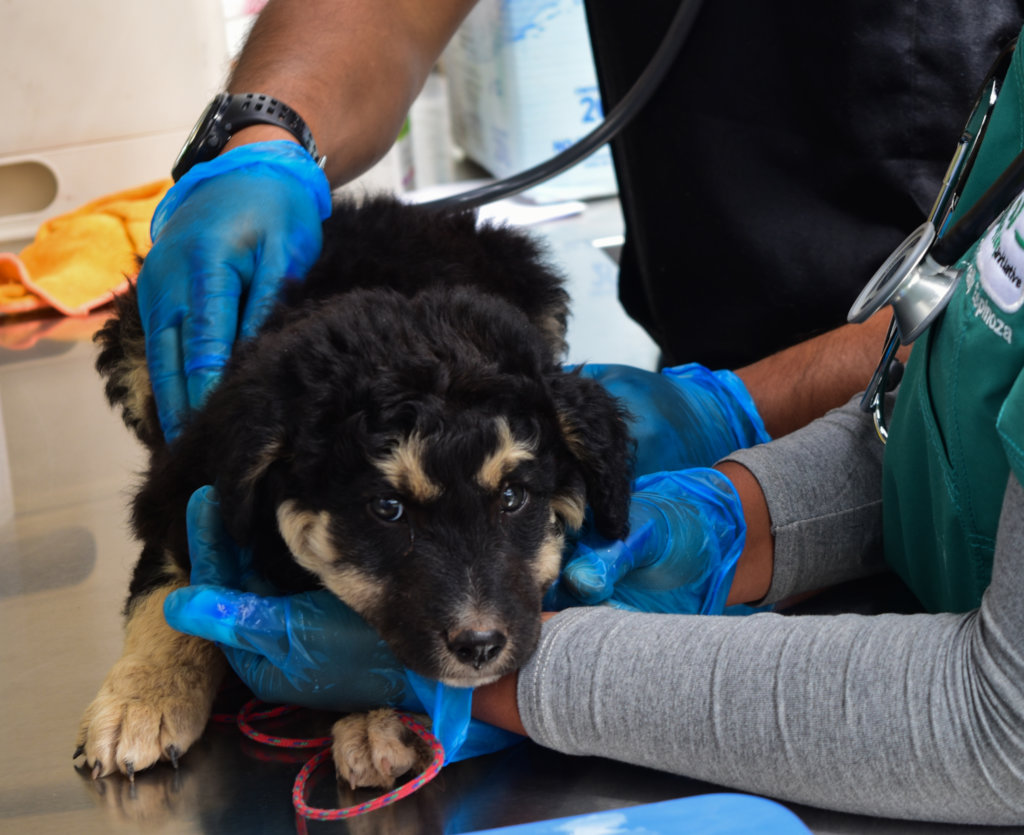
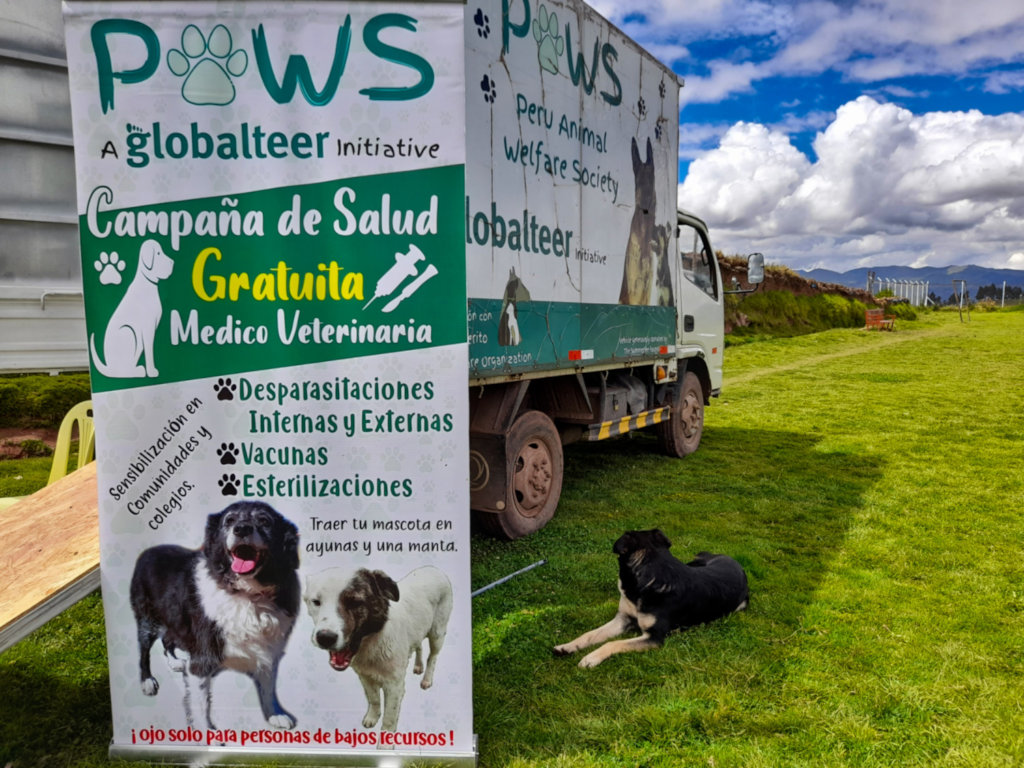
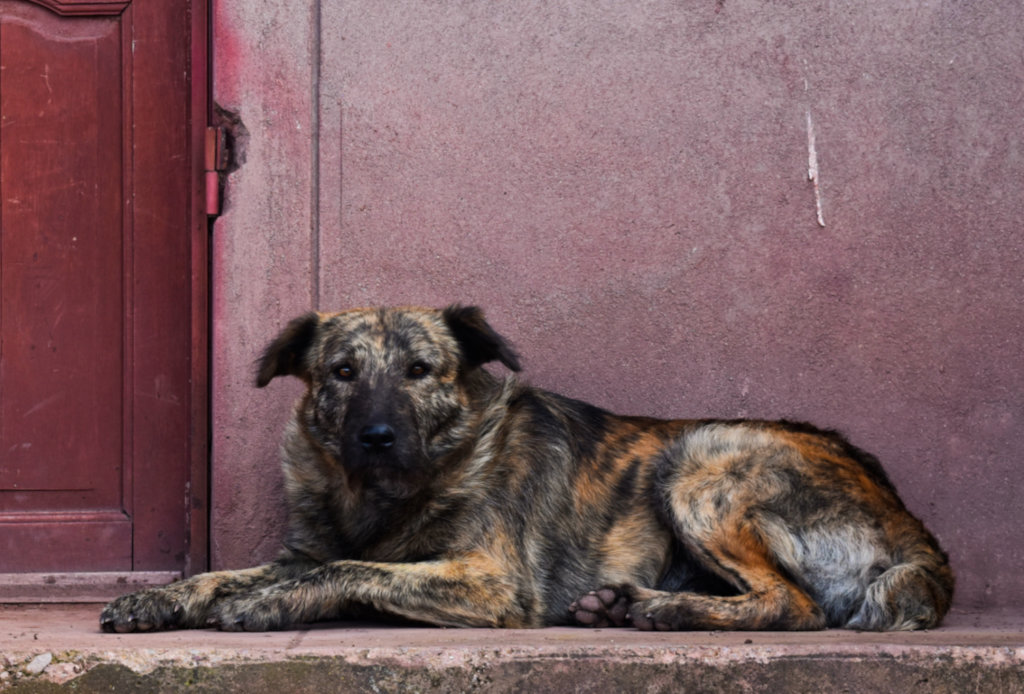
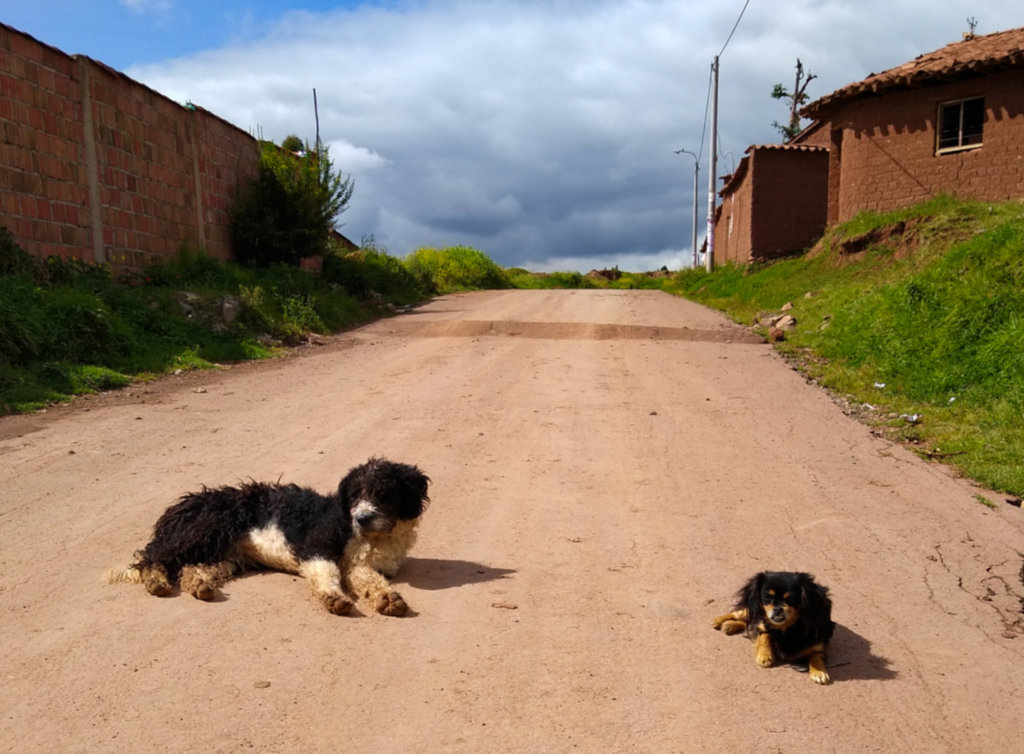
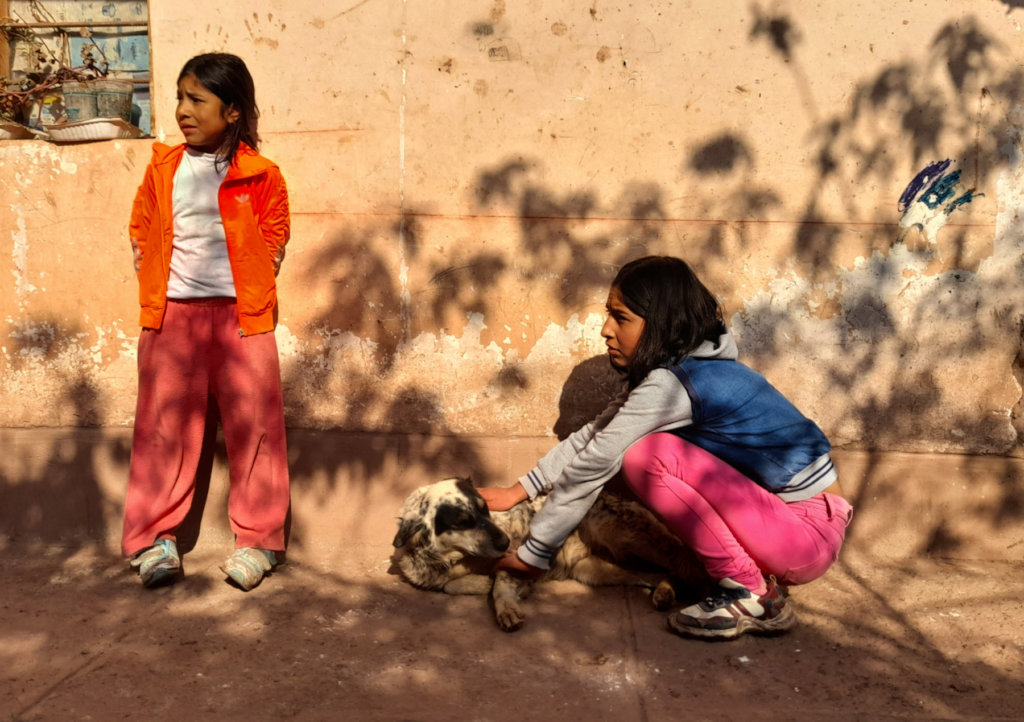
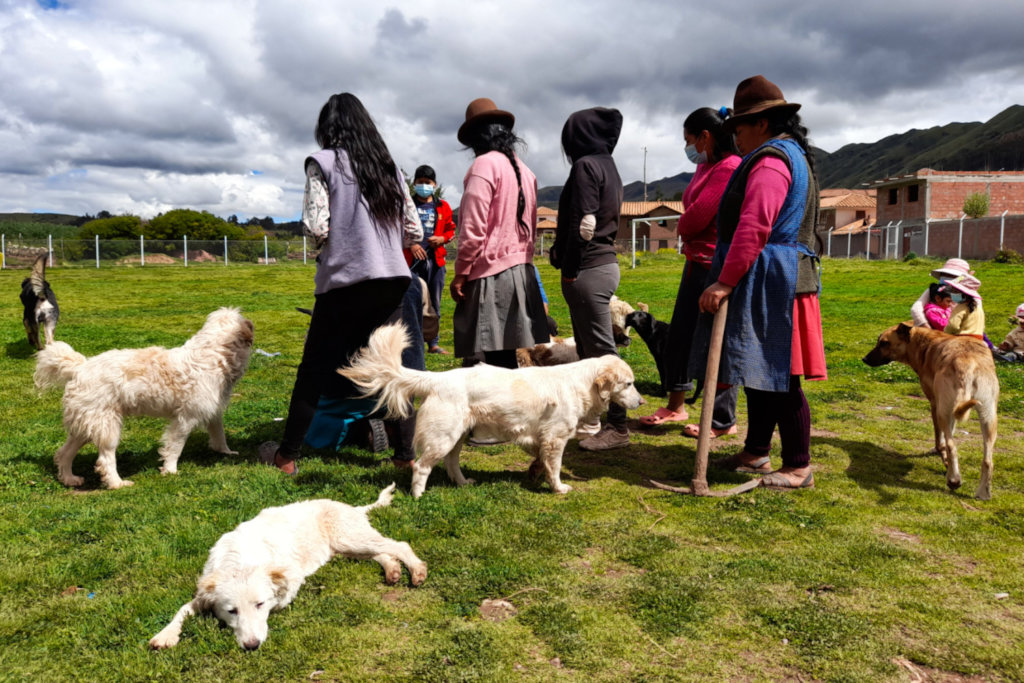
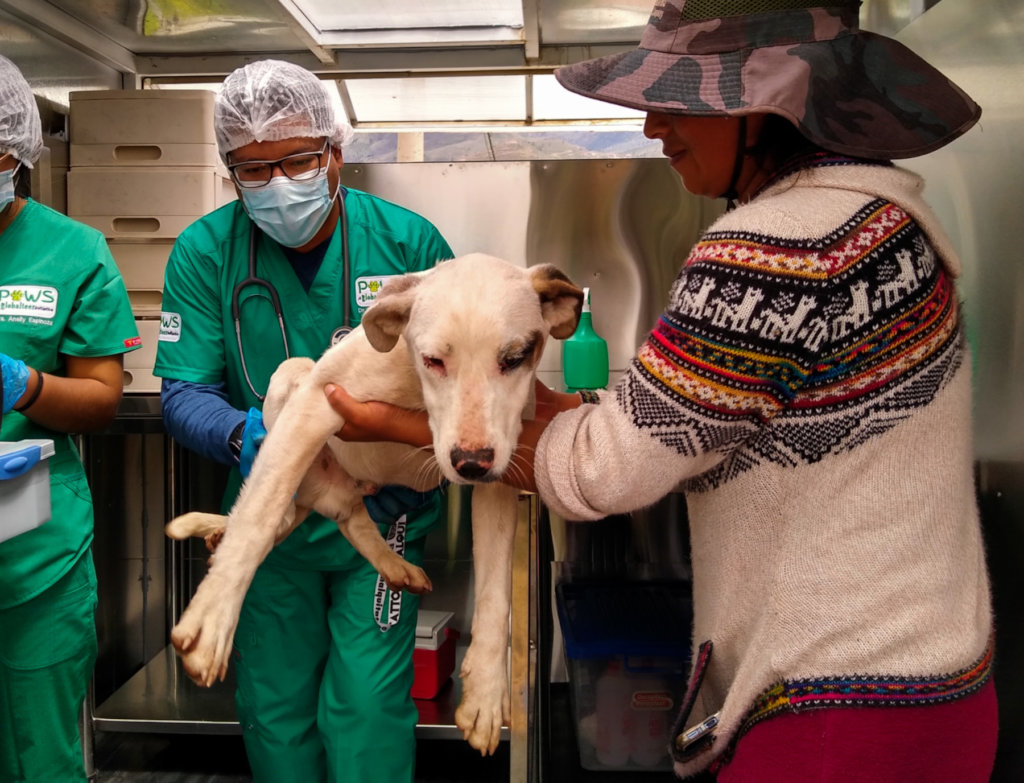
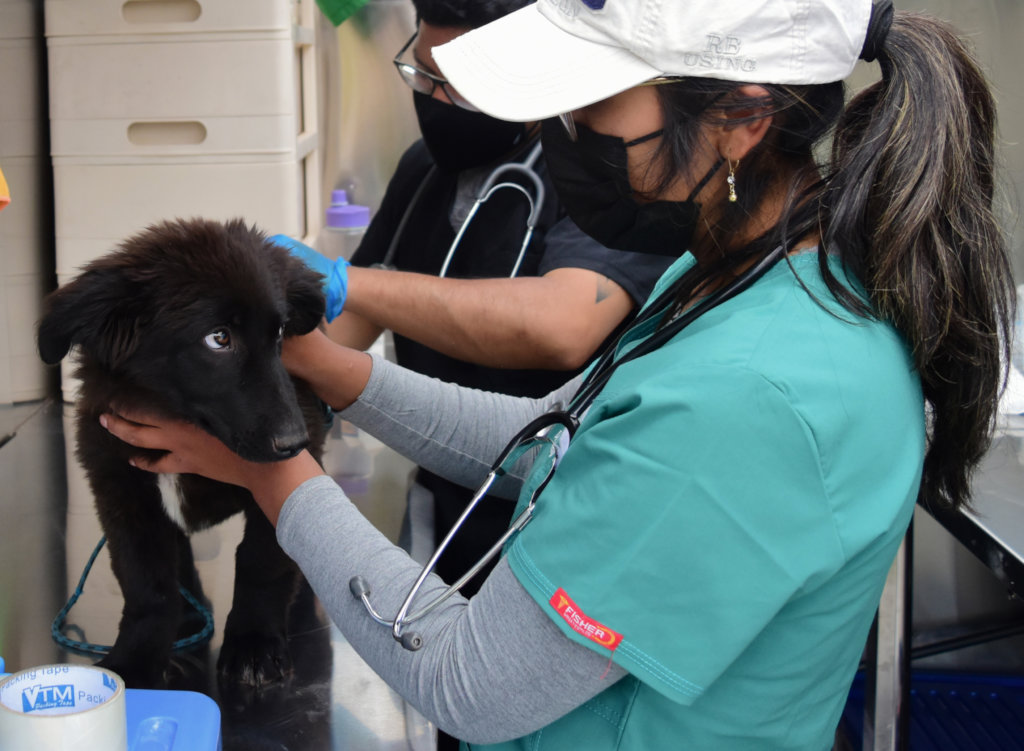
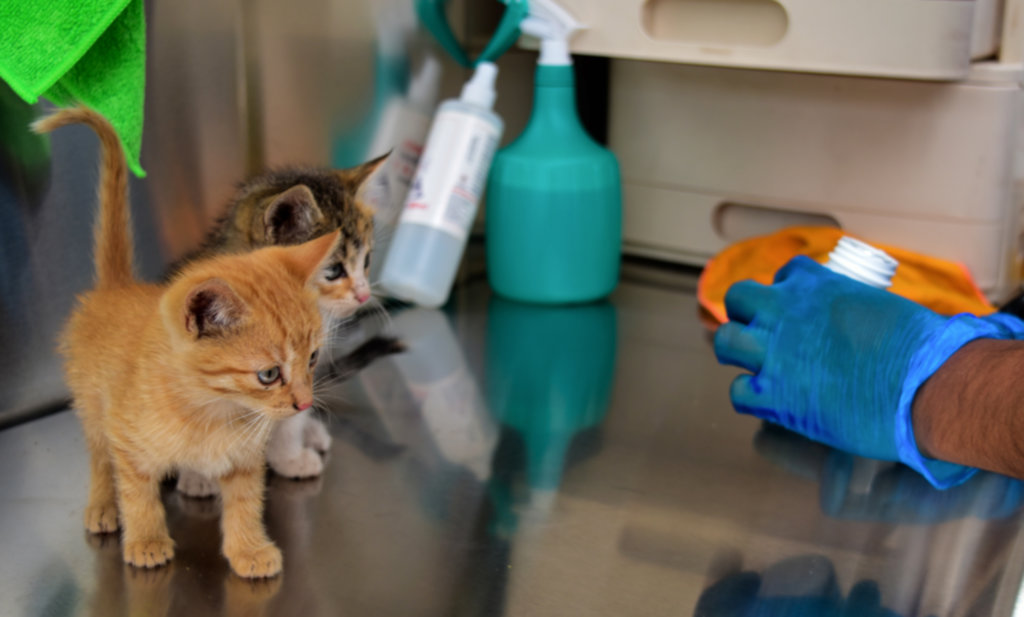
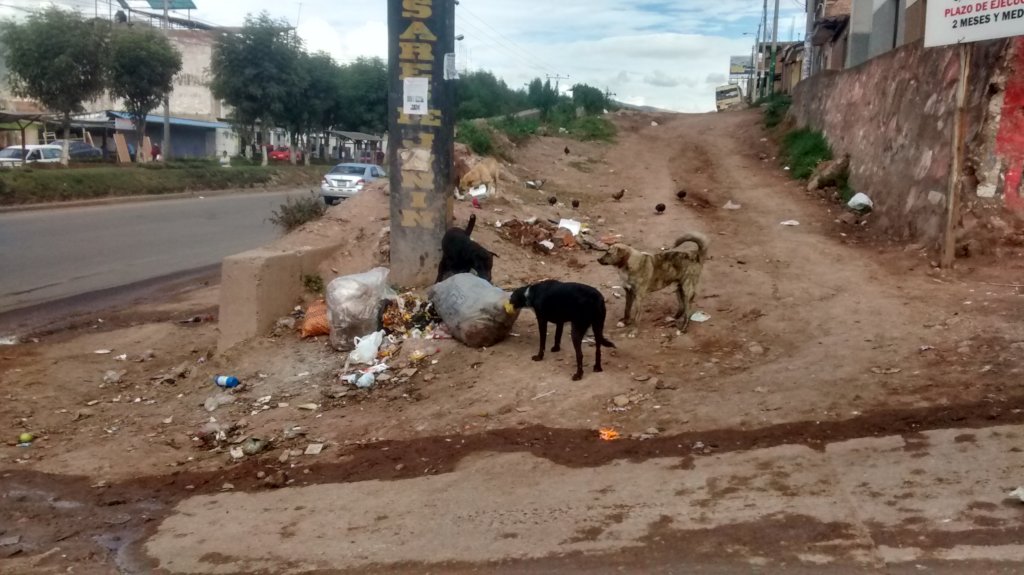
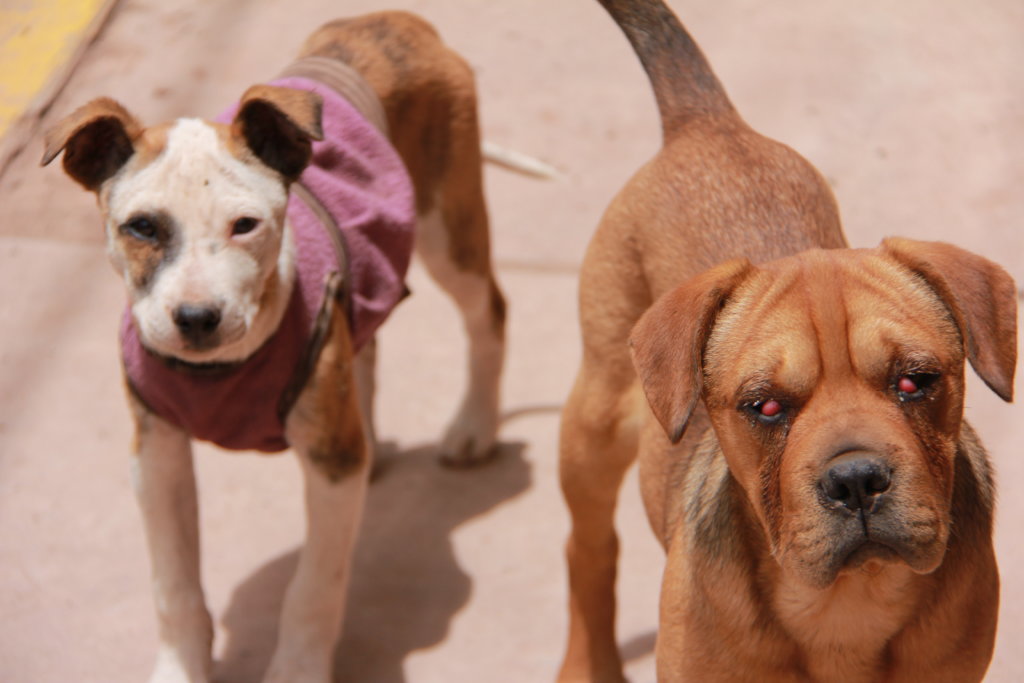
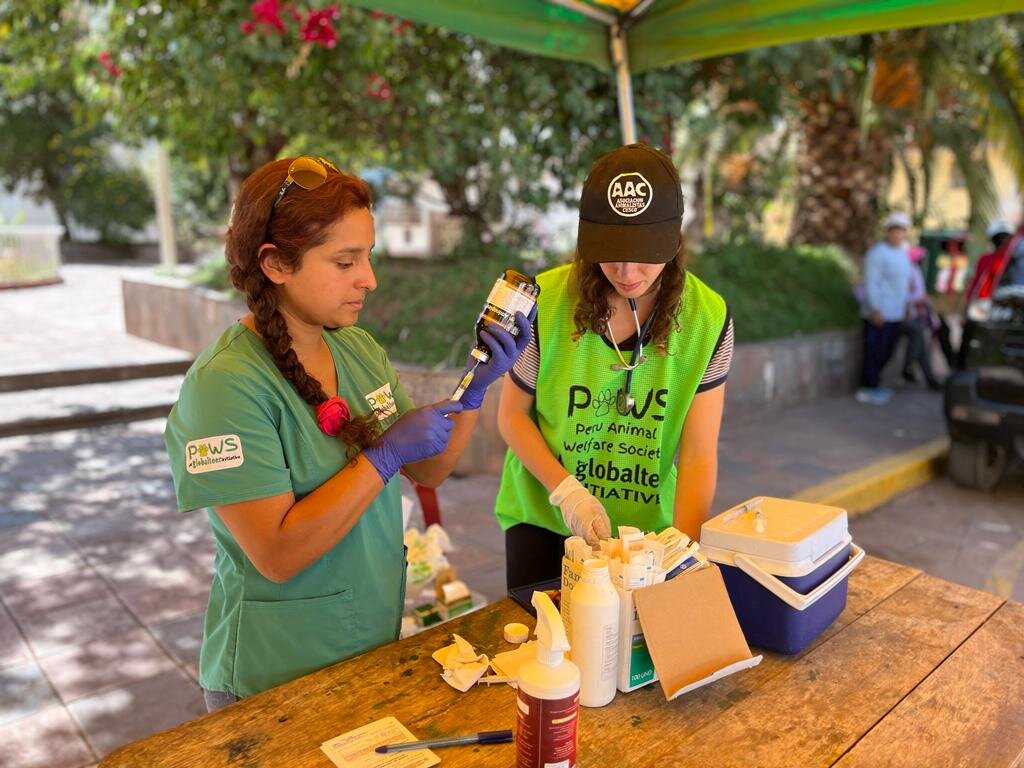
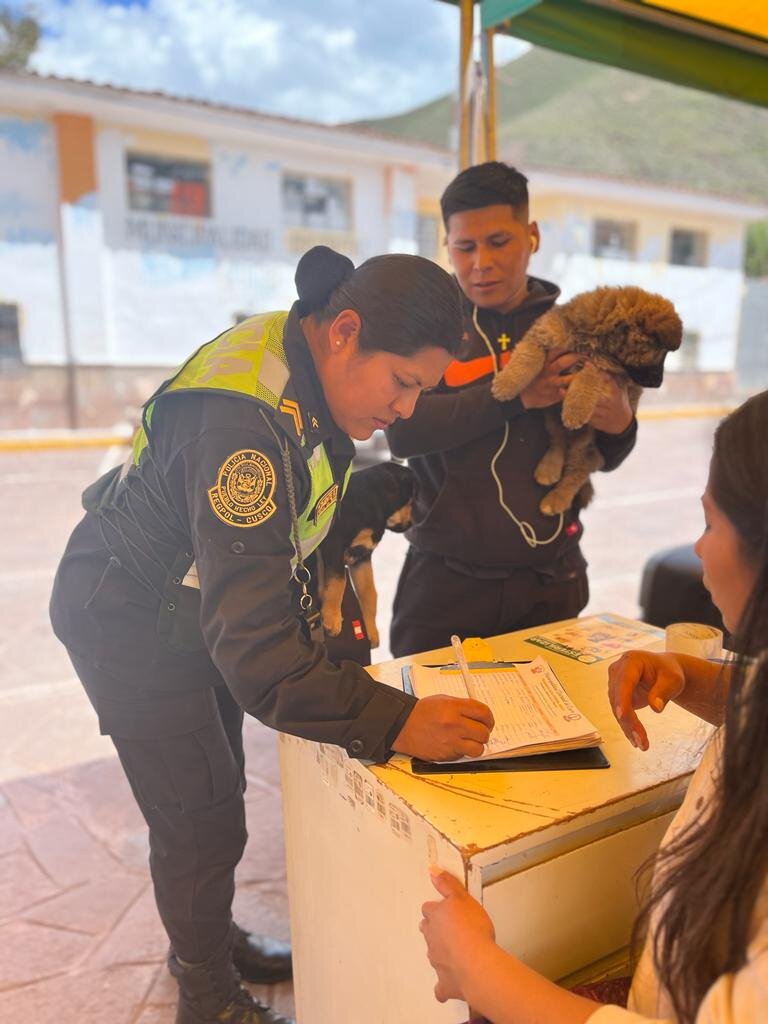
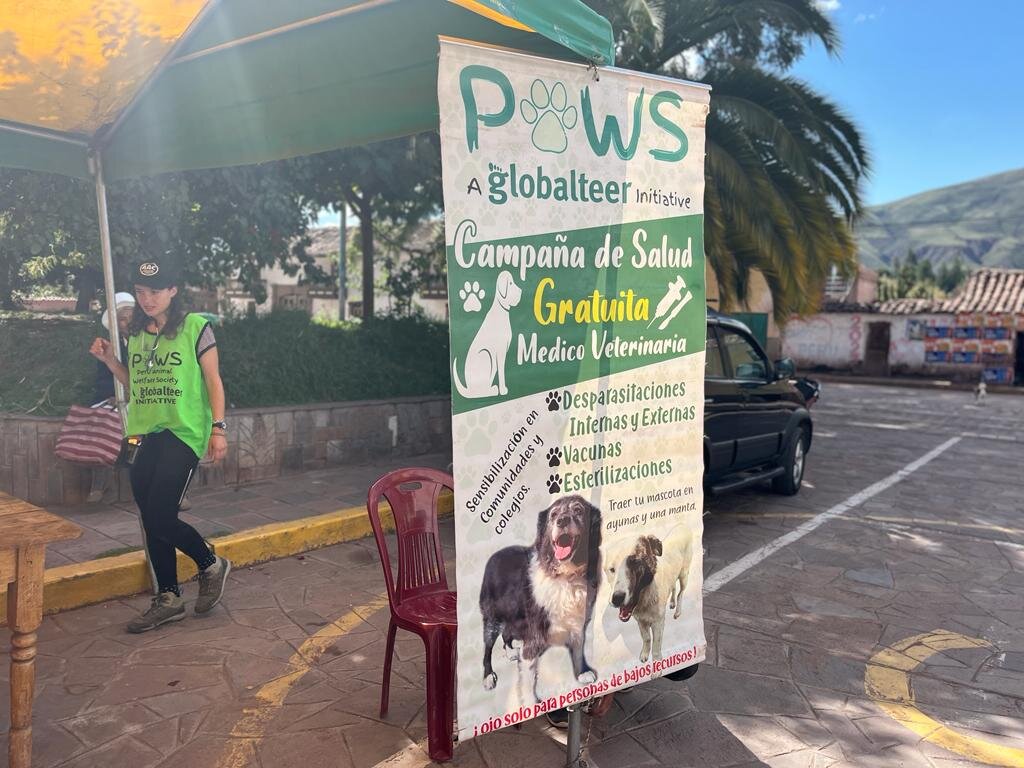
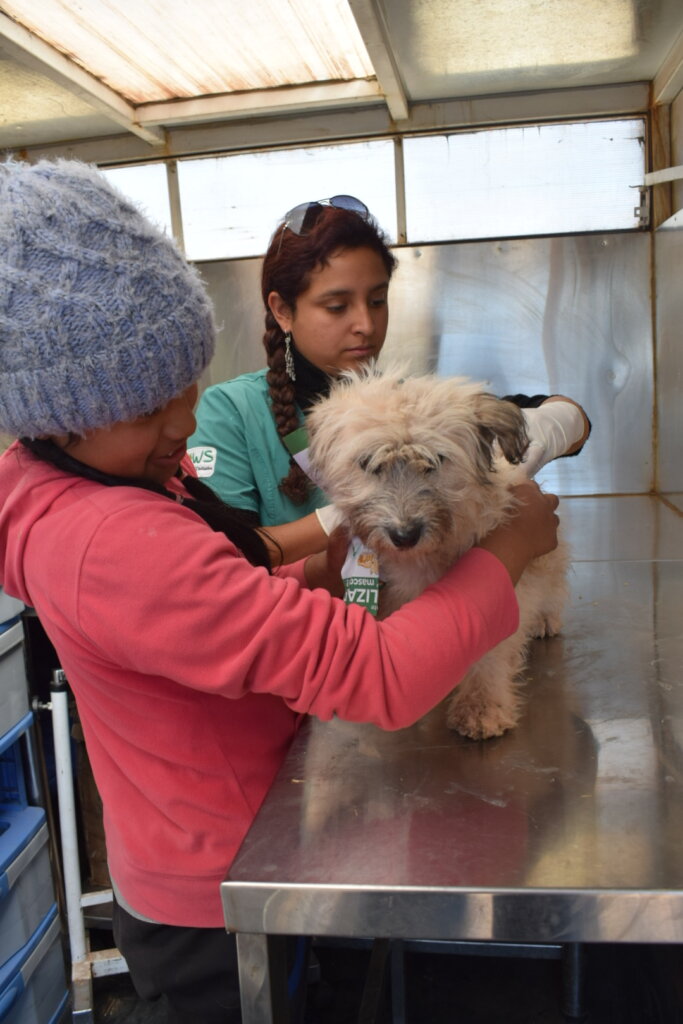
This reporting cycle saw us continue our work of combating the street dog problem and ensuring animal welfare in Cusco, Peru. During this period, we visited many villages in and around Cusco where we registered cats and dogs onto our database; conducted health campaigns which entail giving animals anti-parasitic medication, vitamins, vaccinations, performing neutering surgeries; and conducted educational campaigns on responsible pet ownership.
During this period, we visited villages where we provided various forms of medical interventions, including neutering. Neutering remains one of the most important tools to combat the street dog problem, which in turn leads to enhanced animal welfare in the area. An example of this is Alta Qosco, where we neutered dogs and provided anti-poisoning kits. These preventative measures were done because other villages with similar numbers of street dogs have poisoned the dogs in order to reduce their numbers.
5k Fun Run with pets
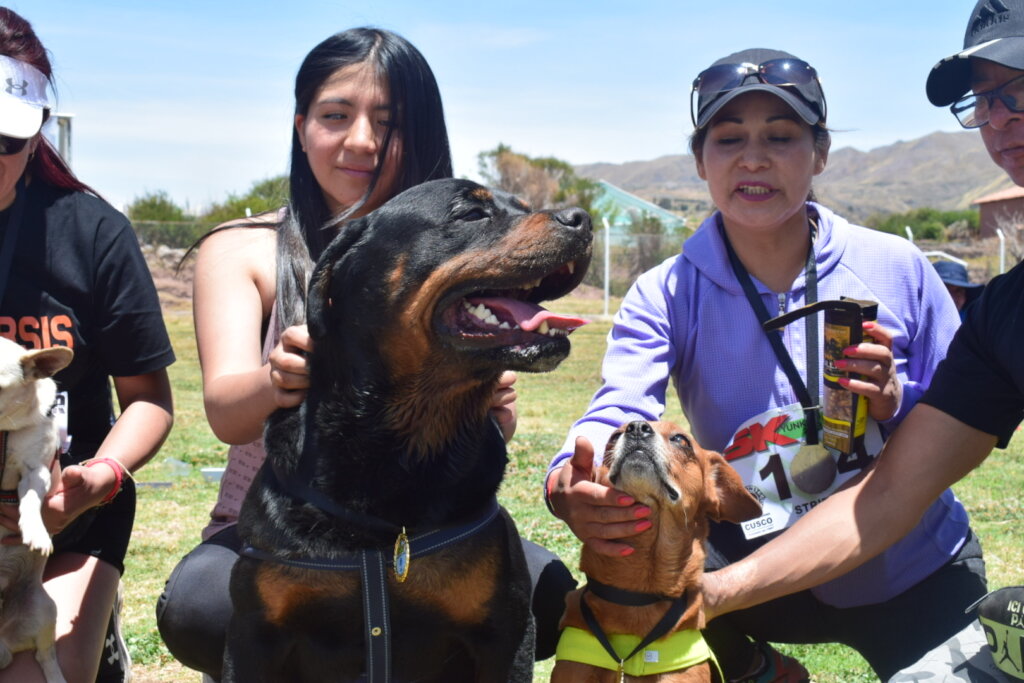
In addition to our health campaigns, PAWS participated in the 5k for dog welfare, which aimed to change social perceptions about pets that exist in Peru. Here, owners ran a 5k alongside their dogs to show that pets’ roles in our lives are not limited to their security service, but that people can share happy moments with their pets. PAWS’ involvement in this event was to provide medical care and services to the dogs which attended the event – free of charge. This took the form of anti-parasitic medication and vitamins.
Education Program
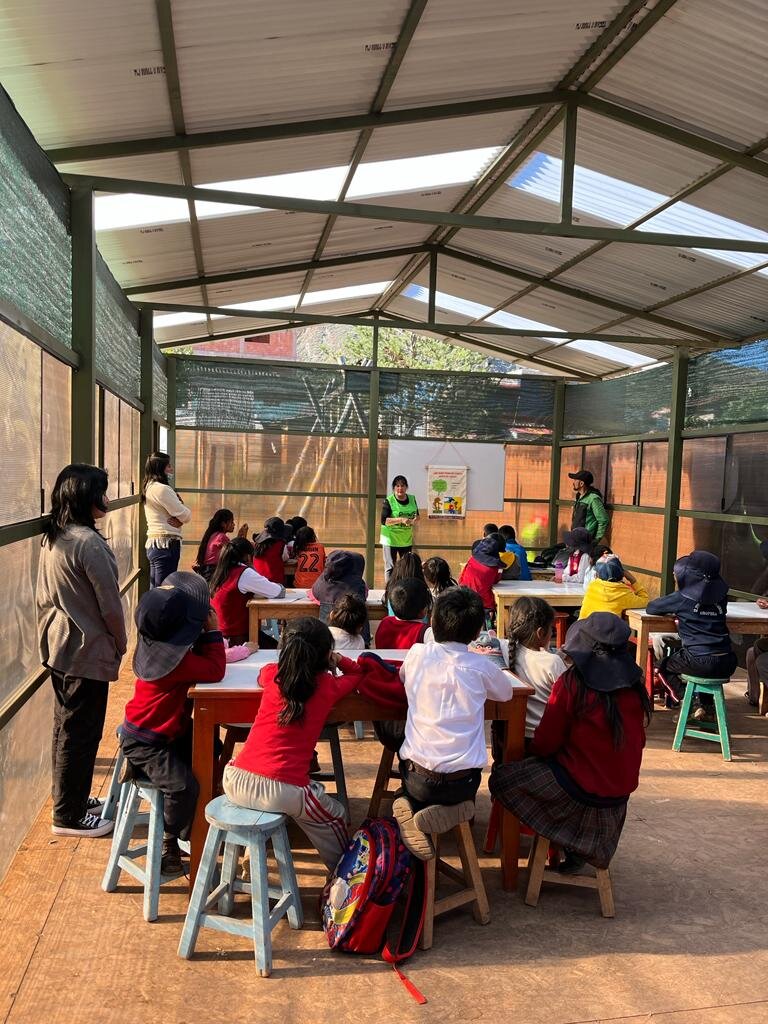
During this reporting cycle, as part of our education campaigns, we also visited schools to educate children on responsible pet ownership. Reaching out to children is an important part of ensuring long-term animal welfare because children are often the ones that take care of pets and spend the most time with them. Therefore, forming good habits in children is likely to lead to better treatment of animals in the long term. In the most recent school visit, PAWS held a workshop on the mistreatment of animals, and how to recognize mistreatment. The aim is that this workshop would prevent children from mistreating animals, but also spread the information to their friends and families, which in turn would prevent them from mistreating animals too.
Finally, working with dog shelters in the Cusco region is also important to achieving our organizational goals. This is because we work with the shelters to rehabilitate dogs with the aim of getting them adopted into a loving family.
Challenges
Challenge: Effective Use of Resources
Solution: Task Allocation
A large portion of project time is spent on routine tasks like administering de-worming treatments and flea spray or vaccinations. This means that our highly qualified and experienced head vet sometimes spends a lot of their time doing something that veterinary assistants, or even owners, can do.
We have restructured the team, so we now have two part time assistant vets, overseen by our part time head vet. This means that our resources can be more effectively used as the assistant vets carry out the more routine tasks and support surgeries, while our head vet is available for surgeries and for any more serious cases that present at the clinic.
Challenge: Population Stabilisation
Solution: Education for Human Behaviour Change
The aim of veterinary care and neutering programmes is to help animals live longer, healthier lives and reduce future numbers of dogs on the streets. However, these aims rely on people bringing their animals to the clinic, getting them neutered, keeping dogs with them and not poisoning roaming dogs.
Without a change in human behaviour, we'll be continuously "chasing our tails" as animals die and are replaced by new ones. We spent this quarter discussing ideas and needs with the communities and have designed a new education programme to start in earnest next quarter. This will include animal care and welfare classes, dog-training sessions, implementation of community rules and installation of signage.
Adoption Program
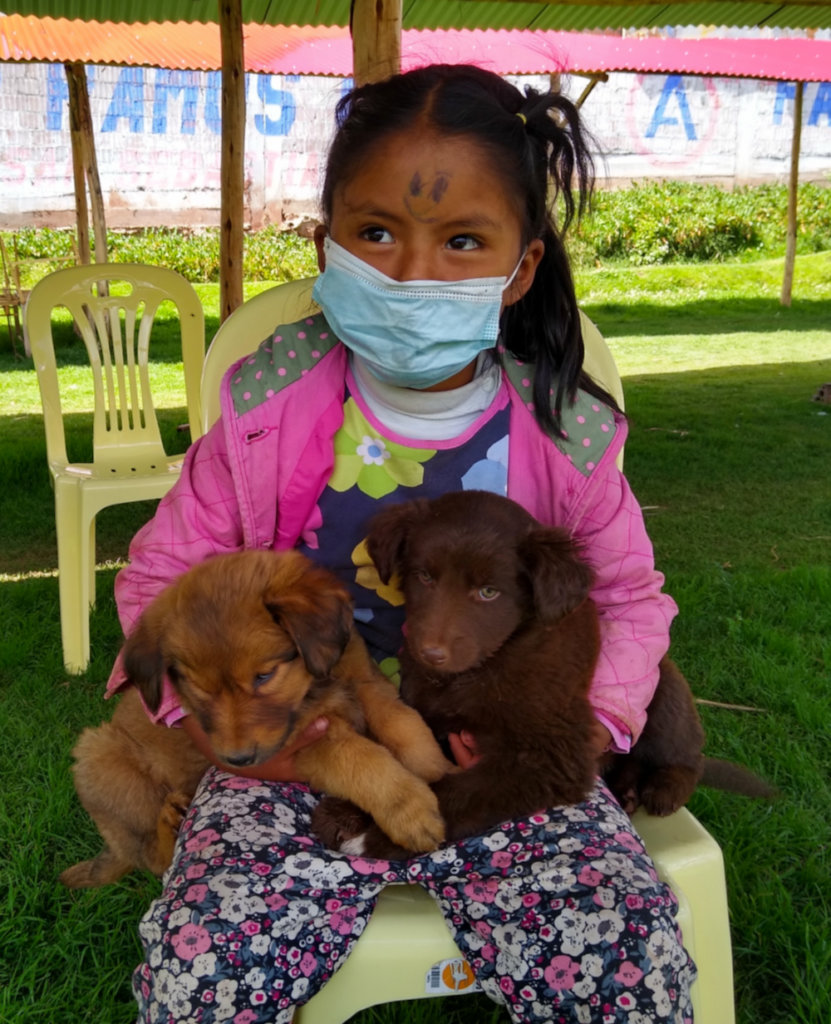
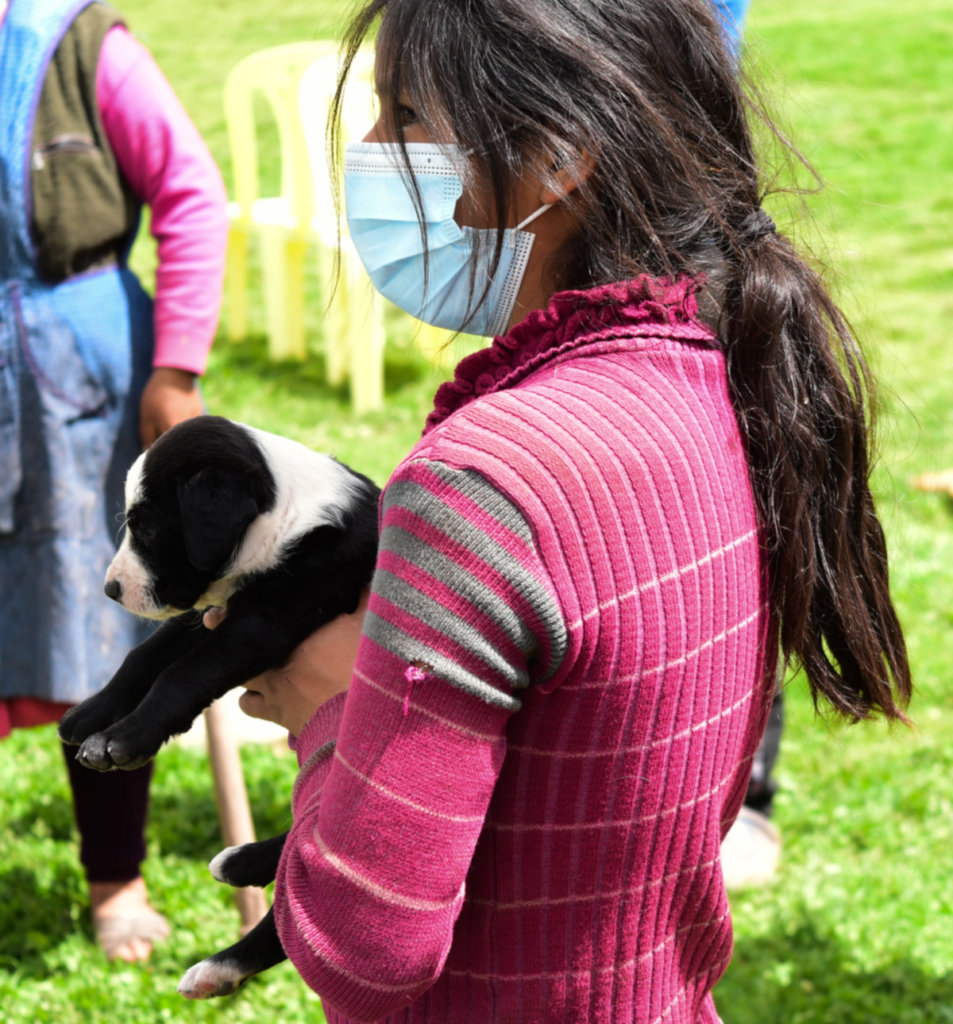
As mentioned above, we work with shelters around Cusco in order to rehabilitate dogs with the hope that they can be adopted. One of the shelters we work with is Callejeritos San Jeronimo, and recently, we were able to get puppies adopted from this shelter.
Our work with shelters like Callejeritos San Jeronimo is important because these shelters often rescue dozens of street dogs who would stay at the shelter for an indefinite amount of time, oftentimes in cages to keep aggressive dogs away from each other.
With PAWS’ help, we are able to provide medical care to the dogs, and our volunteers are able to play with, and socialize the dogs. The latter is a critical part of the rehabilitation process because dogs may pick up aggressive tendencies while on the streets, and healing them of these tendencies increases their prospects of adoption.
PAWS also helps these shelters by taking dogs to adoption fairs such as Fair Tupac Amaru. Shelter owners often don’t have time to spend all day at adoption fairs waiting for dogs to be adopted, prolonging their time at dog shelters. Additionally, PAWS is able to question people prior to adoption to ensure that the dogs are going to good homes, something adoption owners would not have the time to do after a long day of waiting for the dogs to be adopted.
The reason that we question people who are interested in adopting pets is because we want to ensure that the dogs go to a loving family, and that they won’t be neglected and find themselves roaming the streets again after adoption.
Thank you for your support!
We extend our heartfelt gratitude to each and every one of our generous donors. Your unwavering support has been the cornerstone of PAWS' success, driving us forward and making our impactful work possible. Your kindness and dedication have enabled us to make a tangible difference in the lives of the animals we serve. Truly, it is not possible without your compassion and commitment. Thank you for making everything we do possible!
Project reports on GlobalGiving are posted directly to globalgiving.org by Project Leaders as they are completed, generally every 3-4 months. To protect the integrity of these documents, GlobalGiving does not alter them; therefore you may find some language or formatting issues.
If you donate to this project or have donated to this project, you can receive an email when this project posts a report. You can also subscribe for reports without donating.



Support this important cause by creating a personalized fundraising page.
Start a Fundraiser