Aladina Foundation Report on Pet Therapy for Children with Cancer
Program Overview
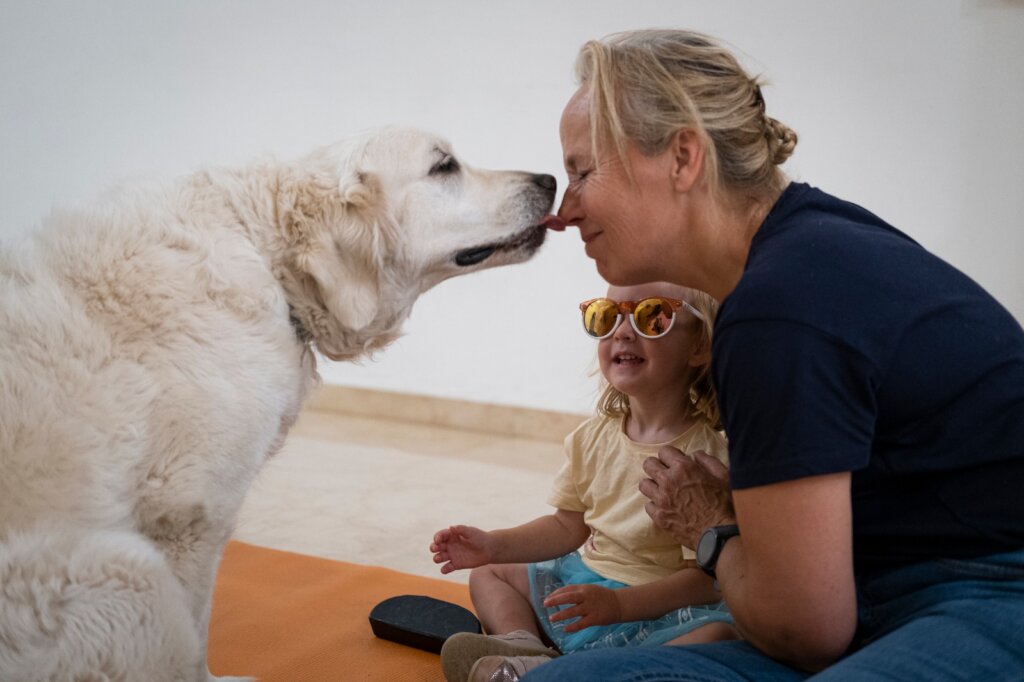
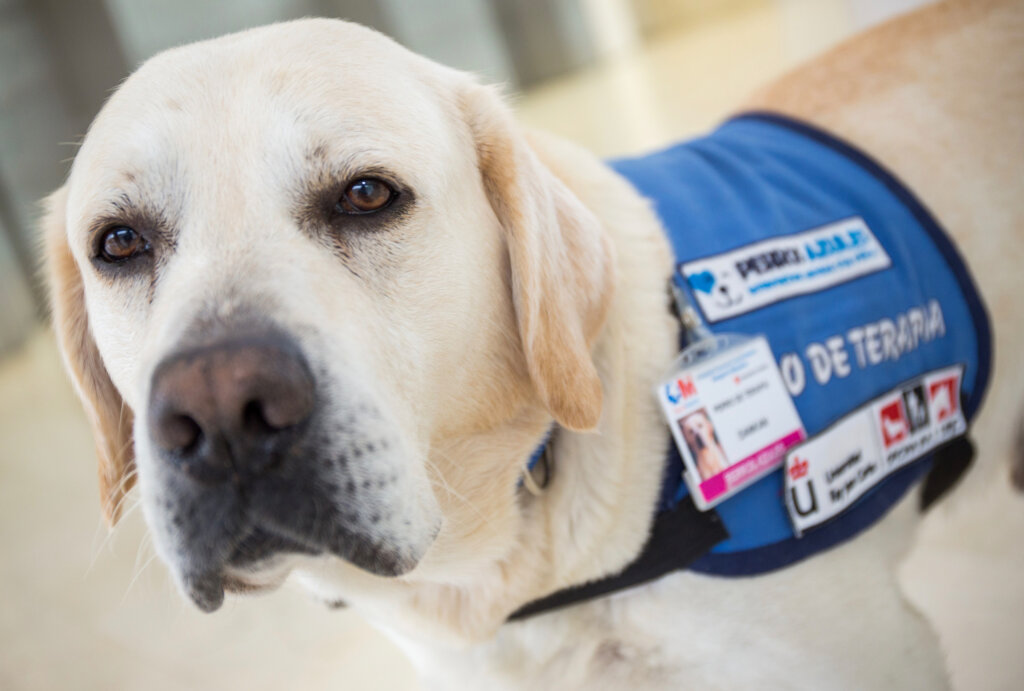
At Fundación Aladina, visits from therapy dogs continue to be one of the most anticipated moments for children undergoing cancer treatment. What began as a small initiative has grown into a well-established program that now reaches eight hospitals across Spain. In 2024, we also expanded our efforts by launching a home-based program for children receiving palliative care, ensuring that even those who cannot travel to the hospital can benefit from these special interactions.
In collaboration with the Asociación Perros Azules, we remain pioneers in delivering animal-assisted therapy to pediatric oncology patients. These sessions are designed not only to bring joy, but also to support children emotionally and physically throughout their treatment journey.
Program Impact
Over the past year, 334 children and adolescents took part in dog-assisted therapy sessions, with a total of 428 sessions delivered. These numbers reflect both the growing demand for the program and its meaningful impact on young patients and their families.
Therapy with dogs offers a wide range of benefits. Children improve their communication skills, engage more easily in cooperative play, and develop stronger feelings of empathy and connection. At the same time, these sessions help enhance motor skills, boost self-esteem, and support each child’s individual abilities. Importantly, the presence of therapy dogs significantly reduces stress and anxiety associated with hospital stays and treatments, while improving overall emotional well-being.
Looking Ahead
As the program continues to grow, Fundación Aladina is committed to expanding its reach to even more hospitals and regions across Spain. By strengthening partnerships and increasing accessibility, we aim to ensure that more children facing cancer can experience the comfort, motivation, and happiness that therapy dogs bring.
Through every wagging tail and shared smile, we are reminded that healing is not only medical—it is also emotional. And sometimes, it comes on four paws.