By Chunrong Wang | Chief Executive Officer
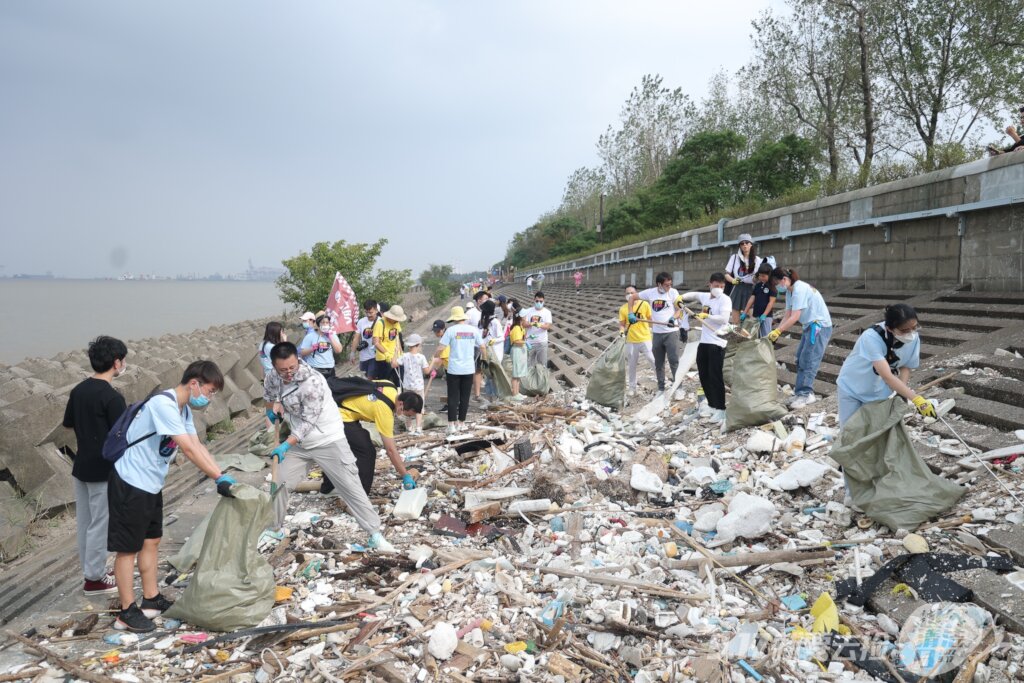
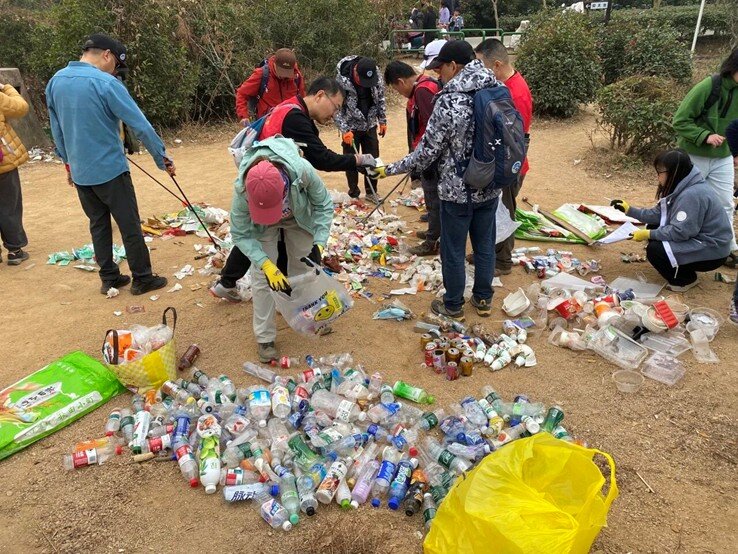
In December 2025, Pickup China team carried out an integrated research and cleanup initiative along the Lingbai hiking trail in Suzhou to better understand the distribution of outdoor waste and the behavioral factors contributing to littering. By combining on-site cleanup with data collection and behavioral observation, the project aimed to reveal how waste is generated in natural recreational spaces and to inform more effective environmental management strategies.
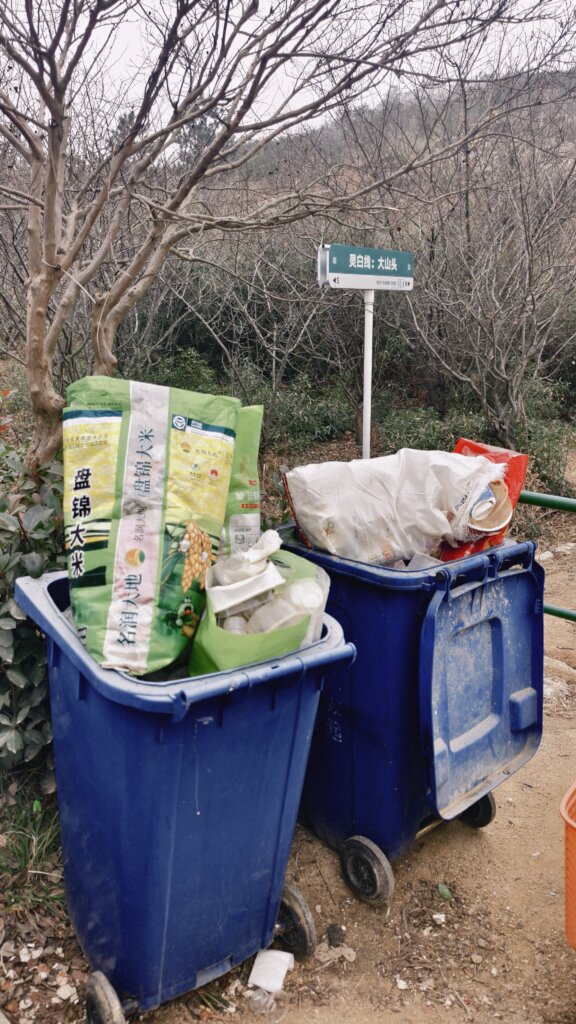
The Lingbai trail was selected as a representative research site due to its growing popularity, accessibility, and diverse usage patterns. The route features both high-traffic rest areas and long continuous hiking sections, creating multiple scenarios where waste may accumulate. As the trail remains largely natural with limited infrastructure and environmental signage, it provided an opportunity to observe visitor behavior under relatively unregulated conditions and capture an authentic picture of the outdoor waste challenge.
The initiative adopted a mixed-method field research approach that integrated quantitative and qualitative techniques. Volunteers recorded the entire hiking route, documented waste locations, counted and categorized items, and conducted on-site weighing. Fixed-point observations and brief interviews helped contextualize the data by providing insights into visitor habits, disposal practices, and environmental awareness.
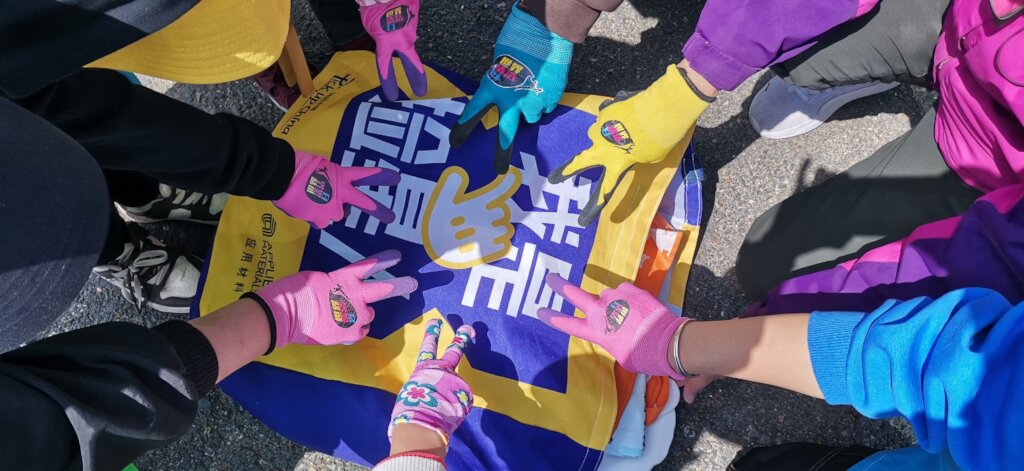
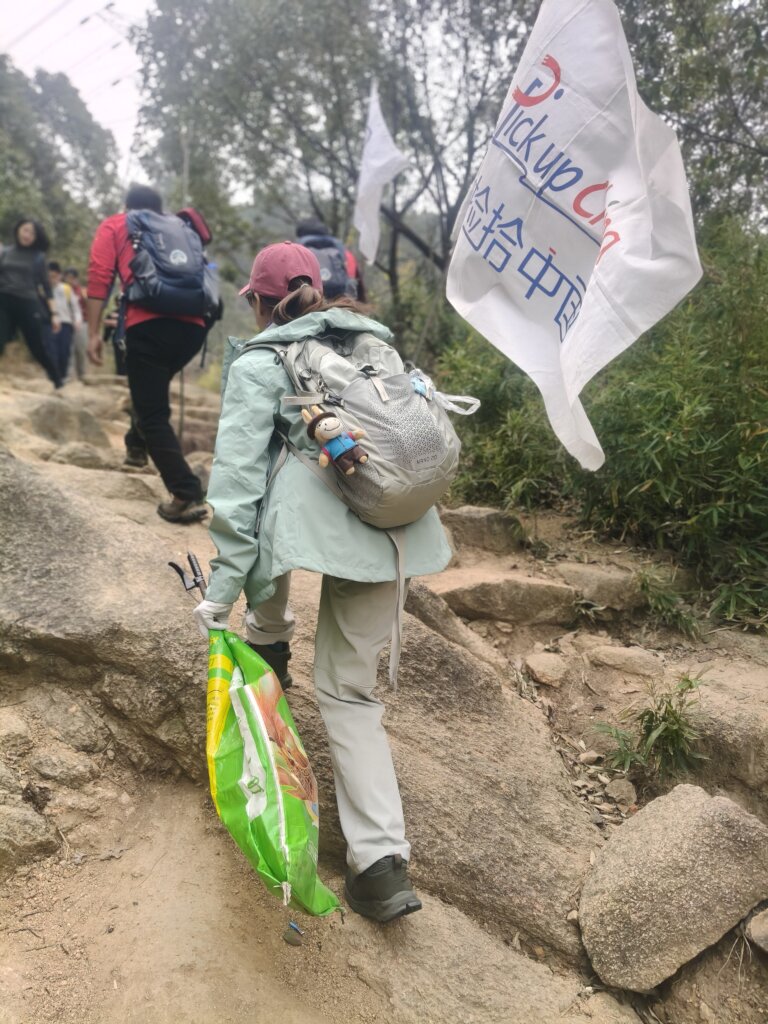
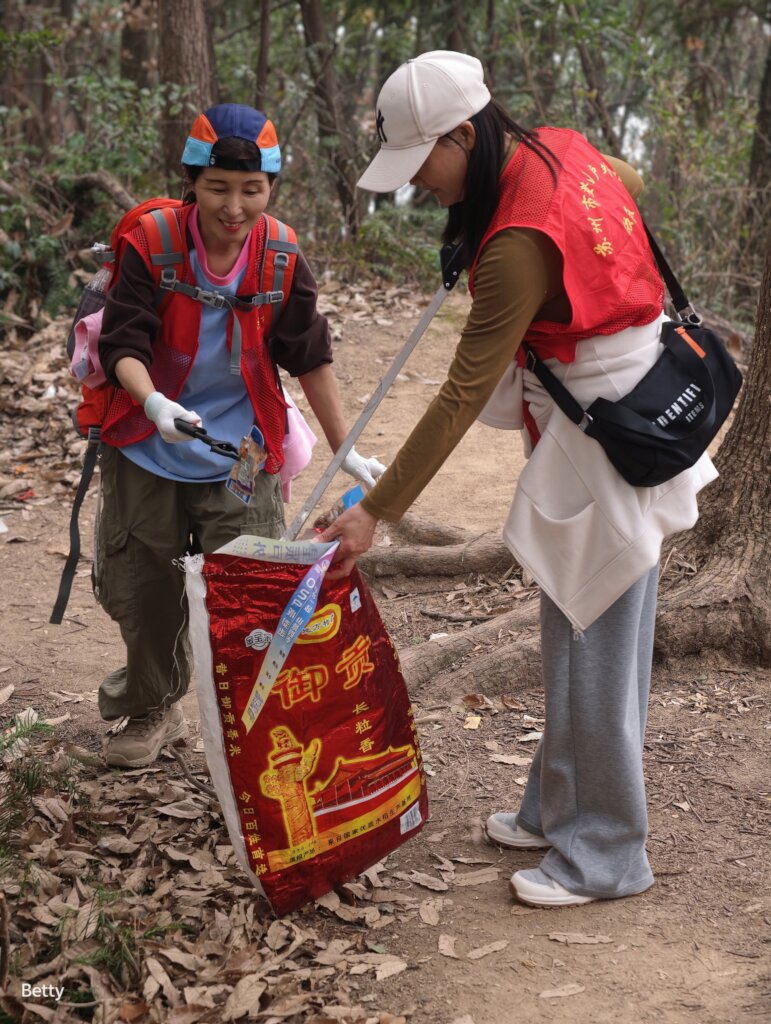
A total of 43 volunteers participated in the action. Under unified coordination, they were organized into specialized teams responsible for cleanup and documentation, behavioral observation, waste weighing and composition analysis, and interview support. Prior to the event, participants received training on safety protocols, classification standards, and data collection methods to ensure consistency and reliability across teams.
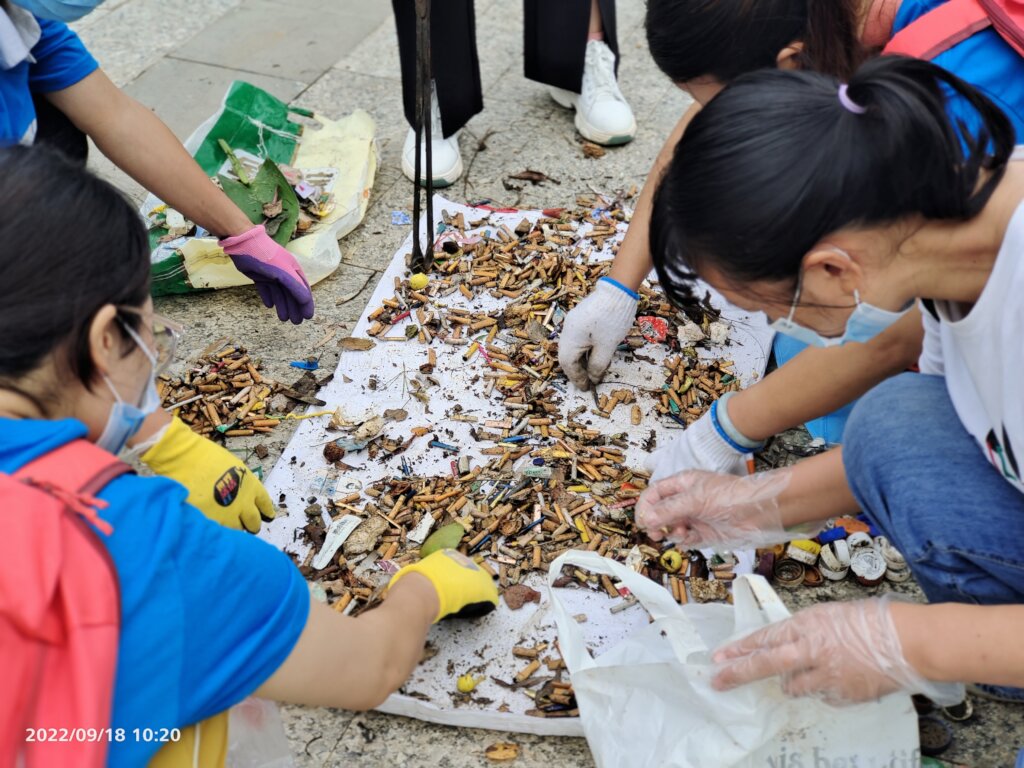
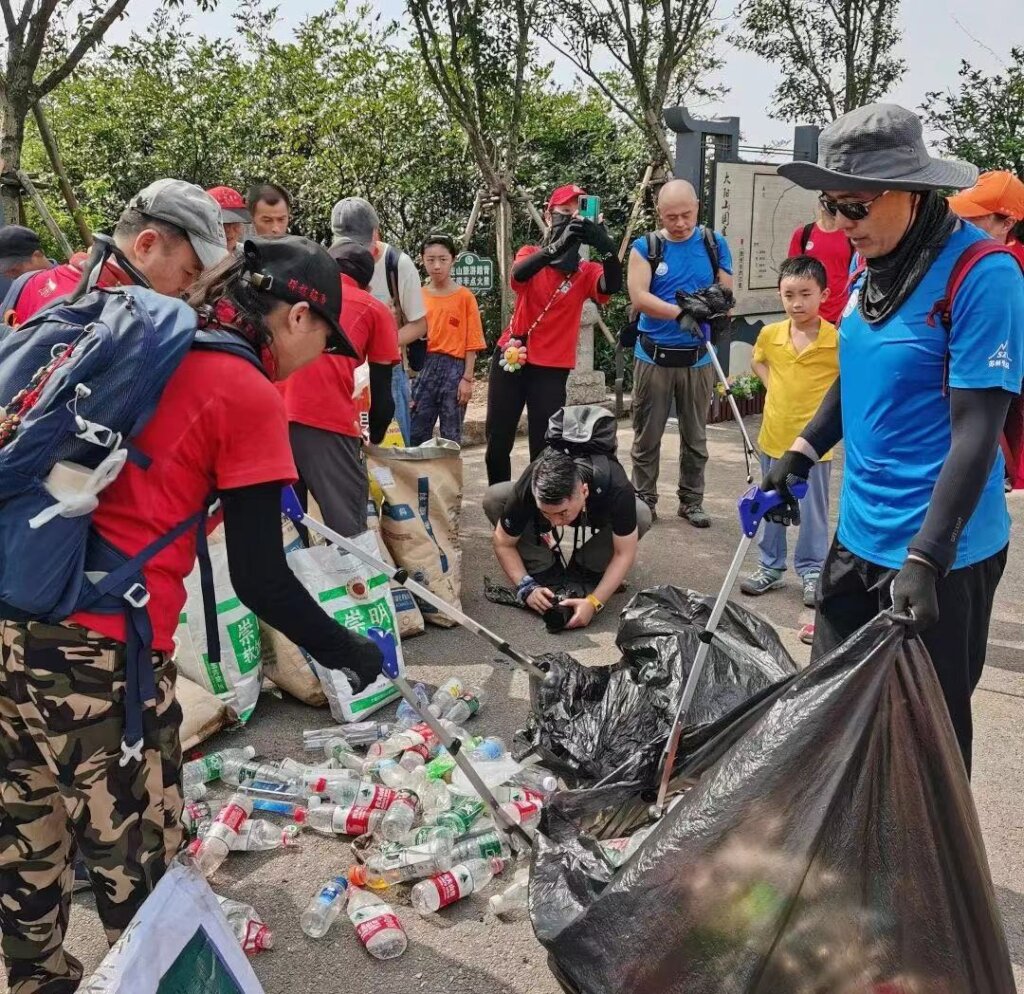
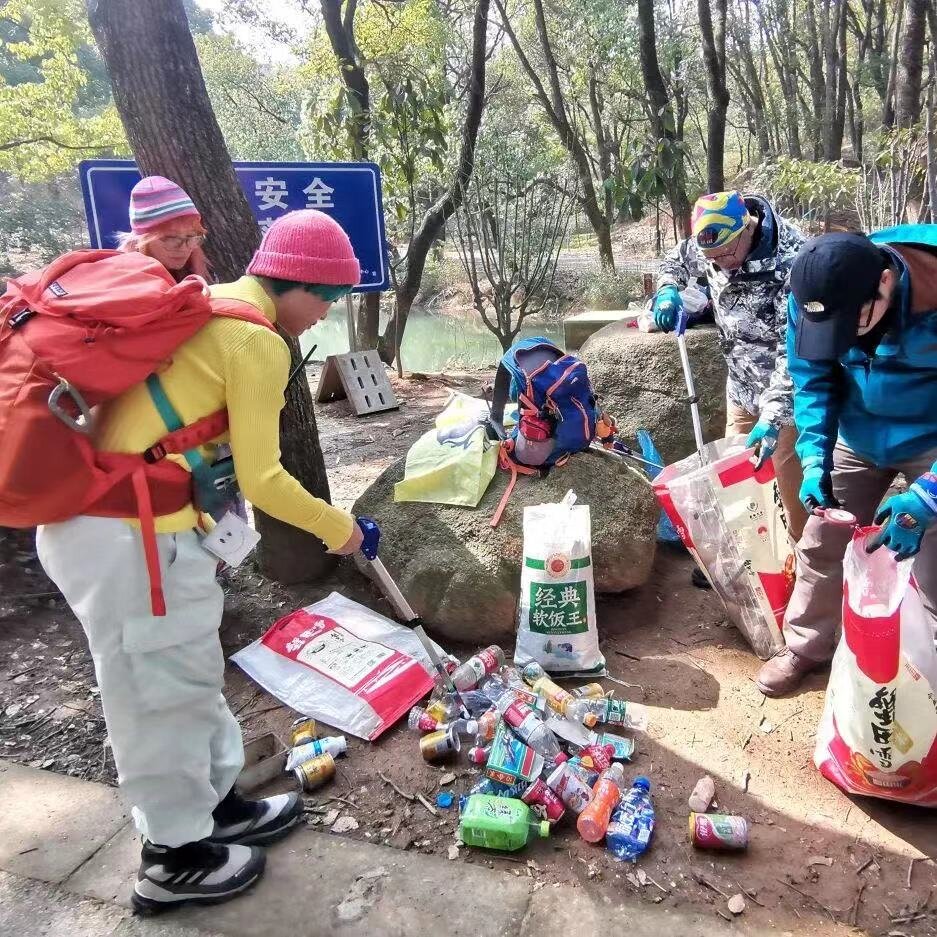
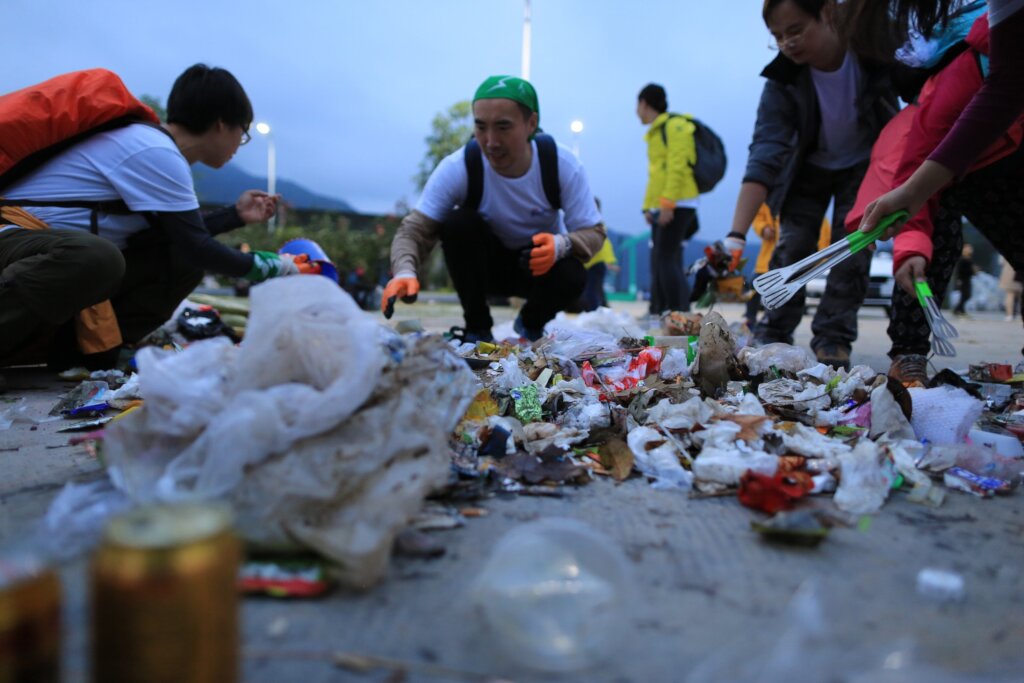
During the hike, volunteers simultaneously removed litter while marking its location, type, and concentration. Observation teams monitored areas where visitors frequently stopped—such as rest points and scenic viewpoints—to better understand consumption patterns and disposal behaviors. After each stage, collected waste was aggregated, sorted into categories such as recyclables and residual waste, and weighed to produce structured data. Short interviews with hikers further enriched the findings by shedding light on attitudes toward waste management and the availability of environmental facilities.
The project generated both environmental and research outcomes. Volunteers removed a total of 26.55 kilograms of outdoor waste, including 5.42 kilograms of recyclable materials, improving conditions in several heavily used sections of the trail and reducing immediate ecological impacts.
Equally important, the initiative produced a systematic dataset on waste volume, composition, and spatial distribution. Preliminary analysis suggests a correlation between litter accumulation and factors such as visitor stopping behavior, supply points, and trail nodes. These insights provide field-based evidence that can support more targeted interventions for waste reduction on hiking routes and in other nature-based public spaces.
The project also validated a practical model that integrates research with cleanup action. By refining volunteer roles, data collection procedures, and on-site collaboration mechanisms, Pickup China team has developed a replicable framework that can be applied to similar outdoor environments. Beyond the immediate cleanup results, the experience deepened participants’ understanding of environmental challenges and encouraged a shift from one-time action toward long-term stewardship.
Following the event, the team conducted a comprehensive review and preliminary analysis of the collected data to ensure accuracy and completeness. These findings will inform future research conclusions, guide improvements in outdoor waste management, and support the design of more effective public engagement campaigns.
Project reports on GlobalGiving are posted directly to globalgiving.org by Project Leaders as they are completed, generally every 3-4 months. To protect the integrity of these documents, GlobalGiving does not alter them; therefore you may find some language or formatting issues.
If you donate to this project or have donated to this project, you can receive an email when this project posts a report. You can also subscribe for reports without donating.



Support this important cause by creating a personalized fundraising page.
Start a Fundraiser