By Zachery Onyango | Project Leader
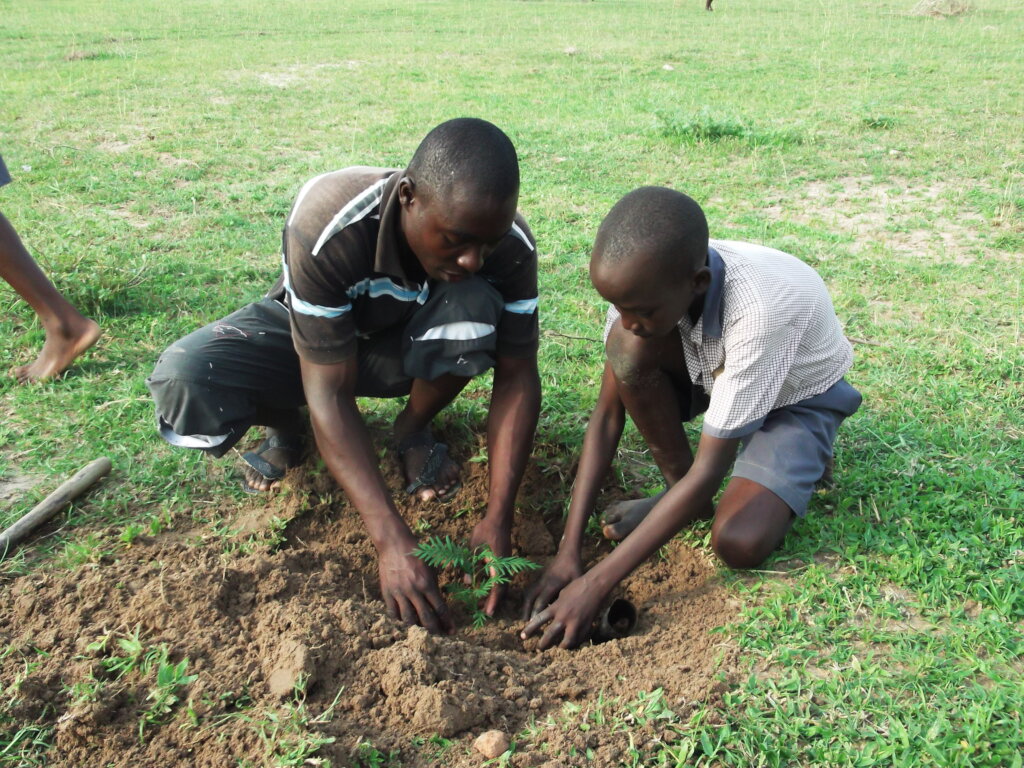
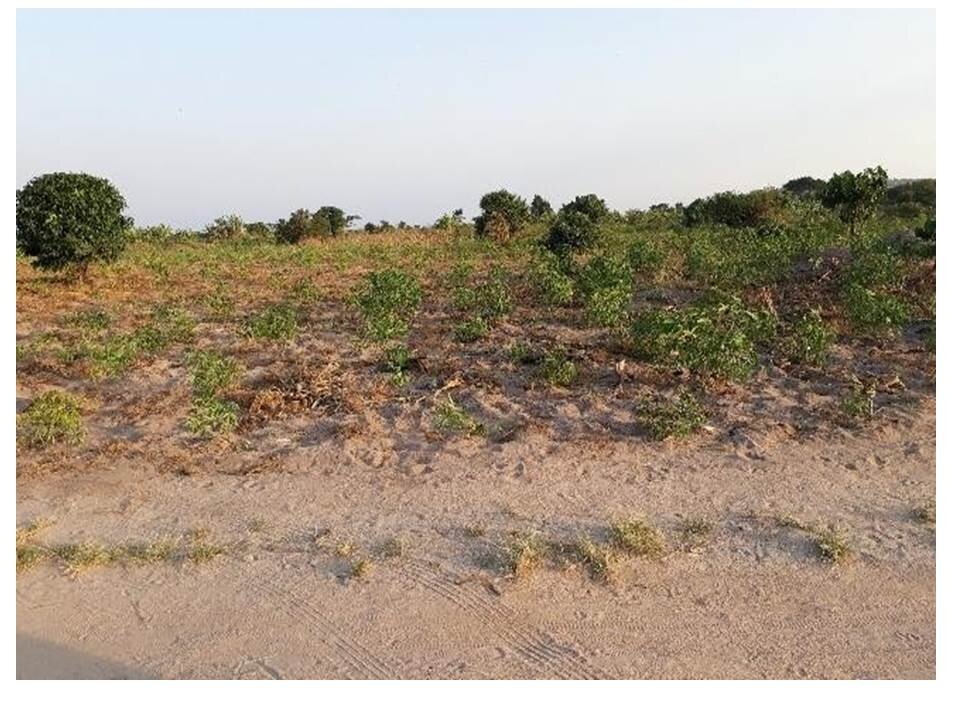
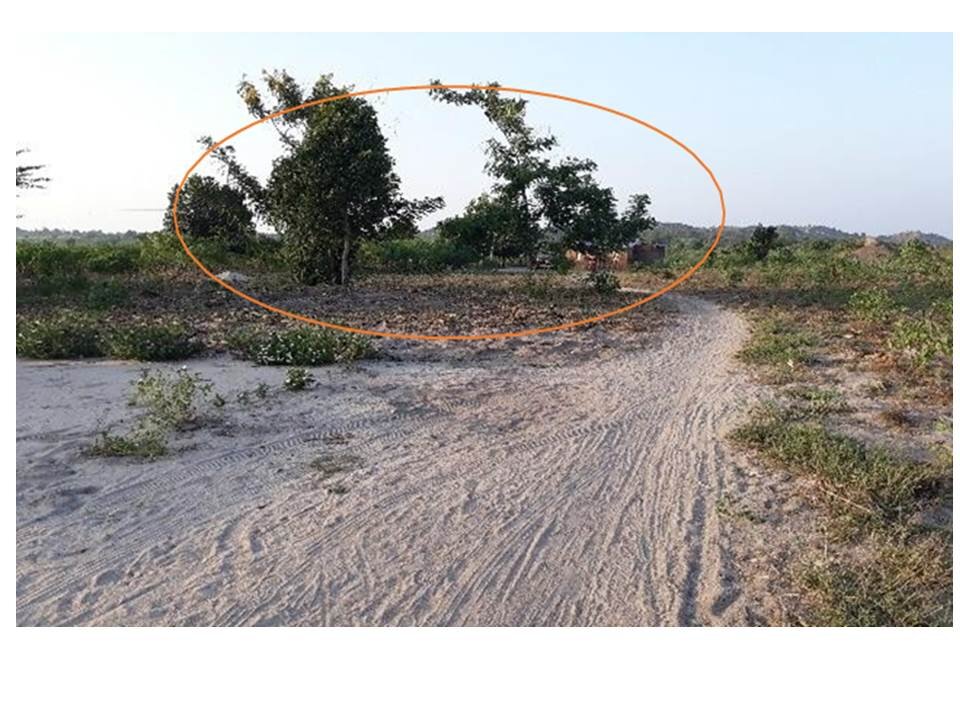
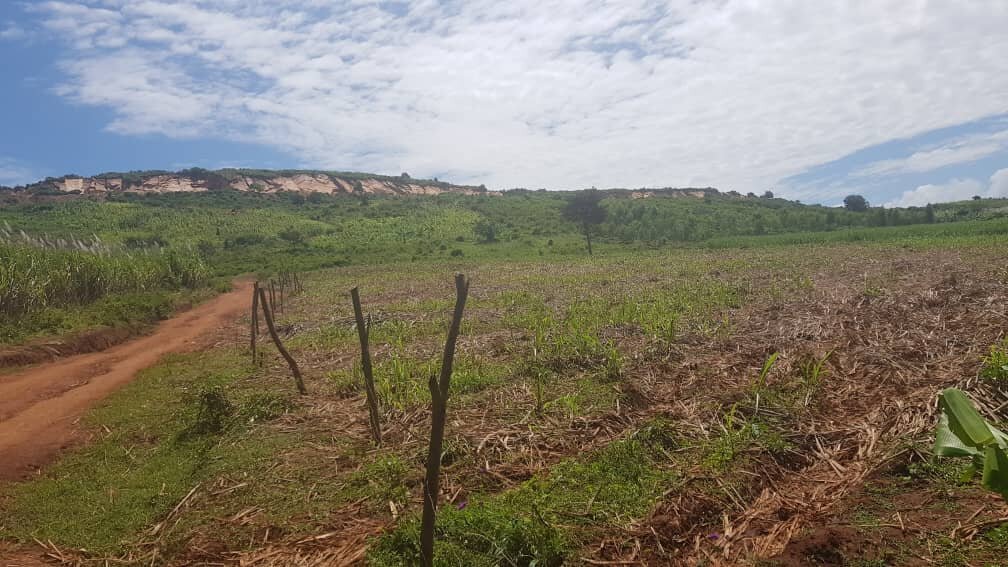
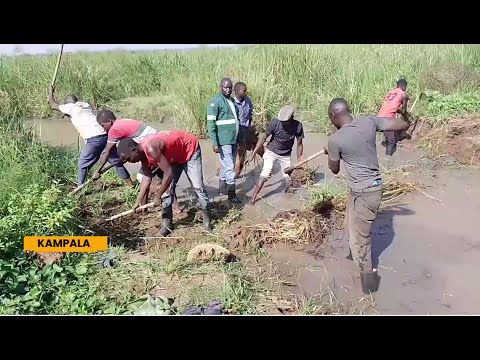
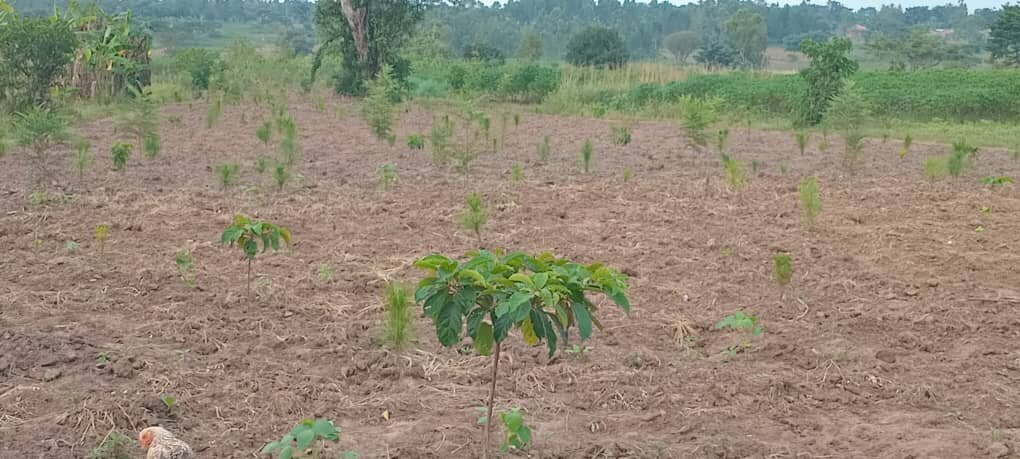
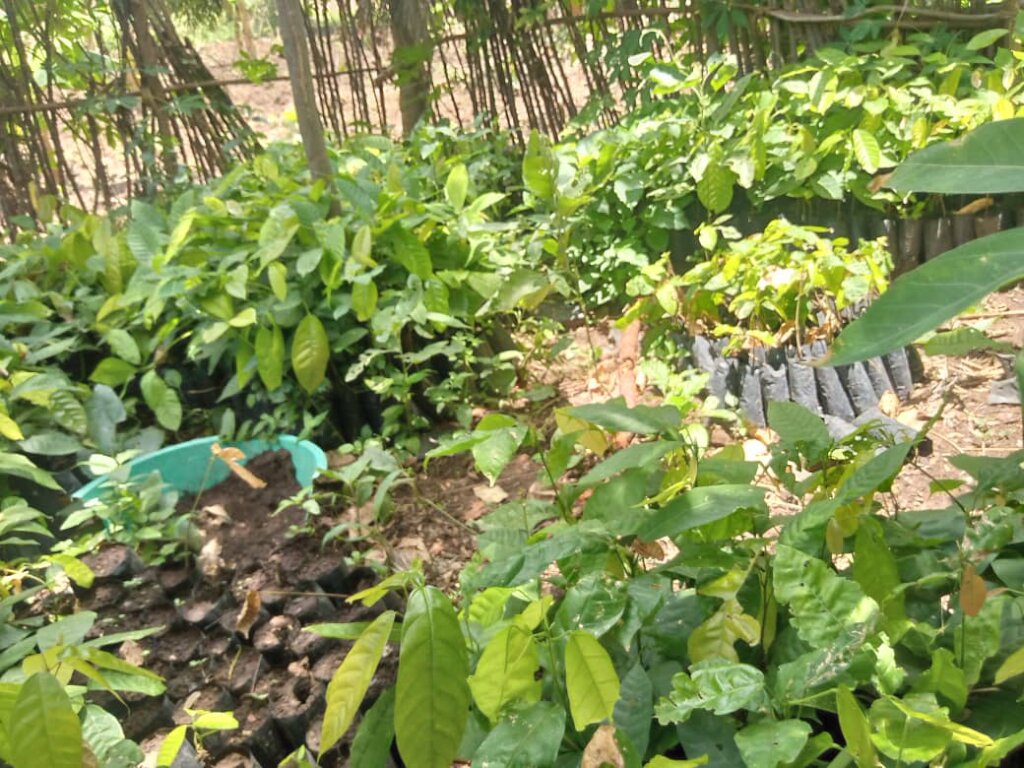
Tororo District, located in the Eastern region of Uganda, faces numerous environmental challenges, including deforestation, soil erosion, and climate change impacts. To address these issues, Development Alert is implementing community tree planting initiatives to restore forests, mitigate environmental degradation, and promote sustainable livelihoods as ways of tackling the numerous environmental challenges facing the district, such as land degradation, deforestation, and the loss of biodiversity, exacerbated by population growth and climate change.
Key Drivers for Community Tree Planting
1. Deforestation and Land Degradation
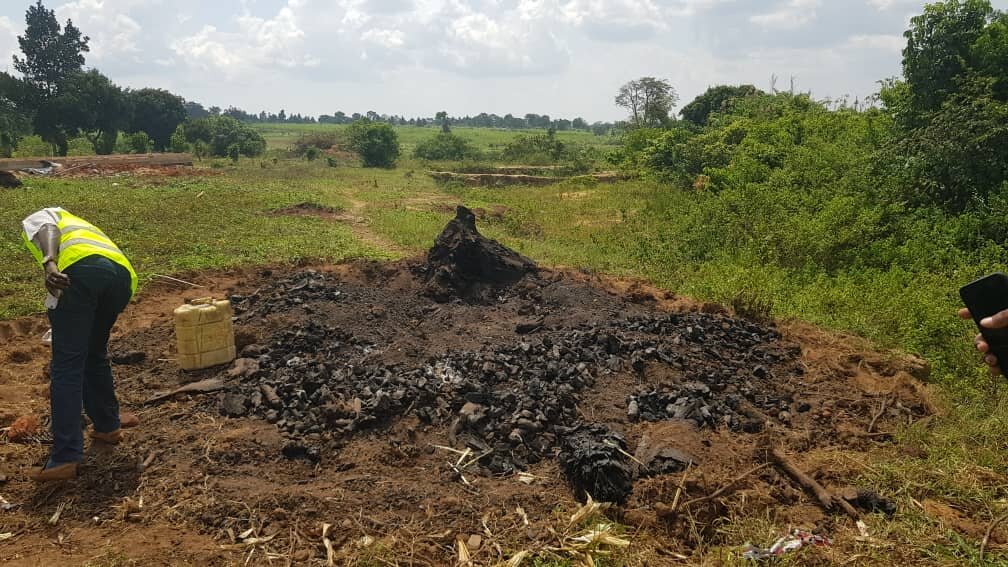
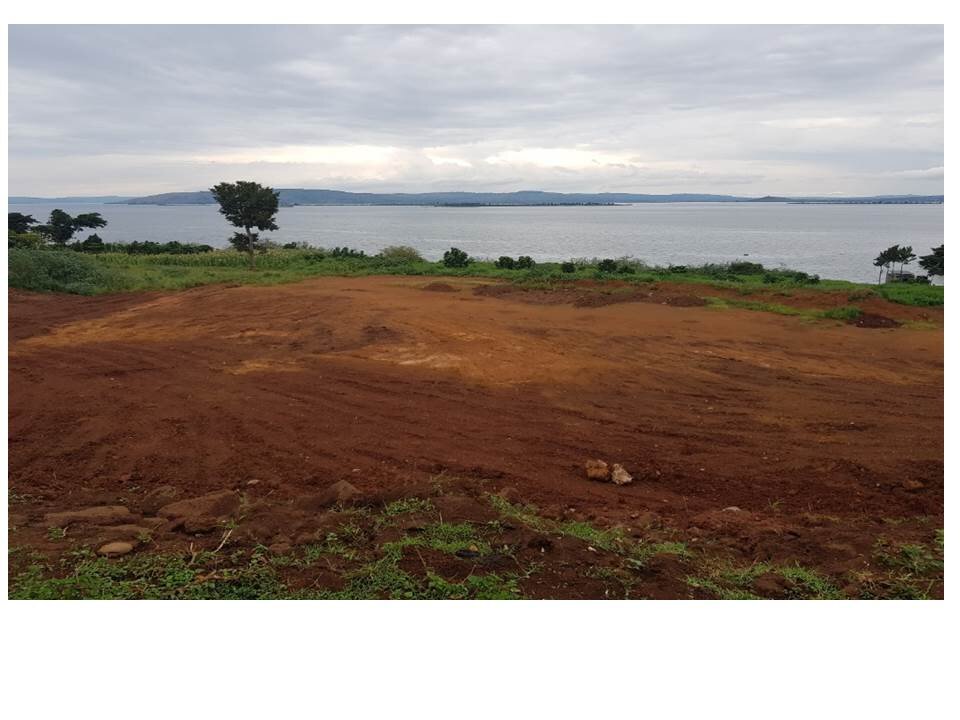
- The region has seen significant deforestation due to logging, agricultural expansion, and the use of firewood for cooking. o Soil erosion, caused by the loss of tree cover, has led to reduced agricultural productivity and poor water quality in the area.
2. Climate Change
-Climate change has increased the frequency and intensity of droughts and floods, which in turn has affected farming and access to water. o Tree planting is seen as a mitigation strategy to help sequester carbon and reduce the adverse impacts of climate change.
3. Biodiversity Conservation
-Tororo District is home to a variety of species, including endemic plants and wildlife. Community tree planting contributes to maintaining ecosystems and restoring biodiversity.
Achievements of Community Tree Planting in Tororo District
1. Increased Tree Coverage
2. Economic Benefits
3. Improved Environmental Conditions
4. Community Empowerment
Challenges Faced
As an organization, our greatest challenges include;
1. Limited Resources
-Despite the progress, many tree planting initiatives face financial constraints, limiting the number of trees that can be planted or maintained.
-The cost of seedlings, labor, and maintenance of newly planted trees often outpaces community resources.
2. Lack of Technical Knowledge
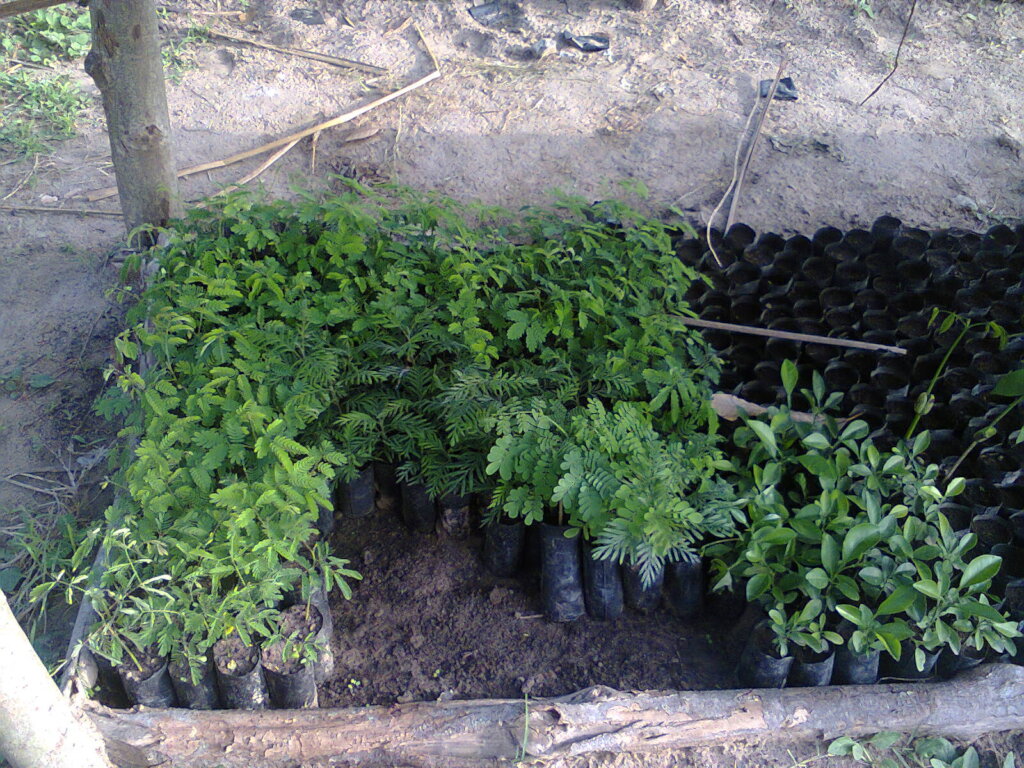
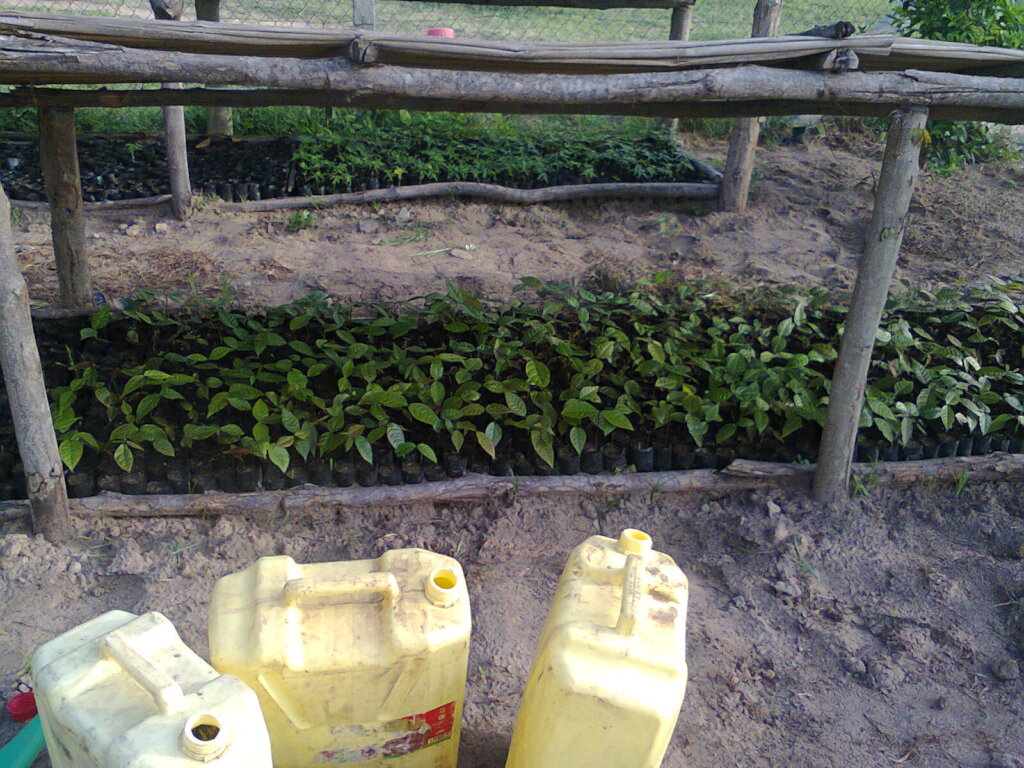
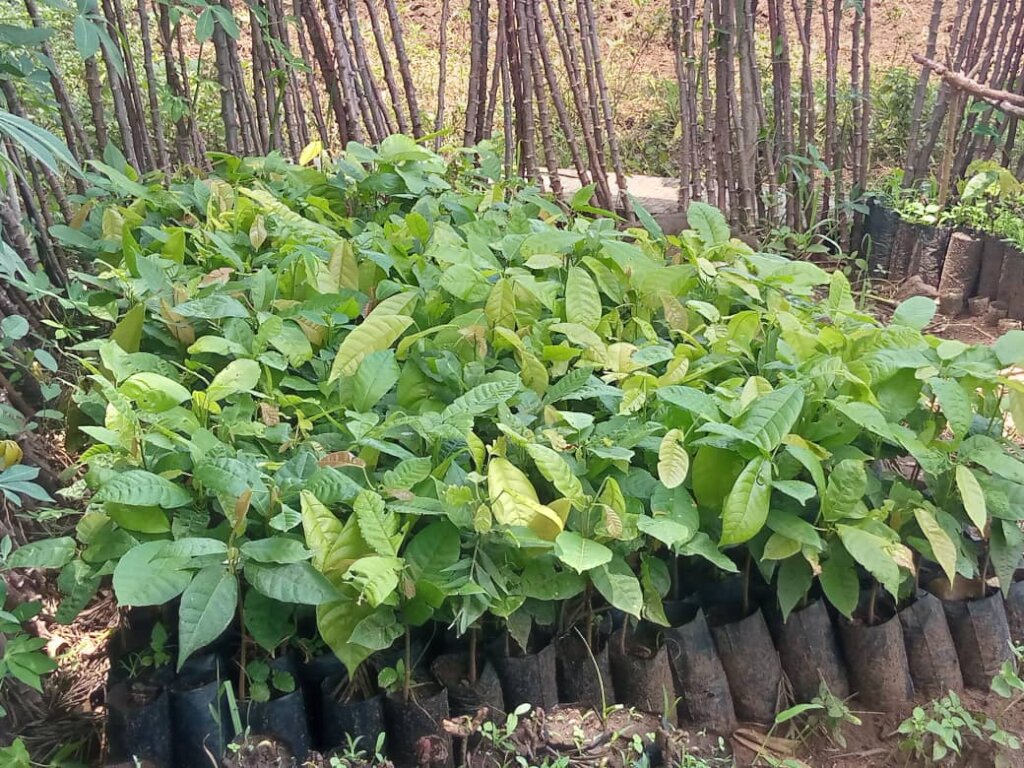
-While some community members are knowledgeable about tree planting, others lack the technical skills needed for effective nursery management, tree care, and sustainable land-use practices.
3. Climate Change Impacts
-Changes in rainfall patterns and increasing temperatures have affected the survival of newly planted trees. Droughts, in particular, have led to high mortality rates of trees in some areas.
4. Land Tenure Issues
-In some cases, land tenure issues have hindered tree planting efforts, especially in areas where land ownership is unclear or disputed.Communities without secure land rights are hesitant to invest in long-term tree planting.
Recommendations
1. Increased Financial Support
-There should be more financial support from government agencies, NGOs, and international donors to provide resources for tree planting initiatives. Grants or low-interest loans can help overcome financial barriers.
2. Training and Capacity Building
-Ongoing training programs should be developed to enhance the technical skills of local farmers, community members, and stakeholders in tree nursery management, sustainable farming practices, and post-planting care.
3. Diversified Tree Planting Strategies
-A broader range of tree species, including indigenous and drought-resistant varieties, should be considered for planting. This would enhance resilience to climate change and support biodiversity.
4. Strengthening Community Ownership
-Tree planting projects should emphasize local ownership, ensuring that communities are actively involved in the planning, implementation, and maintenance phases. This will increase the sustainability of tree planting efforts.
5. Collaboration with Private Sector
-Public-private partnerships should be explored to ensure that local communities have access to the resources needed for sustainable tree planting projects, including market access for tree products.
Conclusion
Community tree planting in Tororo District has shown significant promise in addressing environmental and socio-economic challenges. However, for long-term success, continued investment, community engagement, and adaptation to changing climatic conditions are crucial. With increased support and proper management, these tree planting initiatives have the potential to contribute substantially to environmental sustainability and the livelihoods of people in the region.
Project reports on GlobalGiving are posted directly to globalgiving.org by Project Leaders as they are completed, generally every 3-4 months. To protect the integrity of these documents, GlobalGiving does not alter them; therefore you may find some language or formatting issues.
If you donate to this project or have donated to this project, you can receive an email when this project posts a report. You can also subscribe for reports without donating.



Support this important cause by creating a personalized fundraising page.
Start a Fundraiser