By Erica Lloyd | SOIL Program Manager
Time of Transition
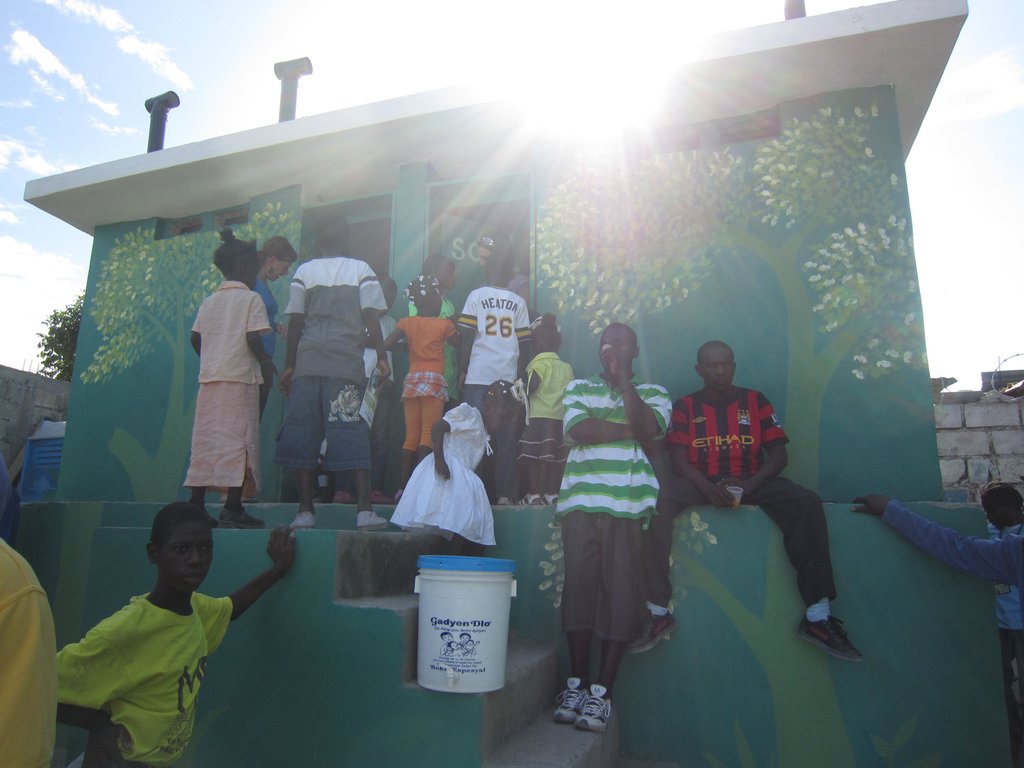
Since the 2010 earthquake, SOIL has been one of the few NGOs to provide consistent, safe, dignified sanitation to residents of tent camps around Port-au-Prince. Four and a half years after the later, there is still much rebuilding to be done in Haiti. However, as tent camps continue to slowly empty, SOIL has begun to shift from emergency relief to long-term development.
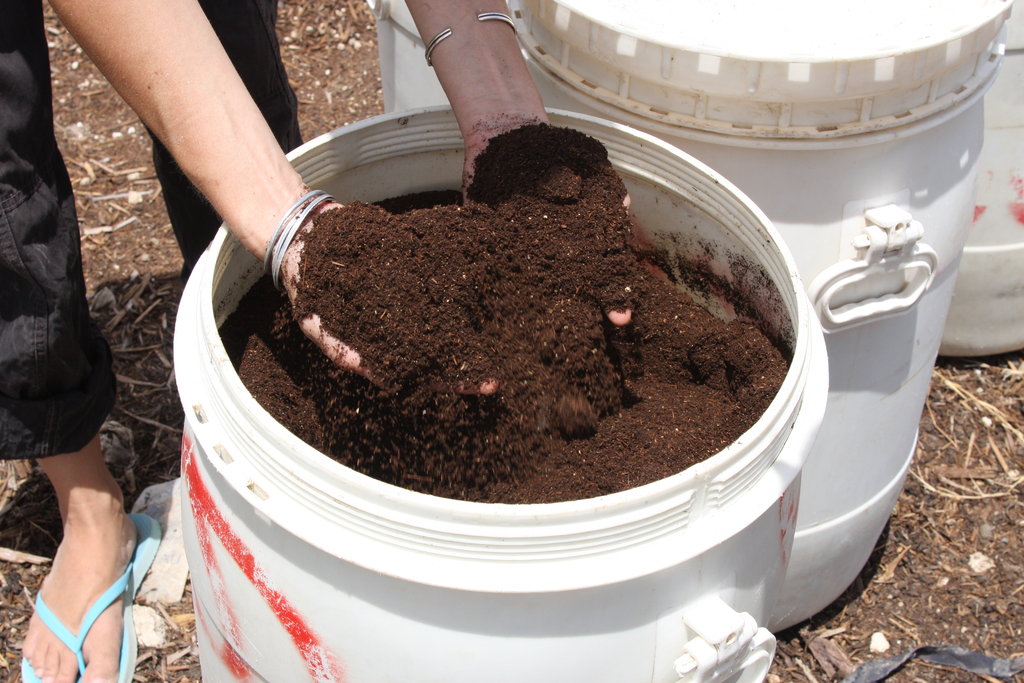
Development in the sanitation sector is sorely needed. Even before the earthquake, the vast majority (approximately 80%) of Haitians lacked access to safe sanitation. SOIL is working to change this reality by researching and developing a social business model for sanitation. SOIL’s model is one of the few interventions around the world that has shown early success in creating a financially-sustainable sanitation service that eliminates the need for waterborne sewage systems and produces an endless supply of safe, agricultural-grade compost to increase soil water retention and improve food security.
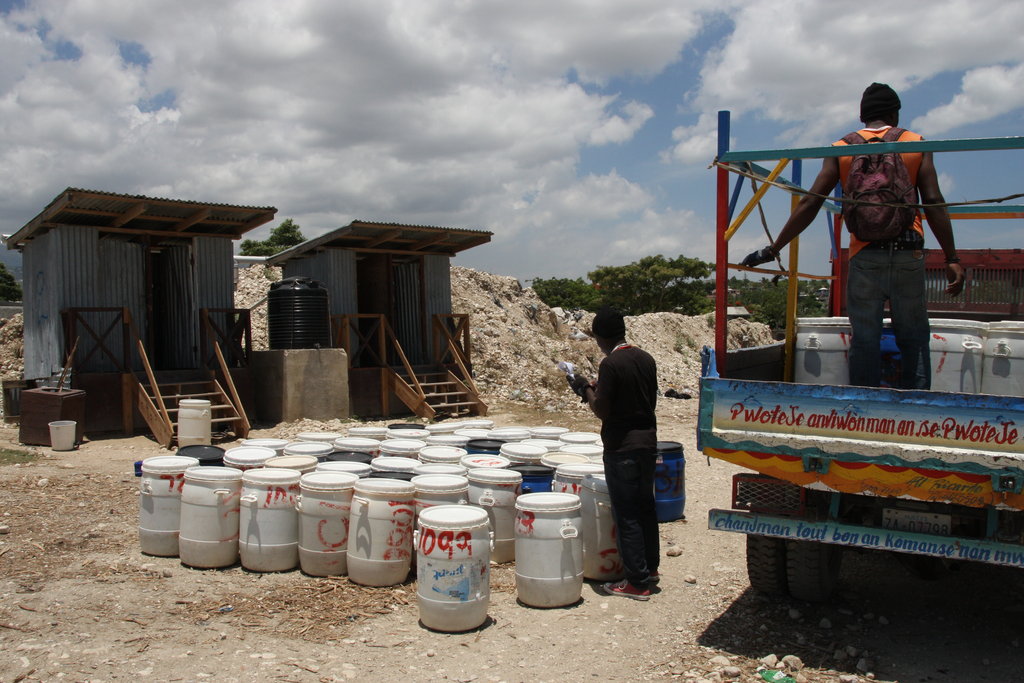
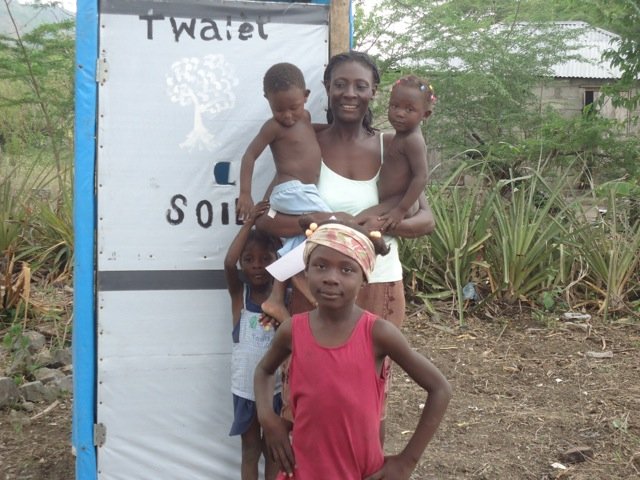
In line with this model, SOIL is converting former emergency toilets into communal household toilets, in which a group of families share the cost of maintenance (approximately $5 USD/month). SOIL collects wastes from the ecological sanitation (EcoSan) toilets and transports them to a composting waste treatment facility where the waste is safely transformed into rich, agricultural-grade compost. This compost is then sold for agricultural application, improving both the fertility and water retention of soil. Revenue from monthly toilet user fees, waste treatment fees, and compost sales are collected to support ongoing project costs and to showcase the private sector potential to affordably and sustainably provide sanitation services in the world’s most impoverished and water-scarce communities.
Stay involved:
Learn more about SOIL’s social business model at our new Global Giving project, Expanding Sustainable Sanitation in Haiti.
We hope that you will stay connected with our work in Haiti by following @SOILHaiti on Facebook, Twitter, and Instagram.
Project reports on GlobalGiving are posted directly to globalgiving.org by Project Leaders as they are completed, generally every 3-4 months. To protect the integrity of these documents, GlobalGiving does not alter them; therefore you may find some language or formatting issues.
If you donate to this project or have donated to this project, you can receive an email when this project posts a report. You can also subscribe for reports without donating.