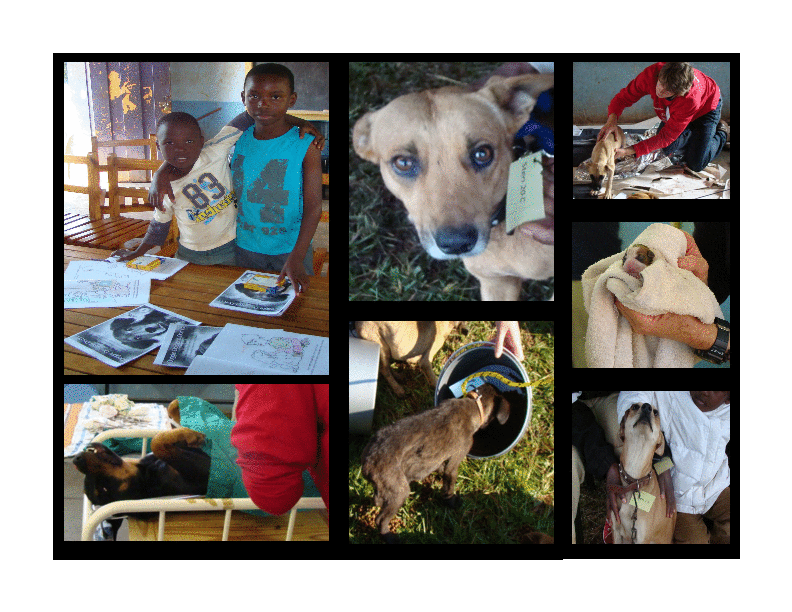
By Simangele | Mshingishingini community participant
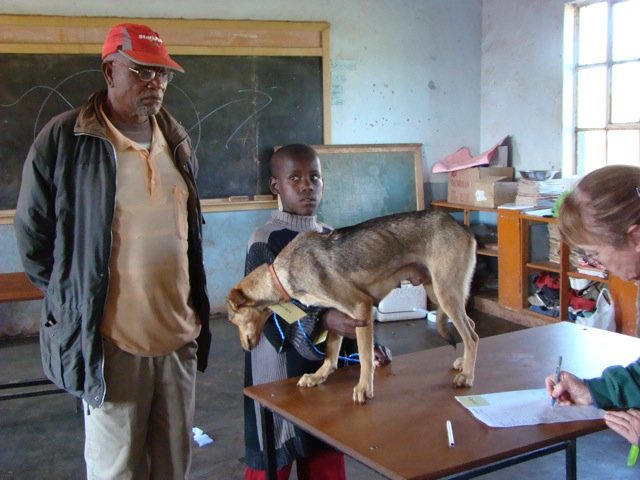
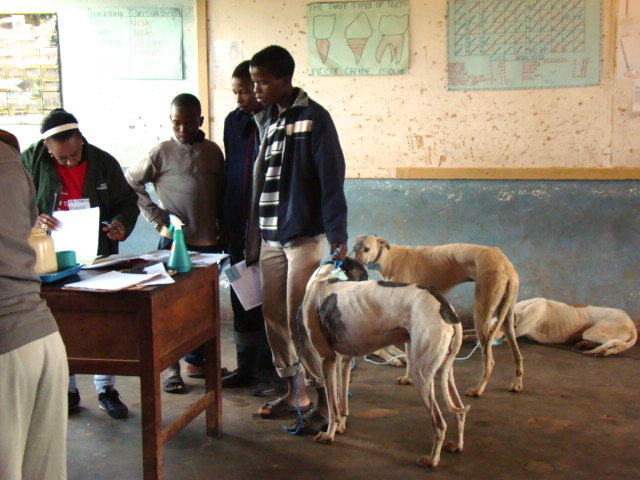
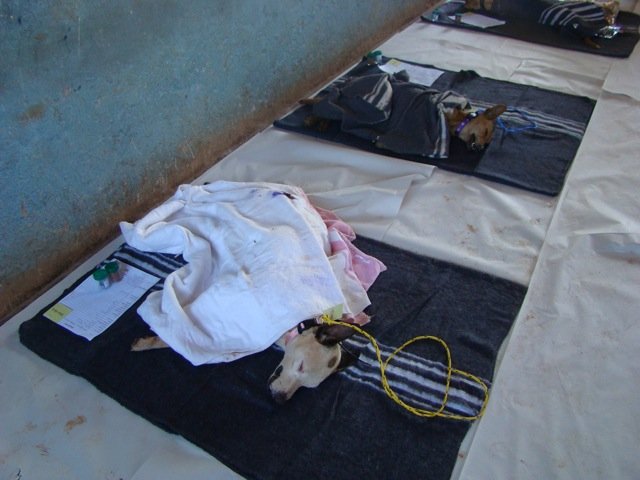
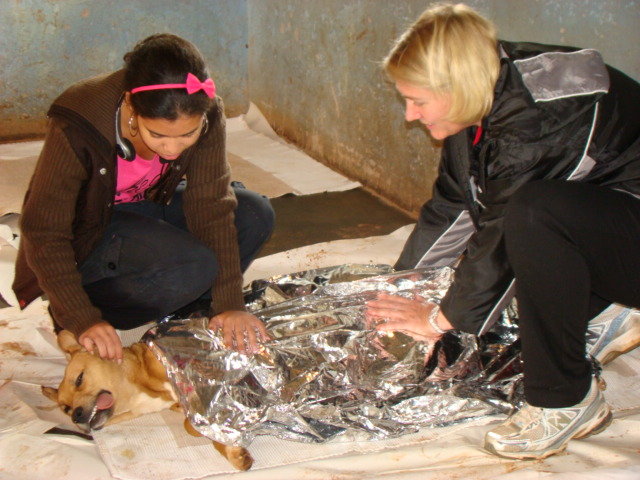
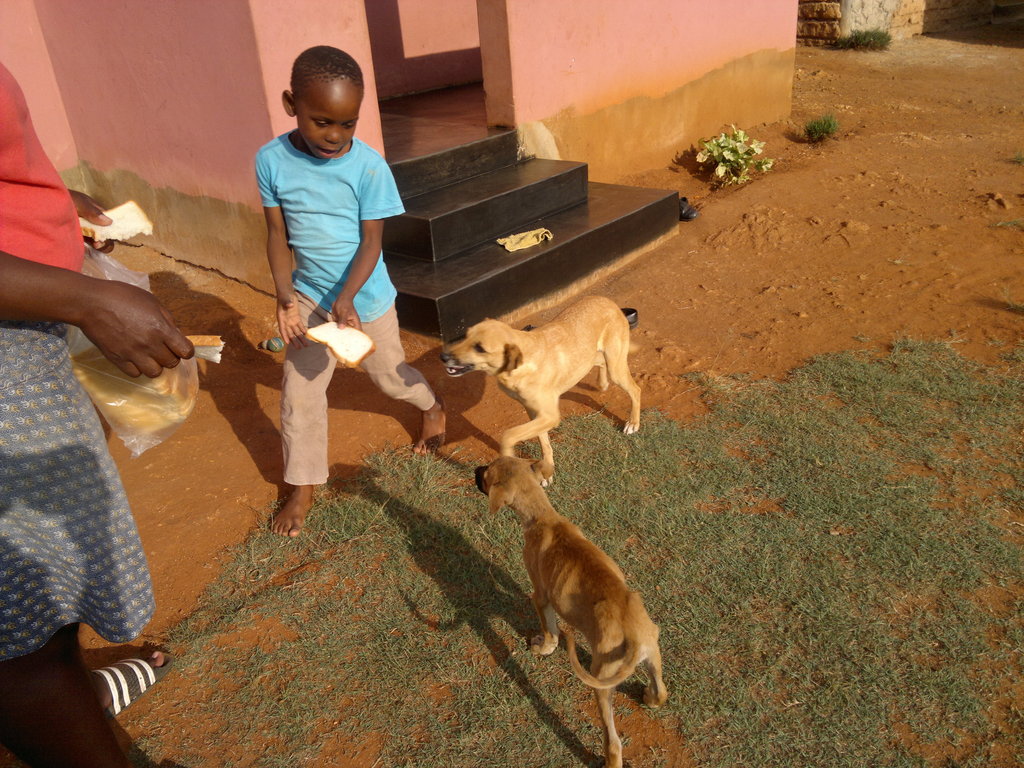
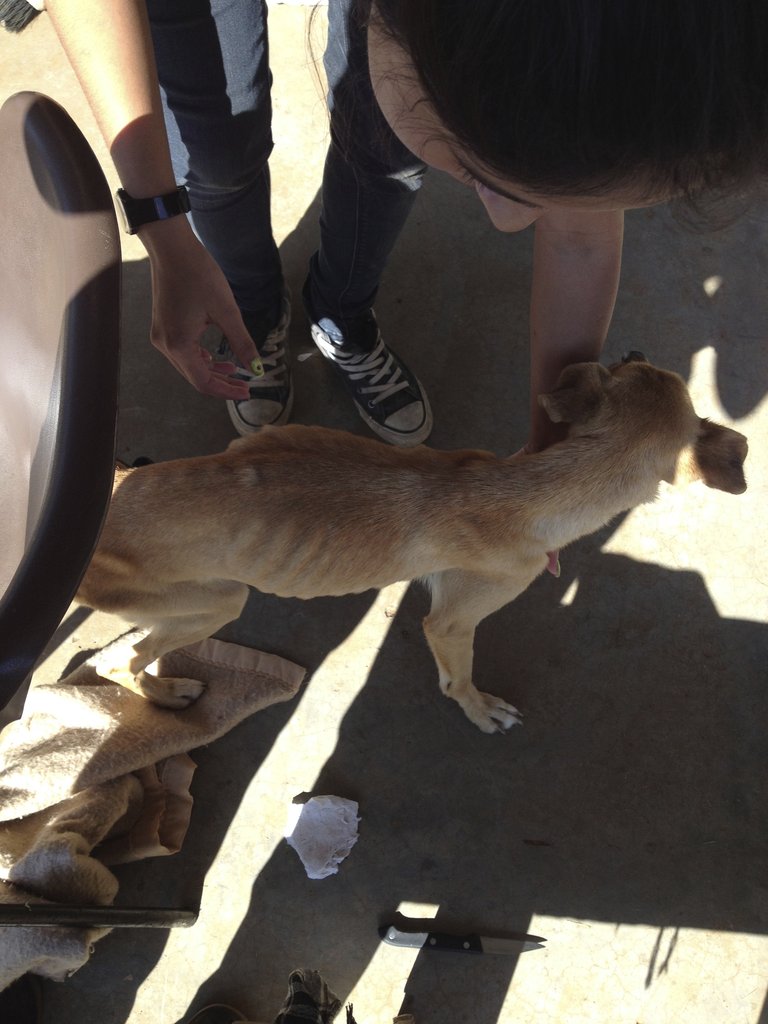
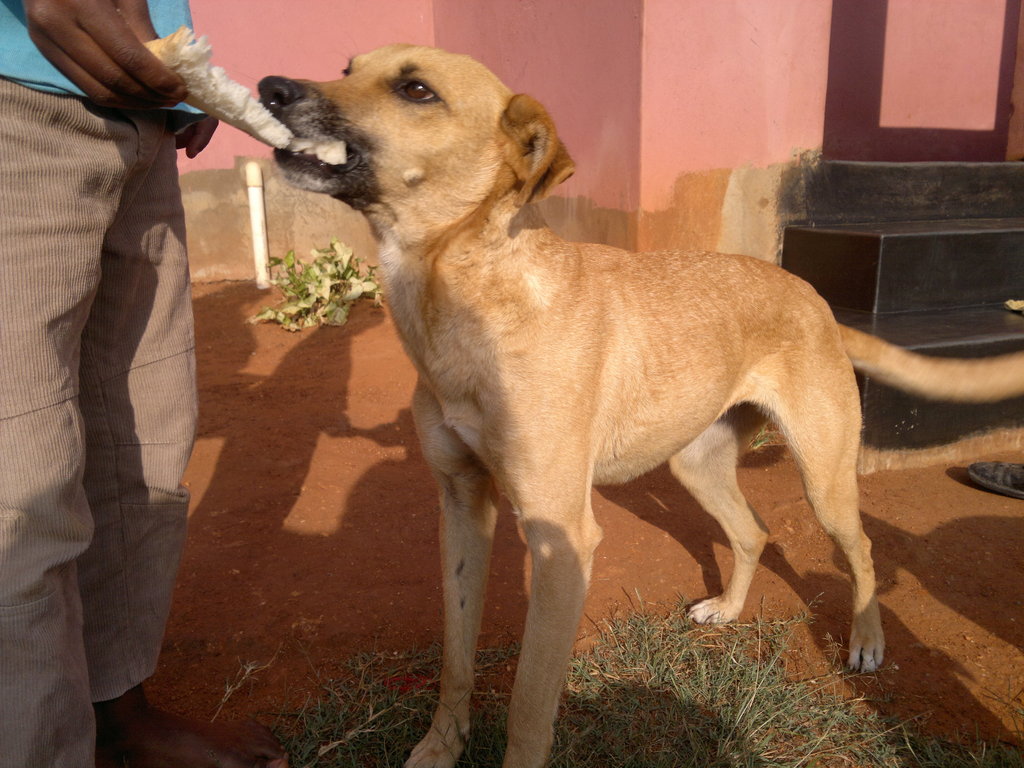
The dog that I brought to the spay day at Mshingishingini was skeletal and in very bad health, so it failed to wake up properly after its operation. The doctors ended by taking it with them to town, to give it extra attention. I lost faith that it would make it but surprisingly, the doctors brought it back in good physical shape - with no fleas and no ticks. Now I don’t reprimand it when it comes into the house, instead I call it and pet it and play with it like friends. If dogs knew how to talk we would have some fun conversations.
Spaying of the dogs helped us significantly, because another of my dogs that was not spayed died one day due to straying to other people’s homesteads at night and becoming a nuisance. I woke up one morning and found it dead in front of my house. It had vomited around the yard, so I sniffed at it suspecting that it has been poisoned with the habitual weevil tablet but could not detect a whiff of it. I therefore could not ascertain what killed my dog; however, by looking at the vomit I could tell that it had eaten left over food from neighboring homesteads.
When I found it, the puppies were still milking from their dead mother, which also made me realize that whatever my dog ate was not the medicinal kind of poison. I think whoever did this crashed bottles and mixed it with the food and the dog swallowed the bottles with the food and died.
What I am grateful for is that my other dogs will not meet this kind of death because since they got spayed, they have not left home for other people’s homesteads; even the younger dog, which is not yet spayed, has learned good behavior from the spayed dogs.
NOTE: In Swaziland, it is common for dogs to not be in good condition, be wandering around scavenging, killing and eating domestic chickens, stealing eggs, and fighting with each other. Given this, it is not uncommon for people to poison dogs.
Project reports on GlobalGiving are posted directly to globalgiving.org by Project Leaders as they are completed, generally every 3-4 months. To protect the integrity of these documents, GlobalGiving does not alter them; therefore you may find some language or formatting issues.
If you donate to this project or have donated to this project, you can receive an email when this project posts a report. You can also subscribe for reports without donating.



Support this important cause by creating a personalized fundraising page.
Start a Fundraiser