By Soph Stephens | Digital Manager
Launched under the PRAN project in Nepal, the Climate Action Clinic began with careful optimism. Today, it has grown into a trusted and active space where farmers regularly seek guidance, share experiences, and take informed steps toward regenerative agriculture.
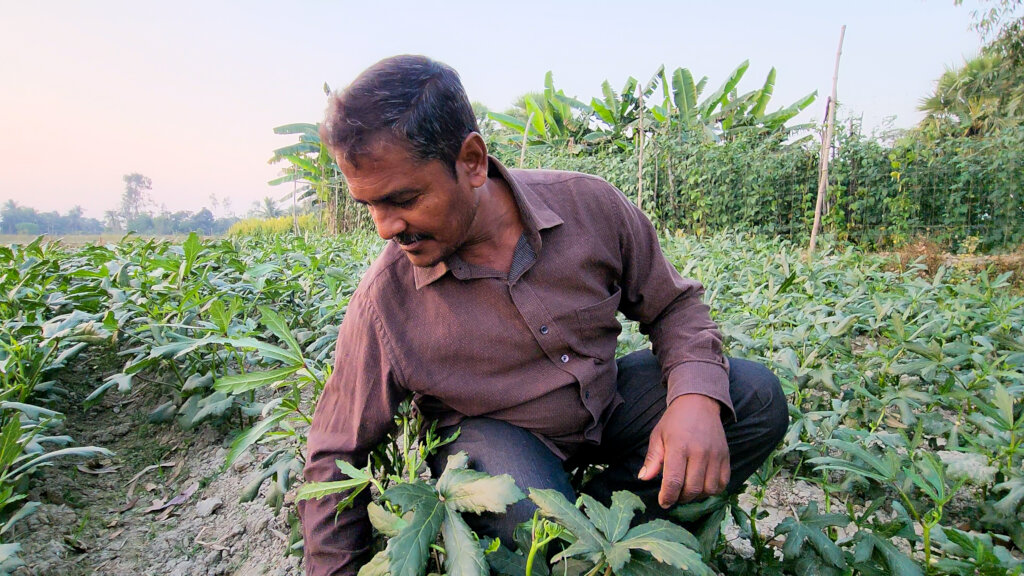
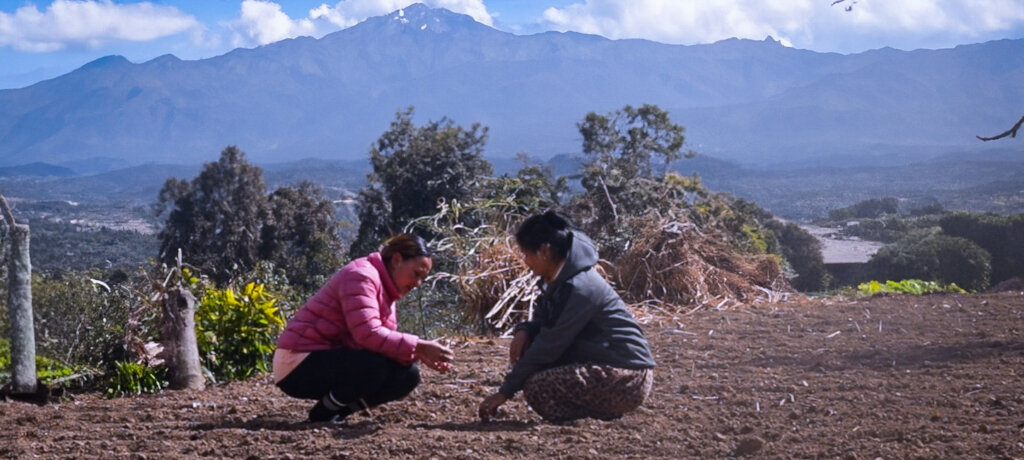
Through simple outreach materials in local languages, farmers began learning about the importance of soil health. Each month, around 25 to 30 farmers now contact the Climate Action Clinic helpline, while about 20 visit the clinic directly to test soil pH, phosphorus, and nitrogen levels. What was once viewed as a technical process has gradually become a regular practice. Farmers are learning to understand their soil before planting, allowing them to make better decisions from the start of the growing season.
This shift in approach is encouraging farmers to reduce dependence on chemical inputs and explore organic alternatives. As a result, there is growing attention to longterm soil health, environmental balance, and farm resilience. These changes contribute to healthier fields, improved biodiversity, cleaner water sources, and stronger adaptation to climate variability.
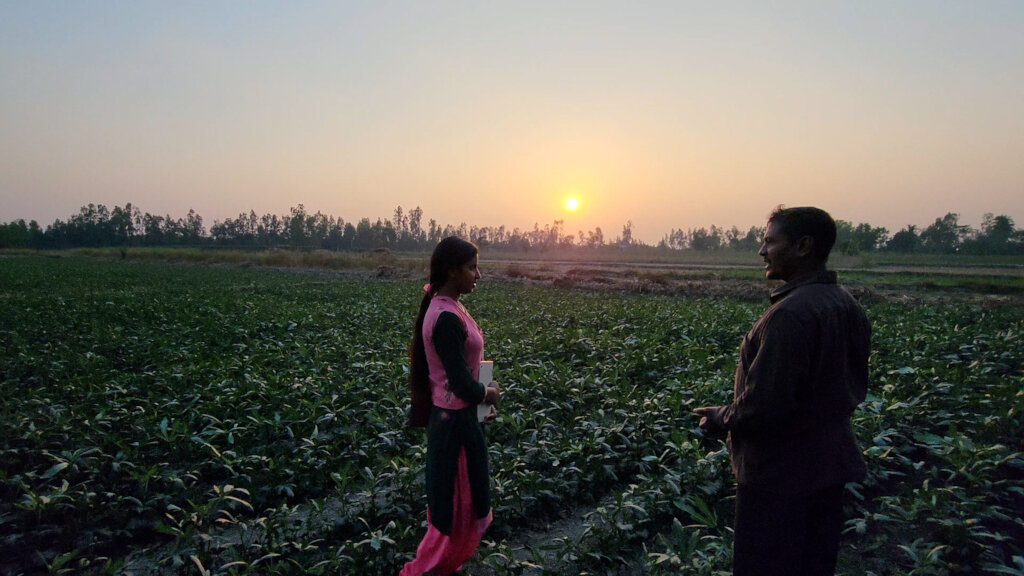
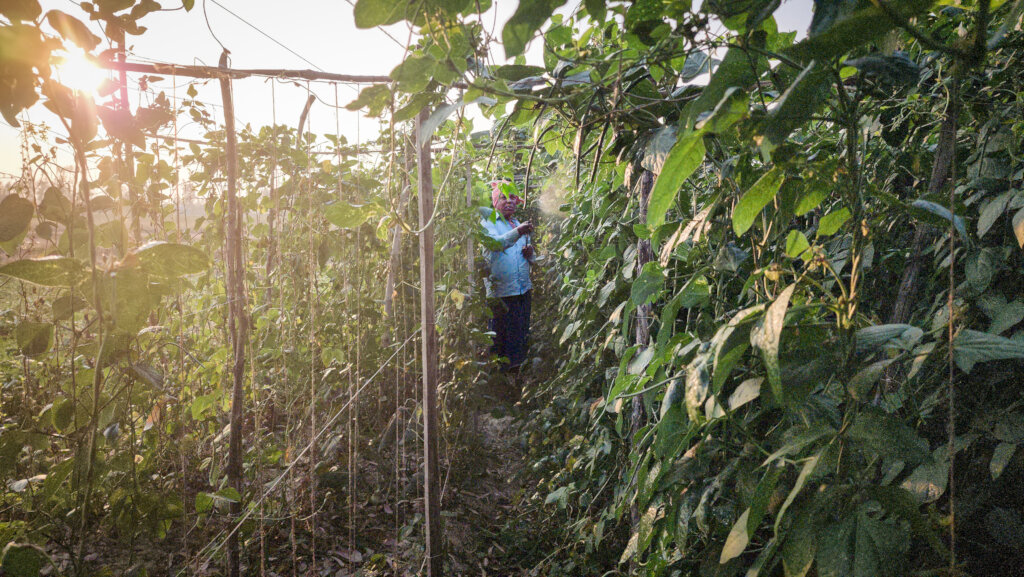
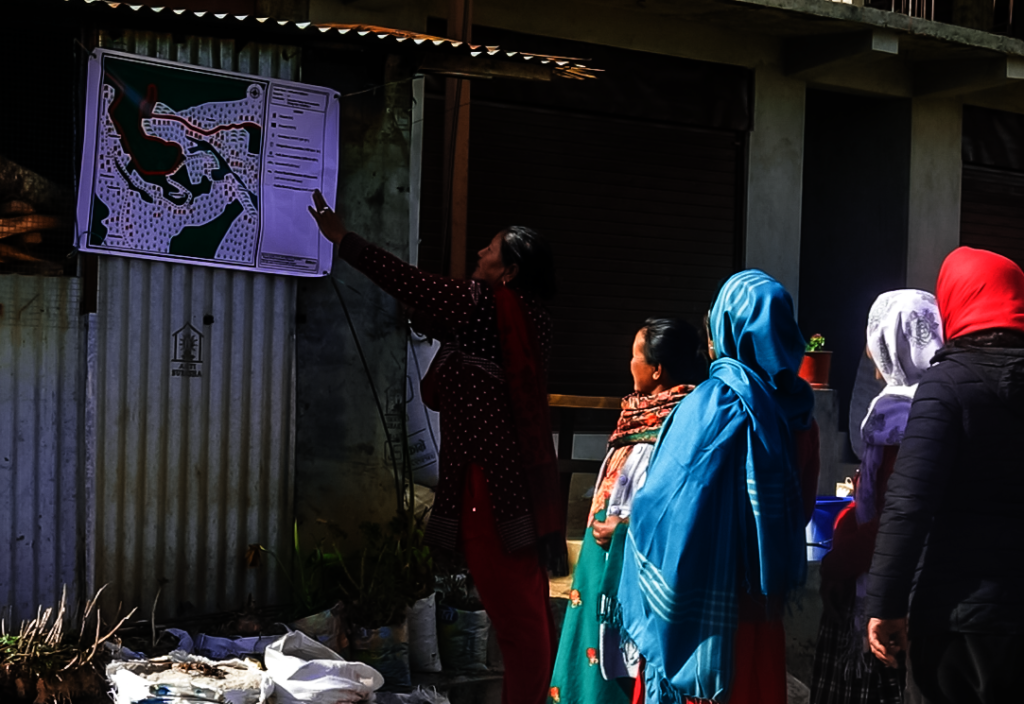
Beyond testing, the Climate Action Clinic has become a space for dialogue and learning. Farmers, youth extension workers, and local stakeholders came together at a research and demonstration plot to identify crop choices that align with market demand and regenerative practices. Based on local conditions and shared knowledge, trials were designed to test tomato, potato, and sponge gourd using different methods — including treated and untreated soils, monocropping, and intercropping. Crop combinations were selected carefully to minimise nutrient competition and reduce disease risk.
Today, the Climate Action Clinic functions as more than a service point. It is a place where farmers exchange knowledge, adapt practices, and build confidence in climateresponsive farming.
As one farmer shared,
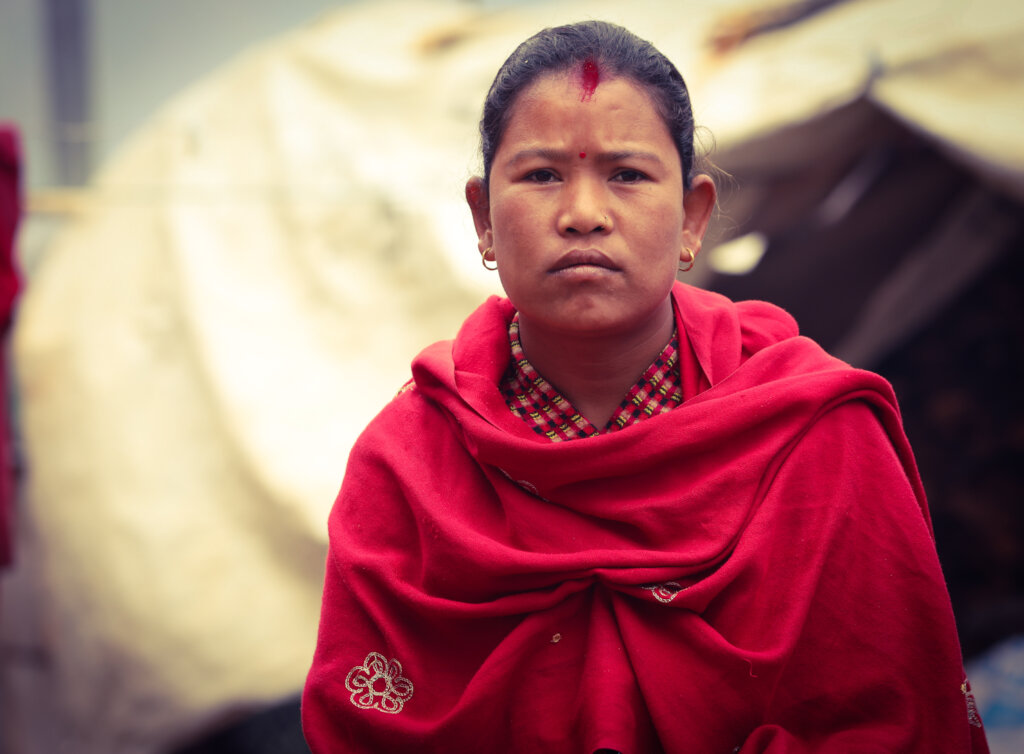
“The Climate Action Clinic has helped me to understand my soil much better. Now, I test my soil before planting and know exactly what it needs to grow healthy crops.”
This growing engagement reflects how accessible knowledge and practical support can lead to sustained, communitydriven climate action.
Thank you for your support.
Project reports on GlobalGiving are posted directly to globalgiving.org by Project Leaders as they are completed, generally every 3-4 months. To protect the integrity of these documents, GlobalGiving does not alter them; therefore you may find some language or formatting issues.
If you donate to this project or have donated to this project, you can receive an email when this project posts a report. You can also subscribe for reports without donating.



Support this important cause by creating a personalized fundraising page.
Start a Fundraiser