By Dr. Marisa Tellez | Executive Director and Founder
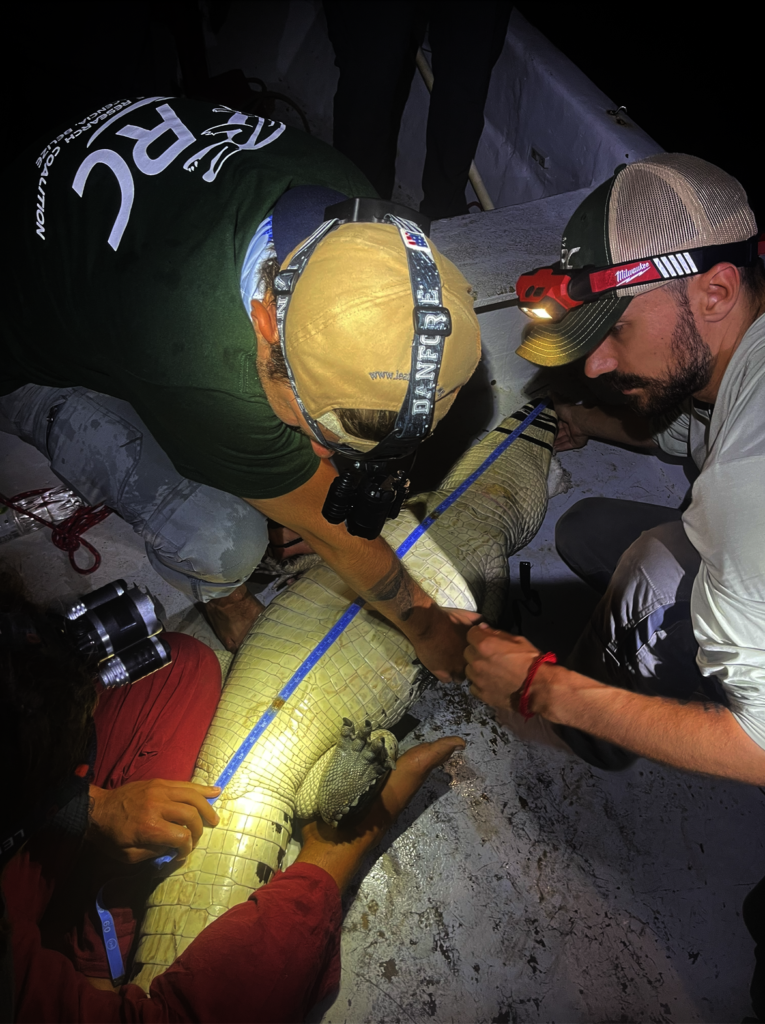
Despite the unusual weather in Belize (continuous cooler weather and rain), we have finally been able to jump start our field surveys, which include nocturnal eyeshine surveys, capture surveys, and now that we have finished breeding season, we can start nesting surveys.
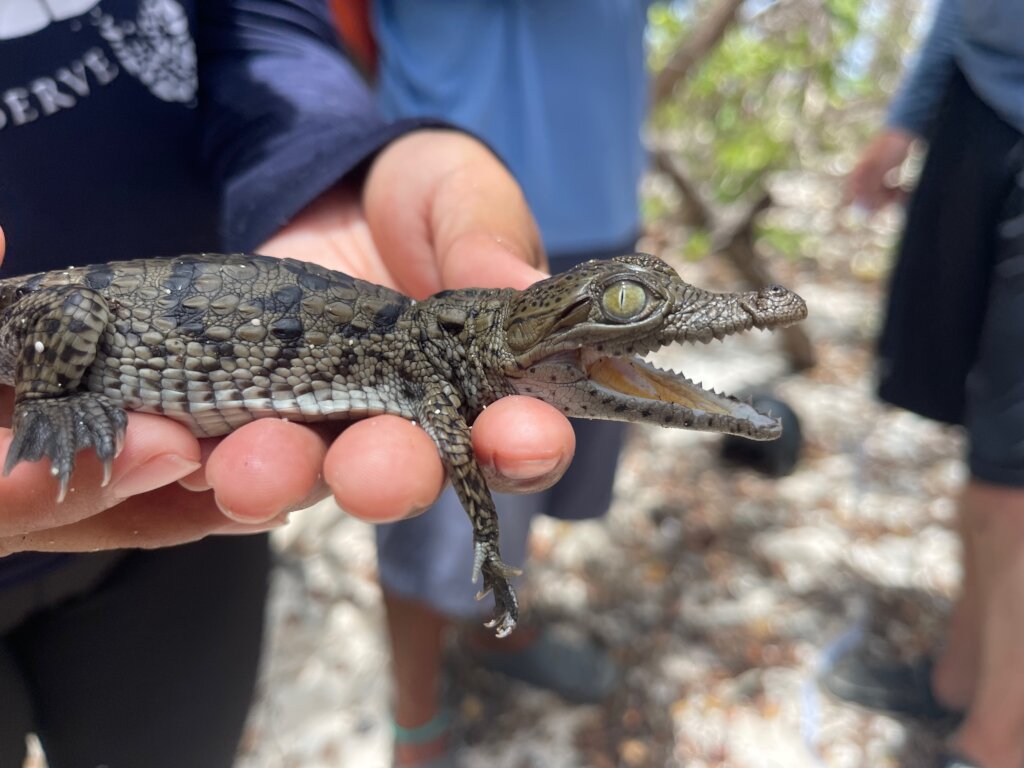
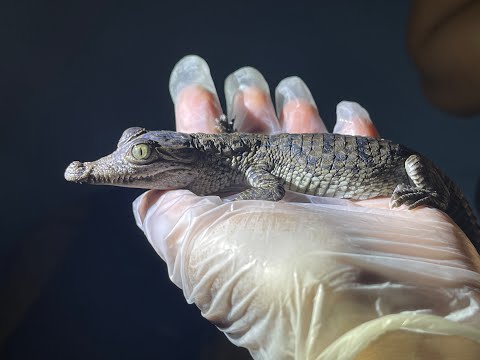
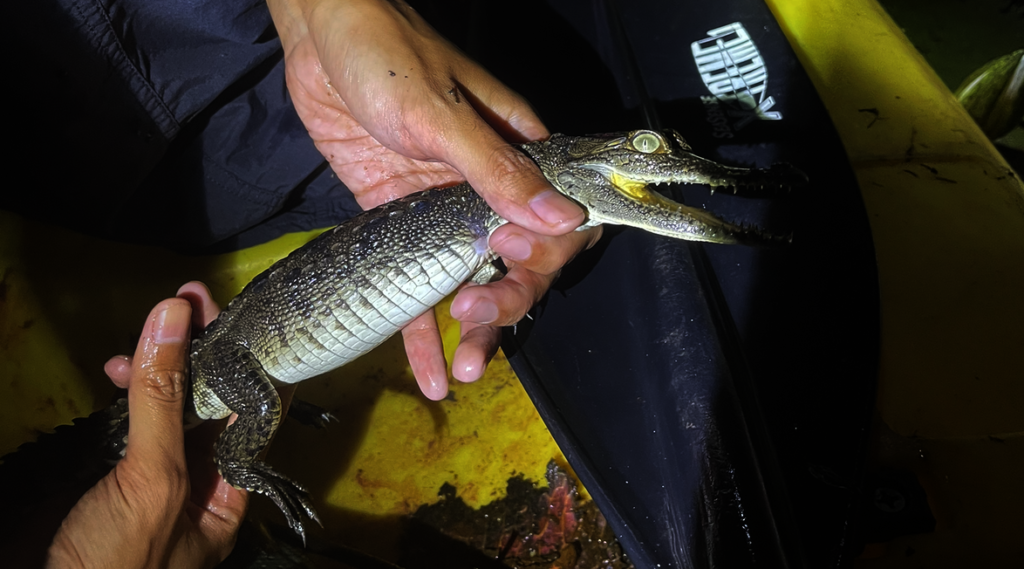
The research surveys we have conducted the last few months have been focused around Placencia Lagoon given the unusual weather, it will save us time and resources if we have to cancel last minute closer to home. We decided given weather it’s best to concentrate research efforts close to home, expanding to other areas in Belize come dry season (which starts in January). We have tagged 15 new crocodiles, all juveniles to small adults. This illustrates the population of crocodiles in Placencia Lagoon is much larger than originally thought given the low number of recaptures. External examination of all crocodiles illustrates a healthy population, which would also indicate a healthy environment. Tissue samples for heavy metal analyses were taken from all crocodiles. We are still in the process of exporting samples to the US for heavy metal analysis, but still waiting on Belize government approval. An interesting find within this time of capture surveys was finding a yearling missing its right front arm. Despite the clean bite mark (likely from a turtle), the female American crocodile is definitely healthy has adapted to thriving in its environment with 3 legs!
We are now in nesting season and discovered one nest in Placencia Lagoon. About a decade ago we found 4 nests around the lagoon, but we have only been able to successfully locate one in the last few years. Thus, at the moment this one nest is very significant for the next generation of the critically endangered American crocodile. Getting tissue samples from the babies as well as preserving egg samples can provide us information of what the mother was exposed to, and how pollution is past down to the next generation.
Thank you to all who have donated towards our project through GlobalGiving. As the dry season comes, our next report will have more details given we will be able to conduct more research surveys. Additionally, some of our samples will have been analyzed so in the next several months we should have some information about what pollutants crocodiles are being exposed to in their ecosystem. We are very grateful to all of those that have donated and are willing to help us maintain healthy aquatic ecosystems in Belize. Our work is currently considered a model project by various wildlife researchers and ecotoxicologists given our results from previous years. Thank you all so much for sinking your teeth into conservation with the CRC and Belize!
CRC staff is currently prepping to send samples off to our collaborators in the United States for heavy metal analysis.
Dr. Marisa Tellez and the CRC team
Project reports on GlobalGiving are posted directly to globalgiving.org by Project Leaders as they are completed, generally every 3-4 months. To protect the integrity of these documents, GlobalGiving does not alter them; therefore you may find some language or formatting issues.
If you donate to this project or have donated to this project, you can receive an email when this project posts a report. You can also subscribe for reports without donating.



Support this important cause by creating a personalized fundraising page.
Start a Fundraiser