By Dr. Marisa Tellez | Executive Director and Founder
Protect and Restore Aquatic Ecosystems in Belize
May 2025-August 2025
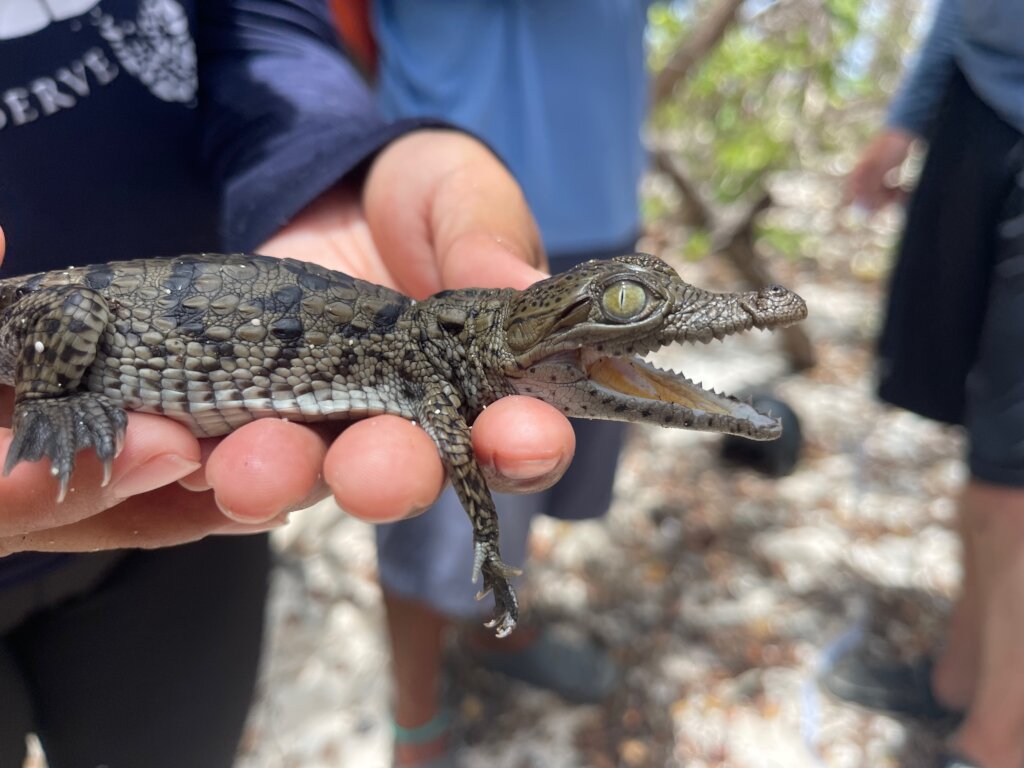
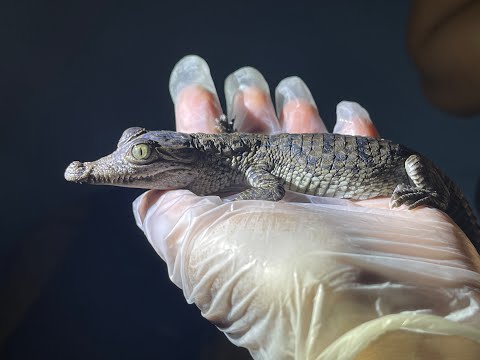
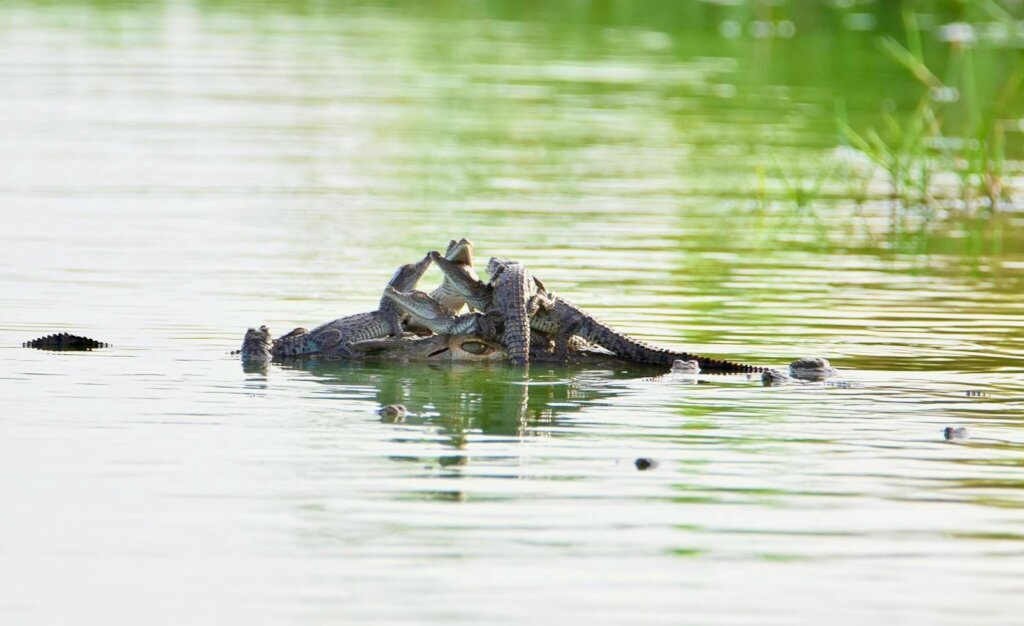
CRC has conducted about 15 capture surveys in the last few months, along with 5 nocturnal eyeshine surveys, and discovering one American crocodile nest in the Placencia Lagoon. Twenty American crocodiles hatched from a nest, in which one female has been utilizing this location for the last several years. All babies were healthy, which would depict a healthy ecosystem in that area of the Placencia Lagoon.
In regard to capture surveys, we conducted capture surveys in southern Belize (Monkey River, Placencia Lagoon, and Sittee River) as well as in Central Belize (New River Lagoon and Crooked Tree). In southern Belize, all crocodiles are showing signs of good growth, as well as they are healthy. All are excellent or good in body mass, and teeth illustrate a lack of nutrient absorption (likely due to some heavy metals in the water), but overall animals were healthy.
In Crooked Tree, crocodiles captured were overall healthy, however there is concern by Belize Audubon Society and the community that pollution from new agricultural farm will soon destroy the Ramsar site wildlife sanctuary, putting the environment and livelihoods at stake. Pesticides are not regulated in Belize, so education and enforcement is very much needed to ensure Crooked Tree does not share the same fate as New River. At the moment, crocodiles in Crooked Tree were mainly adults and looking healthy, but we believe we need to monitor annually instead of every 5 years given the agricultural run-off could exponentiate the health of crocodiles in this population.
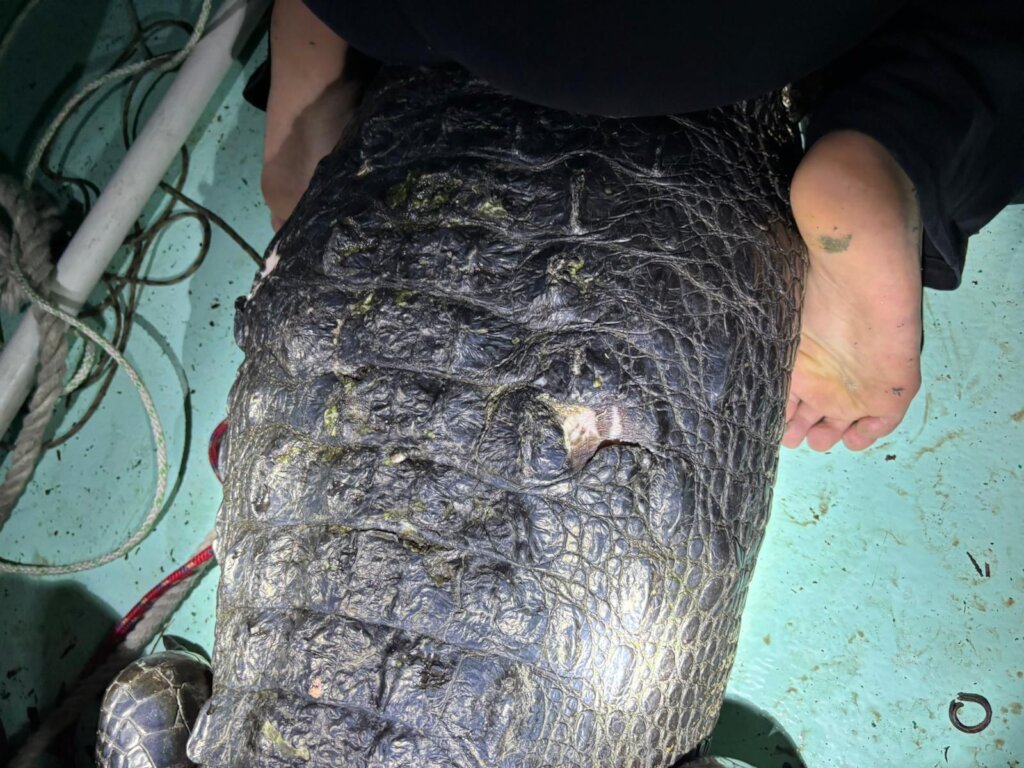
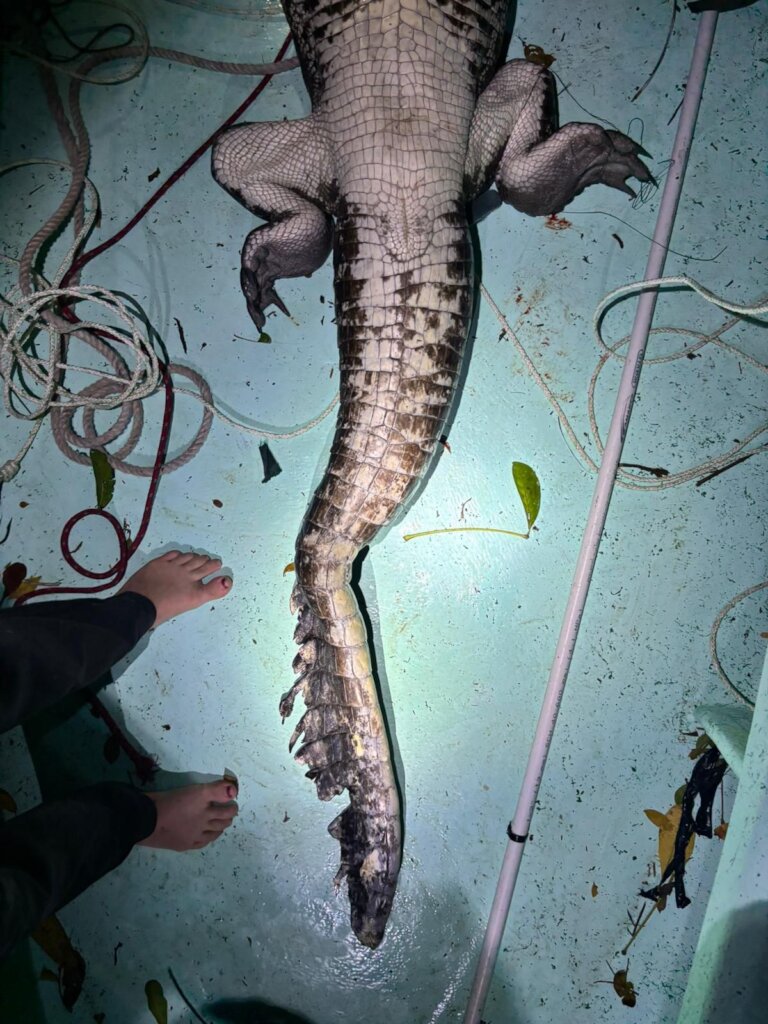
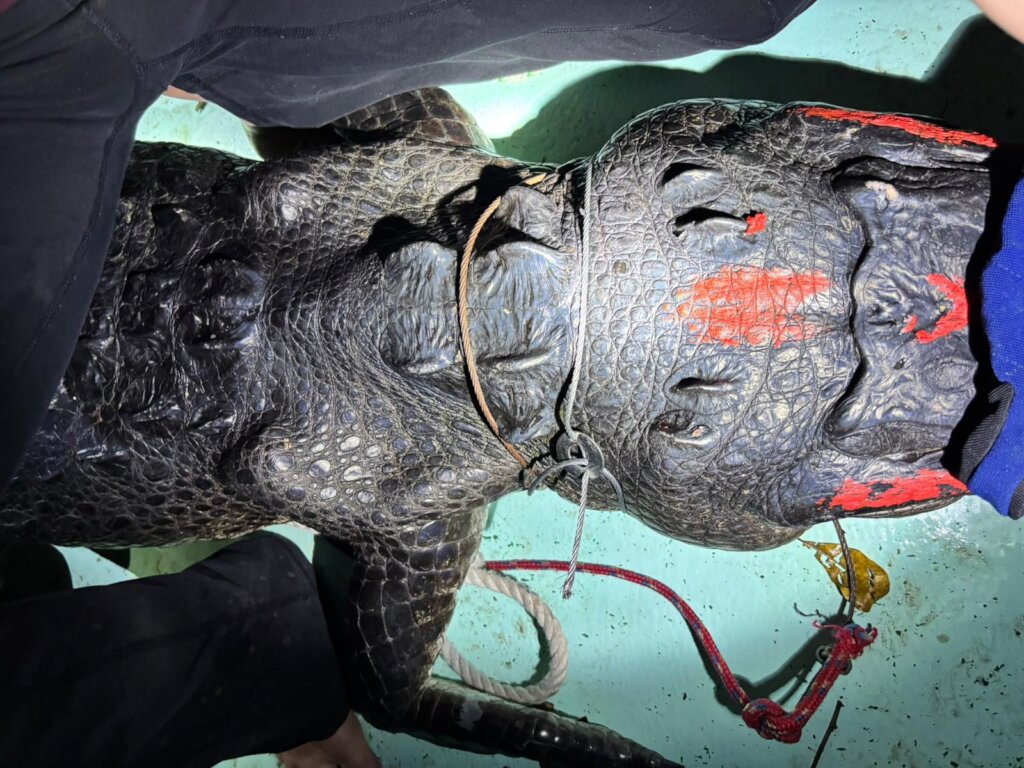
Unfortunately, New River Lagoon has changed drastically since we surveyed this area in 2017-2018. Prior, this area was pristine with many healthy crocodiles. In July 2025, we came across several crocodiles illustrating necrosis and various bite marks. The necrosis can be due to poor environmental conditions, and the bite marks could be possible signs of territorial dispute or attempted cannibalism amongst crocodiles. The pollution can absolutely have a negative impact on fish populations (natural prey of crocodiles) as well as other wildlife in the area, which could lead to the increase of possible fights amongst crocodiles.
Thank you to all who have donated towards our project through GlobalGiving. As the rainy season continues, our next report will be a bit shorter given the weather prevents us from doing as much research. Additionally, more of our samples will have been analyzed so in the next several months we should have some information about what pollutants crocodiles are being exposed to in their ecosystem. We are very grateful to all of those that have donated and are willing to help us maintain healthy aquatic ecosystems in Belize. Our work is currently considered a model project by various wildlife researchers and ecotoxicologists given our results from previous years. Thank you all so much for sinking your teeth into conservation with the CRC and Belize!
CRC staff is currently prepping to send samples off to our collaborators in the United States for heavy metal analysis.
Dr. Marisa Tellez and the CRC team
Links:
Project reports on GlobalGiving are posted directly to globalgiving.org by Project Leaders as they are completed, generally every 3-4 months. To protect the integrity of these documents, GlobalGiving does not alter them; therefore you may find some language or formatting issues.
If you donate to this project or have donated to this project, you can receive an email when this project posts a report. You can also subscribe for reports without donating.



Support this important cause by creating a personalized fundraising page.
Start a Fundraiser