By Natalia Collier | Program Manager
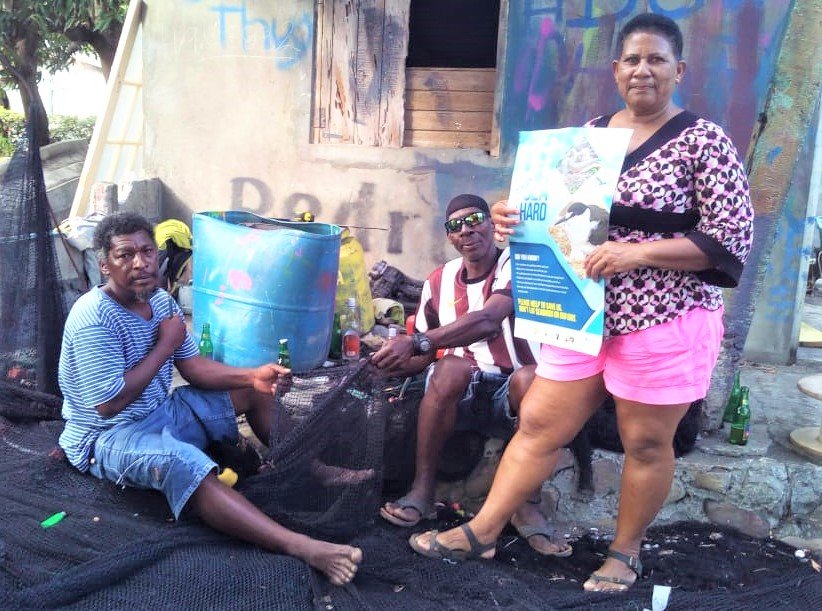
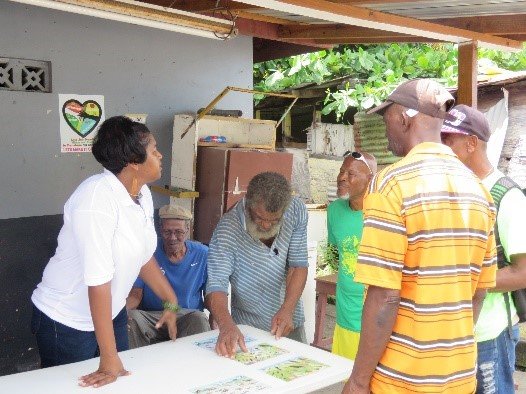
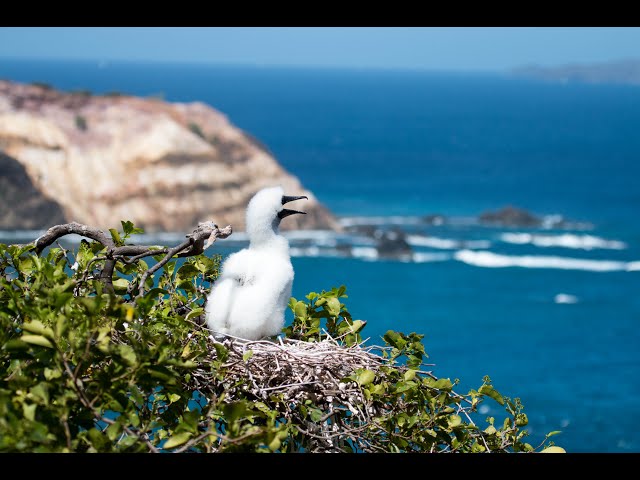
If you want to save seabirds from extinction, you need a plan! However, your plan is only as good as the community support it has. For this reason, our team has been meeting with fisherfolk communities, NGOs, and government agencies to get their feedback on the draft Community-based Conservation Management Plan for Grenadines Seabirds.
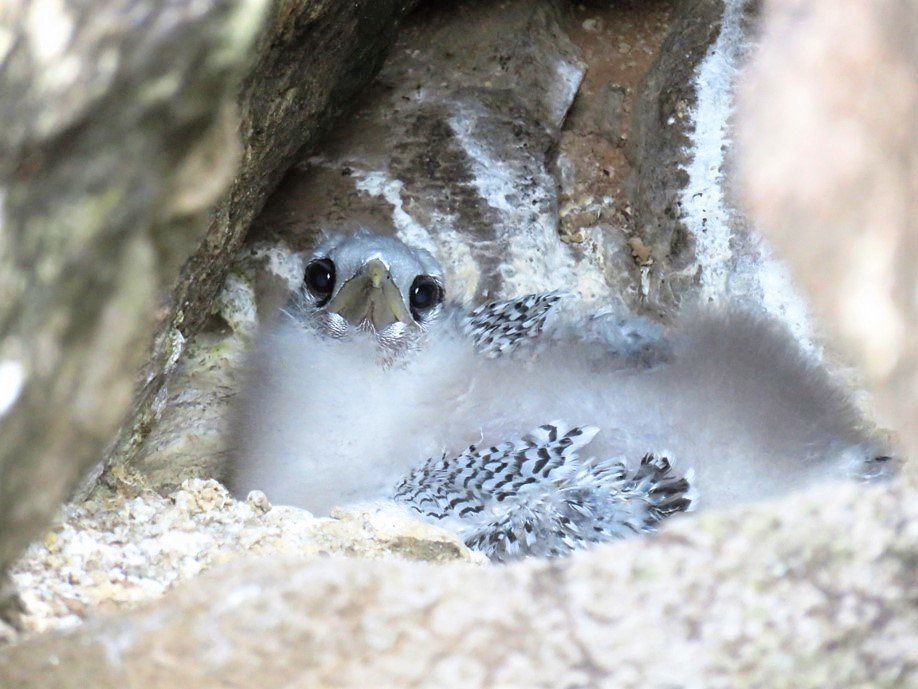
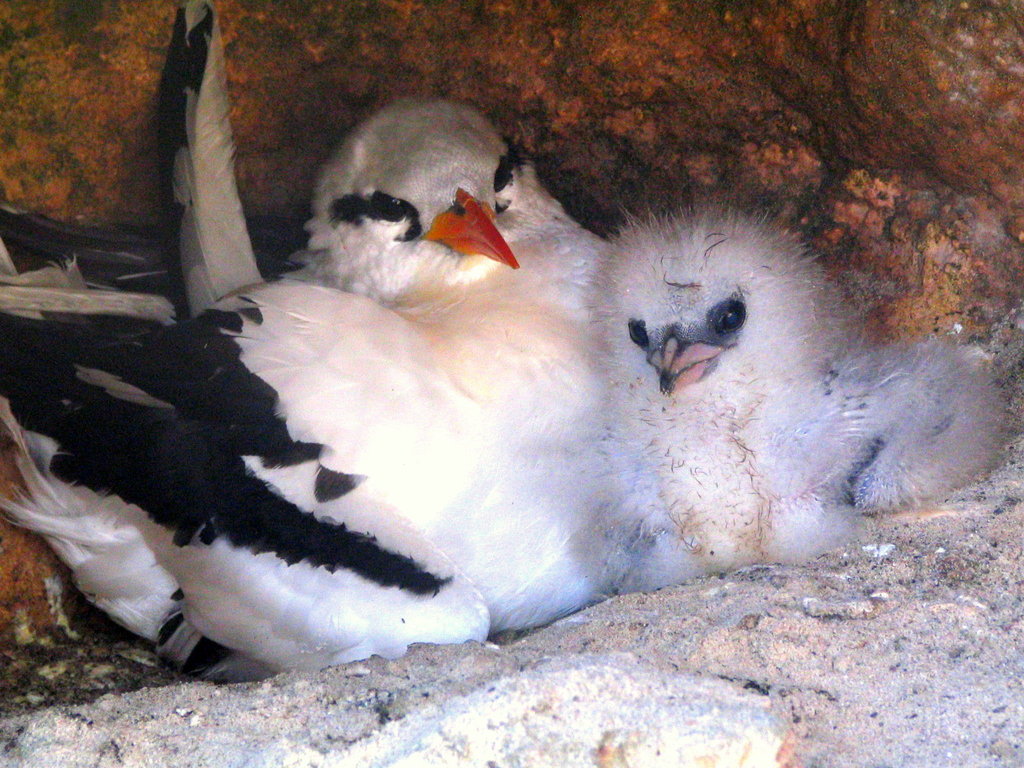
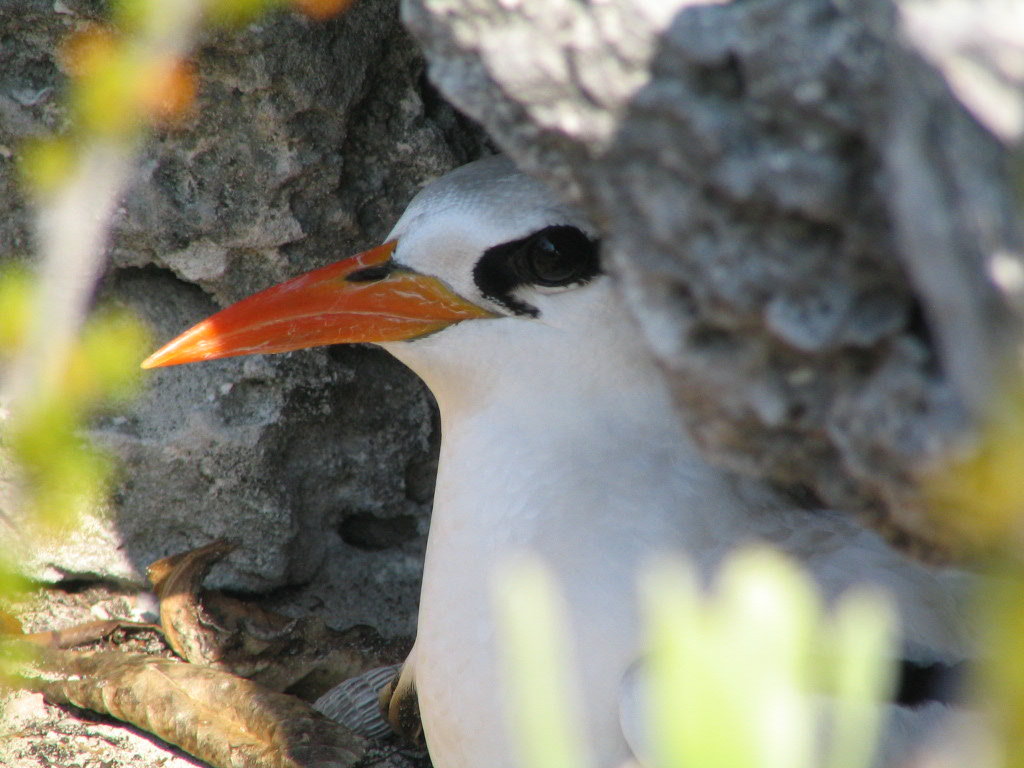
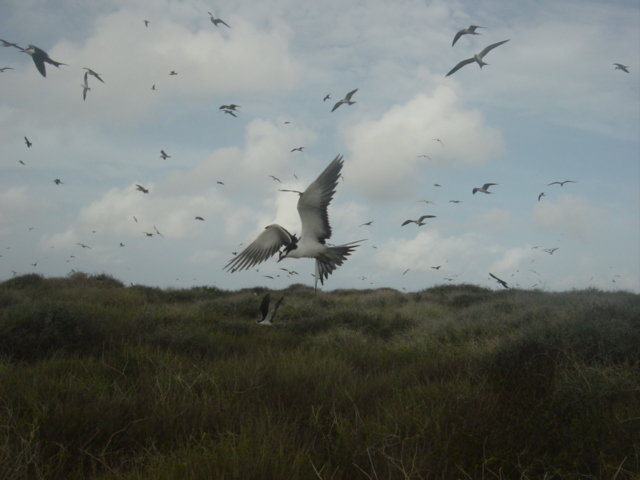
During community meetings, fisherfolk proved to be highly knowledgeable about seabirds and shared the importance of seabirds for finding fish, navigating and interpreting weather patterns. One fisherman simply stated “All seabirds are very important to us.” For example, Magnificent Frigatebirds are useful for indicating changes in weather, while Royal Terns are useful for finding baitfish, and Red-billed Tropicbirds can lead the way to larger commercial species at sea, such as tuna.
Participants were asked if they learned anything during the presentation and discussions. All present were shocked to learn that some seabirds regularly dive more than 50 meters and that some can live to be up to seventy years old. Some were not aware that seabirds often mate for life.
There were also discussions about the gradual decline in seabirds due to a variety of local threats. Harvesting of seabirds, their chicks and eggs has been a primary topic, including the laws making this practice illegal. One participant indicated that in the past seabirds were traditionally served for Sunday dinners. While illegal harvest of seabirds, their chicks and eggs still occurs, participants recognized that harvesting would eventually lead to population declines.
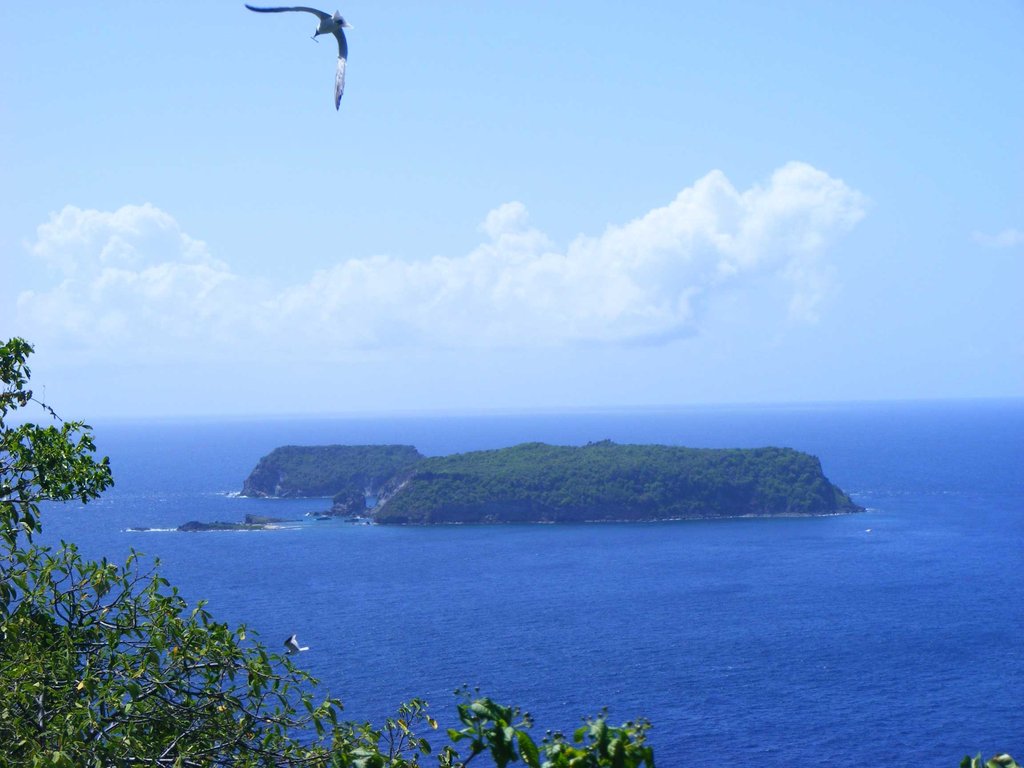
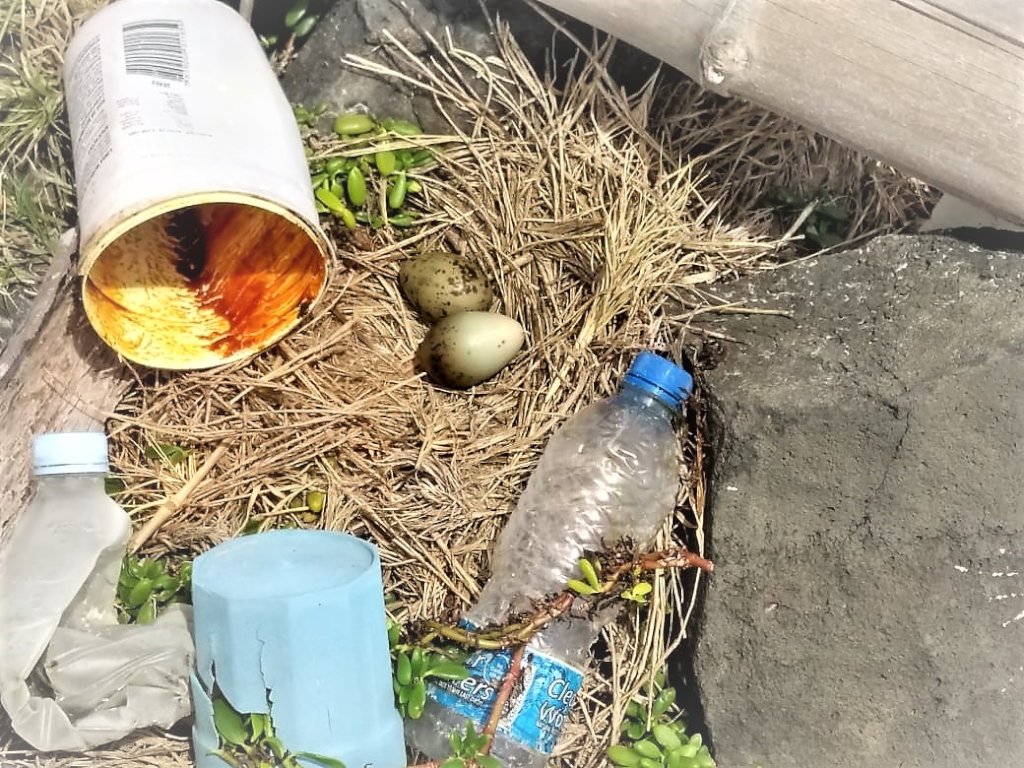
When asked about how we can recover seabird populations, general consensus was that protection needs to focus on their breeding islands, which in the Grenadines are threatened with development, invasive species and pollution arriving by sea. Some participants called for a halt to harvesting activities, particularly of seabird eggs, and to clean up the plastic pollution arriving on the shores of remote seabird breeding islands. In addition, they suggested the public be notified by radio and other means prior to each seabird season that taking of seabird eggs and chicks is prohibited.
Feedback from participants is now being integrated into the final Conservation Plan. In 2020, a group of stakeholders will lead the implementation of the plan for on-the-ground conservation action to protect seabirds and their breeding grounds.
Your donation will make this and other crucial work possible in the New Year. We thank you for your support and wish you all the best for the holiday season!
Project reports on GlobalGiving are posted directly to globalgiving.org by Project Leaders as they are completed, generally every 3-4 months. To protect the integrity of these documents, GlobalGiving does not alter them; therefore you may find some language or formatting issues.
If you donate to this project or have donated to this project, you can receive an email when this project posts a report. You can also subscribe for reports without donating.



Support this important cause by creating a personalized fundraising page.
Start a Fundraiser