By Natalia Collier | Program Director
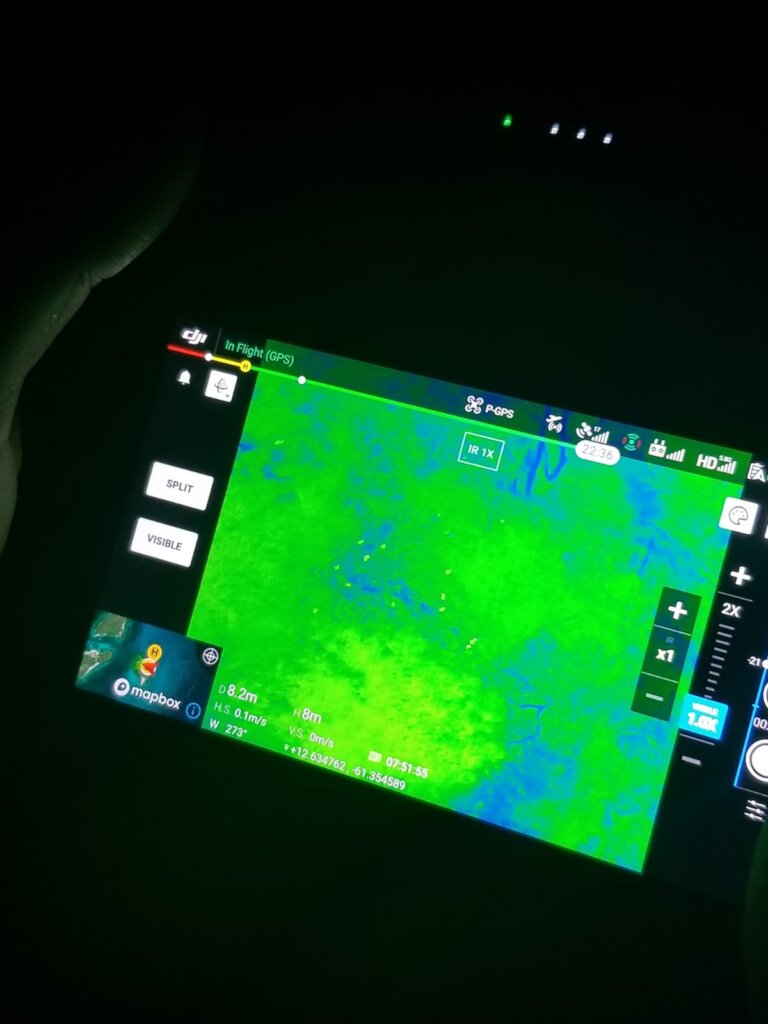
How do you see birds in the dark? With thermal imaging cameras, researchers can detect the heat of mammals and birds. Those light green dots on the screen in the photo are Brown noddies at their nest sites in the Grenadines. Night is the best time to “see” them because it’s cooler, contrasting more with the animal’s heat.
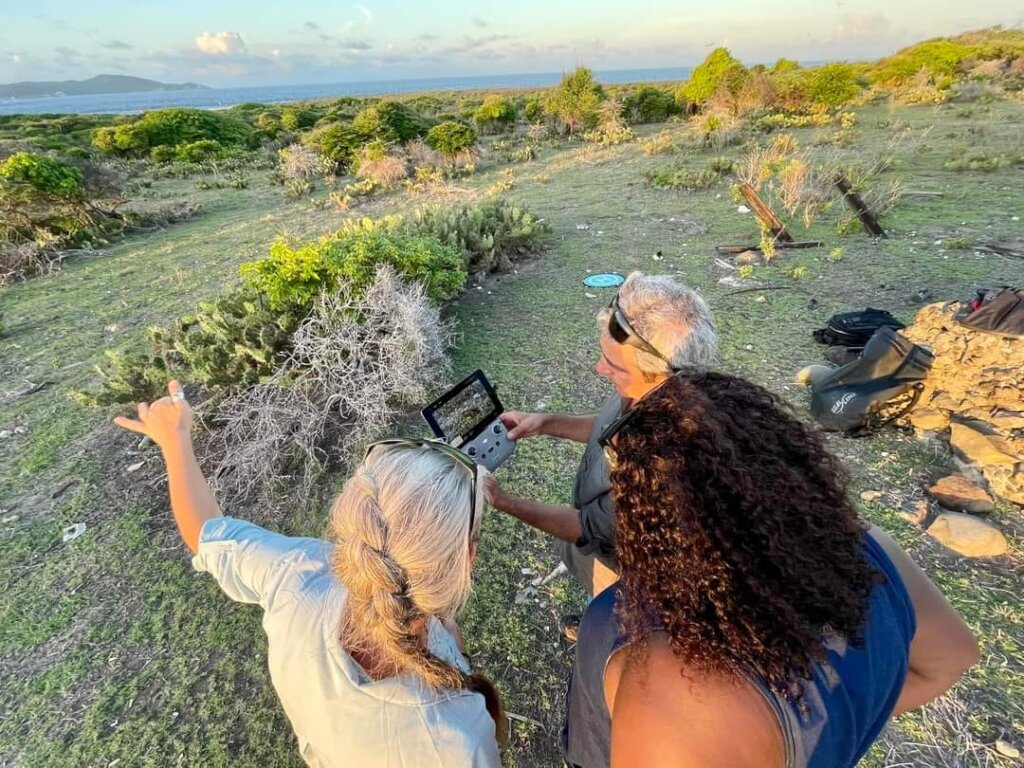
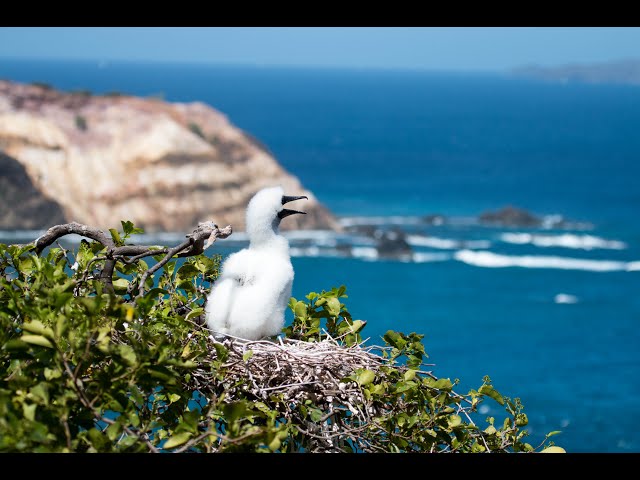
Over the past week, EPIC collaborated with researchers at Archipelagics and ConservationDrones to test using thermal imaging cameras on drones for surveying seabirds as well as non-native mammals that can negatively impact native wildlife. The venture was successful, documenting numerous seabird colonies and, unfortunately, rats.
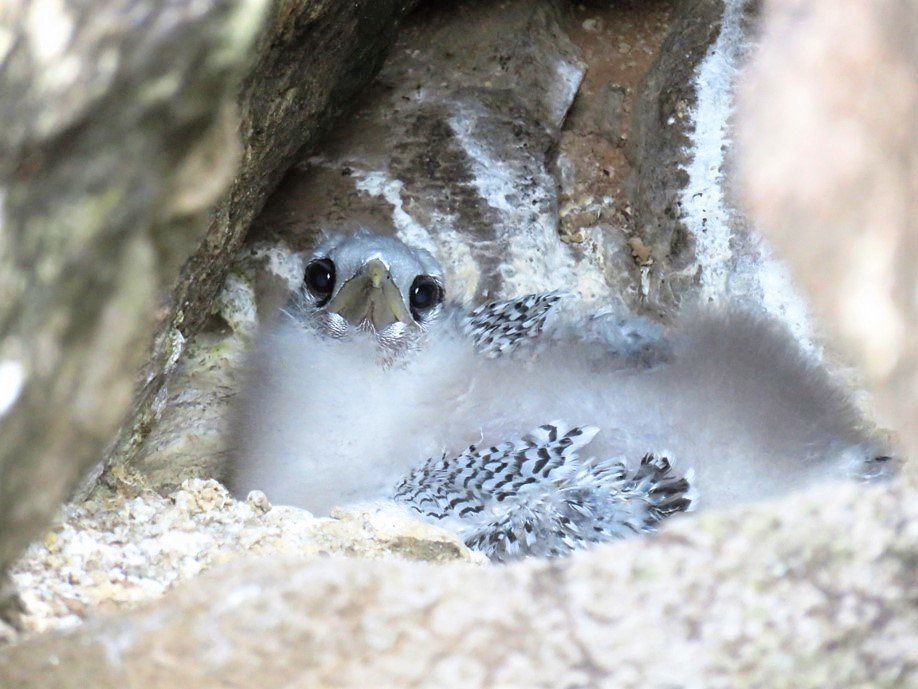
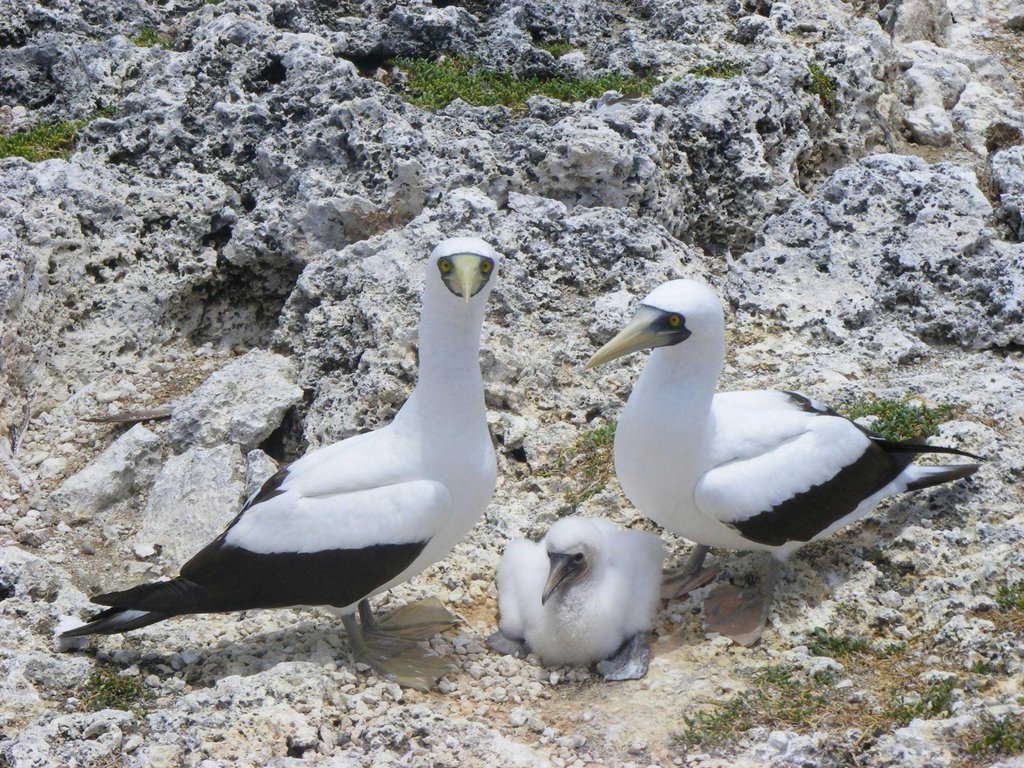
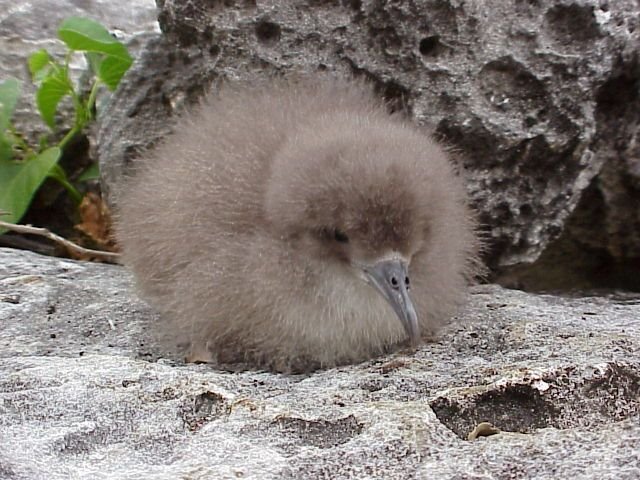
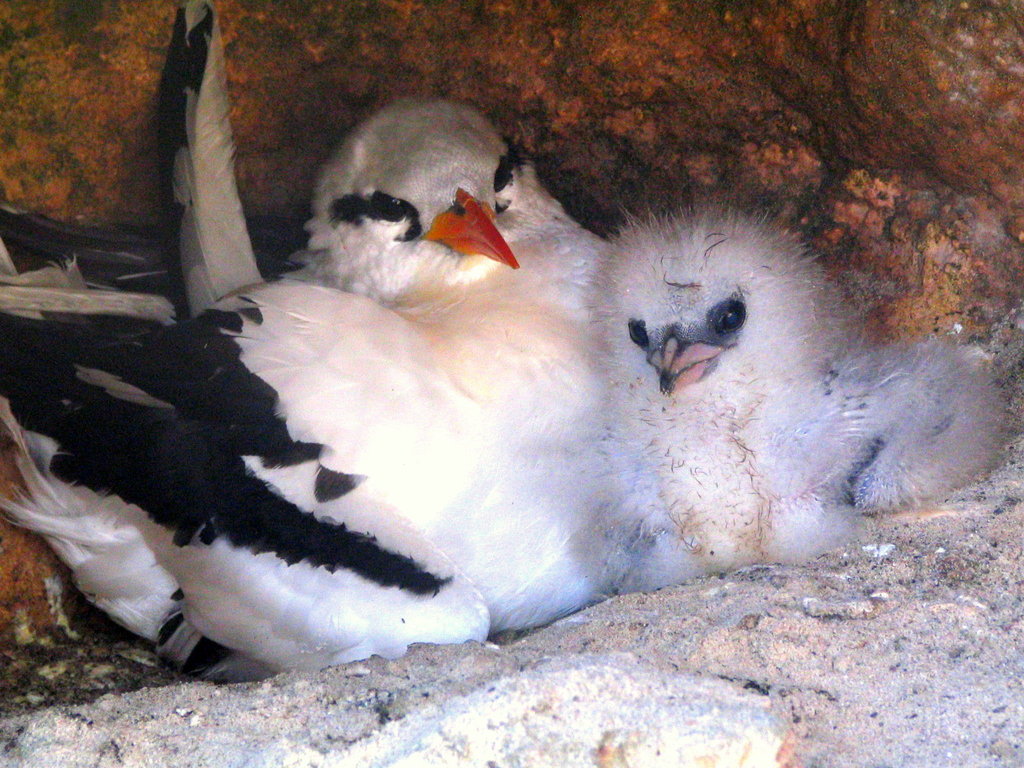
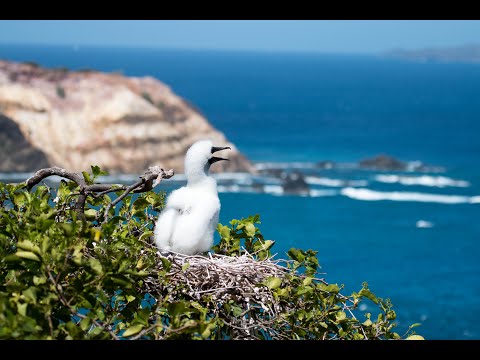
With seabird populations rapidly declining around the world, we need more tools for monitoring their status and the threats they face to inform our ongoing efforts to protect the remaining colonies.
This work was supported by donors to our Protect Baby Seabirds campaign. Today only, your donation of $100 or more to this project will be matched by GlobalGiving! Matching funds are limited so donating early is best.
Our multi-faceted conservation approach includes cutting-edge research, citizen-science, education, and restoration to help protect some of the last remaining refuges for nesting seabirds. All of these efforts would not be possible without donors like you, please donate today!
Thank you,
Links:
Project reports on GlobalGiving are posted directly to globalgiving.org by Project Leaders as they are completed, generally every 3-4 months. To protect the integrity of these documents, GlobalGiving does not alter them; therefore you may find some language or formatting issues.
If you donate to this project or have donated to this project, you can receive an email when this project posts a report. You can also subscribe for reports without donating.



Support this important cause by creating a personalized fundraising page.
Start a Fundraiser