By Natalia Collier | Executive Director
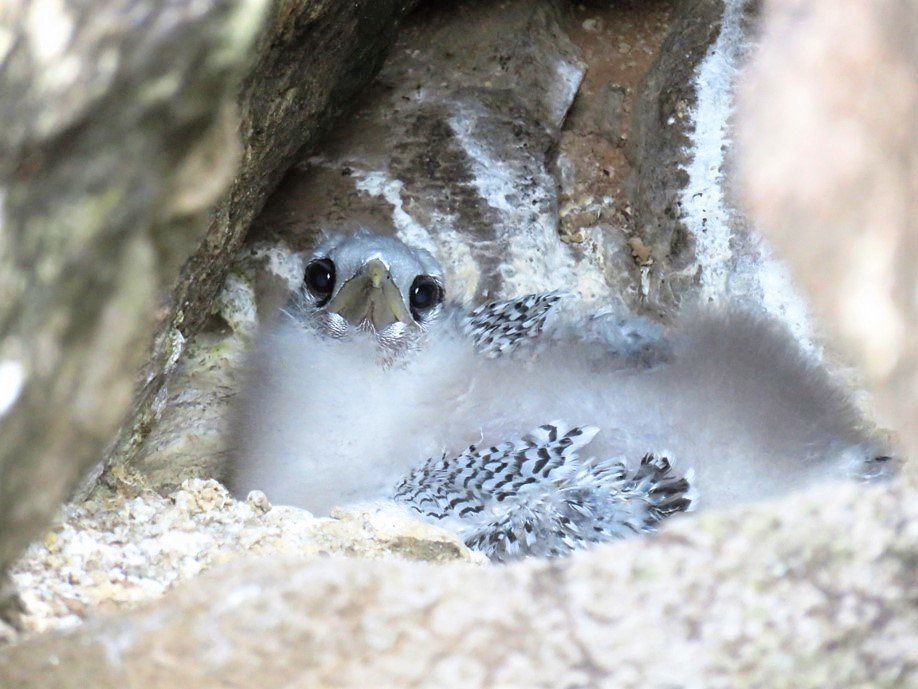
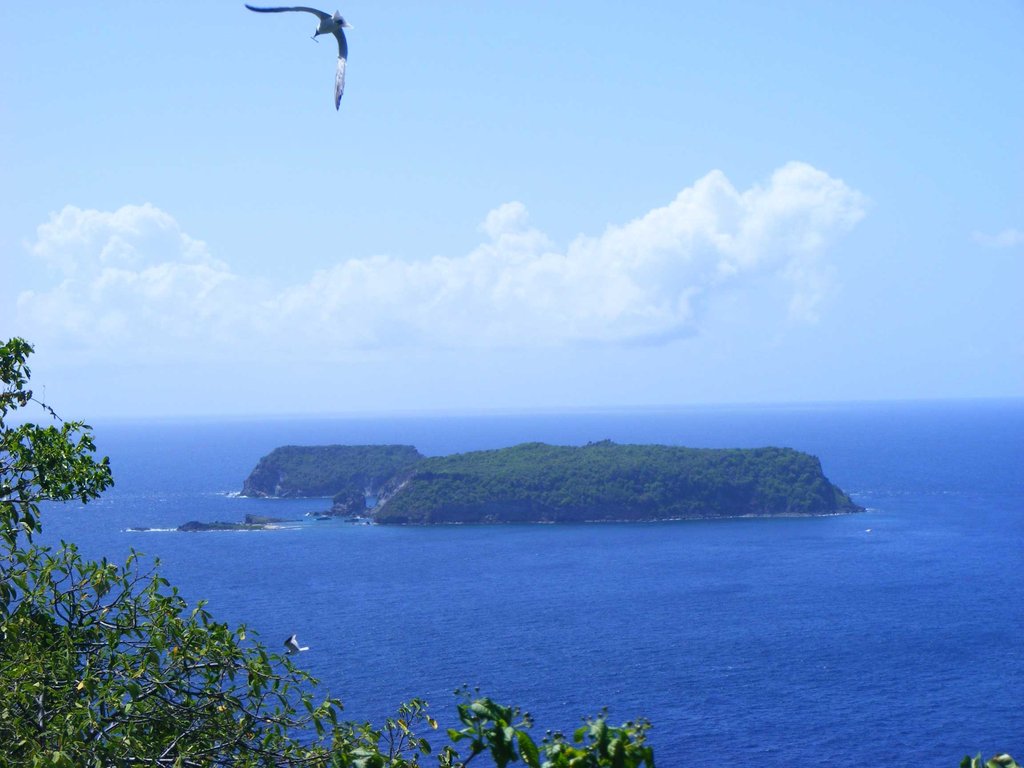
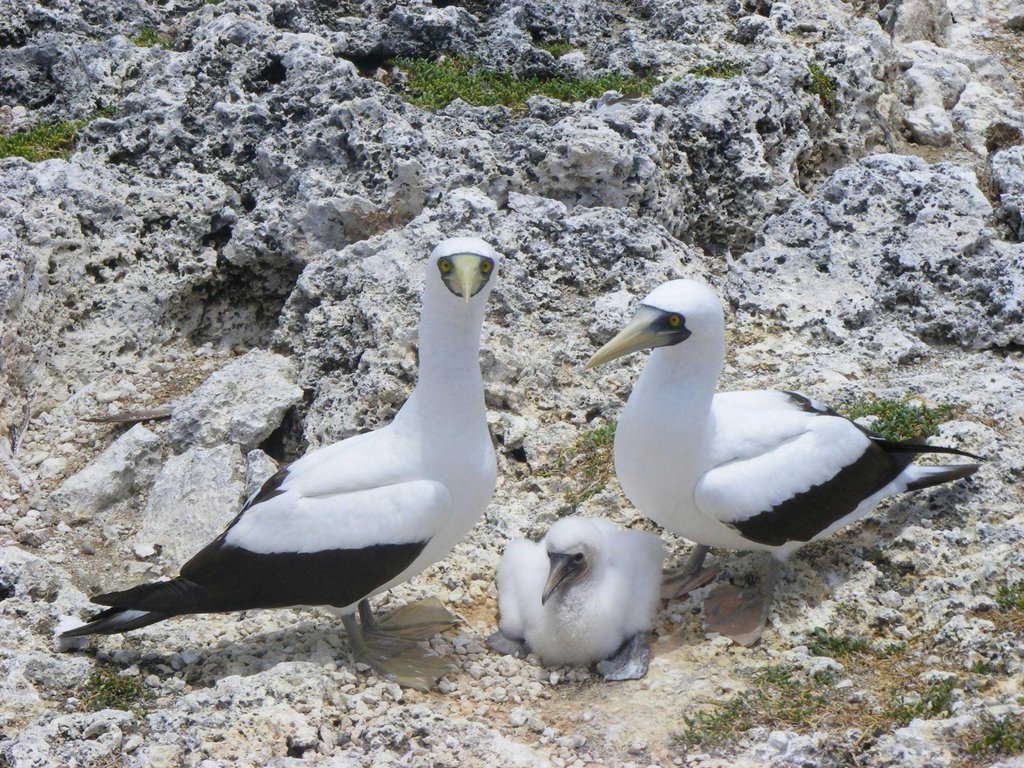
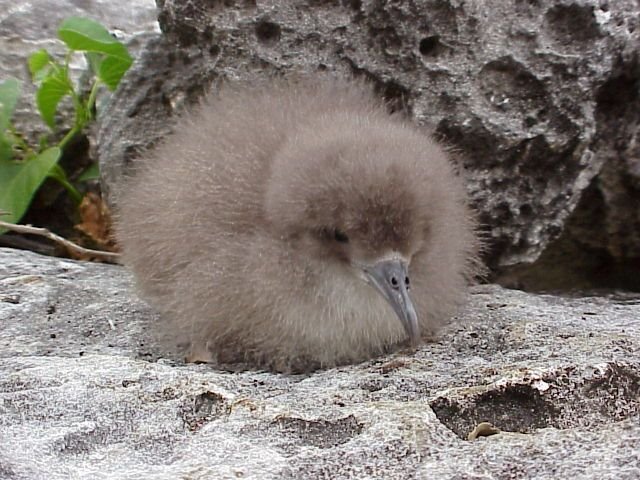
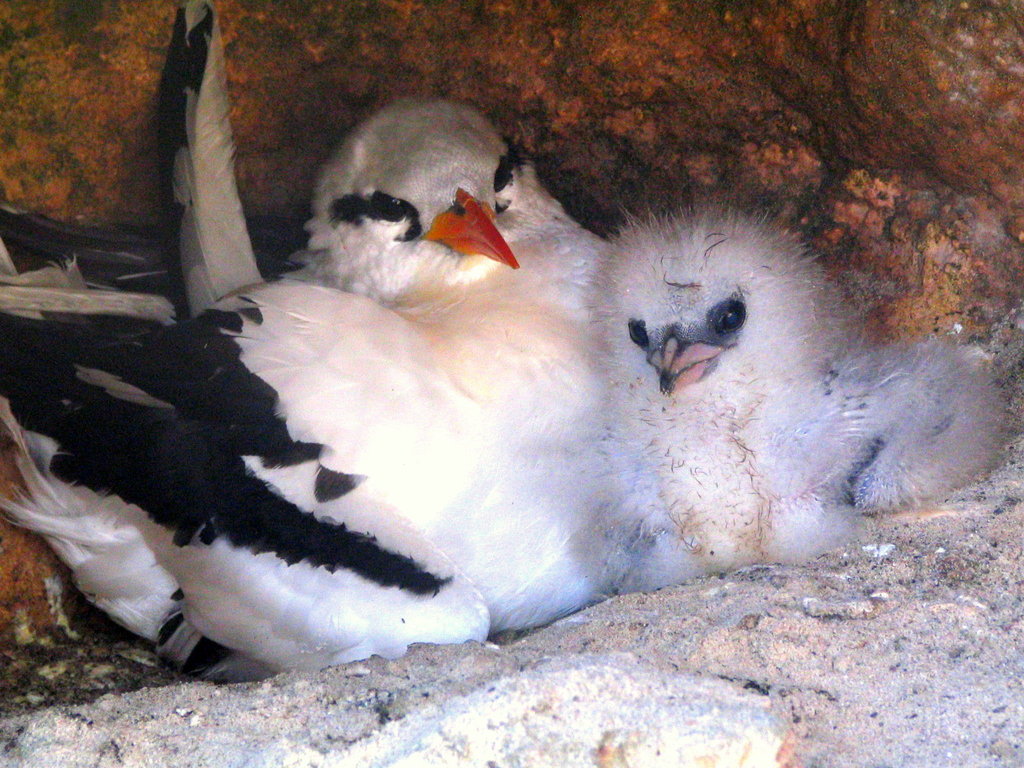
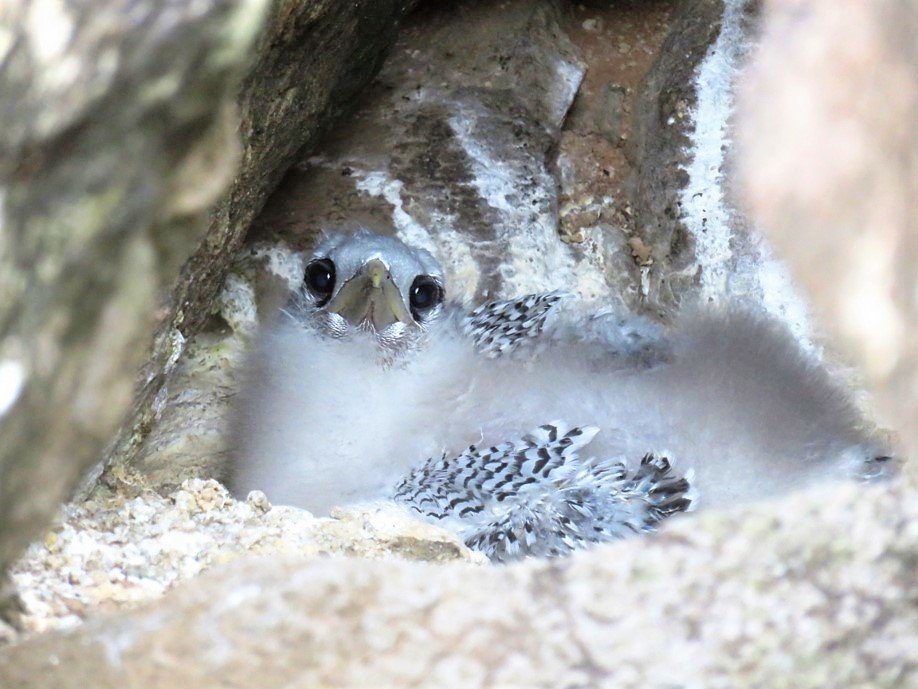
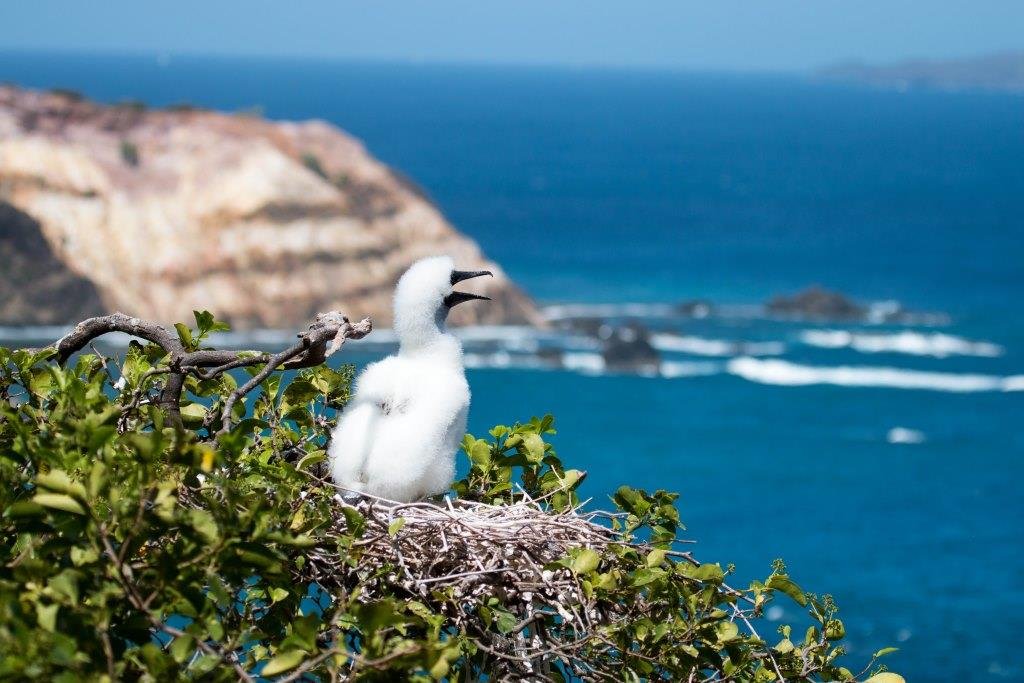
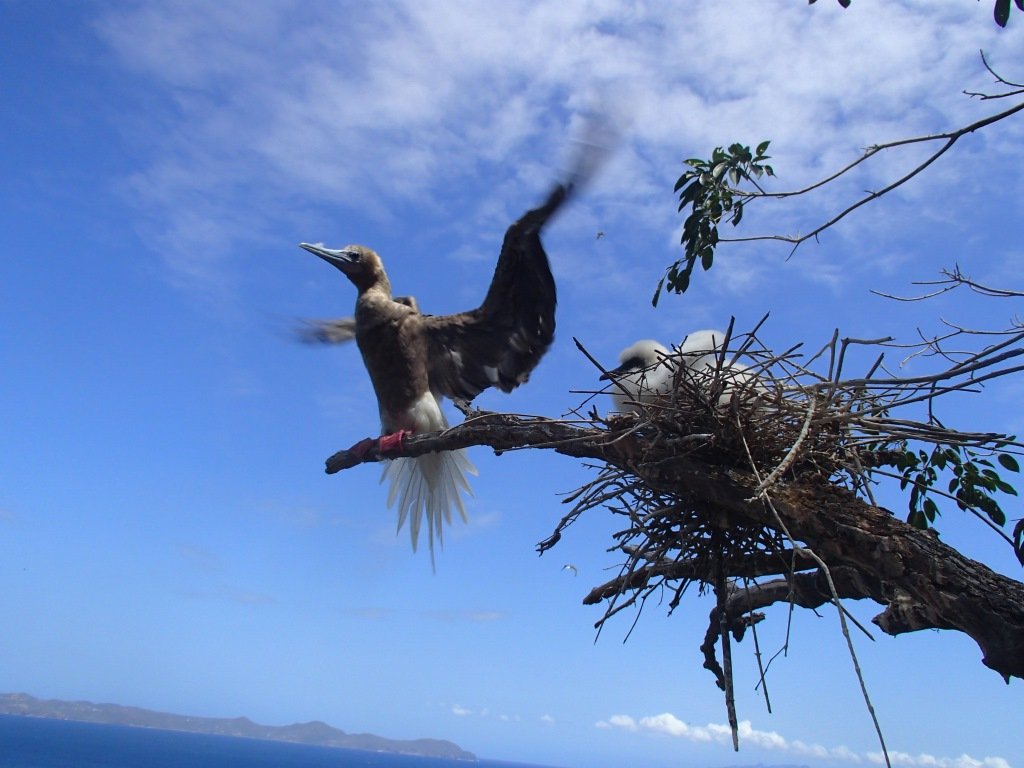
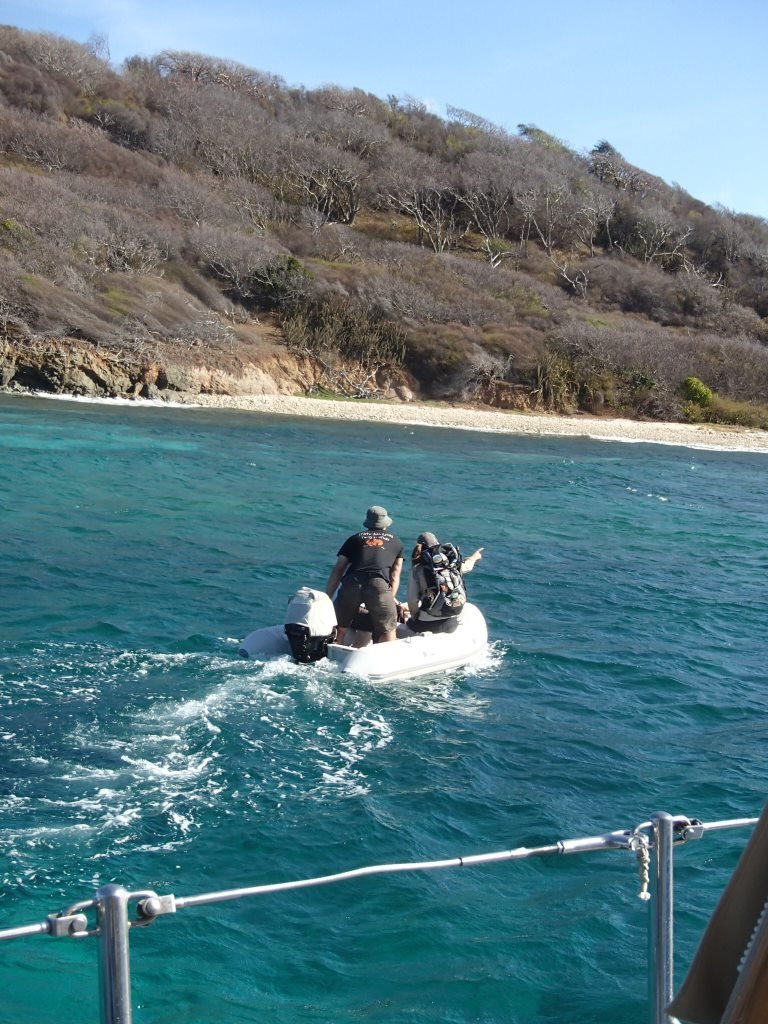
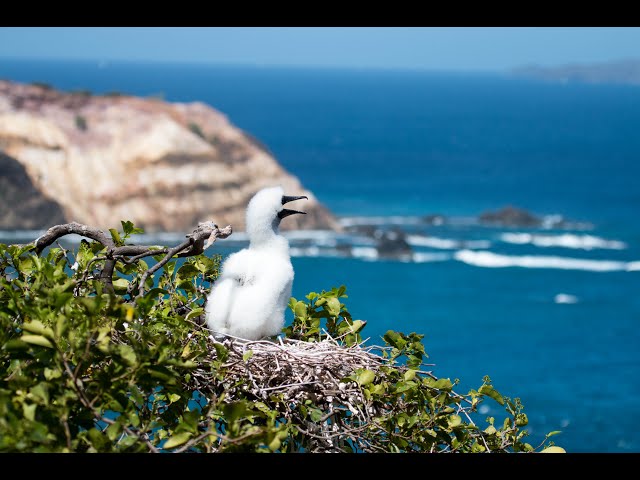
A fisherman from the island of Bequia had brought us out through 30 knot winds and very rough seas to find a relatively calm place to get onto Battowia, part of the Grenadine island chain. Uninhabited by people, Battowia is a globally important breeding area for Red-footed Boobies, whose chicks were visible everywhere on the island, even in April when almost nobody else is nesting. The expansive hillsides were dotted with their white fuzzy forms, which stood out against the greenery. The most recent estimates have placed their population at 6,000 pairs with the highest nest density for the species in the Caribbean.
It was exhilarating to be back at a seabird colony, among the abundance of life compressed into these remaining island refuges: the sight of so many birds like ornaments on trees, the sound of their honking call echoing off the surrounding cliffs, and the acrid odor of guano which coats nearly every surface and can be smelled even from the boat.
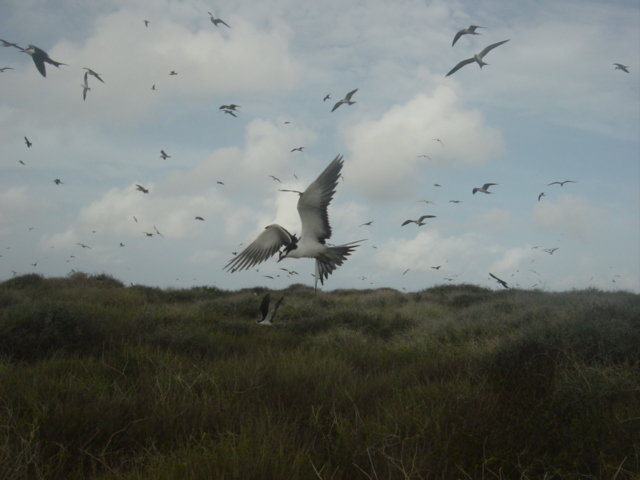
We finally found the calmest spot. As we pulled in, about 100 Magnificent Frigatebirds roosting in trees opened their long, black wings and gracefully set off in unison to search the seas for their daily meal, which sometimes involves stealing food from other birds; that is how they got their nickname, Man-O-War bird. The Boobies, however, watched us with curiosity and a little wariness from their nests and roosting spots in small trees scattered across the landscape.
We would be swimming to the rocky shore from the fishing boat, trying to time the landing so it did not coincide with a big wave crashing on the rocks. We jumped in, fully dressed in pants and sneakers, which would protect us from the rocks, cactus, and other inhospitable elements which make these islands perfect for protecting wildlife from human influence.
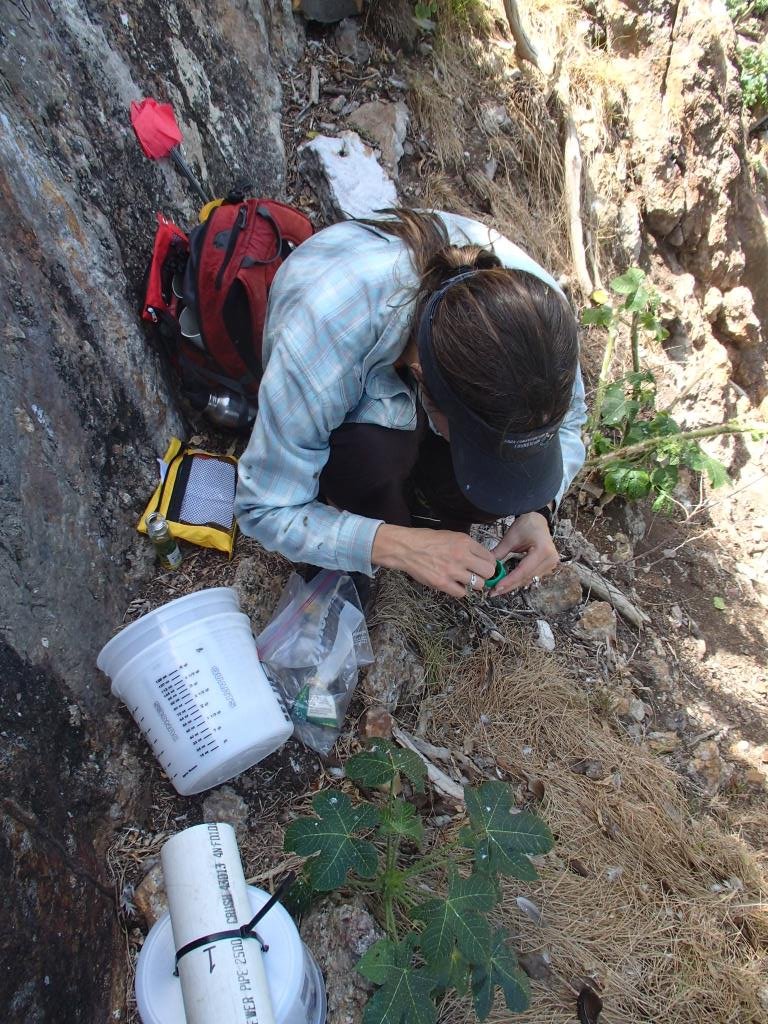
However, during this expedition, we would not be studying native wildlife but would instead be searching for introduced predators, such as rats. The only native mammal in most Caribbean islands is bats, everything else is brought by people. So native wildlife like seabirds did not evolve with predators like rats, which have shown again and again that they can decimate wildlife populations, especially on islands.
Over the next few weeks our research team traveled aboard the sailing ship Viking, thanks to the generous donation of Captain Vaughan Wellington, and with essential support from donors like you. Our goal was to determine if these crucial seabird colonies are threatened by introduced predators. The very good news is that we did not detect any evidence of rats or mice on the islands surveyed. Additional islands will be surveyed in the coming months by our newest team member, Wayne Smart.
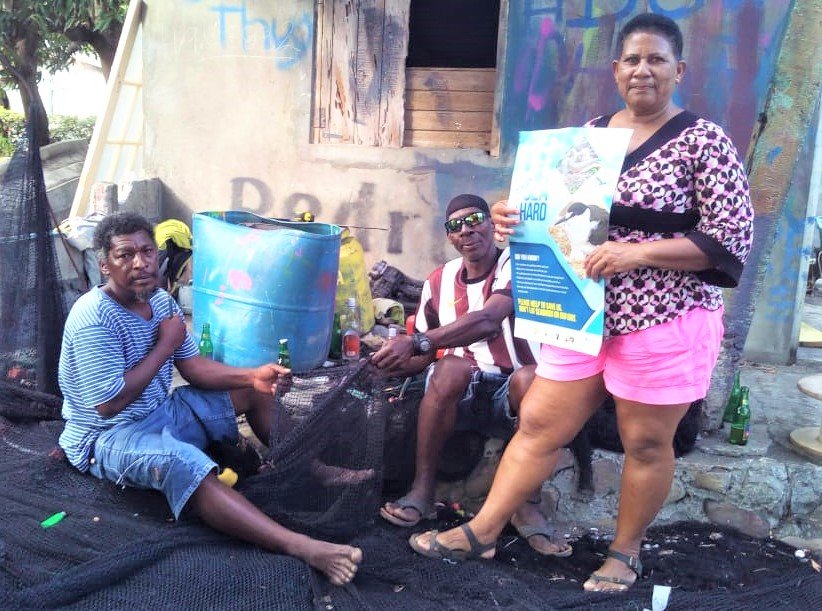
Wayne, a resident of Grenada and recent graduate from St. George's University in Grenada, will be studying how harvesting of seabird eggs and chicks by people affects nest success. We need to find out if enough chicks are fledging each year to keep the population stable or if there is a major population decline going on. As part of Wayne's research, he is also searching for introduced predators at his study islands and working with local fishermen to build support for protecting seabirds. He will be recruiting fishermen and others to join our volunteer ranger program and take part in upcoming training sessions.
There is so much yet to learn about the remote and unstudied islands of the Caribbean, we look forward to sharing more of our findings with you. We are excited to be working with local communities to protect wildlife and these last amazing refuges upon which they rely. We encourage you to contact us if you'd like more information or have any questions. Thank you for making this vital work possible, your ongoing support will help to ensure that we can continue this project.
Photos: Andrew Fidler, Vaughan Wellington
Links:
Project reports on GlobalGiving are posted directly to globalgiving.org by Project Leaders as they are completed, generally every 3-4 months. To protect the integrity of these documents, GlobalGiving does not alter them; therefore you may find some language or formatting issues.
If you donate to this project or have donated to this project, you can receive an email when this project posts a report. You can also subscribe for reports without donating.



Support this important cause by creating a personalized fundraising page.
Start a Fundraiser