By Natalia Collier | Executive Director
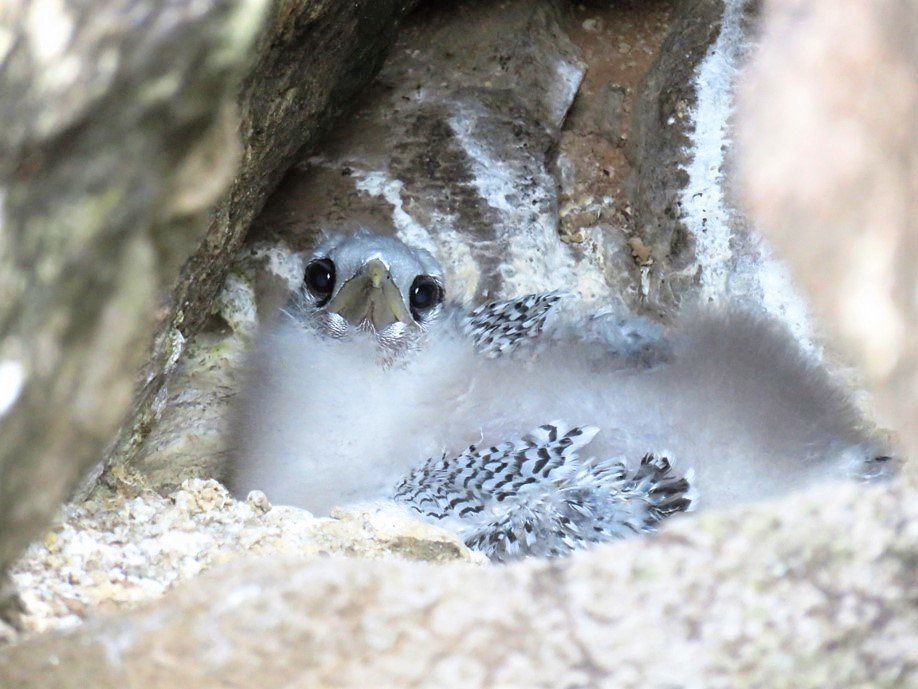
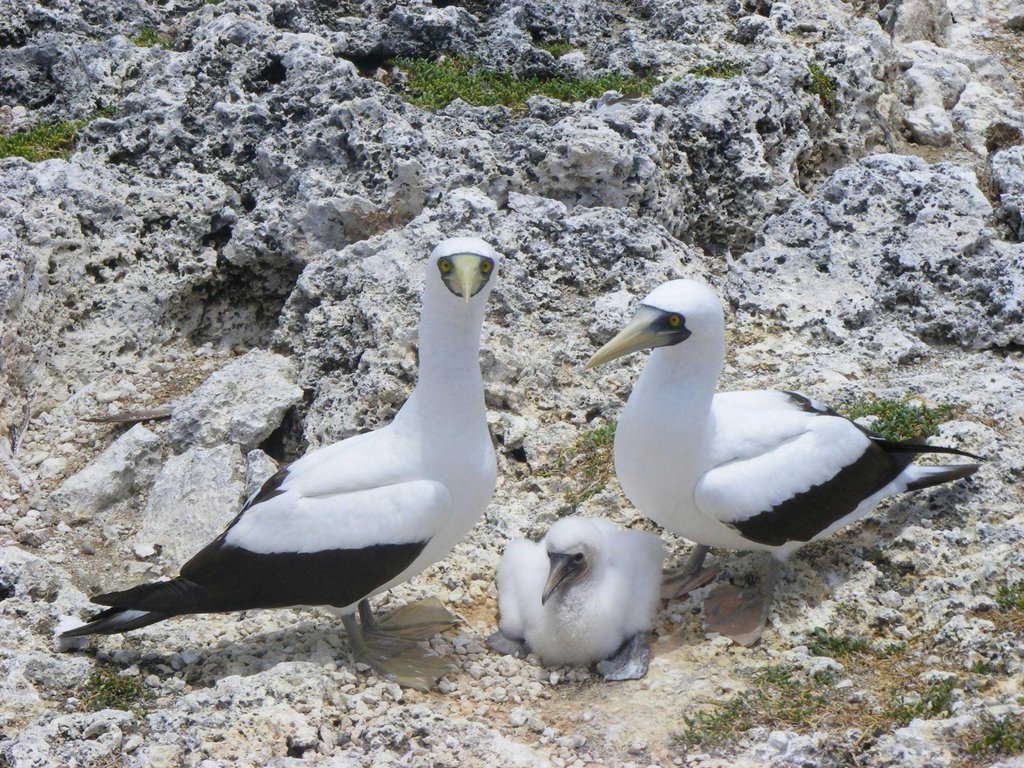
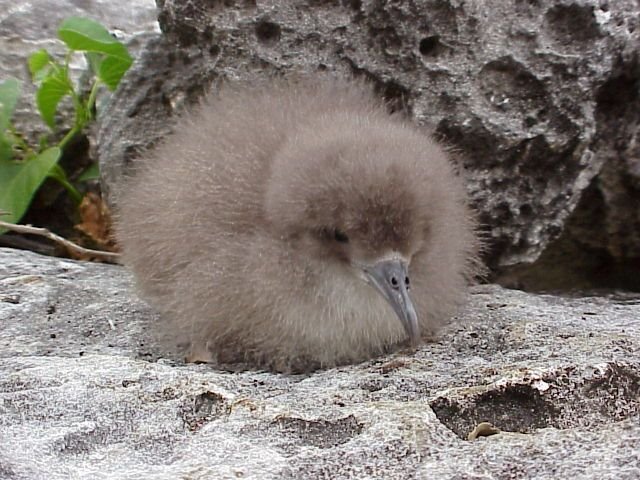
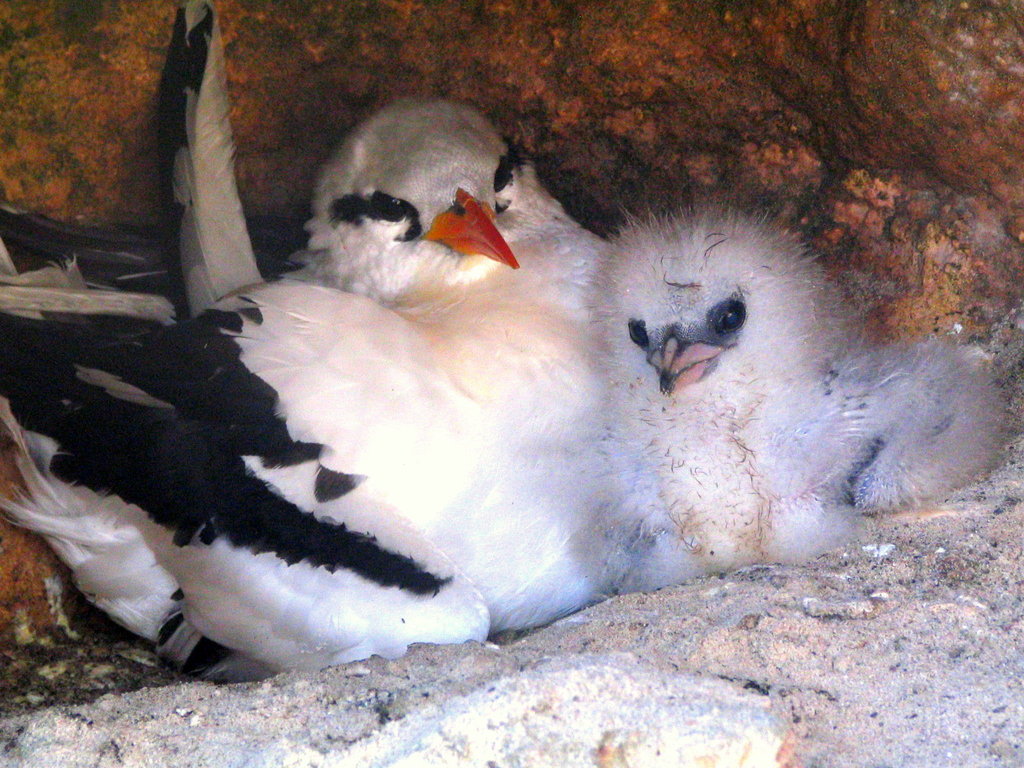
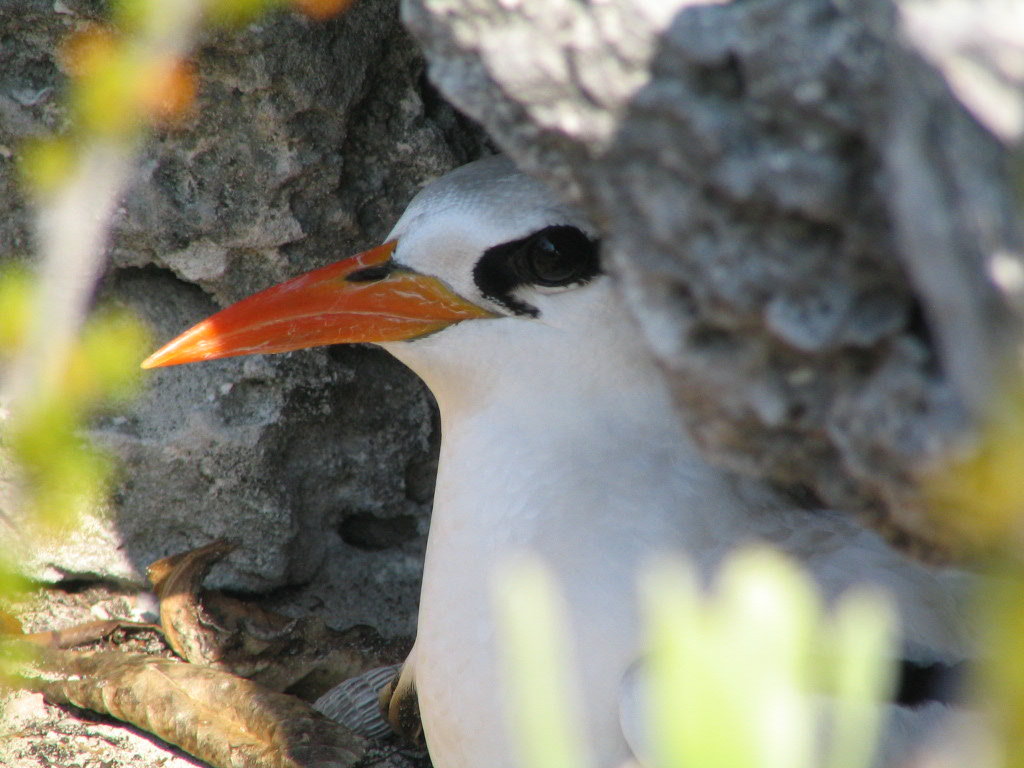
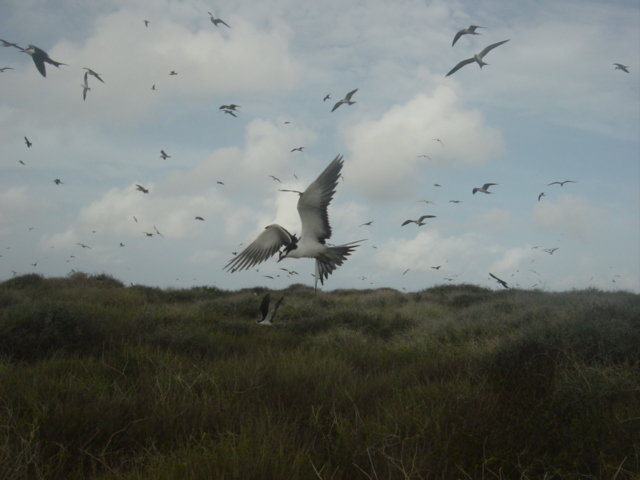
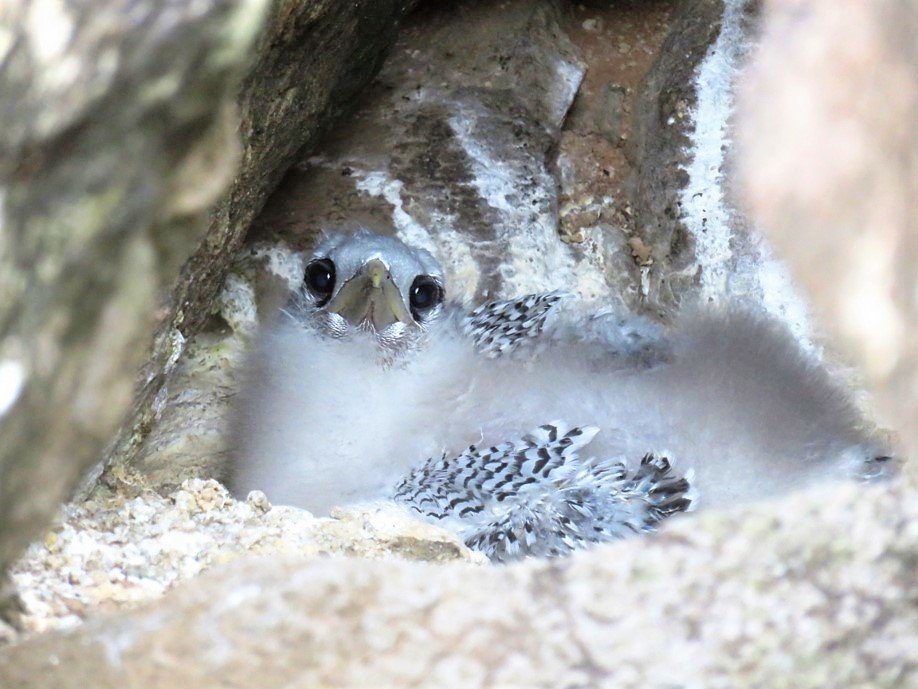
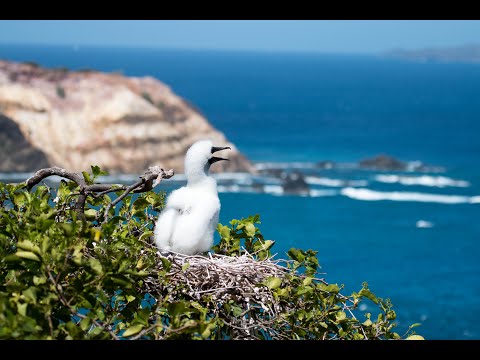
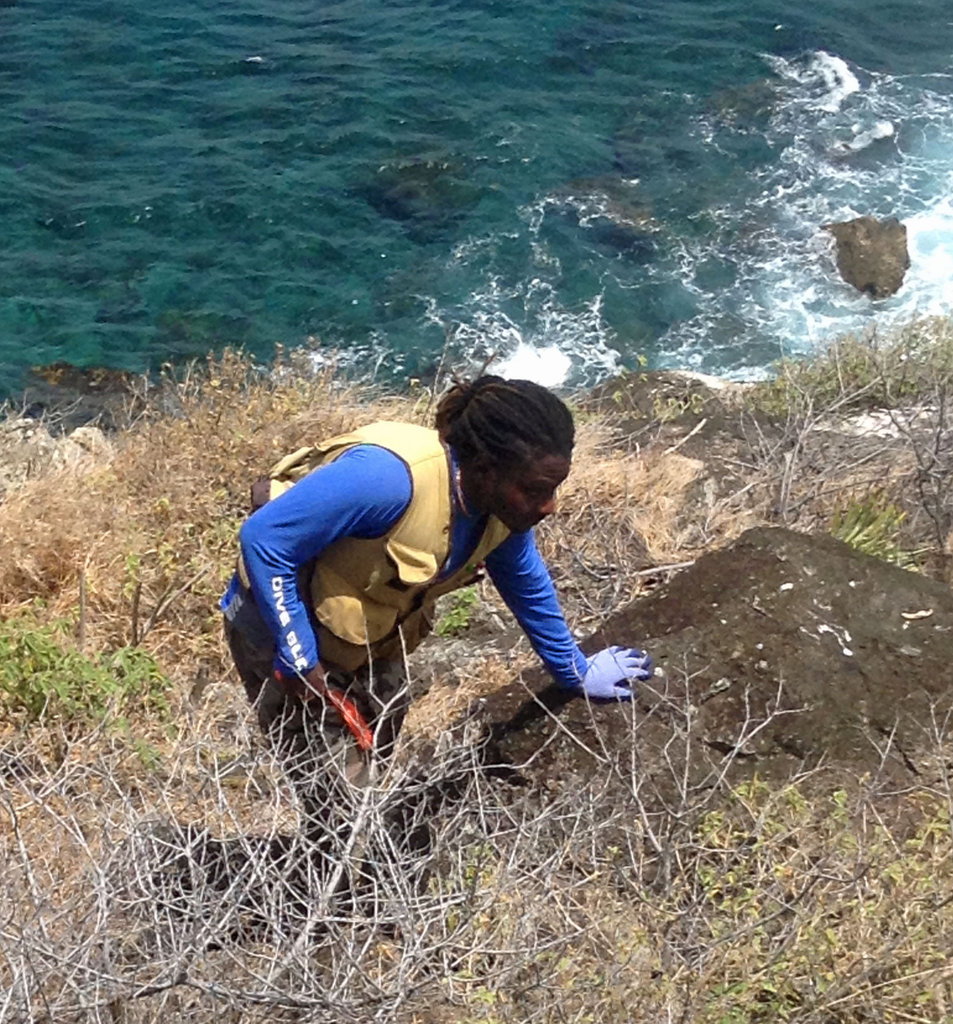
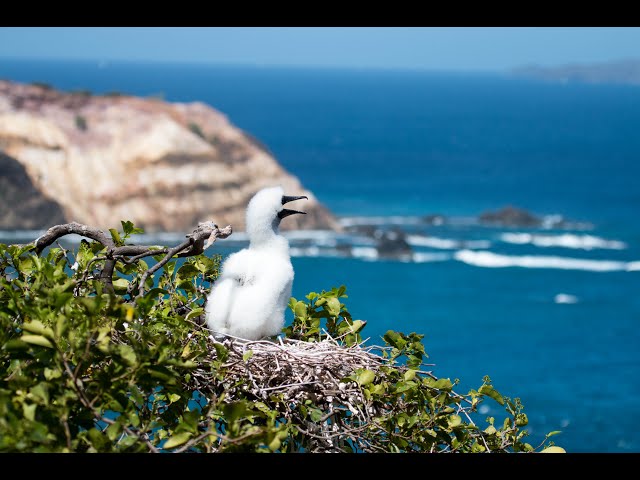
Wherever you live, you've probably noticed an uptick in bird activity outside your window in the summertime. Nesting birds are busy claiming territories and getting food their chicks, who call out noisily for food. Now imagine that one summer none of that noise and activity happened, it was quiet. That is what EPIC researcher Wayne Smart encountered during his research on seabird nesting success in the Grenada Grenadines this past summer. In some cases, the birds just never arrived.
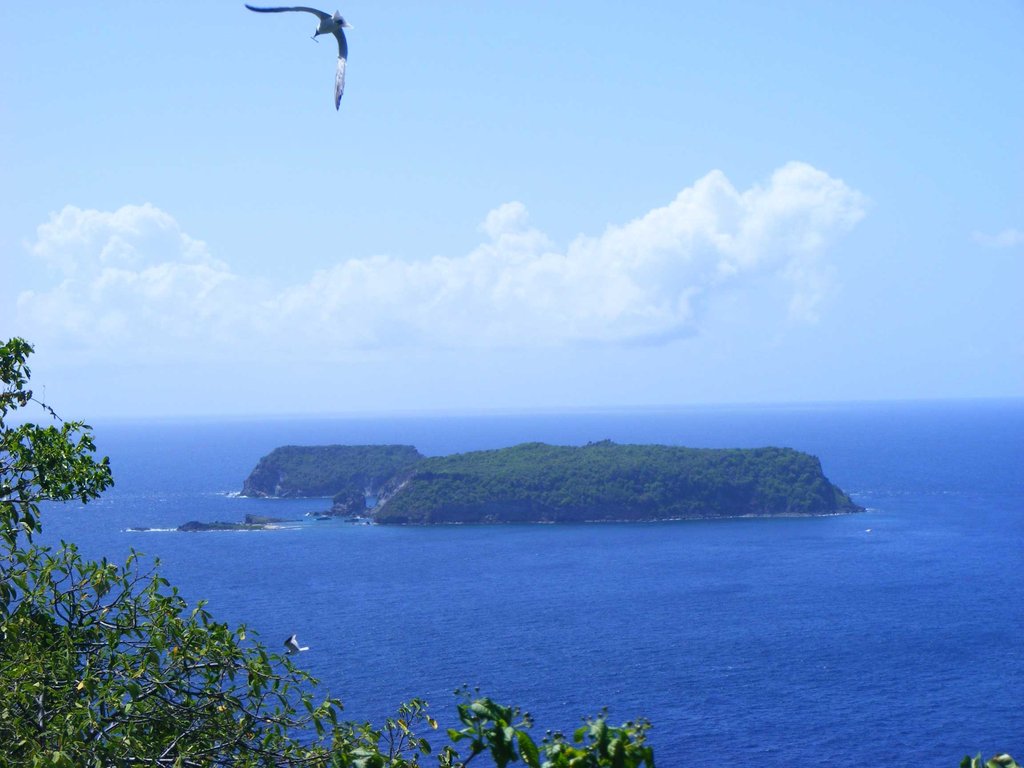
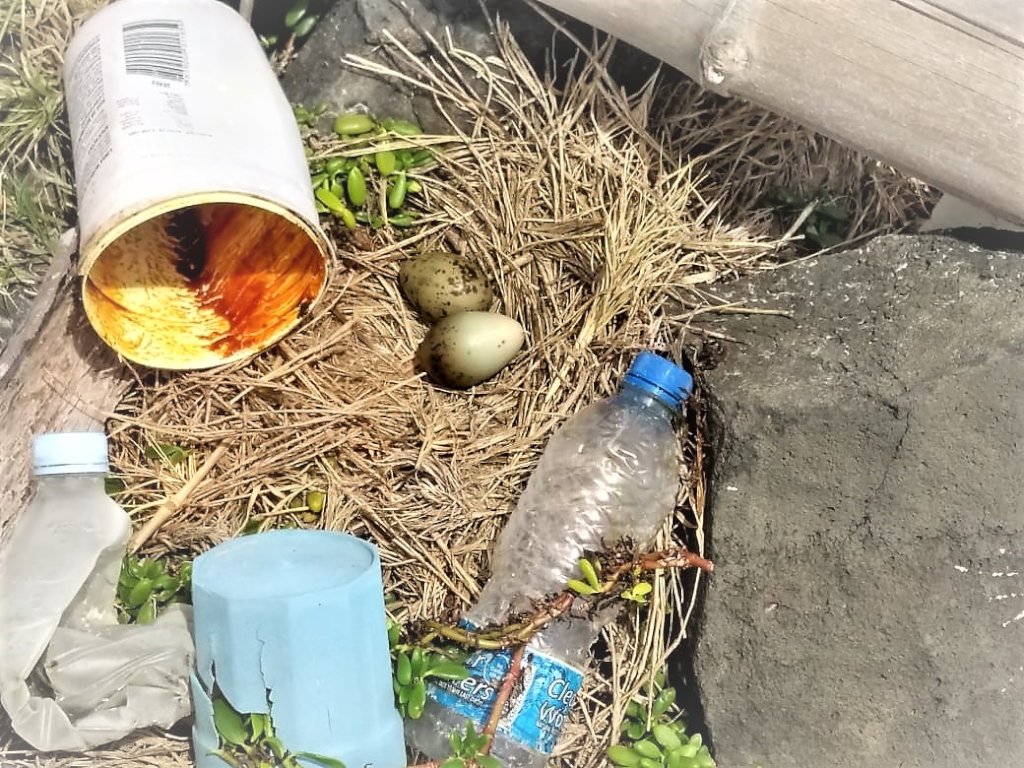
For example, one island, which had 1,200 nesting pairs of gulls a few years ago, had one gull nest this year. Another island, which harbored over 2,000 pairs of nesting birds, this year had no nests at all.This dramatic population decline alone would be a major cause for concern but the seabirds which remained were not able to nest with much success either. Less than a third of nests had chicks that fledged, or were old enough to fly away. You can read the full report in the attached document.
With just one year of data on nesting success, we cannot say if this is just a bad year for seabirds, or if this is part of a longer trend. But, the big question is why...what caused this huge shift from a few years ago? Maybe they nested elsewhere, although none of the nearby islands had an significant population increase. Maybe there just wasn't enough food in the ocean, perhaps due to changing ocean currents or environmental stress. Maybe this decline is the consequence of years of unsustainable seabird harvest.
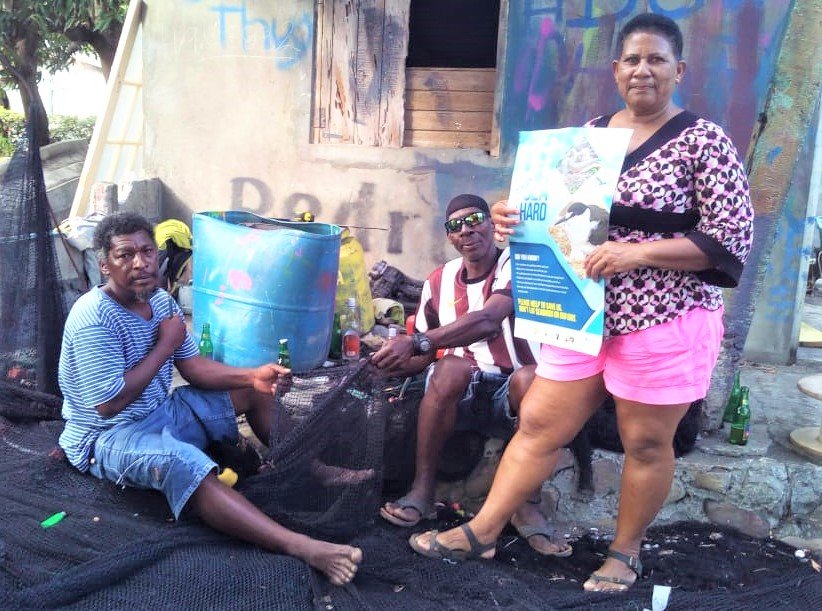
The network of fishermen we work with are used to seeing the islands buzzing with seabird activity and are deeply concerned to see such a drastic change. They continue to provide valuable insights and report on areas where seabird harvest is observed.
We are eagerly looking foward to the next nesting season so we can gather more data and help to resolve this crisis. In the meantime, we are holding urgent meetings with government and non-profit partners to convey these shocking research results and develop a strategy to protect seabirds. We will also continue working with fishermen, who visit the islands almost daily and serve as guardians for these last seabird refuges.
With your support, we can continue to expand this crucial work. Thank you for allowing us to be able to document this historic decline in seabirds and to help protect this vital habitat.
Project reports on GlobalGiving are posted directly to globalgiving.org by Project Leaders as they are completed, generally every 3-4 months. To protect the integrity of these documents, GlobalGiving does not alter them; therefore you may find some language or formatting issues.
If you donate to this project or have donated to this project, you can receive an email when this project posts a report. You can also subscribe for reports without donating.



Support this important cause by creating a personalized fundraising page.
Start a Fundraiser