By Natalia Collier | Executive Director
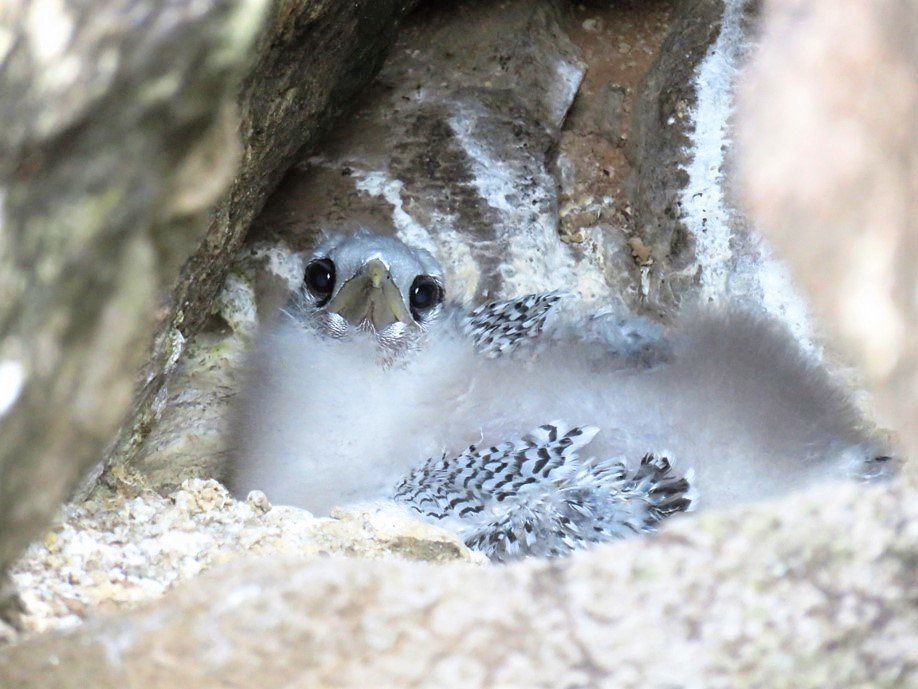
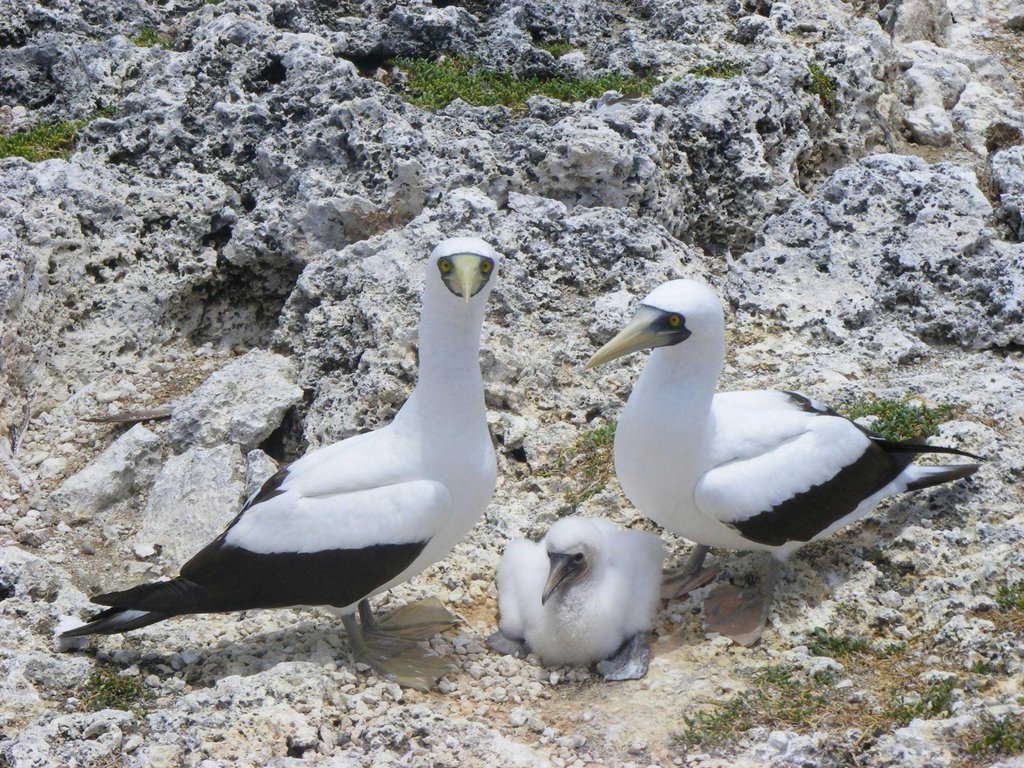
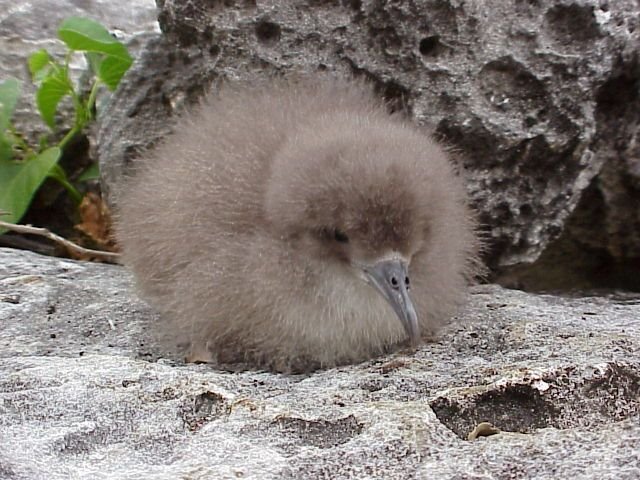
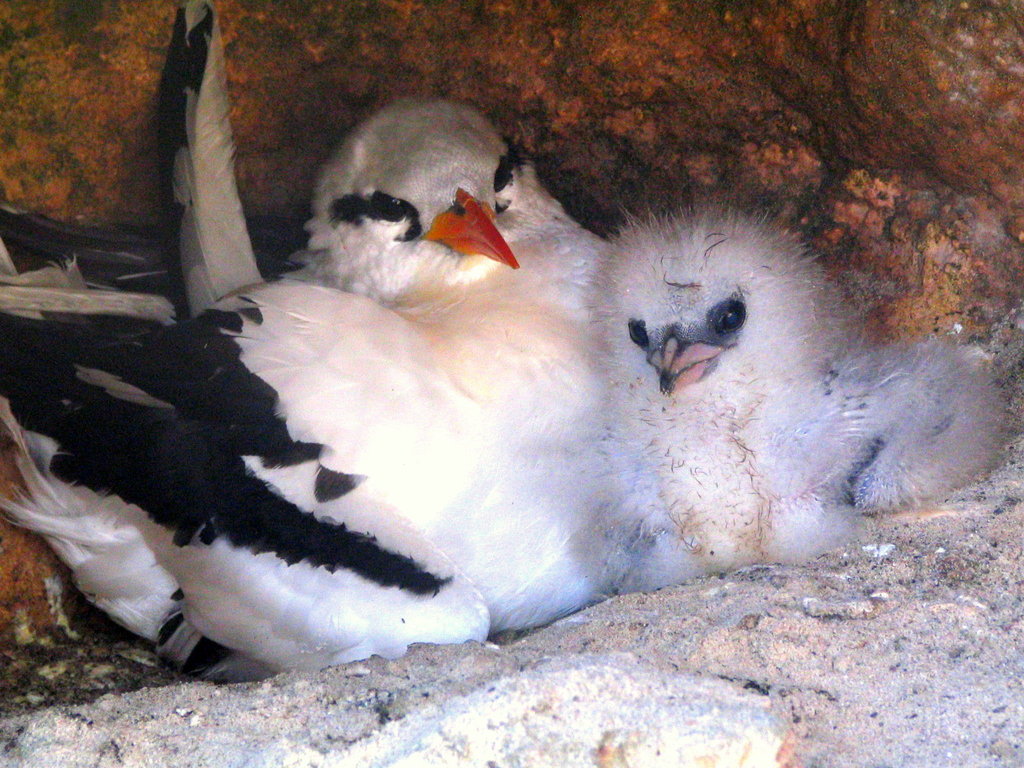
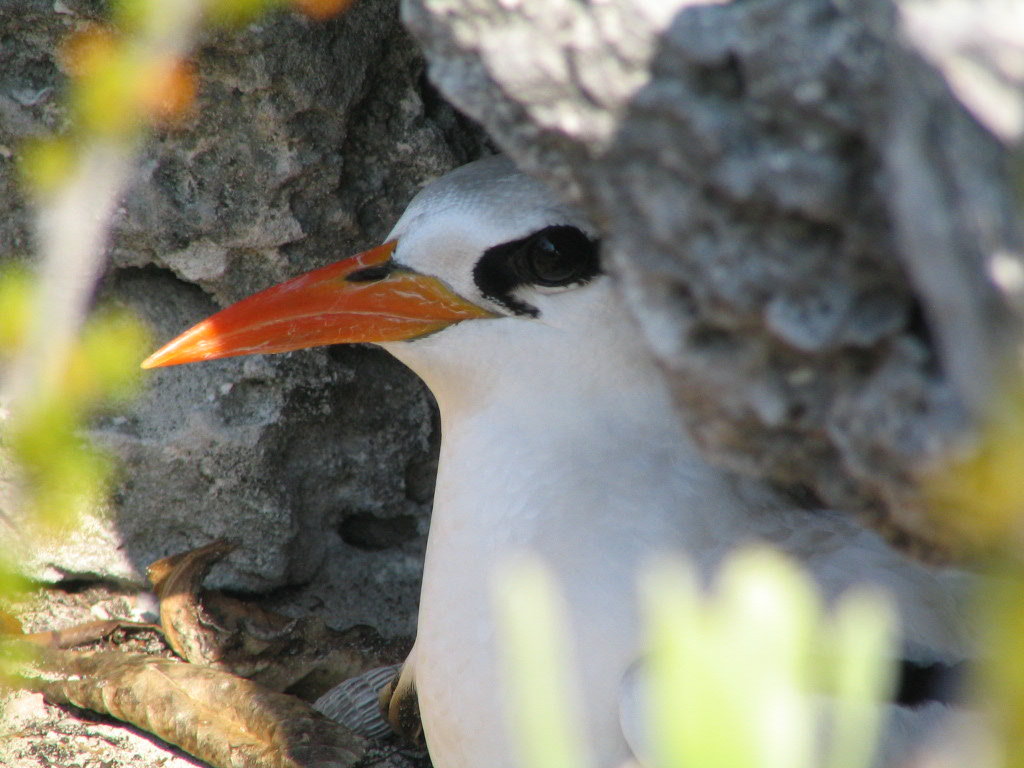
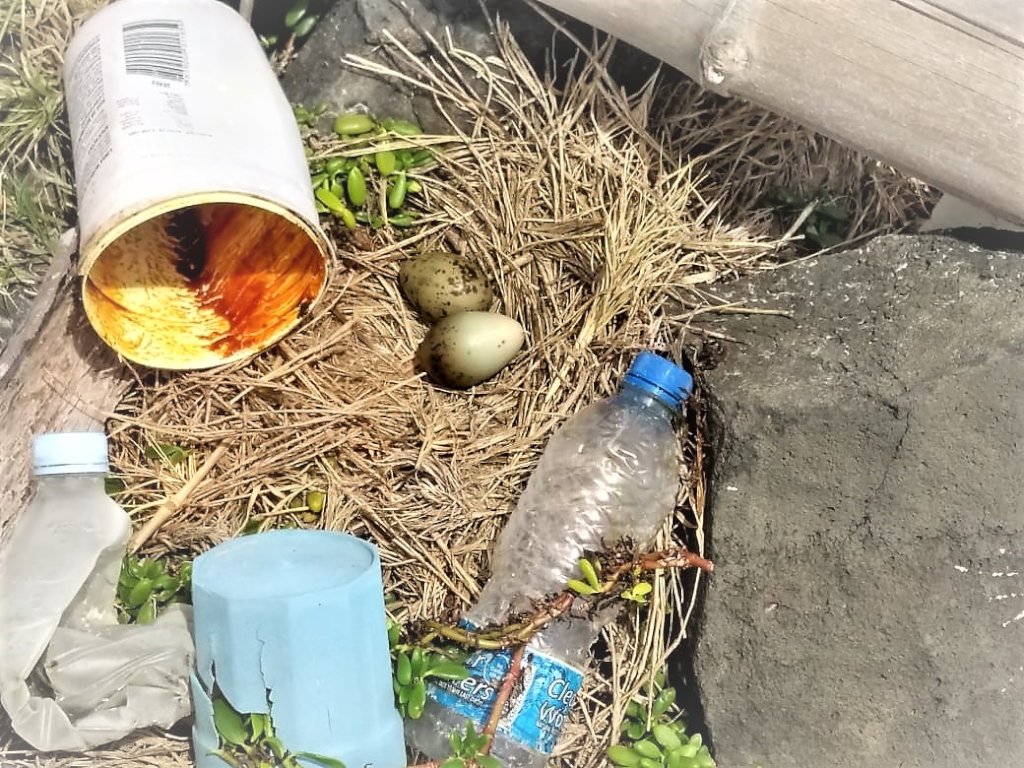
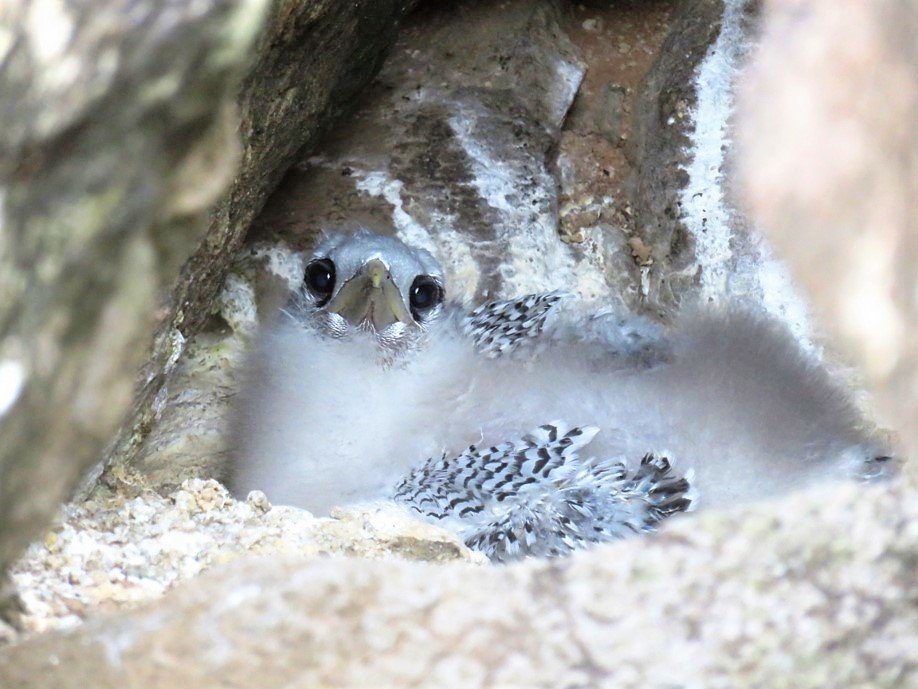
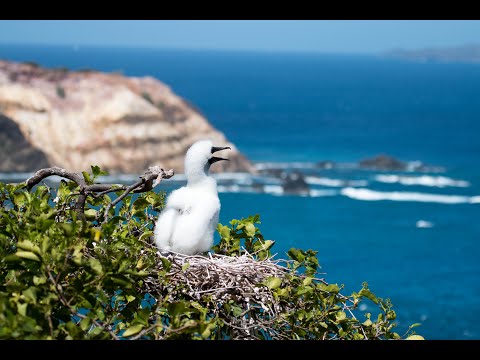
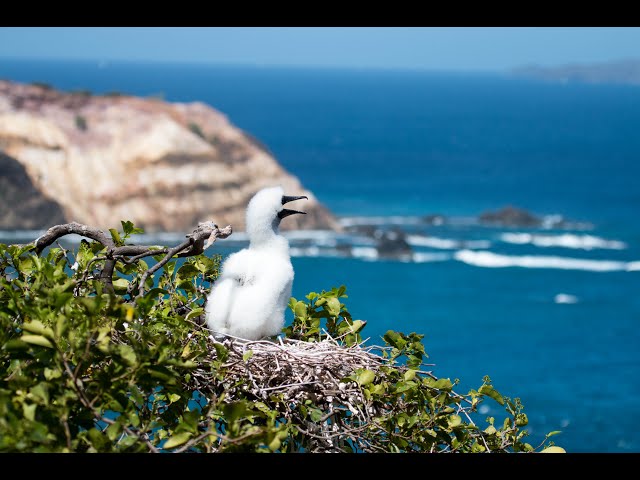
The seabirds are back! It's breeding season and gulls, terns, and boobies are busy ensuring the survival of their species. Of course, they don't look at it that way, they are just trying to raise a family. But these adorable chicks aren't just cute balls of fluff, they represent the future of a species. It is essential they survive to become adults who can replace those lost to disease, old age, plastic ingestion, hunting and other threats.
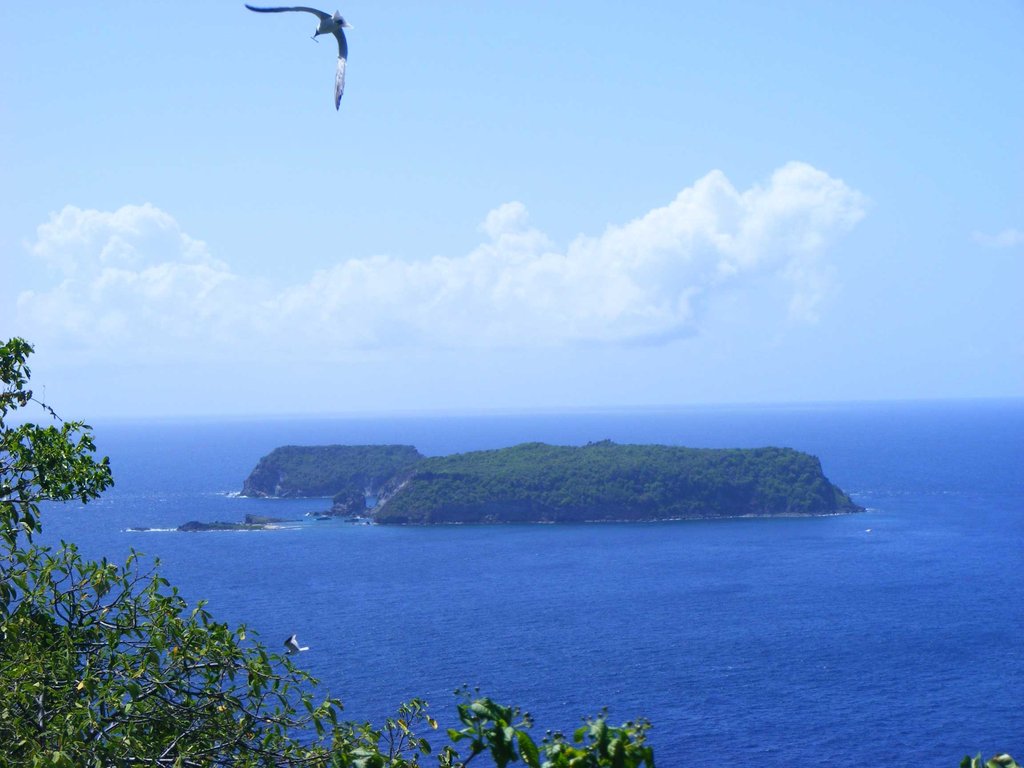
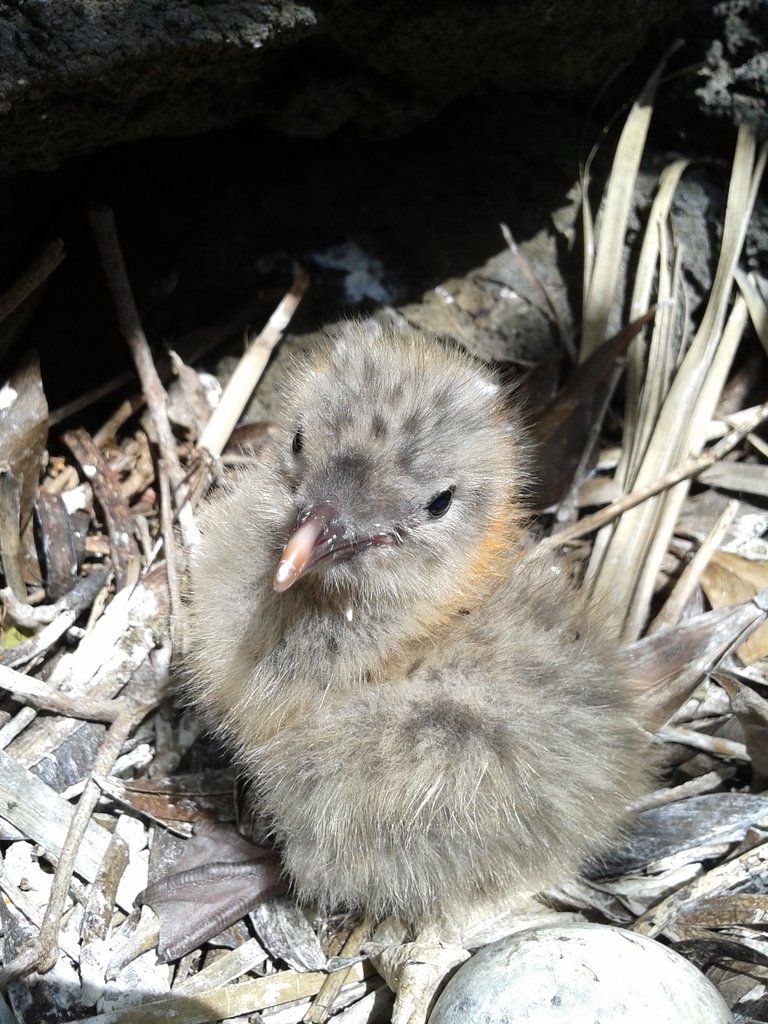
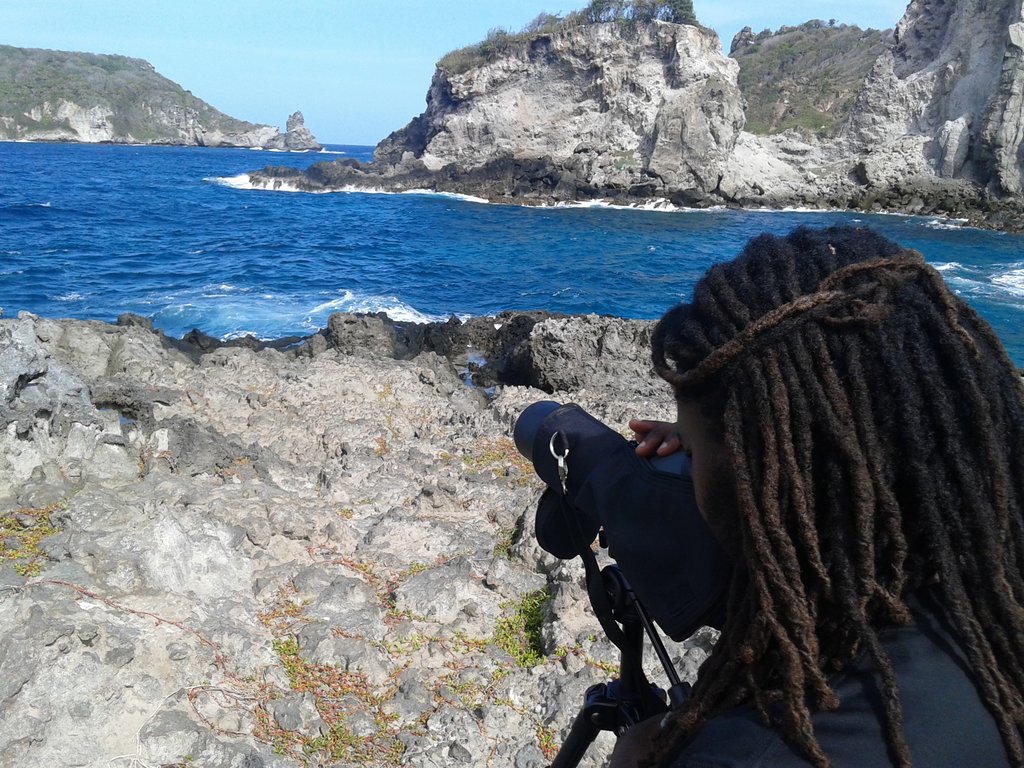
As graduate student Wayne Smart of Grenada headed back out in the field a few weeks ago, he was tense on the long boat ride to these remote islands, wondering if he would see a catastrophic failure to nest like last summer. Wayne is watching the drama unfold and keeping track of how many chicks survive to fledge. You'll notice an orange tint to this gull chick's feathers, that is a non-toxic and harmless way to mark chicks which have been counted.
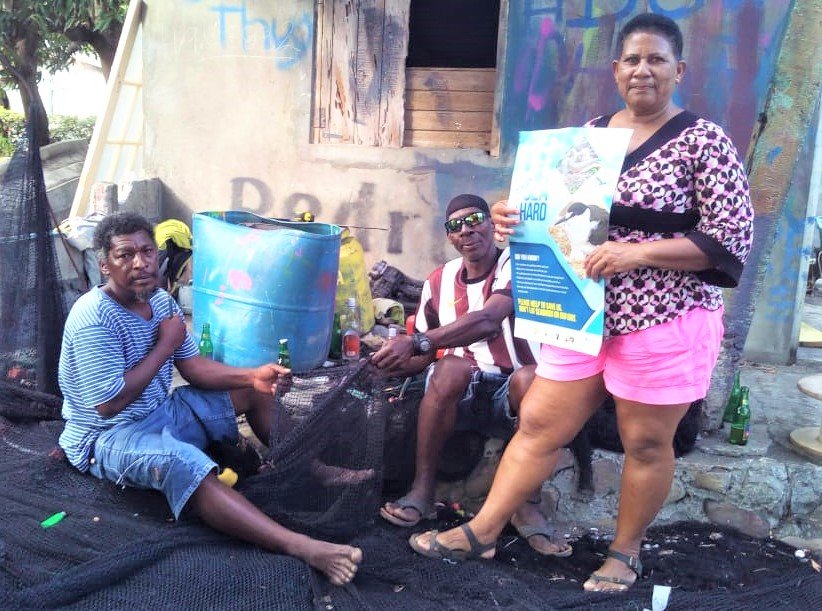
Wayne will be monitoring a variety of species, watching each nest to figure out which ones are successful and whether the population is sustaining itself. Through field research and talking with fishermen, he is also assessing the impacts of seabird harvest on these colonies.
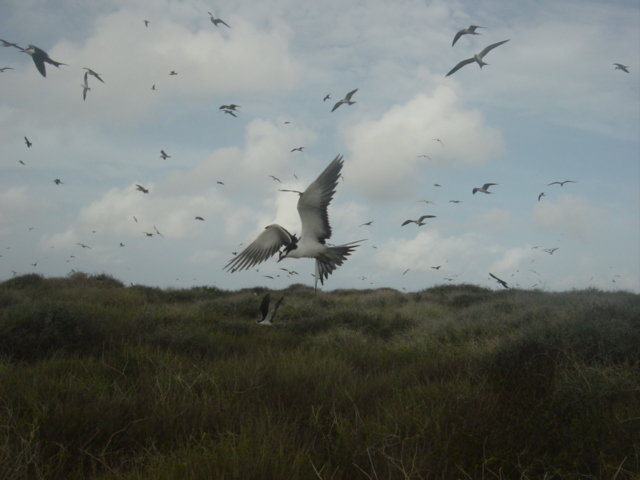
The good news is that the number of nesting birds is back up this year. There is much to be learned about how seabirds react to changes in the environment and we hope to one day better understand the causes for such huge swings in population numbers. There are still far fewer birds nesting this year than back in 2009 but it's good to hear the raucous cries of seabirds on these remote islands rather than the empty, eerie silence of last year.
We are also really excited about this month's workshop which will train more residents in how to patrol wildlife refuges and report sightings. The workshop will also include how to monitor seabird colonies and lessons in becoming a bird guide for tourists. Stay tuned for photos and stories from that event. We'll be posting to our Facebook page as well so please follow us.
We truly appreciate your contribution in making this essential and groundbreaking work possible. I hope you will continue to support this project as we move towards our goal of ensuring that Caribbean seabirds will remain abundant and healthy for many generations to come.
Links:
Project reports on GlobalGiving are posted directly to globalgiving.org by Project Leaders as they are completed, generally every 3-4 months. To protect the integrity of these documents, GlobalGiving does not alter them; therefore you may find some language or formatting issues.
If you donate to this project or have donated to this project, you can receive an email when this project posts a report. You can also subscribe for reports without donating.



Support this important cause by creating a personalized fundraising page.
Start a Fundraiser