By Natalia Collier | Executive Director
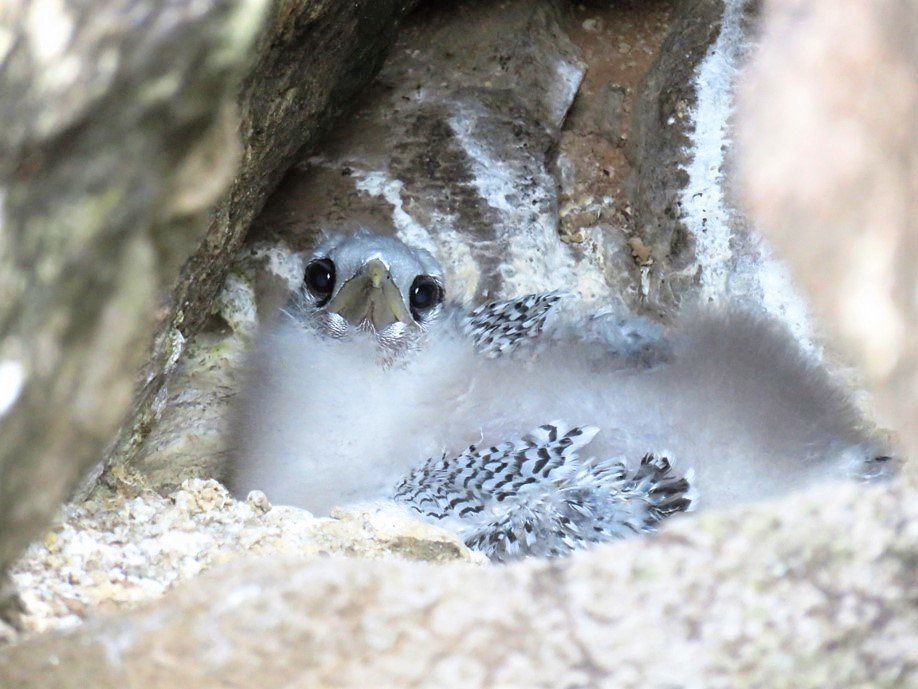
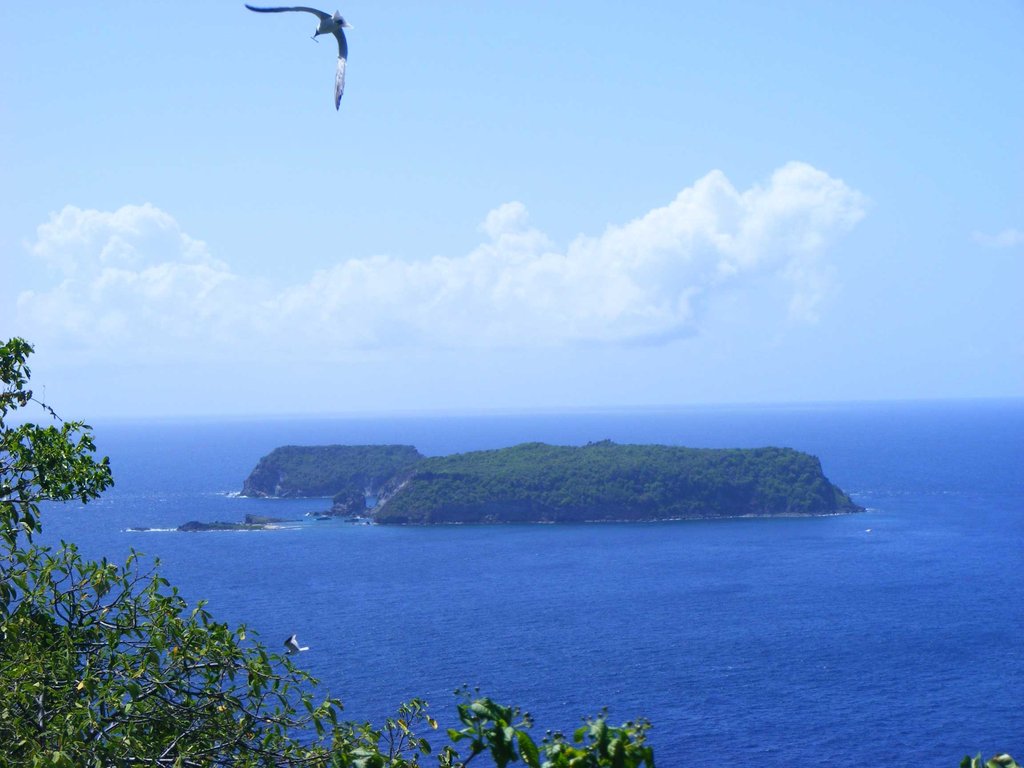
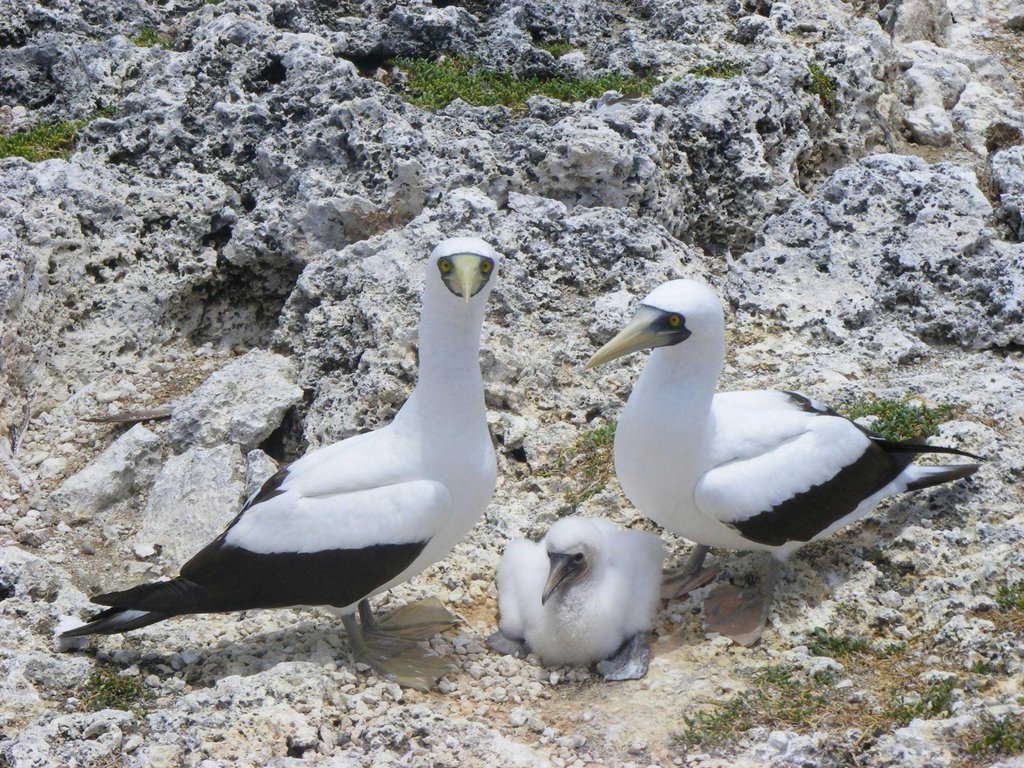
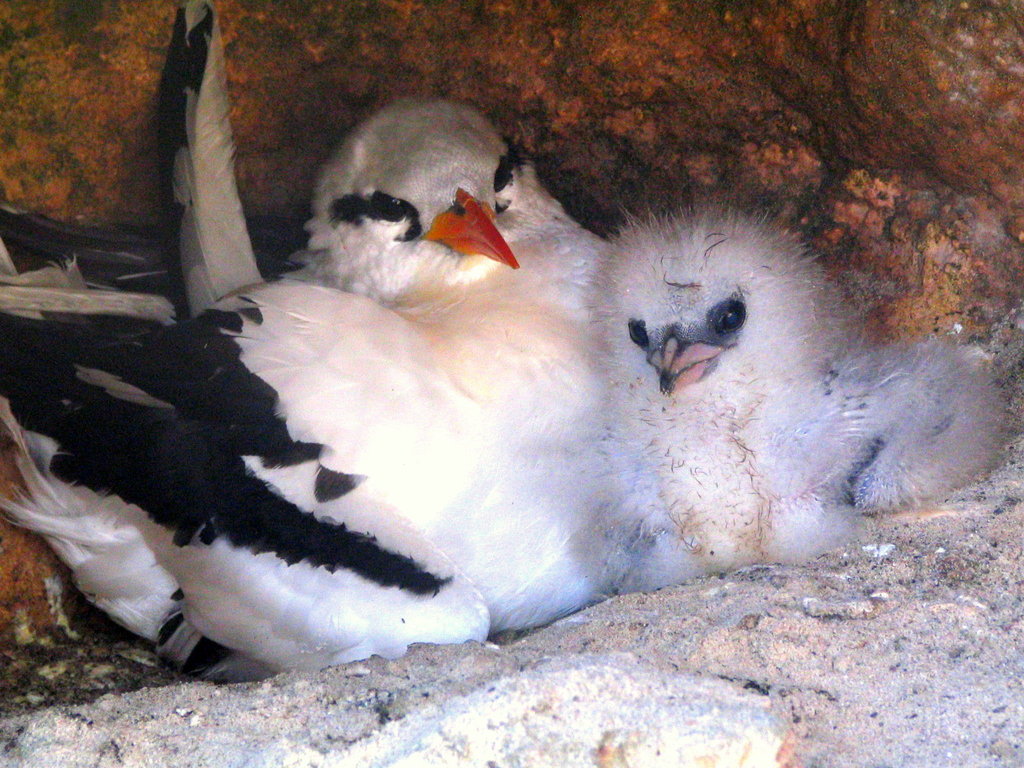
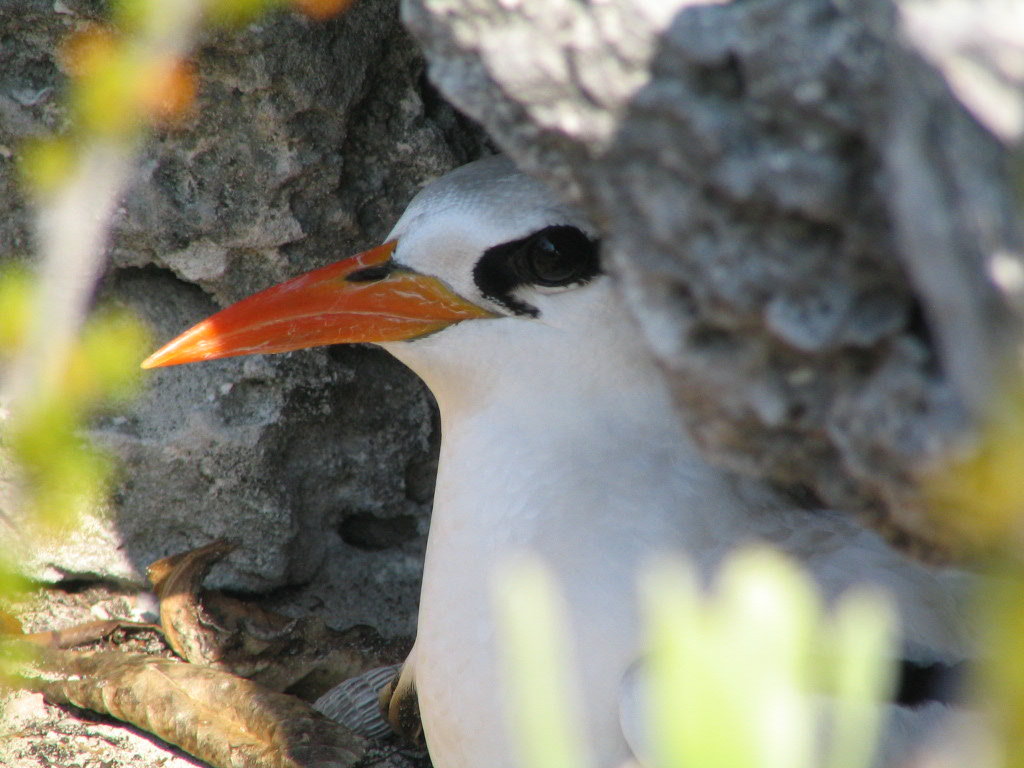
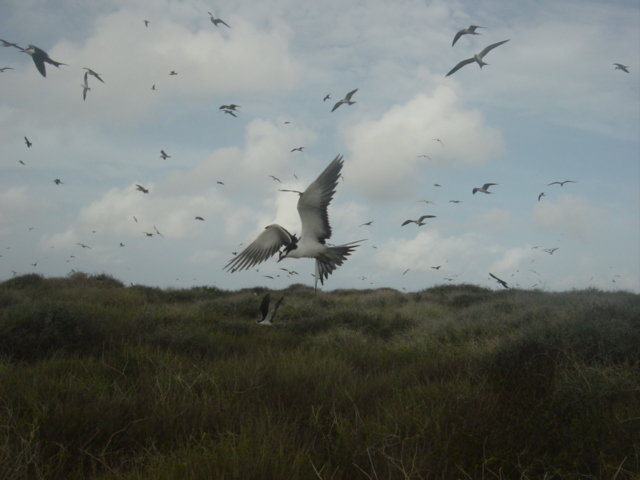
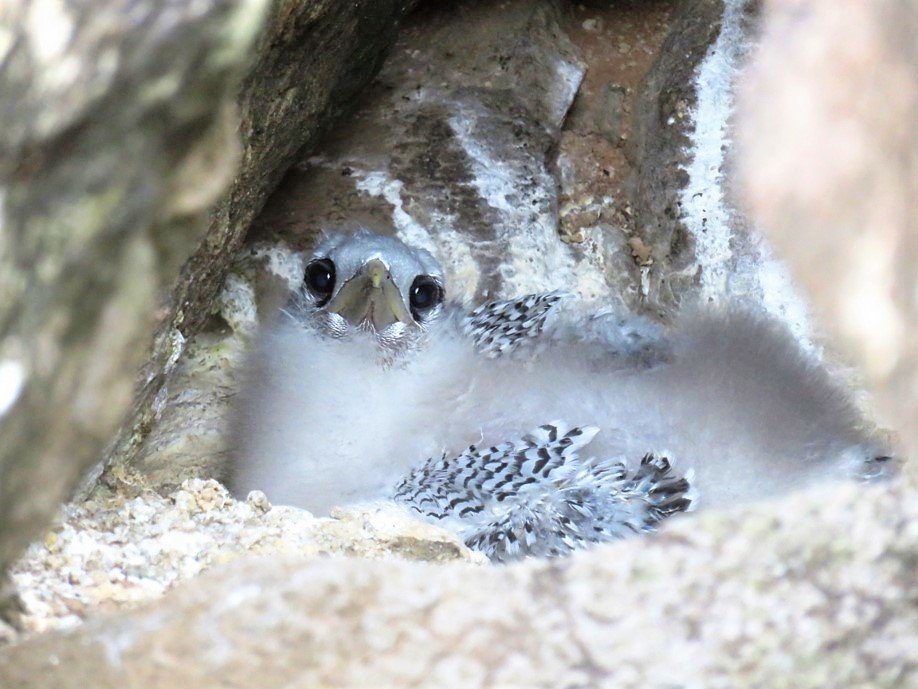
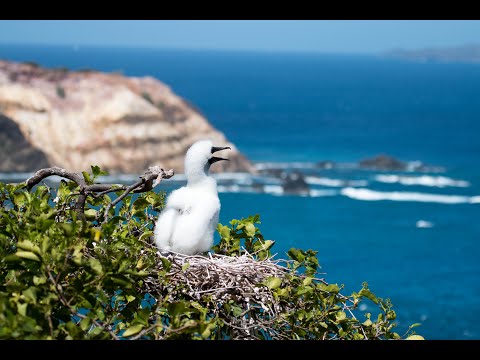
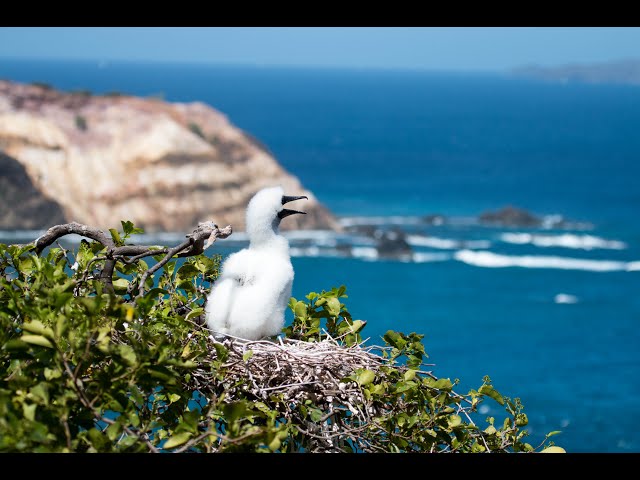
The tropical storm was fast approaching, with the seas growing rougher by the minute. Juliana Coffey, a Grenadines Volunteer Patrol trainer, had to squeeze in training sessions between several storms; her team was now heading back to port after a successful early morning trip to Diamond Rock, where she and two trainees had recorded hundreds of Red-footed Boobies, including many juveniles who were testing their wings before taking their first flight.
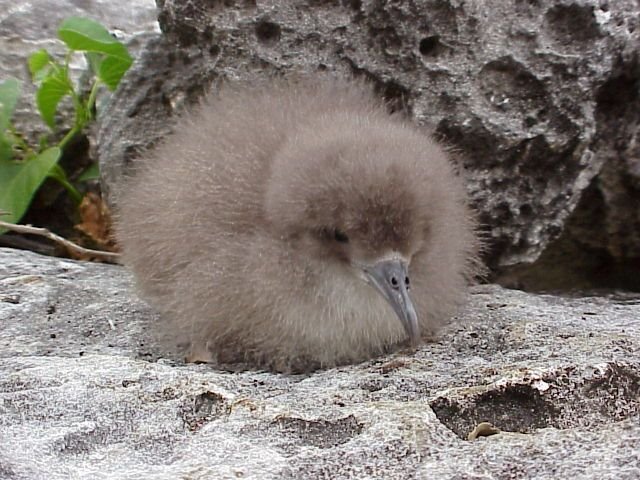
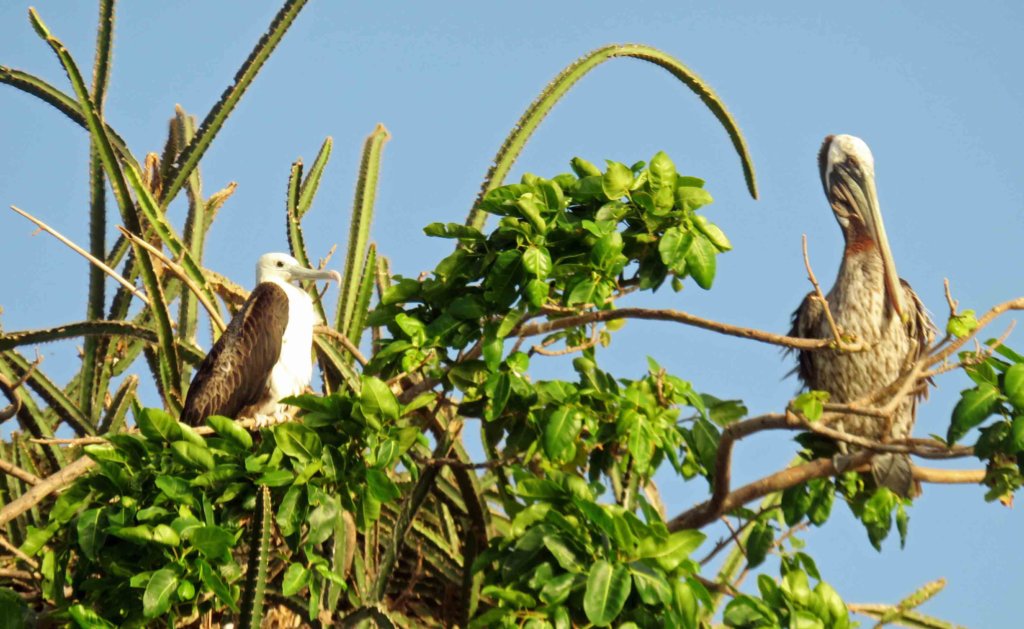
It was late in the breeding season, most Caribbean species have evolved to avoid nesting during the hurricane season of late summer and autumn. It was a great time to learn more about the different species without causing a nesting disturbance, since many of them “hang out” at the island after nesting is completed.
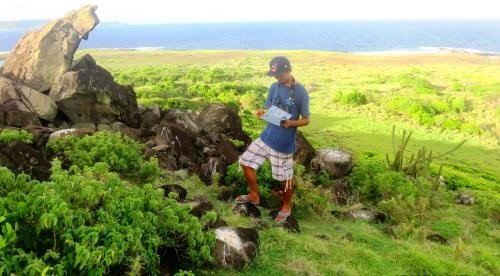
This year our team focused its efforts on training Volunteer Patrol members at the field sites where they will be working. In the past, we have had large groups attend presentations and then conduct field work over two to three days at a central location. While this trainnig has been successful, we wanted to continue building the confidence of our volunteers by giving them expert instruction for the specific islands they monitor. This one-on-one training ensures that each volunteer’s questions are answered, such as how to choose the best viewpoint for avoiding nesting disturbance at their site or how to tell apart the various age phases of a gull which nests there.
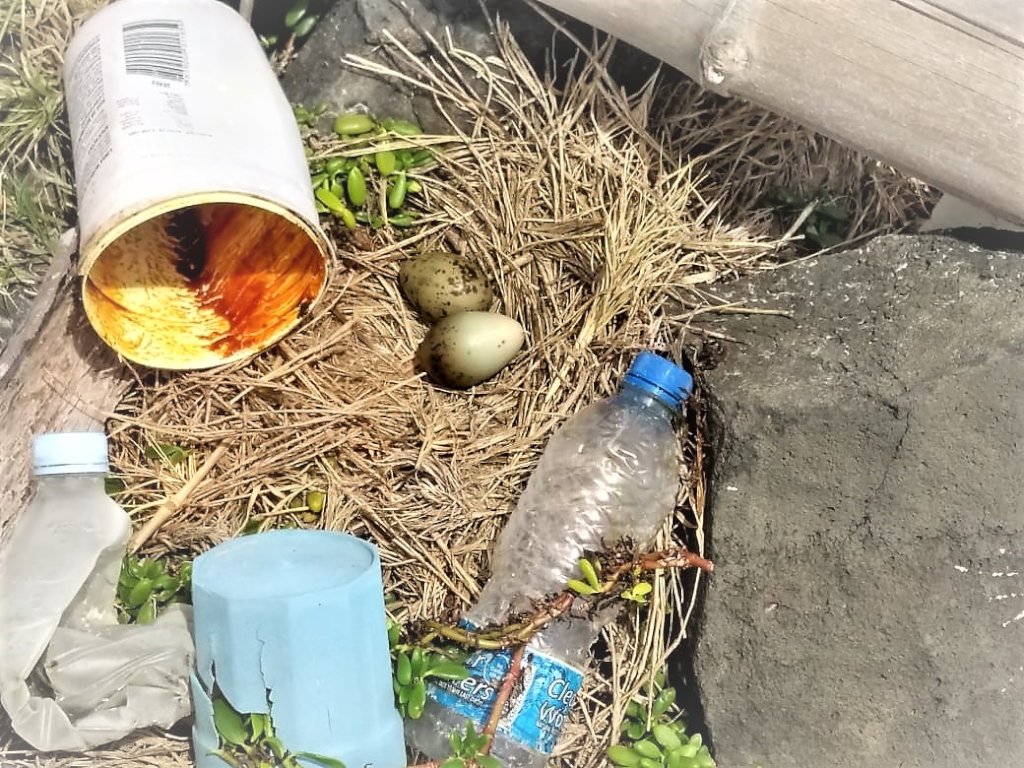
Five trainees took part in this survey of 15 islands in the Grenadines over 5 days. While it’s always inspiring to see the throngs of wildlife attracted to these remote island refuges, the threats they face area also evident: large amounts of plastic in and around nests, dozens of goats running through nesting areas, sea turtle egg collection, and illegal fishing within Marine Protected Areas (MPAs).
The marine parks only cover the sea, not the islands, and have limited patrol staff. It is our goal to provide the extra eyes needed to keep these precious refuges safe from harm while empowering community members to advocate on behalf of nature. Juliana has also discussed a partnership with the MPA to train their staff in seabird monitoring and partner with Volunteer Patrol members who can join them on their patrols of the marine park.
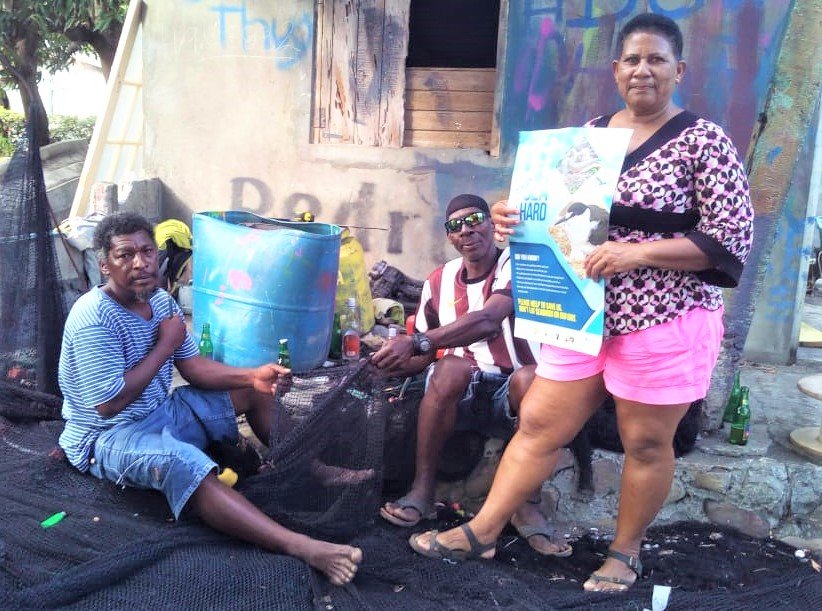
Our volunteers left their individual trainings feeling more knowledgeable and confident in the methods they will continue using at “their” islands. As always, we continue to have an active WhatsApp community which connects the geographically isolated islands of this archipelago. Through this and ongoing trainings and support, we are encouraging and empowering fishers, tour guides, and others to become advocates for their natural heritage. Thank you for your support and for making this important work possible!
With Gratitude,
Links:
Project reports on GlobalGiving are posted directly to globalgiving.org by Project Leaders as they are completed, generally every 3-4 months. To protect the integrity of these documents, GlobalGiving does not alter them; therefore you may find some language or formatting issues.
If you donate to this project or have donated to this project, you can receive an email when this project posts a report. You can also subscribe for reports without donating.



Support this important cause by creating a personalized fundraising page.
Start a Fundraiser