By Natalia Collier | Executive Director
We can breathe a sigh of relief now that this year’s very active and destructive hurricane season officially ended last week.
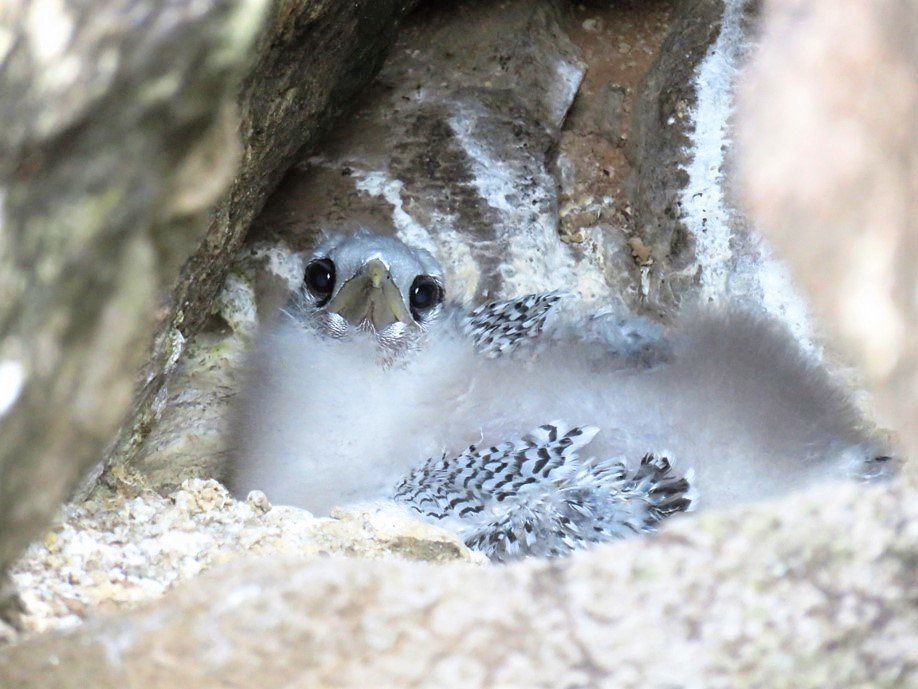
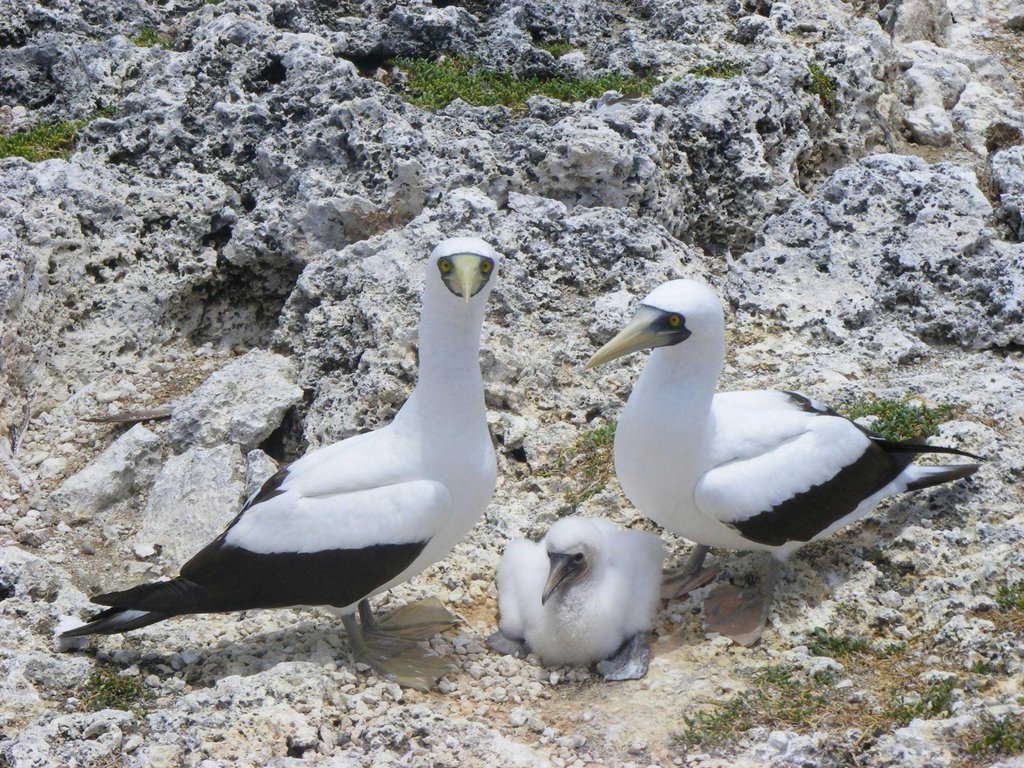
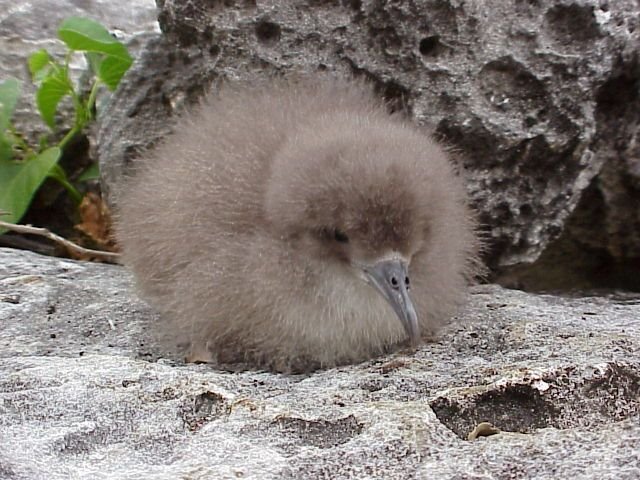
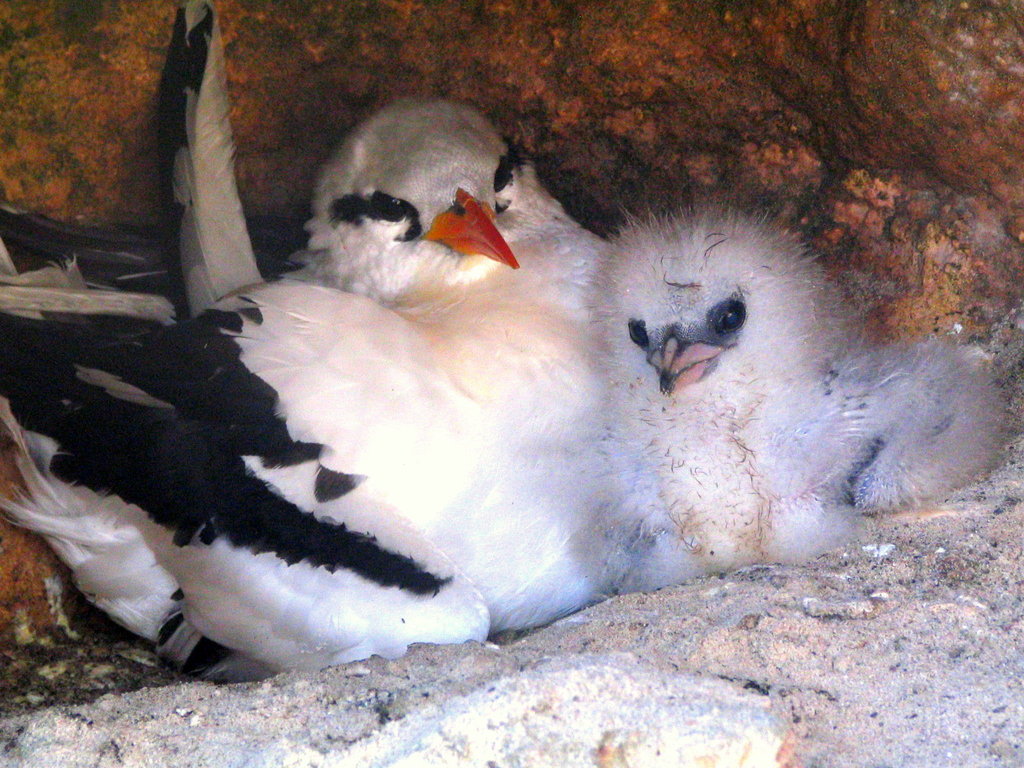
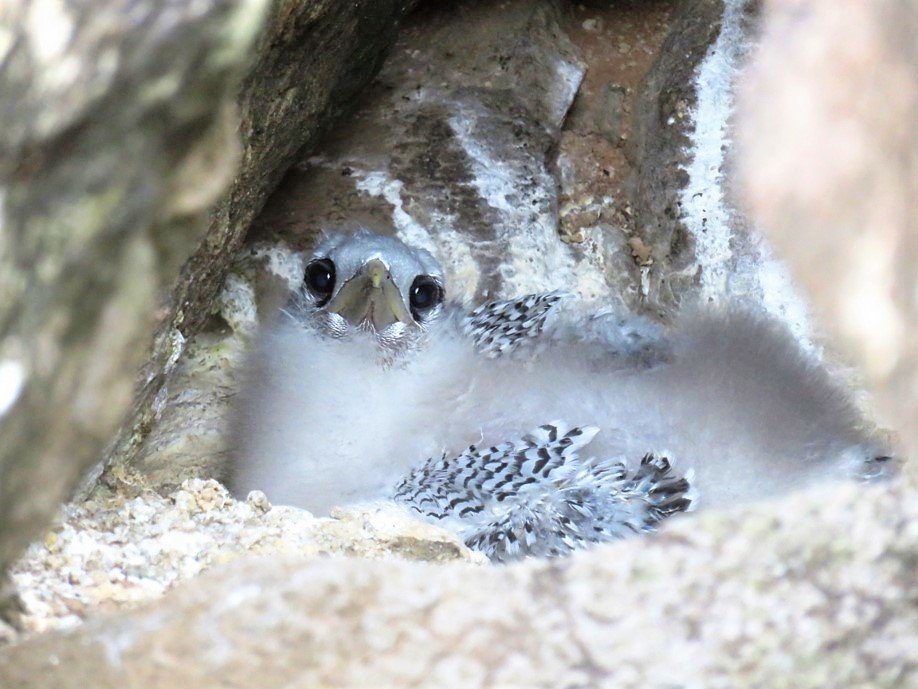
Most Caribbean bird species have evolved to avoid nesting during hurricane season, when there is a higher risk of losing a nest, eggs, and even chicks to storms. As you may know, many seabirds travel far and wide in search of the best feeding grounds and have the ability to sense changes in barometric pressure, indicating an approaching storm.
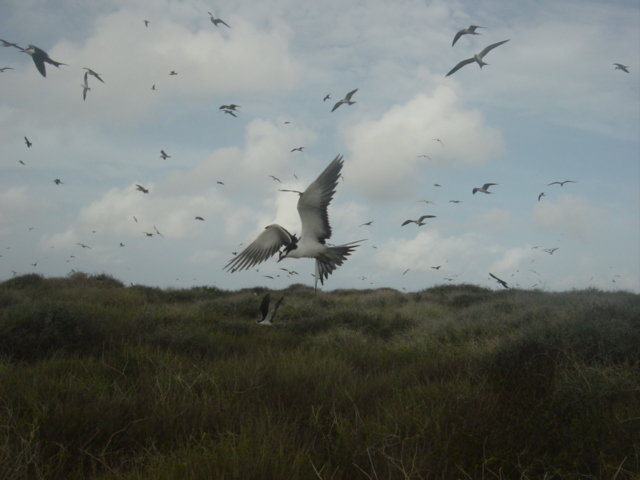
Despite their mastery of sea and sky, seabirds still get blown off course at times; this can be dangerous for the birds but also result in some remarkable sightings of seabirds far from their normal ranges, as much as 200 miles inland. Often this is because the birds are forced to travel within the eye of the hurricane and drop out once the eye breaks apart. Despite this dramatic detour, many birds find their way home.
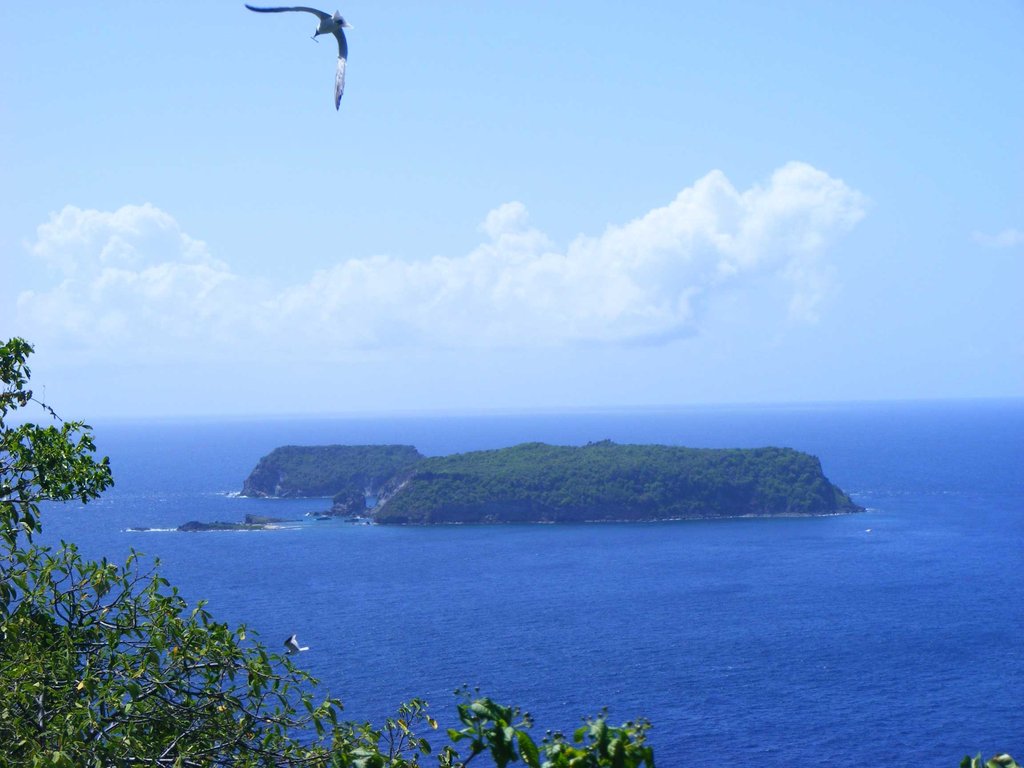
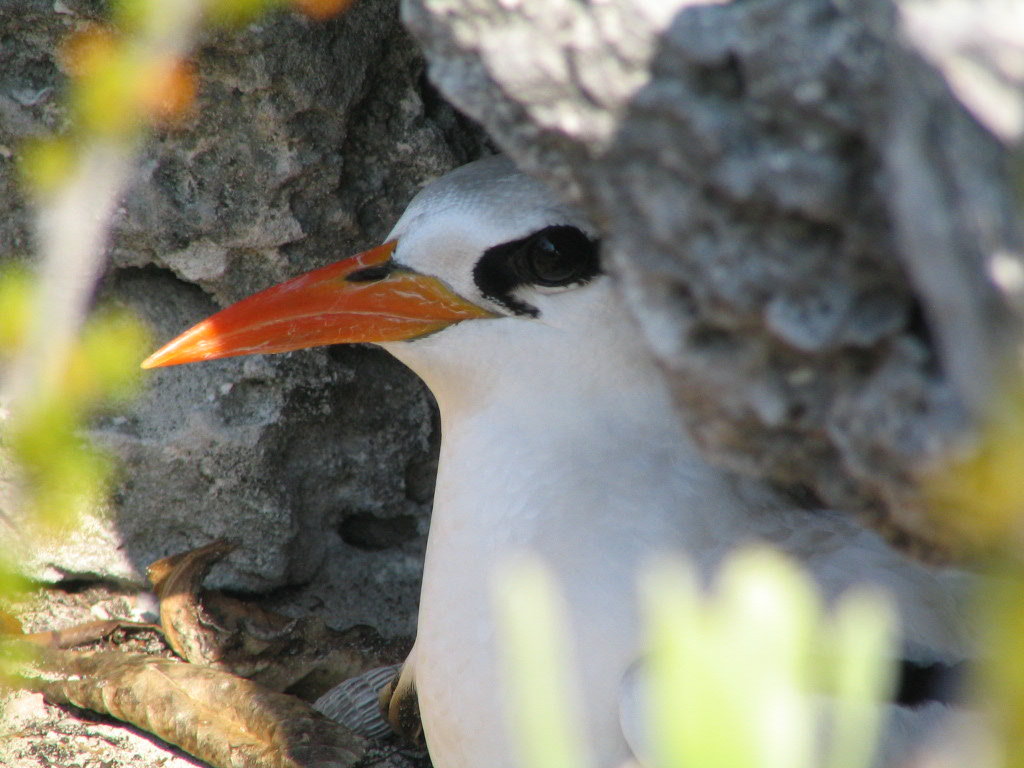
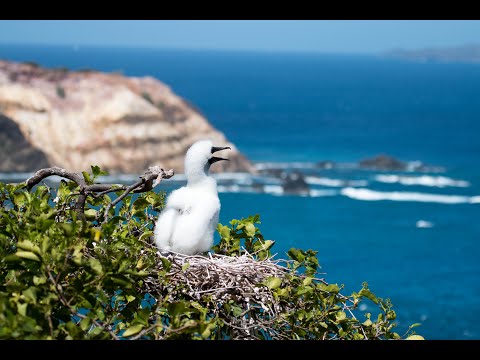
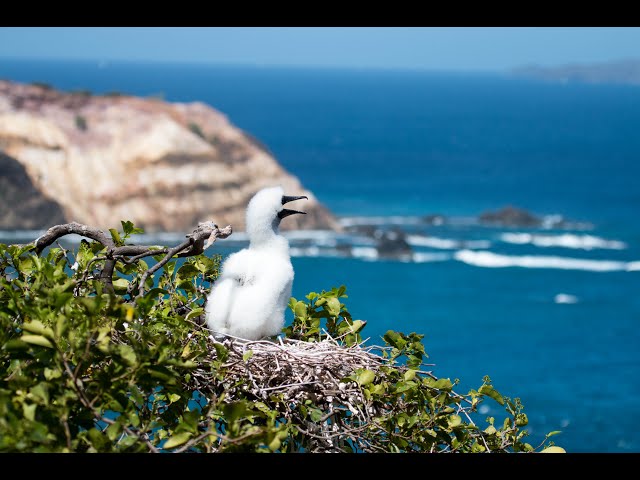
In addition to adapting to hurricane season, many seabirds will change nesting spots if something else looks better. Fortunately, the Grenadines lie south of most hurricane tracks and offer a refuge for seabirds seeking areas not impacted by this year’s storms. With dozens of uninhabited islands, the Grenadines are free from much of the human-caused sediment run-off that threatens reefs and the fish which are a major food source for seabirds. In addition, the trees and bushes which many species use as a nest platform or as cover from predators remain intact.
Remote island refuges like those found in our project area in the Grenadines are even more important in the face of the increasing risk of major storms projected, and observed this year, as part of climate change.
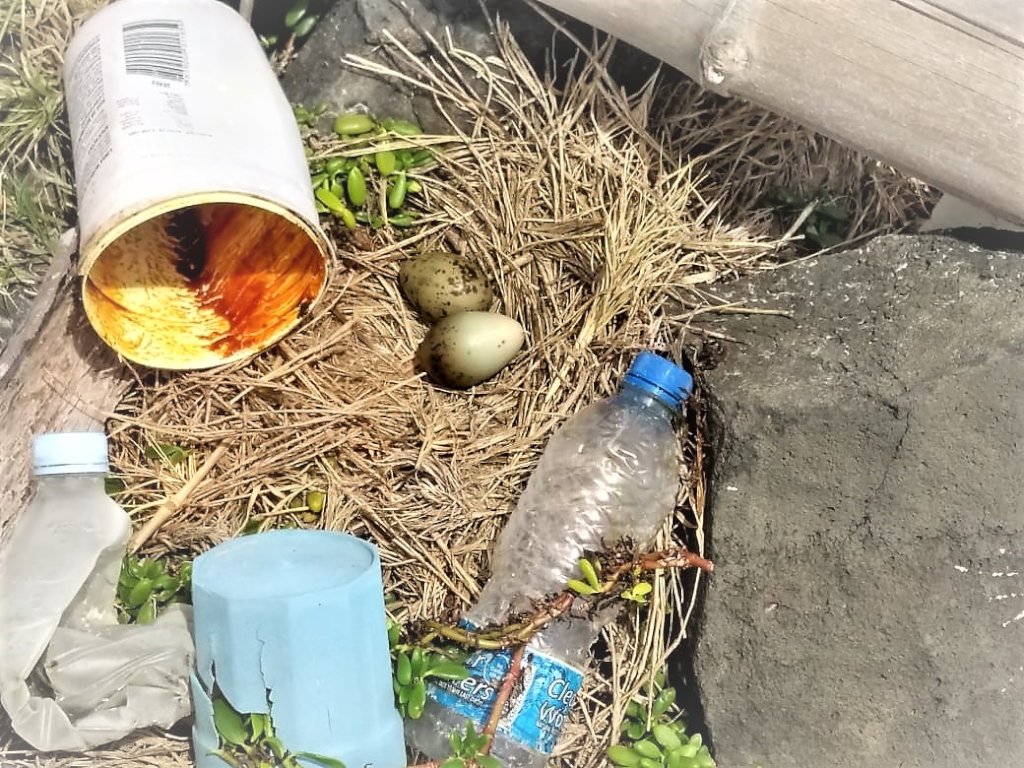
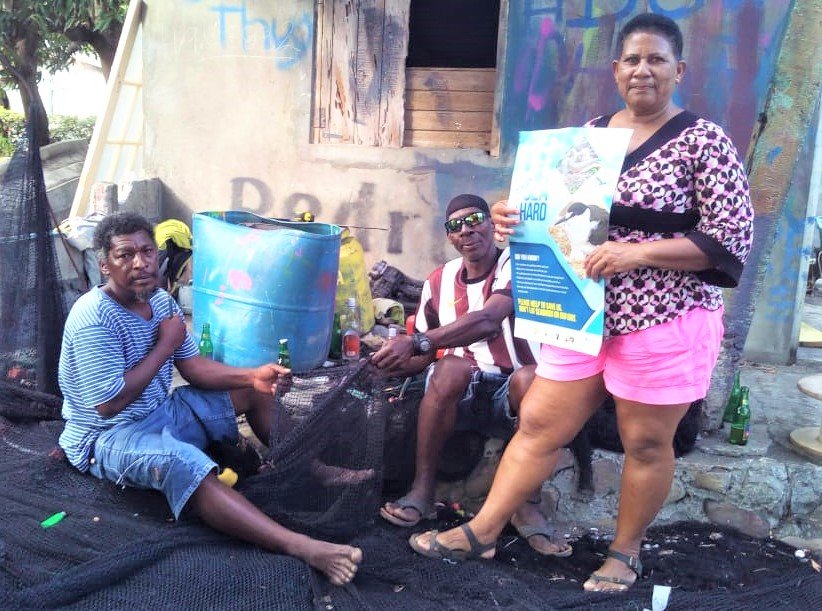
We are preparing for the upcoming Spring nesting season in the Grenadines when we will continue unravelling some of the mysteries surrounding the amazing wildlife found here. Our growing Volunteer Patrol hopes to continue seeing increasing numbers of nesting birds. Thank you for making their training and work possible through your support of this project. We look forward to sharing the next chapter in this dramatic story of survival!
Links:
Project reports on GlobalGiving are posted directly to globalgiving.org by Project Leaders as they are completed, generally every 3-4 months. To protect the integrity of these documents, GlobalGiving does not alter them; therefore you may find some language or formatting issues.
If you donate to this project or have donated to this project, you can receive an email when this project posts a report. You can also subscribe for reports without donating.



Support this important cause by creating a personalized fundraising page.
Start a Fundraiser