By Nicki Wheeler | international Coordinator
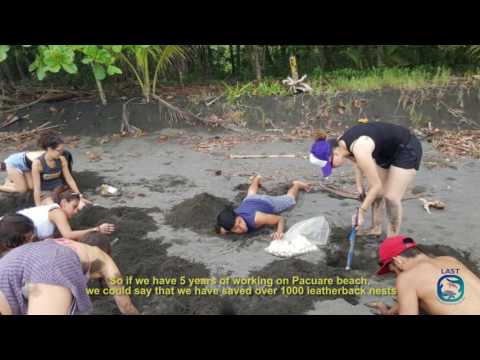
Protecting endangered species isnt just about working with the animal itself - much of our work is behind the scenes, monotonous, tedious, physically difficult and of course vital!
The start of the nesting season each year is often the most challenging for our on the ground team
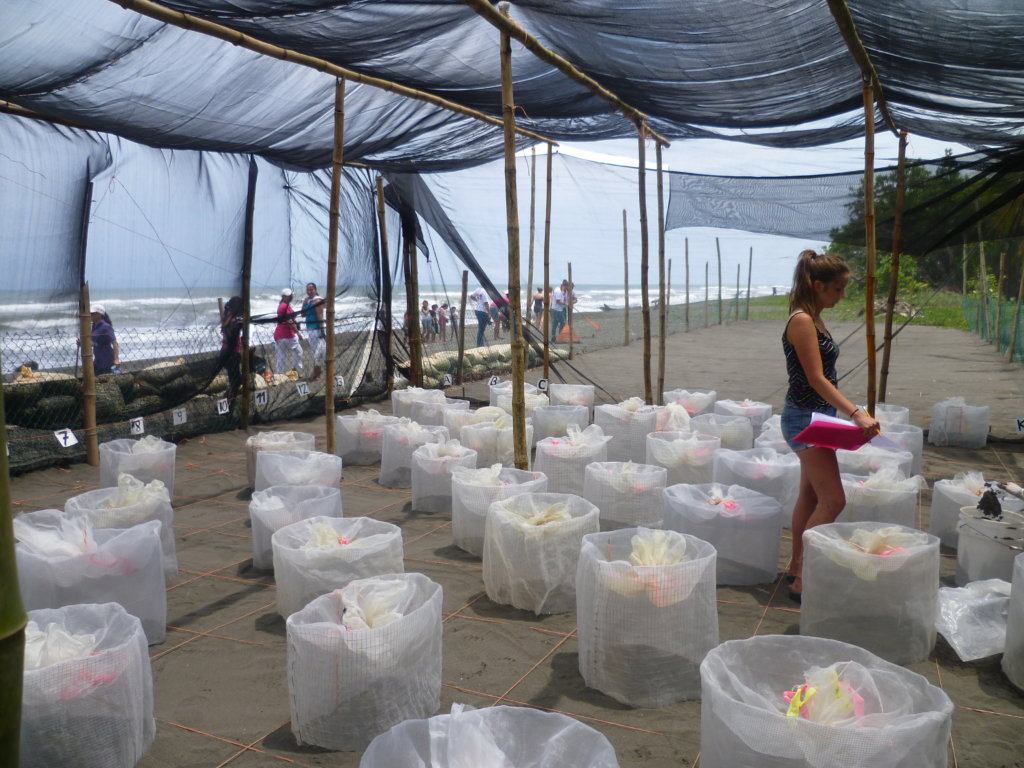
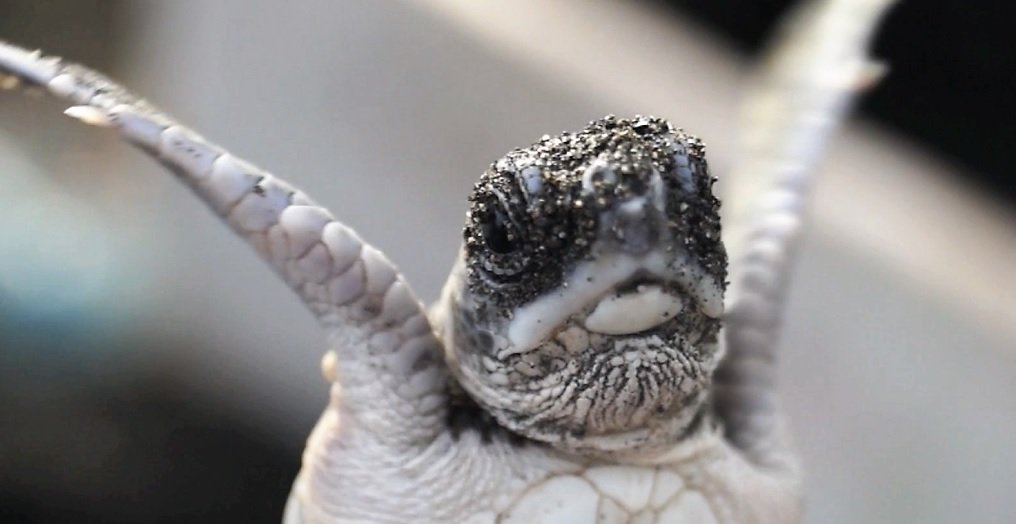
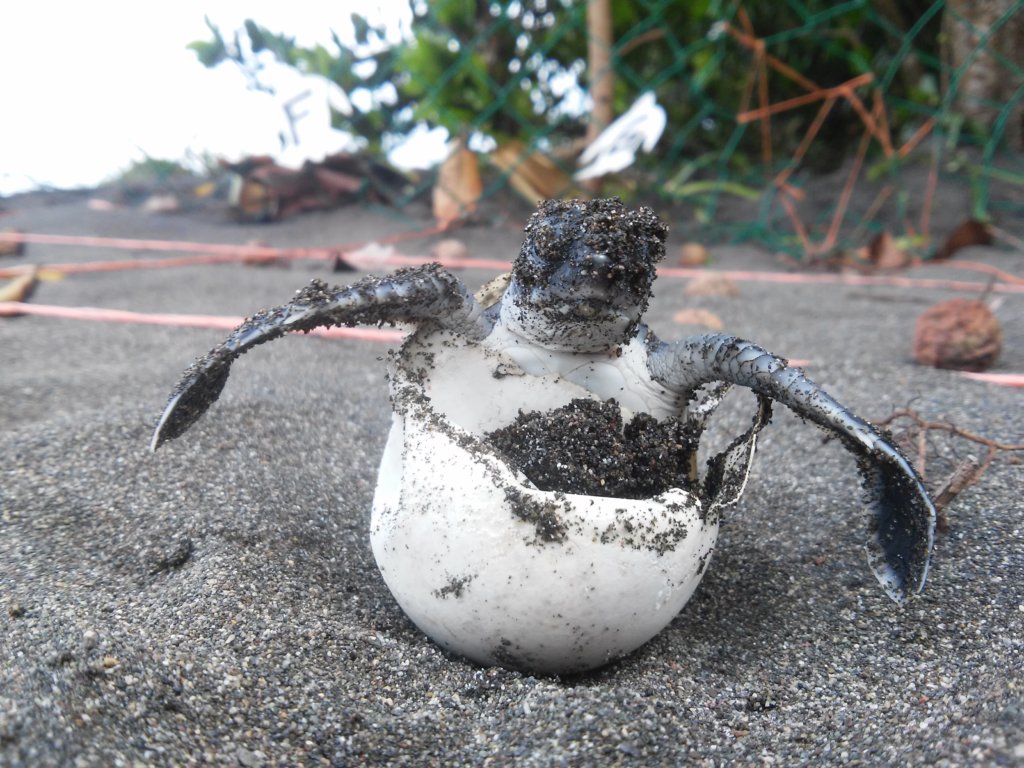
When the hatchlings open the shell of the egg, the amniotic liquid spills onto the sand. This fluid is an excellent medium for the cultivation and development of micro-organisms such as fungus and bacteria, and it is also a means of attraction for flies, ants and cockroaches. Even when all shells are removed, the fluids filter through the sand, impregnating the área inside the hatchery and this can decrease the sanitary quality of the sand.
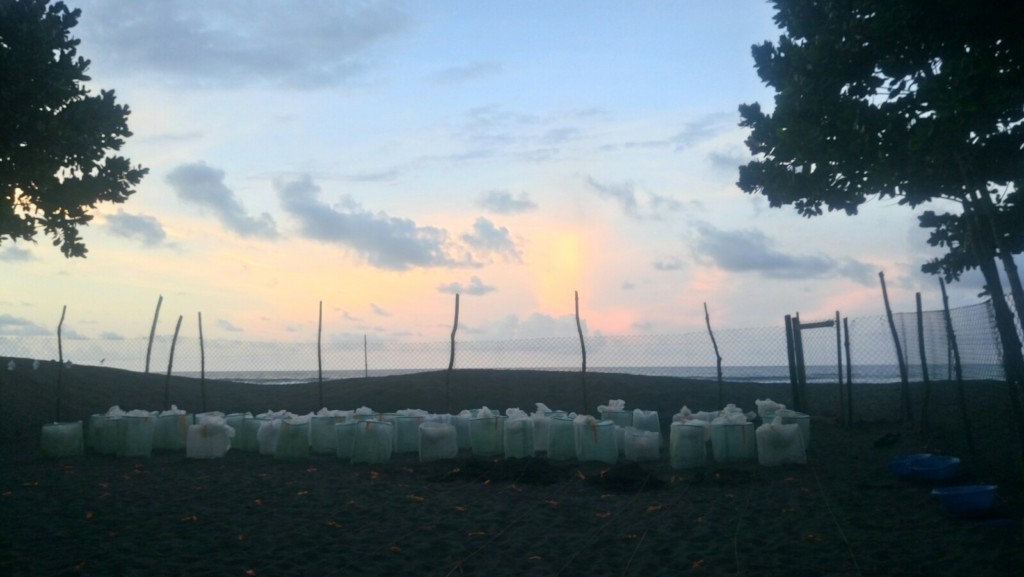
Therefore the hatcdhery needs to be constructed each year.
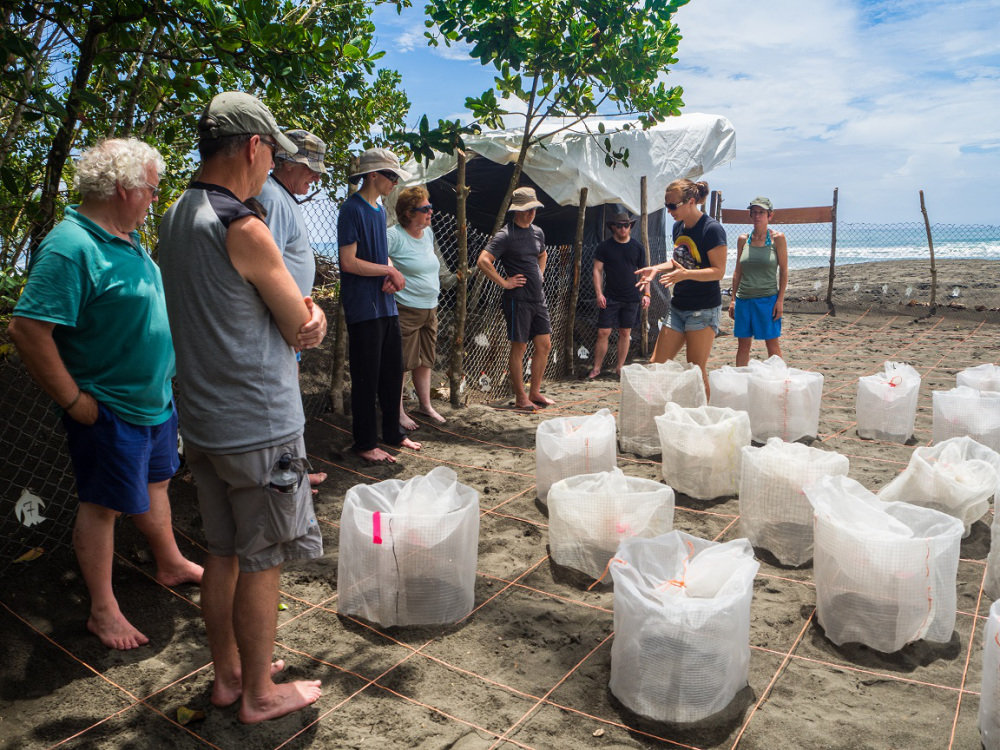
The hatchery site should not be within reach of high tides, vegetation roots or river erosion. Also the site chosen, should reduce the time and distances of relocation, therefore reducing the risk of egg loss, and increase the percentage of success of egg incubation
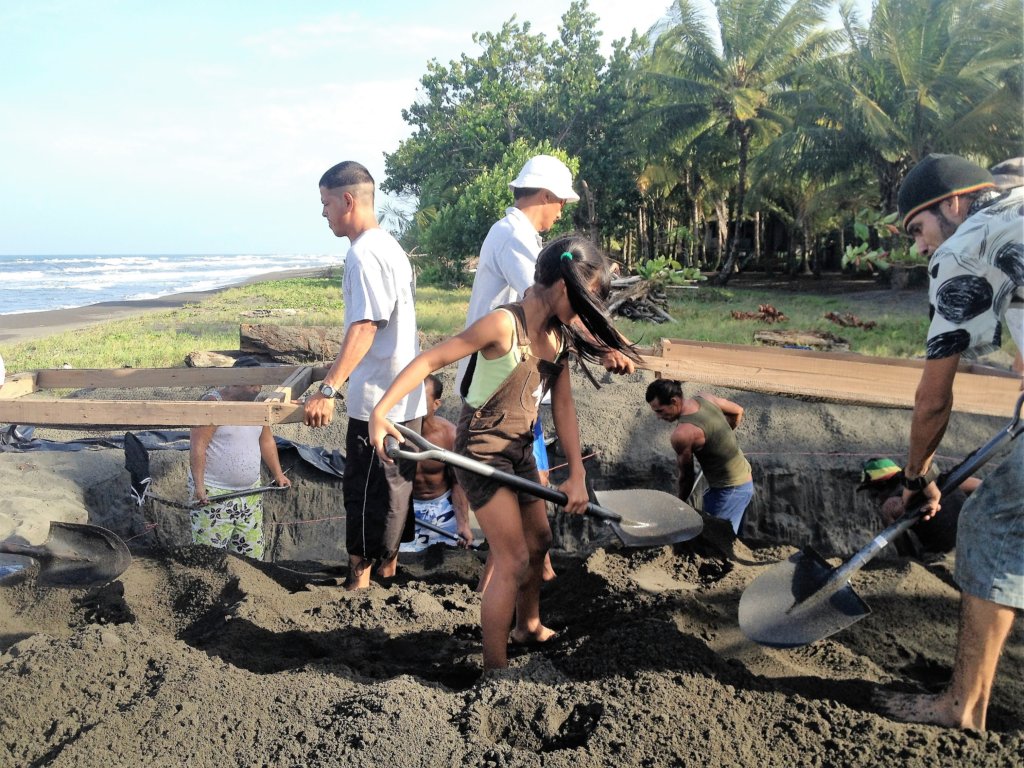
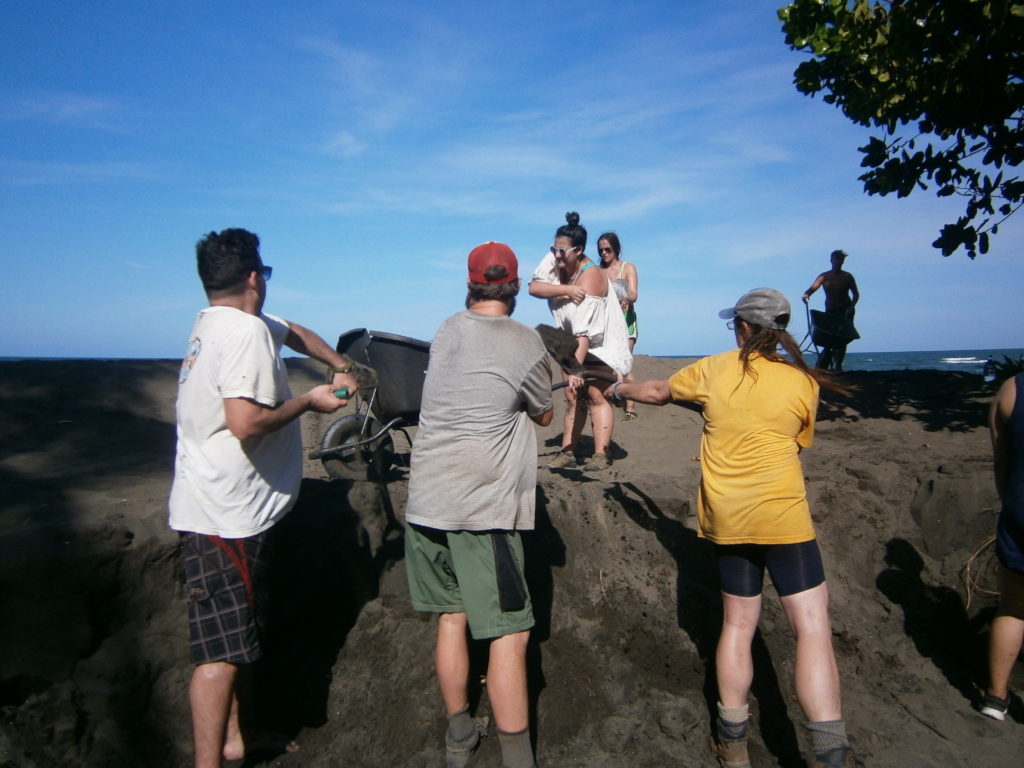
The build the hatchery, we need to dig out over a metre deep of sand over an area of 20m x 30m, and disinfect this volume of sand. Once the sand is free of any contaminant, is is shovelled back into place, and then compacted correctly to resemble a natural nesting area.
This is a huge task - and the hatchery needs to be completed before the nesting season starts so that we can safely relocate the eggs.
In 2017, our hatchery was not ready until April - so this year, we need your help to ensure that the hatchery is ready before March and the peak nesting season!
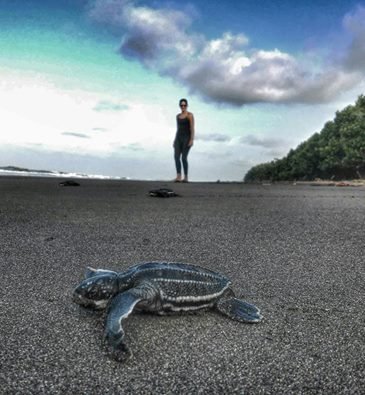
Our nocturnal patrols, as always will commence in mid February - the first turtle arrived in Pacuare in 2017 on 20th February.
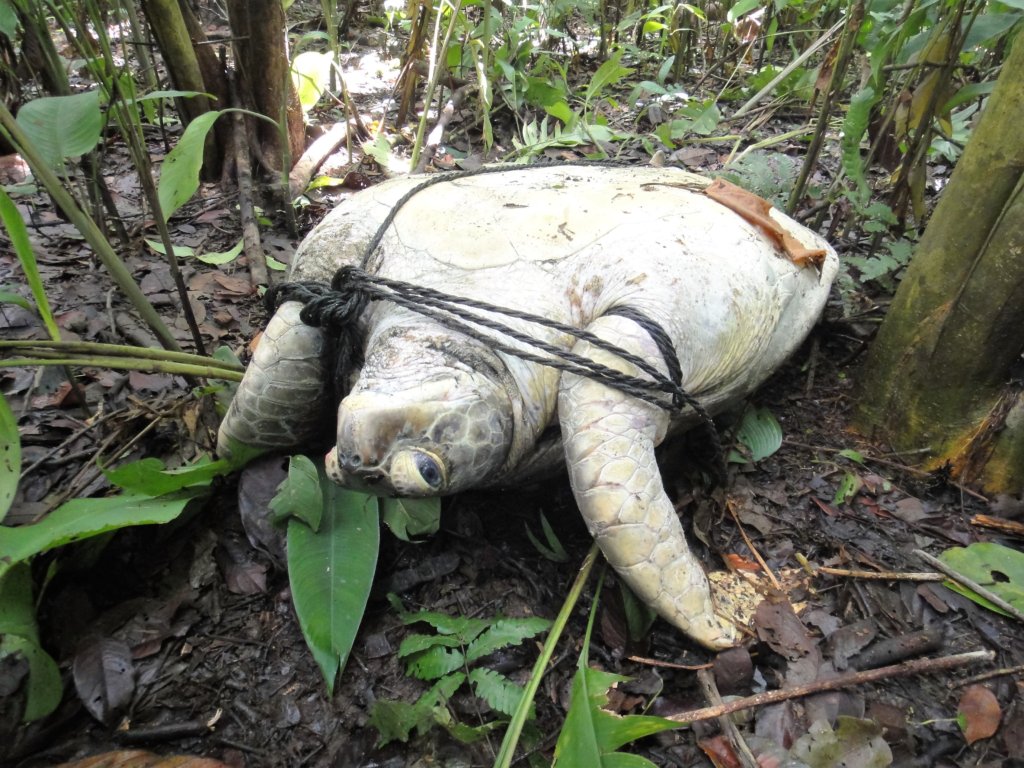
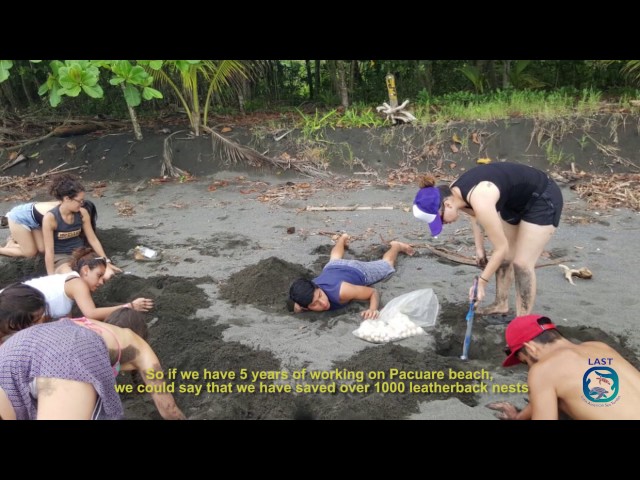
We are still struggling against the illegal egg trade in Pacuare - with just under 40% of successfully laid nests being poached in 2017 for local consumption or the black market.
So please. if you can help us recruit more local guides, have more presence on the beach, with better equipment, we can drastically change this figure.
2018 is predicted to be a big nesting year - so we need all the helñp we can get at the start of the season!
Do you wish to help us on the ground? We need more volunteers to help our biologist and research assistants with the patrols too!
Links:
Project reports on GlobalGiving are posted directly to globalgiving.org by Project Leaders as they are completed, generally every 3-4 months. To protect the integrity of these documents, GlobalGiving does not alter them; therefore you may find some language or formatting issues.
If you donate to this project or have donated to this project, you can receive an email when this project posts a report. You can also subscribe for reports without donating.