By Fabian Carrasco | On site Biologist, Pacuare
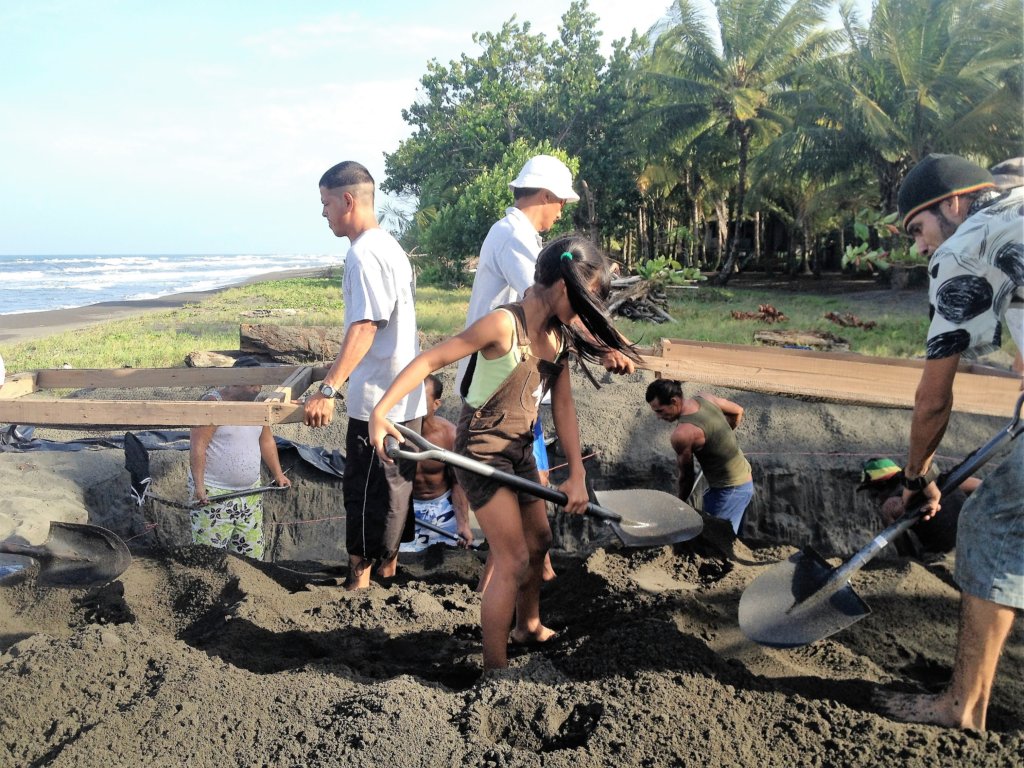
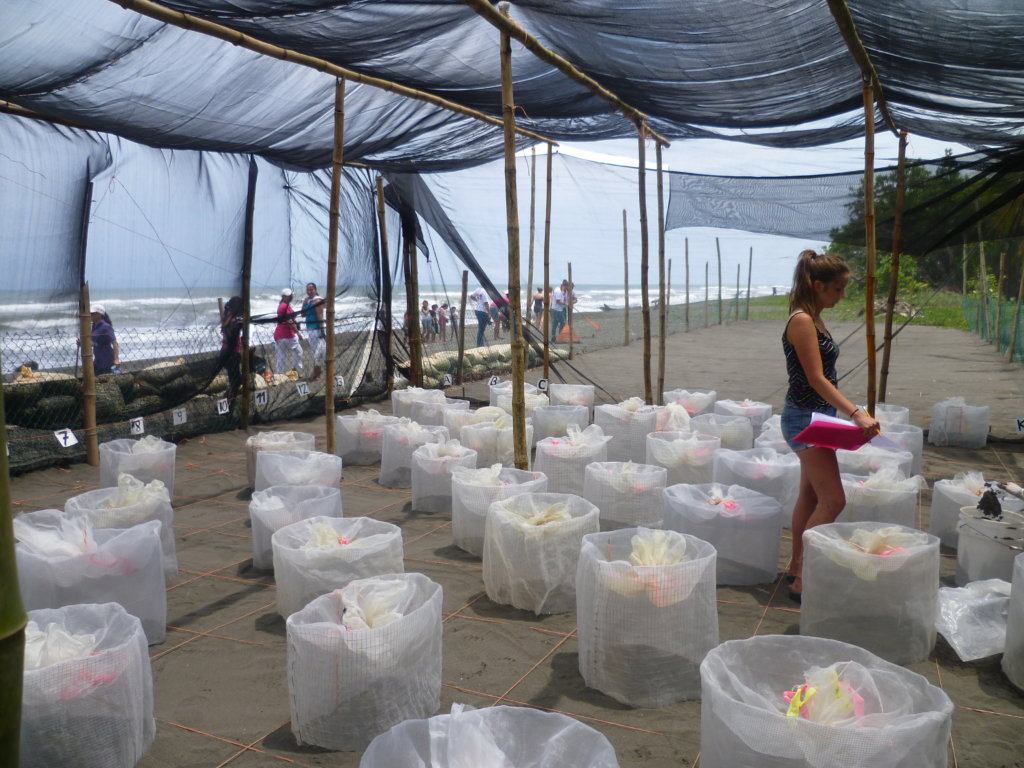
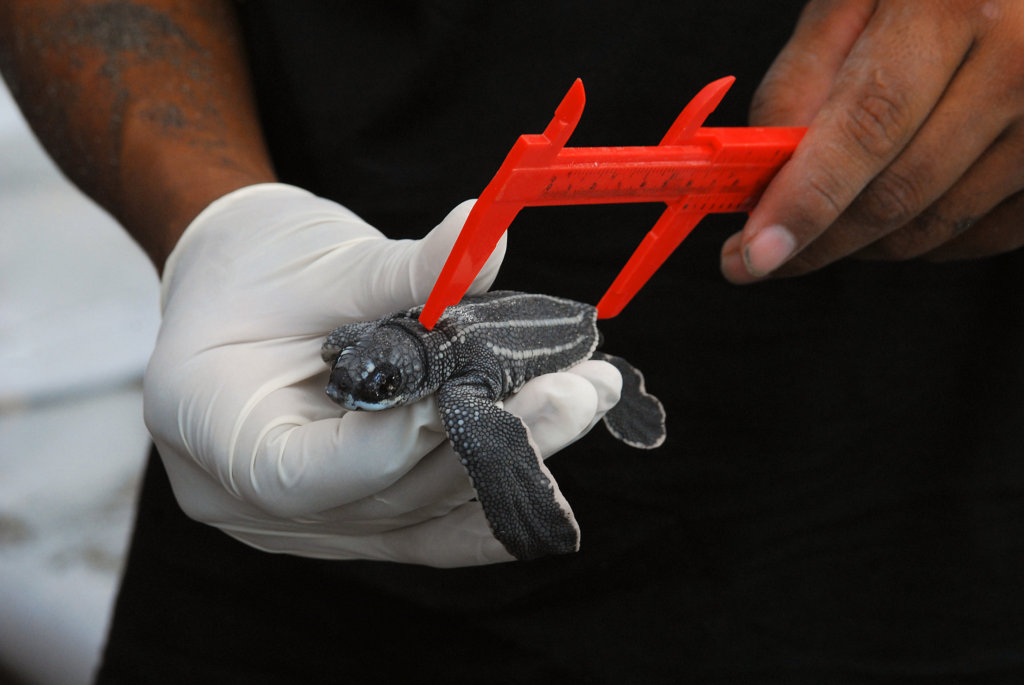
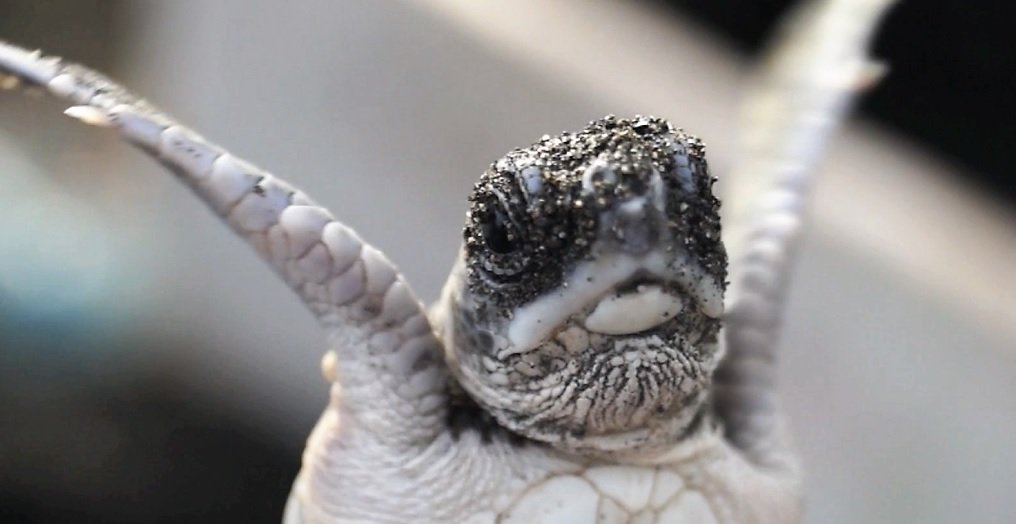
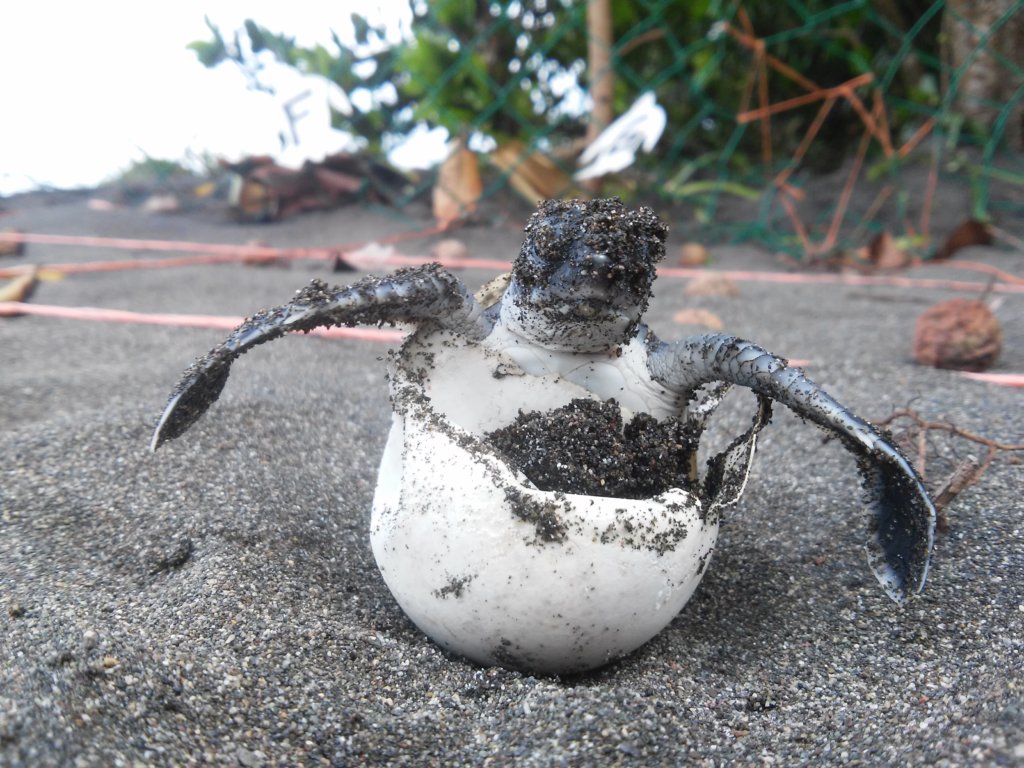
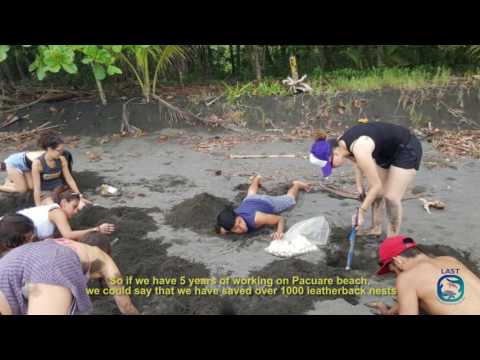
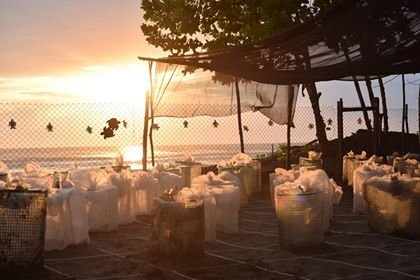
The hatchery is one of the conservation strategies that gives the project useful information about the incubation methods of sea turtle eggs. It also gives the sea turtles a chance to increase the number of neonates released into the ocean. During the 2018 season the hatchery had an area of 180 m2 with space for 300 total nests. For the 2019 season we are trying to build a bigger hatchery to have enough space for all Leatherback, Green and Hawksbill nests of the season because we are expecting a high number of nests. We will also need more equipment to finish in time for the season.
The watch station of the hatchery has always been made with the same fence that surrounds and protects the hatchery from predators. For the next year we are hoping to buy a shed to use as a watch station to make the volunteers feel more comfortable and keep them safe from robbery and the weather.
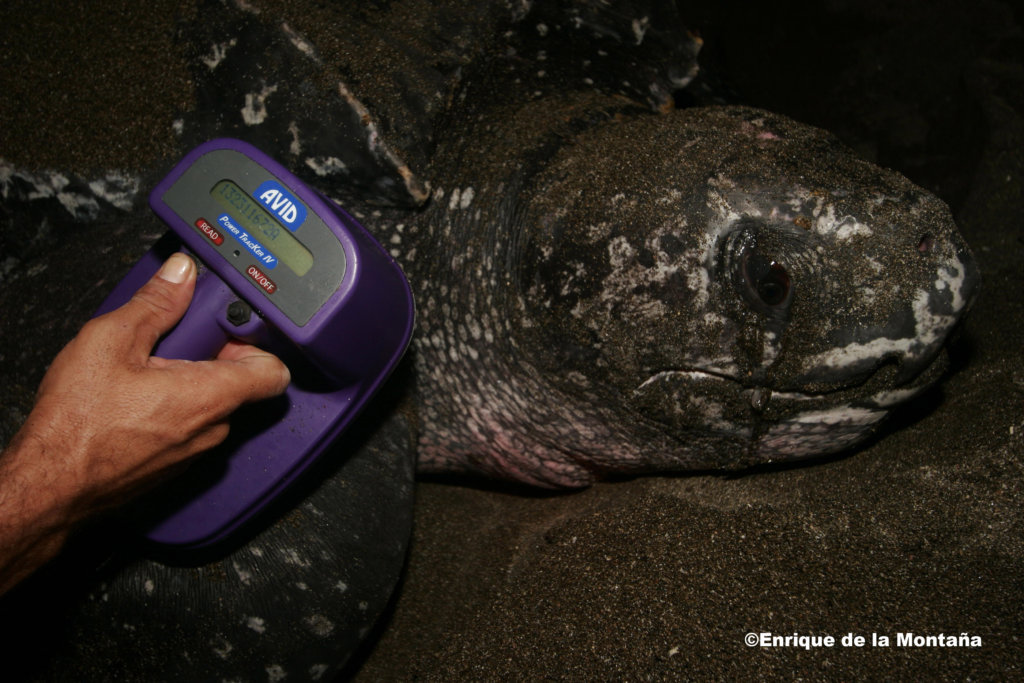
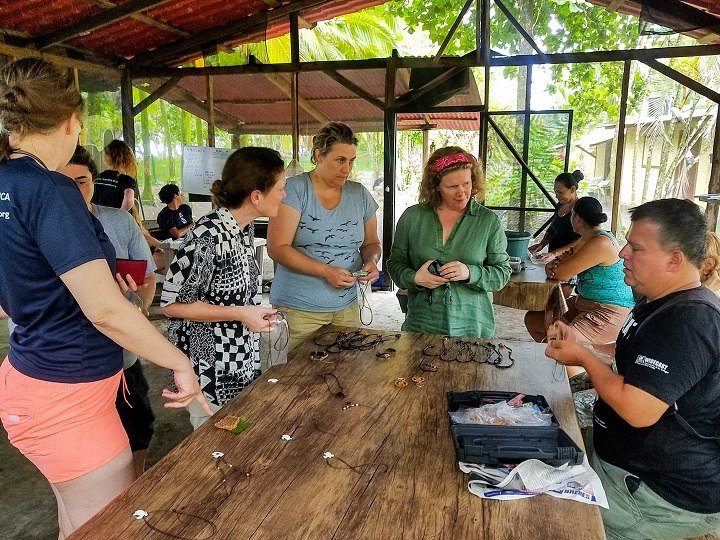
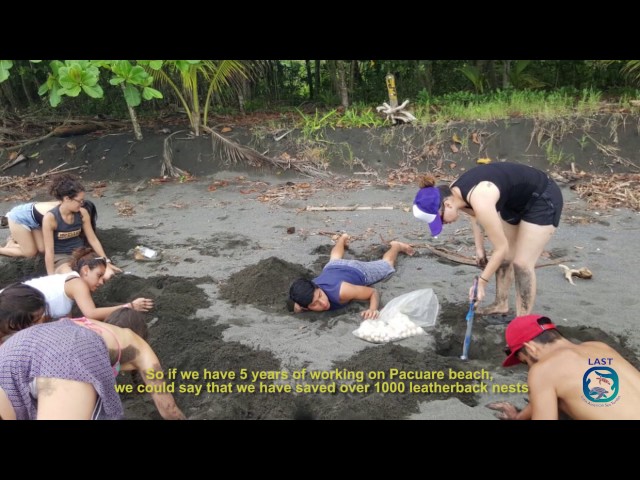
One of the goals of the organization is to increase the information about sea turtle populations in order to develop more and better conservation strategies. To achieve this the tag equipment needs to be fixed and more needs to be bought. During the season we would like to get at least 4 scanners to read and apply the PIT tags on Leatherback turtles, and each patrol needs an applicator and metallic tags to use on the nesting females. With that we would have enough equipment and information for all of the turtles present at Pacuare beach.
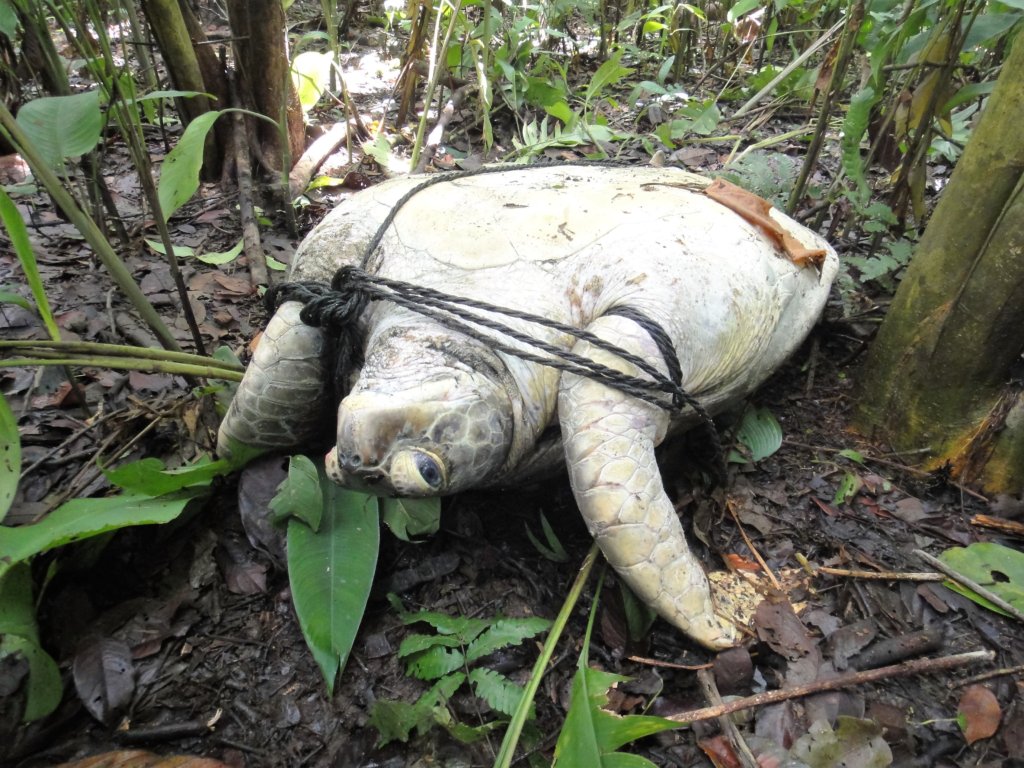
During Green turtle season the project is constantly facing the illegal hunting of the nesting females. One of the strategies against this problem is to work with authorities, such as the Coastguards and the Police. We are trying to use a thermal camera that works by attaching it to a cellphone in order to see the tracks made when poachers are hiding a turtle in the vegetation. This would allow us to rescue and avoid the illegal hunting of Green and Hawksbill turtles.
The station will be fixed and modified for the 2019 season. We bought 102 slabs of plastic roofing, 72 planks of wood, and 4 kilograms of nails to fix the roofs of the Rancho, kitchen, bathrooms and some cabins because the extreme weather, humidity and insects are constantly damaging them. The kitchen will get metallic mesh all around to avoid any robbery.
We would like to get new batteries for the solar panel so that it will have enough electricity for us to use electronic devices such as scanners, cellphones, rechargeable batteries, and a thermal camera for the turtle work. This would also help with lights, a fridge, and radios for the station.
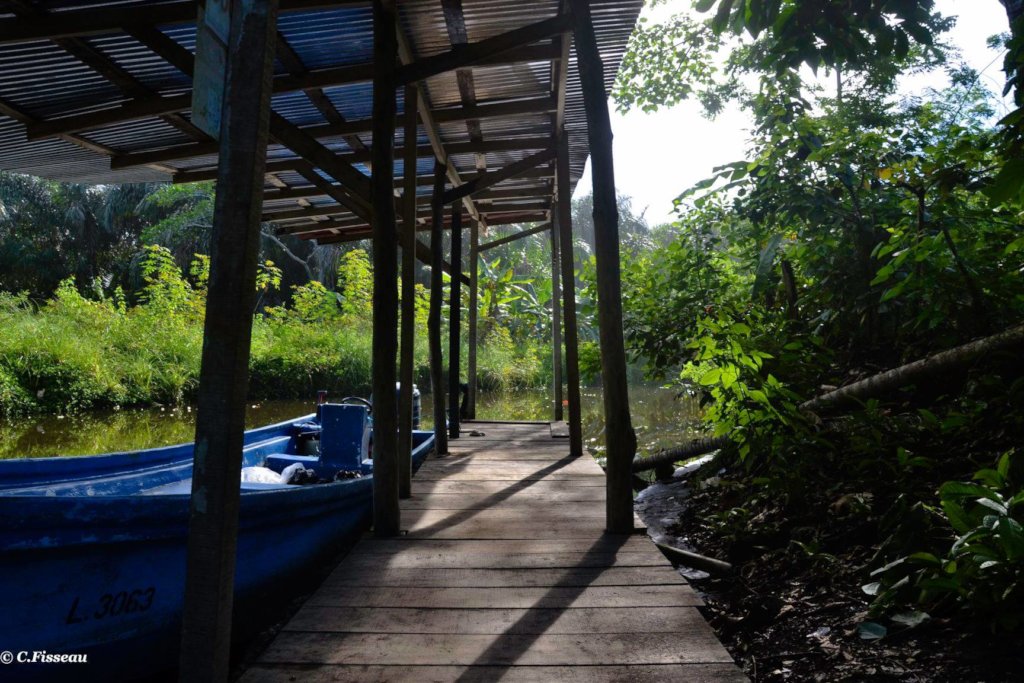
The boats will be painted and the motors will be checked by a mechanic to receive maintenance.
LAST Association will try to employ more local research assistants to increase the economy of the local community. The staff will prepare different activities throughout the season to involve the community in activities with the volunteers, and more locals will be invited to join to the local market held at the station every Sunday.
Project reports on GlobalGiving are posted directly to globalgiving.org by Project Leaders as they are completed, generally every 3-4 months. To protect the integrity of these documents, GlobalGiving does not alter them; therefore you may find some language or formatting issues.
If you donate to this project or have donated to this project, you can receive an email when this project posts a report. You can also subscribe for reports without donating.