By Fabian Carrasco | on site Biologist in Pacuare Station
LAST Association has a couple of improvements in the station for all the volunteers coming throughout the season that we want to share with everybody:
• The cabins are being cleaned and fixed (woods, locks, mattresses and mosquito nets).
• One of the cabins is being re-built with concrete to make it safer (unfortunately Pacuare is a remote place where the habitants are extremely poor and robbery is a common activity) for the volunteers and their belongings
. • The boats will be maintened and painted again.
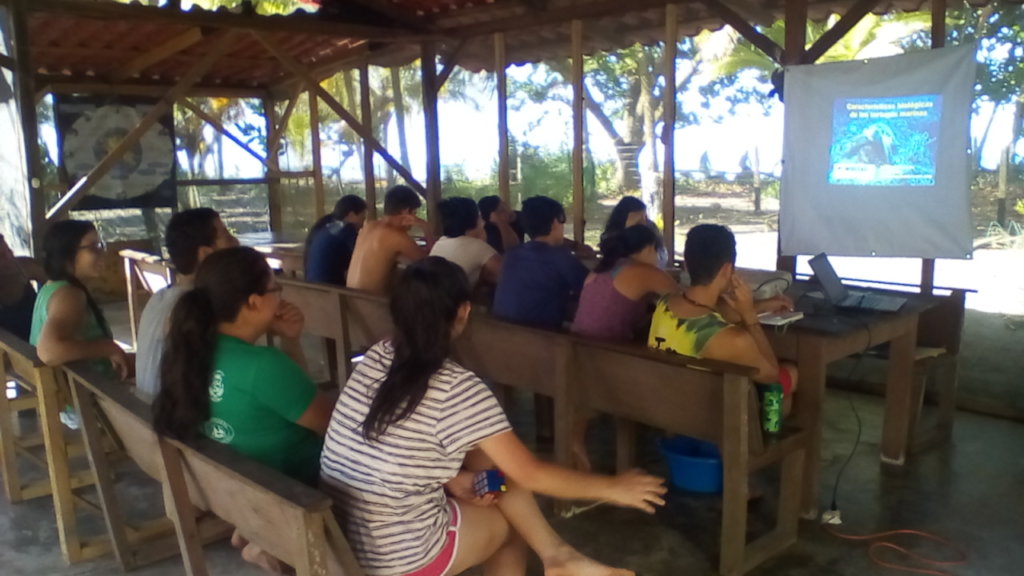
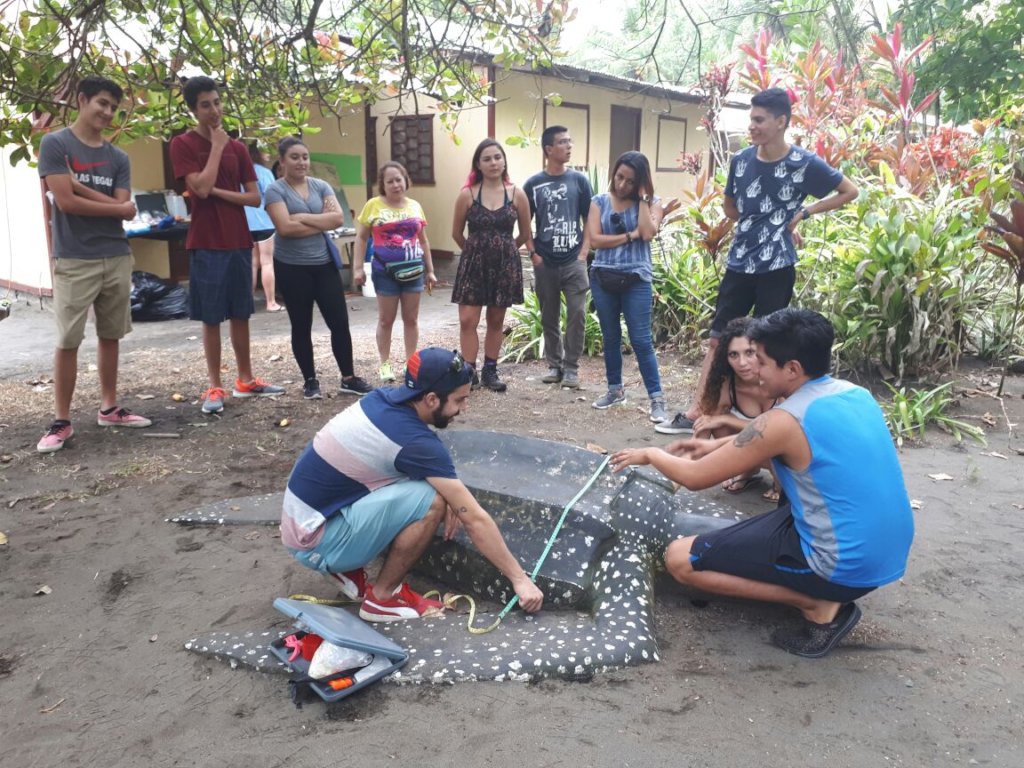
A new set of activities for the volunteers will be updated from which volunteers will learn about:
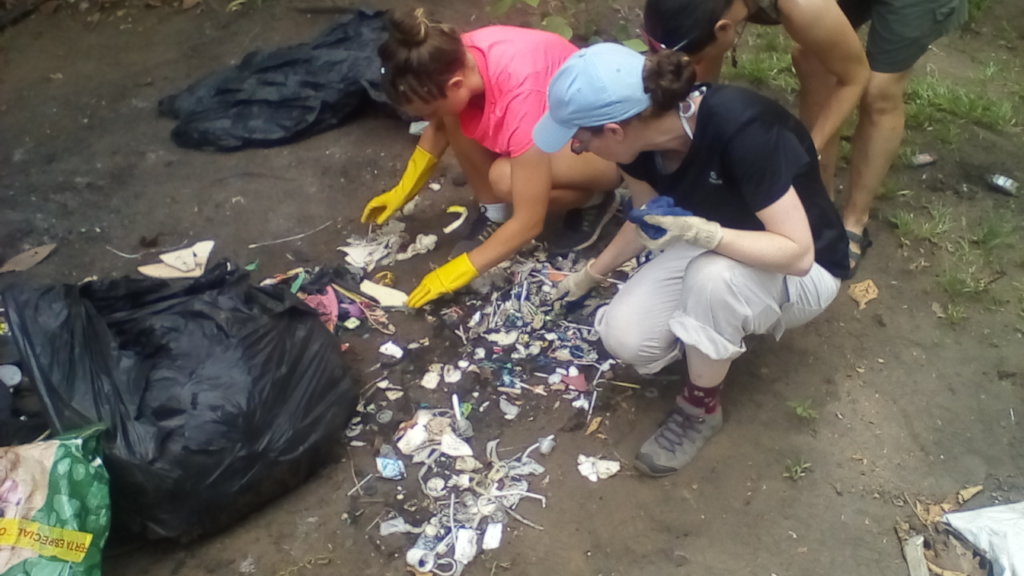
• Recycling trash within the community, thanks to our new separation centre, we can now educate the community on the different types of plastics and how to dispose of their trash correctly.
• Making our own sustainable garden using any waste and seed at hand - we aim to grow some of the fruits ana vegetables consumed at the project.
• Interacting with the community teaching them English - we feel this is vital for the community to feel more connected to the project, and to give them an opportunity to be involved in our work.
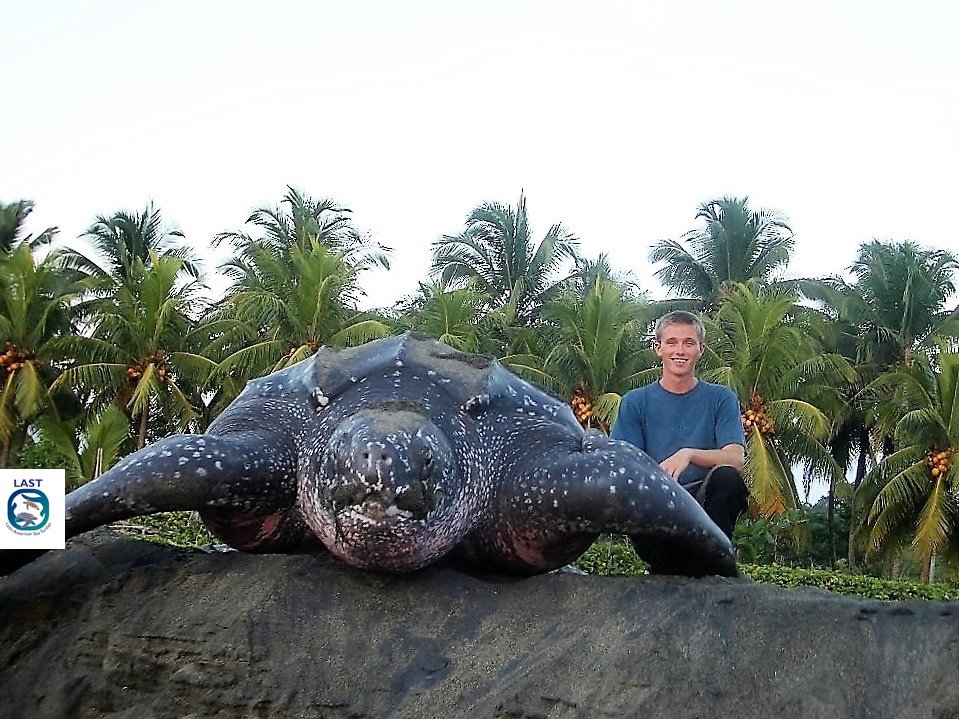
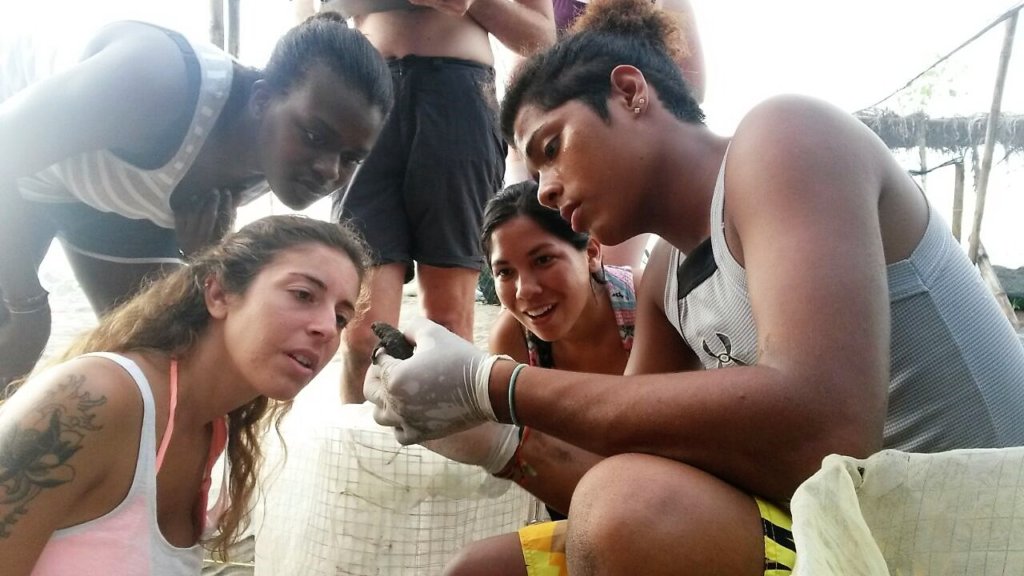
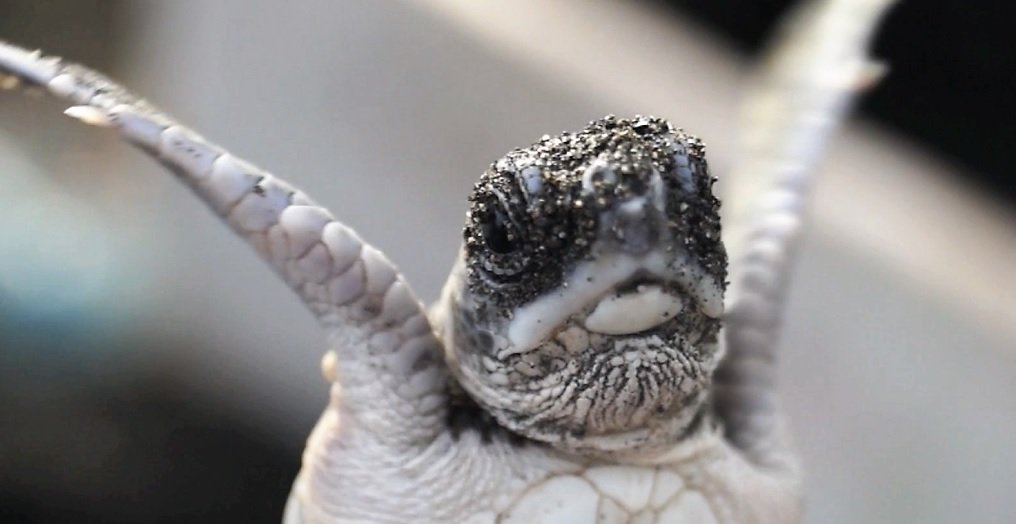
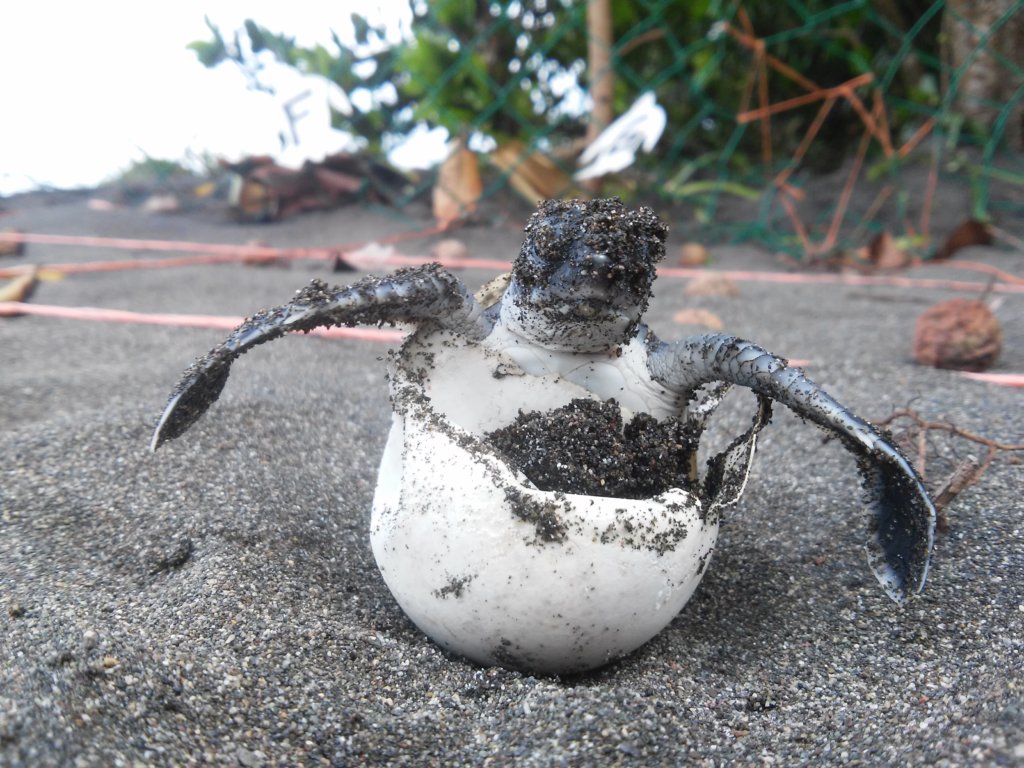
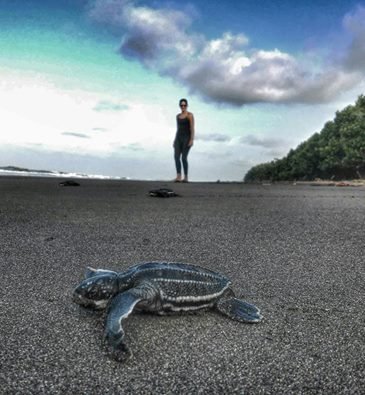
• Turtles and what we can do to protect them and other endangered species - education, education, education!
• The vegetation and animals around the Caribbean Coast. Wiith a long term plan to reforest some of the indigeounous tree species.
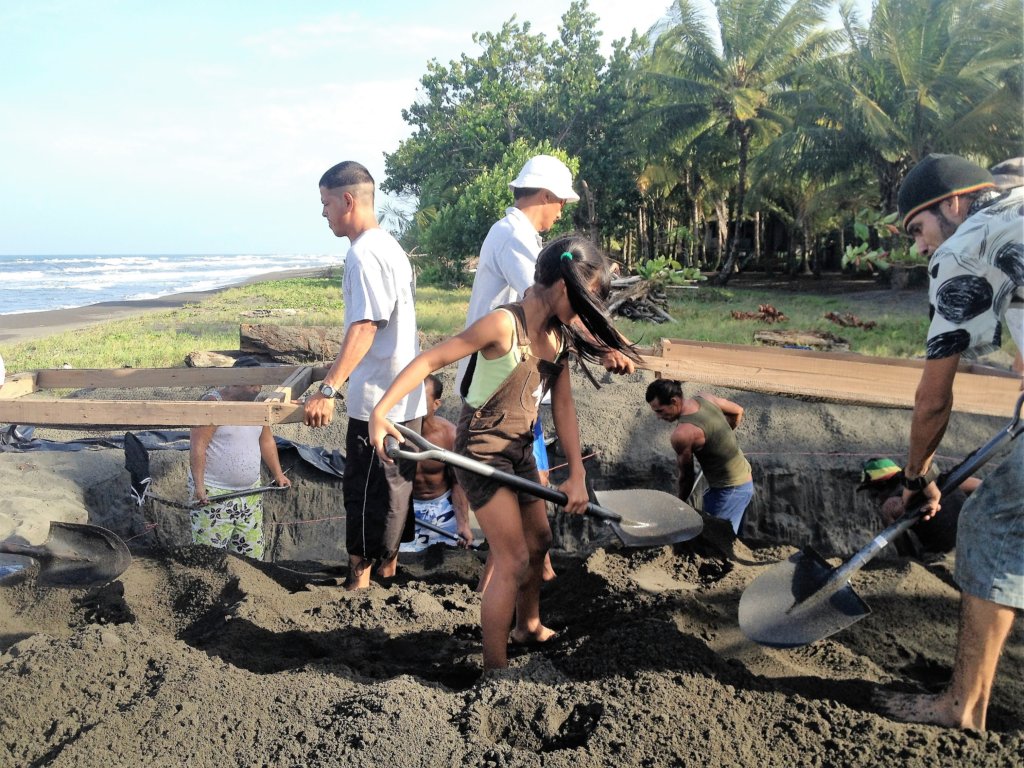
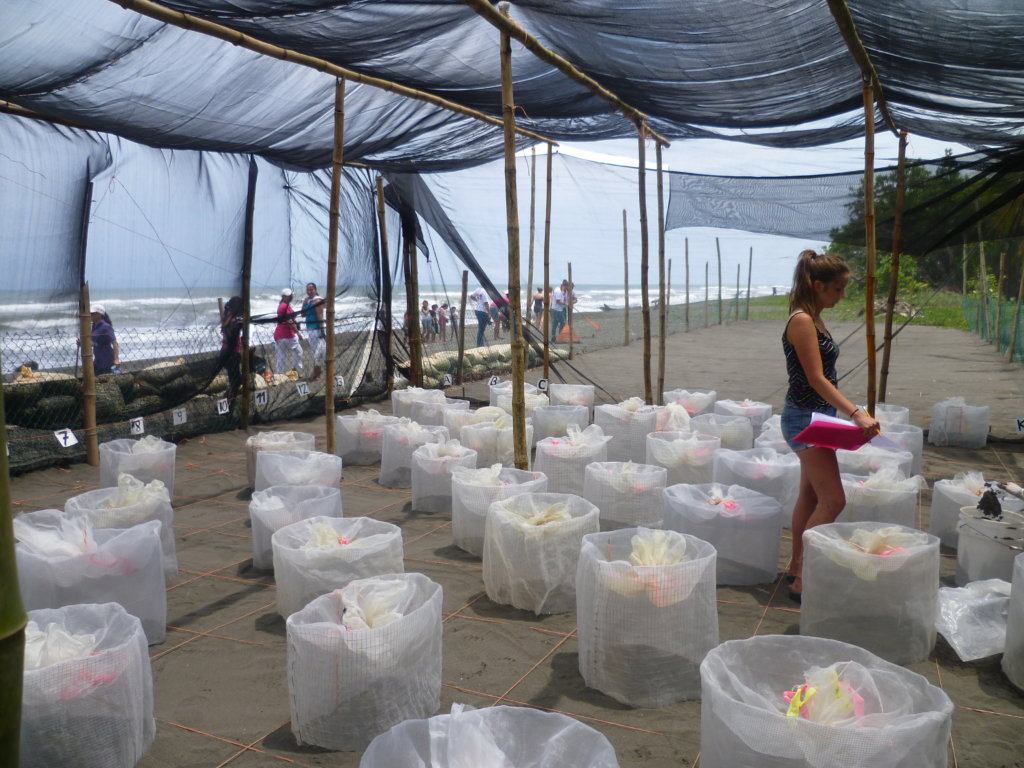
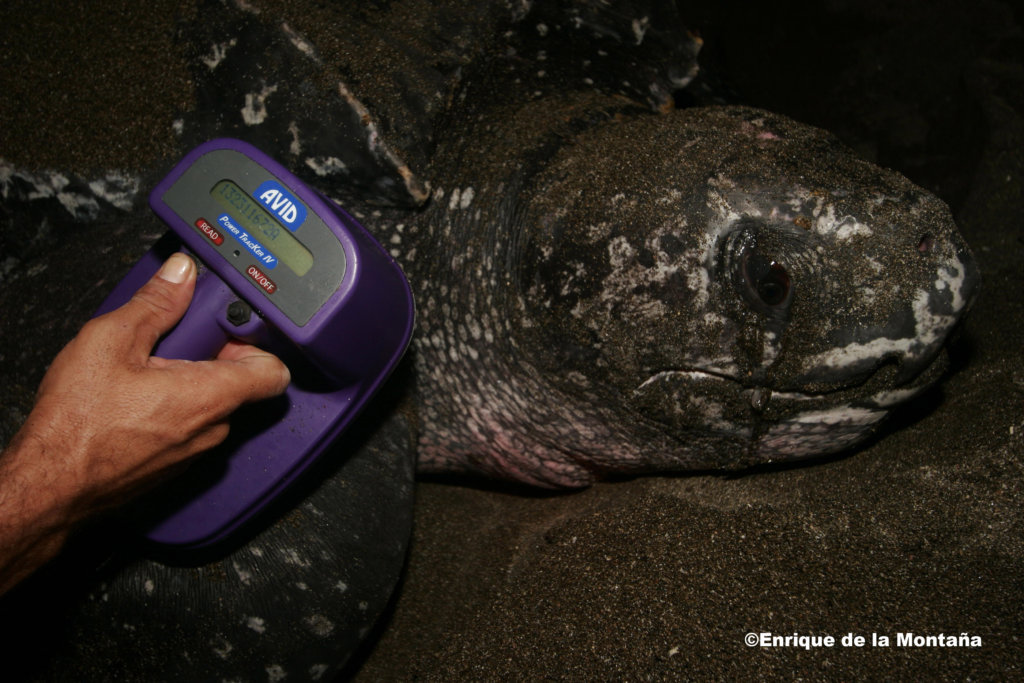
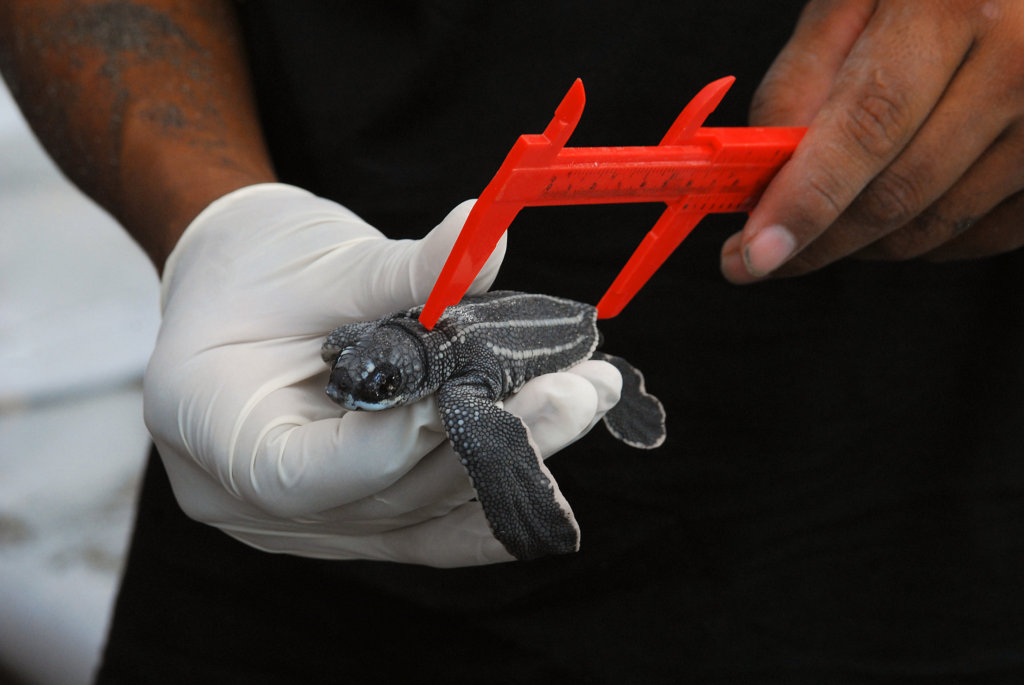
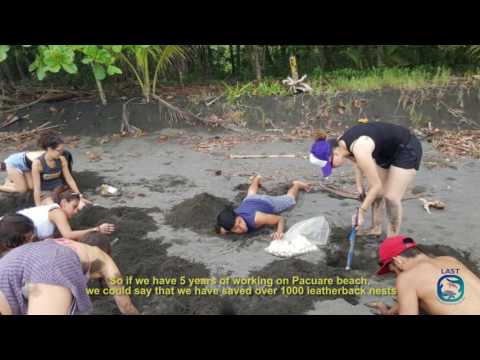
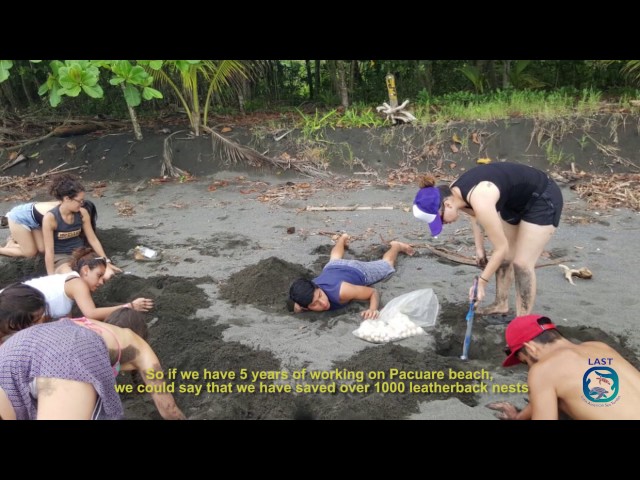
New equipment for the night patrols and the hatchery has been bought, for this season some of our goals are to protect and relocate at least 80% of the total nests laid in the 7.1 km of the beach into the hatchery,
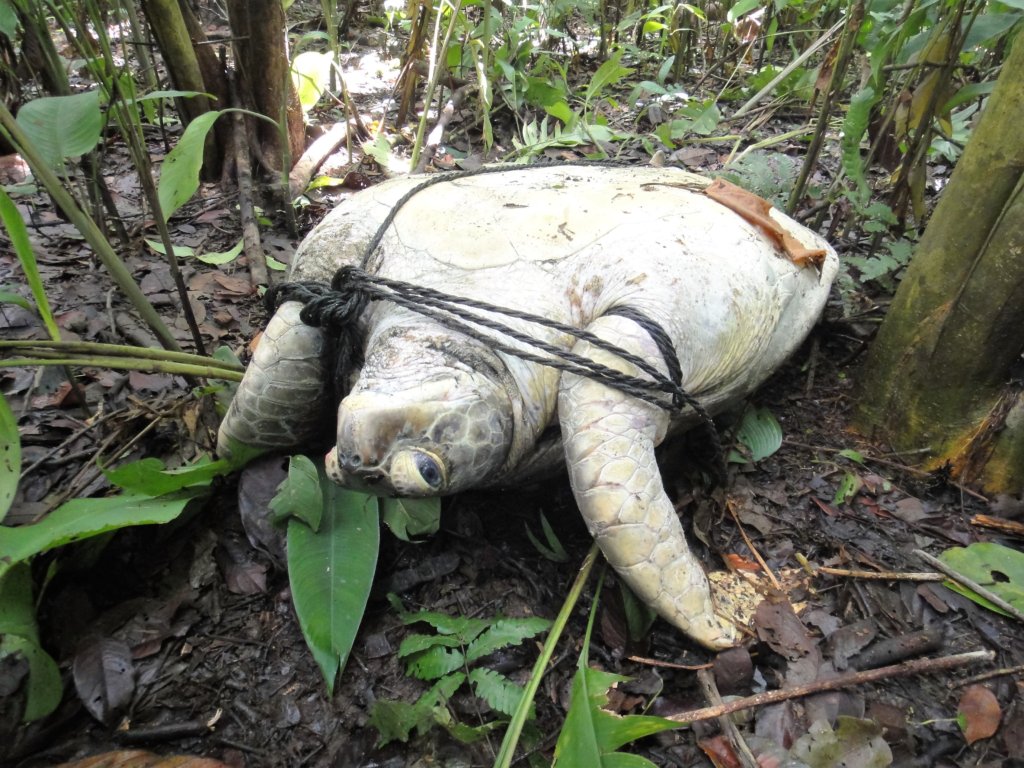
We aim to work closer with the public authorities as police and coastguards protecting sea turtles to avoid poaching and create a friendly environment in Pacuare. Their presence is of the utmost importance.
In 2019 season we want to involve more people into conservation and share our work with everybody, this way people could learn more about the turtles and our work as a nonprofit organization.
Technology such as thermal camera, radios and drones will be improved to make conservation easier and more successful.
Project reports on GlobalGiving are posted directly to globalgiving.org by Project Leaders as they are completed, generally every 3-4 months. To protect the integrity of these documents, GlobalGiving does not alter them; therefore you may find some language or formatting issues.
If you donate to this project or have donated to this project, you can receive an email when this project posts a report. You can also subscribe for reports without donating.