By Fabian Carrasco | Biologist
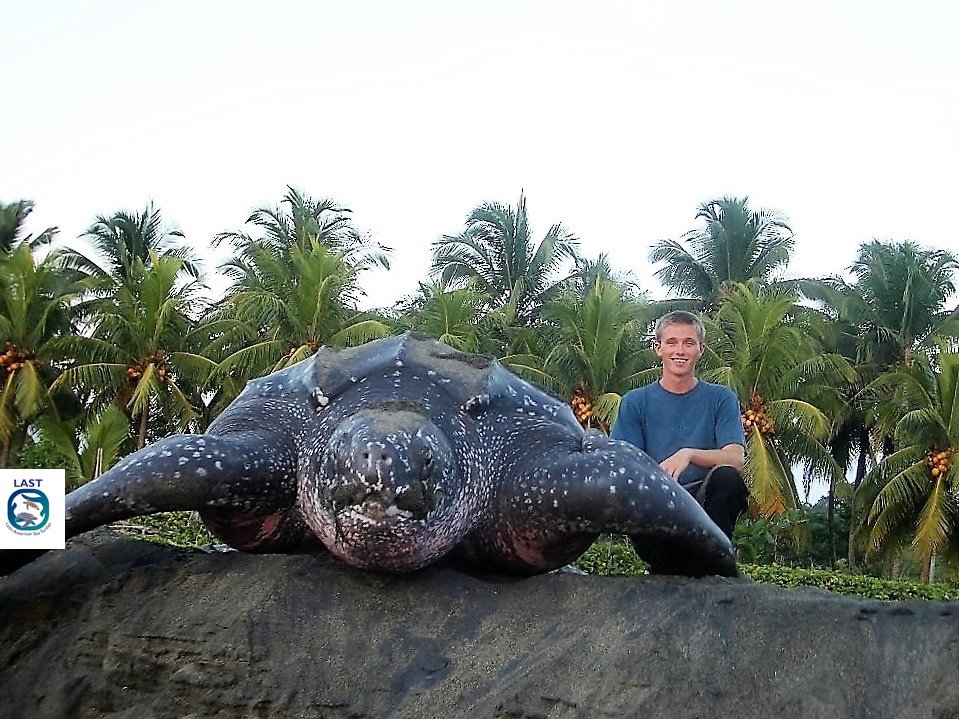
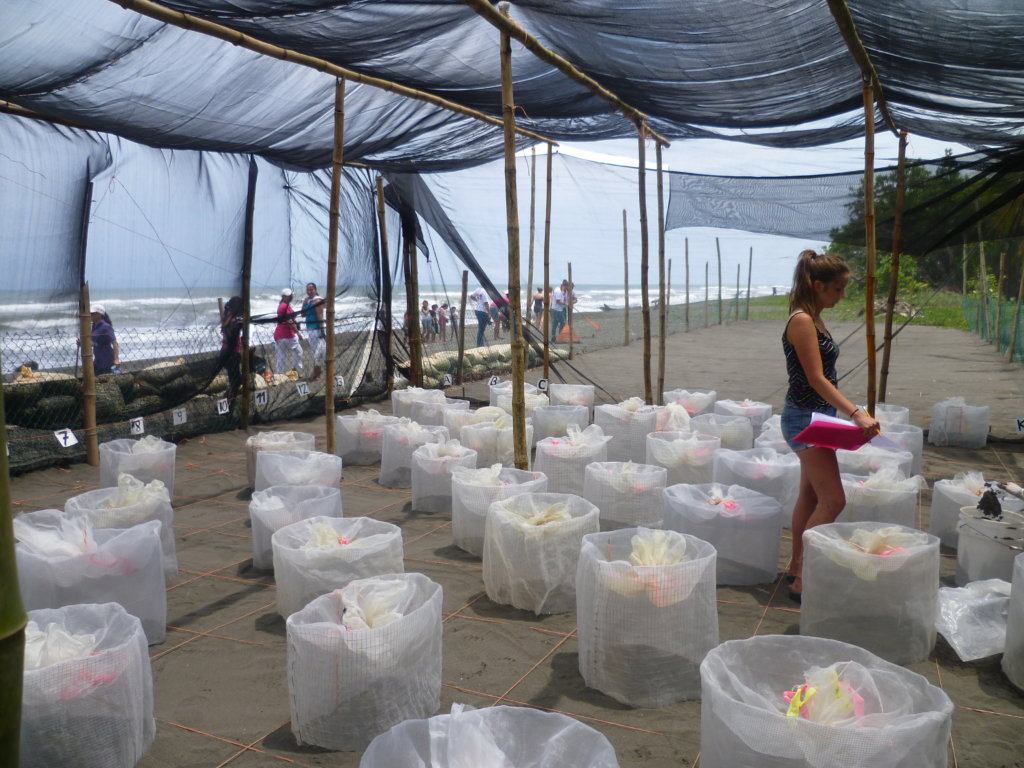
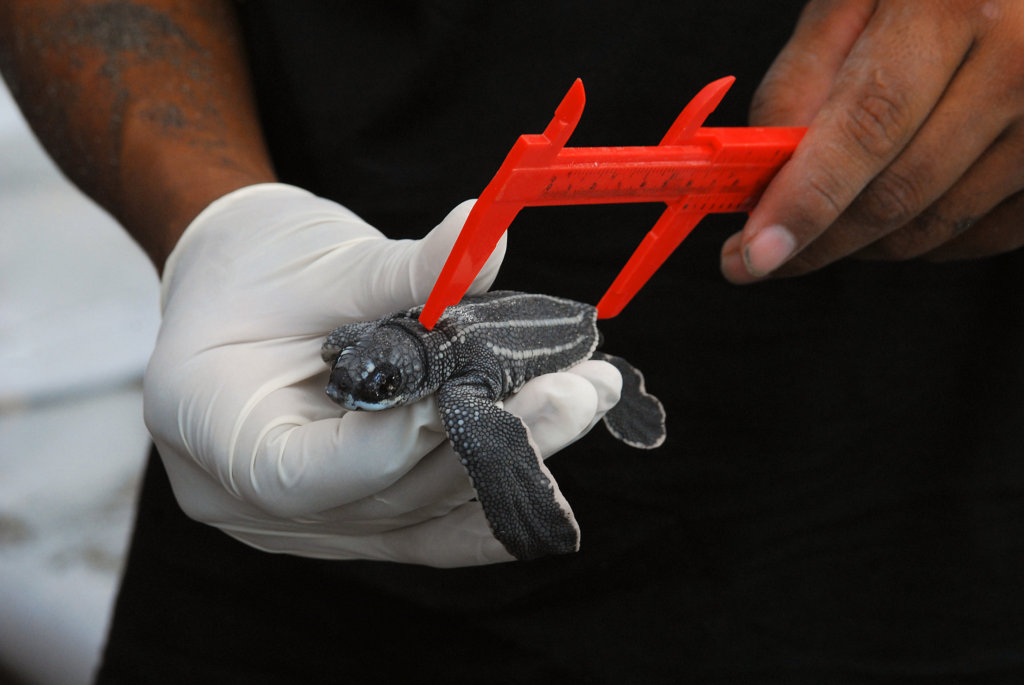
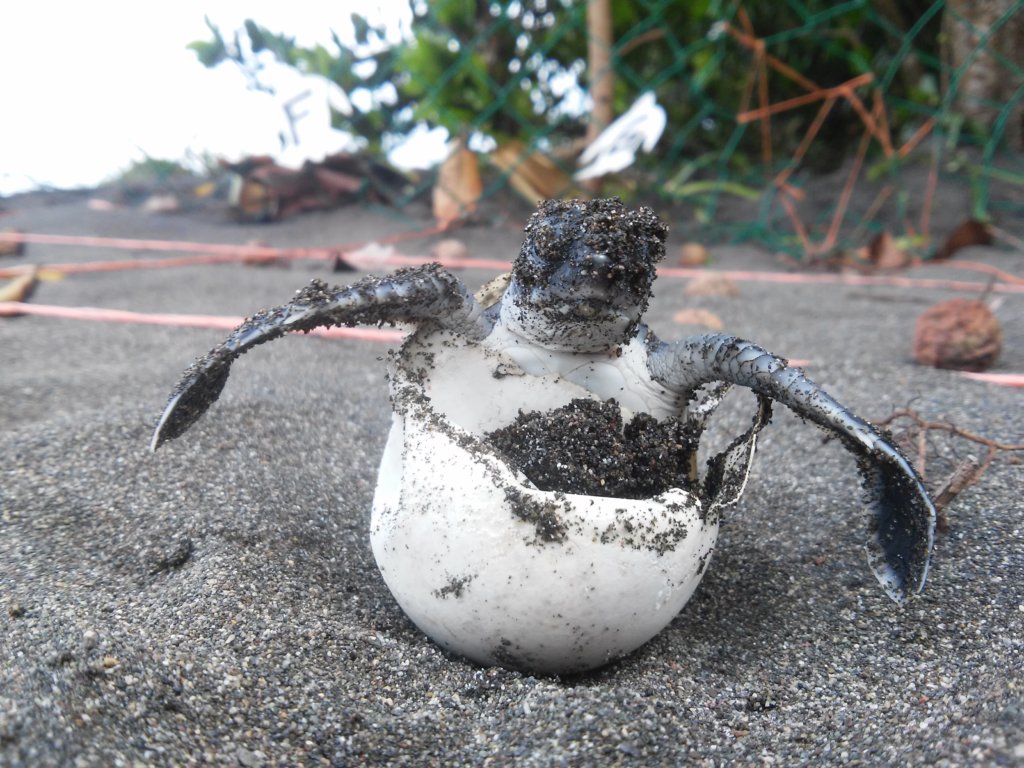
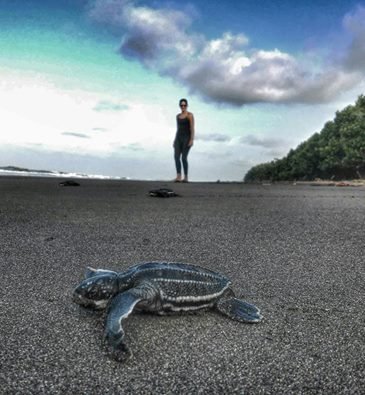
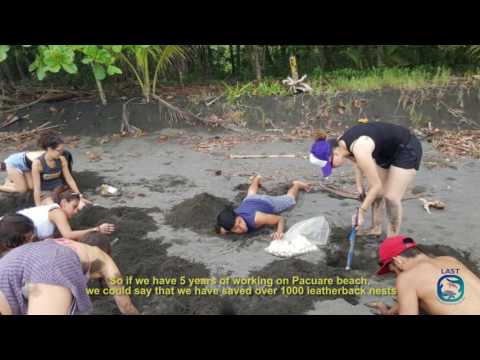
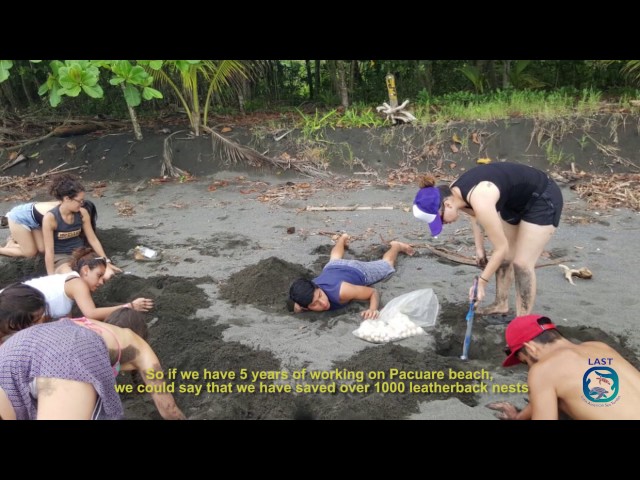
Leatherback turtle season started very early this year, during February and, even before the arrival of the staff to the project, two leatherback turtles had laid eggs. Between then and the first week of April, 26 leatherback nests have been saved and moved into the hatchery.
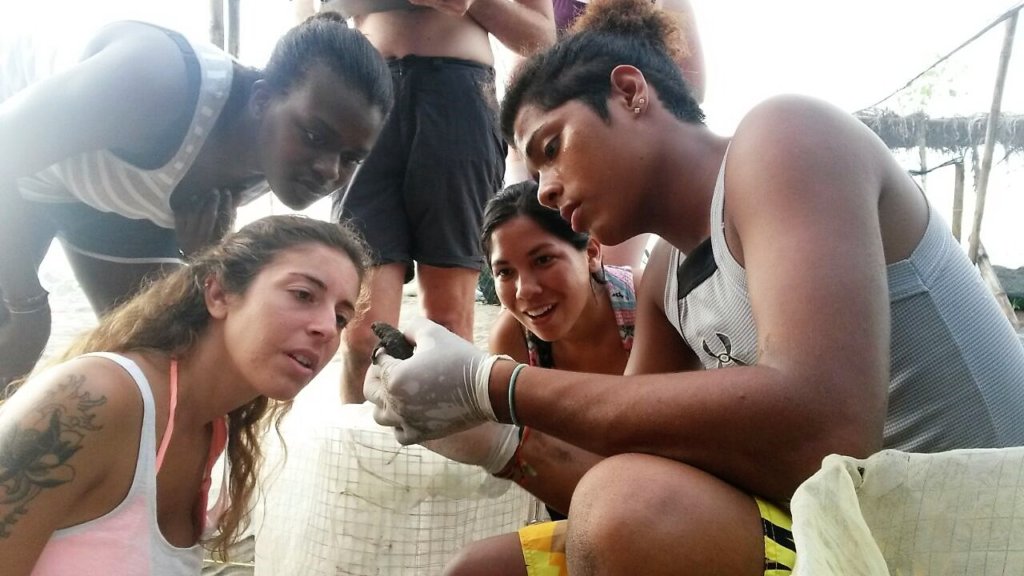
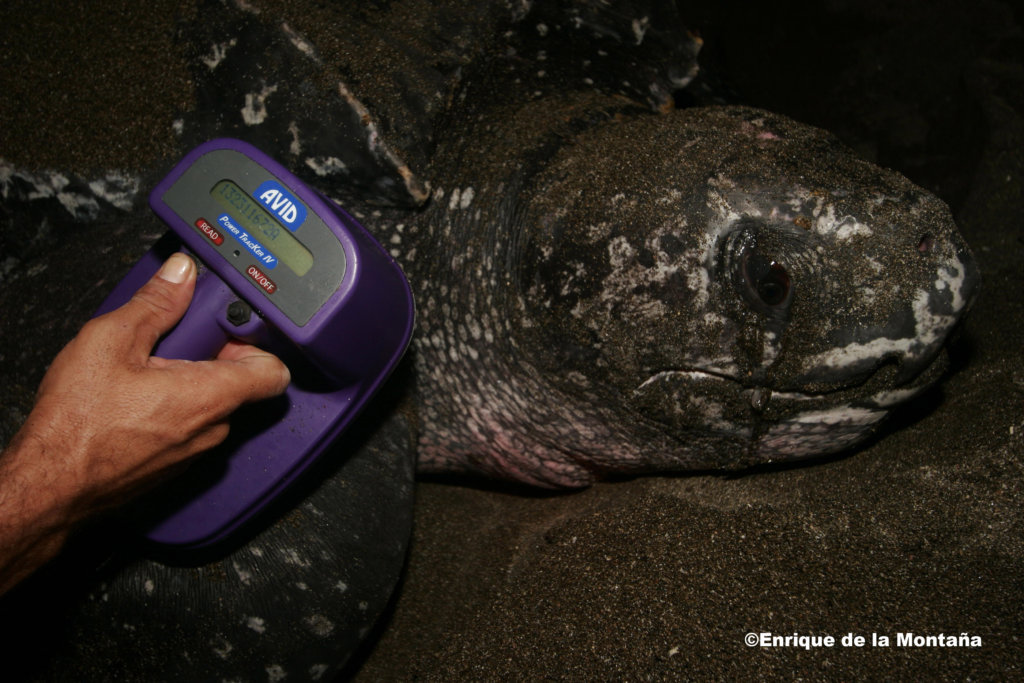
During this period, six leatherback females were found without any kind of tag or evidence or previous tags therefore those turtles were tagged with metallic tags and a PIT tag.
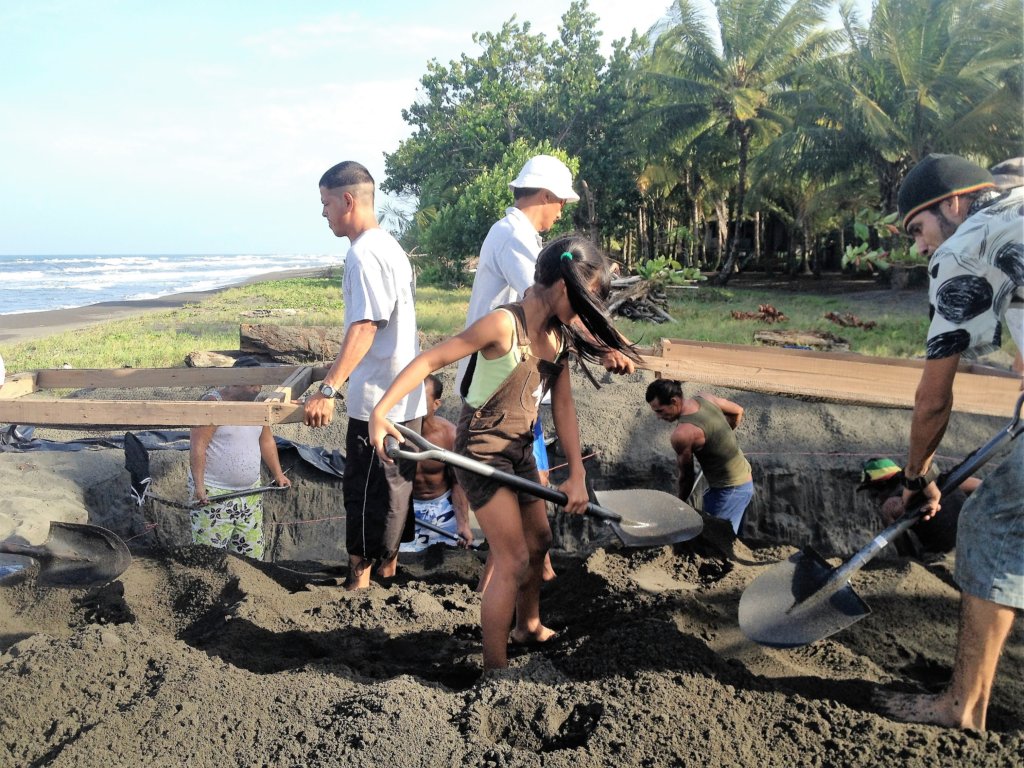
Hatchery building commenced on March 4th and was completed on March 31st in the same position as the previous year. The sand was sterilized with a solution of 4% concentrated bleach mixed with ocean salt water. Shovels and wheelbarrows were purchased to assist in the transportation of sand throughout this process.
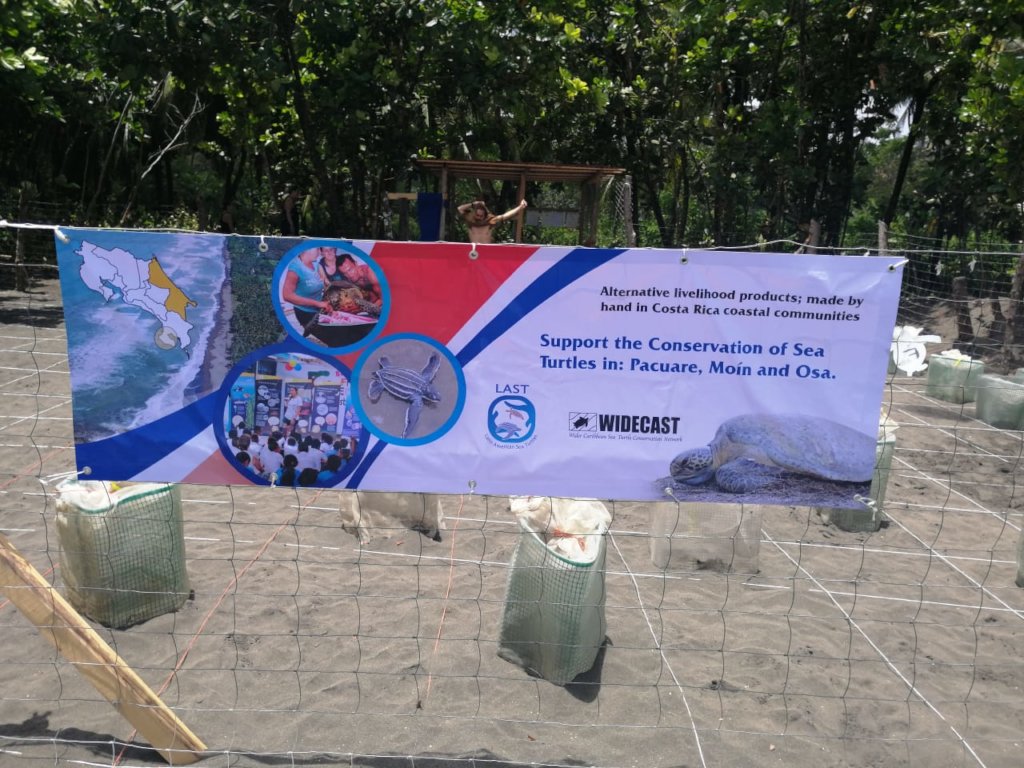
To secure the hatchery, 65 meters of wire fence were bought and placed around the sterilized sand, to protect the buried nests from predators and humans. A watching station, which also included plastic roof panels, was constructed alongside the hatchery to ensure the safety and comfort of the volunteers.
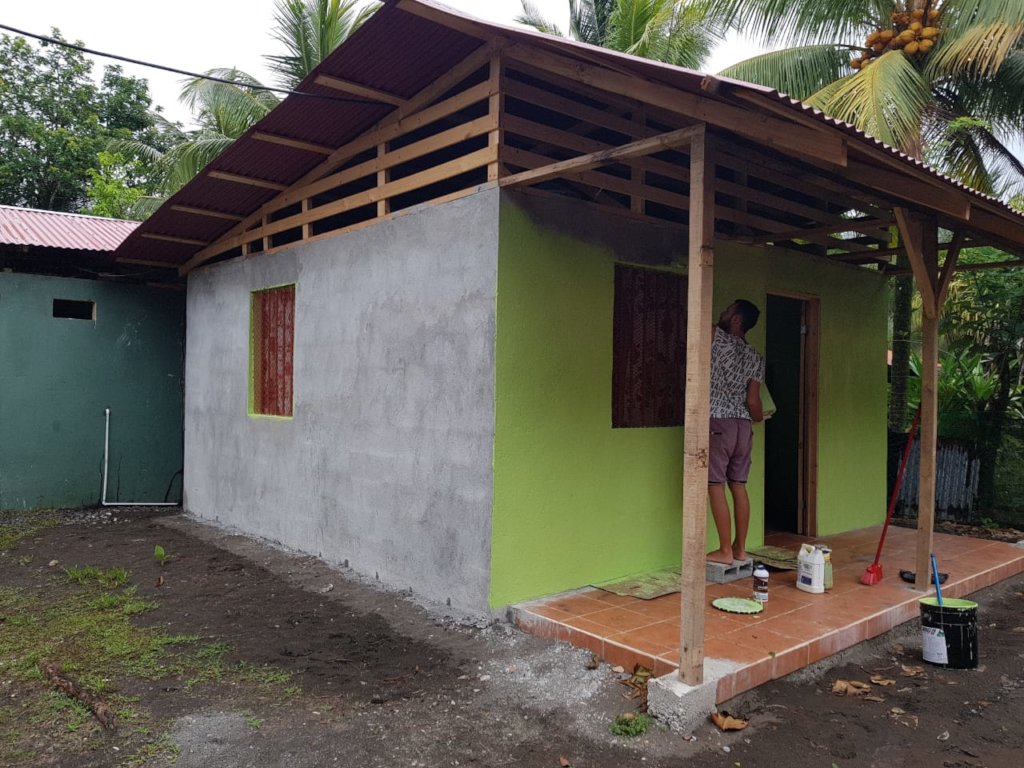
For the station, a new cabin with a private bathroom has been built from concrete with a plastic roof to avoid using wood and metal that are not resistant to the weather conditions. This increased capacity for a further eight volunteers.
An additional two showers and two toilets were built in the public bathrooms at the station to ensure groups and independent volunteers felt comfortable throughout the duration of their stay. As this required an increased drainage capability, the tubes used to pull water from the cisterns were replaced for wider tubes, allowing an efficient distribution of the water throughout the property.
The wire fence surrounding the property has been replaced to continue defending the property against unauthorised people and animals from entering and potentially damaging the equipment. The wire fence was protected with a specialised paint to prevent the oxidisation of the metal and increase longevity of the fencing.
A new generator has been bought to decrease the dependency on the solar panel. This will prevent the lack of water used during the project and will also allow us to charge batteries, radios and other equipment. The solar panel will now only be used for the fridge and lighting during the night.
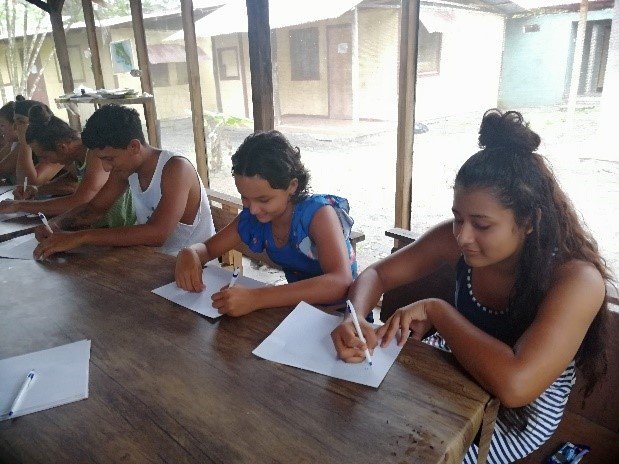
We wanted to increase involvement within the community, alongside our use of the local guides. Within this project, we have started bi-weekly English lessons, held by a research assistant, covering basic verbs in addition to specialised specific language relating to the work. We have continued the weekly Sunday market to allow volunteers to purchase snacks and souvenirs from a reputable source. To continue building relationships, we are in the process of planning a communal meal, to which the local guides and their families could eat alongside the LAST volunteers. We propose that this would continue as a tradition once a month throughout the season.
Project reports on GlobalGiving are posted directly to globalgiving.org by Project Leaders as they are completed, generally every 3-4 months. To protect the integrity of these documents, GlobalGiving does not alter them; therefore you may find some language or formatting issues.
If you donate to this project or have donated to this project, you can receive an email when this project posts a report. You can also subscribe for reports without donating.