By Fabian Carrasco | Biologist
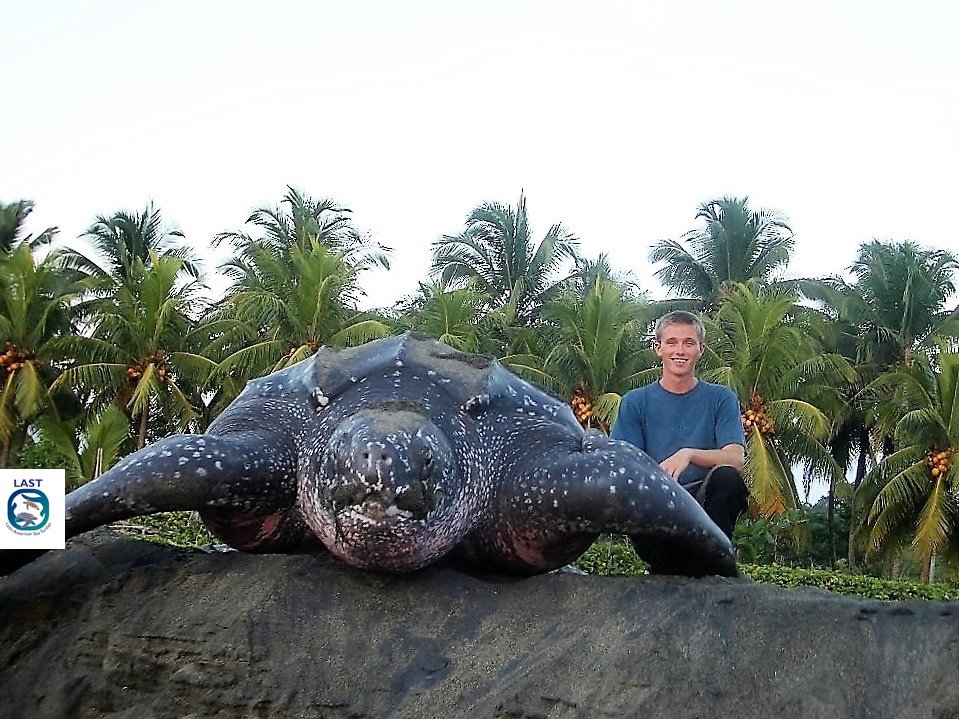
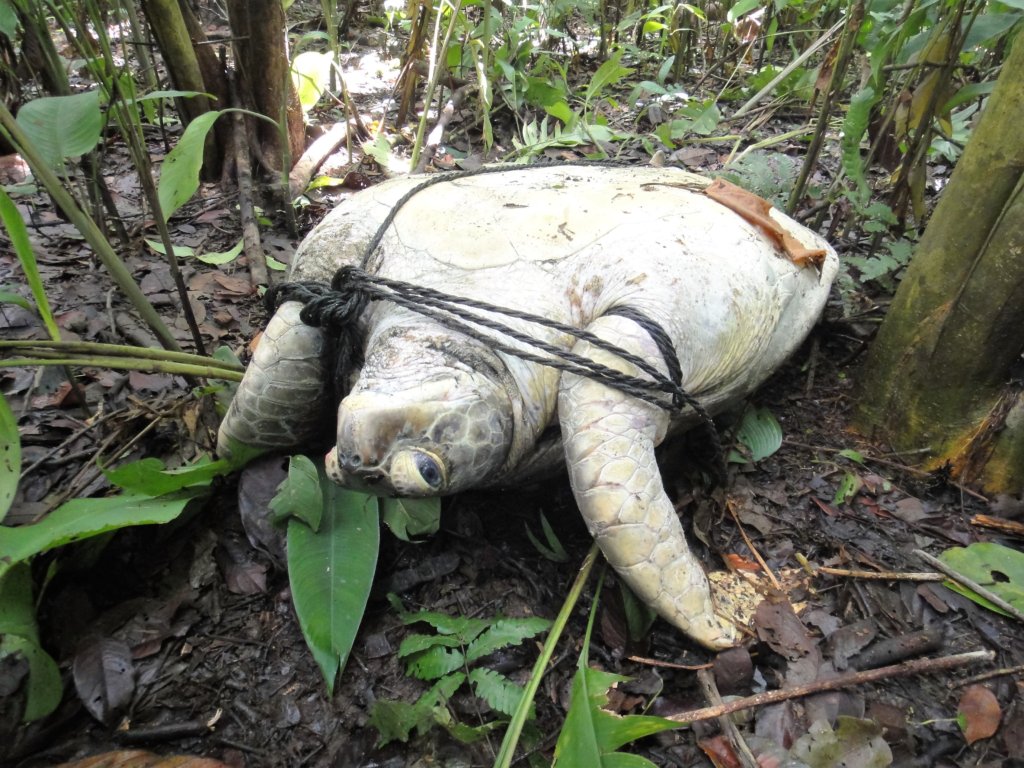
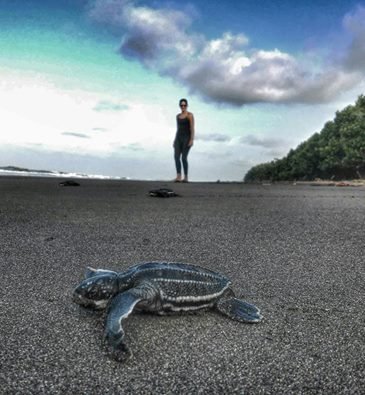
Leatherback season has already started in the Caribbean coast, the females are coming to nest in Pacuare beach and a lot of threats come with them.
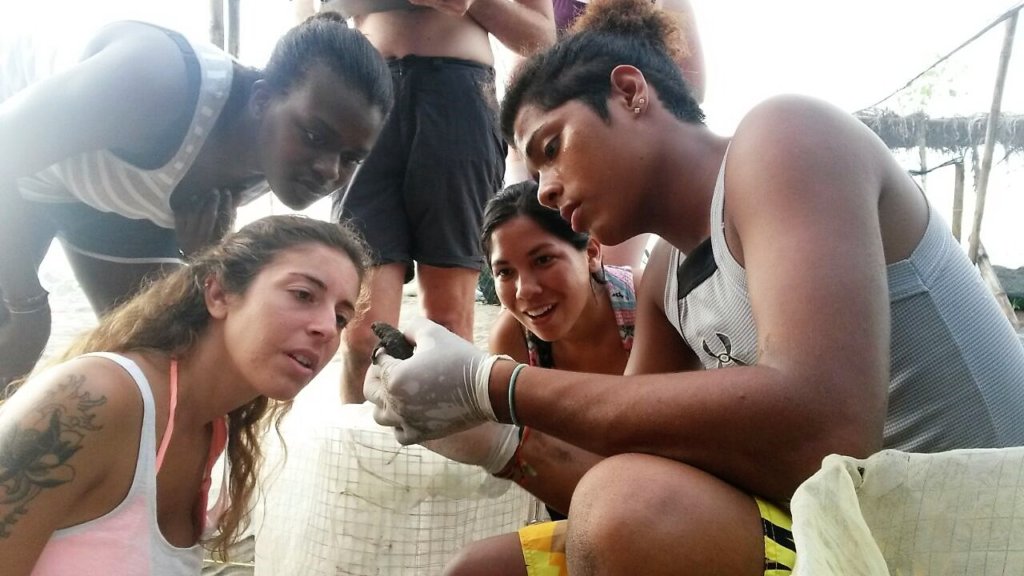
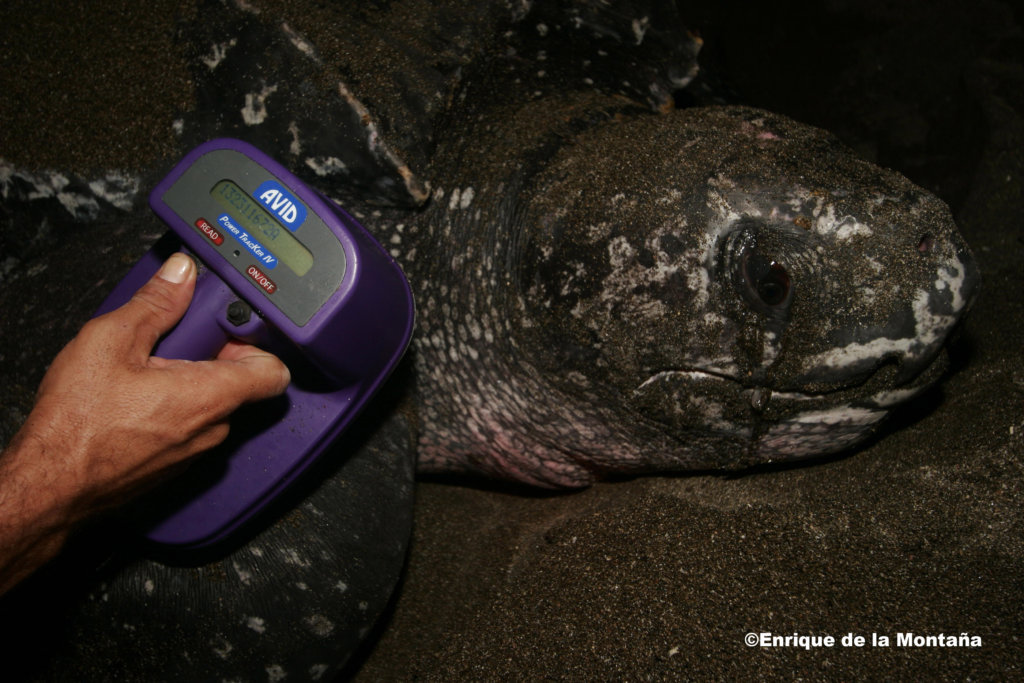
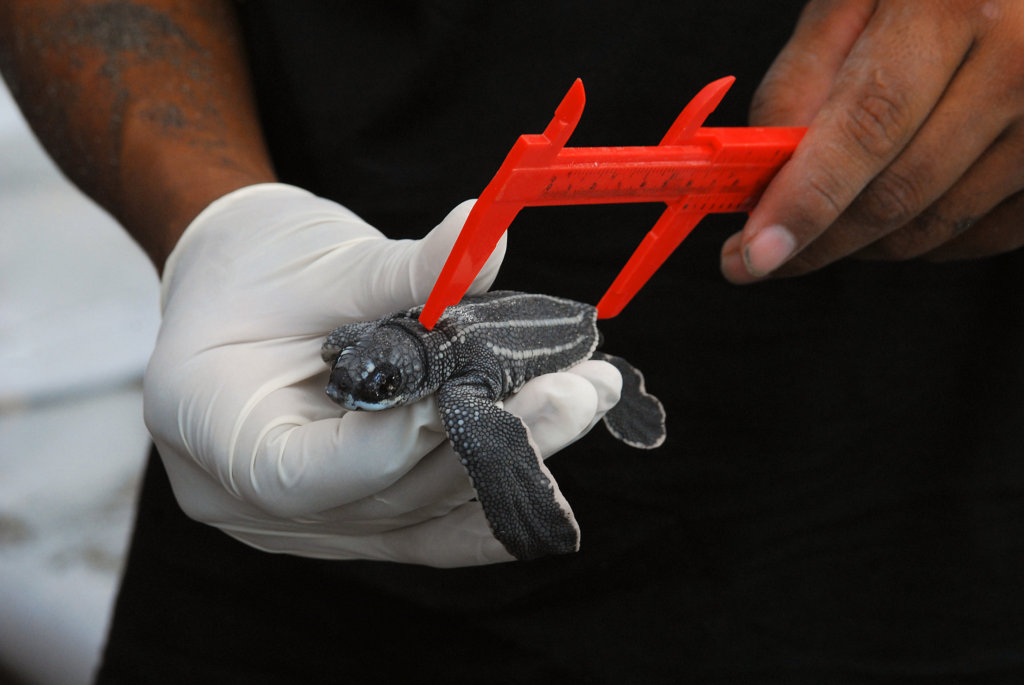
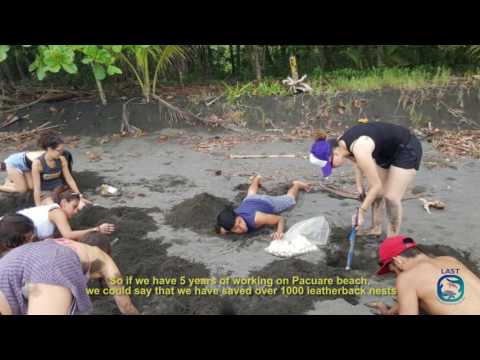
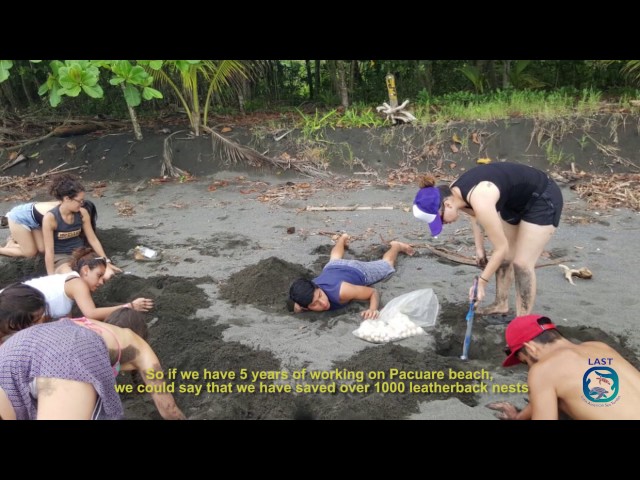
One of the biggest threats is the illegal egg trade, an illegal activity in Central and South America that we still exists in many countries around the world, like in Pacuare. That is why local assistants, international research assistants and national and international volunteers work together to stop the illegal egg trade to conserve this amazing species. Every one of them patrols during the night to find nesting females and take care of their eggs, which we relocate in a safe place to evade poachers and some predators.
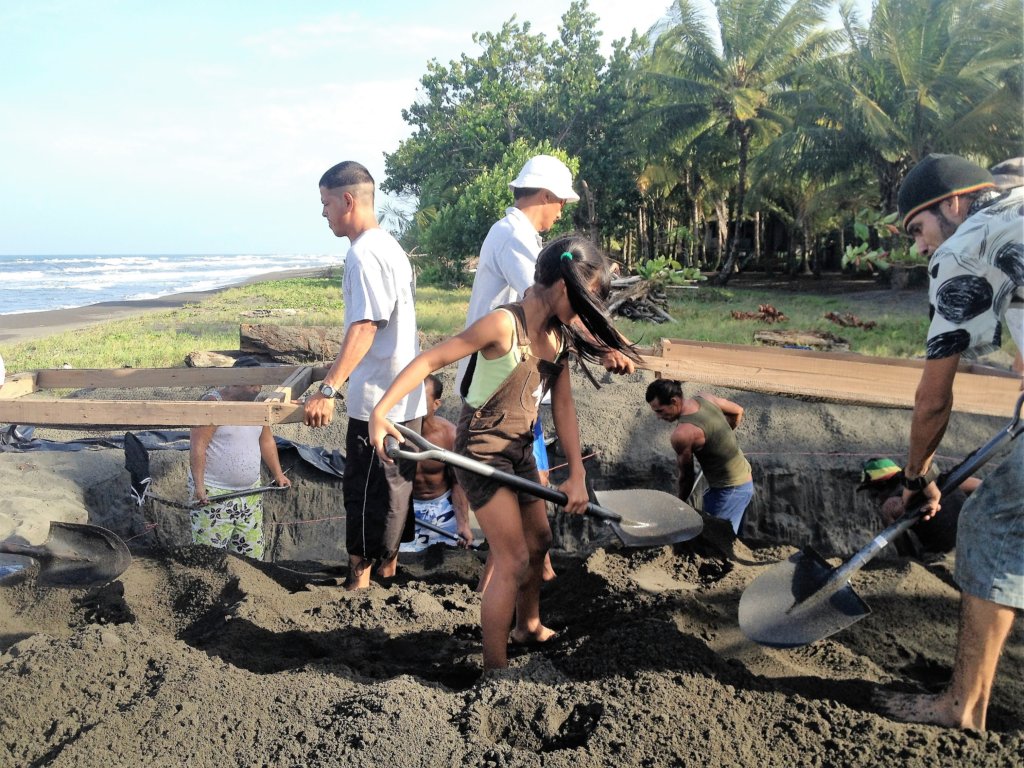
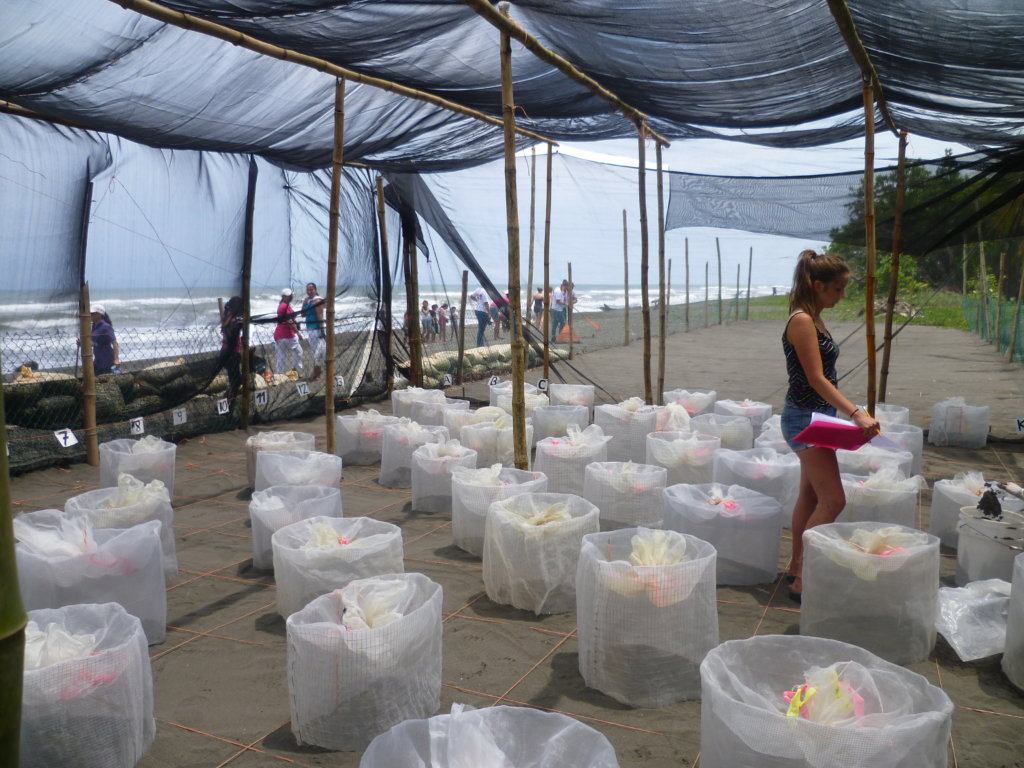
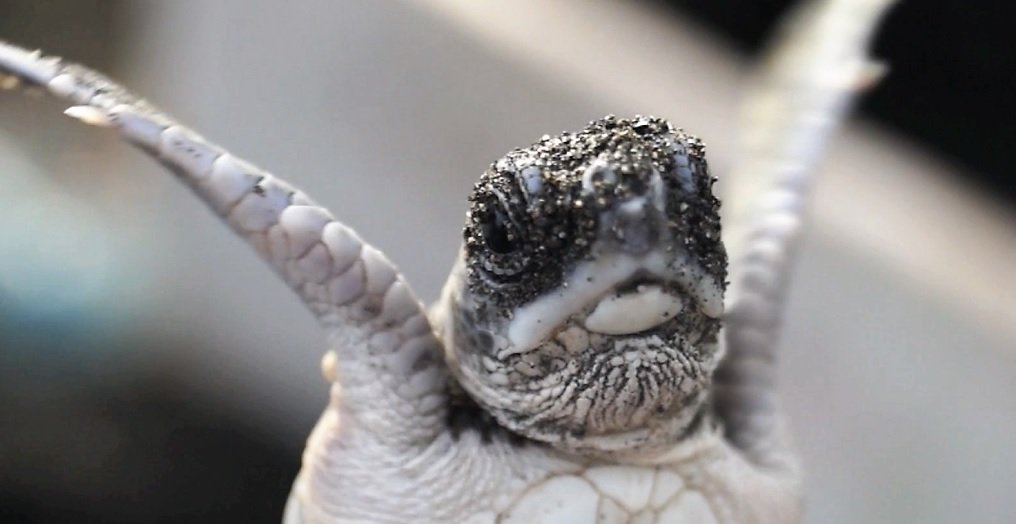
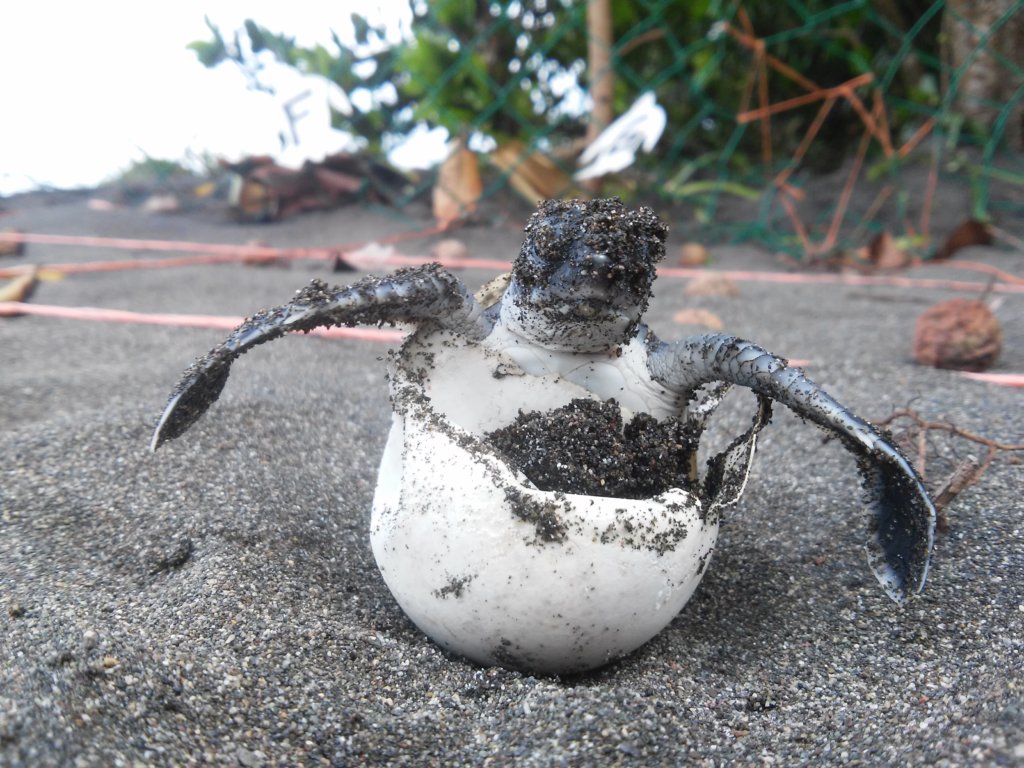
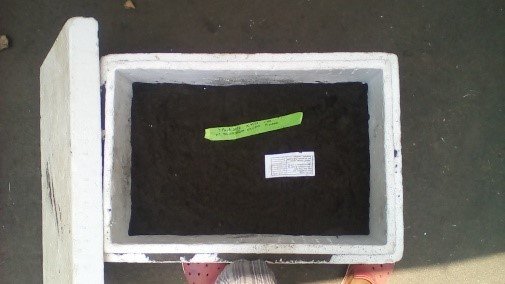
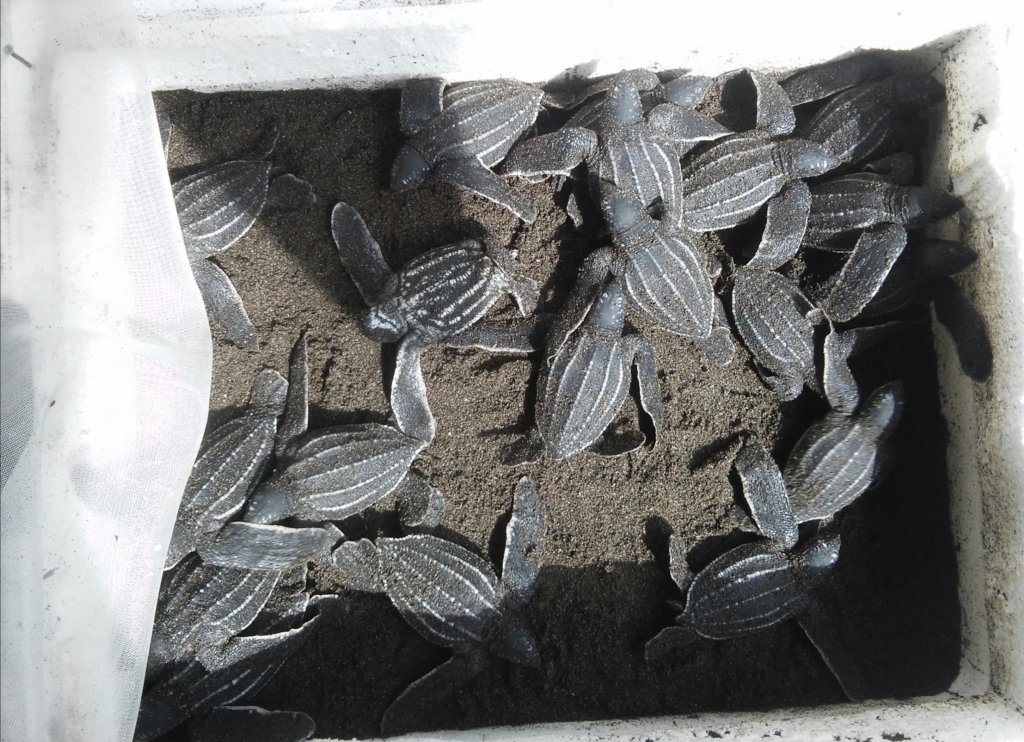
The beginning of 2017´s season is going very well, we have saved lots of nests and we chose the strategy to relocate them in styrofoam coolers until we finish the hatchery. We chose this strategy because in Pacuare it is very difficult to keep in secret the place where we relocate them. That means that those eggs are susceptible to be poached. This method is harder than the others because we need to check the coolers constantly to keep similar conditions to the natural conditions, but the advantage is that we can take care of the coolers inside the station. We are waiting for the first hatchlings to be born under this method between April 30th and May 6th, and also at the same time we expect a natural (in situ) nest. We left that nest because the conditions were perfect to camouflage the nest and prevent it from being poached.
Project reports on GlobalGiving are posted directly to globalgiving.org by Project Leaders as they are completed, generally every 3-4 months. To protect the integrity of these documents, GlobalGiving does not alter them; therefore you may find some language or formatting issues.
If you donate to this project or have donated to this project, you can receive an email when this project posts a report. You can also subscribe for reports without donating.