By Jenna Bailey | Program Officer
Wildlife Climate Heroes: Cephalopods
Climate change is one of the biggest threats to life on Earth. Our planet is rapidly warming, resulting in melting sea ice, rising sea levels, and more frequent and intense weather events, among other alarming impacts.
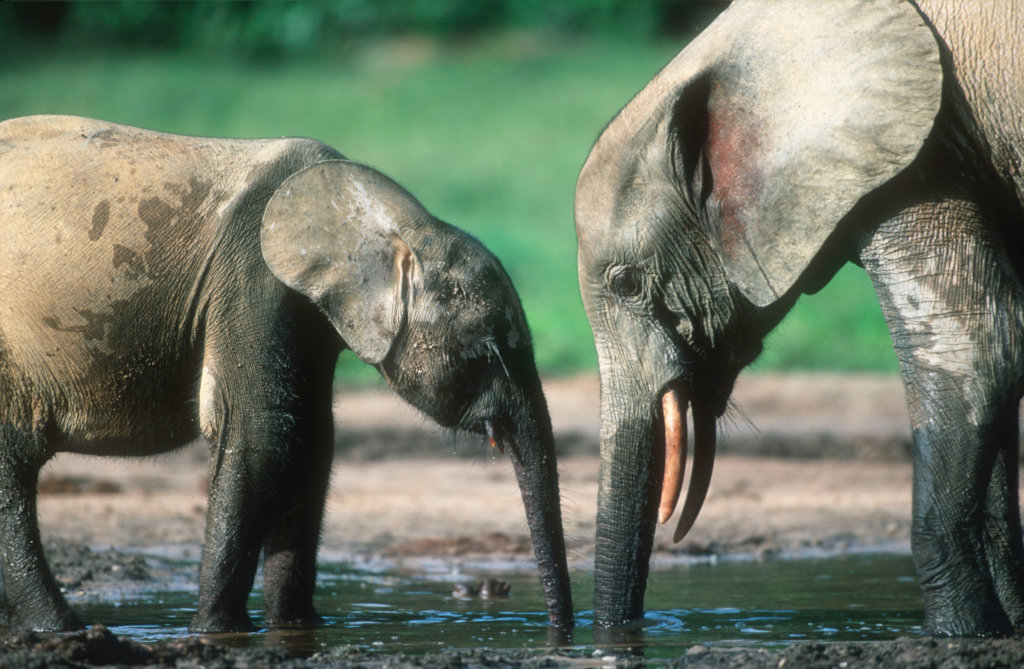
Fortunately, there is still time to change course—and some surprising allies are already helping. A number of wildlife climate heroes, including wildebeest, oysters, and African forest elephants, naturally help combat the effects of climate change.
Beneath the ocean’s surface, another unexpected group of climate heroes is hard at work.
How Cephalopods Strengthen the Ocean’s Climate Resilience
The ocean absorbs roughly a quarter of all the carbon dioxide humans release into the atmosphere. Much of that is driven by the workings of an interconnected web of life beneath the waves. Surprisingly, the clever sea creatures known as cephalopods are more important to that system than many people realize.
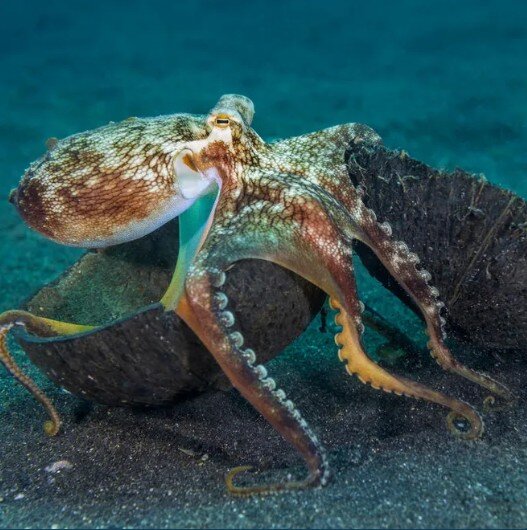
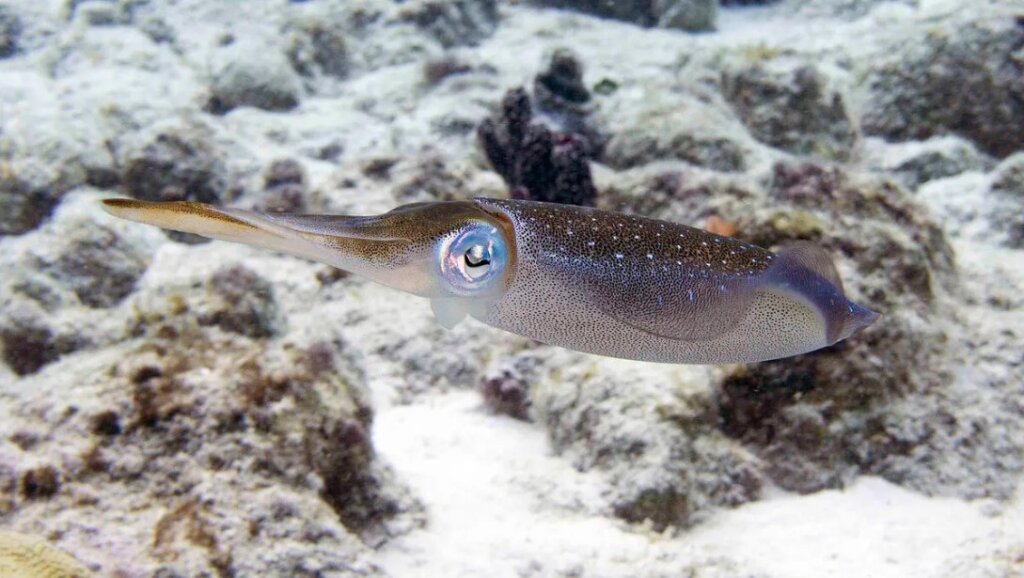
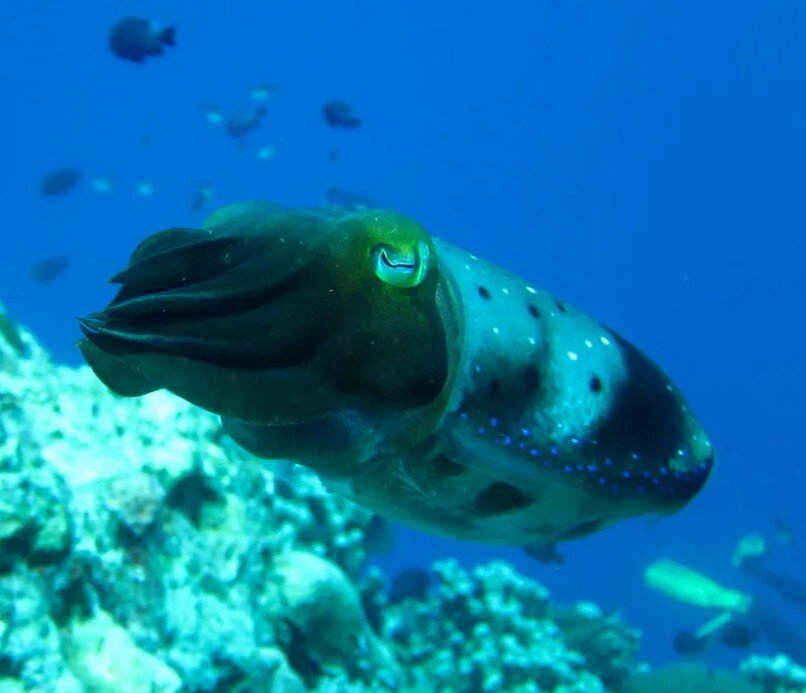
Cephalopods are an order of marine mollusks that include species like octopus, squid, and cuttlefish, and are among the most fascinating creatures on our planet. Beneath their unique appearance lies a highly developed brain capable of complex learning and problem-solving. They can regrow limbs, change shape, color, and texture in an instant, and even edit their own genetic information (RNA), the extent and scale of which is extremely rare in the animal kingdom.
Beyond their extraordinary biology, cephalopods play an important role in maintaining healthy ocean ecosystems. As both predators and prey, they help keep marine food webs balanced while also contributing to the movement and storage of carbon. In doing so, they strengthen the ocean's resilience and its ability to regulate Earth's climate.
Their unique biology has essentially wired them for change. The same traits that make cephalopods highly responsive to environmental shifts have allowed cephalopods to thrive in virtually every ocean region on the planet. Their adaptability helps us better understand and predict how climate change is reshaping marine ecosystems.
The Carbon Keepers of the Deep
Some cephalopods help increase the oceans’ carbon storage capacity —even after death. Many marine species contribute to what’s called the biological carbon pump, the ocean's natural process of capturing atmospheric carbon and transporting it to the deep sea, where it can be stored for thousands of years. Through vertical migrations, species ranging from fish to zooplankton contribute to this process by consuming carbon at shallower depths and releasing it deeper into the ocean through respiration and waste.
But it’s the carcasses of some cephalopods, particularly certain squid species, that play a larger role in the ocean’s biological carbon pump. As their carcasses slowly sink to the sea floor, they transport carbon to the deep ocean where it can be stored while providing nutrients and energy for animals living deep below. Because squid and many other cephalopod species have large, fast-growing populations with short life cycles (amounting to a lot of carcasses in some areas), cephalopods have a great impact on long-term carbon storage.
Canaries of the Ocean
Cephalopods inhabit every ocean and thrive across a wide range of marine habitats. Their growth is highly responsive to environmental conditions - meaning that they could serve as early warning signals or biological indicators of how climate change is affecting our oceans.
The Barents Sea—one of the Arctic regions experiencing the fastest climate change—provides a striking example. During the mid-2000s and early 2010s, scientists observed increases in cephalopod abundance, diversity, and biomass as warming waters altered the ecosystem. As prey species expanded northward, opportunistic predators like cephalopods followed, reflecting broader changes throughout Arctic food webs.
By tracking these shifts, scientists can gain important insights into how marine ecosystems are responding to a changing climate.
How you can help!
As marine ecosystems continue to face growing threats from human activities and climate change, cephalopods could play an increasingly valuable role in helping us better predict the impact of climate change on ecosystems and other species. WWF is working to protect healthy marine ecosystems that support cephalopod populations and other marine species. By supporting WWF’s projects and sharing them with your family, friends, and colleagues, you can help us expand this work and accelerate conservation programs, benefiting ecosystems, local communities, and the planet we all share. Together, we can protect cephalopods and other marine species around the globe!
Links:
Project reports on GlobalGiving are posted directly to globalgiving.org by Project Leaders as they are completed, generally every 3-4 months. To protect the integrity of these documents, GlobalGiving does not alter them; therefore you may find some language or formatting issues.
If you donate to this project or have donated to this project, you can receive an email when this project posts a report. You can also subscribe for reports without donating.



Support this important cause by creating a personalized fundraising page.
Start a Fundraiser