By Quyen Vu | Project Leader
Your support has enabled us to focus on what matters: Field updates for the second quarter of 2023
In 2023, great steps have been taken in the fight to protect endangered wildlife from exploitation. It is our pleasure to share with you some key updates from the second quarter of 2023.
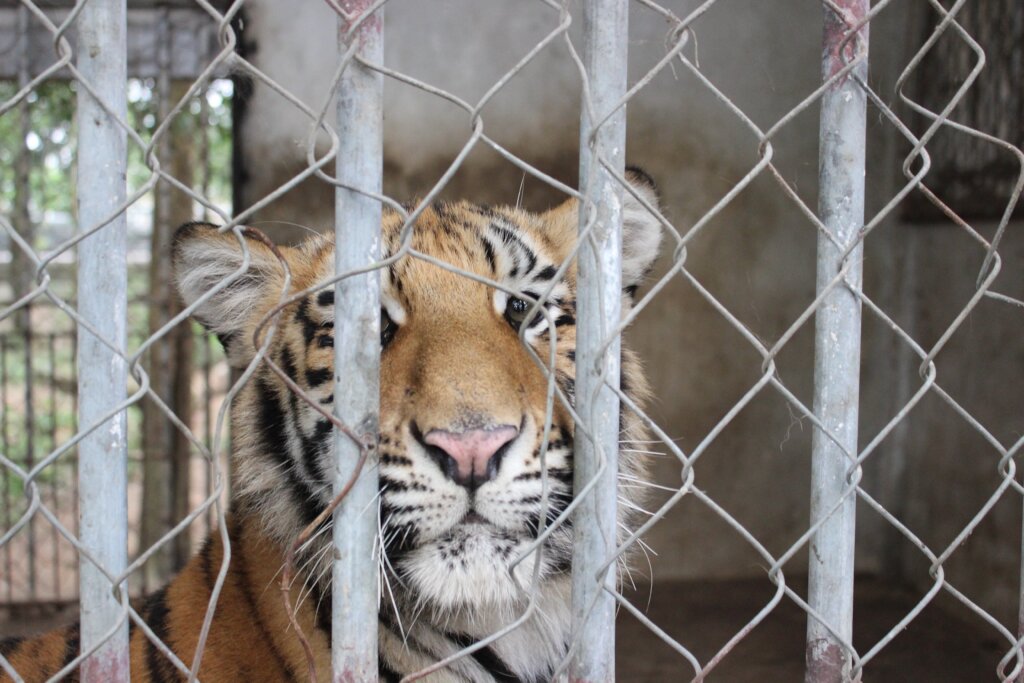
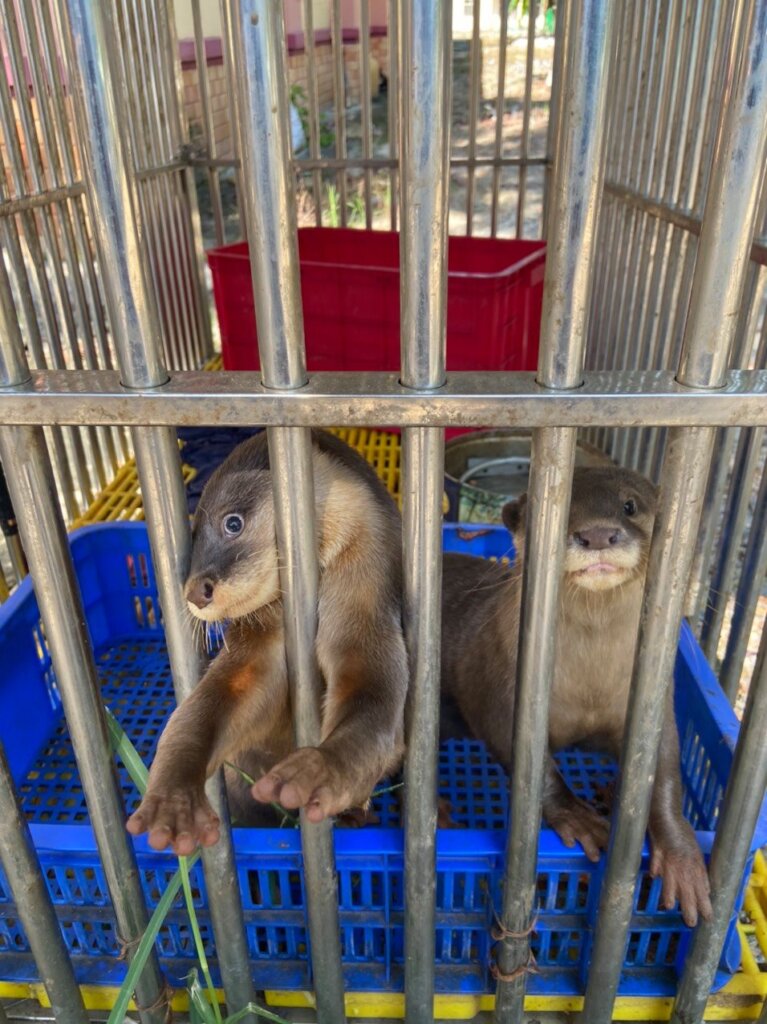
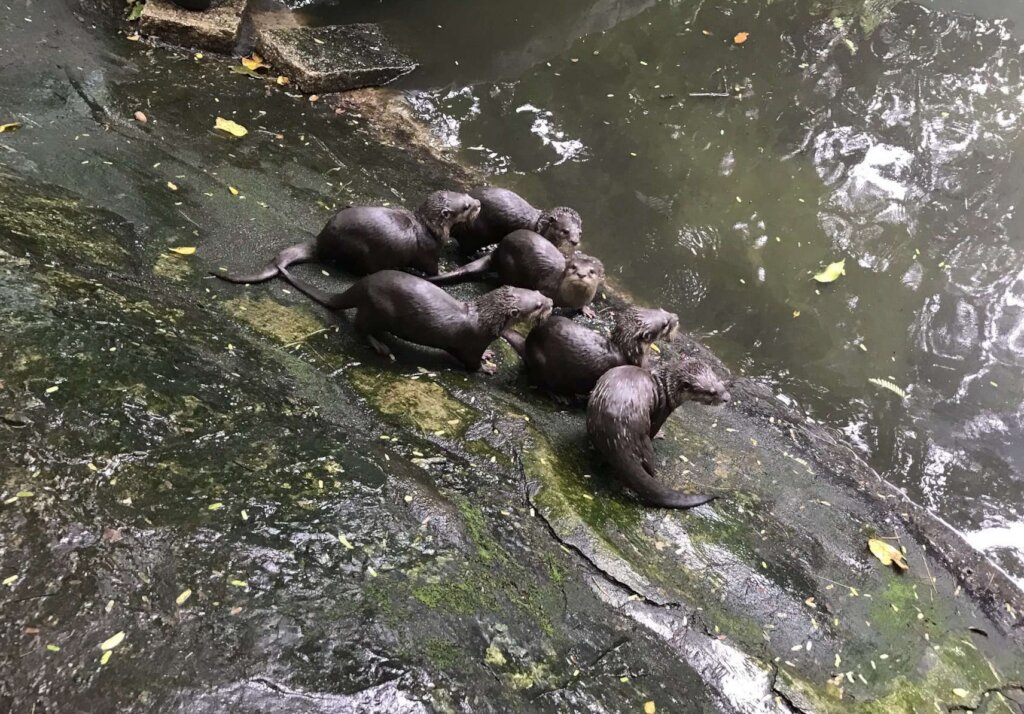
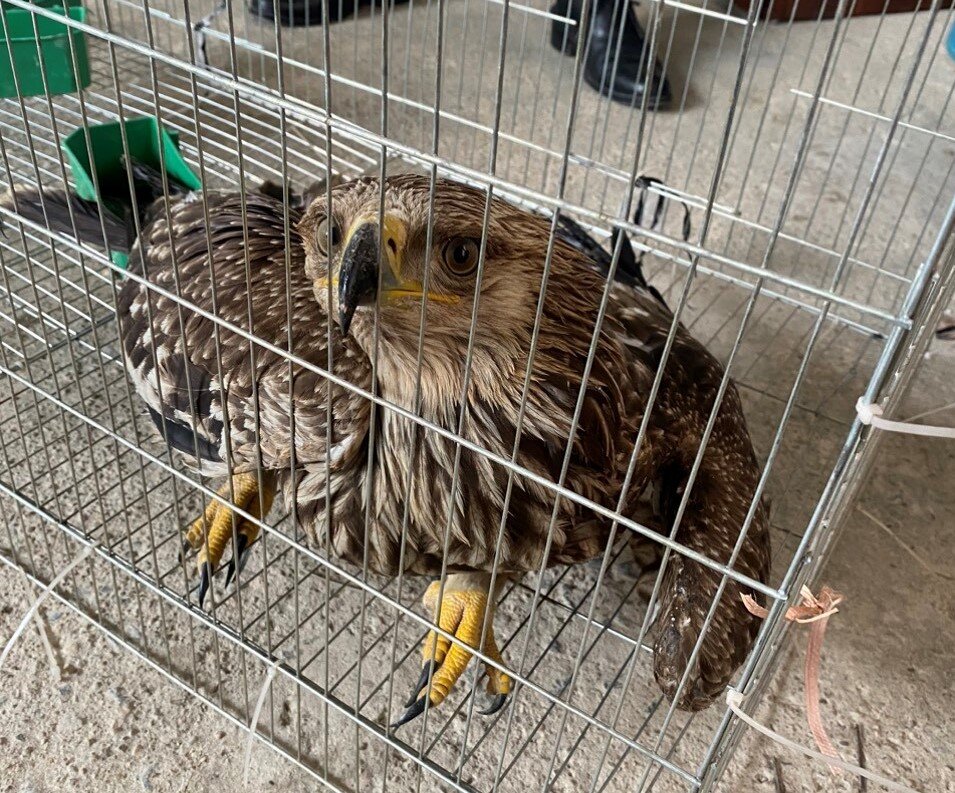
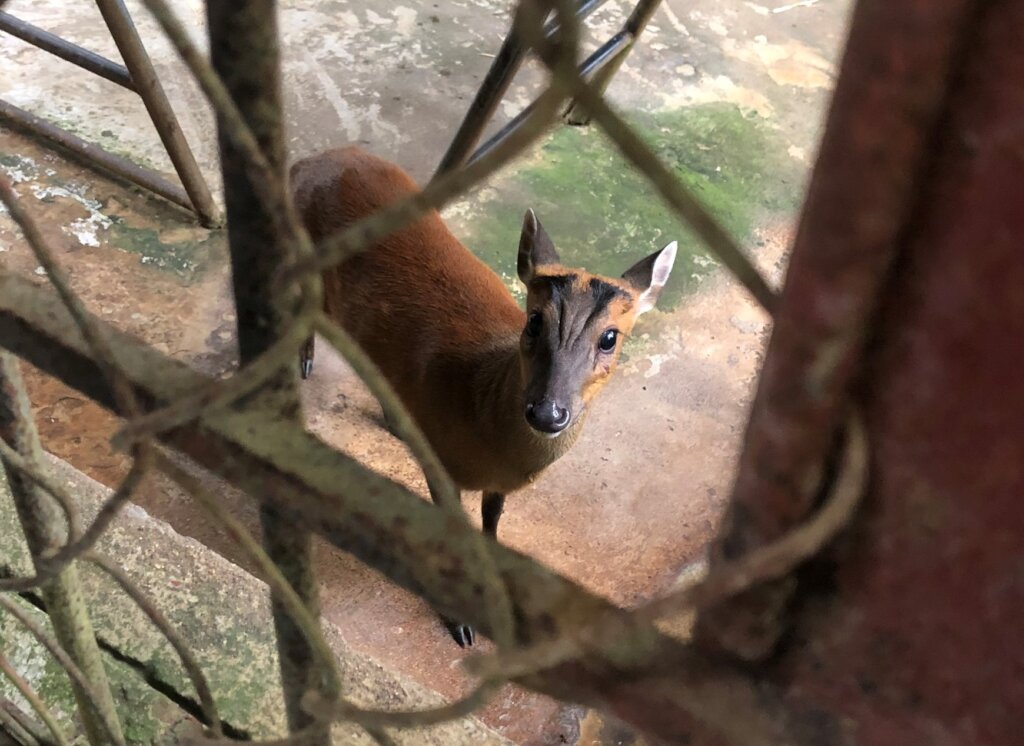
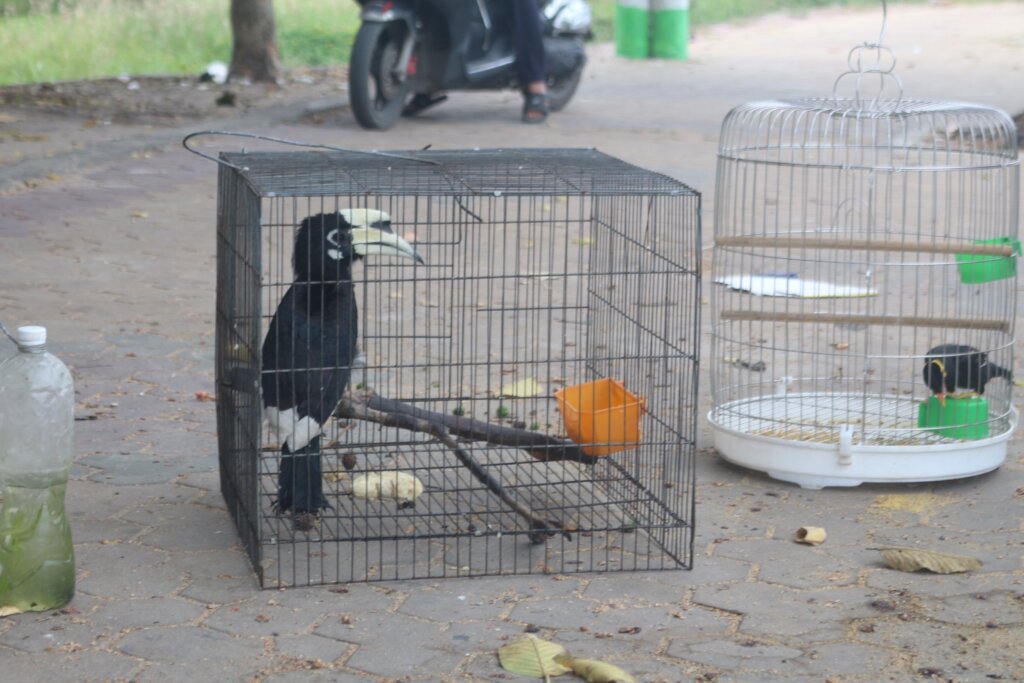
On the wildlife crime front, with a rate of about 8 public reports received by the ENV Wildlife Crime Hotline every day, over 1,000 wildlife crime cases were logged and a total of 1,740 wild animals rescued in the first half of 2023 alone. These included bears, Asian small-clawed otters, pangolins, leopard cats, and a variety of turtles, tortoises, lorises, macaques, and wild bird species.
These and all our future achievements in protecting wildlife against exploitation are possible thanks to the precious support of our donors over the years.
Focus on species:
Bears
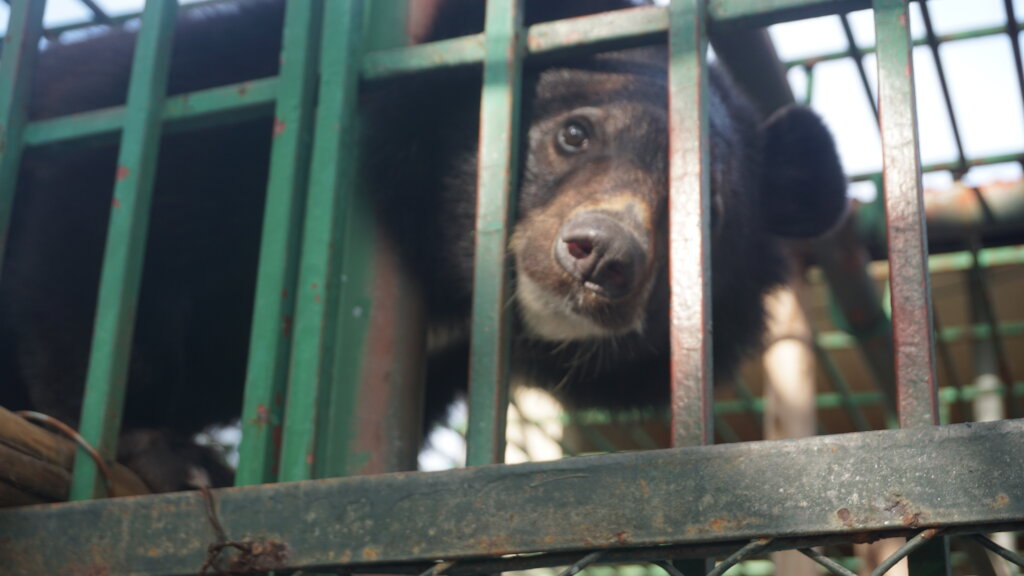
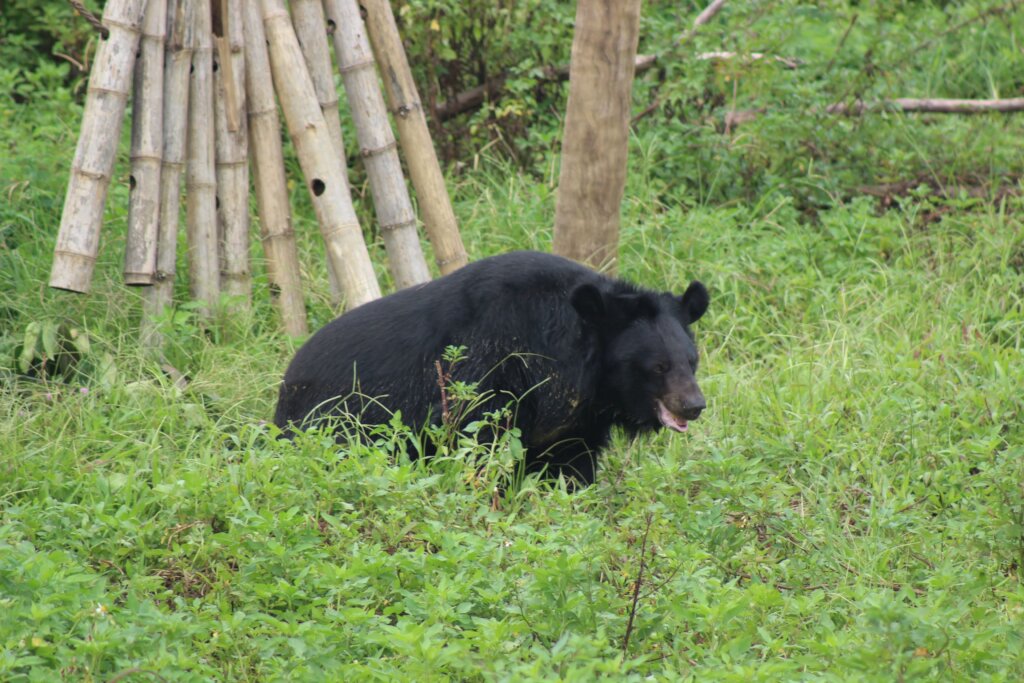
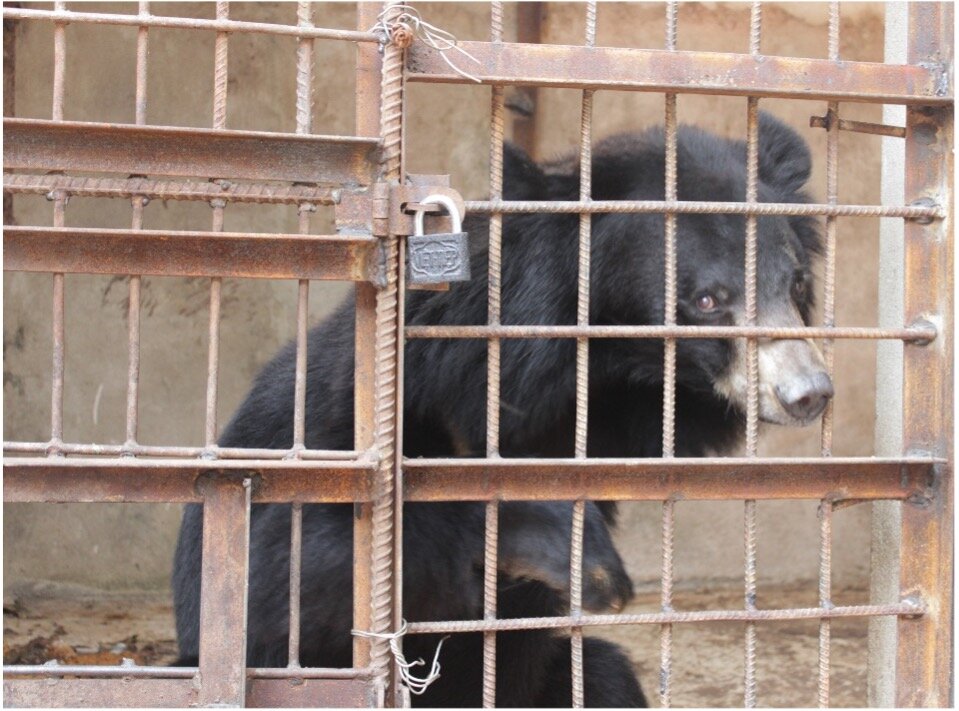
When ENV began tackling the bear bile industry in 2005, more than 4,300 bears were being kept on bile farms in Vietnam. As of September 2023, the number of bile bears has decreased to 219.
Highlights since our last report include the voluntary transfer of the last bear being kept at a bile farm situated in northern Vietnam's Lao Cai province by its owner. The male Asiatic black bear was transferred to Hoang Lien National Park Rescue Center on August 31st. In addition, Thanh Hoa and Ha Nam respectively became the country’s 44th and 45th bear farm-free provinces, bringing Vietnam another few steps closer to ending bear farming for good.
Elephant Ivory
ENV’s Wildlife Crime Unit logged a total of 191 ivory-related cases in the first half of 2023, with 156 of these being ivory internet crime cases.
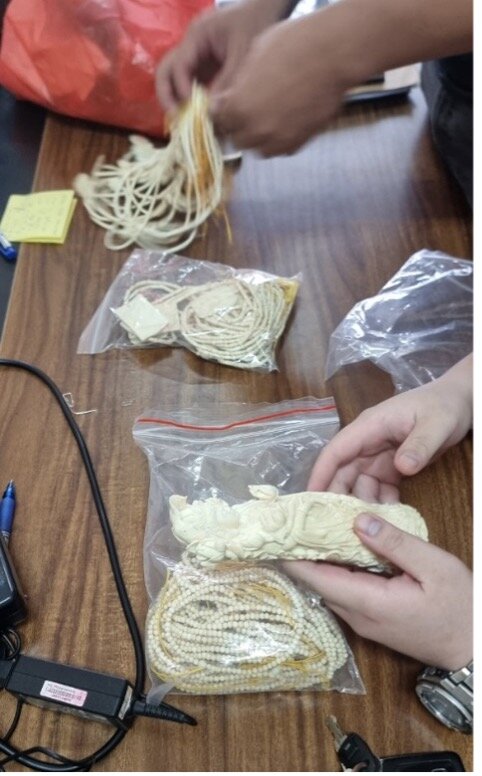
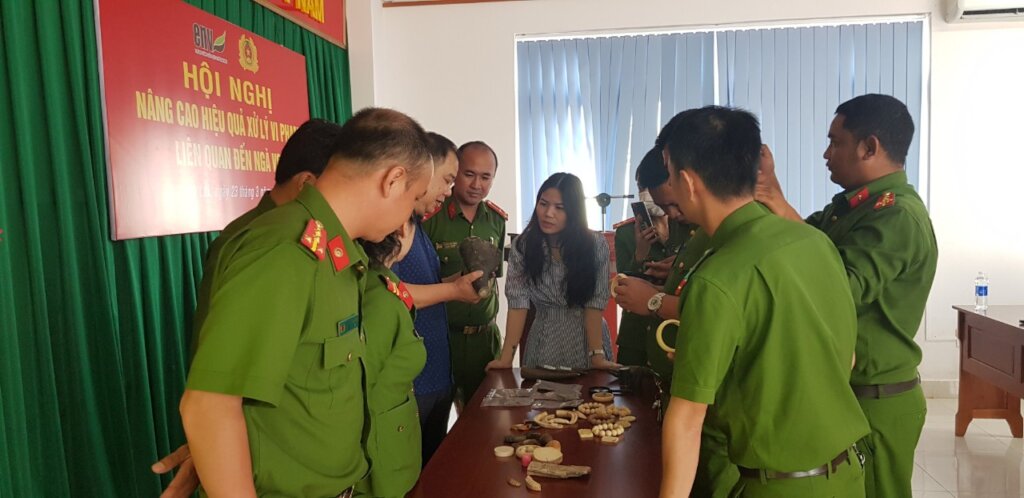
In a particular case, 6 kg of ivory products were confiscated by the Nam Tu Liem District Police in Hanoi in May, in collaboration with ENV. The operation resulted in the arrest of one subject.
ENV also provided support to law enforcement and court authorities during a key prosecution case. In October 2023, 3.5 kg of ivory being shipped from Angola was seized at Noi Bai Airport. In April 2023, the man was sentenced to 6 years in prison by the Soc Son District Court.
Pangolins
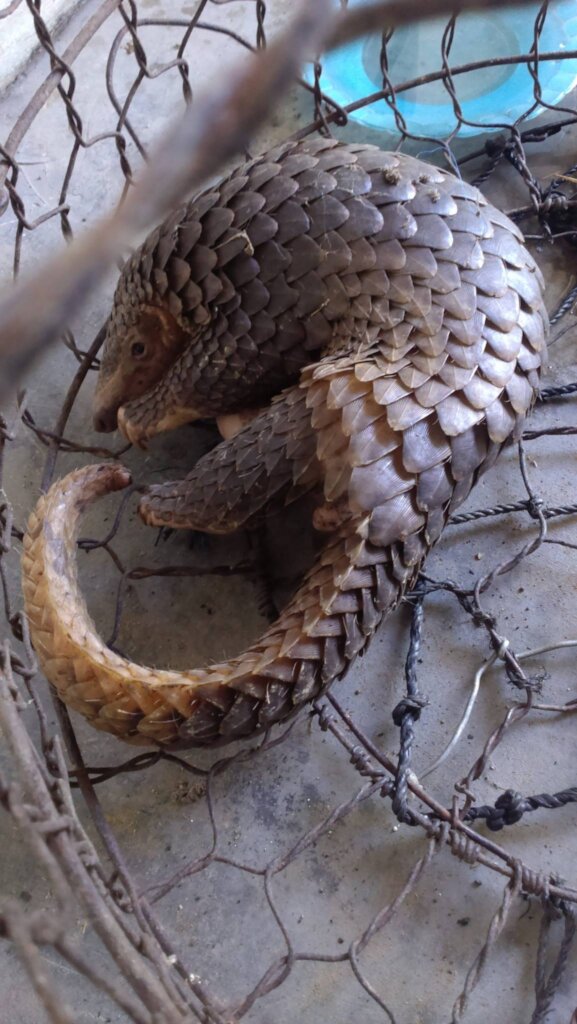
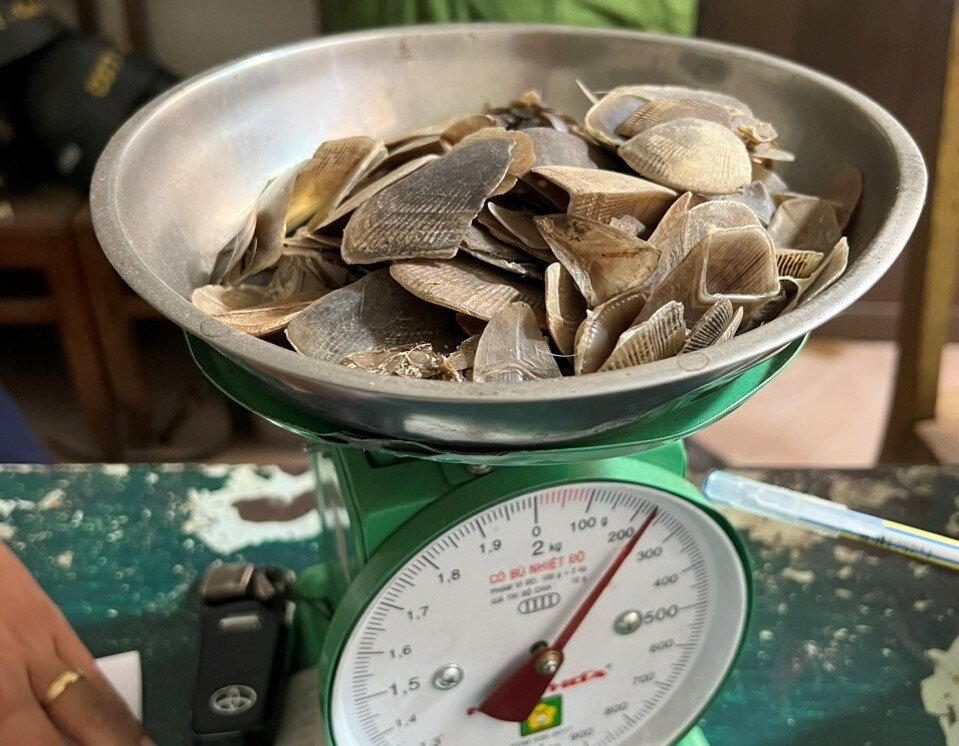
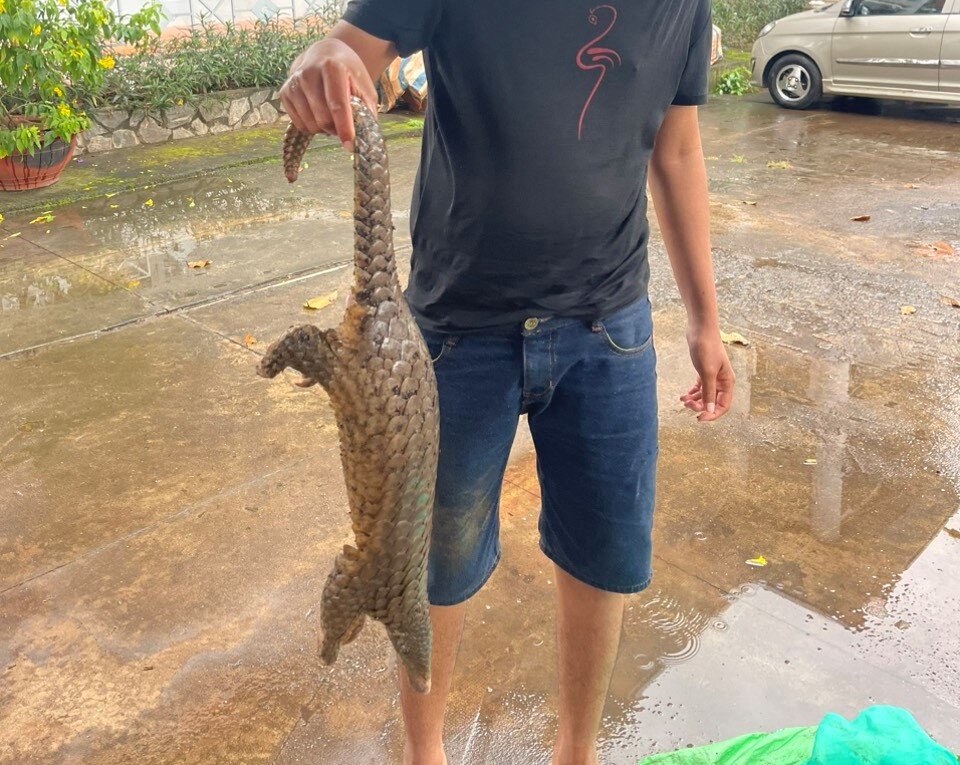
From January to July 2023, a total of 63 pangolin cases were logged by the ENV Wildlife Crime Unit, and numerous important prosecutions occurred, including:
Primates, turtles & other illegal ‘pets’
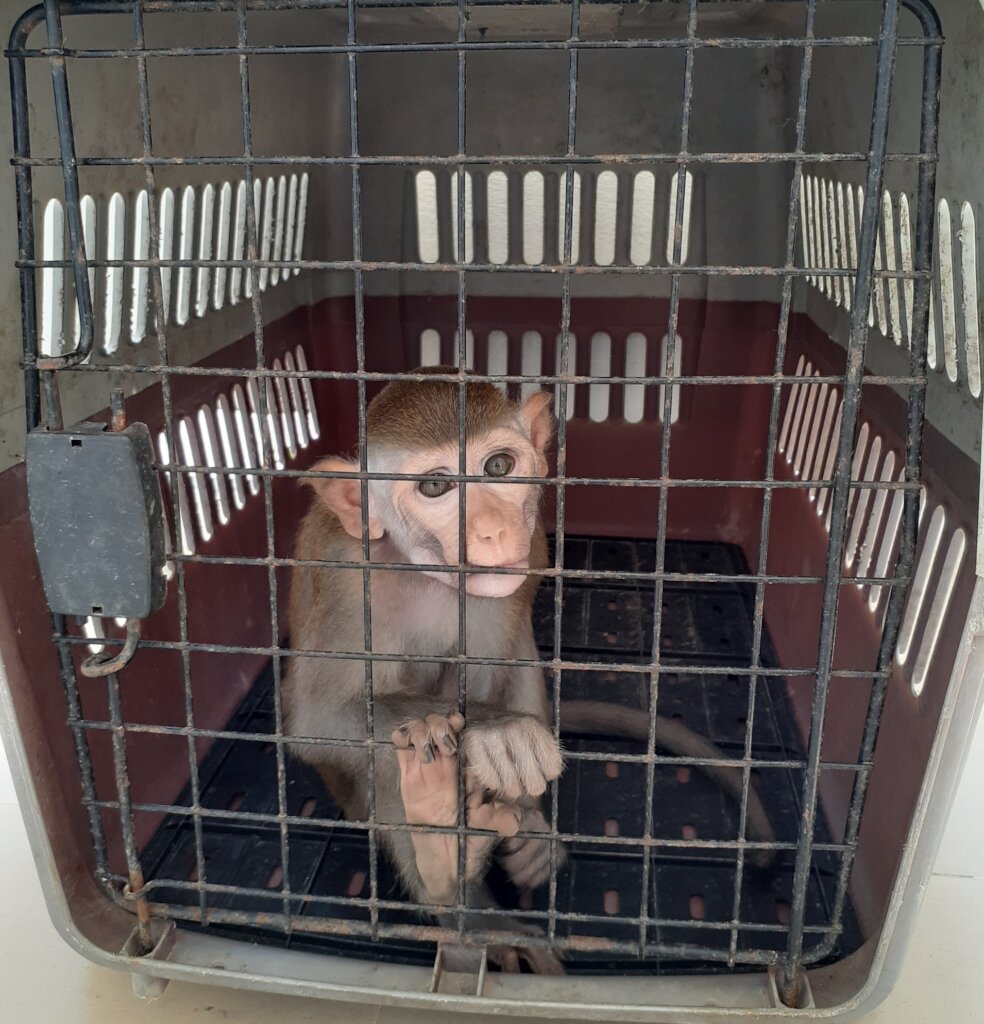
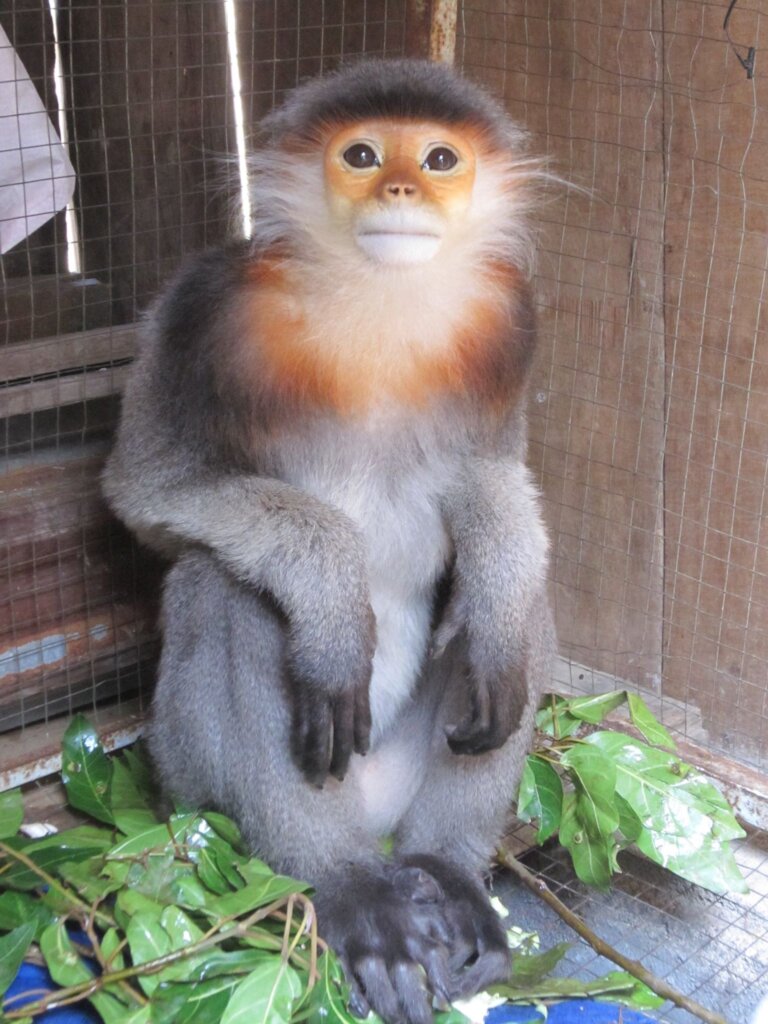
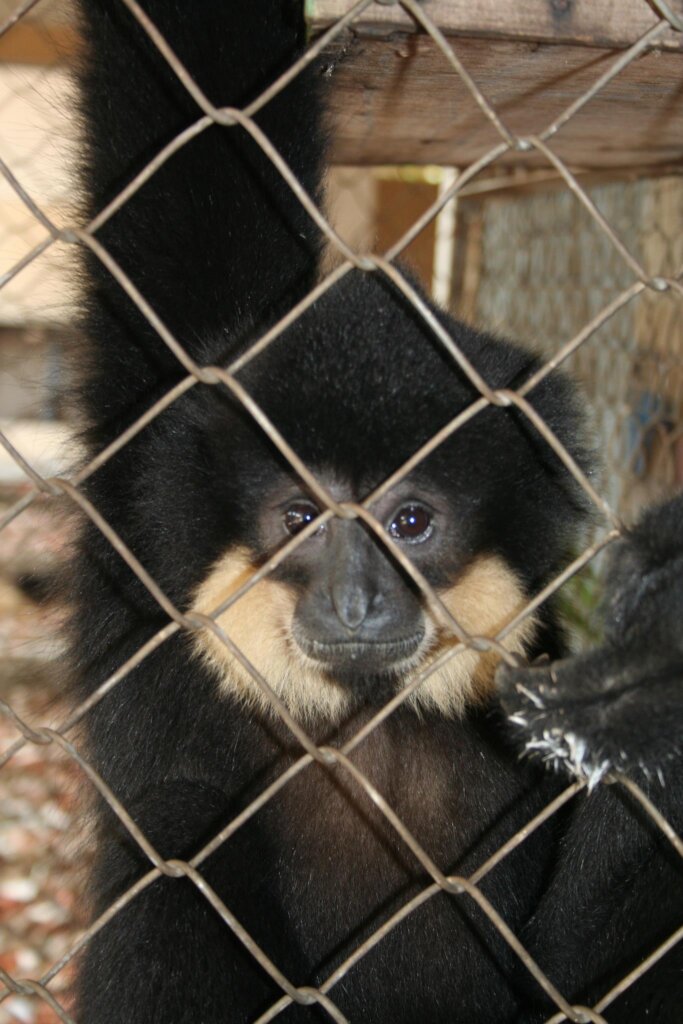
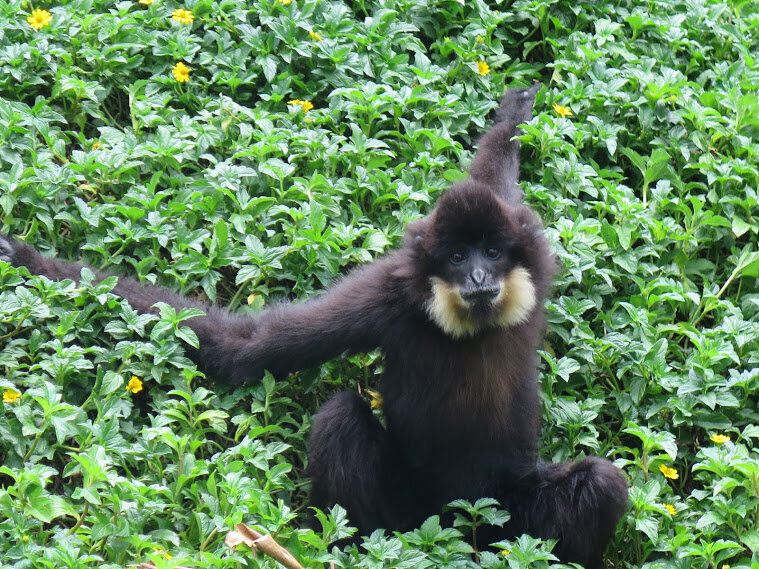
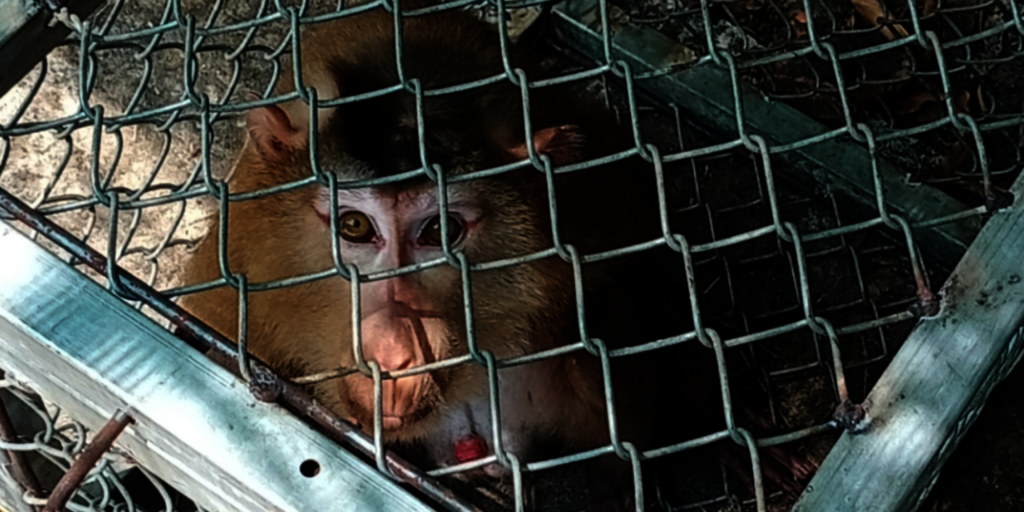
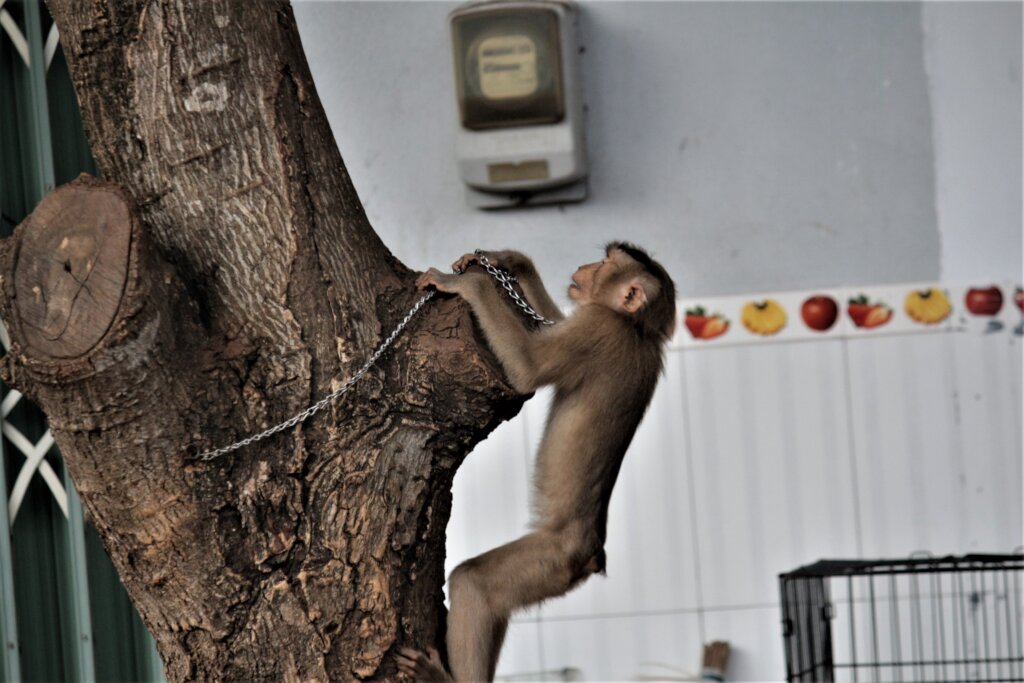
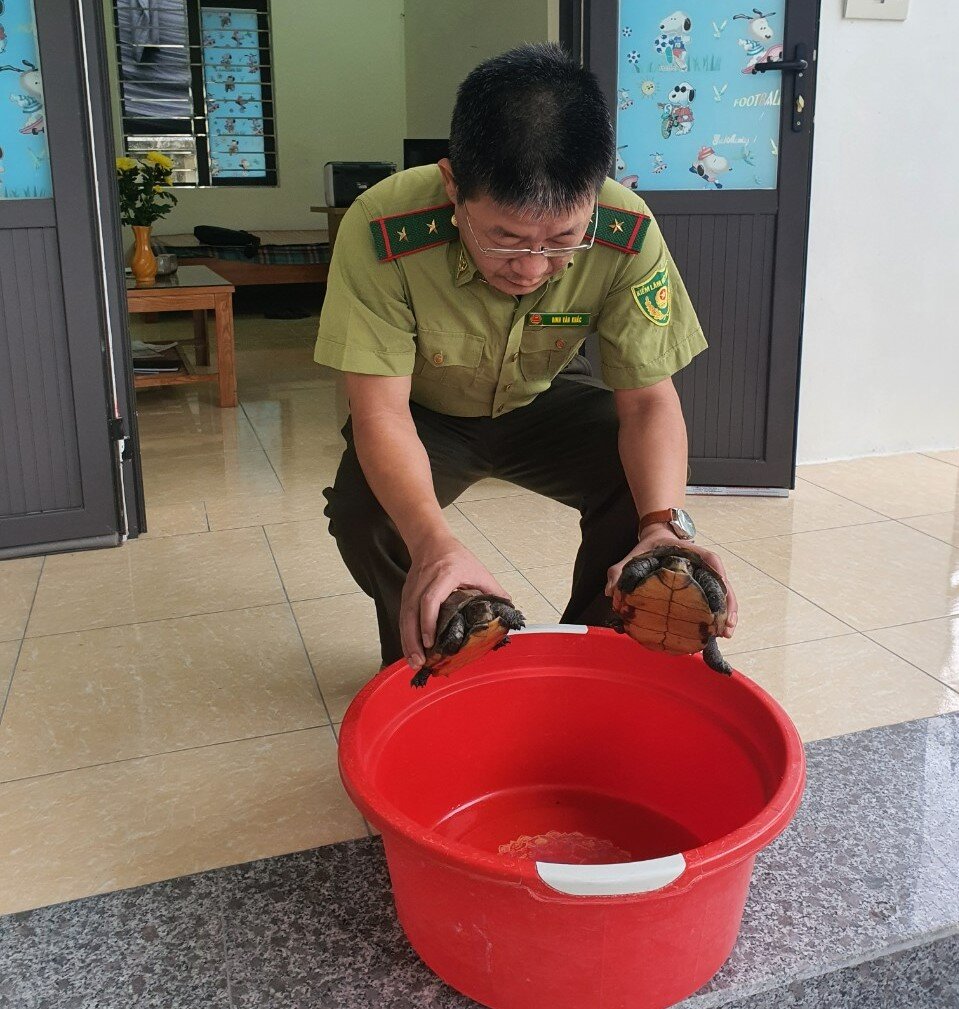
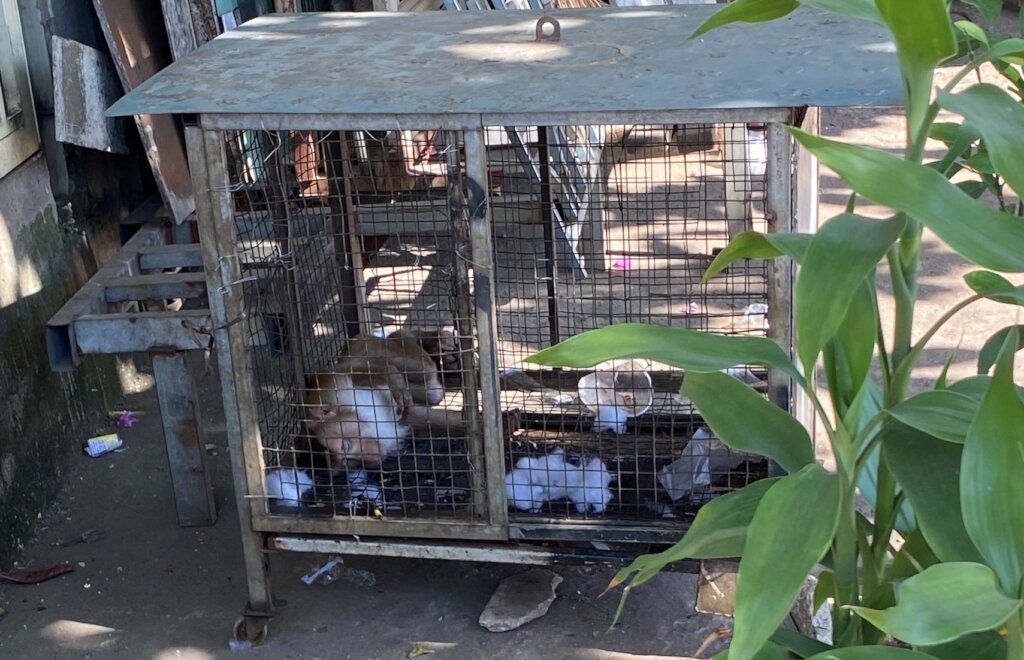
From January to June 2023, 827 turtles and tortoises, 11 otters, 29 civets, 75 macaques, and 9 lorises were confiscated or voluntarily transferred.
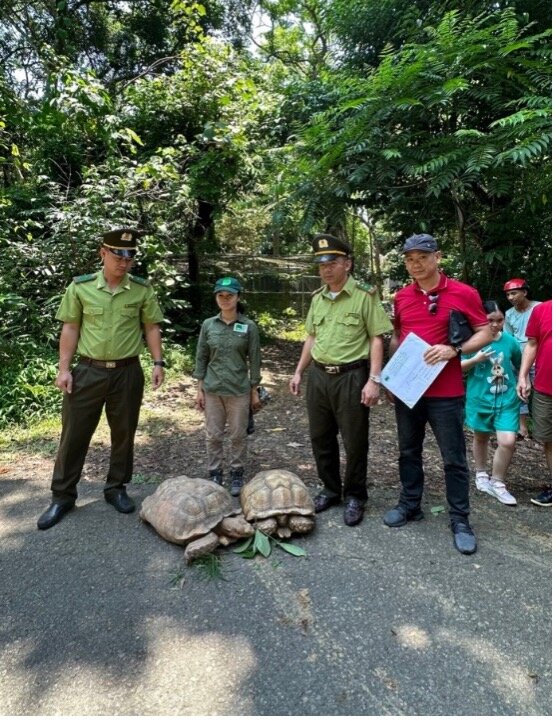
In June, two sulcata tortoises (Centrochelys sulcata) were successfully confiscated after a report to the ENV Hotline about wildlife being kept at a tourist establishment in a coastal province in northeastern Vietnam. We provided the local Forest Protection Department with all the pertinent information, after which they searched the area and discovered two sulcata tortoises kept in the hotel's yard. As a result, the hotel was fined VND 40,000,000 and the animals were successfully confiscated and relocated to Cuc Phuong National Park.
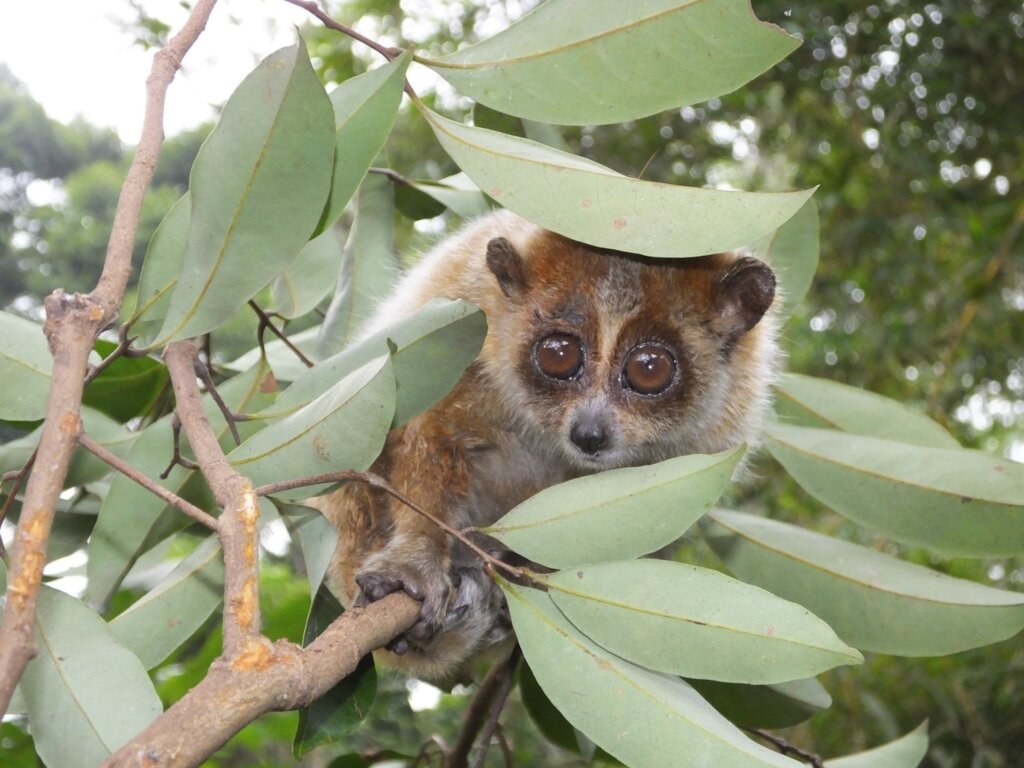
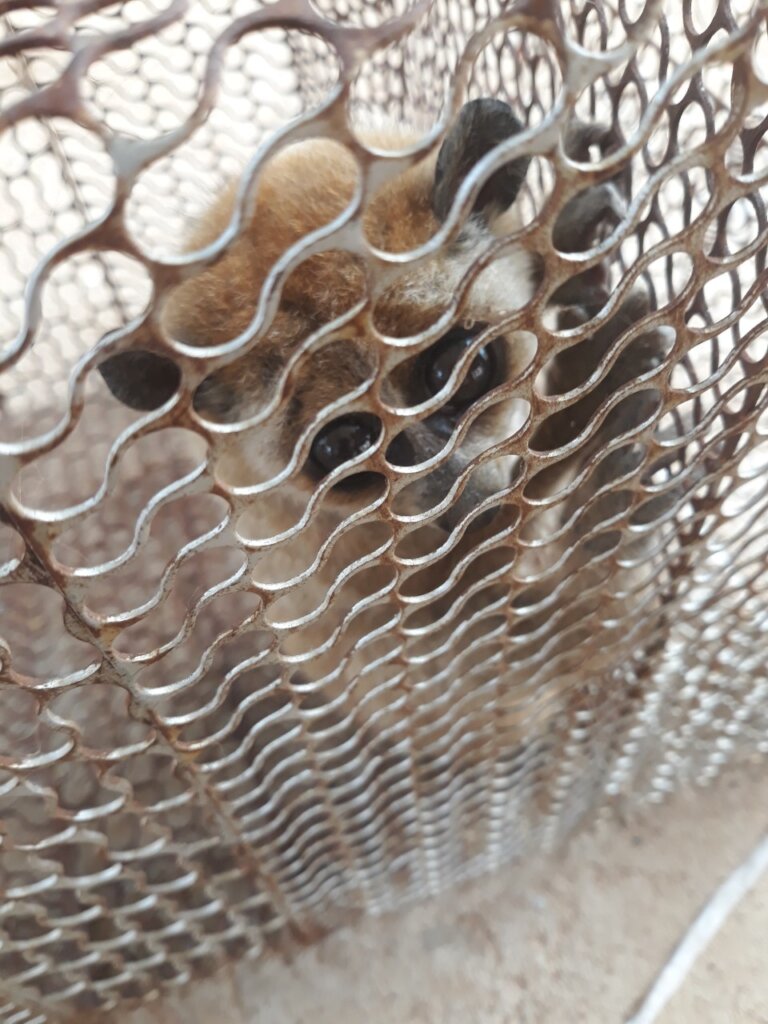
In addition, in July, an informant called the ENV Wildlife Crime Hotline to report a woman selling a loris on a street in Lao Cai province, in north Vietnam. We passed the relevant information on to the City Police, who then confiscated the loris from the seller and transferred it to Hoang Lien National Park. Lorises are an endangered and protected species, and therefore, the seller will face criminal prosecution.
Internet Crime
ENV receives an increasing number of reports of crimes taking place online, such as live animals advertised for sale on social media, wild animals exploited “for entertainment” in viral videos, or wildlife-derived products sold on marketplaces. Over 1,000 online wildlife crime cases were reported to ENV relating to posts, accounts, and groups advertising and selling wildlife on Facebook, YouTube, TikTok, and other platforms and websites. In the first half of 2023, by cooperating with our social media partners, 54 online wildlife-selling groups consisting of over 300,000 members have been taken down, along with numerous social media accounts and violation links.
Communication and Public Awareness
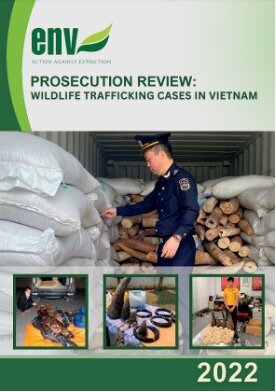
Recent communications published and disseminated by our Law and Policy Team since our last report included the CWT Responsiveness and Performance Report 2022, the Prosecution Review: Wildlife Trafficking Cases in Vietnam 2022, and ENV Wildlife Crime Bulletin 2023/01. Each of these publications aims to keep relevant stakeholders abreast of the current landscape of the illegal wildlife trade in Vietnam, as well as to encourage increasingly dedicated action from law enforcement and the judicial system in the fight to end it.
On the public awareness front, in June 2023 ENV released its 55th Public Service Announcement (PSA),Marine Turtles Belong to the Sea, focusing on the importance of protecting marine turtles by bringing attention to the illegal hunting, trade, and advertising that is threatening their survival. The PSA was broadcast by 50 national TV stations.
We at ENV are thankful for your continuous and precious support, which enables us to focus on what matters – protecting endangered wildlife from exploitation!
By Quyen Vu | Project Leader
By Rebecca Barber | International Communications Coordinator
Project reports on GlobalGiving are posted directly to globalgiving.org by Project Leaders as they are completed, generally every 3-4 months. To protect the integrity of these documents, GlobalGiving does not alter them; therefore you may find some language or formatting issues.
If you donate to this project or have donated to this project, you can receive an email when this project posts a report. You can also subscribe for reports without donating.



Support this important cause by creating a personalized fundraising page.
Start a Fundraiser