By Quyen Vu | Project Leader
This year, ENV remains steadfast in our mission to protect endangered wildlife from exploitation in all its forms, from illegal online sales to trafficking and captivity. Our work is grounded in a comprehensive strategy: strengthening wildlife protection laws, supporting law enforcement to investigate and prosecute crimes, and engaging the public to raise awareness and promote shared responsibility for wildlife protection.
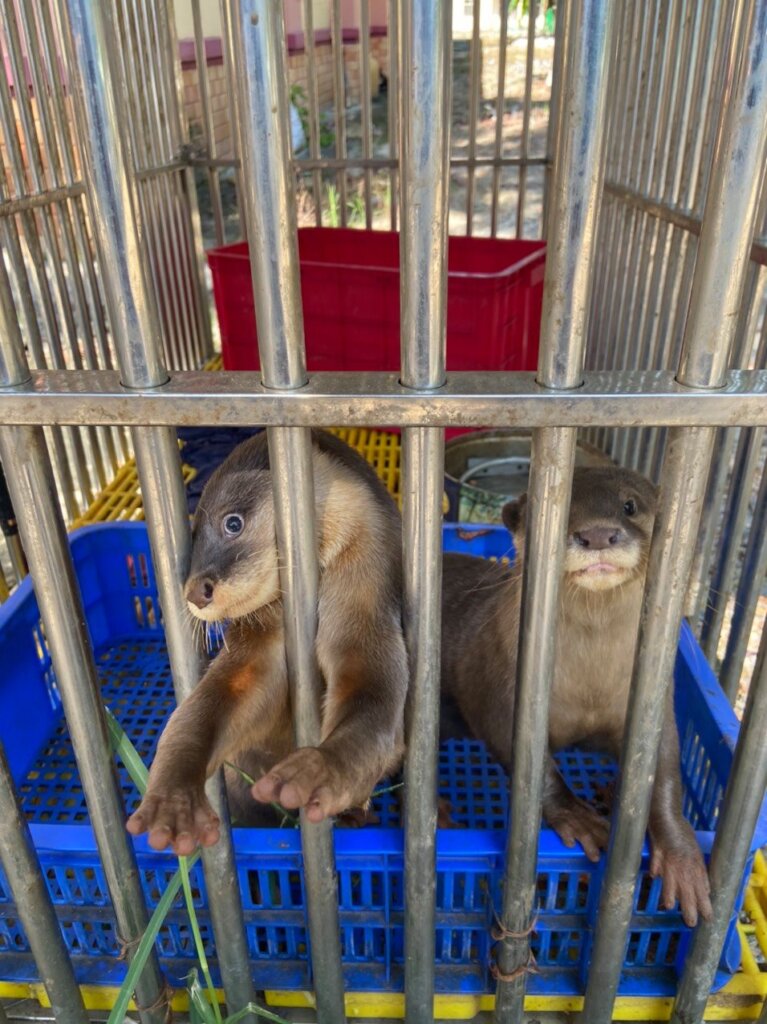
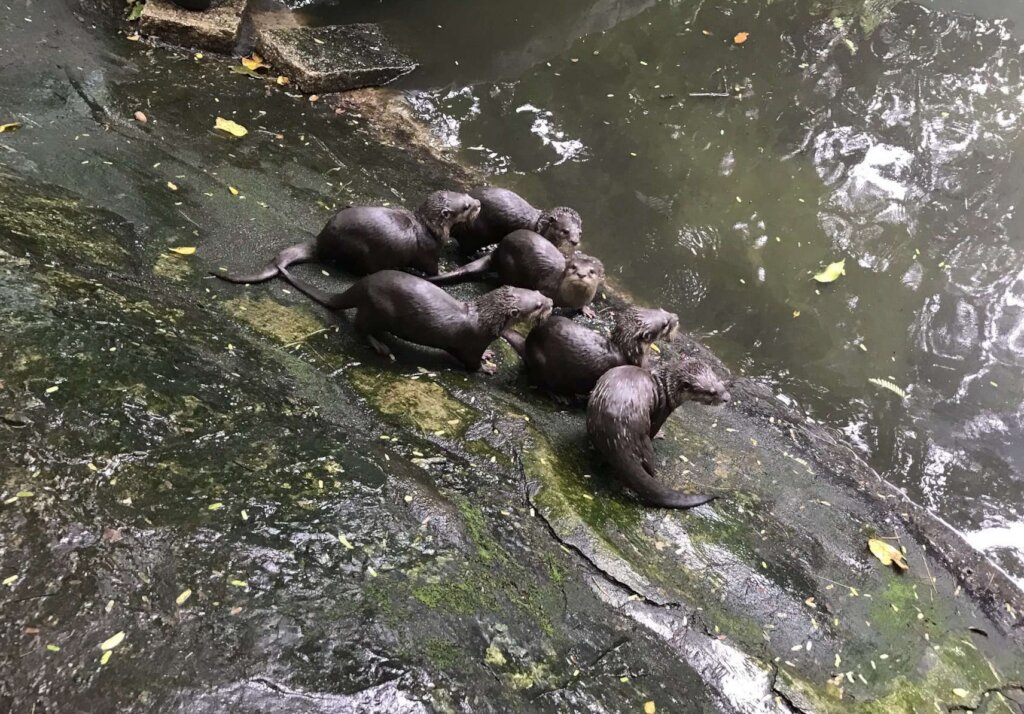
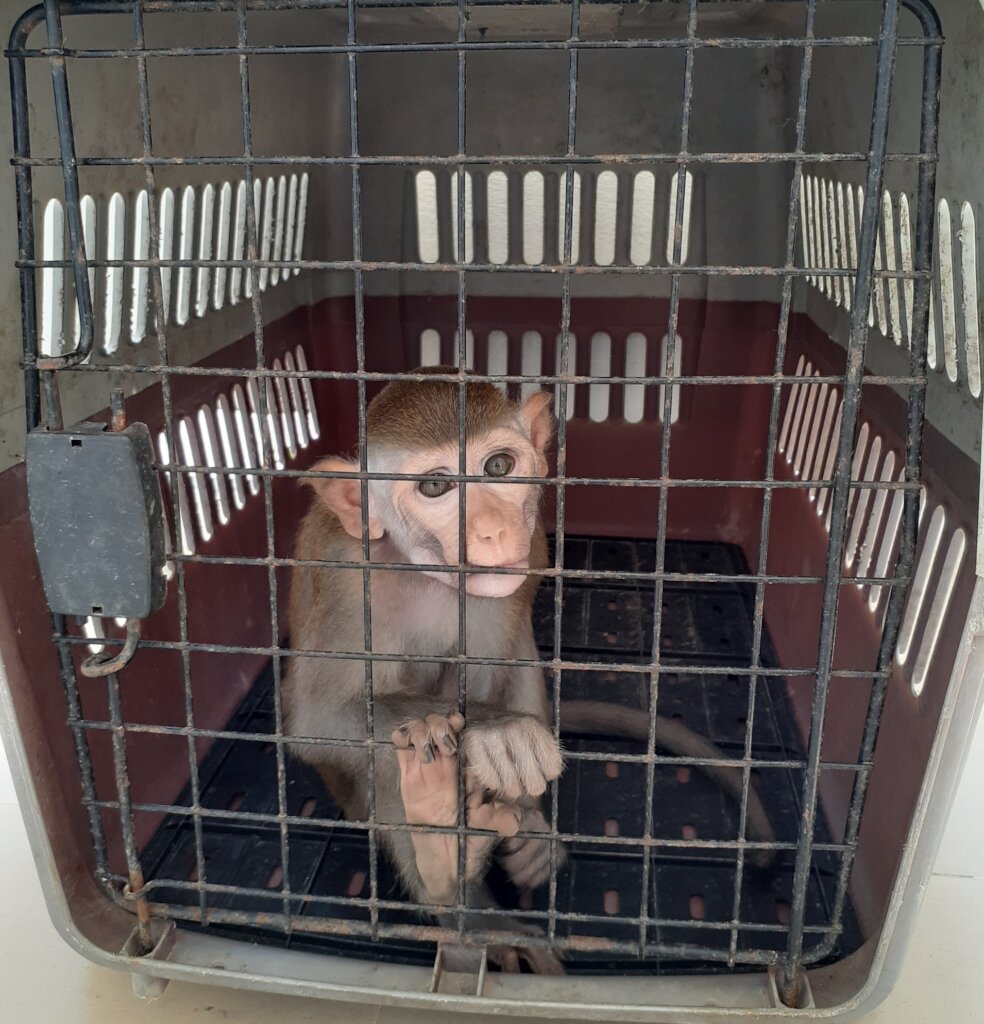
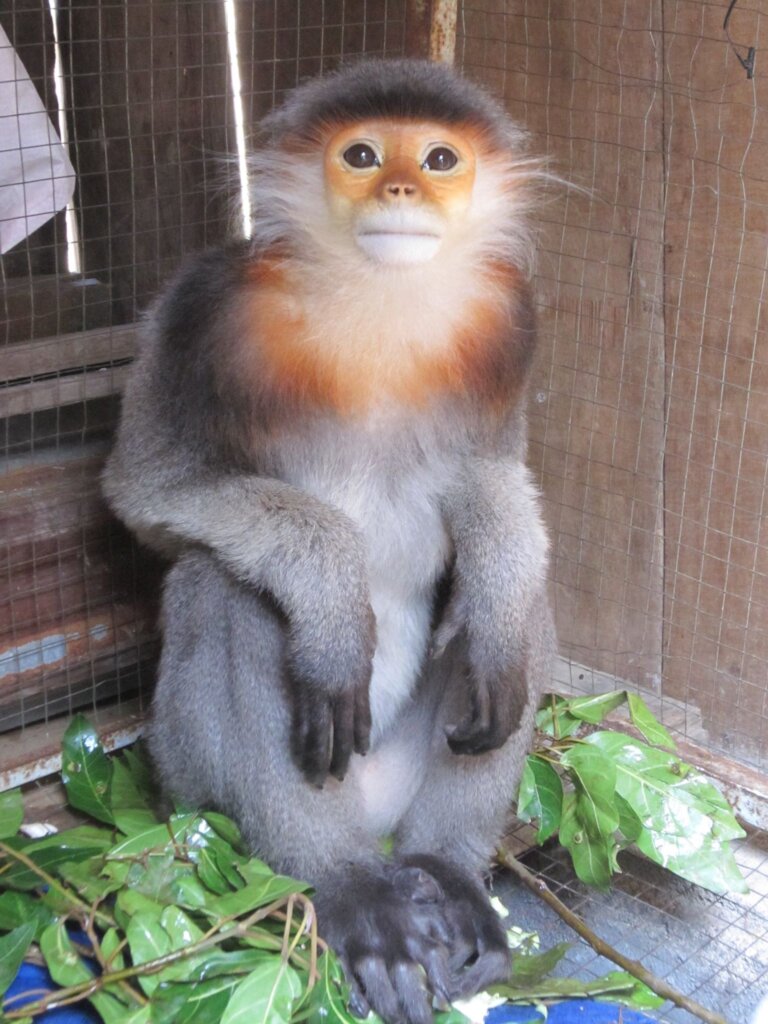
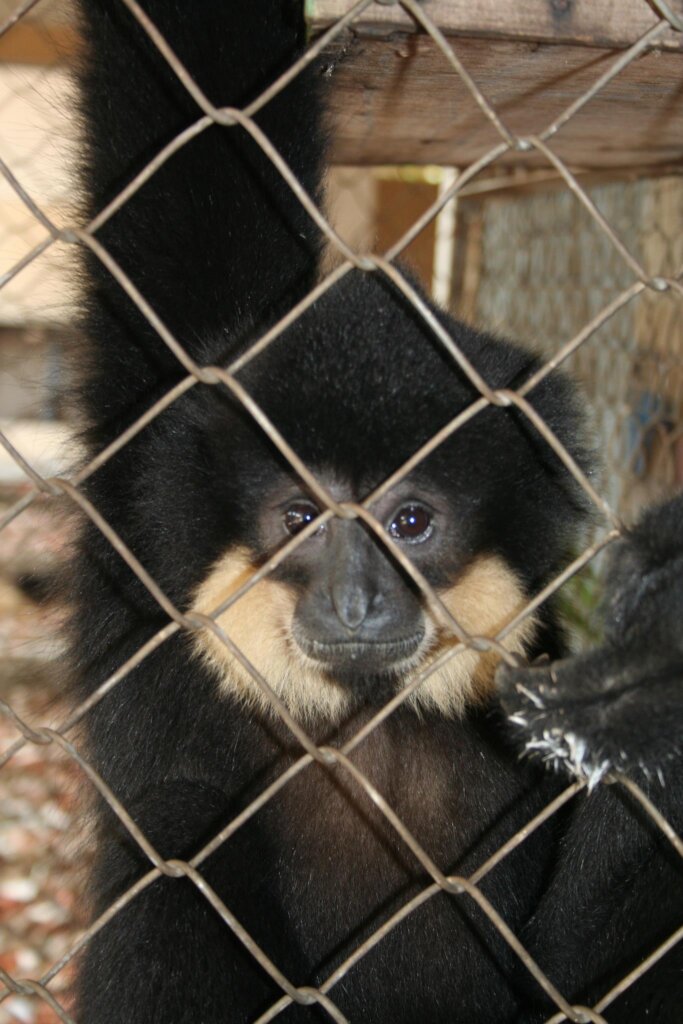
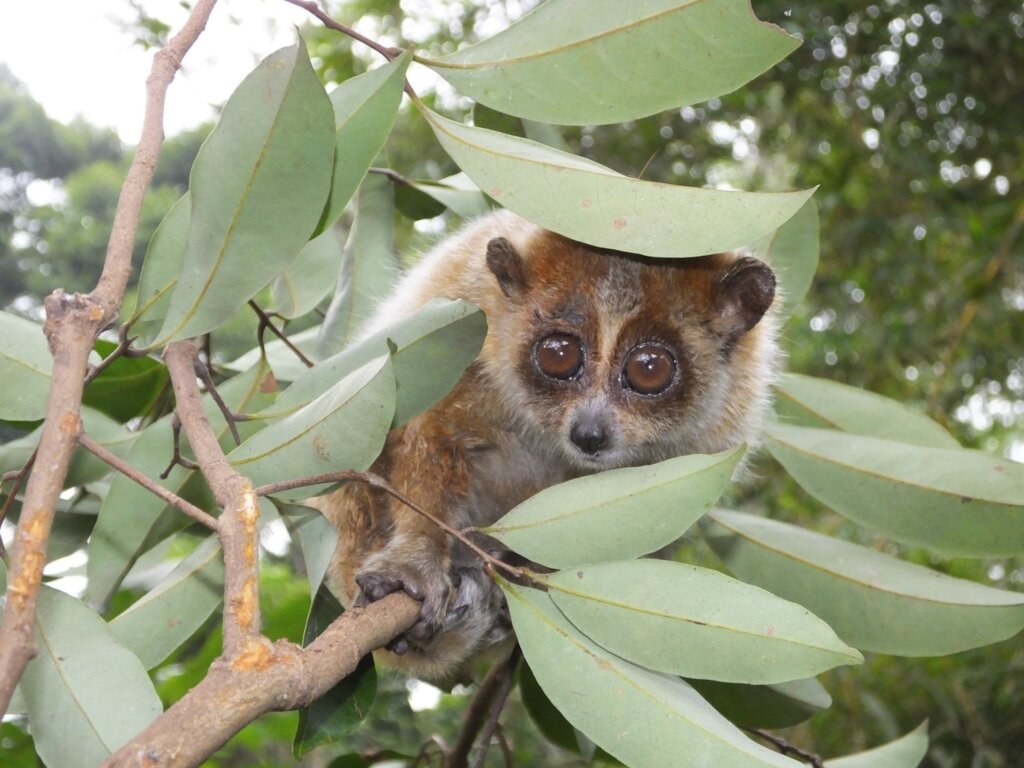
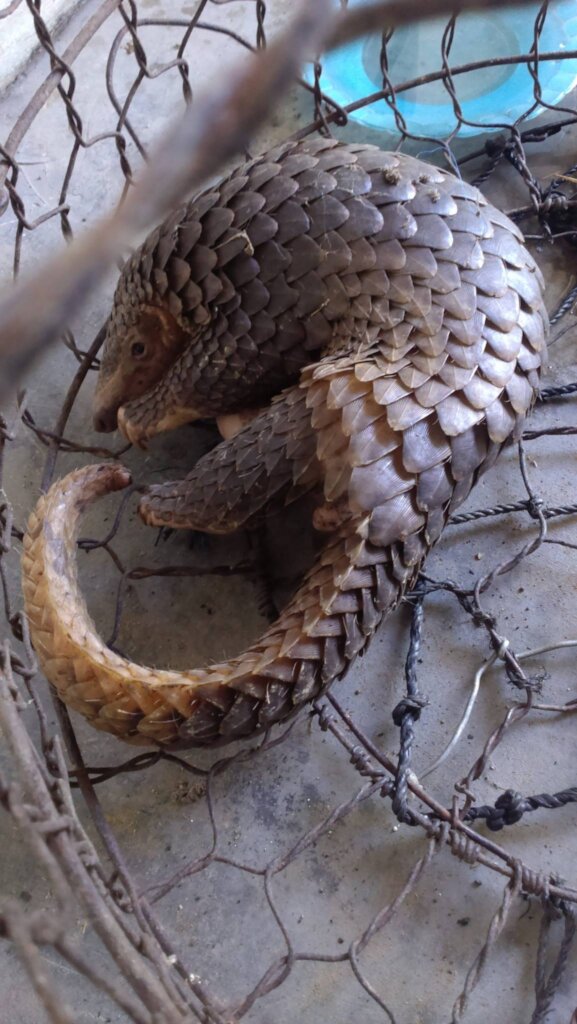
In the first three months of 2025, our Wildlife Crime Unit logged over 470 new wildlife crime cases, consisting of more than 1,400 individual violations. We are pleased to share that, with ENV's support, 987 live wild animals have been confiscated or voluntarily transferred, including pangolins, tortoises and freshwater turtles, wild birds, macaques and other illegal “pets”.
We are thrilled to share with you some of the highlights and activities that were made possible with your continued support.
Bears
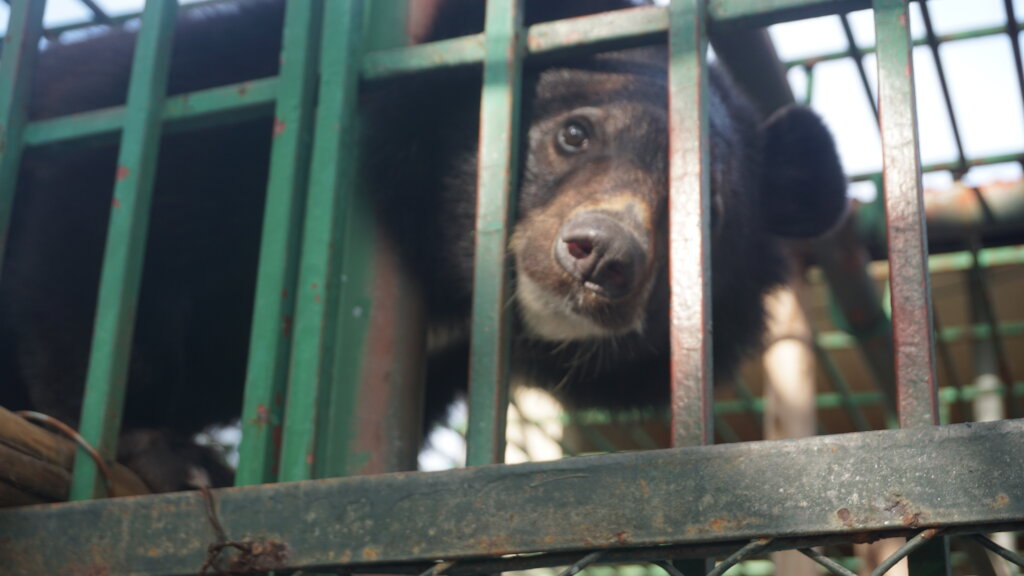
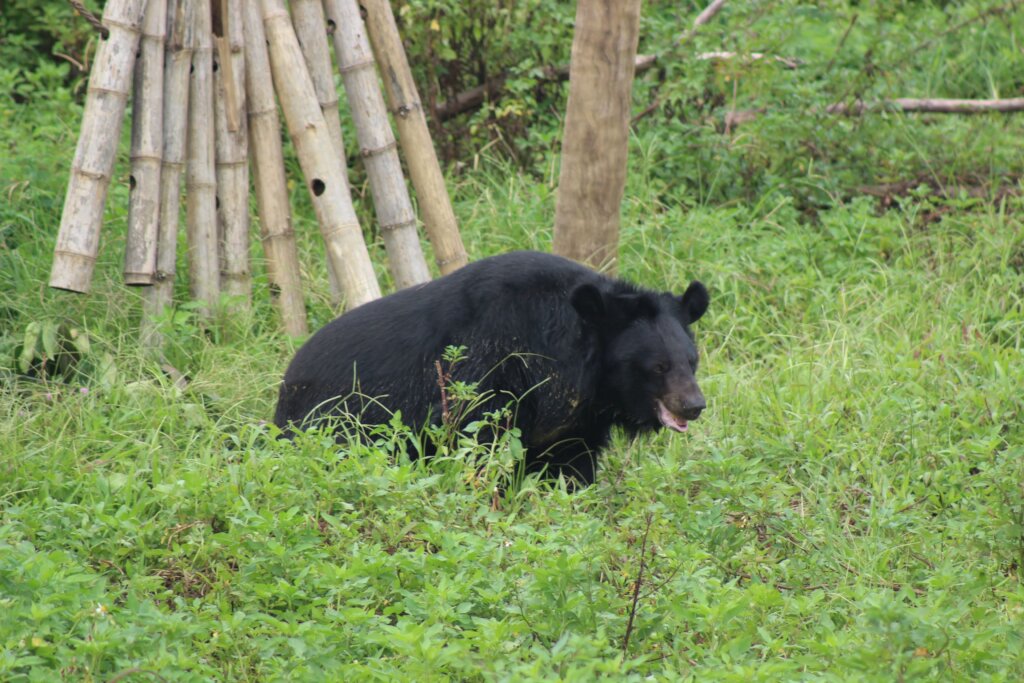
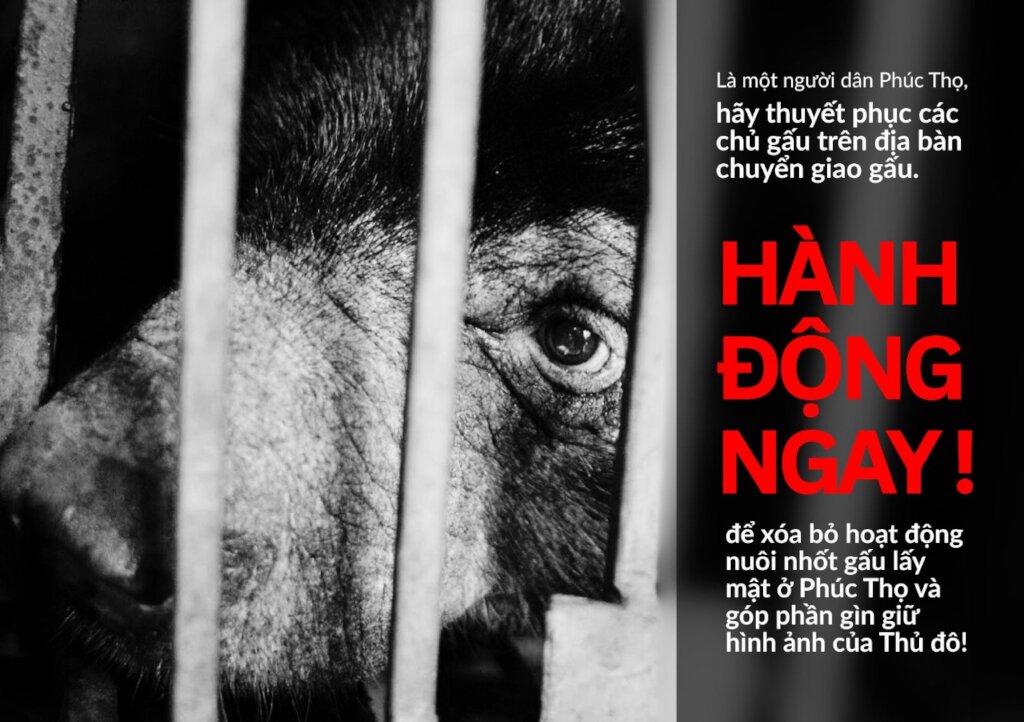
Our commitment to ending bear bile farming in Vietnam continues, and it will until the last of the 167 bears still held at 57 farms are voluntarily surrendered to the authorities by their owners.
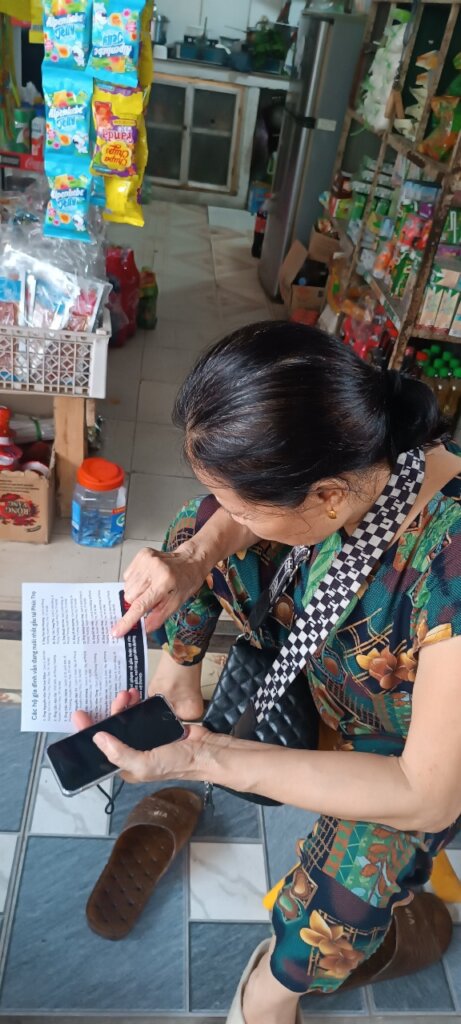
In April, our team took action on the ground in Phuc Tho district of Hanoi, the largest remaining hotspot for bear farming in the country. We reached out to the local community by distributing postcards urging residents to “ACT NOW.” The postcards included the names of the 16 bear owners still keeping bears in captivity, encouraging neighbors to speak up and pressure these individuals to transfer their bears to sanctuaries, giving these animals a second chance at life.
Elephant ivory
In our latest effort to combat ivory crimes, in April, we released our 59th Public Service Announcement (PSA), titled “Follow the money”, which aims to help the public understand the connection between the seemingly innocent act of buying ivory jewelry or carvings and the killing of African elephants.
The film follows a young woman browsing on her phone, casually scrolling through jewelry options. From the comfort of her sofa, she selects an ivory bracelet, imagining herself wearing it at an upcoming glamorous party. As the young woman clicks “buy now”, she experiences a horrific vision of an elephant’s murder, coming to understand in an instant where the ivory bracelet came from and how her purchase makes her complicit in the murder.
Vietnam continues to face challenges in combating the illegal ivory trade. Over the past five years, ENV’s Wildlife Crime Unit has documented 2,116 ivory crime cases, comprised of 5,982 individual violations and an estimated 283,729 illegal ivory products. Advertising and selling elephant ivory through social media, in particular Facebook, and other online marketplaces, accounted for 92% of the total cases.
Internet crime
In the first three months of 2025, ENV documented over 1,000 instances of online wildlife violations, involving individuals advertising and selling wildlife on platforms such as Facebook, YouTube, and TikTok.
While some social media platforms have proven responsive and cooperative in efforts to tackle wildlife crime on their platform, Facebook has become increasingly isolated as the center for most illegal wildlife trafficking online in Vietnam. ENV’s Wildlife Crime database shows that 95% of all illegal online wildlife advertising and sales take place on Facebook, and last year only, 206,927 live animals, parts, and products were documented for sale by ENV on Facebook alone.
While our internet crime research campaigns and responses to reports from the public are still in full force, we’ve taken our efforts a step further by actively involving the community through ENV’s Cyber Crime Day. Held on the third Wednesday of each month, this initiative brings together volunteers and members of the public across Vietnam to combat wildlife crime on social media, particularly on Facebook.
Starting in March, we began providing links to 10 of the most offensive Facebook users or wildlife trade groups engaged in the sale of live animals or products such as ivory or tiger, and we invited our followers to report these violations directly to Facebook, empowering the public to take action and amplifying our collective impact.
In the first two editions, hundreds, if not thousands of people reported each of these 10 links, leading to 11 of the most violating accounts or groups advertising a variety of endangered species and their products being deactivated. These groups accounted for more than 136,000 members who can no longer use these groups to exploit wildlife or profit from illegal trade.
Communication and Public Awareness
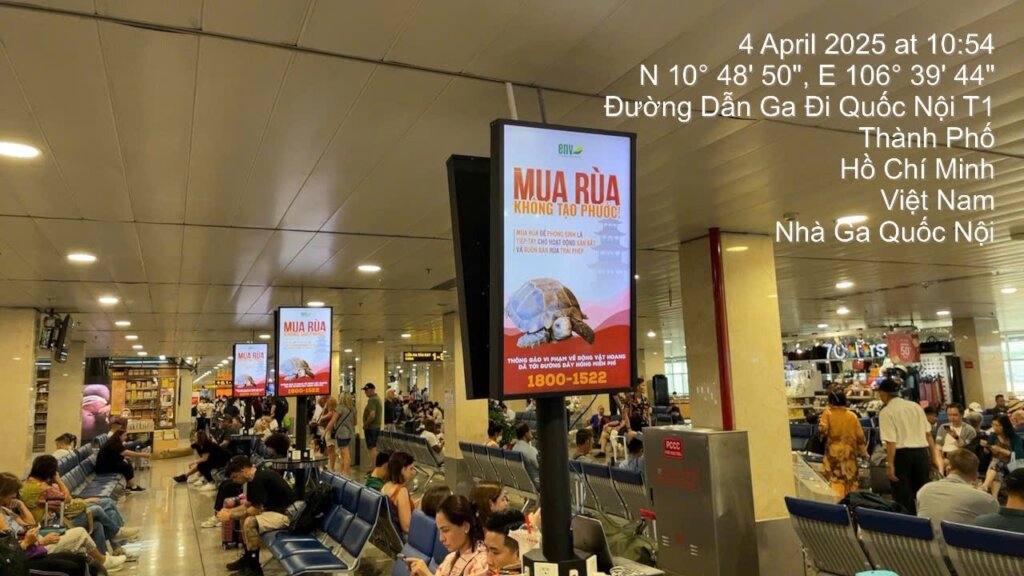
Our Communications Team works tirelessly to raise public awareness through newspapers, radio, TV, public service announcements, and even airport screens. Most recently, we launched a campaign at Hanoi and Ho Chi Minh City airports, broadcasting messages about the harmful impacts of mercy release involving turtles. This effort reached millions of travelers, helping to inform and shift public attitudes toward more responsible behavior.
As we move through 2025, our passion and commitment to protecting endangered wildlife from exploitation remain as strong as ever. With your continued support on our side, we’re inspired and ready to achieve an even greater impact together.
Until next time,
Project reports on GlobalGiving are posted directly to globalgiving.org by Project Leaders as they are completed, generally every 3-4 months. To protect the integrity of these documents, GlobalGiving does not alter them; therefore you may find some language or formatting issues.
If you donate to this project or have donated to this project, you can receive an email when this project posts a report. You can also subscribe for reports without donating.



Support this important cause by creating a personalized fundraising page.
Start a Fundraiser