WaterWatch of Oregon’s 2022 Accomplishments
Thanks to you, Oregon’s rivers and waters are more resilient to a changing climate. Oregon’s water policies are smarter, and the state has made important investments in ecologically appropriate management of the state’s waters. Your support produced these amazing results for Oregon’s waters, rivers, fish and wildlife and people in 2022.
Accomplishments:
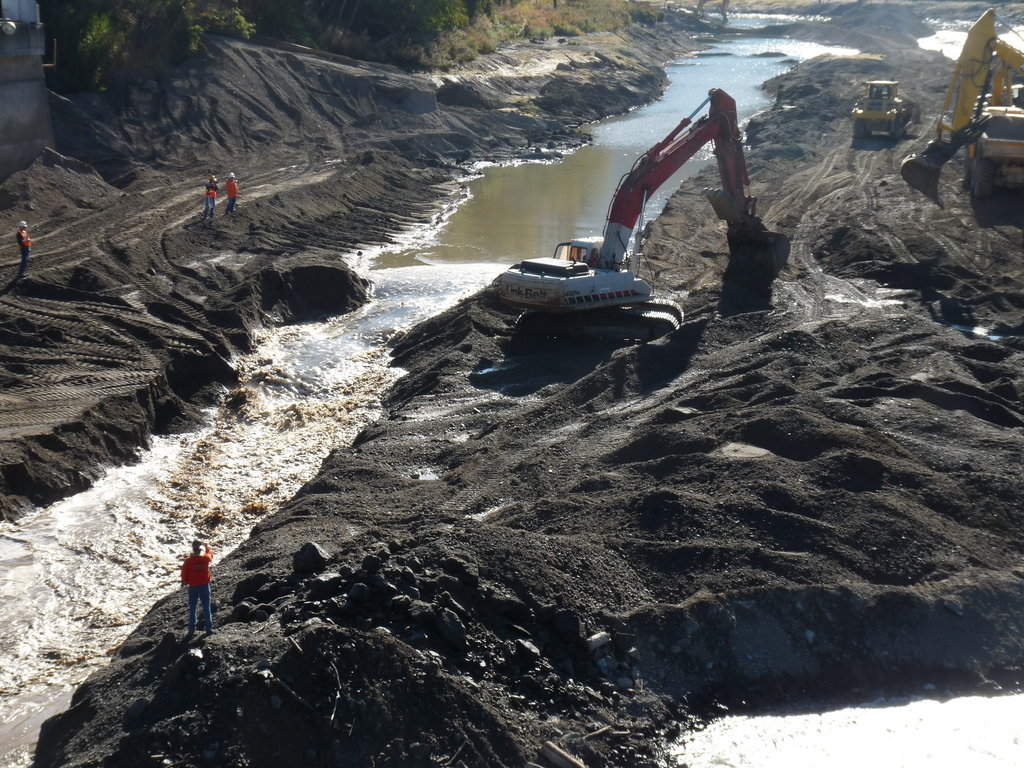
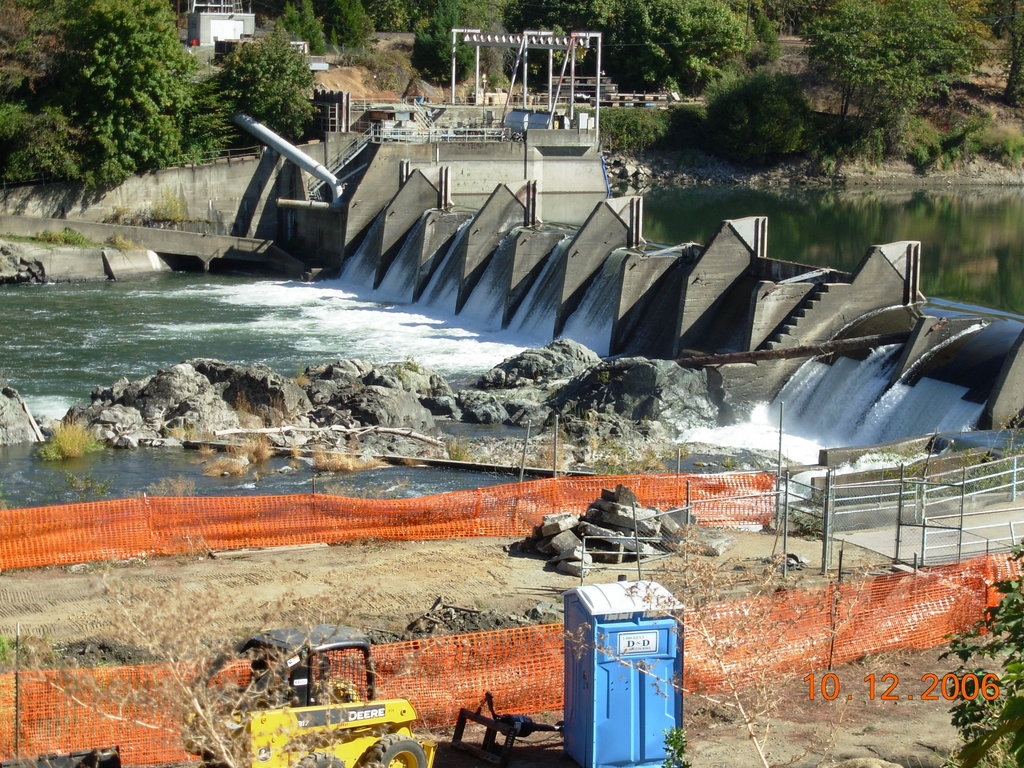
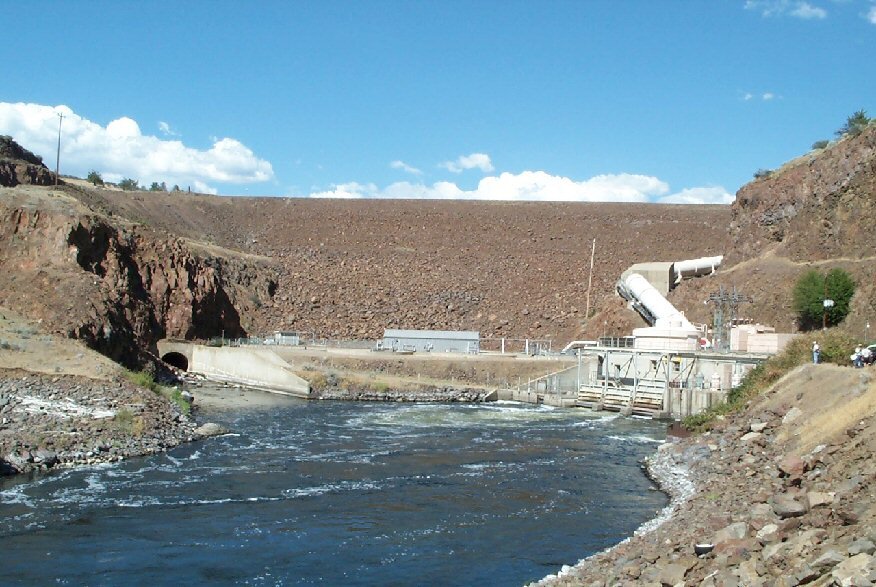
Free Flowing Rivers Program. 2022 saw major advances in protecting and restoring free flowing rivers in Oregon. WaterWatch secured three new voluntary agreements to eliminate seven obsolete barriers to salmon and steelhead in the Rogue and Umpqua basins, and raised over $1.6 million in private, state, and federal funds to pay for the skilled engineering and construction workers necessary to complete these projects. With partners, we completed post-project work on 2021’s three-dam removal project in the Rogue Basin. And, in the Klamath Basin, the federal government gave final approval for the removal of the four lower Klamath River dams to proceed to removal without – as WaterWatch advocated for over a decade – any linkage to a damaging upper basin water and taxpayer subsidy giveaway for agribusiness. This will be the largest dam removal project to date in the United States. WaterWatch also participated deeply in the revision of Oregon’s administrative rules on fish passage at dams and other obstructions in Oregon waterways, resulting in several improvements in fish passage requirements without significant backtracking.
Looking Forward.In 2023, your support will fund efforts to secure new dam removal agreements at several high priority barriers to salmon and steelhead in Southern Oregon, help advance the campaign to remove Winchester Dam from the North Umpqua River and continue our watchdogging of agency decisions affecting fish passage across Oregon.
Securing Legal Protection for Water Instream - The Most Comprehensive Environmental Water Protection Campaign in North America. In 1987, WaterWatch drafted and secured passage of the Oregon Instream Water Rights Act to create legal water rights for water flowing instream. In 2022, Oregon applied for 159 new instream water rights in the Rogue, South Coast and Umpqua Basins. Forty-six of these are now final, protecting flows on the Rogue, Chetco and many important salmon-bearing tributary streams. Together with 80 new instream water rights recently secured on coastal streams (including the Nestucca, Nehalem, Siletz, Salmonberry, Salmon, Alsea and Drift Creek), these results provide a potent form of natural climate insurance for the affected streams, fish and wildlife and people who depend on healthy streams and salmon. In terms of volumes of water protected and geographic range, this program is arguably the most comprehensive and successful streamflow protection initiative in North America today.
WaterWatch also won an important precedent-setting case in the Oregon Supreme Court (known as the Warm Springs Hydro case) requiring that old, unused hydroelectric water rights be converted to instream water rights five years after the hydroelectric use ceases. In response, the Oregon Water Resources Department began the process of creating a new instream water right from a hydroelectric water right on Rock Creek (a forested tributary to the Powder River near Baker City, Oregon), as well as moving forward on a number of other conversions including a 500 cubic foot per second instream right on the Hood River.
Looking Forward. Many ecologically significant rivers and streams across Oregon lack instream water rights. This program is constantly under attack by extractive interests, yet it is a key to climate resilience and adaptation for fish and wildlife and cold-water habitat in a climate changed Oregon. Your support will keep the program intact and moving forward in 2023 and beyond.
Groundwater Policy Reform. In 2022, your supporthelped advance reform of Oregon’s unsustainable groundwater management, notably its approach of issuing new groundwater permits when it cannot say whether the proposed pumping would be sustainable. Thanks to WaterWatch, the state is now working to help prevent aquifer declines that disconnect cold, clean groundwater from streams, wetlands and lakes; threaten groundwater dependent ecosystems and domestic wells; and destroy thermal refugia in streams relied upon by fish and wildlife. This is even more critical today because connectivity between groundwater and surface water provides scientifically proven climate resilience for cold-water habitat on iconic rivers like the Deschutes, Metolius, McKenzie, Fall, Wood, Williamson, Donner und Blitzen and Klamath. Groundwater also supplies water to iconic refuges and wetlands like the Summer Lake Wildlife Area, a fantastic wildlife refuge in south central Oregon along the Pacific Flyway and wetlands in the Malheur Lakes region. These and other special places are at risk without permanent reforms to Oregon’s groundwater policies.
Looking Forward. 2023 will be a key year to move these reforms forward and make them permanent. Your support funds WaterWatch’s participation in multiple venues – the media, the courts, the legislature, multi-stakeholder collaboratives, rulemakings, watchdogging agency permitting decisions, and budget negotiations – that all secure needed reforms and prevent backsliding. Your support will help fund reforms that protect the fish and wildlife, cold water habitat, groundwater dependent ecosystems and people who depend on groundwater in Oregon. Groundwater policy reform is a key climate resilience and adaptation measure for Oregon, and WaterWatch will continue its work on this critical issue.
2022 in the Courts. Your support produced several important conservation wins in state and federal courts in 2022 for Oregon’s waters, fish and wildlife. WaterWatch won the Warm Springs Hydro case in the Oregon Supreme Court, setting an important precedent for converting unused hydroelectric water rights to instream water rights after the hydroelectric use ceases. In the Willamette Basin, WaterWatch completed briefing and arguments in the Oregon Court of Appeals to uphold a Water Resources Commission Decision denying a permit for a large new dam and reservoir on Drift Creek, a tributary to the Pudding River providing habitat to fish including cutthroat trout and threatened steelhead. In the Malheur Lakes Basin, our amicus brief in the Oregon Court of Appeals helped stop agribusiness from circumventing rules and policies designed to prevent declines in local aquifers. In the Klamath Basin, WaterWatch (represented by Earthjustice and Karl Anuta) helped stop attempts by irrigators to prevent the Bureau of Reclamation from providing water from Upper Klamath Lake to the Klamath River to meet the streamflow needs of imperiled salmon. In the Deschutes Basin, WaterWatch helped stop an attempt by a municipal water developer to divert 200 cubic feet per second from the Upper Deschutes River in the winter.
Looking Forward. 2023 will be a busy year for WaterWatch in the courts. We are preparing multiple cases across Oregon. One will defend against attempts to develop water for an open pit mine on the banks of Grave Creek, tributary to the Rogue River, that would injure the instream water right that Oregon Water Resources Department holds in trust for the people of Oregon. Other cases involve coastal streams, the Clackamas River, the Upper Crooked River Basin, the Burnt and Rogue rivers and the Malheur region. WaterWatch is also challenging a thermal trading program on the Willamette River that we believe fails to offset the water-temperature impact of a large new water withdrawal and claims phantom temperature benefits for moving a point of diversion downstream on a water right that would not have been developed upstream.
Collaborative Negotiations. In 2022, your support helped WaterWatch participate in three multi-stakeholder collaboratives: two Place Based Planning (PBP) processes in the Lower John Day and Harney Basins, and the third in the Deschutes collaborative.In the Lower John Day, WaterWatch finished five years of work culminating in development of the Lower John Day Basin Place Based Plan. Our participation ensured that the Plan adequately recognizes all categories of instream flow needs and limits study of new storage reservoirs to locations away from stream channels.
In the Harney Basin PBP, WaterWatch provided a strong voice for aquatic ecosystems. WaterWatch helped develop solutions to the over-issuance of groundwater irrigation permits and advocated for groundwater dependent ecosystems, the Malheur National Wildlife Refuge, and water right enforcement and water management accountability. WaterWatch also worked to ensure that a proposed groundwater Conservation Reserve Enhancement Program in the region will successfully reduce groundwater pumping and to review concepts for a groundwater market. These would be “first of their kind” tools for Oregon’s groundwaters, potentially replicable elsewhere, and it’s critical to ensure that any programs are accountable and achieve reduction of groundwater pumping.
Looking Forward. Your support helps fund thedeep staff involvement required to be effective in these processes. Once created, it remains unclear how these plans will be implemented or how projects might be sequenced. Your support will help fund WaterWatch’s continued participation in the next phases of these collaboratives, to give instream and ecological values a voice in processes that could be dominated by extractive interests.
Lake Abert, Oregon Largest Saline Lake. In 2022, WaterWatch worked with allied organizations to identify and advocate for strategies to restore water to the stunning and internationally significant Lake Abert, Oregon’s largest saline lake which provides critically important habitat for birds on the Pacific Flyway. Spring boarding from a series of hard-hitting articles about Lake Abert’s decline in The Oregonian in early 2022, WaterWatch and our allies pressed for state action, resulting in Governor Kate Brown and key state agencies pledging to help Lake Abert. Increased concerns for Lake Abert and other Great Basin saline lakes also led US Senators Jeff Merkley (D-Oregon) and Mitt Romney (R-Utah) to reintroduce federal saline lakes legislation that would help assess conditions of these ecologically critical lakes.
Looking Forward. In 2023, your support will help WaterWatch work on solutions to get much needed water to the lake, advocate against new water diversions from the Chewaucan River above the lake and press for fulfillment of long neglected commitments by upstream interests and state agencies that would benefit the lake and the remarkable birds that depend on it.
None of these accomplishments are possible without your support. We at WaterWatch are grateful for your support and for all that it makes possible across Oregon. Thank you!
Links:
![Share on Twitter]()
![Share on Facebook]()