By Jose Louies | Head (Enforcement, Assistant and Law)
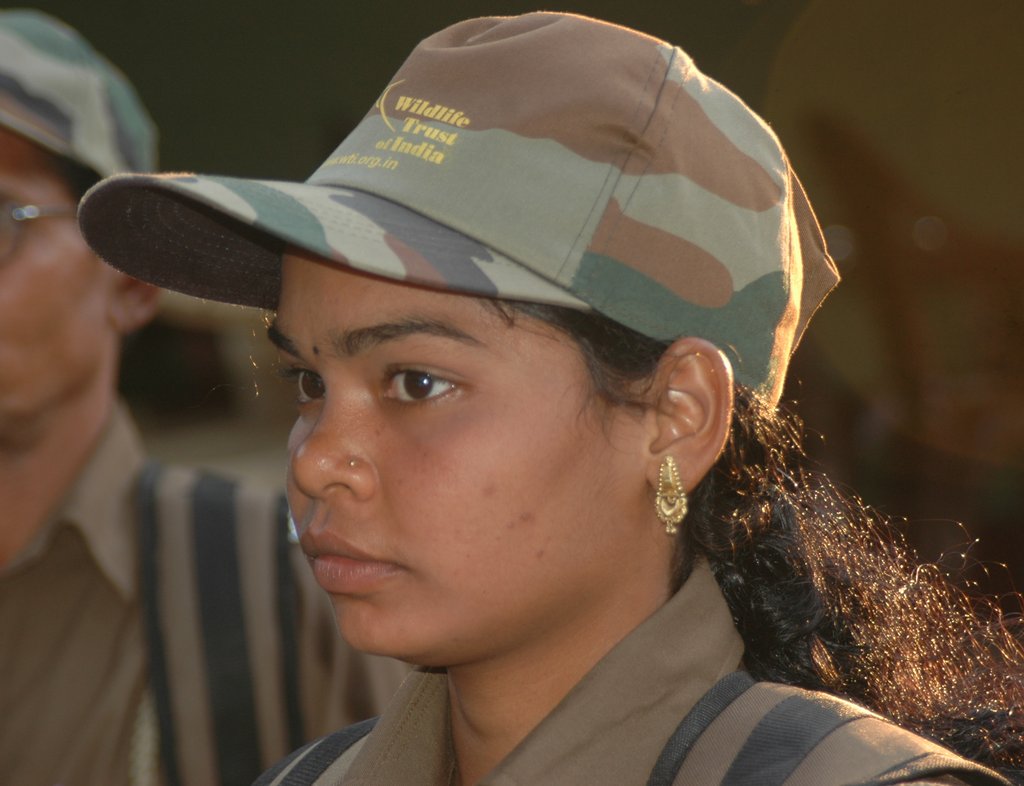
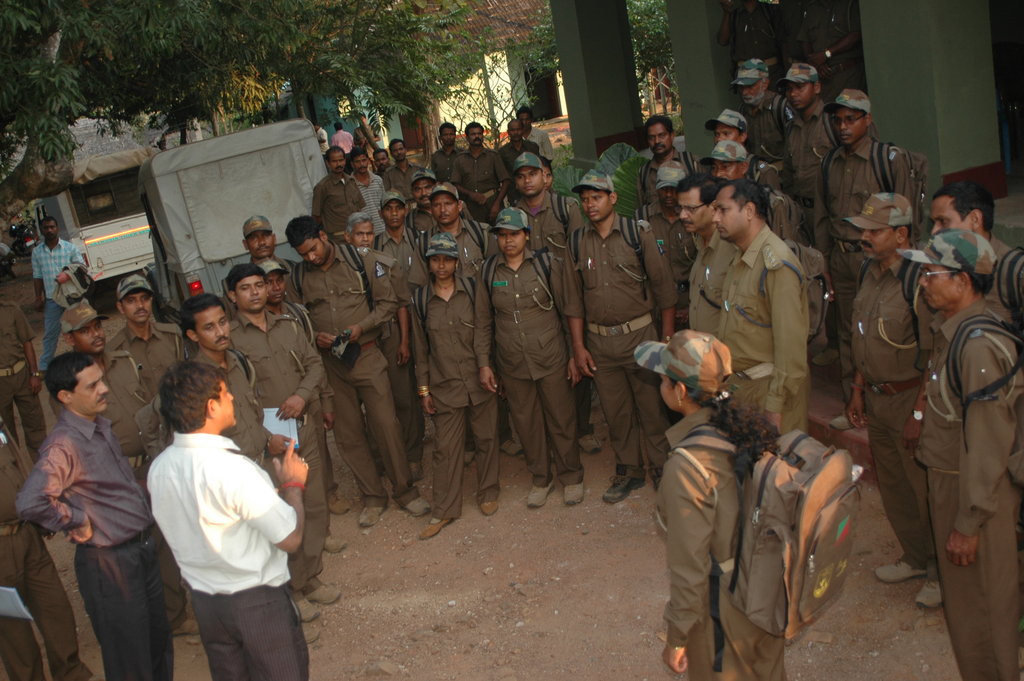
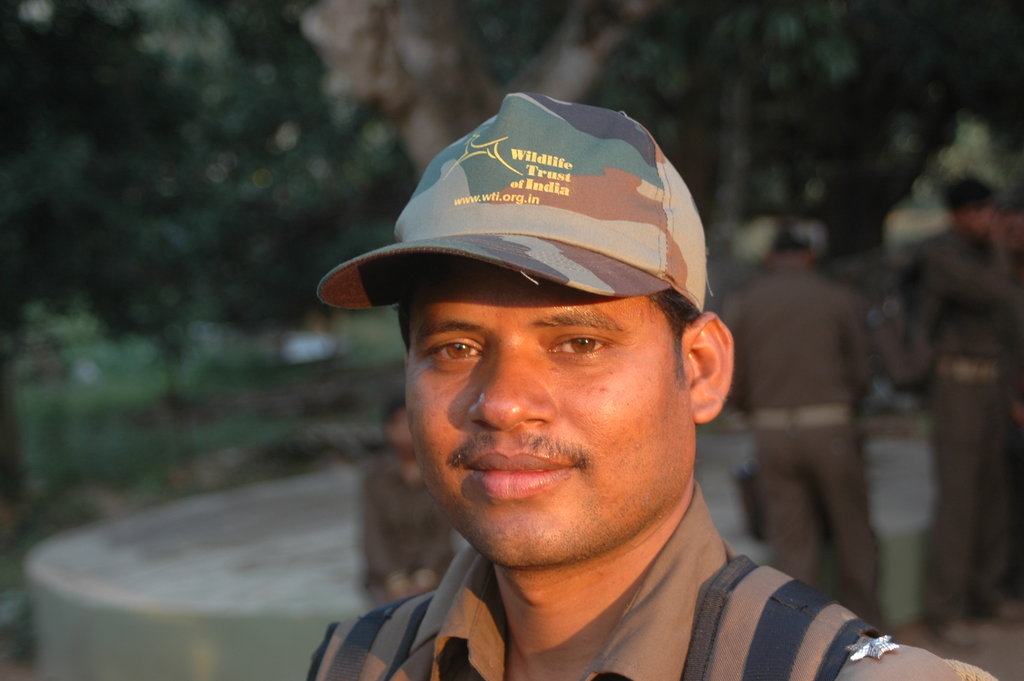
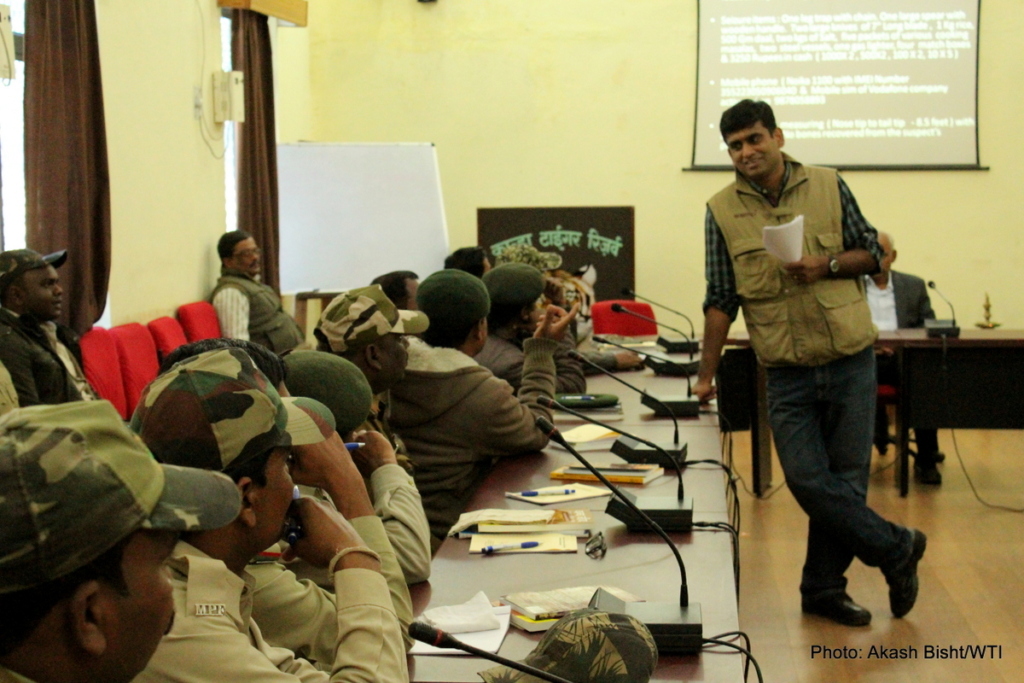
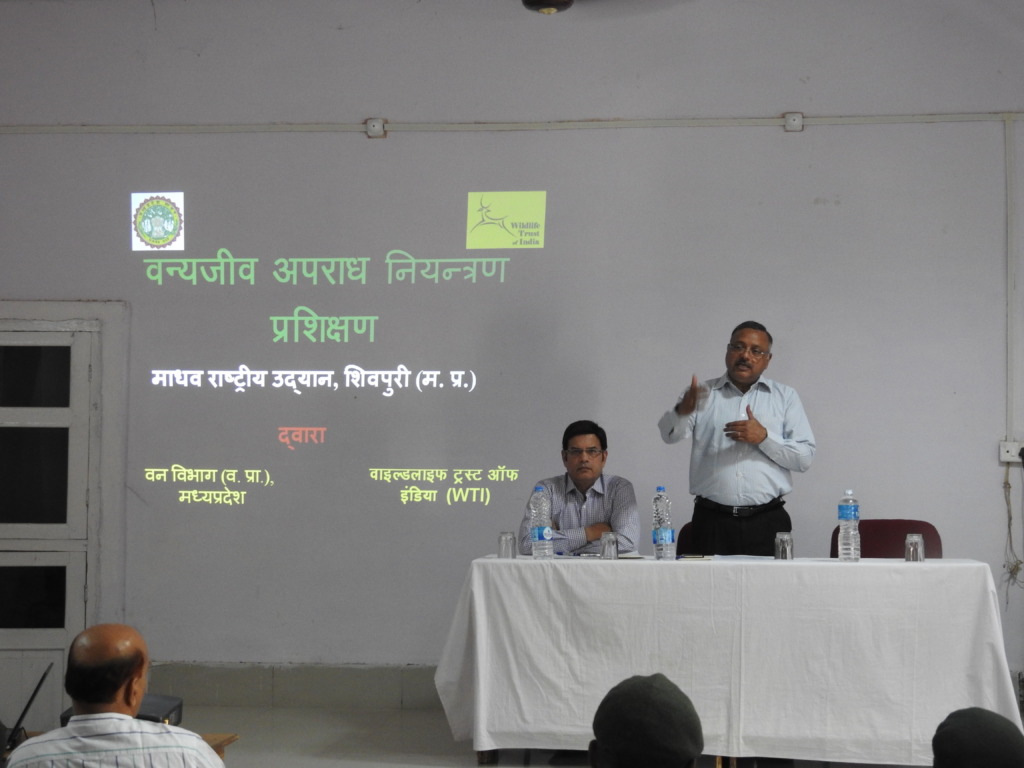
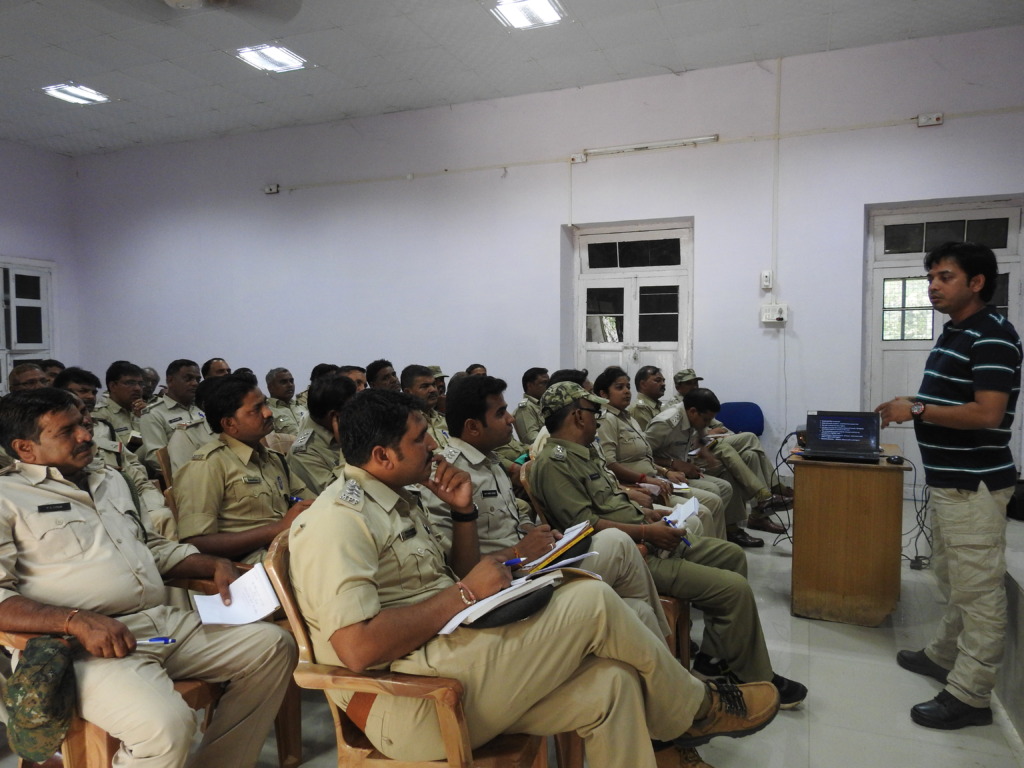
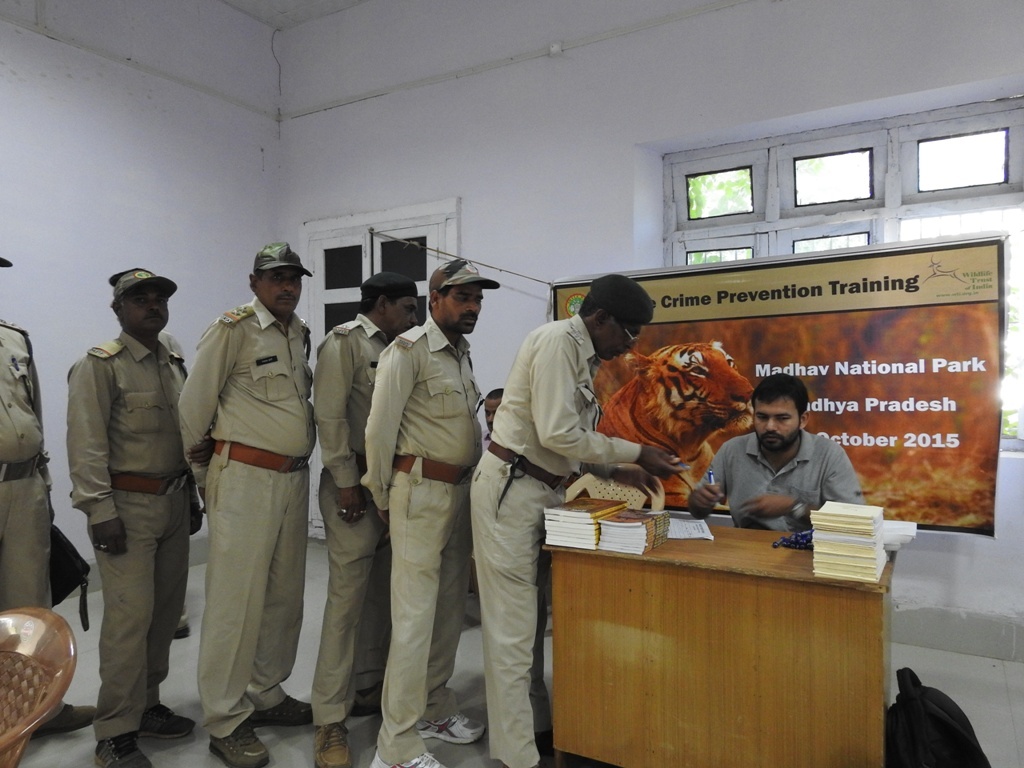
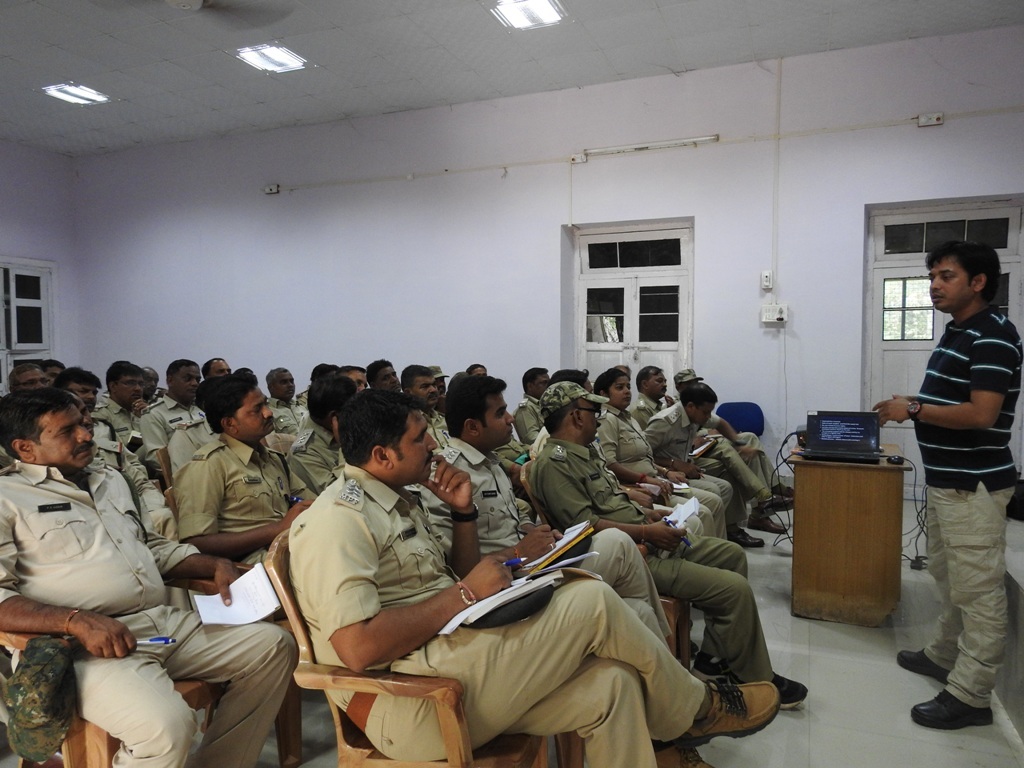
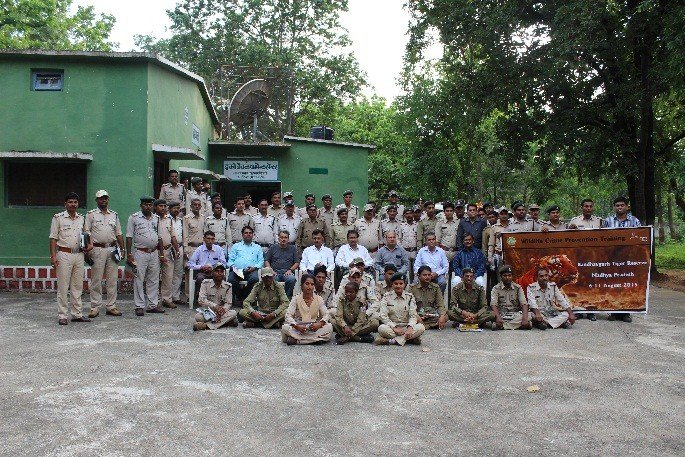
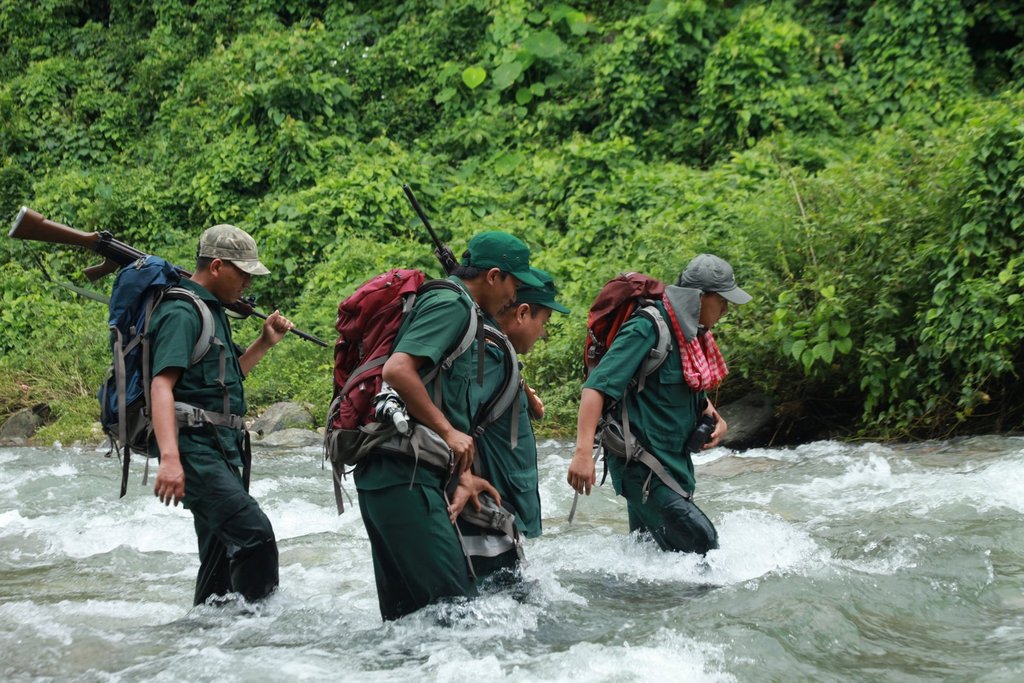
Wildlife Trust of India (WTI) team along with Madhya Pradesh Forest Department organised Wildlife Crime Prevention training at Kanha Tiger Reserve from January 11 to 13' 2016- had participation of 40 forest staff from Balaghat and Jabalpur forest circles.
Rajendra Singh Chauhan, a Range Officer with the South Balaghat Division in Madhya Pradesh, has been actively working with the MP Forest Department team in busting the nexus of traders and poachers who deal in pangolin scales. In November 2014, their team apprehended traders with three kilograms of pangolin scales and cash. They also arrested suspects from six different states and busted a crucial network. The investigation is ongoing and the team is pursuing 12 individuals involved in the trade of pangolin scales. Till this point, everything transpired as planned but Chauhan and his team faced a legal hassle. They were not sure whether they had to issue a transit remand or protection warrant. Unaware of other legal procedures, the team was losing hope.
“While handling such cases, one of the major drawbacks is that the Forest Department personnel are not aware of court proceedings and other details which are crucial for getting these criminals behind bars. We sometimes fail to bring the guilty to the book because of the lack of knowledge of certain sections and sub sections of the Wildlife Protection Act, 1972. We don’t know the legal procedures and despite all the hard work, we often fail in getting the right sentence for these criminals,” he said.
During the course of training, the participants were informed about various sections and sub-sections of Wild Life (Protection) Act, 1972; wildlife crimes and modus operandi of poachers; criminal procedure code; crime scene investigation; case presentation by investigation team in the court room; wildlife crime investigation and documentation; and complaint filing at court.
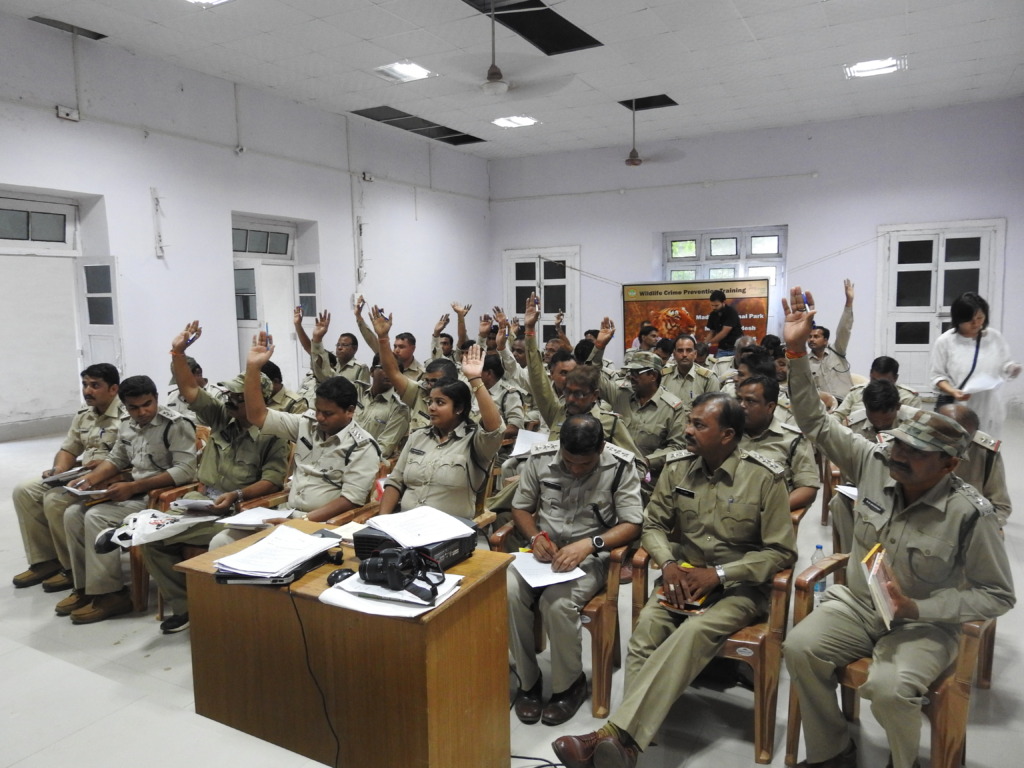
Those who represented WTI included Jose Louies, Head, Enforcement; Advocate YK Soni; Dr RP Mishra, Regional Head; and Achintya Tripathi. Interactive sessions during the course of the training saw participants enthusiastically interacting with the team and asking questions whenever in doubt. Chauhan was the one who was most active during the three day long training programme.
He added, “Such trainings help us understand that what legal procedures should be used in court to get these poachers and others the maximum sentence. When we produce these criminals in court we usually can’t answer the judges and the lawyers in legal terms. Through these trainings, we get to know about all the sections and sub-sections of Wild Life (Protection) Act, 1972, and this will help us in not repeating mistakes. This eliminates any doubts that we have about legal proceedings,” he added. He went on to say that sometimes the forest staff takes a backseat because they think that they could end up becoming the guilty party. “These trainings benefit us and empower us.”
His views were echoed by others who believed that trainings like these would go a long way in empowering the forest staff that is unaware of their powers. The training module also had a practical session on crime scene investigation wherein everyone participated with great enthusiasm.
The fresher training was followed by two day refresher training which saw participation of 36 frontline forest staff. The training was held from January 15 to 16, 2016.
JS Chauhan, Field Director, Kanha Tiger Reserve, while addressing the participants said, “You need to practice this on a day to day basis otherwise it will be of no use. The whole idea of this training is to help you in investigation, protection and if needed conviction. And in future the effects of this training should reflect in that. Trainings keep happening but this training has different significance. Your way of working will get refined by this training and I hope that everyone will learn something new from here and implement it in their day to day activities.”
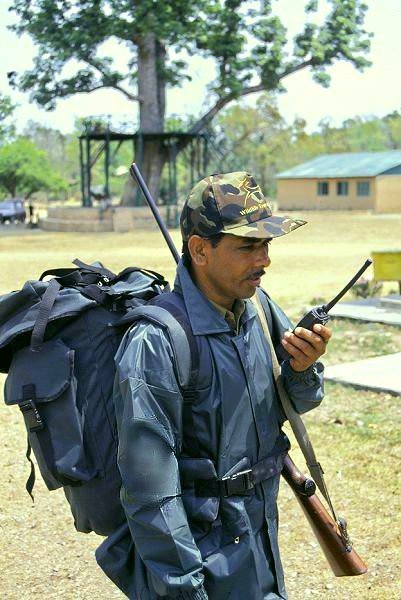
In a bid to equip and strengthen the frontline forest staff of the country, WTI has been conducting Wildlife Crime Prevention Training Programme under the VRP since 2001. VRP follows a multi-pronged strategy with four thrust areas abbreviated as TEAM: Training, Equipping, Awareness and Morale Boosting, to broadly facilitate capacity building and strengthen spirits of personnel in tough field circumstances. “Training in Madhya Pradesh for frontline field staff of territorial and Forest Development Corporation divisions along with the staff posted in National Parks and Wildlife Sanctuaries is just another step in making our forests safer for wildlife," said Suresh Chand, Senior Advisor, VRP, WTI.
By Achintya Tripathi | Project Officer
By Achintya Tripathi | Technical Officer
Project reports on GlobalGiving are posted directly to globalgiving.org by Project Leaders as they are completed, generally every 3-4 months. To protect the integrity of these documents, GlobalGiving does not alter them; therefore you may find some language or formatting issues.
If you donate to this project or have donated to this project, you can receive an email when this project posts a report. You can also subscribe for reports without donating.



Support this important cause by creating a personalized fundraising page.
Start a Fundraiser