By Avrodita Chakladar | Project Leader
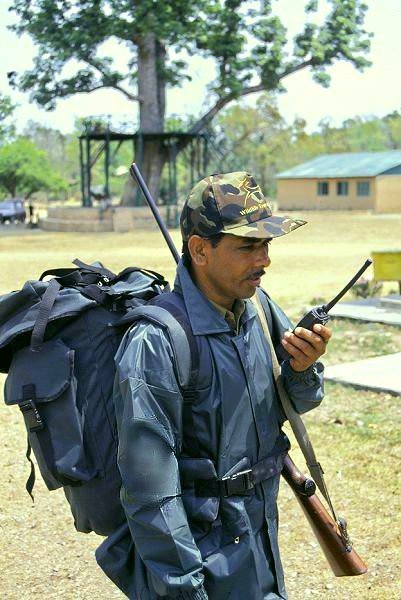
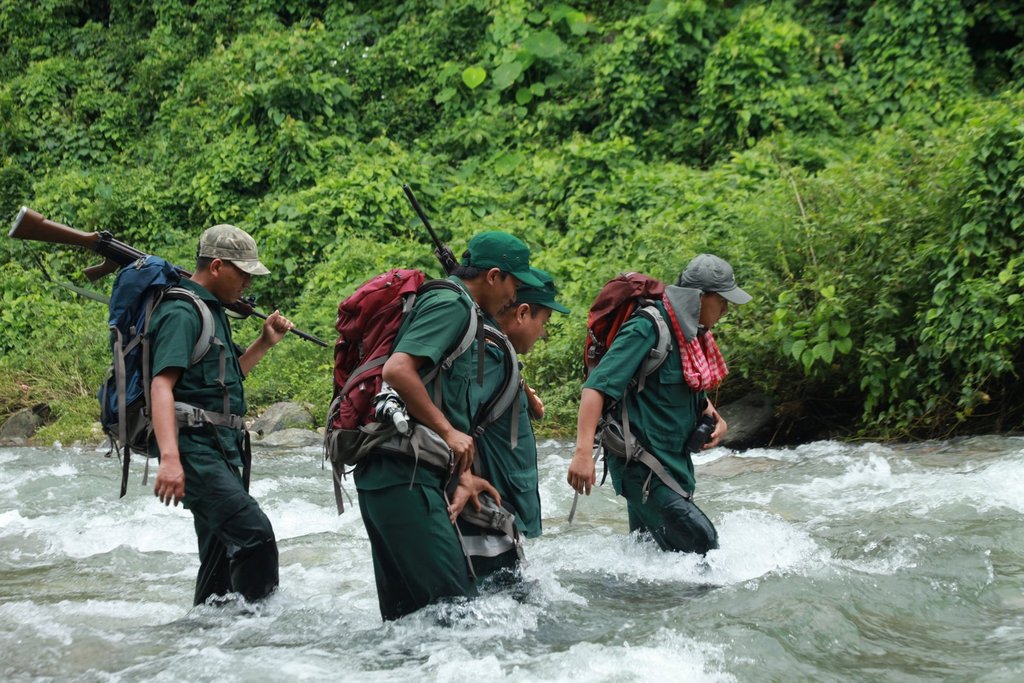
Eaglenest Wildlife Sanctuary, one of the pristine forests of the Himalayas foothills is located in West Kameng district, Arunachal. The dense canopies are one of the top ranked birding spots with over 500 different species of birds. Besides winged beauties such as the Bugun liocichla, Ward’s trogon, red-headed trogon, wren babblers and flycatchers Eaglenest is home to mammals like the shy red pandas, golden cats, leopard cats, Arunachal Macaque etc. Over 32 species of snakes have also been recorded till date. The Darjeeling false wolf snake (Dinodongammiei) was recorded in this Protected Area after a gap of 80 years. Over Ten snake species that had never been photographed in India before, were first seen in Eaglenest. The Undue credit for protecting suchrich biodiversity against threats like illegal logging and poaching activities,goes to the determination of EaglenestForest Department and its staff.
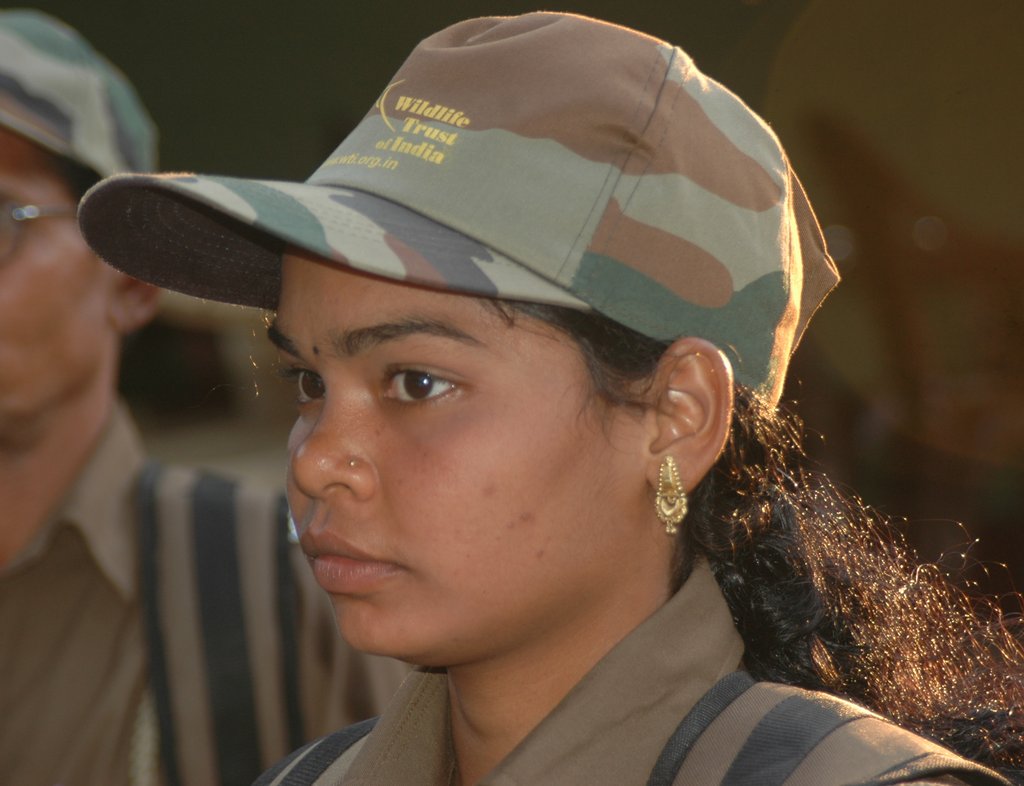
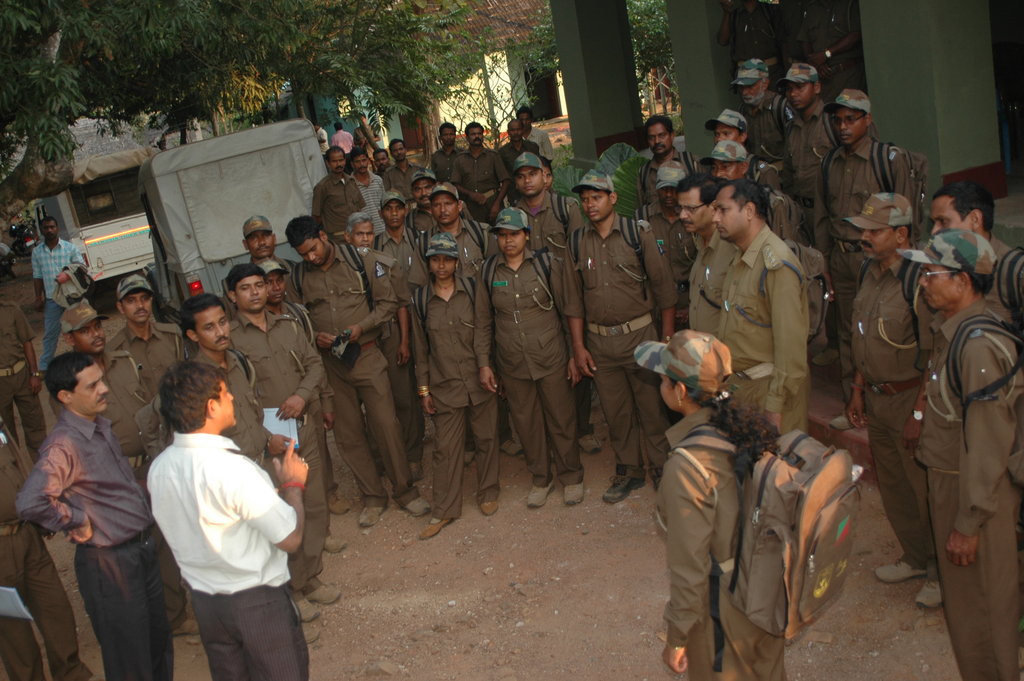
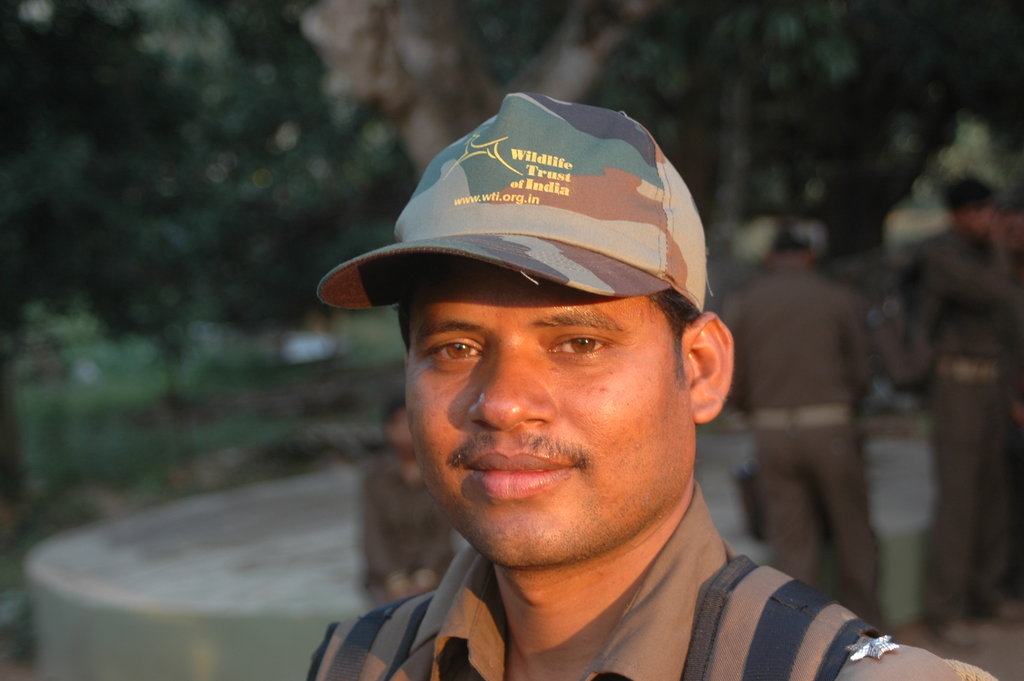
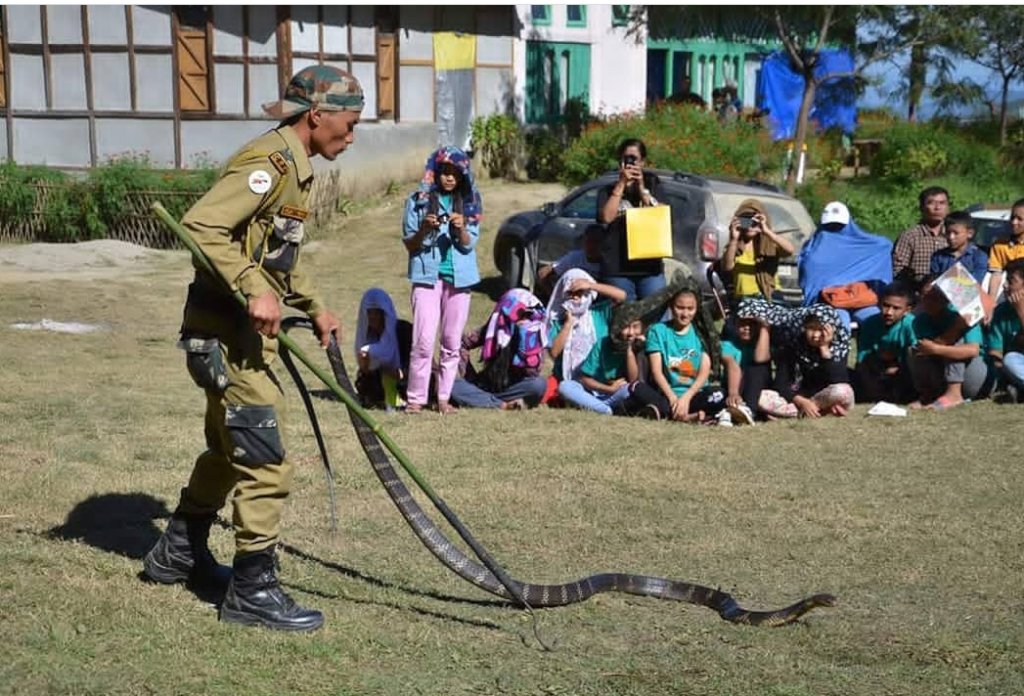
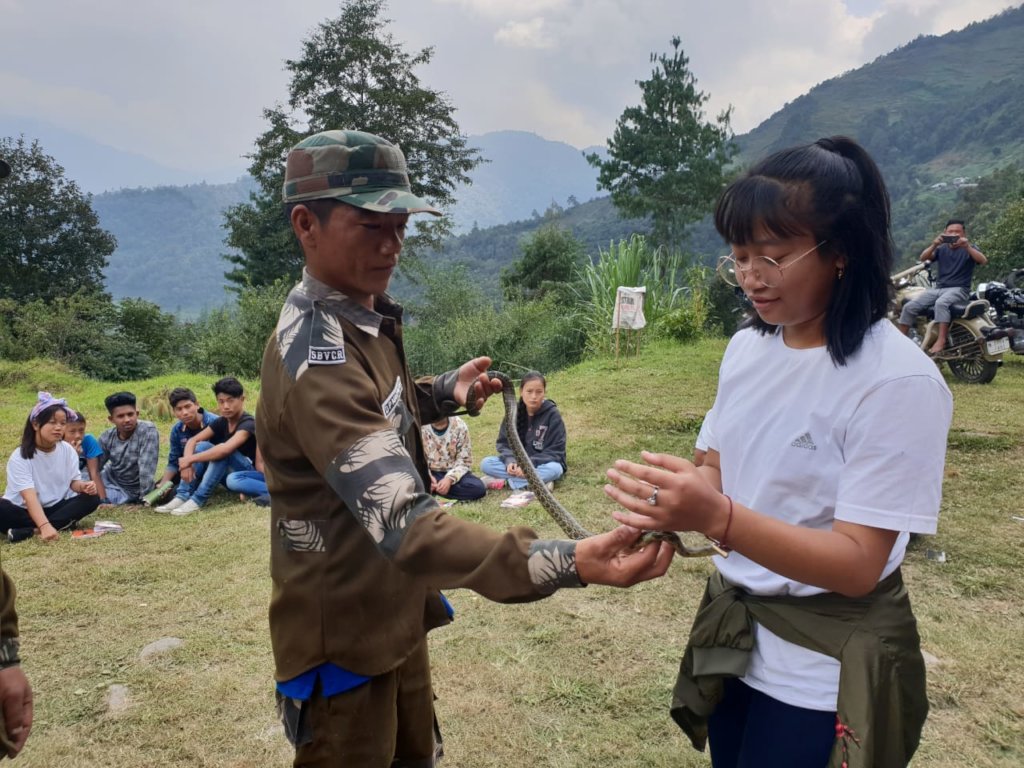
However, this comes with a price. Unfortunately, every year a number of forest guards and local people get affected by snake bites. The lack of awareness and training makes snake encounters an arduous task. The fear also leads to killing a number of snakes irrespective of the species being venomous or non-venomous. To evade this issue, Wildlife Trust of India assisted the forest department in organising an intensive snake handling workshop. The workshop included presentations and demonstrations on precautionary measures, first aid skills, quiz and presentations. The forest staff in turn also conducted a workshop for the students and villagers to spread awareness on snakes and their significance. The programme included skits, quiz competitions and snake handling techniques. The forest department shared helpline numbers to the community in case of emergencies.
The workshop has proved to extremely useful for the forest department staff as the they have started receiving rescue calls and eight snakes have been successfully rescued and released back into the wild. The snakes included two King Cobras (Ophiophagus hannah), Four Monocled cobras (Naja kaouthia) and Two Eastern Trinkets (Elaphe cantoris).
Links:
Project reports on GlobalGiving are posted directly to globalgiving.org by Project Leaders as they are completed, generally every 3-4 months. To protect the integrity of these documents, GlobalGiving does not alter them; therefore you may find some language or formatting issues.
If you donate to this project or have donated to this project, you can receive an email when this project posts a report. You can also subscribe for reports without donating.



Support this important cause by creating a personalized fundraising page.
Start a Fundraiser