By Snehaa Sundaram | Project Leader
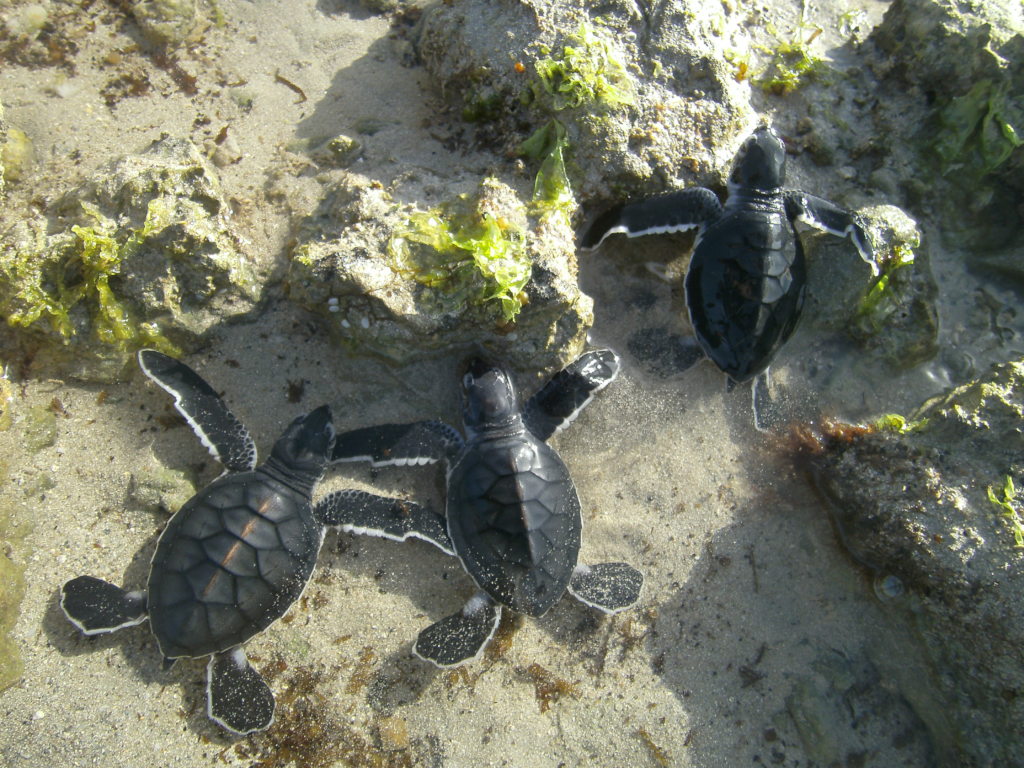
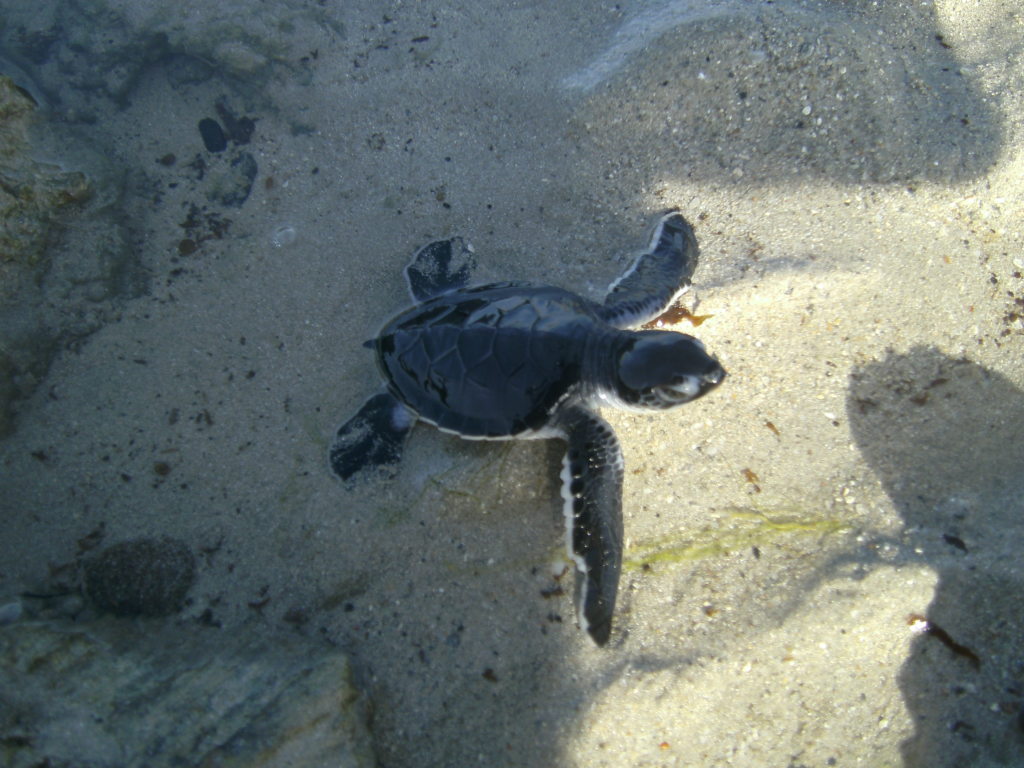
India has one of the most diverse chelonian faunas in the world, with 28 species of tortoises and freshwater turtles. It ranks among the top five Asian countries in regards to the importance of its turtle conservation efforts. However, over 40% of Indian turtles are listed as either Endangered or Critically Endangered on the IUCN Red List. A rapidly expanding human population, coupled with increasing exploitation of the area’s watersheds, demand for its meat in Traditional Chinese Medicine and as pets poses a significant threat to all riverine species, including turtles. Such threats are a cause of worry for the survival of several turtle species, particularly those whose ranges are small. In recent times, records show a surge in illegal trade and poaching of turtles and tortoises. It is often considered as serious as tiger poaching, given its organized nature and traditional practices. Exploitation of turtles and tortoises vastly occurs particularly in the riverine and scrublands, much of which are not under Protected Area status. It is therefore important to accord protection and curb the illegal trade to the species in such sites.
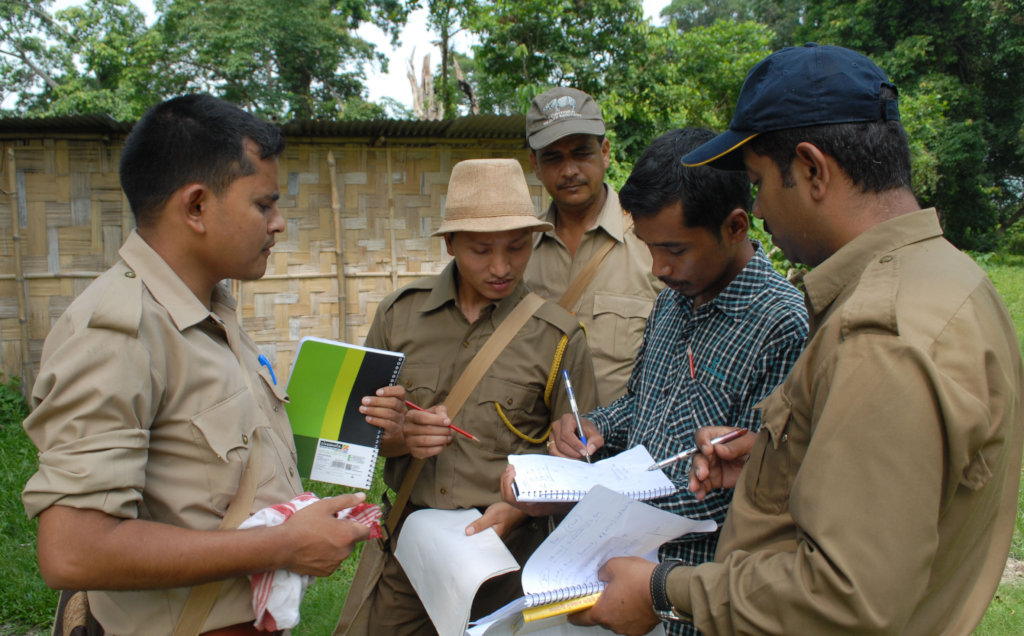
In India, the flood plains of Ganges, support a great diversity of aquatic turtles. The state of Uttar Pradesh especially is home to 14 of the 28 turtle species considered endangered in India and is also the biggest hub of illegal turtle and tortoise smuggling in the country. Species such as Red Crowned Roofed turtle (Batagur kachuga), Indian Softshell Turtle (Nilssonia gangetica), Indian Narrow-headed softshell turtle (Chitra indica), Spotted Pond turtle (Geoclemys hamiltonii), Indian Flapshell Turtle (Lissemys punctata) are often seized from different parts of the states. Though the state forest department have taken proactive measures in curbing this threat and have succeeded in foiling many attempts of poaching and illegal trading, the traders are finding newer alternatives and trade routes to counter the conservation efforts. It thus becomes imperative that the state frontline forest staff are equipped and are aptly trained to enhance surveillance.
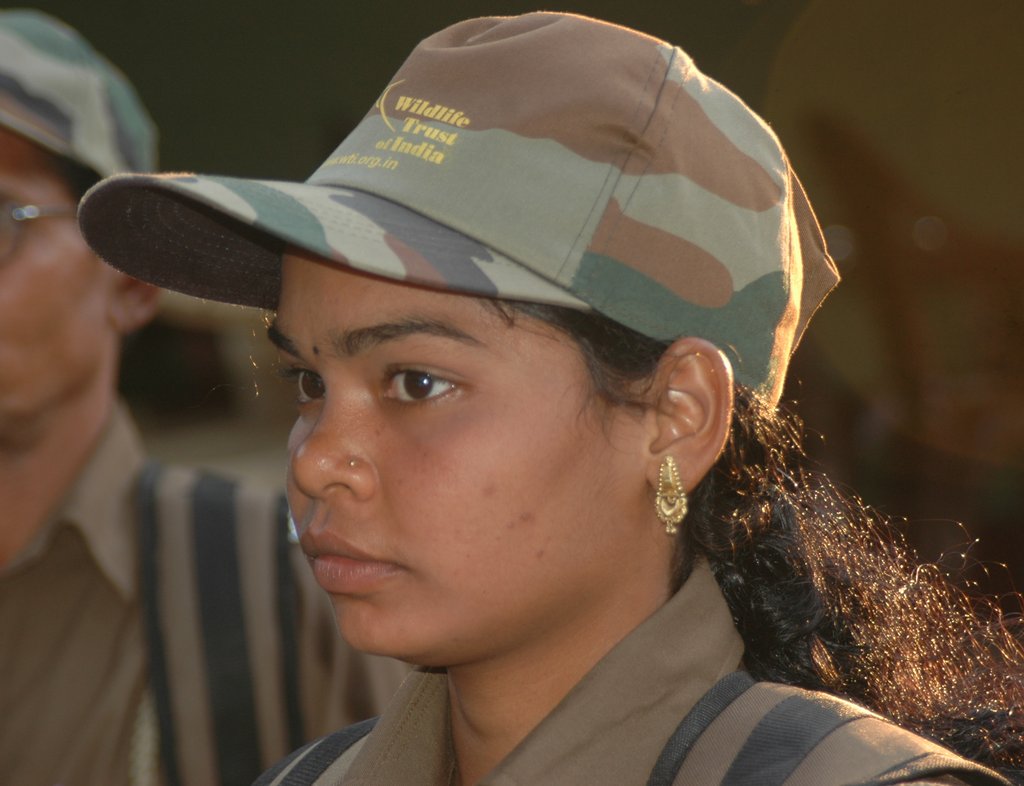
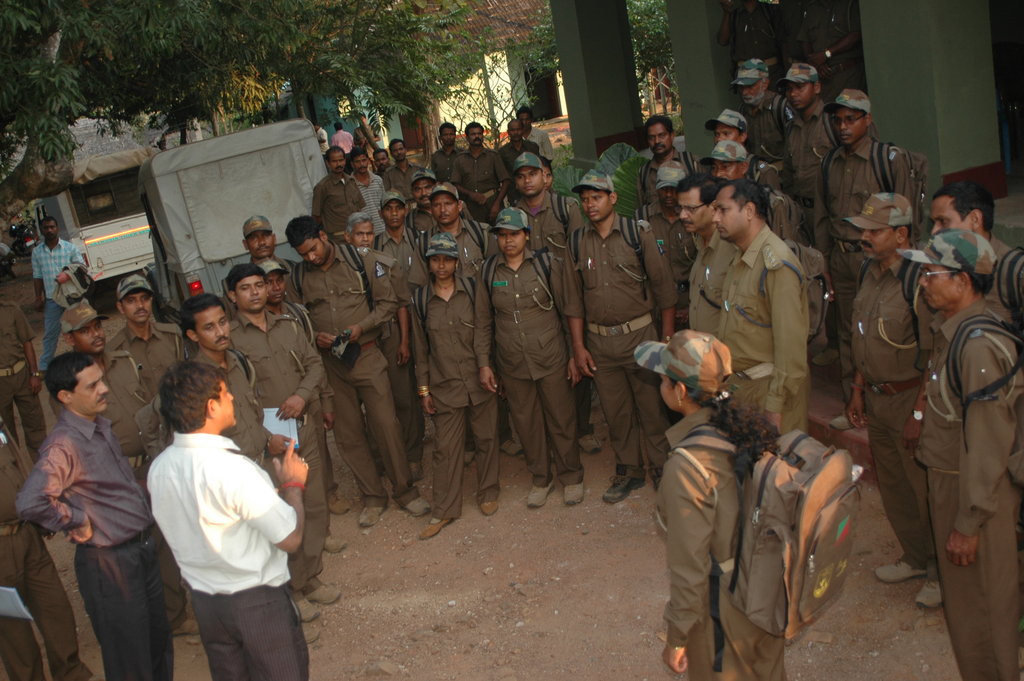
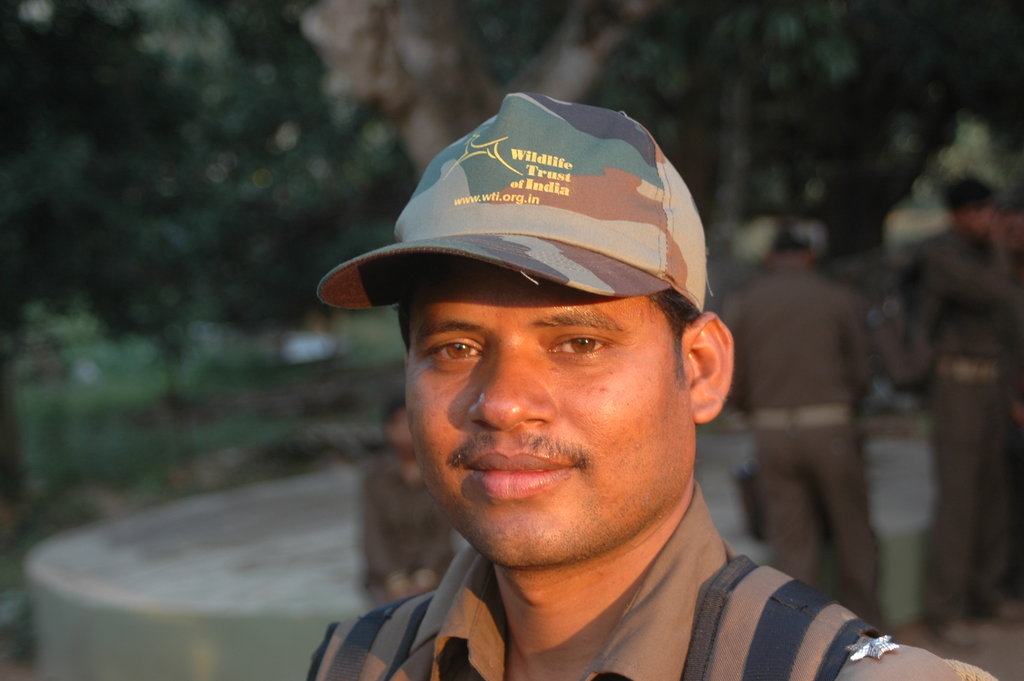
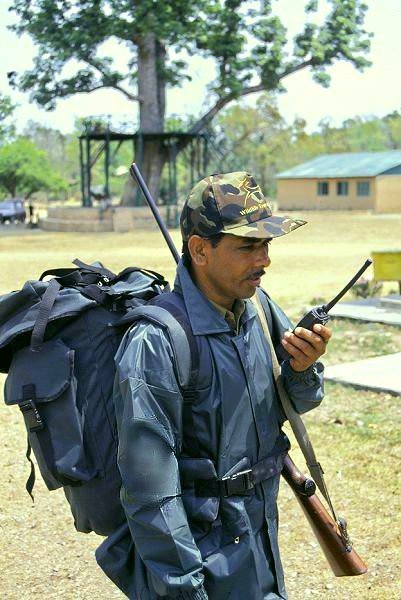
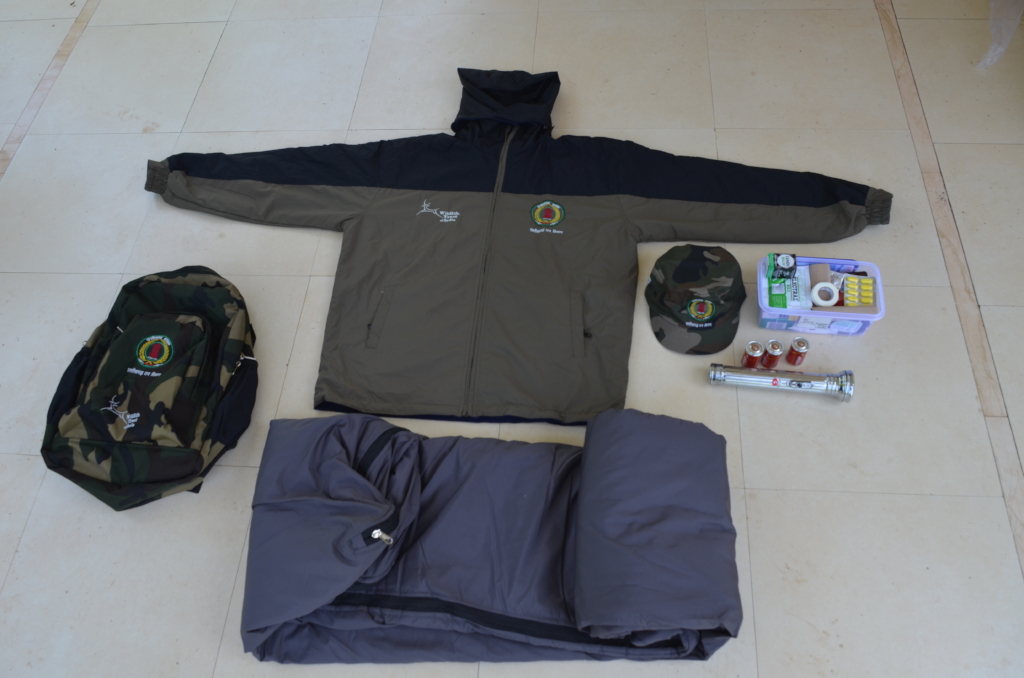
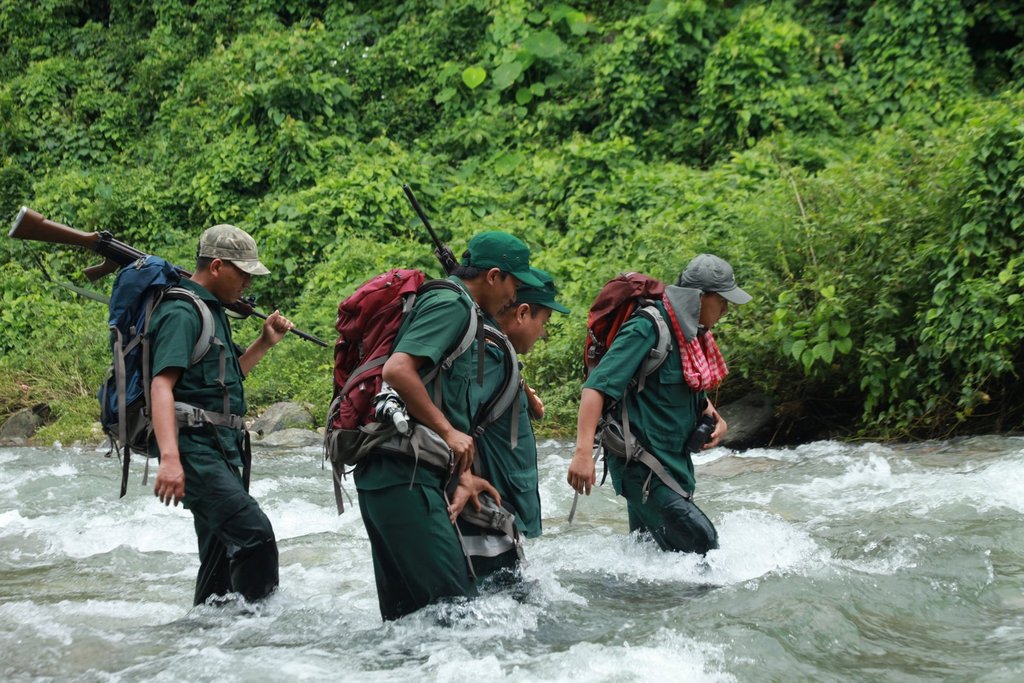
If one looks closely at the trends, it can be inferred that the illegal trade of turtle and tortoise species especially sees a surge in winter months. Traders often transport large consignments of the species in wintery nights, due to the ease with which such vast numbers (often numbering in the thousands) can be transported without detection. A need assessment was carried out where the forest staff suggested that in the absence of good winter jackets, their patrolling efficiency declines which makes it easy for the poachers to bypass security measures. Therefore, to address this urgent and critical need WTI along with TSA will be providing around 70 shortlisted frontline forest staff of Chambal Sanctuary (Select individuals who work in the field regularly and patrol key areas of illegal turtle activity) with good quality winter jackets. Along with providing equipments, emphasis will also be given to provide specific trainings focusing on identification skills and Indian and International protection statuses of turtles.
Across India, WTI works closely with several state forest departments and assist them in equipping their frontline forest staff with good quality field gears and other equipment needs. Such aid goes a long way in not only tackling the wildlife emergency but also boost morale among the field staff. Continued support from donors like you, enable us to reach out to many other state forest departments. We are extremely thankful to GlobalGiving for helping us reach out to individuals like you who have been a pillar of strength in our wild endeavour.
Project reports on GlobalGiving are posted directly to globalgiving.org by Project Leaders as they are completed, generally every 3-4 months. To protect the integrity of these documents, GlobalGiving does not alter them; therefore you may find some language or formatting issues.
If you donate to this project or have donated to this project, you can receive an email when this project posts a report. You can also subscribe for reports without donating.



Support this important cause by creating a personalized fundraising page.
Start a Fundraiser