By Monica Verma | Project Leader
Greeting to you from Wildlife Trust of India,
Hope you are doing well!
This email comprises an update for our project ‘Equip Forest Guards to Protect Wildlife in India’. Along the updates, we send to you our heartfelt gratitude for your generosity and for your trust in the work we do to protect our country’s wild animal population. It is through such acts of kindness that we are able to implement our conservation initiatives and work towards our vision of a secure natural heritage of India.
Kazinag National Park is located on the north bank of Jhelum River, close to the Line of Control between India and Pakistan in the Baramulla district of Jammu and Kashmir. Since the last four months, human-leopard conflict in the region has taken to alarming proportions. In the outskirts of Kazinag National Park, 5 children have been attacked and over 50 sheep killed by leopards. Human-wildlife conflict is not a new phenomenon, but it has certainly escalated in the past few years in Jammu and Kashmir. Rapid urbanisation and deforestation are the primary reasons for the rise in negative interactions. As the leopard habitat is being rapidly encroached upon for human requirements, the animals are left with no option but to turn to human settlements for food.
Understandably, the repeated attacks were causing fear and anger in the local community. To keep the locals safe and also to prevent any retaliatory killing of leopards by the enraged people, the forest department mobilised 6 teams to mitigate and manage the conflict situation.
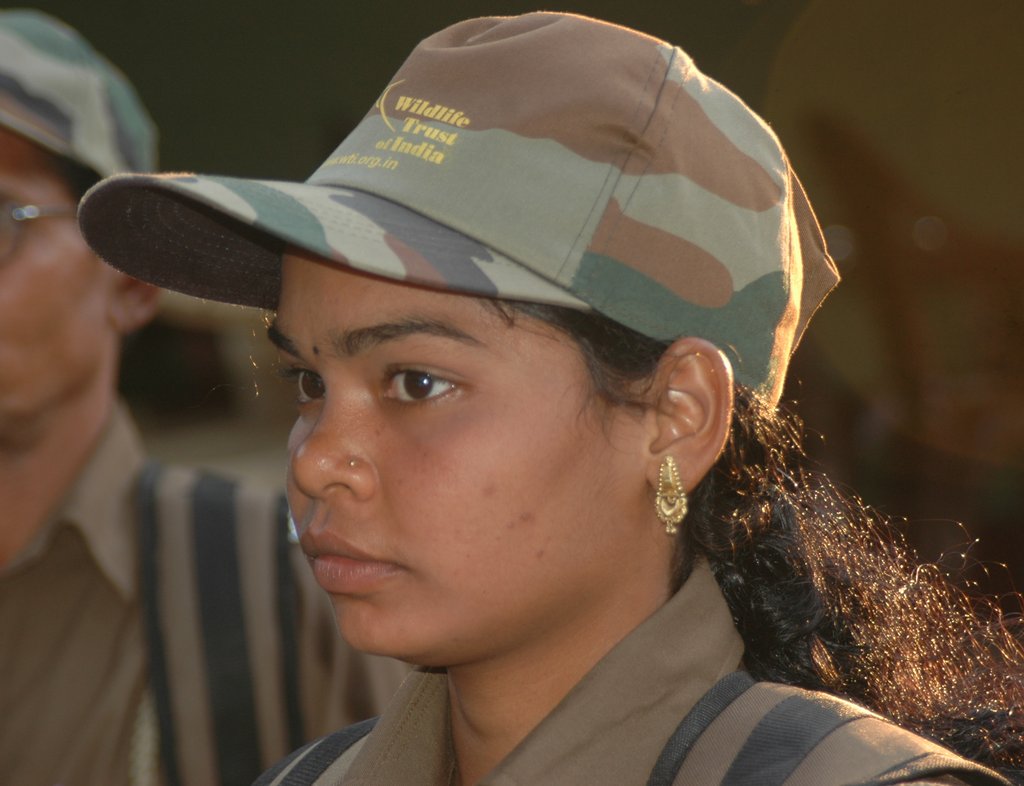
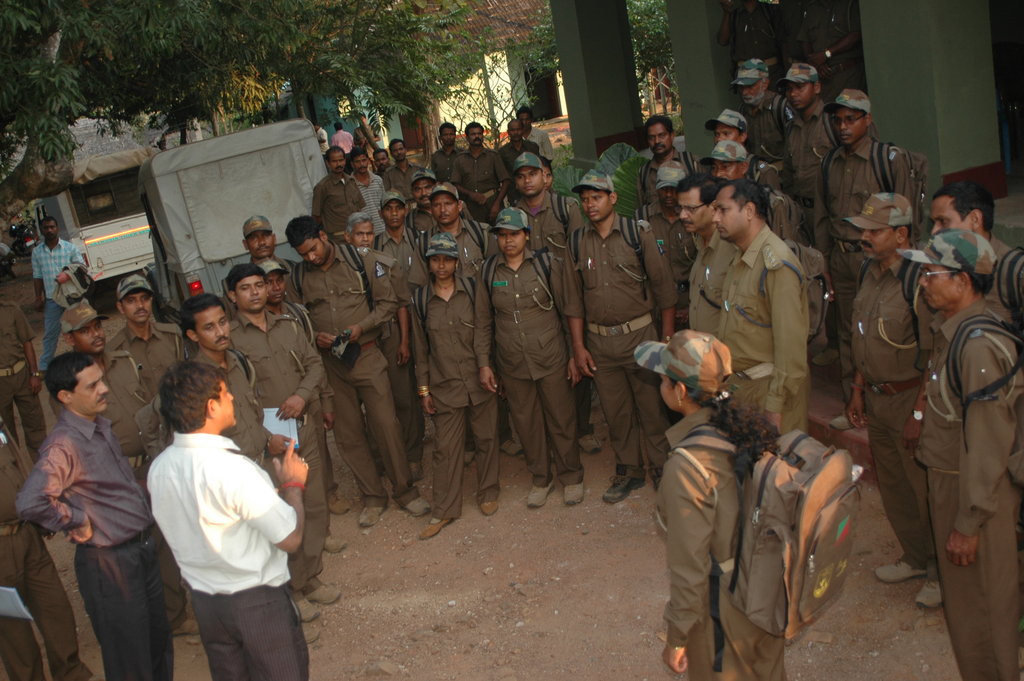
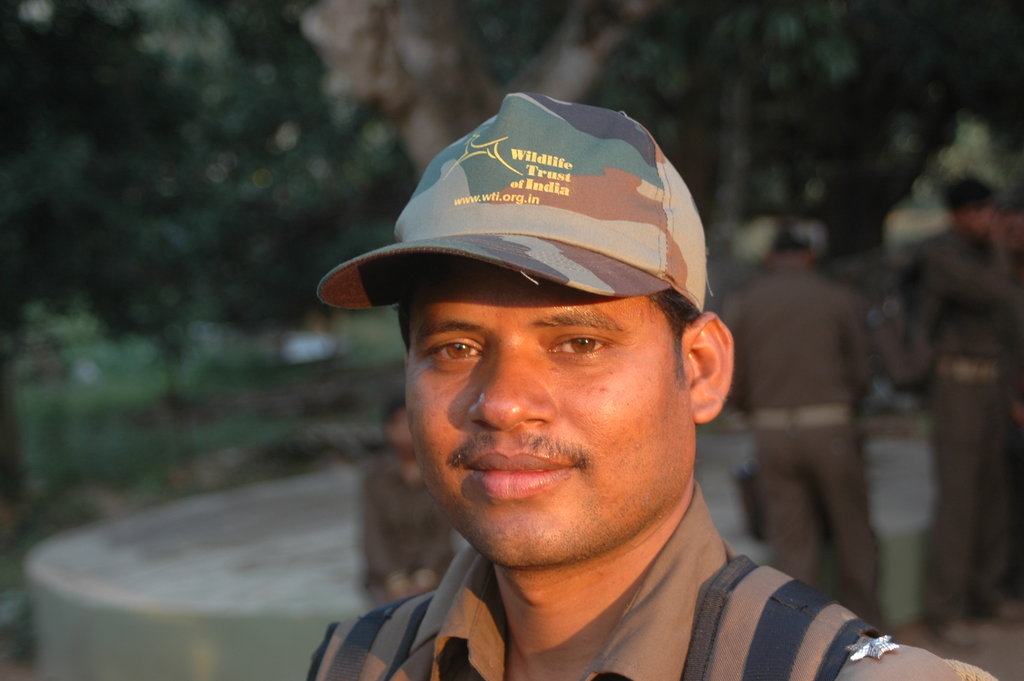
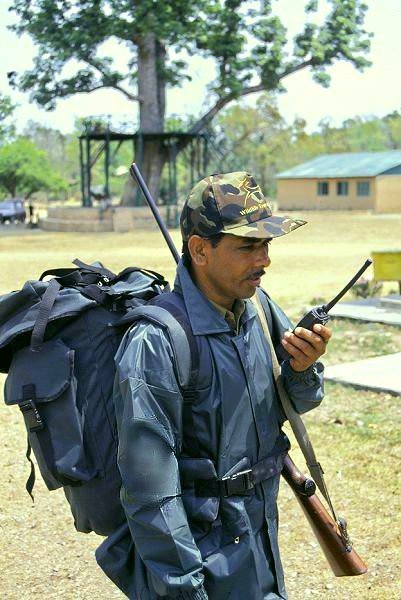
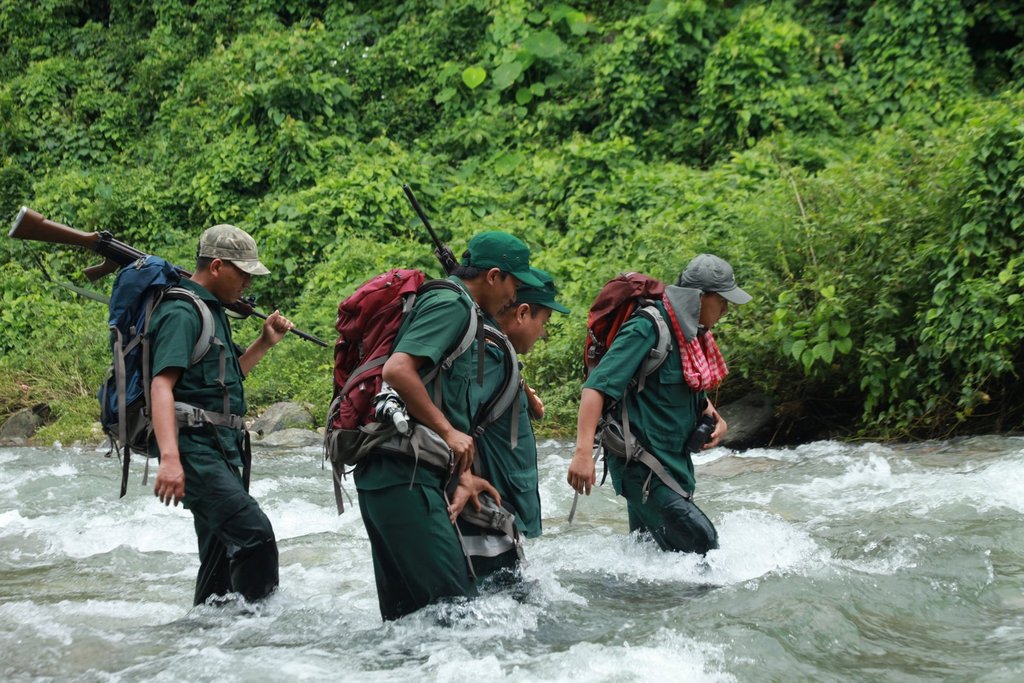
While the monitoring teams had equipment for the capture and relocation of conflict leopards, they lacked basic field gear. For support, the Forest Department approached WTI and a Rapid Action Project was initiated to provide the monitoring teams with camera traps, torches, high altitude tents and sleeping bags. All six teams have been stationed in high-conflict areas. They have been actively keeping track of leopard movement and preventing leopards from entering into the villages.
Although the solutions are short-term, we believe, these are critical to save lives, of both humans and leopards. As the tussle for space between humans and wildlife increases, these measures prove very effective in mitigating conflict and promoting co-existence. While we continue to identify the gaps and equip the frontline forest staff of India, we once again thank you for funding the initiative.
Warm regards,
Team WTI
Project reports on GlobalGiving are posted directly to globalgiving.org by Project Leaders as they are completed, generally every 3-4 months. To protect the integrity of these documents, GlobalGiving does not alter them; therefore you may find some language or formatting issues.
If you donate to this project or have donated to this project, you can receive an email when this project posts a report. You can also subscribe for reports without donating.



Support this important cause by creating a personalized fundraising page.
Start a Fundraiser