By Jo B | Senior Fundraising Executive
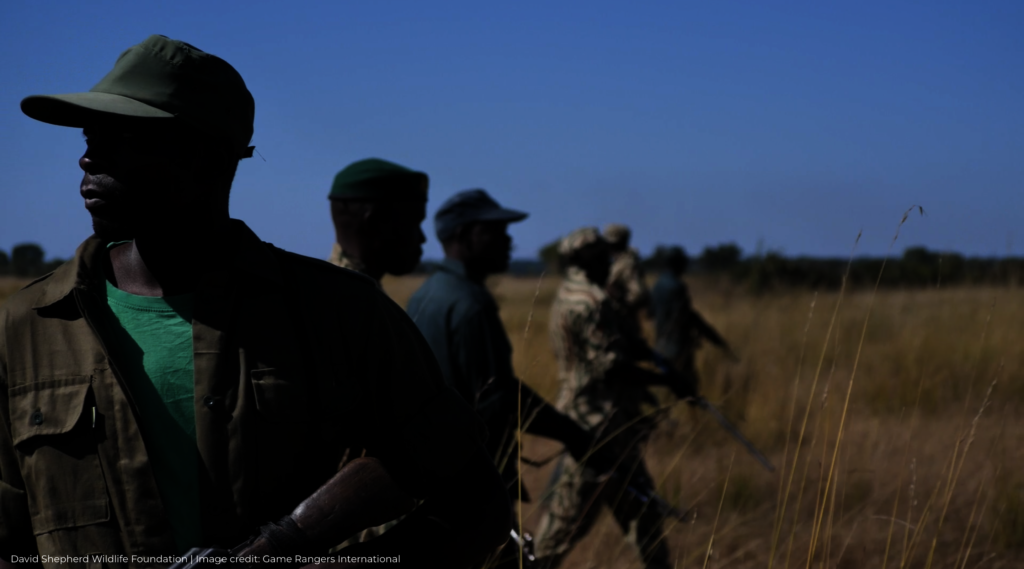
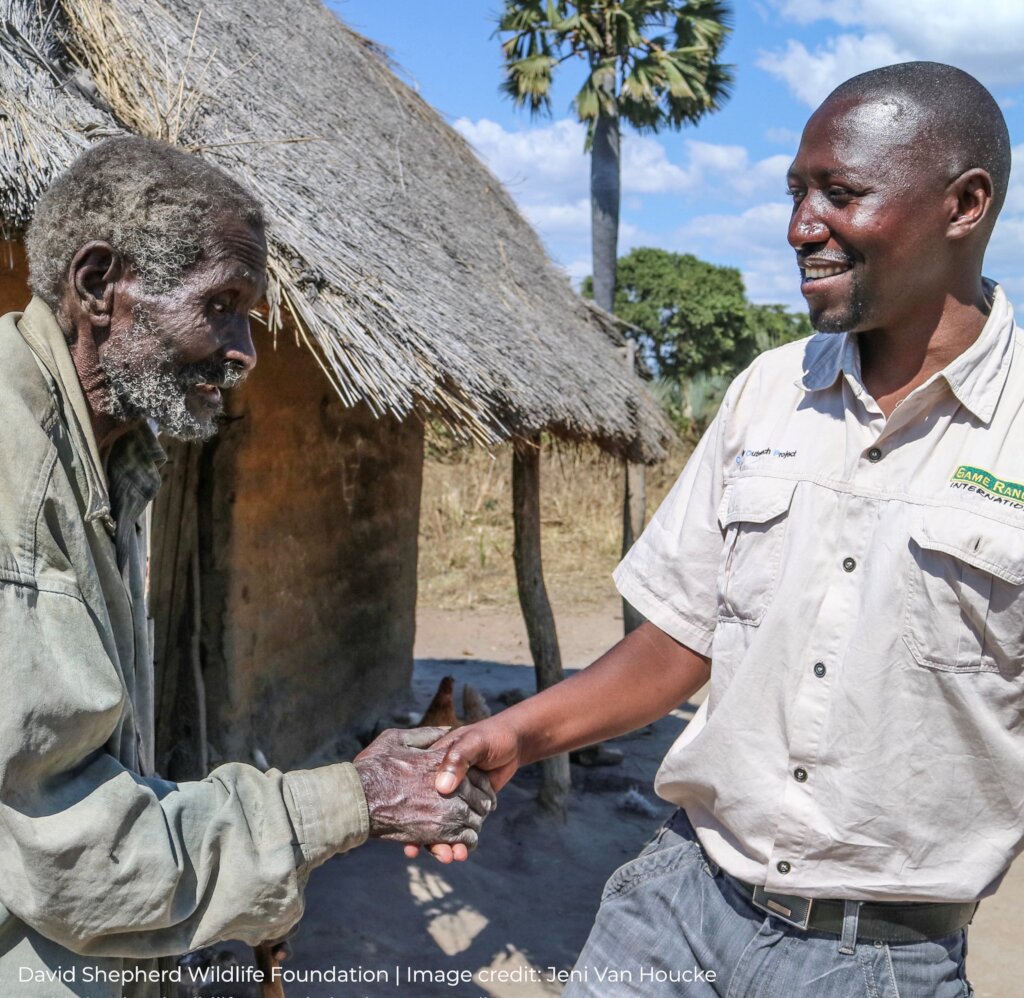
Over the past few months, the ranger patrol teams in Zambia’s Kafue National Park and surrounding game management areas, have covered over 4,000km a month via foot, vehicle, and boat patrols. During that time, the patrol teams recovered 18kg of bushmeat and 7 firearms with ammunition – and apprehended 11 poachers. The Aerial Support Unit in Zambia has flown more than 100 hours, co-ordinating with operations at ground level on both land and water. These actions have led to the arrest of several poachers and illegal fishermen. The “eyes in the sky” capability has enabled previous illegal camps to be spotted, and ground teams can follow up on the given coordinates. The aircraft has also been used to support the Wildlife Rescue Programme to ensure the safety of the elephants.
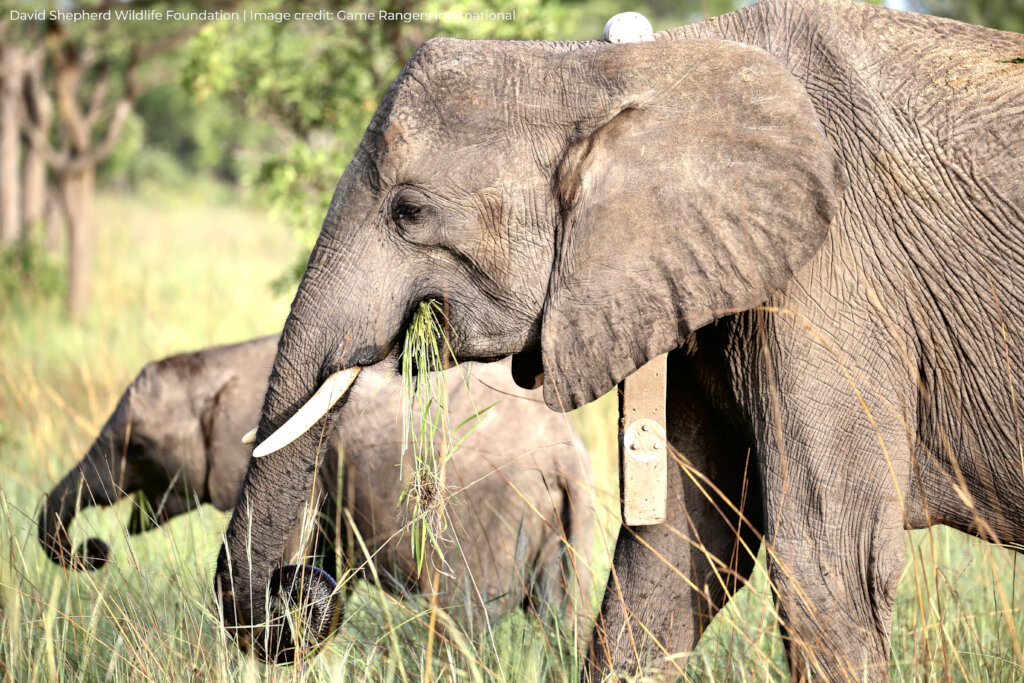
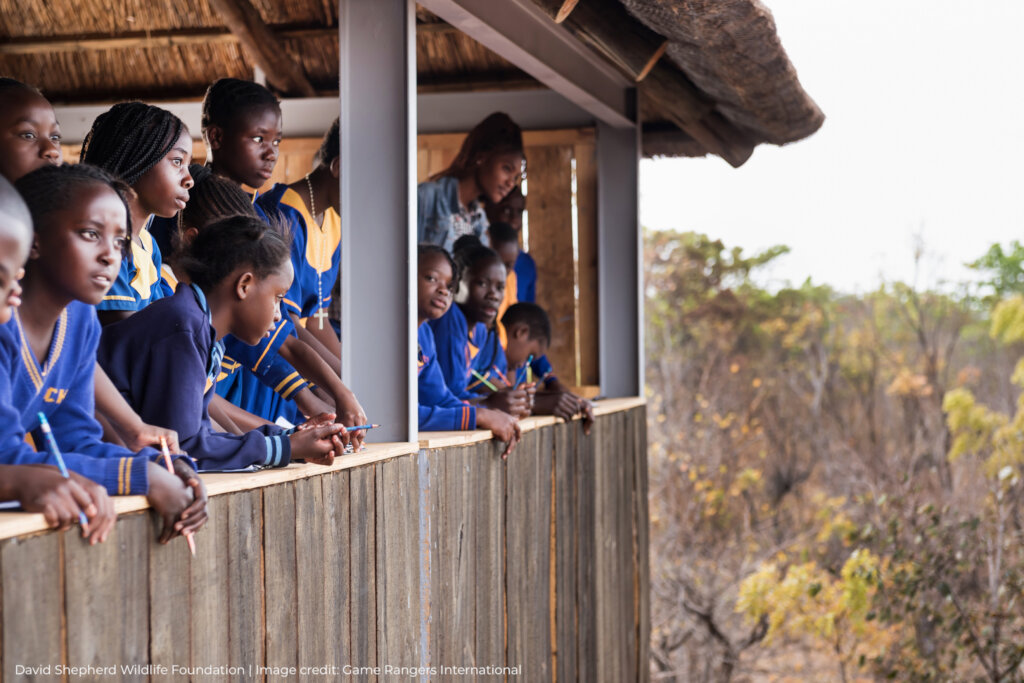
In the past few months, communities living adjacent to the National Park reported a total of 14 incidences of elephant crop raiding on their farms. The ranger team were quick to respond and were successful in keeping both people and elephants safe. Rangers have been deployed to patrol the boundaries in game management areas between the National Park and communities, to prevent the elephants from encroaching further. Elephants fitted with GPS collars trigger geofence alerts when they cross the boundary, which immediately forewarns the ranger team, enabling them to respond to the elephant presence and guide them back to a safe area.
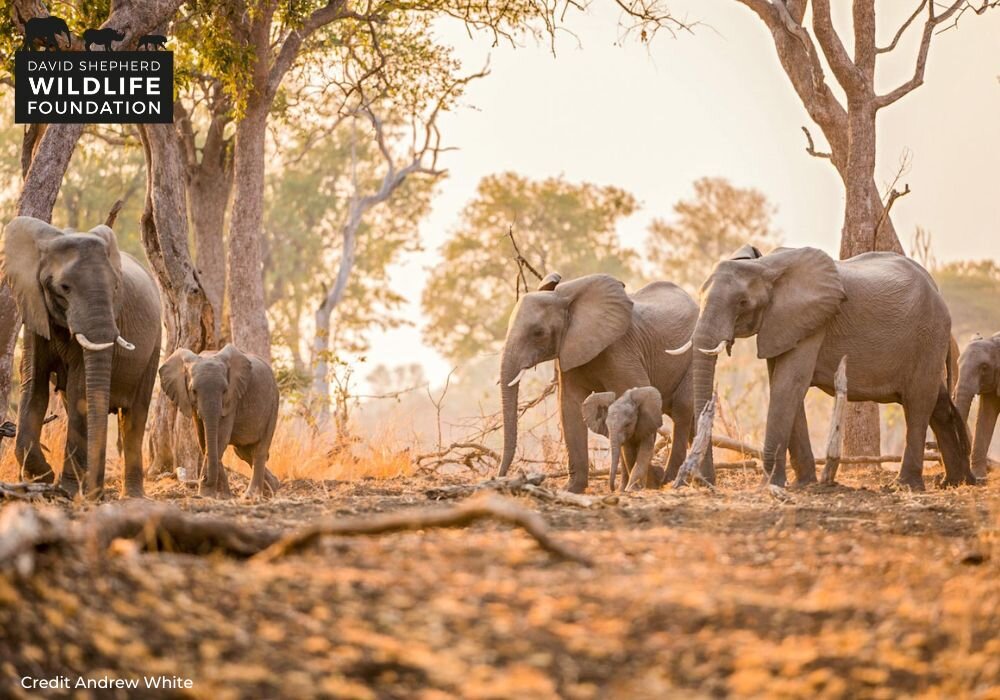
A significant strategy in keeping eyes on the elephants once they are released from the reintroduction programme, is through satellite collar technology. However, in nearly all orphan collaring operations to date, the orphaned elephants collared were still part of the release facility herd and usually returned to the boma each night. This provided a very controlled and safe opportunity to sedate the elephants for collar implementation. Now, for the first time in our history, we have a released orphan matriarch in the wild (Chamilandu) alongside her herd of released orphans who now move freely in Kafue National Park together, completely independent of the release facility. Therefore, the collaring of this herd marks a momentous occasion as the team has successfully fitted GPS satellite collars across the herd in the wild, treating them the same as any other wild elephants!
Read more on this story on our blog: https://davidshepherd.org/news-events-insights/news/collaring-of-chamilandus-herd/
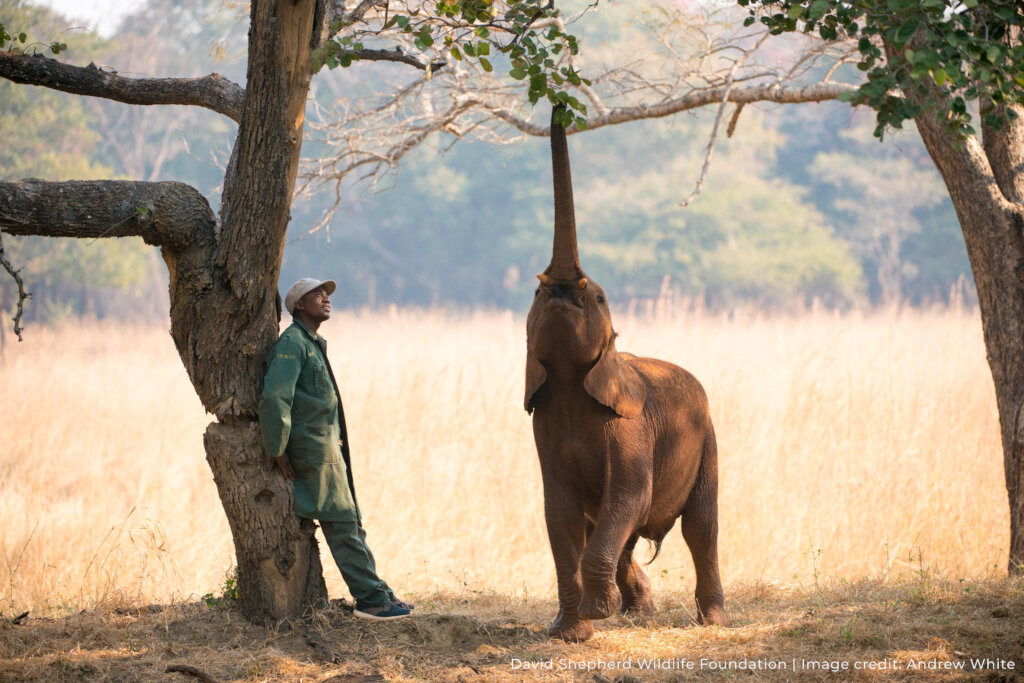
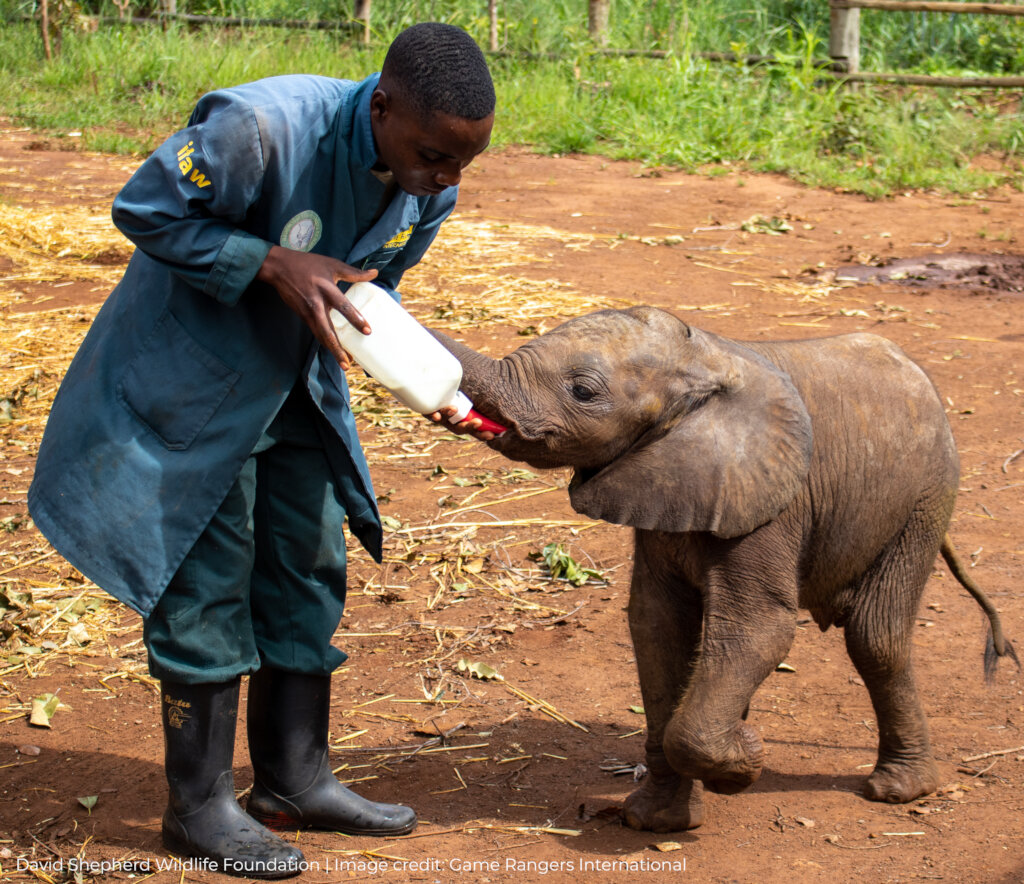
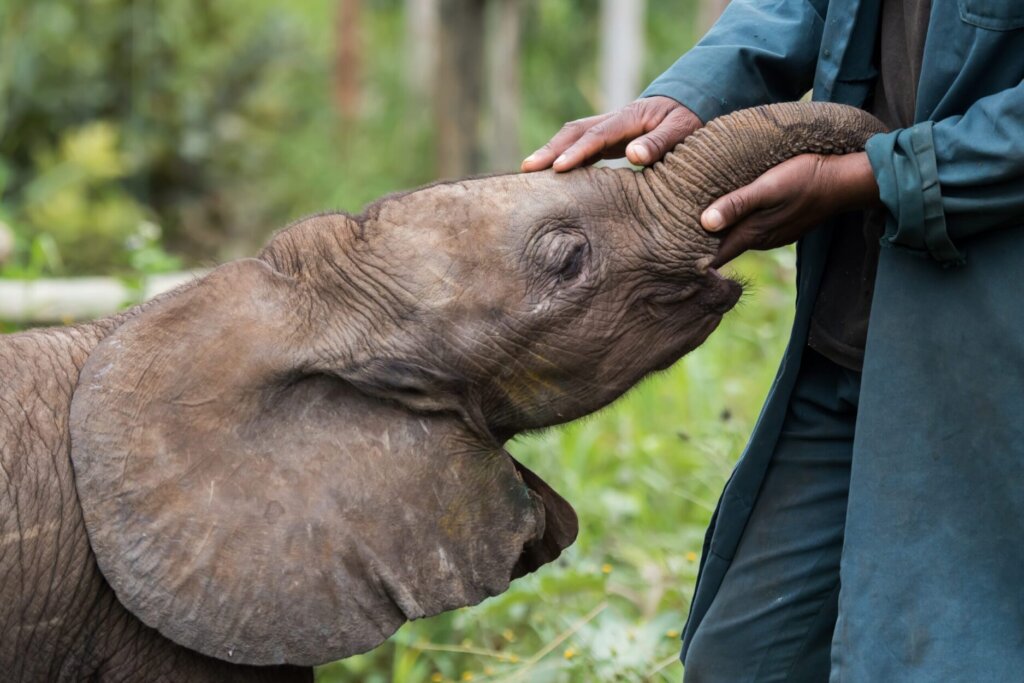
At the start of the year, we shared the touching rescue story of Mataya and have been following his recovery since – from joining the orphan herd for his first walking in the bush to engaging in social play with the other orphans.
Mataya has recovered well from the trauma and physical injury he sustained during the human-wildlife-conflict incident that led to his rescue. We’ve been thrilled to see Mataya’s bold personality and confidence develop over the months, thanks to the dedication and encouragement from the keepers. At six months old, Mataya is at the “peak’ age of playfulness in his development, seeking out any opportunity to engage in this vital behaviour.
We’re delighted to share this video of little Mataya joining the orphan herd at the boma at the nursery.
https://www.youtube.com/watch?v=omHu-n86epQ
Thank you for your generous support in helping us achieve these incredible outcomes for elephant conservation.
Project reports on GlobalGiving are posted directly to globalgiving.org by Project Leaders as they are completed, generally every 3-4 months. To protect the integrity of these documents, GlobalGiving does not alter them; therefore you may find some language or formatting issues.
If you donate to this project or have donated to this project, you can receive an email when this project posts a report. You can also subscribe for reports without donating.



Support this important cause by creating a personalized fundraising page.
Start a Fundraiser